
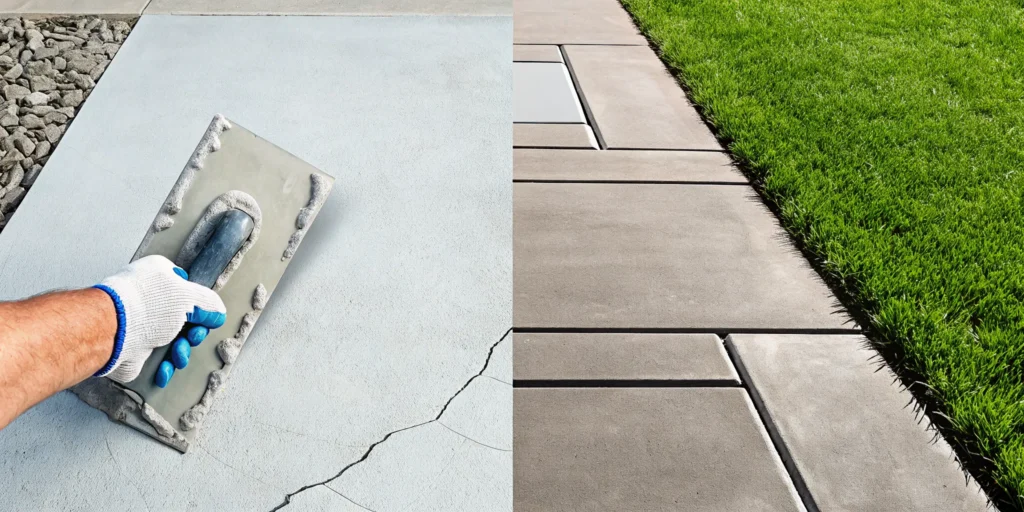
That new crack in your driveway isn’t just an eyesore; it’s a message from your property. Every line, chip, and uneven spot tells a story about the forces at work, from shifting Texas soil to water drainage issues. Learning to read these signs is the first step toward protecting your home. A tiny surface crack might be a simple weekend fix, but a sinking slab could be a symptom of a much larger problem that threatens your foundation. This guide will help you decode what your concrete is telling you, so you can understand the root cause and determine the right approach for a proper concrete repair.
Key Takeaways
- Know the difference in damage: Small, hairline cracks are often cosmetic, but sunken or uneven slabs signal deeper soil issues. Correctly identifying the problem is the first step to finding the right, long-term solution.
- Repairing is smarter than replacing: Before you consider a full replacement, know that professional repairs like concrete leveling can be significantly more affordable. Acting quickly on small issues also saves you from much larger expenses later on.
- Know when to call a professional: While DIY is great for minor cosmetic fixes, structural problems like sinking slabs or wide cracks need an expert. Hiring a pro with local knowledge of Dallas soil ensures the job is done right the first time, preventing costly re-dos.
Why Is My Concrete Cracking? A Homeowner’s Guide to Common Issues
Finding a crack in your driveway, patio, or walkway can be unsettling. Your mind might jump straight to worst-case scenarios and costly replacements. But before you panic, it’s helpful to know that not all concrete damage is created equal. The type of crack or issue you’re seeing tells a story about what’s happening beneath the surface, and understanding the cause is the first step toward finding the right solution. From tiny surface lines to entire slabs sinking, concrete problems come in many forms. Some are simple signs of age, while others point to deeper issues with the soil supporting your home.
Identifying what you’re dealing with can help you decide if it’s a small fix you can monitor or a problem that needs professional attention. For example, a few hairline cracks might just need sealing, but a sunken slab could be channeling water directly toward your foundation. Knowing the difference is key to protecting your investment. Let’s walk through some of the most common types of concrete damage so you can get a clearer picture of what’s going on with your property and when it’s time to consider a concrete repair.
Fine Lines and Surface Cracks
Have you noticed thin, web-like cracks spreading across your concrete? These are often called hairline or crazing cracks. While they might look alarming, they are usually just on the surface. Concrete is incredibly strong when pressed down, but its surface and edges are more vulnerable to other forces. This can lead to fine lines and surface cracks, which are often the first signs of wear and tear. These typically happen as the concrete cures and shrinks, or from minor ground movement over time. While these cracks are often cosmetic, they shouldn’t be completely ignored. They create tiny openings for water to seep into the slab, which can cause bigger problems down the road, especially during a freeze. Keeping an eye on them is a good idea, and sealing them can prevent further damage.
Spalling, Flaking, and Pitting
If the surface of your concrete looks like it’s chipping and flaking away, you’re likely dealing with spalling. This creates a rough, pitted, and pockmarked texture that only gets worse over time. When concrete isn’t properly maintained, it can lead to deterioration. Spalling, flaking, and pitting are common problems that arise when moisture penetrates the surface and causes damage. This is especially common in areas with freeze-thaw cycles, where water gets into the concrete, freezes, expands, and pops off the top layer. This type of damage exposes the weaker aggregate below and can even expose the steel rebar, leading to rust and further decay. Spalling is a clear sign that your concrete’s integrity is compromised and needs professional help to stop the deterioration in its tracks.
Sunken or Uneven Slabs
A sunken or uneven slab is one of the more serious concrete issues you can face. This is when a section of your driveway, sidewalk, or patio sinks below the surrounding area. When concrete slabs sink or become uneven, they create tripping hazards and drainage problems. The root cause isn’t the concrete itself, but the ground beneath it. This is often caused by soil erosion from poor drainage, or from the expansive clay soils common in the Dallas area shrinking and swelling with moisture changes. An uneven slab is more than just an eyesore; it can direct water toward your home’s foundation, potentially causing serious structural issues. This is not a DIY fix. It requires professional solutions like polyurethane foam injection to lift the slab back into place and stabilize the soil underneath.
How to Fix Damaged Concrete: Your Guide to Repair Methods
Seeing cracks or uneven spots in your concrete can be unsettling, but the good news is that most issues have a straightforward fix. The right repair method depends entirely on the type and extent of the damage. A hairline crack in your patio needs a different approach than a driveway slab that has started to sink. Think of it like this: you wouldn’t use a band-aid for a broken arm, and the same principle applies to concrete.
Fortunately, modern concrete repair techniques can solve everything from minor cosmetic flaws to significant structural problems, often without the need for a full replacement. Understanding your options is the first step toward restoring your concrete’s safety, function, and appearance. Below, we’ll walk through the most common repair methods, what they involve, and which problems they are designed to solve. This will help you get a clearer picture of what to expect when you call in a professional for an assessment.
Filling and Sealing Cracks
If you’re dealing with small, fine cracks in your driveway, walkway, or garage floor, filling and sealing is often the perfect solution. This method is exactly what it sounds like: a professional cleans out the crack and fills it with a durable, flexible sealant. This not only hides the unsightly line but, more importantly, it prevents water from seeping into the crack. Here in Texas, that moisture can cause the crack to expand, especially with our shifting soils. For minor cracks, this is a quick and cost-effective fix that stops a small problem from becoming a big one.
Patching and Resurfacing
When the damage is more than just a simple crack, like crumbling corners or surface flaking (spalling), patching and resurfacing come into play. Patching involves applying a specialized concrete mix to fill in chipped or broken areas, restoring the original shape of your slab. If the surface damage is more widespread, resurfacing might be the better option. This process involves applying a thin new layer of concrete over the entire slab, creating a fresh, uniform, and durable surface. It’s a great way to give an old, worn-out patio or pool deck a complete facelift without the cost of a total replacement.
Concrete Leveling: Mudjacking vs. Polyurethane Foam
Have you noticed a section of your sidewalk or driveway sinking? This is a common issue, but it doesn’t automatically mean you need to tear it all out. Concrete leveling can lift the slab back into its proper position. The traditional method, mudjacking, involves pumping a slurry of mud and cement underneath the slab. A more modern and advanced approach uses an expanding polyurethane foam. This foam is lightweight, requires smaller drill holes, and cures in minutes. It’s an incredibly effective way to correct uneven surfaces, eliminating trip hazards, and it’s often 50-80% cheaper than a full replacement.
Sealing for Preventative Maintenance
After any repair, and even for concrete in good condition, applying a sealant is one of the smartest things you can do. Think of it as a protective topcoat for your concrete. A quality sealer shields the surface from moisture, UV rays, oil stains, and other chemicals that can cause it to break down over time. Applying a sealer after a repair protects the new work and helps it blend with the existing concrete. Making this a part of your regular home maintenance routine is a simple, proactive step that can significantly extend the life of your concrete and help you avoid more costly repairs down the road.
When to Consider a Full Slab Replacement
While most concrete damage can be repaired, there are times when replacement is the only safe and logical choice. If your concrete is crumbling throughout, has a web of deep, interconnected cracks, or is so sunken and broken that it can’t be leveled, a repair may only be a temporary fix. This level of damage often indicates that the slab’s structural integrity is gone. A professional can assess the situation and determine if the underlying issue, such as severe soil erosion, makes replacement the most sensible long-term solution. If you suspect your concrete is beyond repair, getting a free estimate is the best way to know for sure.
Budgeting for Concrete Repair: What to Expect
Let’s talk about the elephant in the room: the cost. Seeing cracks in your concrete is stressful enough without the added worry of a huge repair bill. The good news is that most concrete repairs are more affordable than homeowners expect. While the final price tag can range from a couple hundred to several thousand dollars, understanding what goes into the estimate can give you peace of mind. The total cost depends on the extent of the damage, the repair method needed, and a few other key factors. It’s not just about patching a crack; it’s about providing a durable, long-term solution that protects your home’s value. Let’s break down the costs so you know what to expect when budgeting for your project and can move forward with confidence.
What Factors Influence the Cost?
The price for concrete repair isn’t one-size-fits-all. The biggest factor is the extent of the damage; a few hairline cracks will cost much less to fix than a large, sunken slab. Labor is another significant part of the cost, with professional crews typically charging by the hour. The quality of materials also plays a role. While cheaper materials might save you money upfront, we rely on patented, proven products that ensure a long-lasting fix. Finally, we have to consider the root cause. If poor drainage or invasive tree roots created the problem, addressing those underlying issues will add to the project’s scope and budget, but it’s essential for a permanent solution.
The Cost of Minor vs. Major Repairs
So, what do those factors translate to in actual dollars? For minor issues like filling a few cracks, you might spend between $175 and $500. These small jobs, like patching crumbling edges or sealing thin cracks, are priced per foot or square foot and are very budget-friendly. For more significant structural problems, like an uneven patio or driveway, you’re looking at a major repair. Concrete leveling, for example, can range from $500 to over $6,000, depending on the size of the area. While that sounds like a lot, it’s a fraction of the cost of a full replacement, which can run from $8 to $15 per square foot.
Why Repairing Is Often More Affordable Than Replacing
It’s almost always more cost-effective to repair concrete than to tear it out and replace it. For instance, leveling a sunken slab can be 50% to 80% cheaper than pouring a brand-new one. That’s a huge saving. More importantly, acting quickly saves you money in the long run. That small crack you see today might only cost a couple hundred dollars to seal. If you ignore it, water can get in, freeze, and expand, turning that tiny issue into a major structural problem that costs thousands to fix. The best way to understand your options and lock in the most affordable price is to get a professional opinion. We offer a free estimate to help you make an informed decision without any pressure.
DIY vs. Hiring a Pro: Making the Right Call
Deciding whether to tackle a concrete repair yourself or call in a professional can feel like a tough choice. On one hand, who doesn’t love saving money with a good DIY project? On the other, your home’s foundation and concrete slabs are not the place for guesswork. The right decision comes down to understanding the scope of the problem. Some issues are purely cosmetic and perfect for a weekend warrior, while others are symptoms of a much deeper issue that requires an expert diagnosis and specialized tools. Let’s walk through how to tell the difference so you can make a confident, cost-effective choice for your home.
When a DIY Fix Might Be Enough
If you’re looking at a few tiny, hairline cracks in your patio or driveway, you might be able to handle the repair yourself. For these minor cosmetic issues, a trip to the hardware store for some concrete filler or sealant can be a great solution. You can save a significant amount of money by filling small cracks or pressure washing a stained surface on your own. These tasks are generally low-risk and can give your concrete a quick facelift without a major investment. Think of it as basic home maintenance. As long as the cracks aren’t getting wider and the concrete slabs are still level, a DIY approach is often a perfectly reasonable first step.
Signs You Need to Call a Professional
It’s time to call for backup when you see signs of structural distress. This includes large, deep, or widening cracks (bigger than a quarter-inch), and any concrete slabs that have sunken or become uneven. These are not just surface-level problems; they often point to underlying issues with the soil beneath your foundation. A professional can do more than just patch the crack. They can diagnose the root cause, whether it’s soil erosion, water damage, or settlement. Attempting a DIY fix on these kinds of problems is like putting a bandage on a broken arm. A professional concrete repair service has the right tools and expertise to stabilize the slab and prevent future damage.
The Hidden Costs of a DIY Job Gone Wrong
Trying to fix a structural concrete problem yourself can quickly turn into a costly mistake. Using the wrong materials or failing to address the underlying cause can make the situation much worse. For example, simply filling a wide, active crack without stabilizing the slab means the crack will likely reappear, bigger and badder than before. A botched repair might even create new problems, leading to more extensive and expensive work down the road. Our team of professionals has seen it all, and fixing a failed DIY attempt often costs more than getting it done right the first time. Your home is your biggest investment, and it’s worth protecting with a proper repair.
How Acting Fast Saves You Money in the Long Run
When it comes to concrete, procrastination is not your friend. Ignoring a small crack or a slightly uneven slab allows the underlying problem to worsen over time. Water can seep into cracks, freeze, and expand, turning a small fissure into a major fracture. A small crack that might cost a few hundred dollars to seal now could evolve into a problem requiring a full slab replacement if left unchecked. The good news is that professional repair is often 50% to 80% cheaper than tearing out and replacing the entire concrete slab. If you’re unsure about a crack or sunken spot, don’t wait. Getting a free, professional estimate can give you peace of mind and save you a fortune in the long run.
How to Choose the Right Concrete Repair Company in Dallas
Finding the right contractor is just as important as correctly identifying the concrete problem. The Dallas area has plenty of options, but the quality of work can vary dramatically. Choosing a skilled, reliable company ensures your repair is done correctly the first time, saving you from future headaches and expenses. A great contractor not only fixes the visible damage but also addresses the root cause, protecting your property’s value for years to come. To make the right choice, you need to know what to look for and what questions to ask. Think of it as hiring a long-term partner for your home’s health. A little research upfront can make all the difference between a temporary patch and a lasting solution.
Look for Proven Experience and Methods
When you’re vetting a company, experience should be at the top of your list. A contractor who has been repairing concrete for years has seen it all and knows how to diagnose issues accurately. According to the American Concrete Institute, seasoned professionals are better at applying effective, long-term solutions. Ask to see examples of their previous jobs; a reputable company will be proud to show you their portfolio of work. This gives you a clear picture of their capabilities and the quality you can expect. A long track record in the industry is often a sign of consistent, reliable service.
Ask About Their Products and Materials
The materials used for your repair will determine how durable it is. Don’t be shy about asking what products a company uses and why they chose them. A professional should be able to explain the benefits of their materials, whether it’s a high-strength polymer for crack injection or a specific polyurethane foam for leveling. The Concrete Network notes that using the right product is critical for a successful outcome. At Solid Base, we use patented, proven products designed for effective and lasting concrete repair, ensuring your investment is well-protected.
Insist on Free Estimates and Transparent Pricing
A trustworthy company will always offer a free, no-pressure estimate. This allows you to understand the scope of the work and the potential costs without any commitment. Getting a few different quotes can help you understand the market rate for your project, as HomeAdvisor suggests. Look for a detailed, itemized quote that breaks down the costs for labor and materials. This transparency helps you avoid surprise fees and shows the company is operating honestly. If you’re ready to see what your repair might cost, you can always contact us for a complimentary evaluation.
Prioritize Local, DFW-Area Expertise
Choosing a local contractor who understands the specific challenges of the Dallas-Fort Worth area is a smart move. North Texas soil is known for its expansive clay, which swells and shrinks with moisture changes, putting immense stress on concrete slabs. A local expert is familiar with these conditions and knows how to implement repairs that stand up to our climate. The Better Business Bureau recommends checking a company’s local reputation and reviews. A contractor with deep roots in the community, like our team at Solid Base, has a vested interest in providing quality work to our neighbors throughout the DFW service area.
Related Articles
Frequently Asked Questions
How can I tell if a concrete crack is a serious problem? A good rule of thumb is to look at the crack’s size and behavior. If a crack is wider than a quarter-inch, is getting longer or wider over time, or if one side of the crack is higher than the other, it’s a sign of a potential structural issue. These symptoms often indicate that the ground underneath is shifting, which requires a professional assessment to diagnose the root cause and prevent further damage.
Will the repair be noticeable? While a repair can’t be made completely invisible, a professional’s goal is to create a clean, stable, and well-blended result. For crack repairs, the filled line will be visible, but it looks much better than an open, crumbling crack. For resurfacing or leveling, the results can be transformative. Applying a quality sealant over the entire surface after a repair can also help unify the color and texture for a more seamless appearance.
Why is fixing a sunken slab so important? A sunken slab is more than just an eyesore or a trip hazard. When a section of your driveway or patio sinks, it changes the way water drains on your property. Often, it directs rainwater directly toward your home’s foundation. This constant moisture can lead to soil erosion, settlement, and eventually, serious and expensive foundation problems. Fixing the slab corrects the drainage and protects your home’s structural integrity.
How long do concrete repairs like foam leveling usually take? You might be surprised by how quickly most professional repairs can be completed. Simple crack filling and sealing can often be done in just a few hours. Even a more significant job like polyurethane foam leveling is remarkably efficient. Most residential projects are finished in a single day, and the foam cures so quickly that you can typically walk or drive on the repaired slab within an hour of the crew finishing.
Is it better to repair my concrete now or wait and save up for a full replacement later? Acting sooner is almost always the more affordable and responsible choice. Concrete problems rarely get better on their own; they tend to get worse and more expensive to fix. A small crack that costs a few hundred dollars to seal today can allow water to seep in, erode the soil, and lead to a sunken slab that costs thousands to level. Repairing the issue early is a small investment that prevents a much larger expense down the road.