
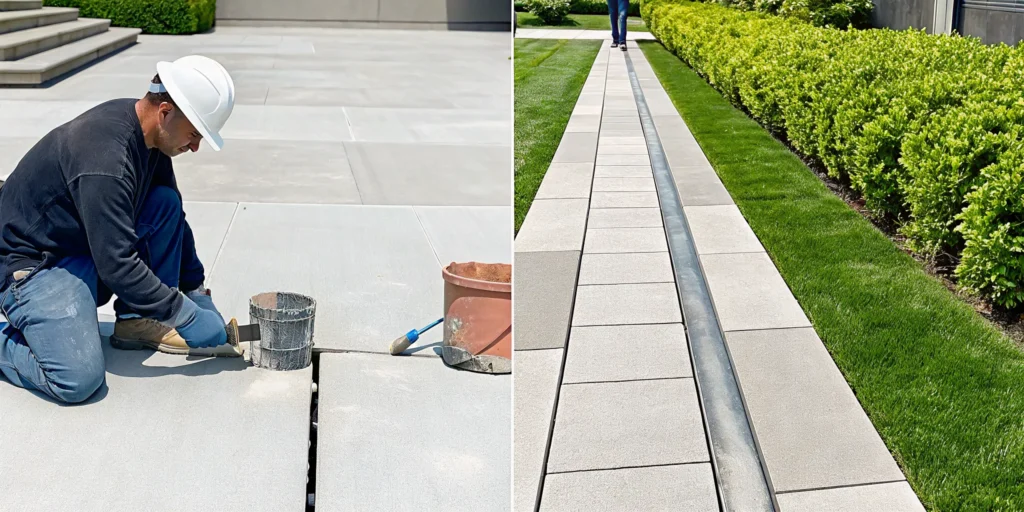
Your concrete is trying to tell you something. Those cracks, sinking spots, and puddles that form after it rains aren’t just random flaws; they are clues about the health of your slab and the stability of the ground it rests on. Learning to read these signs is the first step to preventing a small issue from becoming a major, expensive headache. But understanding this language can be tricky, leaving you to wonder what the right response should be. It all comes down to one critical question: do I need concrete repair or concrete replacement? This article will serve as your guide, helping you translate what your concrete is telling you so you can confidently decide on the best course of action for your home.
Key Takeaways
- Distinguish between cosmetic and structural flaws: Small hairline cracks are often just surface issues, but wide cracks, sinking sections, and pooling water point to deeper problems with the underlying soil that require an expert.
- Weigh the long-term value of repair versus replacement: Repairing is cost-effective for minor, surface-level damage, while replacement is the better investment for significant structural problems caused by soil issues, providing a permanent solution.
- Avoid the pitfalls of DIY fixes and delays: Patching a structural problem or ignoring it can lead to greater safety risks and higher costs. A professional evaluation is the only way to correctly diagnose the root cause and find a lasting solution.
Is Your Concrete Trying to Tell You Something?
Your concrete driveway, patio, and walkways are more than just functional surfaces; they’re a huge part of your home’s first impression. Over time, they can start to show signs of wear and tear. It’s easy to dismiss a small crack or a little unevenness, but sometimes these are early warnings of bigger issues brewing beneath the surface. Think of it as your concrete trying to communicate with you. Learning to read these signs can help you catch problems early, saving you from more extensive and expensive fixes down the road.
From obvious cracks to subtle changes in the surface, your concrete provides clues about its health and the stability of the ground it rests on. Understanding what to look for is the first step in protecting your investment and keeping your property safe. We’ll walk through the most common signs of concrete distress, like fractures, flaking surfaces, sinking slabs, and pooling water. Recognizing these indicators will help you decide when a simple fix is enough and when it’s time to call in a professional for a closer look. Taking action now can prevent a minor issue from turning into a major headache.
Cracks and fractures
Cracks are probably the most noticeable sign of concrete trouble. While tiny hairline cracks are often just a cosmetic issue from the concrete curing, you should pay close attention to anything wider. A good rule of thumb is if a crack is wider than a quarter-inch, it’s signaling a deeper problem. These larger fractures often mean the soil underneath has shifted or settled, putting stress on the slab. Ignoring them allows water to seep in, which can worsen the problem, especially with our expansive Texas clay soil. Prompt concrete repair can stop these cracks from spreading and causing more significant structural damage.
Flaking and spalling
Have you noticed the top layer of your concrete chipping away or developing pits? This is known as flaking or spalling. It might look like a simple surface issue, but it’s a sign of concrete deterioration. This happens when moisture gets into the concrete and causes the surface to break apart, often worsened by freeze-thaw cycles or a poor initial mix. Spalling doesn’t just look bad; it weakens the concrete and creates a rough, unsafe surface. If you see this happening on your steps, pool deck, or patio, it’s a clear signal that your concrete needs professional attention to restore its strength and appearance.
Uneven or sinking surfaces
A driveway that’s no longer level or a patio slab that has sunk on one side is a major red flag. Uneven concrete is more than just an eyesore; it’s a serious tripping hazard for your family and guests. Sinking usually happens when the soil underneath the slab erodes or compacts, leaving a void that the heavy concrete settles into. This is a common problem in the Dallas area due to our shifting soils. Because this points to an issue with the ground itself, it often requires a professional solution that addresses both the slab and the underlying soil, similar to a foundation repair.
Water pooling nearby
After it rains, take a look at your concrete surfaces. Do you see puddles forming on your driveway or water collecting against your house? This is a sign that your concrete has shifted or sunk, disrupting the original slope designed for proper drainage. Water is one of concrete’s biggest enemies. When it pools, it can seep underneath the slab and wash away the soil, making the sinking and cracking even worse. If that water is flowing toward your home, it can put your entire foundation at risk. Addressing the drainage issue is just as important as fixing the concrete itself.
Cosmetic vs. Structural Damage: How to Tell the Difference
It’s easy to look at a crack in your driveway or patio and wonder, “Is this a big deal?” Some concrete damage is just a surface flaw, while other issues signal a deeper problem brewing beneath. Knowing how to spot the difference is the first step toward finding a lasting solution and protecting your home’s value. Let’s walk through what to look for.
Spotting cosmetic issues
Cosmetic issues are the surface-level imperfections that, while annoying, don’t compromise the strength of your concrete slab. Think of very thin, hairline cracks that don’t seem to be growing, or small patches where the surface is flaking or chipping away. These are often called spiderweb cracks or spalling. While they might not look great, they typically mean the concrete itself is still solid. These flaws are usually caused by things like improper curing or normal wear and tear over time. A professional concrete repair can often address these surface issues, restoring the look of your concrete without needing a total replacement.
Identifying structural problems
Structural problems are the red flags you shouldn’t ignore. These are signs that the ground supporting your concrete has shifted or failed, causing the slab to lose its integrity. Look for wide, deep cracks, especially if they are getting longer or wider over time. A key indicator of a structural issue is when one side of a crack is higher than the other, creating an uneven surface and a trip hazard. This displacement means the slab has broken and is no longer stable. These are serious problems that often point to underlying soil issues, which can also affect your home’s foundation repair needs.
The high cost of guessing wrong
It can be tempting to dismiss a crack as “just cosmetic” or try a quick patch job from the hardware store. Unfortunately, misdiagnosing the problem can lead to bigger headaches and more expensive repairs down the road. Covering up a structural crack with a surface-level filler is like putting a bandage on a broken bone; it doesn’t fix the underlying issue. That small crack will likely return and worsen, and you’ll have wasted time and money on a fix that didn’t last. Getting an expert opinion from the start helps you avoid the stress and expense of ineffective repairs and ensures you get the right solution the first time.
How to Assess Your Concrete Damage
Before you can decide on a fix, you need to play detective and understand what you’re dealing with. A little investigation can tell you a lot about whether you’re looking at a simple patch job or a more serious structural issue. Grab a notepad and let’s walk through a quick inspection of your concrete surfaces.
Measure crack width and depth
Not all cracks are created equal. Small, thin cracks, often called hairline cracks, are usually just a surface problem and may not be a cause for immediate alarm. However, cracks wider than a quarter-inch often signal a bigger issue with the ground underneath your slab. Use a tape measure to get an accurate reading. If you can fit a quarter into the crack, it’s a sign that the problem goes deeper than the surface. This kind of damage suggests the soil is shifting, which requires a more robust concrete repair solution than a simple filler.
Look for sinking or shifting
Take a step back and look at the bigger picture. Is one section of your driveway, patio, or walkway lower than the rest? If your concrete slab is visibly moving, sinking, or tilting, a simple repair might not last. This movement is a classic symptom of soil settlement or erosion beneath the slab. In the Dallas area, our expansive clay soil is often the culprit. Ignoring sinking concrete can lead to bigger problems, as the instability can affect surrounding structures. Addressing these underlying soil issues is critical for a lasting fix.
Note if damage returns
Have you tried a DIY patch in the past, only to see the crack reappear a few months later? Recurring damage is your concrete’s way of telling you that the initial fix didn’t solve the real problem. While it’s tempting to think a quick patch will do, concrete repair isn’t always a simple project. If cracks, flakes, or sinking keep coming back, it’s a clear sign of an ongoing issue, like soil movement or water intrusion. A professional assessment can identify the root cause so the problem can be fixed for good.
Check for pooling water
Water is one of concrete’s biggest enemies. After it rains, check to see where water collects on your concrete surfaces. If you notice puddles forming or water running toward your home’s foundation, you have a grading problem. This pooling water can seep into the ground and wash away the soil supporting the concrete. Over time, this erosion causes the slab to sink and crack, creating even more damage. Proper drainage is essential for the longevity of both your concrete and your home’s foundation.
Know when to call a pro
After your inspection, you might feel a bit overwhelmed, and that’s okay. While it’s good to understand the signs of damage, you don’t have to be the expert who fixes it. If you see wide cracks, sinking slabs, or recurring issues, it’s time to call for a professional opinion. Timely, professional repairs can preserve or even increase your home’s value and give you peace of mind. An expert can accurately diagnose the problem and recommend the right solution, saving you from costly and ineffective quick fixes. You can contact us for a free, no-obligation estimate.
Repair or Replace? Weighing Your Options
You’ve assessed the damage, and now you’re at a crossroads: do you repair the concrete or tear it all out and start fresh? It’s a big decision, and the right answer depends entirely on the type and extent of the problem you’re facing. Both options have their place, so let’s walk through when each one makes the most sense for your home and your budget.
The case for repair
If you’re dealing with minor issues, a repair is often the smartest and most cost-effective path. Think small, hairline cracks (thinner than a quarter-inch), minor chipping, or surface-level flaking. These are typically signs of normal wear and tear, not deep structural failure. Modern concrete repair methods are incredibly effective and can restore the look and function of your slab without the disruption of a full replacement. A professional repair is quick, creates less mess, and is much friendlier to your wallet. It’s the ideal solution when the underlying foundation of the concrete is still solid and the damage is only skin-deep.
The case for replacement
Sometimes, a simple patch just won’t cut it. Replacement becomes the necessary choice when the concrete’s structural integrity is compromised. If you see multiple wide, deep cracks, or if one section of the slab has sunk significantly, it often points to a serious problem with the soil underneath. In these cases, just fixing the surface is like putting a bandage on a broken bone. A full replacement addresses the root cause, allowing us to properly prepare the ground before pouring fresh, durable concrete. While it’s a bigger project, it provides a long-term solution and peace of mind that the problem is truly fixed.
Comparing the costs
It’s no surprise that repairing concrete is almost always cheaper upfront than replacing it. However, it’s important to think about the long-term value. If your concrete has deep structural issues, paying for small repairs every year or two will quickly add up. Before you know it, you could spend more on repeated patches than you would have on a one-time replacement. A new slab is a bigger initial investment, but it solves the problem for good. We understand that budget is a major factor, which is why we offer straightforward financing options to help make the right long-term decision more accessible for your family.
The hidden cost of quick fixes
The temptation to opt for a cheap, fast fix is understandable, but it often comes with hidden costs. A simple surface patch might cover up a crack, but it does nothing to address the pressure or soil movement that caused it in the first place. This means the crack will almost certainly return, often worse than before. DIY repair kits can also create more problems than they solve, leading to mismatched colors, textures, and a repair that fails quickly. Getting a professional evaluation is the only way to know for sure what’s going on beneath the surface. A proper diagnosis ensures you invest in a solution that lasts, saving you money and headaches down the road.
Concrete Repair Myths, Busted
When it comes to concrete, a few common ideas float around that can lead homeowners down the wrong path. Believing these myths can turn a small, fixable issue into a major headache. Let’s clear up some of the biggest misconceptions so you can make the best decision for your home and your wallet.
Myth: “It’s only a cosmetic issue”
It’s easy to look at a small crack in your driveway or patio and dismiss it as a minor flaw. While some cracks are just on the surface, many are signals of deeper issues. Ignoring them can compromise your home’s structural integrity and even create safety hazards like tripping risks. That hairline crack today could expand, allowing water to seep underneath and erode the soil, leading to more significant damage. Proper concrete repair isn’t just about making things look pretty; it’s about protecting your property’s value and ensuring it remains a safe, stable place for your family.
Myth: “I can fix it myself”
I love a good DIY project as much as anyone. There’s a real sense of accomplishment in fixing something yourself. When it comes to concrete issues, however, a DIY approach can be risky. Patching a crack with a store-bought kit might seem like a quick fix, but it often just covers up the symptom without addressing the root cause. Professional evaluation is key because issues like sinking slabs or recurring cracks often point to problems with the underlying soil, which can affect your home’s entire foundation. Without the right training and equipment, you could end up with a repair that fails quickly, costing you more in the long run.
Myth: “Any repair method will do”
You might think that a crack is a crack, and any filler will solve the problem. But concrete repair isn’t a one-size-fits-all situation. The right solution depends entirely on the type and cause of the damage. For example, leveling a sinking sidewalk requires a completely different technique than sealing a crack in a garage floor. Professionals use advanced methods like polyurethane foam injection, which is less invasive and more durable than traditional mudjacking for certain problems. Choosing the wrong method can lead to a temporary fix that quickly fails. Seeing how experts handle different situations in our work shows just how tailored a real solution needs to be for a lasting repair.
Other Factors to Consider
Deciding between repair and replacement isn’t just about the damage itself. Your home’s location, your future plans, and your property’s value all play a role in making the right choice. Thinking through these factors will help you find a solution that fits your specific situation, not just a temporary patch.
Our unique Dallas soil
If you live in the Dallas area, you’re dealing with a unique challenge right under your feet. Much of Texas has expansive clay soil that acts like a sponge. It swells up when it gets wet and shrinks dramatically when it dries out. This constant cycle of movement pushes and pulls on your concrete slabs, whether it’s your foundation, driveway, or patio. This relentless pressure is a primary cause of cracks and shifting. Understanding this helps you see why a simple DIY fix might not hold up. A professional solution needs to account for our local soil conditions to provide a lasting repair for your foundation.
How you use your space
Your personal plans for your home are a big part of the equation. If you’re planning to sell your house soon, a cosmetic fix might seem like enough to get by. However, if this is your long-term home, investing in a more permanent solution will give you better results and peace of mind for years to come. Think about how you use the area. Is it a high-traffic driveway that sees daily use or a quiet back patio for occasional relaxing? The function of the space can help determine the right level of intervention and whether it’s a worthwhile long-term investment.
Curb appeal and home value
Never underestimate the power of a first impression. Cracked, uneven, or stained concrete can make an otherwise beautiful home look neglected and can lower its perceived value. On the other hand, timely and professional repairs can preserve or even increase your home’s value. When potential buyers see well-maintained concrete, it gives them confidence that the property has been cared for. Fixing these issues isn’t just about safety; it’s about protecting your biggest investment. A clean, stable driveway and walkway can significantly enhance your home’s curb appeal and make it more attractive on the market.
Why You Shouldn’t Ignore Concrete Damage
It’s tempting to look at a crack in the patio or a slightly uneven sidewalk and think, “I’ll get to that later.” But when it comes to concrete, what starts as a small issue can quickly spiral into a major headache. Putting off repairs doesn’t just risk bigger bills down the road; it can also create serious safety issues and signal deeper problems with your property’s foundation.
Safety and liability risks
That uneven spot on your walkway might seem like a minor annoyance, but it’s a significant tripping hazard. Even a half-inch difference in height is enough to catch a foot and cause a fall, putting your family, mail carriers, and guests at risk. As a homeowner, you could be held liable for injuries that happen on your property. Addressing these hazards isn’t just about keeping your home looking its best; it’s about creating a safe environment for everyone. Timely and professional concrete repair eliminates these dangers and gives you valuable peace of mind.
How small cracks become big problems
A tiny crack in your concrete is like an open invitation for water. Once moisture gets in, it can erode the soil beneath the slab, causing it to sink and crack even more. In colder weather, any trapped water can freeze and expand, forcing the crack to widen. While a hairline crack might just be on the surface, anything wider than a quarter-inch often points to a more serious issue underground. Ignoring the problem allows the damage to spread, turning what could have been a simple fix into a much more complex and expensive foundation repair project later on.
Get Your Free Concrete Estimate in Dallas
You’ve inspected your driveway and patio, and you know something isn’t right. So, what’s next? The best way to get a clear answer is to have an expert take a look. While concrete is incredibly durable, it sometimes needs professional help to stay in top condition. A professional assessment is the only way to know for sure whether you’re dealing with a simple fix or a more complex structural problem. It takes the guesswork out of the equation and gives you a solid path forward.
Many homeowners worry that any crack automatically means a costly and disruptive replacement project. The good news is that’s rarely the case. There are highly effective and efficient ways to fix sunken or cracked concrete without the hassle of tearing it all out. Our team specializes in modern concrete repair solutions that are minimally invasive and designed to last. A free estimate will show you exactly what’s possible for your property.
During your no-obligation consultation, one of our Dallas-based specialists will thoroughly evaluate the damage, explain the underlying cause, and walk you through the best repair options. We believe in educating our clients so you can make an informed decision with confidence. Timely, professional repairs not only fix the immediate issue but also help preserve your home’s value. You can see examples of how we’ve helped other homeowners in the area by looking at our work.
Don’t let uncertainty cause you stress. Get the facts from a trusted expert who understands the unique challenges of Dallas soil. Schedule your free, no-obligation estimate with Solid Base today, and let’s create a plan to restore the safety and beauty of your concrete.
Related Articles
- How to Fill Large Cracks in Concrete Like a Pro
- Concrete Repair – Solid Base
- A Homeowner’s Guide to Foundation Repair Services
- Ultimate Guide to Foundation Repair Options
- Foundation Crack Repair: A DIY vs. Pro Guide
Frequently Asked Questions
Is a hairline crack in my concrete a big deal? A single, tiny hairline crack might just be a cosmetic issue from the concrete curing process. However, you should keep an eye on it. If you notice the crack getting wider or longer, or if you see a network of spiderweb cracks forming, it could be an early warning sign. These changes often mean there’s stress on the slab from shifting soil, so it’s a good idea to get a professional opinion before it develops into a larger problem.
Why is my concrete driveway or patio sinking on one side? Sinking concrete is almost always caused by what’s happening in the ground underneath it. The soil may have been poorly compacted before the slab was poured, or more commonly in our Dallas area, water has caused the soil to erode or wash away. This creates an empty space, and the heavy concrete slab settles into it. This is a definite structural issue that needs a professional solution to stabilize the ground and lift the slab back into place.
Can’t I just buy a kit and fix the cracks myself? While I appreciate the can-do spirit of a DIY project, concrete repair is one area where it can backfire. Those patch kits you find at the hardware store are essentially cosmetic fillers. They cover up the crack but do nothing to address the root cause, like soil movement. As a result, the crack will almost certainly reappear. A professional repair identifies and solves the underlying problem for a lasting fix.
How do I decide between repairing and replacing my concrete? The decision comes down to the structural integrity of the slab. If your concrete is still fundamentally stable but has surface issues like spalling or minor cracks, a repair is an excellent, cost-effective choice. However, if the slab is shattered into multiple pieces, has wide, deep cracks, or has sunk significantly, a replacement is often the better long-term investment. A replacement allows a professional to fix the underlying ground issues before pouring new, stable concrete.
Will a professional concrete repair look obvious? This is a common worry, but a professional repair should blend in quite well. Experts use techniques to match the color and texture of your existing concrete, making the repaired area much less noticeable than a DIY patch job. For sinking slabs, methods like polyurethane foam injection lift the original slab back into place with minimal disruption, leaving behind only very small, easily concealed injection sites. The goal is always to restore both the function and the appearance of your concrete.