
That small crack in your basement or crawl space can feel like a huge question mark. Is it a normal sign of settling, or is it the beginning of a bigger problem? The answer often depends on the type of concrete wall you have. A solid, poured wall behaves differently under pressure than a wall built from individual concrete blocks. Knowing what you’re working with is key to diagnosing issues and finding the right solution. This guide will walk you through the main types of foundation walls, explain their common failure points, and help you understand when a simple fix is enough or when it’s time to call for professional concrete repair.
Key Takeaways
- Choose based on your priorities: Poured concrete provides maximum strength and water resistance for a higher initial cost, while concrete blocks offer upfront savings but may require more long-term maintenance due to their mortar joints.
- Professional installation is non-negotiable: Whether it’s managing the curing process for poured concrete or ensuring perfect alignment for block walls, the quality of the installation dictates the wall’s strength and lifespan. Never cut corners on hiring an experienced team.
- Control water to protect your investment: Water is the biggest threat to any foundation. Simple actions like cleaning gutters, grading soil away from the house, and sealing cracks promptly are the most effective ways to prevent costly water damage and structural issues down the line.
Poured, Block, or Precast: What Are the Main Types of Concrete Walls?
When you think of a concrete wall, you might picture one specific thing. But in reality, concrete walls come in a few different forms, each with its own set of strengths and weaknesses. Whether you’re building a new home or assessing the foundation you already have, knowing the difference is a great first step. It helps you understand what you’re working with and what to look for when it comes to potential issues. Let’s walk through the three main players: poured concrete, concrete blocks, and precast panels.
Poured Concrete Walls
Poured concrete walls, sometimes called cast-in-place walls, are exactly what they sound like. Wet concrete is poured into temporary forms set up on-site. After the concrete cures, the forms are removed, leaving behind a single, solid wall. The biggest advantage here is strength and water resistance. Because there are no joints or seams, it’s much harder for water to find a way in. This solid construction gives it incredible structural integrity, making it a popular choice for modern foundations built to last. This seamless nature is a major asset in preventing leaks down the road.
Concrete Block Walls (CMUs)
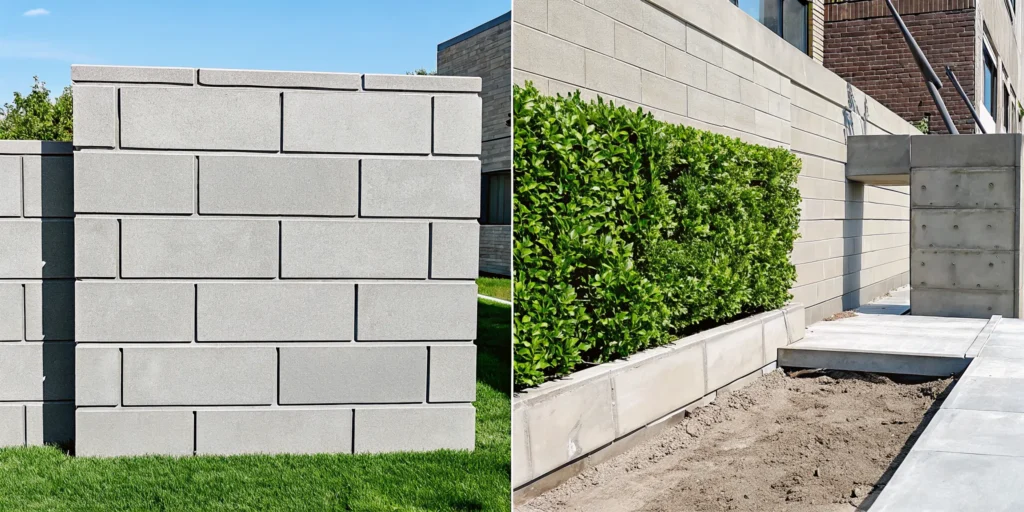
You’ve definitely seen these before. Concrete block walls are built by stacking individual blocks, often called Concrete Masonry Units or CMUs. Masons lay them one by one with mortar, and they often add steel rebar inside the block cavities to give the wall more strength. This method can be faster and more budget-friendly than pouring a solid wall. However, all those mortar joints create potential weak spots. Over time, these walls can be more prone to leaks and are sometimes considered a less durable option compared to their poured counterparts, especially for basements in wet climates.
Precast Concrete Panels
Precast concrete panels are the high-tech option of the group. Instead of being built on your property, these wall sections are created in a controlled factory environment. They are custom-designed for a specific project, complete with openings for doors and windows. Once they’re ready, they are transported to the construction site and lifted into place. The main benefit is speed and precision. Since they’re made indoors, there are no weather delays, and the quality control is top-notch. This method can significantly shorten the construction timeline, getting your project framed and protected from the elements much faster than traditional methods.
Poured vs. Block Walls: A Head-to-Head Comparison
When you’re building a foundation or retaining wall, the two most common choices you’ll face are poured concrete and concrete blocks. Both have been used for decades and can create strong, lasting structures, but they have key differences. Understanding the pros and cons of each will help you decide which is the right fit for your home and your budget. Let’s break down how they stack up against each other in the areas that matter most.
Strength and Durability
Poured walls are incredibly strong, especially when it comes to resisting lateral pressure from soil and water. Because a poured wall is a single, solid piece of concrete, it has no joints or seams, which are natural weak points. This monolithic structure gives it superior strength and makes it less prone to bowing or cracking under pressure.
Concrete block walls are also quite strong, but their durability depends heavily on the quality of the mortar and the skill of the mason. The joints between the blocks are the most vulnerable spots. Over time, these joints can deteriorate and create pathways for water or fail under pressure. For most foundation needs, especially in areas with expansive clay soil like we have in Dallas, the continuous strength of a poured wall often provides better long-term foundation repair prevention.
Water Resistance
When it comes to keeping water out, poured concrete walls have a clear advantage. Their solid, seamless nature makes them naturally waterproof, leaving no easy path for moisture to seep into your basement or crawl space. This is a huge benefit for preventing mold, mildew, and the kind of water damage that can compromise your home’s structure over time.
Block walls, with their many mortar joints, present numerous opportunities for water intrusion. Even with a quality installation, these joints can develop tiny cracks and allow moisture to get through. To make a block wall truly water-resistant, you’ll almost always need to apply an exterior waterproof coating or install a comprehensive drainage system, adding extra steps and costs to the project.
Installation Speed
For larger projects, poured walls are generally faster to install. Once the forms are set up, the concrete can be poured in just a few hours. The main waiting period comes afterward, as the concrete needs several days to a week to cure properly before the forms can be removed and construction can continue.
Building with concrete blocks is a more labor-intensive and time-consuming process. Each block must be laid by hand, one at a time, which naturally slows down the project timeline. However, this methodical pace can be an advantage for smaller jobs, complex designs, or projects that need to be completed in stages, as you don’t have to wait for a large batch of concrete to cure.
Energy Efficiency
On their own, neither poured concrete nor concrete blocks are great insulators. Concrete has high thermal mass, meaning it absorbs and releases heat slowly, but it doesn’t stop heat transfer very well. To meet modern energy standards and keep your home comfortable, both types of walls require additional insulation, either on the interior or exterior.
One area where block walls often have a slight edge is in fire resistance. The hollow cores of the blocks can slow the spread of fire, and many standard block wall designs come with a fire rating of two to four hours. While both materials are non-combustible, this built-in rating can provide an extra measure of safety.
Design and Aesthetic Options
Your aesthetic preference can also play a role in your decision. Poured concrete walls offer a smooth, clean, and modern look. Their uniform surface is an ideal canvas for paint or other decorative finishes, giving you a lot of flexibility.
Concrete block walls provide a more traditional, textured appearance with visible mortar lines. This can be a desirable look on its own, but you can also cover it with stucco, parging, or paint. You can even find decorative blocks with different textures and colors. If you’re trying to visualize the final product, looking at examples of finished concrete repair projects can give you a better sense of the possibilities.
Breaking Down the Costs
Let’s talk numbers. When you’re planning a project, the budget is always a top concern. It’s easy to look at the initial price tag and make a decision, but with foundations, the upfront cost is only part of the equation. You also have to think about long-term value and potential maintenance expenses down the road. Here’s a look at how the costs for poured concrete, concrete blocks, and precast panels generally compare, so you can get a clearer picture of the total investment for your home.
The Price of Poured Concrete
Poured concrete walls tend to have a higher initial cost, often falling somewhere between $16 and $22 per square foot. Why the bigger price tag? It comes down to the materials and labor involved. The process requires specialized forms, a significant amount of ready-mix concrete, and steel rebar for reinforcement. While it might stretch the budget at first, many homeowners find the investment worthwhile for the strength and water resistance it provides, which can save money on future repairs.
The Price of Concrete Blocks
If you’re looking for a more budget-friendly option upfront, concrete block walls are often the answer. The initial cost is typically lower, ranging from about $12 to $18 per square foot. This is mainly because the material cost for the blocks themselves is less expensive than the large volume of concrete and specialized forms needed for poured walls. This can make a big difference in the overall project budget, especially for larger constructions. However, remember to weigh this initial savings against potential long-term maintenance needs.
The Price of Precast Panels
Pricing for precast concrete panels works a little differently. Because these walls are custom-made for your specific project in a controlled factory setting, you won’t find a standard per-square-foot price. The cost is based on the unique design, size, and features of your foundation. This custom precast system means you get a product engineered for precision, which can lead to savings in labor and time on-site. You’ll typically get a comprehensive quote from the manufacturer that covers the custom-built panels for your project.
Factoring in Long-Term Maintenance
The initial price is just the beginning of the story. While block walls are cheaper to install, poured walls often prove more economical over time because their solid structure is less prone to leaks and requires fewer repairs. Concrete block walls can have a long lifespan of 50 to 100 years, but they rely on mortar joints that can degrade and create entry points for water. No matter which type you choose, addressing issues early is key. If you spot cracks or signs of water, getting a professional concrete repair can prevent small problems from becoming major expenses.
What Are the Common Installation Hurdles?
Choosing between poured and block walls is just the first step. The real test comes during installation. Both methods have specific challenges that, if not handled correctly, can lead to structural problems down the road. A successful, long-lasting wall depends entirely on the skill and attention to detail of the installation team. Understanding these potential pitfalls can help you appreciate why professional expertise is so critical for a project of this scale. When your home’s stability is on the line, cutting corners on installation is a risk you can’t afford to take.
Poured Walls: Curing Time and Temperature
Poured concrete doesn’t just dry; it cures. This is a chemical process where the concrete hardens and gains strength, and it’s highly sensitive to its environment. For the best results, the temperature should stay between 50°F and 90°F. In the Texas heat, pouring concrete on a scorching summer day without the right precautions can cause it to cure too quickly, leading to weakness and shrinkage cracks. The process also requires consistent moisture to achieve maximum strength. If a poured wall isn’t cured properly, it can compromise the entire structure, creating weak spots that may eventually require significant concrete repair.
Block Walls: Mortar and Alignment
Building a concrete block wall requires true craftsmanship. Each block must be perfectly level and aligned, and the mortar holding it all together must be mixed and applied correctly. Think of mortar as the structural glue; if it’s weak or applied inconsistently, it creates vulnerabilities in the wall. Misaligned blocks or poorly filled mortar joints can become weak points that allow water to seep through or cause the wall to bow under pressure from the surrounding soil. Over time, these seemingly small installation errors can lead to major structural failures, turning a simple project into a complex foundation repair issue.
The Importance of Proper Reinforcement
Both poured and block walls rely on steel reinforcement, or rebar, for their tensile strength. Concrete is incredibly strong under compression but can crack under tension from forces like soil pressure or settling. In poured walls, a grid of rebar acts as a durable skeleton inside the concrete, holding it together and preventing cracks from spreading. For block walls, rebar is placed vertically in the block cores, which are then filled with concrete to create a solid, unified structure. Failing to include proper reinforcement is a critical mistake that can lead to bowing, cracking, and even total wall failure. It’s one of the many reasons why trusting an experienced team is essential to see how it’s done right in our work.
How to Maintain Your Concrete Walls for the Long Haul
Whether you have poured or block concrete walls, a little proactive care goes a long way in preventing major issues. Your home’s foundation walls are constantly under pressure from the surrounding soil and moisture. Staying on top of maintenance helps ensure they remain strong and stable for decades, protecting your biggest investment. Think of it as a simple health checkup for your home. By regularly inspecting your walls and addressing small problems before they escalate, you can avoid costly and complicated repairs down the road.
Inspect for Cracks and Make Prompt Repairs
One of the simplest yet most effective things you can do is to regularly walk around your foundation and look for changes. Keep an eye out for new cracks in the concrete or mortar joints. While tiny hairline cracks can be a normal part of a house settling, you should pay attention to any that are widening or getting longer. Regularly checking for damage and fixing cracks helps your walls last longer. If you spot a crack that seems concerning, it’s always best to address it quickly. Prompt concrete repair can stop a small issue from turning into a significant structural problem, saving you stress and money.
Manage Moisture with Waterproofing
Water is the number one enemy of any foundation. While poured concrete walls are naturally more water-resistant because they are solid, block walls can let water seep in through mortar joints if they are not sealed properly. Check your basement or crawl space for signs of moisture, like damp spots, musty smells, or a white, chalky substance on the walls called efflorescence. Applying a quality waterproof sealant can provide an essential barrier against moisture intrusion. Keeping your foundation dry is critical for preventing mold growth, protecting your home’s air quality, and maintaining the structural integrity of the walls.
Protect Your Foundation with Smart Drainage
A great way to manage moisture is to stop it from reaching your foundation walls in the first place. Proper drainage is key. Make sure water does not build up around the base of your walls, as this creates hydrostatic pressure that can lead to cracks and bowing. Simple outdoor maintenance can make a huge difference. Regularly clean your gutters and ensure your downspouts extend at least six feet away from the foundation. You should also check that the soil around your house, known as the grade, slopes away from the structure. These small steps help guide rainwater away and reduce the strain on your foundation walls.
When to Call a Professional for Concrete Repair
While DIY maintenance is great, some jobs require an expert. If you see large, horizontal cracks, walls that are bowing inward, or significant water leakage, it’s time to call for a professional assessment. Even poured concrete can crack and leak if the initial installation was not done perfectly. These are often signs of deeper issues with soil pressure or water that need a specialized solution. A professional can accurately diagnose the root cause of the problem and recommend the right repair. You can see examples of how we tackle these challenges by looking at our work on homes in the Dallas area. Do not hesitate to contact us for a free estimate if you are concerned about your walls.
Related Articles
- Ultimate Guide to Foundation Repair Options
- Foundation Crack Repair: A DIY vs. Pro Guide
- How to Fill Large Cracks in Concrete Like a Pro
- Concrete Repair – Solid Base
- A Homeowner’s Guide to Foundation Repair Services
Frequently Asked Questions
Which type of concrete wall is best for my home? There isn’t a single “best” type for everyone; it really depends on your project’s specific needs and budget. For new home foundations, especially in areas with challenging soil like we have around Dallas, poured concrete is often the top choice for its superior strength and water resistance. However, concrete blocks can be a great, cost-effective option for certain structures, and precast panels are ideal when speed is the most important factor.
Is a poured concrete wall really worth the higher initial cost? While poured walls do cost more upfront, you’re paying for long-term performance and peace of mind. Their solid, seamless structure makes them incredibly resistant to water intrusion and the lateral pressure from soil. This often translates to fewer maintenance headaches and a lower risk of needing expensive water damage or structural repairs in the future. Think of it as an investment in your home’s stability.
How can I tell if a crack in my foundation wall is a serious problem? Not all cracks are a cause for panic, but some definitely require a closer look. You should be concerned about horizontal cracks, cracks that are wider than a quarter-inch, or any cracks that appear to be growing. If you see a wall bowing inward or notice water seeping through a crack, that’s a clear sign to call for a professional opinion. It’s always better to assess a potential issue early.
My house has concrete block walls. Does that mean I’ll definitely have water problems? Not at all. A well-built concrete block wall with proper waterproofing and good drainage can perform wonderfully for decades. The mortar joints are potential weak spots for water, so the key is proactive maintenance. Regularly check for signs of moisture, make sure your gutters and grading are directing water away from the house, and consider having a professional apply a waterproof sealant if you don’t already have one.
What’s more important: the type of wall or how it’s installed? The installation is, without a doubt, the most critical factor. A top-of-the-line material won’t perform well if it’s installed incorrectly. A poorly poured wall can have weak spots, and a poorly laid block wall can fail at the joints. The skill, experience, and attention to detail of the installation crew are what truly determine the strength and longevity of your foundation, regardless of which material you choose.