
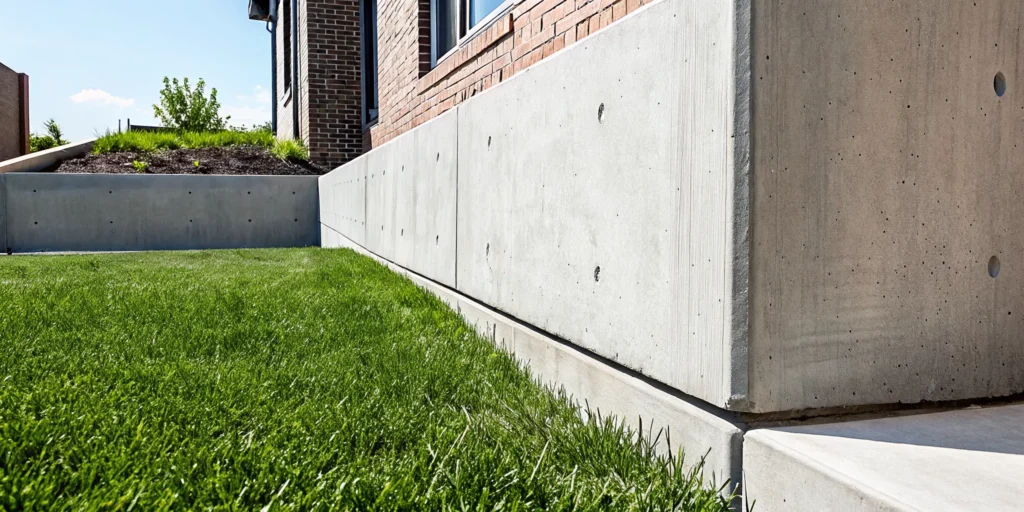
Let’s talk about the elephant in the room: the cost. Many homeowners assume any foundation issue means a five-figure repair bill, but that’s often not the case. The reality is that the cost to fix cracks in foundation is directly tied to the type and cause of the damage. A small, vertical crack from normal settling is a completely different financial story than a horizontal crack caused by intense soil pressure. This article cuts through the noise and provides a realistic breakdown of what to expect. We’ll help you learn to identify different cracks and understand their typical repair costs, so you can stop worrying and start planning.
Key Takeaways
- Know Your Cracks: The type of crack reveals the severity of the problem and its potential cost. Thin, vertical cracks are often a simple fix, while wide, horizontal cracks indicate significant pressure on your foundation and require immediate professional attention.
- Address Issues Early to Control Costs: The most expensive mistake is waiting. Seemingly small problems like sticking doors or hairline cracks are early warnings; getting a professional assessment right away can be the difference between a minor repair and a major structural overhaul.
- Manage Water Around Your Home: In the Dallas area, shifting clay soil is the primary culprit for foundation damage, and water is what makes it move. Ensuring proper drainage and maintaining consistent soil moisture is the best long term strategy to protect your foundation.
Why Do Foundations Crack?
Finding a crack in your foundation can feel alarming, but it’s a surprisingly common issue for homeowners. Your house sits on top of soil that is constantly shifting, expanding, and contracting. Understanding what’s causing the cracks is the first step toward a real, lasting fix. Most foundation problems boil down to three main culprits: the soil beneath your home, the water around it, and for those of us in North Texas, the unique challenges of our local ground.
Shifting Soil
Think of the ground under your house as a living thing. It moves. Many foundation issues, like settling and sinking, happen because of problems with this soil. When soil gets saturated with water, it can swell. When it dries out, it shrinks. This constant movement can cause parts of your foundation to sink or heave, putting stress on the concrete structure until it cracks. This is why you might notice doors sticking or floors sloping at the same time you see a new crack appear. Addressing these underlying soil issues is crucial for a permanent foundation repair.
Water Woes and Poor Drainage
Water is the number one enemy of a stable foundation. When you have poor drainage, water from heavy rains or leaky sprinklers can pool around your home. This oversaturates the soil, turning it soft and weak, which allows your heavy foundation to sink. You might see this as gaps opening up between the soil and your foundation wall. On the flip side, a drought can cause the soil to shrink away, leaving the foundation unsupported. Proper drainage is your first line of defense against water-related damage to your foundation and other concrete surfaces like patios and driveways.
The Dallas Soil Problem
If you live in the Dallas area, you’re dealing with a special kind of soil challenge. Much of North Texas is built on expansive clay soil. This type of soil acts like a sponge, swelling dramatically when it gets wet and shrinking significantly when it dries out during our hot summers. This cycle of extreme expansion and contraction puts incredible pressure on your foundation. It’s one of the main reasons foundation problems are so prevalent across our service area. This constant movement is tough on a rigid concrete slab, making cracks an unfortunate but frequent reality for local homeowners.
What Different Foundation Cracks Mean for Your Wallet
Finding a crack in your foundation can feel like a gut punch. Your mind immediately jumps to worst-case scenarios and dollar signs. But take a deep breath. Not all cracks signal a disaster for your home or your bank account. The type, size, and direction of a crack tell a story about what’s happening with your foundation, and understanding these differences is the first step toward a solution. Below, we’ll break down the most common types of foundation cracks and what they typically mean for repair costs, so you can get a clearer picture of what you might be facing.
Hairline Cracks
These are the tiny, super-thin cracks that look like a spiderweb on the concrete. Hairline cracks often appear as a normal part of the concrete curing process or from minor, expected settling of your home. For the most part, they aren’t a structural threat. The main concern is that they can allow moisture to seep in over time. Sealing these small cracks is a relatively simple fix. A professional foundation repair for a minor crack like this is one of the least expensive repairs you can face, often costing between $250 and $800 to seal and secure.
Vertical Cracks
Vertical cracks run straight up and down your foundation wall, though they might be slightly angled. Like hairline cracks, these are typically caused by the natural settling of your foundation. If the crack is small and isn’t getting wider, the repair is usually straightforward and may only cost a few hundred dollars. The key is to keep an eye on it. If you notice the crack widening, or if you see other signs of trouble like sticking doors or windows, it’s time to call in a professional. A widening vertical crack can point to a more significant underlying issue that needs to be addressed.
Horizontal Cracks
Okay, this is the one to take seriously. A horizontal crack running sideways along your foundation wall is a major red flag. This type of crack is almost always caused by intense external pressure pushing against the wall, usually from water-saturated soil (known as hydrostatic pressure). This pressure can cause your foundation walls to bow inward, compromising your home’s structural integrity. This is not a wait-and-see problem. If you see a horizontal crack, you should contact us for an assessment right away. Repairing a bowing wall is a complex job that can involve carbon fiber straps or wall anchors, with costs potentially ranging from $4,000 to $12,000 or more.
Diagonal Cracks
Diagonal cracks, which run at an angle on your foundation wall, usually indicate that your foundation is settling unevenly. This is called differential settlement, meaning one side of your home is sinking lower or faster than the other. The cost to fix this can vary dramatically. A small, stable diagonal crack might be a minor fix, but a wider, actively growing one points to a serious structural problem that needs immediate attention. The repair method will depend entirely on the root cause, so costs can range from a few hundred dollars for simple injections to several thousand for more extensive solutions like installing piers to stabilize the foundation.
What’s the Real Cost to Fix Foundation Cracks?
Let’s get straight to the point: you want to know how much this is going to set you back. The truth is, foundation repair costs don’t come with a simple price tag. The final bill can range from a few hundred dollars for a simple fix to tens of thousands for a major structural overhaul. While you might see national averages around $5,000, that number can be misleading. Think of it like a car repair; fixing a flat tire costs a lot less than rebuilding the engine. The same principle applies to your home’s foundation.
The final cost for your foundation repair depends entirely on the severity of the damage and the specific solution required to fix it for good. A small, non-structural crack has a very different price point than a foundation that has settled several inches due to shifting soil. The type of foundation you have and the accessibility of the damaged area also play a role. This is why a professional assessment is so critical. An expert can diagnose the root cause of the problem, not just the symptom, and provide an accurate quote. Below, we’ll break down the typical costs for both minor and major repairs so you can get a clearer picture of what to expect.
The Cost for Minor Cracks
If you’ve spotted a few thin, hairline cracks, you can breathe a little easier. Minor, non-structural cracks are the most affordable to fix. Typically, repairing these small cracks can cost anywhere from $250 to $800. These are often vertical cracks that are less than 1/8 of an inch wide. The fix usually involves injecting an epoxy or polyurethane sealant to fill the gap and prevent water from getting in. While the cost is low, you shouldn’t ignore them. A small crack can sometimes be an early warning sign of a bigger issue, so having a professional take a look is always a smart move. Getting a free estimate can give you peace of mind and a clear action plan.
The Cost for Major Structural Cracks
When a crack is wide, horizontal, or stair-stepping through your brickwork, you’re likely looking at a more significant structural problem. The costs for these repairs are higher because they involve stabilizing the foundation itself. Solutions like mudjacking or slab lifting can range from $500 to over $1,300 for smaller areas. For more serious settling, installing steel piers to support and lift the foundation can cost between $4,000 and $12,000. In extreme cases, raising the entire house can exceed $20,000. This is why acting early is so important. A small repair today can prevent a five-figure expense down the road. Because these costs can be substantial, many homeowners explore financing options to manage the expense without delay.
What Factors Increase Repair Costs?
When you get a quote for foundation work, you might wonder what goes into that final number. The truth is, there’s no one-size-fits-all price. The cost can range from a few hundred dollars for a simple fix to tens of thousands for extensive structural work. Several key factors determine the scope of the project and its total cost, from the size of the crack to the type of soil your house sits on. Understanding these variables will help you make sense of any estimate you receive and feel confident in the proposed solution.
Crack Size and Severity
It might seem obvious, but the bigger and more serious the crack, the more it will cost to fix. A few hairline cracks in your concrete slab might only require a simple injection that costs a few hundred dollars. However, if you wait, those small cracks can grow, leading to major structural problems. Addressing issues early is the best way to keep costs down. A problem that might cost a few hundred dollars today could easily turn into a foundation repair project costing $10,000 or more if left unchecked. The sooner you address a potential issue, the more likely it is to be a simple and less expensive fix.
Your Foundation Type
The type of foundation you have plays a big role in the repair process and its cost. In the Dallas area, most homes are built on concrete slab foundations, but some may have basement or crawl space foundations. Each type requires different repair techniques and equipment. For example, accessing a crawl space to add supports is a different job than stabilizing a concrete slab. The size of your home also matters; a larger foundation naturally requires more materials and labor to secure. A professional assessment will always start with identifying your foundation type to determine the most effective and efficient repair strategy for your specific situation.
The Chosen Repair Method
The specific technique used to fix your foundation is a major cost driver. A simple crack sealing is far less expensive than a solution like piering, which involves installing deep supports underneath the foundation. For example, mudjacking to level a small section of a sidewalk is a common concrete repair that is relatively affordable. In contrast, underpinning a settling foundation with steel piers is a more intensive process that costs significantly more per support. The right method depends entirely on the root cause of the problem, which is why a thorough inspection from an experienced professional is so important before any work begins.
Your Property’s Soil and Drainage
Here in North Texas, we have a lot of expansive clay soil. This type of soil swells dramatically when it gets wet and shrinks when it dries, putting immense pressure on your foundation. Poor drainage around your property can make this problem even worse by causing oversaturation in some areas and dryness in others. Because the soil is often the underlying cause of foundation issues, addressing it is key to a long-term solution. This might involve improving your landscape grading or installing a drainage system. As local experts, we understand the unique challenges our service area soil presents and factor that into our repair plans.
Comparing Foundation Repair Methods and Costs
Once a professional assesses your foundation, they’ll recommend a specific repair method. The right solution depends entirely on the type of crack, its location, and what’s causing it. There’s no one-size-fits-all fix, which is why understanding the main options can help you feel more confident when reviewing an estimate. Each method tackles a different problem, from sealing minor cracks to providing deep, structural support for your entire home.
Some solutions, like injections, are minimally invasive and designed for containment. Others, like piering, are major structural interventions that provide a new, stable base for your house to rest on. The goal is always to choose the most effective, long-lasting repair for the specific issue at hand, not just a temporary patch. This is why a thorough inspection is so critical; misdiagnosing the problem can lead to choosing the wrong repair, which is a waste of time and money. We use a variety of patented, proven products to ensure we apply the right solution for your home’s specific needs. Let’s walk through some of the most common foundation repair techniques and what they generally cost so you know what to expect.
Epoxy and Polyurethane Injections
If you’re dealing with thin, non-structural cracks (usually less than 1/8 inch wide), epoxy or polyurethane injections are often the go-to solution. Think of this method as sealing a wound. The material is injected directly into the crack, where it expands and hardens to block out water and prevent the crack from widening. It’s a highly effective way to handle minor issues before they become major headaches. For many homeowners, this is a relatively low-cost repair, with prices typically ranging from $250 to $800, depending on the length and depth of the cracks being filled.
Carbon Fiber Straps and Stitching
When you have a bigger problem, like foundation walls that are starting to bow or lean inward, you need a more robust solution. That’s where carbon fiber straps come in. These ultra-strong straps are applied to the interior of the foundation walls, acting like a brace to reinforce the structure and stop any further movement. This method provides incredible strength without intrusive excavation. Because it addresses more significant structural concerns, the cost is higher, often falling between $4,000 and $12,000 for a typical installation.
Piering and Wall Anchors
For foundations that have started to sink or settle due to unstable soil, piering (or underpinning) is the gold standard. This process involves driving steel piers deep into the ground until they hit solid bedrock or stable soil. The weight of your house is then transferred to these piers, stabilizing and often lifting the foundation back to its original position. It’s a permanent fix for serious settling. The cost is usually calculated per pier, with each one ranging from $1,000 to $3,000. The total price depends on how many piers your home needs for proper support.
Slab Lifting and Mudjacking
Have you noticed your driveway, patio, or garage floor sinking and becoming uneven? Slab lifting, also known as mudjacking or poly-jacking, is designed to fix exactly that. This technique involves pumping a specialized grout or polyurethane foam through small holes drilled in the concrete. The material fills the void underneath and lifts the slab back into place. It’s a much faster and more affordable alternative to tearing out and replacing the entire concrete slab. This type of concrete repair generally costs between $550 and $1,300.
Will Your Homeowner’s Insurance Cover Repairs?
This is one of the first questions every homeowner asks, and unfortunately, the answer is often complicated. When you discover a crack in your foundation, your mind immediately goes to the cost, and it’s natural to hope your insurance will step in. The key thing to understand is that most standard homeowner’s insurance policies draw a hard line between sudden, accidental damage and problems that develop over time.
Whether or not you’re covered usually depends on the cause of the foundation issue, not the issue itself. Insurance is designed to protect you from unexpected disasters, not the slow march of time or routine home maintenance. While it’s always worth reviewing your specific policy and even filing a claim, it’s best to manage your expectations. For most common foundation problems, especially in the Dallas area, you will likely be responsible for the repair costs. The good news is that there are ways to manage the expense, but first, let’s break down what insurance typically does and does not cover.
What’s Usually Covered
Your homeowner’s insurance policy is most likely to cover foundation damage if it was caused by a specific, sudden event that is listed as a “covered peril” in your policy. Think of things like a burst pipe flooding your crawl space and eroding the soil under the foundation, or damage from an explosion or a vehicle crashing into your home. These are clear, one-time incidents.
If you can point to a single event that directly led to the damage, you have a strong case for a claim. In this situation, document everything. Take photos and videos of the cause and the resulting damage before any cleanup begins. While coverage is never a guarantee, having this evidence is crucial when you contact your insurance company. Even if your claim is approved, it may only cover a portion of the total foundation repair cost.
When You’re On Your Own
More often than not, foundation problems are the result of gradual changes that are not covered by insurance. Issues caused by the house settling over time, soil expansion and contraction due to Dallas’s clay soil, or general wear and tear are typically considered maintenance responsibilities. Since these problems happen slowly, insurance companies expect homeowners to spot and address them before they become severe.
If you recently bought your home and the inspector missed a significant, pre-existing issue, you might have some recourse through their “errors and omissions” insurance, but this can be a difficult path. It’s also worth checking if you have a separate home warranty and if it includes any foundation coverage, though it’s rare. For most homeowners, footing the bill is the reality, which is why exploring financing options can be a helpful next step.
When to Call a Professional
Knowing when to switch from “weekend project” mode to “call an expert” mode is key, especially when it comes to your home’s foundation. While it’s tempting to try and fix things yourself, some jobs are just too big and too important to risk getting wrong. Your home is likely your biggest asset, and its stability rests entirely on its foundation. An issue that seems small on the surface could be a symptom of a much larger problem brewing underground, particularly with the challenging soil conditions here in the Dallas area.
Ignoring these problems or attempting a quick patch job can lead to more extensive and expensive damage down the road. The goal isn’t to scare you, but to empower you to protect your investment. Sometimes, the smartest and most cost-effective move is to get a professional opinion early. A trained expert can diagnose the root cause of the issue, not just the visible crack, and recommend a lasting solution. They have the experience to see what’s really going on and the right tools to fix it correctly the first time. If you’re seeing any of the signs we’re about to cover, it’s time to put down the DIY tools and pick up the phone.
Warning Signs You Can’t Ignore
Your house often communicates problems in subtle ways before they become emergencies. Here’s what you should keep an eye out for. Look for cracks appearing in drywall, especially over doorways and windows, or where walls meet the ceiling. Are your doors and windows suddenly sticking or refusing to latch properly? This can happen when the frame gets twisted from foundation movement. You might also notice sloping floors or gaps between the wall and the floor. And of course, any water seeping into your basement or crawl space is a major red flag. These are all signs that could point to serious foundation issues that need a professional eye.
The Pitfalls of DIY Foundation Repair
I get it, the DIY spirit is strong, and saving money is always a plus. For a very thin hairline crack (smaller than 1/8 of an inch), an epoxy injection kit might seem like a simple fix. However, foundation repair is a structural science. Without understanding the underlying cause, like soil pressure or water problems, you’re only putting a bandage on the symptom. A professional assessment identifies the root of the problem to ensure the fix is permanent. Professionals also have access to specialized equipment and patented products designed for long-term stability. Trying to handle a major repair yourself can often make the problem worse, leading to much higher costs later. It’s always better to get a free, no-obligation estimate to understand the full scope of the work.
How to Get an Accurate Repair Estimate
Getting a clear, accurate estimate is the most important step in the foundation repair process. It’s not just about finding the lowest price; it’s about understanding the proposed solution and choosing a contractor you trust. A thorough estimate provides a clear roadmap of the work and costs, allowing you to vet the company and make a sound investment in your home’s stability.
What to Look for in an Estimate
When you start collecting quotes, your goal is to compare apples to apples. Always get detailed, written estimates from at least three companies. A verbal quote isn’t enough. A professional estimate should break down the scope of the foundation repair, including methods, materials, and labor costs. As you compare, look for quotes that propose a similar plan. If the prices are within 15-20% of each other, it’s a good sign the contractors have an accurate understanding of the work your home needs.
Questions to Ask Every Contractor
Think of this process as an interview. You’re hiring an expert for a critical job, so ask questions until you feel comfortable. A trustworthy contractor will be happy to explain everything clearly. Here are a few essential questions to ask:
- Can you explain your proposed repair plan and why it’s the best solution?
- What kind of warranty do you offer on your work and materials?
- Can you show me examples of our work on homes with similar issues?
- What is the estimated timeline for the project?
- Do you offer financing options?
Red Flags to Watch Out For
Just as there are signs of a great contractor, there are clear warnings of one to avoid. Trust your gut; if an offer seems too good to be true, it probably is. Be careful of any company that pressures you to sign a contract on the spot. A reputable professional will give you time to make an informed decision. Another major red flag is an unusually low bid. A rock-bottom price might only cover a fraction of the problem, leading to more issues and costs down the road. Vague estimates and demands for full payment upfront are also signs you should find a more professional team.
Avoid These Costly Repair Mistakes
When you first spot a crack in your foundation, it’s easy to feel a little overwhelmed. But taking a deep breath and making smart, informed decisions from the start can save you a world of headaches and a lot of money. Unfortunately, many homeowners make a few common missteps when faced with foundation issues. Let’s walk through what those are so you can sidestep them entirely. Making the right moves now ensures the long-term health of your home and protects your investment. By avoiding these pitfalls, you’re not just fixing a crack; you’re preserving your peace of mind and your property’s value.
Ignoring the First Signs of Trouble
That tiny crack in the wall or the door that suddenly sticks might seem like minor annoyances, but they can be your home’s early warning system. It’s tempting to put these small issues on the back burner, but waiting is one of the most expensive mistakes you can make. Experts note that a small fix caught early might only cost around $1,000. However, if you let that problem fester, it can compromise your home’s structure, turning that minor repair into a major project costing upwards of $20,000. Addressing the first signs of trouble promptly is the best way to protect your home and your wallet from more significant damage down the road.
Skipping a Professional Assessment
When you see a crack, your first instinct might be to search for a quick DIY solution or call the first number you find. However, guessing the cause of a foundation problem is a risky game. A professional assessment is crucial to diagnose the root of the issue correctly. An expert can tell you if you’re dealing with simple settling or a more serious structural problem that requires immediate attention. Getting a proper foundation repair evaluation ensures you’re applying the right solution, not just a temporary patch. Some homeowners even hire an independent structural engineer for an unbiased opinion before choosing a repair company, which is always a smart move.
Choosing a Quick Fix Over a Real Solution
In the world of home repairs, if an estimate seems too good to be true, it probably is. A very low bid might be tempting, but it often signals that the contractor is only planning a cosmetic patch rather than a genuine, long-term solution. These “quick fixes” don’t address the underlying cause of the foundation damage. As a result, the problem will likely return, and often in a much worse state. Delaying a proper repair can lead to more extensive issues, including severe structural damage and water intrusion. It’s better to invest in a comprehensive solution from a reputable company that stands by their work than to pay twice for the same problem.
Forgetting About Drainage
Many foundation problems aren’t really about the foundation at all; they’re about water. The soil around your home, especially the expansive clay soil common in the Dallas area, is heavily influenced by moisture. Too much water from poor drainage can cause the soil to swell, putting immense pressure on your foundation. Too little water can cause it to shrink, leading to settling and cracks. Simply fixing the cracks without addressing the water problem is a temporary fix at best. A thorough repair plan must include an evaluation of your property’s drainage and soil conditions to ensure the problem doesn’t come back.
How to Prevent Future Foundation Cracks
After you’ve gone through the process of a foundation repair, the last thing you want is a repeat performance. Protecting your home and your investment means taking a proactive approach to foundation care. The good news is that prevention isn’t nearly as complicated or expensive as a major repair. Most preventative measures come down to managing one key element: water.
The soil around your home, especially the expansive clay soil we have here in the Dallas area, is constantly reacting to moisture changes. It swells when it’s wet and shrinks when it’s dry. This constant movement puts immense pressure on your foundation. By taking a few simple steps to control water and maintain consistent soil moisture, you can significantly reduce the risk of future cracks and structural issues. Think of it as simple home maintenance that pays off in a big way by helping you avoid another costly repair down the road.
Manage Water and Drainage
Your home’s drainage system is its first line of defense against foundation problems. When water pools around your foundation, it over-saturates the soil, causing it to expand and push against the concrete. This is why fixing any drainage issues is just as important as fixing the cracks themselves.
Start by checking your gutters and downspouts. They should be clean and clear of debris so water can flow freely. More importantly, make sure your downspouts extend at least five feet away from your house, directing water away from the foundation. Also, take a look at the landscaping and grading. The ground should slope gently away from your home, not toward it. These simple adjustments can prevent thousands of gallons of water from compromising the soil that supports your house.
Keep Soil Moisture Consistent
Here in North Texas, we know all about long, dry spells followed by sudden downpours. This weather rollercoaster is tough on our foundations. When the clay soil dries out, it shrinks and pulls away from the foundation, leaving it unsupported. Then, when the rain finally comes, the soil swells rapidly. This cycle of shrinking and swelling is a primary cause of foundation cracks.
Your goal is to keep the moisture level in the soil around your foundation as consistent as possible. During dry periods, you can use a soaker hose placed about 18 to 24 inches from your foundation to slowly water the soil. This prevents it from becoming bone-dry and shrinking. You don’t need to soak the ground, just keep it lightly damp. As local experts, we understand the unique challenges our soil presents and can help you find the right balance for your property.
Get Regular Foundation Check-ups
Foundation problems rarely appear overnight. They usually start small and get progressively worse, and more expensive, over time. That’s why catching issues early is so important. You don’t have to be an expert to spot the early warning signs. A few times a year, take a walk around your property and look for small cracks in the exterior brick or foundation. Inside, check for sticking doors, cracks in drywall, or gaps between the wall and the floor.
If you notice anything new or concerning, don’t wait and hope it goes away. A professional inspection can determine the cause of the problem and what, if anything, needs to be done. Getting an expert opinion early can be the difference between a minor adjustment and a major structural repair. If you see something that worries you, contact us for a free, no-obligation estimate.
Related Articles
- Foundation Crack Repair: A DIY vs. Pro Guide
- Foundation Repair Cost: The Ultimate 2026 Guide
- How to Fill Large Cracks in Concrete Like a Pro
Frequently Asked Questions
I found a crack in my foundation. Should I panic? Take a deep breath, it’s not always a disaster. Many small, thin cracks are a normal part of a house settling over time. The real concern comes from the type and behavior of the crack. If you see a horizontal crack, a crack that is wider than a quarter-inch, or one that seems to be actively growing, it’s a signal to call for a professional opinion. The key is to understand what caused the crack, and that’s where an expert assessment can give you clarity and peace of mind.
Why can’t I find a simple price for foundation repair? I understand the frustration, but foundation repair isn’t a one-price-fits-all service. The final cost depends entirely on what is causing the problem and the specific method needed for a permanent fix. Sealing a small, non-structural crack is a much different job than installing steel piers to stabilize a sinking foundation. Think of it this way: the price is based on the cure, not just the symptom. This is why a thorough, on-site evaluation is so important to get an accurate quote for your home’s specific needs.
Are there any foundation cracks I can fix myself to save money? While the DIY spirit is admirable, foundation repair is one area where it’s best to be cautious. Using a simple injection kit on a tiny hairline crack might seem like an easy fix, but it won’t solve the underlying issue that caused the crack in the first place, like soil movement or water problems. You could be putting a bandage on a much larger issue. An incorrect repair can sometimes make the problem worse and lead to a much more expensive fix down the line.
What’s the single most important thing I can do to protect my foundation? Manage the water around your house. So many foundation problems, especially here in the Dallas area with our expansive clay soil, are caused by moisture fluctuations. You want to keep the soil around your foundation from getting too wet or too dry. This means cleaning your gutters, making sure downspouts direct water far away from your home, and ensuring the ground slopes away from your foundation. Consistent moisture is the key to a stable foundation.
Will my homeowner’s insurance pay for my foundation repairs? Unfortunately, the answer is usually no. Most standard insurance policies do not cover damage that happens gradually over time, which includes things like soil settlement or the expansion and contraction of clay soil. Coverage typically only applies if the damage was caused by a specific, sudden event that is listed in your policy, such as a burst pipe. It is always worth checking your specific policy, but it is wise to prepare for the repair to be an out-of-pocket expense.