
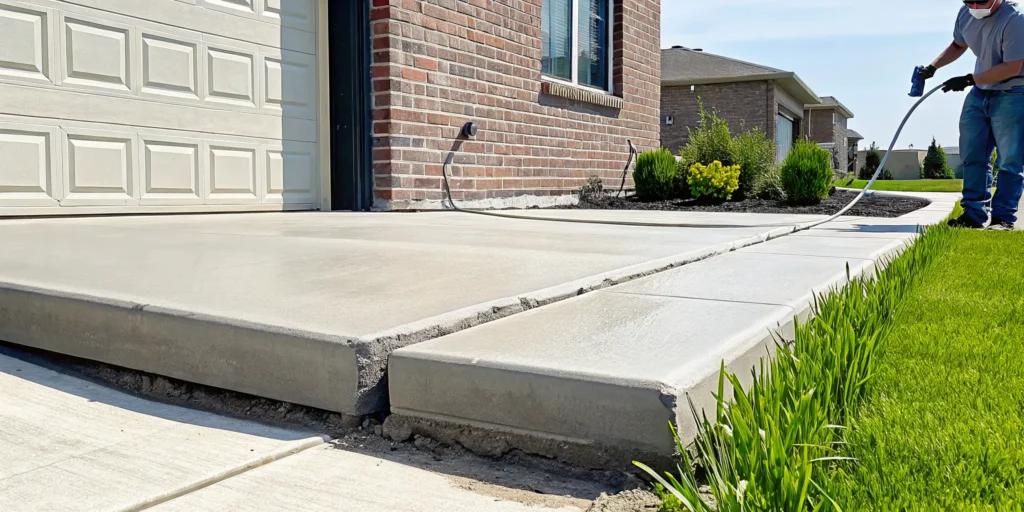
That sinking feeling you get when you see a new crack in your driveway isn’t just in your head. A sinking, cracking, or uneven driveway is more than a simple eyesore; it’s a clear signal that something is wrong with the ground supporting it. Ignoring these warning signs can lead to bigger headaches, like worsening trip hazards and water damage that could even affect your home’s foundation. Understanding the root cause is the first step toward a real solution. This guide will walk you through the common culprits, from our tricky Dallas clay soil to drainage issues, and explain your options for a lasting sinking driveway repair.
If your driveway settlement is mainly about uneven slabs and trip edges, see our new DFW guide to driveway leveling in Dallas-Fort Worth for causes, PolyLevel timing, and when to schedule an inspection.
Key Takeaways
- Identify the Root Cause: A sinking driveway is almost always a symptom of a deeper issue. The real culprits are typically unstable ground caused by poor soil compaction from the start, water erosion, or drainage problems happening right under the concrete.
- Choose a Lasting Repair: While DIY patches might seem like a quick fix, they don’t solve the underlying problem. A professional method like polyurethane foam injection lifts the slab and stabilizes the soil, providing a durable repair that addresses the root cause.
- Practice Proactive Maintenance: You can protect your driveway and prevent future sinking with simple habits. Ensure your gutters and downspouts direct water away from the concrete, seal small cracks before they grow, and avoid parking excessively heavy vehicles on the slab.
Why Is My Driveway Sinking?
It’s easy to dismiss a sinking driveway as a simple eyesore, but it’s often a red flag for bigger problems happening right under the surface. Understanding the root cause is the first step toward a lasting fix. From the soil it was built on to the water that runs around it, several factors can cause your concrete to sink, crack, and become uneven. Let’s look at the most common culprits we see here in the Dallas area.
Poorly Compacted Soil
Think of the soil beneath your driveway as its foundation. If that base was not prepared correctly, the entire structure is at risk. Before a driveway is poured, the soil and gravel base must be tightly compacted to create a stable, dense surface. When contractors rush this step, the loose soil will inevitably settle and shift over time under the immense weight of the concrete slab and your vehicles. This gradual compression creates voids, causing sections of your driveway to sink. It is a common problem, but one that requires a professional approach to stabilize the ground for good, often involving similar techniques to foundation repair.
Water Damage and Drainage Issues
Water is the number one enemy of stable soil. When water gets under your driveway, it saturates the ground and weakens its ability to support the heavy concrete above. This can happen due to leaky sprinkler heads, downspouts that drain too close to the driveway, or poor grading that allows rainwater to pool. Here in the Dallas-Fort Worth area, our expansive clay soil reacts dramatically to moisture, swelling when wet and shrinking when dry. This constant movement can cause significant sinking and cracking. Effective concrete repair often involves addressing these underlying drainage problems first to ensure a long-term solution.
Soil Erosion and Heavy Weight
Sometimes, the soil does not just get soft; it disappears completely. Soil erosion happens when water, typically from heavy rain, physically washes away the dirt from underneath your driveway slab. This process creates empty pockets and voids, leaving the concrete with no support. Eventually, gravity wins, and the slab cracks and sinks into the hollow space. The problem is often made worse by the constant pressure of heavy vehicles. Parking a large truck or SUV in the same spot every day puts consistent stress on that area, accelerating the sinking process where the underlying soil is already compromised. You can see examples of this type of damage and our solutions in our work.
Shifting Ground and Underground Leaks
The ground beneath our feet is not always as static as it seems, especially in Texas. The clay-rich soil is notorious for expanding and contracting with moisture changes, causing the ground itself to shift. Aggressive tree roots can also be a problem, growing underneath the slab and creating pressure points or voids. Another hidden danger is an underground plumbing leak. A slow, undetected leak from a water or sewer line can silently wash away soil for months or years, creating a large void that leads to sudden and dramatic sinking. If you suspect a deeper issue, it is best to contact us for a professional assessment.
Signs Your Driveway Is Sinking
Your driveway is one of the first things people see when they pull up to your home, but its job is more than just looking good. It’s a functional part of your property that gets a lot of use. When it starts to sink, it’s not just a cosmetic issue. It’s often a signal that there are underlying problems with the soil beneath it. Spotting the signs of a sinking driveway early can help you address the root cause before it leads to more extensive and expensive damage. Paying attention to these clues will help you know when it’s time to call in a professional for a closer look.
Low Spots and Pooling Water
Have you noticed birdbaths forming on your driveway every time it rains? Those persistent puddles are more than just an annoyance; they’re a classic sign of sinking. When a section of your driveway settles, it creates a low spot where water naturally collects. This standing water can seep into the concrete and the soil below, further weakening the ground that supports your driveway. It creates a vicious cycle where the sinking gets progressively worse. Ignoring these low spots can lead to more significant deterioration and even create a slippery, hazardous surface during a Dallas freeze. Addressing these issues with professional concrete repair can stop the cycle and restore your driveway’s stability.
An Uneven or Sloping Surface
A perfectly level driveway might be rare, but a noticeably uneven or sloping surface is a definite warning sign. You might see one concrete slab sitting higher than the one next to it, creating a “step” where there shouldn’t be one. This not only looks bad but also creates a serious trip hazard for your family and guests. An uneven surface can also make it difficult to park your car and can even cause alignment issues over time. If your driveway has developed a new, unwanted slope towards your garage, it could direct water straight to your home’s foundation. Seeing how experts have corrected these problems on other properties can give you a clear idea of what’s possible for your own home. You can see examples of this kind of transformation in our work.
Cracks in the Concrete
While tiny hairline cracks can appear over time due to normal wear, large, expanding, or interconnected cracks are a cause for concern. These aren’t just surface-level flaws; they often indicate that the ground underneath is no longer providing adequate support. As the soil shifts or erodes, the heavy concrete slab is left unsupported, causing it to crack under the stress. These cracks then invite water in, which can wash away more soil or freeze and expand, making the problem worse. If you see cracks that are growing, widening, or forming a spiderweb pattern, it’s a strong signal that your driveway is sinking and needs professional attention. Sometimes, these issues can even be related to your home’s overall stability, requiring a look at your foundation repair options.
How to Fix a Sinking Driveway
Okay, so you’ve spotted the signs and confirmed your driveway is sinking. Don’t panic! You have a few solid options for getting it back to level. The right fix depends on how severe the sinking is and what’s causing it. Let’s walk through the most common repair methods so you can make an informed choice for your home.
Mudjacking
You might have heard of mudjacking, sometimes called slabjacking. This method involves drilling holes into your driveway and pumping a slurry, which is a mix of cement, soil, and water, underneath the sunken slab. The pressure from this mixture lifts the concrete back into place. It’s often a cheaper alternative to a full replacement, which is a definite plus. However, the drill holes are quite large (about two inches wide) and can be noticeable even after they’re patched. More importantly, mudjacking doesn’t always solve the root problem, like poor drainage, which could mean you’ll face the same issue again down the road.
Polyurethane Foam Injection (Polyjacking)
A more modern and effective solution is PolyLevel concrete leveling, or polyjacking. This is the method we trust for a lasting repair. Here’s how it works: we drill very small, discreet holes into the concrete and inject a high-density structural foam. This foam expands beneath the slab, filling any voids and gently lifting the concrete back to its original height. The process is incredibly fast, and the foam cures in just minutes, meaning you can use your driveway almost immediately. It’s a durable, waterproof solution that addresses the problem without the mess or large holes of mudjacking, making it a superior choice for concrete repair.
Full Driveway Replacement
In some cases, especially with widespread cracking or severe structural damage, a full driveway replacement is the only way to go. This is the most intensive option, as it involves completely tearing out your old driveway and pouring a brand new one. While it gives you a fresh start, it’s also the most expensive and disruptive choice, often costing three to four times more than a repair method like polyjacking. We typically see this as a last resort when the driveway is simply beyond saving. If a replacement is needed, you want to ensure the work is done right to prevent future issues.
DIY vs. Hiring a Pro
It can be tempting to try and fix a sinking driveway yourself to save some money. A DIY patch job might cost a few hundred dollars in materials and take up your weekend. However, this is one of those projects where professional help is almost always worth it. A sinking driveway is usually a symptom of a bigger issue, like soil erosion or poor drainage. A pro can accurately diagnose the cause and provide a permanent solution. We have the specialized equipment and expertise to lift your concrete safely and effectively. Instead of risking a temporary fix, it’s best to contact us for a free estimate and get it done right the first time.
How Much Will Driveway Repair Cost?
Figuring out the budget for a sinking driveway repair is often the first thing on a homeowner’s mind. The final cost can vary quite a bit, depending on how serious the damage is and which repair method you choose. While it’s tempting to look for a single price tag, the truth is that every project is unique. Think of online cost guides as a starting point, but the only way to get a truly accurate number is through a professional inspection.
A specialist can assess the damage, identify the root cause, and give you a detailed quote for the best solution. For example, lifting a concrete slab with polyurethane foam is a very different process from filling a few small cracks. To help make the process more manageable, many professional repair companies offer financing options that allow you to get the necessary work done now and pay over time. Getting a free, no-obligation estimate is the best first step to understanding the investment required for a safe and stable driveway.
Cost Breakdown for Each Method
To give you a general idea, driveway repair costs can range from a few hundred to several thousand dollars. For minor issues, like filling a few small cracks or patching a pothole, you might spend between $100 and $400. However, for a sinking driveway, the work is more involved. Lifting a sunken concrete section typically costs between $600 and $1,200. If the damage is extensive and requires resurfacing the entire driveway, the price can climb to $3,000 or more. These figures are national averages, so the final price will depend on local rates and the specifics of your project.
What Affects the Final Price?
Several factors influence the final quote for your driveway repair. The most obvious is the extent of the damage; fixing one small sunken corner will cost less than lifting multiple large slabs. The shape and slope of your driveway also play a role. A steep or curved driveway can be more challenging to work on, potentially increasing labor costs. Finally, the underlying cause of the sinking is a major factor. If poor soil requires stabilization or if a new drainage system is needed to prevent future problems, these necessary steps will be added to the overall cost of the concrete repair.
Will Homeowners Insurance Cover the Repair?
Whether your homeowners insurance will cover a sinking driveway is a common question, and the answer is: it depends. Most policies cover damage that is sudden and accidental. For example, if a water main breaks and erodes the soil under your driveway, causing it to collapse, your insurance may pay for the repair. However, policies generally do not cover damage that occurs gradually over time. This includes issues like cracks from normal aging, general wear and tear, or sinking caused by long-term soil settlement. It’s always best to review your policy or speak with your agent to understand what is and isn’t covered.
How a Quality Repair Saves You Money in the Long Run
Opting for the cheapest fix might seem like a good idea now, but it can cost you more down the road. Many temporary solutions, like simply patching over cracks, don’t address the real reason your driveway is sinking, which is often unstable soil or poor drainage. When the root cause isn’t fixed, the problem will inevitably return, and you’ll find yourself paying for repairs all over again. A quality repair from a professional team diagnoses and solves the underlying issue. This provides a permanent solution that protects your investment and prevents you from having to consider a full, and much more expensive, driveway replacement.
How to Prevent Your Driveway From Sinking Again
After you’ve invested in repairing your driveway, the last thing you want is a repeat performance. The good news is that a little proactive care can go a long way in preventing future sinking. By addressing the root causes of the original problem, you can protect your driveway and keep it stable for years to come. It all comes down to managing water, staying on top of minor repairs, and being mindful of what you park on the concrete. Think of it as simple home maintenance that safeguards your investment and keeps your curb appeal looking sharp.
Maintain Proper Drainage
Poor drainage is often the primary culprit behind a sinking driveway. When water doesn’t have a clear path away from your home, it seeps into the soil beneath your concrete slabs, softening and eroding the ground that supports them. To prevent this, make sure your downspouts and gutters are clear and directing water far away from your driveway and foundation. If you notice water pooling near the edges of your driveway after it rains, you may have a larger grading or drainage issue. A professional can assess the situation and recommend solutions, like a French drain, to permanently fix the problem and protect your concrete repair investment.
Seal Cracks and Inspect Regularly
Think of small cracks as an open invitation for water to get where it doesn’t belong. Sealing them promptly is one of the easiest and most effective ways to prevent bigger issues. Water that enters a crack can wash away the soil underneath, creating voids that lead to sinking and further cracking. Make it a habit to walk your driveway a few times a year to inspect for any new cracks or changes. Catching and sealing a hairline crack is a simple DIY task, but if you see a network of cracks or widening gaps, it could signal a deeper problem. Addressing these issues early is key to avoiding more extensive foundation repair down the road.
Limit Heavy Loads on Your Driveway
Your residential driveway is designed for everyday vehicles, not for heavy-duty industrial equipment. Parking exceptionally heavy vehicles like a loaded moving truck, a large RV, or a construction dumpster on your driveway for an extended time can compact the soil underneath and cause the concrete to sink. If you’re planning a home renovation that requires a dumpster, ask the rental company if they can place it on the street. If it must go on the driveway, request that they place wooden planks underneath to help distribute the weight. Being mindful of these heavy loads helps preserve the structural integrity of your driveway and the quality of our work.
When to Call a Professional for Concrete Repair
While it can be tempting to tackle home repairs yourself, some jobs are best left to the experts. A sinking driveway often points to deeper problems that a simple patch can’t fix. If you’re seeing significant issues, calling a professional isn’t just about convenience; it’s about getting a safe, effective, and lasting solution that protects your home’s value.
Signs You Need an Expert
If your driveway has sunk more than an inch or has large, interconnected cracks, it’s time to call for help. A sunken driveway is more than just an eyesore; it’s a tripping hazard for your family and guests. It can also direct water toward your home’s foundation, leading to even bigger problems down the road. An expert can diagnose whether the issue is from poor soil compaction or a drainage problem. They have the tools and experience to provide a lasting concrete repair that addresses the root cause, not just the visible symptoms.
Common DIY Mistakes That Make Things Worse
Many DIY driveway repair kits only offer a cosmetic fix. They might fill a crack or temporarily level a small spot, but they don’t solve the underlying reason your driveway is sinking. The most common mistake is failing to address poor drainage or unstable soil beneath the slab. Without fixing the source of the problem, the sinking will likely continue, and you’ll find yourself repeating the repair process. In some cases, a failed DIY attempt can make the eventual professional repair more complex and expensive. Getting it done right the first time saves you headaches and money.
What to Expect From a Professional Assessment
When you call a professional, they’ll do more than just glance at the cracks. A thorough assessment involves inspecting the entire driveway, identifying water drainage patterns, and determining why the soil underneath is failing. They will figure out why the concrete is sinking before recommending a fix. A true expert will walk you through your options, explaining the benefits of different methods like polyjacking. They should also provide a clear, detailed driveway repair quote for the work. McKinney homeowners can also review local concrete leveling in McKinney options. At Solid Base, we offer a free, no-obligation estimate so you can understand the problem and the solution before making a decision.
Related Articles
- Ultimate Guide to Foundation Repair Options
- How to Fill Large Cracks in Concrete Like a Pro
- Pier & Beam Foundation Repair: Signs, Costs & Fixes
Frequently Asked Questions
My driveway has cracks, but it doesn’t seem to be sinking. Should I still be concerned? Yes, it’s smart to pay attention to cracks even if your driveway seems level. Think of cracks as the first sign that something is happening with the ground underneath. They allow water to seep below the concrete, which can wash away soil and eventually cause the sinking you want to avoid. Sealing small cracks is a great preventative step you can take, but if you see them getting wider or connecting into a spiderweb pattern, it’s a good idea to have a professional take a look to see what’s really going on.
What’s the real difference between mudjacking and polyjacking? Both methods lift sunken concrete, but they do it in very different ways. Mudjacking uses a heavy slurry of cement and mud, which requires large holes to be drilled and can put a lot of weight on already unstable soil. Polyjacking, the method we prefer, uses a lightweight, high-density polyurethane foam. We inject it through tiny, barely-there holes, and it expands to lift the slab. The foam is waterproof, so it won’t wash away, and it actually helps stabilize the soil underneath, providing a much more durable and long-lasting solution.
How long does a driveway repair like polyjacking take? Can I use my driveway right away? One of the best parts about polyjacking is how fast it is. For a typical residential driveway, the entire process usually takes just a few hours. The foam cures and hardens very quickly, often within about 15 to 30 minutes. This means you can walk on the driveway almost immediately after the job is done, and you can drive and park your car on it later that same day. It’s a minimally disruptive repair that gives you your space back fast.
Could my sinking driveway be a sign of a problem with my house’s foundation? It certainly can be, especially here in the Dallas area with our active clay soil. The same issues that cause a driveway to sink, like soil erosion, poor drainage, and soil expansion and contraction, can also affect your home’s foundation. If your driveway is sinking, particularly the sections closest to your garage or home, it’s wise to also check for signs of foundation trouble like cracks in your interior walls or doors that stick. A professional assessment can determine if the issues are related.
Is a full driveway replacement ever a better option than a repair? Sometimes, a replacement is the most practical choice, but we see it as a last resort. If the concrete is so broken and crumbled that it has lost its structural integrity, lifting it won’t be effective. In these severe cases, tearing out the old slab and pouring a new one is the only way to get a safe, functional surface. However, for the vast majority of sinking driveways where the concrete itself is still in decent shape, a professional repair like polyjacking is a much more cost-effective and less disruptive solution.