
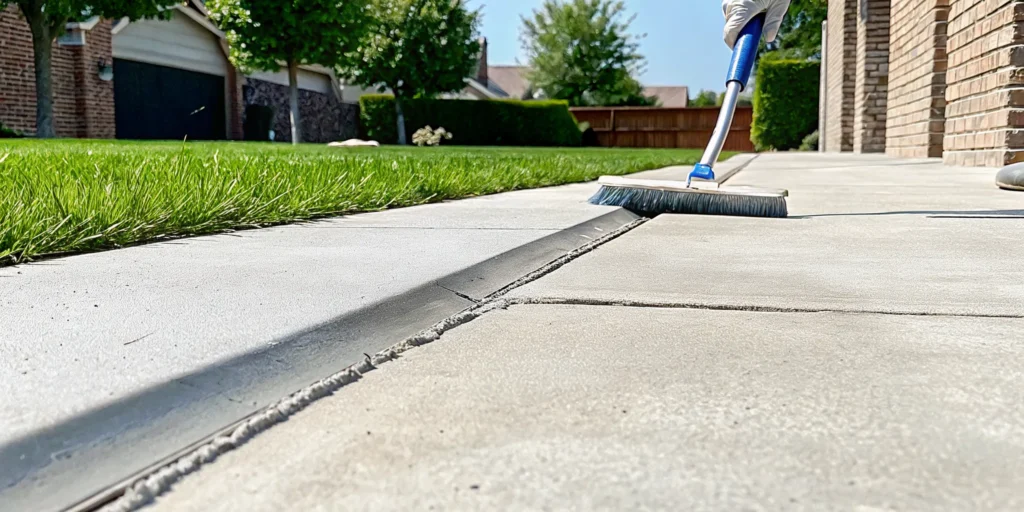
A crack in your driveway can be more than just an eyesore; it can be a warning sign. Since your home and driveway are built on the same unstable clay soil, it’s natural to wonder if that driveway crack is hinting at a much bigger problem with your home’s foundation. While it’s not always the case, seeing cracks travel from your driveway to your garage slab, paired with other signs like sticking doors or new wall cracks, is a major red flag. We’ll help you understand the connection, what to look for, and when a call for cracked driveway repair Dallas TX should also include a full foundation assessment to protect your biggest investment.
Key Takeaways
- Your driveway’s biggest enemy is the soil beneath it: The expansive clay soil common in Dallas is the main culprit behind cracked driveways. It swells with moisture and shrinks when dry, creating constant ground movement that puts immense pressure on the concrete slab.
- Assess your cracks to find the right solution: Not all cracks are equal. Small, hairline cracks can often be sealed as a preventative measure, but wider gaps, uneven sections, or “alligator” cracking signal deeper problems that require a professional to address the root cause.
- Protect your investment with proactive maintenance: You can prevent future damage by managing water flow around your driveway. Ensure your downspouts direct water away, maintain proper grading, and consider sealing the concrete every few years to guard against moisture.
Why Do Dallas Driveways Crack So Fast?
If you live in the Dallas area, you’ve probably noticed that cracked driveways are a common sight. It’s not your imagination, and it’s not necessarily due to poor installation. The truth is, our local environment is uniquely tough on concrete. Several factors work together to put constant stress on your driveway, leading to cracks that can worsen over time. Understanding these causes is the first step toward finding a lasting solution. From the ground up, your driveway is fighting a battle against soil, weather, and water.
The Problem with Expansive Clay Soil
Much of the Dallas-Fort Worth area is built on expansive clay soil. Think of this soil as a dense sponge. When it rains, the clay absorbs a massive amount of water and swells up. During our hot, dry summers, it loses that moisture and shrinks significantly. This constant cycle of swelling and shrinking creates powerful movement in the ground beneath your driveway. Your rigid concrete slab isn’t designed to flex, so as the soil shifts, the concrete is forced to crack under the pressure. These same soil conditions are often the root cause of foundation repair needs for homes across North Texas.
How Texas Weather Stresses Your Concrete
The dramatic Texas weather plays a huge role in driveway damage. The cycle isn’t just seasonal; it can happen after a single heavy downpour followed by a week of intense sun. This relentless expansion and contraction of the clay soil puts your concrete under constant stress year after year. A brand-new driveway might withstand it for a while, but eventually, that pressure finds a weak point and a crack is born. Over time, these small cracks grow as the cycle continues, leading to more significant damage that requires professional concrete repair.
Why Water Is Your Driveway’s Worst Enemy
While rain causes the soil to swell, water itself can be a direct problem for your driveway. Poor drainage is a major culprit. If water pools on your driveway or along its edges, it keeps the soil in that area saturated while other areas dry out. This uneven moisture creates differential movement, which is one of the fastest ways to cause cracks. Once a small crack forms, it becomes an open door for more water to seep in, eroding the base beneath the slab and making the problem worse. Maintaining even moisture levels is key, but it’s a difficult task to manage without proper drainage solutions.
The Impact of Heavy Cars and Trucks
Your driveway is designed to support the weight of a standard car, but constant traffic, especially from heavier vehicles like large SUVs, work trucks, or delivery vans, adds significant stress. This weight is even more damaging when the soil foundation underneath is unstable from the shrink-swell cycle. The load presses down on the concrete, and if the ground support is weak or uneven, the slab is much more likely to crack. If you let small cracks go unchecked, they allow water and weeds to get into the base, further weakening it and accelerating the damage.
How Bad Is the Damage? Assess Your Cracks
Okay, you’ve spotted cracks in your driveway. Before you panic, take a closer look. Not all cracks signal a disaster, and the size, shape, and pattern can tell you a lot about what’s happening beneath the surface. Figuring out what type of damage you’re dealing with is the first step to finding the right repair strategy. Let’s walk through how to assess the situation, from minor blemishes to major warning signs that need a professional eye.
Identifying Hairline and Surface Cracks
Start by looking for the small stuff. Hairline cracks are super thin, usually less than an eighth of an inch wide, and might only be on the surface. Think of them as the first signs of aging for your driveway. While they might not seem like a big deal, they are entry points for water, which can freeze and expand, turning a tiny crack into a bigger problem. For these narrow cracks, it’s best to use a flexible concrete crack filler that can handle temperature changes without pulling away. Sealing them early is a smart, preventative move that can save you from more extensive concrete repair down the road.
Spotting Deeper, Structural Cracks
Next, look for cracks that are more pronounced. We’re talking about gaps that are wider than a quarter-inch, feel deep, or have one side that is higher than the other. These are more concerning than hairline cracks because they often point to deeper issues. A deep, structural crack could mean the soil underneath has shifted or that water is eroding the base supporting your driveway. Simply filling these gaps won’t fix the underlying cause. These types of cracks are your cue to get a professional opinion, as they can compromise the integrity of the entire slab and will only get worse with time.
What Is “Alligator Cracking”?
If your driveway has a web of interconnected cracks that looks like an alligator’s skin, you’re dealing with what’s called “alligator cracking.” This pattern is a serious red flag. It’s not just a surface problem; it’s a sign that the sub-base, the foundation of your driveway, is failing. This usually happens after prolonged water damage has weakened the supportive layers beneath the concrete. Because the issue is structural, just patching the surface won’t work. Alligator cracking almost always requires a professional solution to address the root cause. Sometimes, severe driveway issues can even point to broader problems with your property’s soil, which might affect your home’s foundation.
Could a Cracked Driveway Signal Foundation Issues?
It’s a question that can keep a homeowner up at night: could that crack in your driveway be a sign of a much bigger, more expensive problem with your foundation? The short answer is maybe, but it’s important to understand the connection before you worry. Your home and your driveway share the same plot of land, which means they are both subject to the same underlying soil conditions.
Here in the Dallas area, most homes are built on expansive clay soil. This soil acts like a sponge, swelling with moisture during heavy rains and shrinking dramatically during our hot, dry summers. This constant cycle of expansion and contraction puts relentless pressure on everything built on top of it. It’s the leading cause of foundation settlement and cracked slabs across North Texas. So, when you see a crack in your driveway, it’s logical to wonder if your home’s foundation is feeling the same strain.
A cracked driveway by itself isn’t a guaranteed sign of foundation failure. However, if you see cracks that seem to travel from your driveway into your garage slab or up the side of your home’s foundation, it’s a major red flag. You should also look for other classic warning signs of foundation trouble, like sticking doors, uneven floors, or new cracks appearing in your interior drywall or exterior brick. If your cracked driveway is accompanied by any of these other symptoms, it’s time to get a professional opinion. An expert can determine if the issue is isolated or if you need a comprehensive foundation repair solution to protect your home.
Your Cracked Driveway Repair Options
Once you have a good idea of what’s happening with your driveway, you can start exploring solutions. The right fix really depends on the type and extent of the damage. A few hairline cracks require a much different approach than a large, sunken slab. The good news is that you have several options, from simple DIY-friendly fixes to comprehensive professional repairs that can make your driveway look and feel new again. Let’s walk through the most common repair methods so you can find the best path forward for your home.
Filling and Sealing Minor Cracks
If you’ve caught the cracks early and they’re still just thin, spidery lines, you’re in a great spot. For these narrow cracks, a flexible concrete crack filler is your best friend. This isn’t just a cosmetic fix; sealing these openings prevents water from seeping in, freezing, and expanding the crack over winter. Think of it as essential preventative maintenance. By addressing small issues now, you can stop them from turning into major, expensive problems down the road. It’s a simple step that goes a long way in protecting your driveway’s surface and the investment you have in your home.
Leveling and Lifting Sunken Slabs
Does your driveway have entire sections that have sunk, creating an uneven and hazardous surface? This often happens when the soil underneath washes away or compacts. Instead of tearing everything out, we can often use a modern technique to lift the slab back into place. This process involves injecting a high-density polyurethane foam beneath the concrete. The foam expands, filling voids in the soil and gently raising the slab to its original position. This is a key part of our concrete repair services because it’s fast, minimally invasive, and much more affordable than a full replacement. Your driveway is typically ready to use the same day.
Resurfacing for a Like-New Finish
When your driveway has widespread surface issues like a web of small cracks, stains, or a worn-out finish but is structurally sound, resurfacing is an excellent option. This process involves applying a thin layer of a cement-based overlay over the entire existing surface. It covers up all the minor imperfections and gives your driveway a fresh, uniform appearance, instantly improving your home’s curb appeal. It’s more involved than just filling a few cracks but far less disruptive than a total replacement. You can see examples of how this transforms a property by looking at our work on other Dallas-area homes.
When to Consider a Full Replacement
Sometimes, a repair just isn’t enough. If your driveway is plagued by deep, wide cracks, severe crumbling, or if the underlying base has failed, a replacement may be the only long-term solution. Allowing major cracks to go unchecked lets water destroy the foundation beneath your driveway, leading to even more damage. While it’s the most intensive option, starting fresh with a new slab ensures you have a stable, safe surface for decades to come. A professional assessment is the best way to know for sure if your driveway has reached the point of no return. We can help you make that call when you contact us for a free estimate.
What Does Cracked Driveway Repair Cost in Dallas?
Figuring out the budget for driveway repair is a top priority for most homeowners. While the final number depends on your specific situation, understanding the typical costs and factors involved can help you plan. It’s not just about patching a crack; it’s about investing in a durable, long-lasting solution for your home.
A Breakdown of Repair Costs
Let’s talk numbers. When you’re budgeting for a driveway repair in Dallas, a good starting point is around $82 per square yard for a full removal and replacement. This price usually includes essentials like strong steel rebar to make sure the new concrete holds up over time. For smaller jobs, like fixing a single damaged section, you might see costs in the range of $4,000 to $5,000. Of course, every project is different, and these figures are just an estimate to help you plan. We understand that this can be a significant investment, which is why we offer flexible financing options to help make the project more manageable for your family’s budget.
What Influences the Final Price?
The initial estimate is just one piece of the puzzle. The final cost of your concrete repair really depends on what’s happening underneath the surface. If your driveway has sunk or become uneven, simply pouring new concrete won’t solve the problem long-term. The real issue might be the soil beneath it. Addressing the root cause could involve extra steps like leveling the ground, bringing in new base material, or compacting the soil to create a stable foundation for the new slab. These necessary steps will naturally add to the overall project cost but are crucial for a lasting repair.
Will Homeowners Insurance Cover It?
It’s a common question: will my insurance help pay for this? The answer is maybe. Your homeowner’s policy likely has “other structures coverage,” which can apply to driveways. However, coverage typically only kicks in if the damage was caused by a specific, covered event, like a tree falling on it. General wear, tear, or damage from soil shifting usually isn’t included. It’s always a good idea to review your insurance policy to understand the specifics of what’s covered. The best first step is to get a professional assessment and a detailed estimate, which you can then share with your insurance provider.
DIY vs. Professional Repair: Which Is Right for You?
Seeing a crack in your driveway can be disheartening, and it’s natural to wonder if you can fix it yourself. The answer really depends on the extent of the damage. While some minor fixes are manageable for a weekend project, many driveway issues, especially here in Dallas, point to deeper problems that a simple patch won’t solve. Deciding between a DIY fix and calling in a professional comes down to correctly assessing the problem and knowing the limits of a home repair. Getting it wrong can lead to more extensive and costly damage down the road. Let’s walk through when you might handle it yourself and when it’s time to call for backup.
When to Tackle It Yourself
If you’re dealing with very small, shallow cracks, a DIY approach can be a good temporary solution. For narrow cracks that are less than a quarter-inch wide, you can find flexible concrete crack fillers at your local hardware store. These products are designed to expand and contract with temperature changes, which helps prevent the crack from widening immediately. For slightly larger cracks or small potholes, a cold patch asphalt compound can work as a stopgap measure. These fixes are best for cosmetic touch-ups and can help keep water out for a short time, but they don’t address the underlying cause of the crack.
Avoid These Common DIY Mistakes
The biggest pitfall with DIY driveway repair is underestimating the problem. While filling a crack seems straightforward, it’s easy to end up with an uneven surface or a visible patch that looks worse than the original crack. Many DIY repairs lack the durability to withstand Dallas’s weather, leading to failure within a year. Another common mistake is improper preparation. Simply pouring filler into a dirty crack won’t work; the area must be perfectly clean for the material to bond. Failing to clean up oil spills or other leaks can also cause long-term damage, as these substances can degrade the concrete and interfere with any repair attempts.
Know When to Call a Professional
If you see large, deep cracks (wider than a quarter-inch), multiple connecting “alligator” cracks, or sections of your driveway that are sinking or heaving, it’s time to call a professional. These are signs that the problem isn’t just on the surface. Ignoring them can lead to much more expensive repairs later on. A professional can assess whether the issue stems from soil movement, poor drainage, or a compromised sub-base. For sunken slabs, a pro can use techniques like poly-jacking to lift and level the concrete, a solution that is far beyond a simple DIY fix. A professional concrete repair ensures the job is done right, providing a durable, long-term solution that restores your driveway’s integrity and curb appeal.
How to Choose a Dallas Driveway Repair Contractor
Finding the right contractor can feel like the most stressful part of any home repair project. You’re not just hiring someone to pour concrete; you’re trusting them with a significant part of your home’s value and curb appeal. Taking a little time to vet your options is the best way to ensure you partner with a professional who will do the job right the first time, saving you from future headaches and expenses. A great contractor communicates clearly, respects your property, and stands behind their work. Think of this process as building a partnership. You want someone who is just as invested in a great result as you are.
Verify Licenses, Insurance, and Warranties
Before you talk about pricing or timelines, make sure the contractor is properly licensed and insured. This is a non-negotiable first step that protects you from liability if an accident happens on your property. Ask for proof of general liability insurance and workers’ compensation. A professional company will have this information ready and will be happy to provide it. You should also ask about warranties. A contractor who is confident in their materials and craftsmanship will offer a warranty for their work. If a company is hesitant to put these details in writing, consider it a major red flag and move on. Reputable professionals, like the team at Solid Base, are transparent about their credentials.
Look for Local Experience and Reviews
A contractor with deep roots in the Dallas area brings a huge advantage. They understand the challenges of our expansive clay soil and unpredictable weather, and they know which materials and techniques hold up best. Start by looking for companies with a physical address in the DFW metroplex. Check online reviews on sites like Google and the Better Business Bureau, but also ask to see a portfolio of their work. A gallery of past projects can tell you a lot about a contractor’s skill and the quality you can expect. Don’t be discouraged if a good contractor has a waiting list; it’s often a sign that their work is in high demand for a reason.
Get Free Estimates and Clear Pricing
Never pay for an estimate. Reputable concrete repair companies should offer a free, no-obligation assessment of your driveway. When you receive the estimate, make sure it’s a detailed, written document, not just a number scribbled on a card. It should clearly break down the costs for labor, materials, and any other fees. This transparency is key to avoiding surprise charges later. Vague, “ballpark” quotes are a warning sign. You want a contractor who can explain exactly what you’re paying for and why. When you’re ready for a clear, detailed quote, you can contact a professional for a free assessment.
Watch Out for These Red Flags
Trust your gut. If a contractor makes you feel pressured or uneasy, it’s okay to walk away. Be wary of high-pressure sales tactics, like an aggressive discount that expires if you don’t sign a contract on the spot. Another major red flag is a demand for a large upfront payment, especially in cash. While a deposit is standard, it shouldn’t be the full amount. Also, be cautious of any company that lacks a professional online presence, a local phone number, or a physical address. Storm-chasing contractors often appear out of nowhere after a big weather event, so stick with established, local businesses you can find and contact long after the job is done.
Get a Professional Assessment for Your Dallas Driveway
You’ve inspected the cracks and done your research, but figuring out the real reason your driveway is failing is another story. This is where a professional assessment becomes your most valuable tool. Here in Dallas, our infamous expansive clay soil can cause serious trouble for concrete. An expert can determine if your cracked driveway is just a surface-level problem or a red flag for deeper foundation issues that could affect your entire home. They have the experience to connect the dots between the symptoms you see and the underlying cause, ensuring you fix the right problem from the start.
Once the root cause is identified, a professional can create a specific plan for a lasting fix. Instead of a one-size-fits-all patch job, they’ll recommend the right method for your situation, whether it’s simple crack sealing, slab lifting, or a full replacement. An experienced contractor understands how to perform concrete repair that stands up to the intense Texas heat and unpredictable weather. This tailored approach saves you from spending money on repairs that won’t hold up, giving you a durable, reliable driveway for years to come.
A professional also handles the details you might not think about. For instance, did you know that repairing the part of your driveway connecting to the street might require a city permit? A good contractor knows the local regulations and can manage that process for you. At Solid Base, we believe in transparency. Our team provides thorough inspections and clear, detailed explanations of our findings. We want you to feel confident in your repair plan, which is why we offer free, no-obligation estimates to homeowners throughout the Dallas area.
How to Prevent Future Driveway Cracks
After you’ve gone through the effort of repairing your driveway, the last thing you want is to see new cracks appear. The good news is that you have a lot of control over your driveway’s long-term health. By taking a few proactive steps, you can protect your investment and keep your concrete looking great for years to come. It all comes down to managing the same forces that caused the cracks in the first place: water, soil, and weight. These simple habits can make a huge difference in preventing future damage.
Improve Drainage Around Your Driveway
Water is the number one enemy of concrete here in Dallas. When it pools on or near your driveway, it seeps underneath and can wash away the soil supporting the slab, leading to sinking and cracking. Maintaining proper drainage is crucial to prevent this water accumulation. Start by making sure your gutters are clean and your downspouts direct water far away from your driveway and your home’s foundation. You should also check that the ground around your driveway slopes away from the concrete, so rainwater naturally flows elsewhere. Correcting poor drainage is a key part of any long-term foundation repair strategy and is just as important for your driveway.
Stick to a Sealing and Inspection Schedule
Think of sealant as sunscreen for your driveway. A quality sealant protects the concrete from moisture, UV rays, and chemicals, which helps prevent small cracks from forming in the first place. We recommend sealing your driveway every few years, depending on the product and the amount of traffic it gets. It’s also smart to walk your driveway every season to look for new issues. Catching and filling a tiny crack is a simple fix, but ignoring it can lead to a much bigger problem. If you spot something concerning, a professional concrete repair service can address it before it gets worse.
Manage Your Soil’s Moisture Levels
That expansive clay soil we have in the Dallas area is notorious for shrinking and swelling with moisture changes. When the soil under your driveway dries out and shrinks, it creates voids, causing the concrete slab to settle and crack. Then, when heavy rains come, it swells and pushes the slab upward. Maintaining even moisture levels around your driveway helps minimize this movement. During long dry spells, using a soaker hose on a timer around the perimeter of your driveway can help keep the soil from shrinking dramatically. This simple step provides stability and reduces stress on the concrete.
Limit Heavy Traffic on Your Driveway
Your residential driveway was designed to handle cars and light trucks, not a moving van, a dumpster, or heavy construction equipment. Limiting heavy traffic is one of the easiest ways to prevent unnecessary stress that leads to cracks and damage. If you’re having major work done at your home, ask contractors to park on the street. If a heavy vehicle absolutely must use the driveway, put down thick plywood or protective mats to help distribute the weight more evenly. Protecting your driveway from excessive weight helps preserve the quality of the surface, just like you can see in examples of our past projects.
Related Articles
- How to Fill Large Cracks in Concrete Like a Pro
- Concrete Repair – Solid Base
- Ultimate Guide to Foundation Repair Options
- Foundation Crack Repair: A DIY vs. Pro Guide
- Foundation Repair Cost: The Ultimate 2026 Guide
Frequently Asked Questions
My driveway has a few tiny cracks. Should I be worried? Tiny, hairline cracks aren’t usually a sign of a major structural failure, but you shouldn’t ignore them. Think of them as open invitations for water to seep into the concrete. Here in Dallas, that water can cause the soil to swell or freeze and expand, turning a small crack into a much larger one. Sealing these small cracks early with a flexible filler is a simple, proactive step that can prevent more serious damage later on.
My driveway is uneven and has some sunken spots. Does it need to be completely replaced? Not necessarily. An uneven surface often means the soil underneath has washed away or compacted, leaving a void. In many cases, we can use a technique called poly-jacking to lift the existing concrete slab back into place. This involves injecting a special foam that expands to fill the void and raise the slab. It’s a much faster and more affordable solution than tearing everything out and starting over.
How do I know if a cracked driveway is a sign of a bigger problem with my home’s foundation? A cracked driveway alone isn’t a definite sign of foundation trouble, but it can be a warning. Since your house and driveway sit on the same unstable clay soil, they are both under similar stress. You should be concerned if you see cracks that run from the driveway directly into your garage slab or the foundation of your home. If you also notice other signs like sticking doors, new cracks in your interior walls, or uneven floors, it’s time to get a professional foundation assessment.
What’s the biggest mistake homeowners make when trying to fix their own driveway? The most common mistake is misdiagnosing the problem. Many people see a crack and assume a simple filler from the hardware store will solve it. While that might work for a tiny surface crack, it does nothing to fix the underlying cause, like shifting soil or poor drainage. Applying a patch to a structural problem is like putting a bandage on a broken bone; it hides the issue but doesn’t fix it, often leading to worse damage over time.
After my driveway is repaired, what’s the most important thing I can do to protect it? The single most important thing you can do is manage water. Poor drainage is the primary cause of driveway failure in our area. Make sure your gutters are clean and your downspouts direct water far away from the concrete slab. The ground around your driveway should also slope away from it. Keeping water from pooling on or near your driveway prevents the soil from becoming oversaturated, which helps minimize the shrink-swell cycle that puts so much stress on the concrete.