
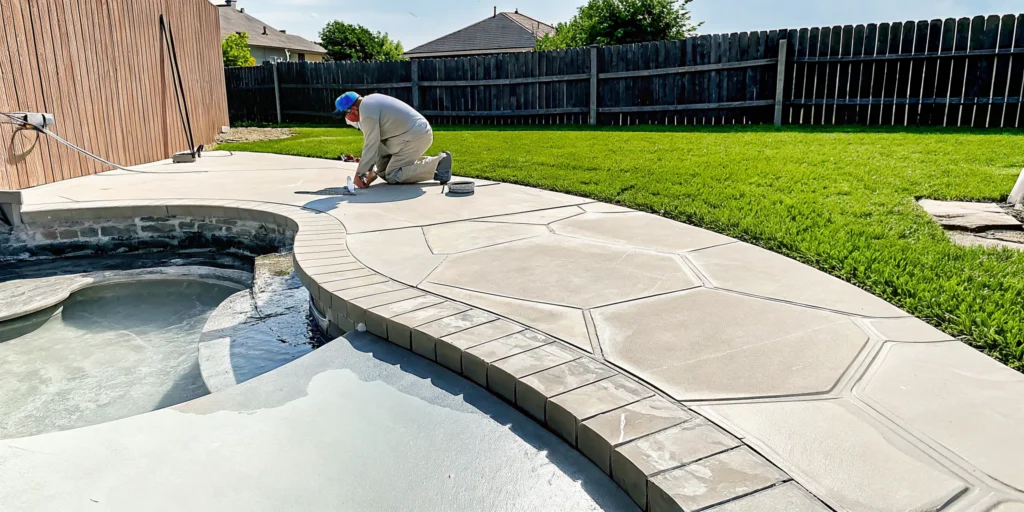
If you feel like you’re in a constant battle with your pool deck, you’re not imagining things. The Dallas area has a unique combination of expansive clay soil and extreme temperature swings that is incredibly tough on concrete. The ground swells and shrinks, while the sun bakes the surface, creating a perfect storm for cracks, shifting, and deterioration. A generic patch kit from a big-box store simply won’t hold up here. You need a solution designed specifically for our environment. This guide breaks down why our climate is so challenging and what it means for a successful, long-term pool deck repair in Dallas, TX, from choosing the right materials to finding a true local expert.
Key Takeaways
- Understand Dallas’s Unique Challenges: Most pool deck problems here are caused by our environment, not just normal use. Expansive clay soil creates ground movement and the intense sun degrades materials, leading to common issues like cracks, shifting, and surface damage.
- Choose a Repair That Fits the Damage: The right solution depends on the problem’s severity. Cosmetic issues like fading or small flakes can often be fixed with resurfacing, while major cracks or sinking concrete signal structural problems that need a professional assessment.
- Protect Your Investment with Pros and Prevention: For anything more than a tiny crack, hiring a professional is the best way to address the root cause and ensure a lasting fix. Afterward, you can preserve the repair with simple habits like regular cleaning, sealing the surface, and managing drainage.
What Are the Most Common Pool Deck Problems in Dallas?
Your pool is the heart of your backyard, but the Dallas climate can be tough on the deck surrounding it. Over time, you might notice issues that go beyond simple wear and tear. From unsettling cracks to a faded, worn-out surface, these problems are common for homeowners in our area. Understanding what’s causing the damage is the first step toward finding the right solution and getting your backyard oasis back in top shape.
Cracks and Shifting Concrete
If you’re seeing cracks spiderwebbing across your pool deck, you’re not alone. This is often a direct result of the expansive clay soil found throughout the Dallas area. This soil swells up when it gets wet and shrinks dramatically when it dries, creating powerful ground movement. Your rigid concrete deck can’t flex with this shifting, so it cracks under the pressure. While some hairline cracks are minor, larger or uneven cracks can be a safety hazard and may signal deeper issues that require professional concrete repair. Ignoring them can lead to more significant structural damage down the road.
Peeling, Flaking, and Spalling Surfaces
Does your pool deck feel rough and uncomfortable on bare feet? When the surface starts to peel, flake, or spall (break off in thin layers), it’s a clear sign of deterioration. This not only makes your deck look tired and uninviting but can also create a gritty, unpleasant texture. This kind of surface damage is often caused by a combination of sun exposure, chemical imbalances in the pool water, and the natural aging of the material. It’s more than just a cosmetic issue; it indicates that the protective top layer of your deck has worn away, leaving the underlying concrete vulnerable to further damage.
Fading and Sun Damage
The relentless Texas sun is one of the biggest challenges for any outdoor surface. Constant exposure to intense UV rays can cause the color of your pool deck to fade, leaving it looking washed-out and old. This UV radiation can trigger chemical reactions that degrade the material itself, whether it’s a coating, stain, or colored concrete. While fading might seem like a purely aesthetic problem, it’s a sign that the sun is breaking down the surface, which can make it more susceptible to other types of damage like cracking and spalling. Many modern pool deck coatings are designed specifically to resist this kind of sun damage.
Poor Drainage and Moisture Issues
Water should stay in the pool, not linger on your deck. If you notice puddles forming after it rains or after a swim session, you likely have a drainage problem. Standing water can accelerate wear, encourage mold and mildew growth, and seep into existing cracks, making them worse. In some cases, moisture problems can even be caused by hidden plumbing leaks beneath the deck. This excess water saturates the soil, which can lead to the same ground movement that causes major cracks and shifting, potentially affecting your home’s foundation as well.
Why Is Dallas So Tough on Pool Decks?
If you’ve ever felt like you’re in a constant battle to keep your pool deck from cracking, shifting, or falling apart, you’re not imagining things. The Dallas area has a unique and challenging environment that puts incredible stress on outdoor concrete structures. It’s not just about the wear and tear of pool parties and patio furniture. The real culprits are working against your deck from below the ground and above.
Understanding these forces is the first step to finding a lasting solution. When you know what you’re up against, you can choose a repair that doesn’t just patch the problem but addresses the root cause. Let’s look at the two biggest challenges your pool deck faces.
Expansive Clay Soil and Shifting Ground
Much of North Texas is built on expansive clay soil. Think of this soil like a sponge. When it rains, the clay absorbs water and swells significantly. During our hot, dry summers, it loses that moisture and shrinks. This constant cycle of swelling and shrinking creates powerful ground movement beneath your pool deck. Your deck, which seems solid, is actually sitting on an unstable surface that is always in motion. This shifting puts immense pressure on rigid materials like concrete, leading to the cracks, uneven slabs, and structural issues that are all too common for Dallas homeowners. A proper concrete repair must account for this movement to be effective long-term.
Intense Heat and Extreme Temperature Swings
The Texas sun is relentless, and your pool deck bears the full brunt of it. Surface temperatures can soar well above 100 degrees, making some materials too hot to walk on and causing others to fade and weaken over time. But it’s not just the peak heat that causes damage. The daily temperature swings, from a scorching afternoon to a cooler evening, force the deck materials to constantly expand and contract. This thermal movement adds another layer of stress, which can worsen existing cracks and weaken the bonds in your concrete. Without a stable foundation to withstand these forces, even the most durable materials can eventually fail under the strain of our climate.
What Are Your Pool Deck Repair Options?
When you notice cracks, flakes, or uneven spots on your pool deck, it’s easy to feel a little overwhelmed. The good news is that you have several options, ranging from simple fixes to a complete overhaul. The right choice depends on the type and extent of the damage, your budget, and your long-term goals for the space. For many Dallas homeowners, the problem isn’t just cosmetic; it’s a sign of deeper issues with the soil or the concrete slab itself. Understanding your options is the first step toward getting a safe, beautiful pool deck that lasts.
Whether you’re dealing with a few hairline fractures or significant, widespread damage, there’s a professional concrete repair solution that can restore your pool area. Some repairs focus on the surface, while others address the structural integrity of the slab. Let’s walk through the most common approaches so you can get a clearer picture of what your pool deck needs.
Patching and Filling Cracks
If you’re dealing with minor, hairline cracks, patching is a straightforward and cost-effective fix. This approach involves cleaning out the crack and filling it with a flexible sealant or specialized concrete patching compound. It’s a targeted solution that stops small problems from getting bigger, as unattended cracks will only widen and collect more debris over time. Think of it as a spot treatment. While it’s great for isolated issues, patching won’t solve widespread surface deterioration or underlying structural problems.
Resurfacing with a Concrete Overlay
For pool decks with more extensive surface damage like flaking, spalling, or a network of small cracks, resurfacing is an excellent option. This process involves applying a thin layer of a polymer-modified cement overlay directly on top of your existing concrete. It completely covers old imperfections, giving you a fresh, uniform surface. A concrete overlay can extend the life of your pool deck by many years and is significantly more affordable than a full replacement. You can even add color or a stamped texture for a more custom look.
Applying a Cool Deck or Spray Deck Coating
Living in Dallas means dealing with intense summer heat, and a scorching pool deck can be a real problem for bare feet. A cool deck or spray deck coating is a textured acrylic application that’s sprayed onto the concrete. Its main benefit is that it reflects more heat than standard concrete, keeping the surface temperature much lower. These coatings also add a non-slip texture, which is a great safety feature. If you notice cracks reappearing, it’s important to investigate further, as they could be related to shifting soil or even plumbing leaks under the slab.
Repairing or Replacing Pavers
If your pool deck is made of pavers instead of a solid concrete slab, your repair options are a bit different. One of the biggest advantages of pavers is that you can replace individual units. If a few pavers are cracked, stained, or have shifted out of place, a contractor can simply lift them out and install new ones. Pavers are also known for their durability and flexibility. Because they are individual units with sand-filled joints, they can accommodate the shifting clay soil in Dallas better than a rigid concrete slab, which makes them less likely to crack.
A Full Pool Deck Replacement
Sometimes, the damage is too severe for a surface-level fix. If your pool deck has large, deep cracks, is severely uneven, or is sinking, it likely means the underlying concrete slab has failed. In these cases, a full replacement is the only way to ensure a safe and stable result. While it’s the most expensive option, it allows you to address any foundational or drainage issues properly. Choosing to resurface a failing slab is only a temporary fix, so a replacement is often the most cost-effective solution in the long run. This level of damage could also point to a deeper foundation repair issue that needs professional attention.
What Are the Best Materials for a Dallas Pool Deck?
Choosing the right material for your pool deck is about more than just looks. In Dallas, you need something that can stand up to our intense sun and shifting soil while also being safe and comfortable for your family. The material you pick will determine how much maintenance is needed and how your deck performs for years to come. A beautiful deck adds value to your home, but one that’s cracked and unsafe can be a constant worry.
The good news is that there are plenty of great options that are well-suited for our climate. From budget-friendly coatings that cool the surface to elegant natural stones that last a lifetime, there’s a perfect fit for every style and budget. Understanding the pros and cons of each will help you make a confident decision that you’ll be happy with every time you step outside. Let’s walk through some of the most popular and practical options for our area.
Concrete Overlays
If your existing concrete deck is showing its age with minor cracks or surface damage, a concrete overlay can be a fantastic solution. Think of it as giving your deck a fresh, new surface without the massive cost and headache of a full tear-out and replacement. This process involves applying a new layer of a cement-based material right over your old concrete. It’s an incredibly versatile and cost-effective form of concrete repair. You can choose a simple, single-color finish for a clean look or opt for more decorative textures and patterns to create a custom style that fits your home.
Stamped Concrete
For those who love the look of high-end materials like stone or brick but not the price tag, stamped concrete is an excellent choice. This option gives you the durability and affordability of concrete with the aesthetic of more expensive materials. During installation, a pattern is stamped into the fresh concrete, creating realistic textures. A huge plus for pool areas is that the textured surface provides better grip, reducing the risk of slips and falls. Stamped concrete is tough enough to handle our wild weather swings and heavy foot traffic, making it a practical and beautiful choice you can see in many of our past projects.
Pavers
Pavers are a classic and incredibly resilient option for a Dallas pool deck. Unlike a solid slab of concrete that can develop large cracks, pavers are individual units. This allows them to shift slightly with our expansive clay soil without breaking, which is a major advantage. If one paver does get damaged, you can simply replace that single piece instead of dealing with a larger repair. Pavers come in a huge variety of colors, shapes, and materials, including concrete, brick, and natural stone. This gives you complete creative freedom to design a unique and long-lasting pool deck that complements your landscape.
Travertine
If you’re aiming for a touch of luxury, travertine is a beautiful natural stone that brings an elegant, timeless feel to any pool area. One of its biggest benefits in Texas is that it stays remarkably cool to the touch, even under the direct summer sun. No more hopping across a scorching hot deck to get to the water. Travertine is durable and naturally slip-resistant. However, it’s important to know that it is a premium material, so it comes with a higher price tag. It also requires regular sealing to protect it from pool chemicals and prevent staining, so be prepared for a bit more maintenance.
Cool Deck Coatings
Living in Dallas means we’re all familiar with surfaces that get too hot to touch in July and August. A cool deck coating is specifically designed to solve this problem. This special acrylic coating is applied over your existing concrete deck and works by reflecting the sun’s heat instead of absorbing it. This can lower the surface temperature of your deck significantly, making it much more comfortable for bare feet. It’s a practical upgrade that not only improves comfort and safety but also gives your pool deck a fresh, uniform finish. Applying a cool deck coating is a popular resurfacing method that makes your pool area more enjoyable all summer long.
How Much Does Pool Deck Repair Cost in Dallas?
One of the first questions on any homeowner’s mind is, “What is this going to cost me?” When it comes to pool deck repair, the answer isn’t a single number. The final price tag depends on the extent of the damage, the size of your deck, and the repair method you choose. Think of it as a spectrum: minor patching will be on the lower end, resurfacing in the middle, and a full replacement on the high end.
Understanding these costs helps you budget effectively and make the best decision for your home and your wallet. Let’s break down what you can expect to invest in bringing your Dallas pool deck back to life.
A Breakdown of Costs by Repair Type
The type of repair your pool deck needs is the biggest driver of cost. For many Dallas homeowners with surface-level issues like minor cracks, stains, or fading, resurfacing is a popular choice. This process involves applying a new concrete coating over your existing deck. You can generally expect concrete repair and resurfacing to cost between $3 and $7 per square foot. This not only gives your deck a fresh look but can also extend its life for years to come. Simple crack filling will cost less, while more extensive repairs will naturally cost more.
What Factors Influence Your Final Cost?
Beyond the basic repair type, several other factors will shape your final quote. The first is the amount of prep work required. A new surface is only as good as the slab underneath it, so a professional team will spend time grinding, cleaning, and repairing the existing concrete to ensure a lasting bond. The complexity of the job, the specific materials used, and your desired finish also play a role. A standard gray concrete overlay will be more budget-friendly than a decorative stamped or colored finish designed to mimic stone or tile. You can see examples of different finishes in our work.
Resurfacing vs. Replacement: Which Is More Cost-Effective?
If your deck has significant damage, you might wonder if it’s better to resurface or start over. From a purely financial standpoint, resurfacing is almost always the more cost-effective option. Homeowners can save between 40% and 60% by choosing to resurface instead of replacing the entire slab. For perspective, a full replacement of a 900-square-foot deck can run into the thousands, and that’s before you add the cost of demolishing and hauling away the old concrete. If your deck’s underlying structure is sound, resurfacing is a fantastic way to get a brand-new look for a fraction of the cost. If you’re unsure, a professional assessment can help you make the right call. We offer free estimates to help you understand your options.
How to Choose the Right Repair for Your Pool Deck
Figuring out the best way to fix your pool deck comes down to correctly identifying the type of damage you’re dealing with. A small crack requires a very different approach than a large, sinking section of concrete. By assessing the severity of the problem, you can match the right solution to your deck’s needs and your budget, ensuring you get a repair that lasts.
For Minor Damage
If your pool deck is just looking a little worn out, you’re likely dealing with minor damage. This includes issues like faded color from the Texas sun, a rough texture that’s uncomfortable on bare feet, or hairline cracks that are more of an eyesore than a hazard. For these cosmetic problems, resurfacing is often the perfect fix. This process involves applying a new layer over your existing concrete, which is far more cost-effective than a full replacement. A quality concrete repair and resurfacing job can completely refresh the look of your backyard oasis without the headache and expense of a major demolition project.
For Moderate Damage
When you’re facing more noticeable issues like wider cracks, surface flaking (spalling), or uneven spots, you’ve moved into the moderate damage category. Resurfacing with a concrete overlay can still be a great option here, as it can cover these imperfections and create a durable, new surface. However, the success of an overlay depends entirely on the stability of the concrete slab beneath it. If the underlying deck is shifting or unstable, a new layer won’t fix the root problem. This is why a professional assessment is so important. An expert can determine if your deck is a good candidate for resurfacing or if a deeper issue needs to be addressed first.
For Severe Damage
Severe damage involves significant structural problems that compromise the safety and integrity of your pool deck. This includes large, deep cracks, sections of the deck that are visibly sinking or heaving, or widespread crumbling. These are not surface-level issues; they often point to serious problems with the soil and ground beneath the slab. In these cases, simply covering the damage with an overlay is like putting a bandage on a broken bone. The solution requires a structural approach, like our proven foundation repair methods that can lift and level the concrete. Addressing these problems correctly is essential for ensuring your pool area is safe and stable for years to come.
Should You DIY or Call a Professional?
The allure of a weekend DIY project is strong, especially when you think it might save you some money. For small, cosmetic issues like a tiny hairline crack or a bit of faded paint, you might be able to handle the fix yourself. However, pool deck repair often involves more than what meets the eye, and the decision to DIY or call a professional really comes down to the scope of the damage and your comfort level with concrete work. It’s one thing to touch up a scuff mark; it’s another entirely to address a crack that seems to be growing.
Many pool deck problems, especially in the Dallas area, are symptoms of deeper issues like shifting soil. A DIY patch might look fine for a few months, but it won’t solve the underlying problem. Before you spend your weekend covered in concrete dust, it’s important to honestly assess the situation. A professional concrete repair job not only fixes the visible damage but also addresses the root cause, ensuring a solution that is safe, durable, and long-lasting. Getting an expert opinion can save you from a project that quickly gets in over your head and provides peace of mind that the fix will actually last.
Warning Signs That Require an Expert
Some issues are clear signals that you need to put down the tools and pick up the phone. If you see large, widening cracks (more than a quarter-inch wide), or if sections of your deck are noticeably uneven or sinking, it’s time to call a professional. These are classic signs of structural movement, which a simple surface patch won’t fix. Other red flags include widespread peeling or flaking (spalling), which indicates the concrete surface is failing. Ignoring these problems can lead to serious safety hazards and much more expensive repairs down the road. A professional can assess the situation and show you examples of how they’ve handled similar projects.
Why Surface Prep Is the Most Critical Step
Any professional will tell you that a successful repair is all about the prep work. You can buy the most expensive overlay or coating on the market, but if the surface underneath isn’t properly prepared, the new finish is destined to fail. Proper preparation involves more than a quick sweep or rinse. It often requires grinding down the old surface, pressure washing to remove dirt and loose material, and meticulously patching any existing cracks. This ensures the new material can form a strong, permanent bond with the old concrete. Professionals have the industrial-grade equipment and experience to get this done right, creating a stable foundation for a beautiful, long-lasting finish.
The Hidden Costs of a DIY Repair
While the initial goal of DIY is to save money, it can sometimes end up costing you more. The price of renting specialized equipment, buying materials, and your own time can add up quickly. The biggest hidden cost, however, is the risk of making a mistake. A poorly executed repair might crack or peel within a year, forcing you to start all over. Even worse, you might have to pay a professional to remove your failed attempt before they can do the job correctly. While a full deck replacement is expensive, a professional resurfacing job can be a cost-effective alternative. Making professional work more accessible through financing can make it an even smarter investment.
How to Maintain Your Repaired Pool Deck
After investing in a professional pool deck repair, you want to make sure it stays in great shape for as long as possible. The good news is that maintenance doesn’t have to be complicated. By adopting a few simple habits, you can protect your beautiful new surface, prevent future damage, and ensure your pool area remains a safe and inviting space for years to come. Think of this routine as a small way to protect a big investment.
Practice Regular Cleaning and Sealing
Your pool deck is constantly exposed to the elements, from intense sun and chlorinated water to everyday foot traffic. Regular cleaning is your first line of defense. A simple sweep to remove leaves and debris will prevent organic stains and keep your drainage paths clear. For a deeper clean, you can periodically wash the surface with a mild detergent and a soft-bristle brush to remove built-up grime.
Beyond cleaning, sealing the concrete is one of the most effective ways to preserve your deck. A high-quality sealant acts as a protective shield, preventing water from seeping into the surface and protecting it from UV damage that causes fading. This is a key part of any long-term concrete repair and maintenance plan. Depending on the product used and your deck’s sun exposure, you’ll likely want to reapply a sealant every few years to maintain that protective barrier.
Manage Drainage Around the Pool Area
While water is great for the pool, it’s the biggest threat to the stability of your pool deck. Poor drainage allows water to stand on the surface or, worse, soak into the ground beneath the concrete slab. Here in Dallas, our expansive clay soil can swell when saturated and shrink when dry, causing the ground to shift. This movement is a primary cause of cracked and sinking concrete.
Get into the habit of checking that your deck drains are clear of leaves, dirt, and other debris. You should also check that your home’s gutter downspouts and landscape sprinklers are directing water away from the pool deck area. Sometimes, persistent cracks can even point to an underground plumbing leak. If you notice water pooling consistently or signs that your deck is settling, it could indicate a problem that requires a professional foundation repair solution to prevent further damage.
Address Small Issues Before They Grow
It’s easy to overlook a tiny hairline crack, but with concrete, it’s always smarter and more affordable to fix small problems before they become big ones. A minor crack creates an opening for water to penetrate the slab. That moisture can erode the soil base underneath or, during a winter freeze, expand and force the crack to widen. What started as a cosmetic issue can quickly become a structural one.
Make a point to walk around your pool deck every few months and inspect it closely. If you spot a new crack or chip, don’t wait for it to get worse. Catching these issues early can often mean the difference between a simple fix and a much more extensive repair project. If you see something that concerns you, it’s always a good idea to contact us for an expert opinion. A quick assessment can give you peace of mind and a clear plan for keeping your deck in top condition.
How to Find the Right Pool Deck Contractor in Dallas
Finding the right contractor can feel like the hardest part of any home project, but it doesn’t have to be. When you’re dealing with something as important as your pool deck, you want a team that understands the unique challenges of Dallas soil and weather. A great contractor won’t just fix the surface-level problem; they’ll diagnose the root cause to make sure the repair lasts. It’s about finding a partner who values your home as much as you do and has the expertise to protect your investment for the long haul.
What to Look For in a Repair Company
When vetting a pool deck repair company, start with their experience. How long have they been working in the Dallas area? A contractor with local expertise will understand how our expansive clay soil affects concrete and can recommend the right solutions. Next, look for proof of their quality. Ask to see a portfolio of their past work and read online reviews from other homeowners. Finally, a reliable company will offer a range of services. Whether you need a simple patch or a full replacement, they should be able to explain your options clearly and honestly, without pushing you toward the most expensive one.
Why Dallas Homeowners Trust Solid Base Foundations
We’ve built our reputation by focusing on what matters: providing real, lasting solutions for our neighbors. Our team understands that a crack in your pool deck is often a symptom of a deeper issue, which is why we specialize in comprehensive concrete repair that addresses the cause, not just the effect. Homeowners trust us because we’re transparent from the start, offering free, no-obligation estimates and clear explanations of the work needed. With flexible financing options and a commitment to using proven, high-quality products, we make sure the repair process is as stress-free as possible.
Related Articles
- Concrete Repair – Solid Base
- How to Fill Large Cracks in Concrete Like a Pro
- Polyurethane Slab Jacking: A Homeowner’s Guide
- Ultimate Guide to Foundation Repair Options
- Foundation Repair – Solid Base
Frequently Asked Questions
My pool deck cracks are tiny. Do I really need to worry about them yet? It’s easy to dismiss hairline cracks, but I always advise addressing them sooner rather than later. Think of them as tiny doorways. They allow water to seep under your deck, which can erode the soil base and lead to much bigger structural problems, especially with our Dallas soil. Fixing them now is a simple, preventative step that can save you from a much more complex and expensive repair in the future.
How can I tell if my sinking pool deck is connected to my home’s foundation? This is a great question, as the two can definitely be related. A key sign is continuity. If you see cracks that run from your pool deck and continue up the exterior wall of your house, it’s a red flag. You might also notice other symptoms inside your home near the pool area, like doors that stick or new cracks in the drywall. The only way to know for sure is with a professional evaluation, which can determine if the problem is isolated to the deck or part of a larger foundation issue.
Will a new concrete overlay just crack again because of the shifting soil in Dallas? It’s a valid concern, given our challenging clay soil. While no surface is completely immune to extreme ground movement, a professionally installed concrete overlay is designed for durability. The key is proper preparation of the existing slab and the use of modern, polymer-modified materials that have more flexibility than old-school concrete. A quality installation from an experienced team accounts for our local conditions, giving you a repair that is meant to last.
How long does a typical pool deck resurfacing project take? The timeline can vary, but for an average-sized residential pool deck, the entire process usually takes just a few days. The first day often involves preparing the surface, which includes grinding, cleaning, and making any minor repairs. The new coating is applied on the second day, and then it just needs time to cure. The most important factor is weather, as we need dry conditions to ensure the new surface bonds and cures correctly.
Is the repair process going to be messy and disrupt my whole backyard? We all want to avoid a chaotic construction zone in our backyard. A professional crew understands this and should take great care to minimize the mess. They will typically section off the work area to contain dust and debris. Protecting surrounding landscaping, furniture, and the pool itself is a standard part of the process. The goal is to leave you with a beautiful new deck, not a major cleanup project.