
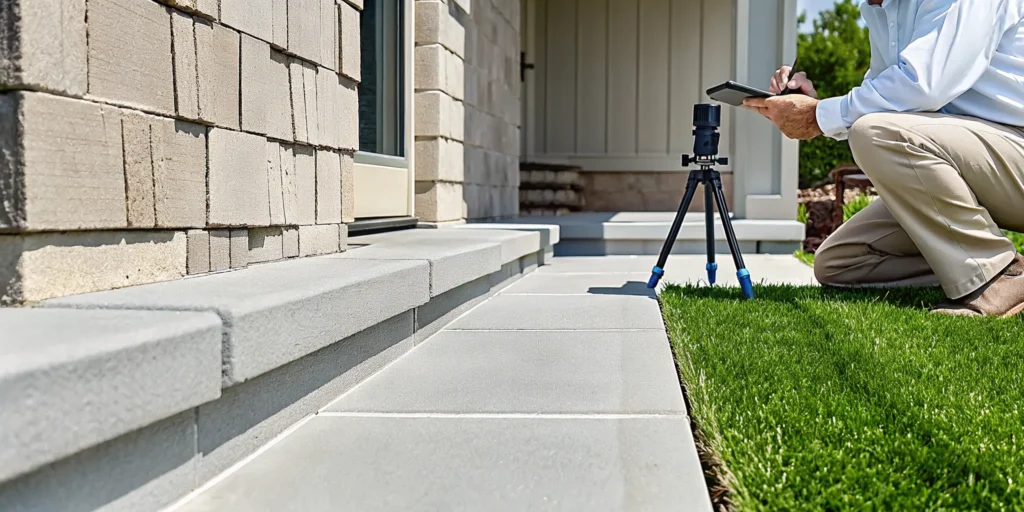
We schedule annual checkups for our health and regular maintenance for our cars, so why would we treat our biggest investment any differently? Think of your home’s foundation as its core support system, one that deserves proactive care. Small issues like sticky windows or minor cracks are symptoms, and just like with your health, it’s wise to get a professional diagnosis before they become critical. A routine Fort Worth foundation repair inspection acts as a wellness check for your home, identifying potential vulnerabilities and giving you the peace of mind that comes from knowing your foundation is secure and stable for years to come.
Key Takeaways
- Recognize the early signs of foundation stress: Look for specific clues like stair-step cracks in brick, doors that jam, or water collecting near your home, as these are common red flags often caused by Fort Worth’s shifting clay soil.
- Start with an independent engineering report: Hiring a structural engineer before contacting repair companies provides an unbiased assessment. This report acts as your roadmap, ensuring you only pay for necessary work and can get accurate, comparable quotes.
- View inspections as a financial safeguard: A professional inspection is a small upfront investment that can save you thousands. It helps you catch issues early before they become major expenses and protects your property’s long-term value.
Spot the Signs: When to Get a Foundation Inspection in Fort Worth
Your home has a way of telling you when something isn’t right. Those little quirks you might have brushed off, like a door that suddenly sticks or a new crack in the drywall, can be early warnings of a foundation problem. Here in Fort Worth, our homes are particularly susceptible to foundation shifts because of the unique soil beneath them. Paying attention to these signs and acting on them early is the best way to protect your property and prevent small issues from turning into major, expensive repairs.
Knowing what to look for is the first step. Foundation problems often show up in ways that seem unrelated at first glance. You might notice issues inside your home, like cracks in the walls or uneven floors, or outside, like water pooling around your foundation. Understanding these signals can help you decide when it’s time to call in a professional for an inspection. It’s easy to ignore a small crack, but these are often the first symptoms of a larger issue developing below the surface. Catching these problems early not only saves you money but also gives you peace of mind. Let’s walk through the most common signs that your foundation needs a closer look.
Noticeable Cracks in Walls, Floors, or Ceilings
While a tiny hairline crack in the paint might be nothing to worry about, certain types of cracks are a clear signal of foundation movement. Keep an eye out for zigzag or stair-step cracks in brick walls, or long, diagonal cracks extending from the corners of doors and windows. You might also see cracks in your home’s slab foundation or notice that your floor has become uneven or sloped. These are classic signs that your foundation is settling or shifting, and it’s a good idea to get a professional opinion. An expert can determine if the cracks point to a need for foundation repair.
Doors that Stick and Gaps Around Windows
Have you noticed a bedroom door that won’t latch anymore or a window that’s suddenly difficult to open? This is often more than just an annoying quirk. When a foundation shifts, it can warp the frames of your doors and windows, causing them to stick or jam. You might also see new gaps appearing between the wall and the window or door frame. This happens because the entire structure of your home is being twisted out of alignment. If you’re struggling with stubborn doors and windows, it’s a strong indicator that your foundation is under stress and needs to be evaluated.
Water Pooling Near Your Foundation
Water is one of the biggest threats to your foundation’s stability. If you consistently see water pooling near your home after it rains, it’s a major red flag. Poor drainage allows water to saturate the soil around and under your foundation. This can cause the soil to expand and put immense pressure on your foundation walls, or it can lead to erosion that causes the foundation to sink. Make sure your gutters are clean and your downspouts direct water far away from your house. If you still have drainage issues, it can damage more than just your foundation, often affecting patios and driveways that may need concrete repair.
Understanding Fort Worth’s Expansive Clay Soil
A big reason foundation problems are so common in Fort Worth is our soil. Much of the area is built on expansive clay soil, which acts like a sponge. When it rains, the clay absorbs water and swells significantly. During dry spells, it shrinks and cracks. This constant cycle of expansion and contraction causes the ground beneath your home to move, putting continuous strain on your foundation. Over time, this movement can lead to cracks, settling, and other structural damage. Because we live in an area with such volatile soil, it’s important for homeowners to be proactive about foundation maintenance and inspections. Our team of professionals understands these local conditions and how to address them.
Should You Hire a Structural Engineer Before a Repair Company?
When you suspect a foundation problem, your first instinct might be to call a repair company for a free estimate. Before you do, let’s talk about a step that can save you a lot of stress and money: hiring a structural engineer first. While it’s an upfront cost, getting an independent, expert opinion is one of the smartest moves you can make as a homeowner. An engineer works for you, not a repair company. Their goal is to give you a clear, unbiased picture of your home’s health, so you can approach the repair process with confidence and a solid plan.
Get an Unbiased Assessment, Not a Sales Pitch
Think of it this way: a foundation repair company’s business is selling and installing repairs. While reputable companies provide honest evaluations, their primary role is to offer a solution they can provide. A structural engineer, on the other hand, has no stake in selling you a specific product or service. Their only job is to assess your foundation’s condition and tell you exactly what’s going on. They’ll let you know if repairs are truly necessary, if the issue is minor, or if the cracks you’re seeing are just cosmetic. This unbiased assessment gives you the facts without any sales pressure, ensuring you get an honest opinion about your home.
Avoid Paying for Unnecessary Repairs
An engineer’s report is your most powerful tool for getting fair treatment. This detailed document outlines the specific issues with your foundation and provides a clear plan for what needs to be fixed. You can then give this exact report to multiple repair companies to get apples-to-apples quotes for the work. This prevents you from paying for expensive, unnecessary piers or services that a company might recommend. With a report in hand, you can confidently request quotes for the specified foundation repair work, knowing you’re addressing the true source of the problem and not just a symptom. It puts you in control of the conversation.
Structural Engineer vs. General Contractor: Who Should You Call?
You might wonder if a general contractor can handle the initial inspection. While general contractors are skilled professionals for many home projects, foundation issues require a specialist. A structural engineer has specific training and expertise in how structures, soil, and foundations interact. They can accurately diagnose complex problems that a general contractor might miss. For something as critical as your home’s foundation, you want an expert evaluation. The best order of operations is to call a structural engineer for an assessment before you contact any contractors for repair quotes. This ensures you start with the most accurate information possible.
Common Myths About Foundation Inspections
A common myth is that an engineer’s inspection is an optional, extra expense. In reality, it’s a crucial investment that can save you thousands. Another misconception is that you can skip this step to save time. However, taking this shortcut can lead to bigger costs and headaches later. In fact, many cities in our service area, including Dallas, Plano, and Allen, require a professional engineering report to be filed before they will issue a permit for foundation work. So, not only is it a smart move for protecting your investment, but it’s also often a required part of the legal repair process.
What to Expect During a Fort Worth Foundation Inspection
Knowing your home might have a foundation problem is stressful, but understanding the inspection process can make it feel much more manageable. A professional inspection isn’t just about finding problems; it’s about getting a clear, expert opinion on your home’s health and a roadmap for any necessary fixes. Whether you hire a structural engineer or a specialized repair company, the goal is to get a complete picture of what’s happening from the ground up.
The process typically involves a few key stages, from the initial visual check to a detailed analysis of your property’s unique conditions. A thorough inspector will look at everything, not just the foundation itself. They’ll examine the soil, drainage, and the structure of your home to identify the root cause of any issues. This comprehensive approach ensures that you don’t just patch a symptom but solve the underlying problem for good. Let’s walk through what a quality inspection looks like, step by step.
The Initial On-Site Evaluation
The first step is a hands-on evaluation of your property. When a specialist visits your home, they’ll conduct a thorough visual assessment, both inside and out. They will look for tell-tale signs of foundation movement, like cracks in your drywall or brick exterior, uneven floors, and doors or windows that no longer close properly. A licensed professional will check for these common issues to get a baseline understanding of your home’s condition. This initial walkthrough is crucial for identifying the specific areas of concern that require a closer look and helps determine the scope of the foundation repair needed. It’s a data-gathering phase that lays the groundwork for the entire inspection.
A Close Look at Drainage, Grading, and Soil
A big part of any Fort Worth foundation inspection involves looking at the land your house sits on. That’s because Fort Worth’s clay-heavy soils are a major factor in foundation problems. This type of soil expands significantly when it gets wet and shrinks when it dries out, causing the ground beneath your home to shift constantly. An inspector will carefully examine your property’s grading to see if water flows away from your foundation as it should. They’ll also check your drainage systems, like gutters and downspouts, to ensure they aren’t depositing water right next to your home. Improper water management is one of the leading causes of foundation settlement in our area.
Your Detailed Engineering Report and Repair Plan
After the on-site evaluation is complete, you should receive a detailed report that clearly explains the findings. This document is your guide to understanding your foundation’s current state. It will break down any issues that were discovered, offer insights into the probable causes (like soil movement or drainage problems), and outline the recommended next steps. A good report avoids confusing jargon and gives you the information you need to make a confident decision. This plan becomes the blueprint for any work that needs to be done, ensuring that the proposed solution directly addresses the specific problems identified during the inspection. You can see how these plans translate into real-world fixes by looking at examples of our work.
Getting a Post-Repair Certification
If repairs are needed and completed, the final step is often a post-repair certification. This is an official document from a licensed structural engineer confirming that the work was done correctly and meets all required industry standards. Think of it as a clean bill of health for your foundation. This certification is incredibly valuable, not just for your peace of mind, but also for your home’s resale value. It provides future buyers with documented proof that the foundation is secure. An independent post-repair certification ensures the repair plan was followed and your investment is protected for the long term. If you have questions about this process, feel free to contact us.
How Much Does a Foundation Inspection Cost in Fort Worth?
Let’s talk numbers. When you see a crack in your wall, one of the first questions that comes to mind is, “How much is this going to cost me?” While the cost for a professional foundation inspection varies, it’s a critical first step in understanding the bigger picture. Think of it as a diagnostic fee for your home’s health. The real cost variable isn’t the inspection itself, but the potential repairs it might uncover. Foundation repairs in the Dallas-Fort Worth area can range from a few hundred dollars for minor crack fixes to tens of thousands for more extensive structural work.
This is why a thorough inspection is so valuable. It gives you a clear, detailed roadmap of what’s happening with your foundation, what needs to be fixed, and what it will take to do it right. An honest assessment prevents you from overpaying for unnecessary work or, even worse, under-addressing a serious issue. At Solid Base, we believe you should have all the information before making a decision, which is why we offer free estimates to homeowners. This initial evaluation helps you understand the scope of the problem without any upfront financial commitment.
What Factors Influence the Cost?
The final price tag for a foundation repair project depends on several key factors that a professional inspection will identify. First is the type of foundation you have, whether it’s a concrete slab or a pier and beam system, as each requires different repair techniques. The severity of the damage also plays a huge role; a few hairline cracks are a much different project than a foundation that has significantly settled. We also consider the local soil conditions and how accessible the damaged area is. If we need to work in a tight crawl space, for example, it can affect the labor involved. The specific repair method chosen to provide a long-term solution will also influence the final cost.
How Often Should You Schedule an Inspection?
Think of a foundation inspection as a regular checkup for your home. Given Fort Worth’s notoriously expansive clay soils, which swell and shrink with moisture changes, we recommend a professional look-over at least once a year. This proactive approach helps you catch small issues before they spiral into major, costly problems. An annual inspection can reveal subtle shifts or water drainage issues that aren’t obvious yet. It’s also absolutely essential to get a foundation inspection before purchasing a new home. A pre-purchase inspection protects your investment by uncovering hidden problems that could turn your dream home into a financial nightmare. Our team of experts can help you stay ahead of any potential issues.
How to Choose the Right Fort Worth Structural Engineer
Finding the right structural engineer is the most important step you can take toward understanding your home’s foundation issues. When you first spot a crack or a sticking door, it’s easy to feel overwhelmed. An engineer’s job is to replace that uncertainty with facts. Think of it like getting a diagnosis from a specialist before you start any treatment. A great engineer gives you a clear, expert assessment of what’s happening with your foundation, so you can make informed decisions without the pressure of a sales pitch. But how do you find the right one? It comes down to asking a few key questions and knowing what to look for.
Your goal is to find a professional who is licensed, experienced with our area’s unique challenges, and fully independent. This person will be your trusted advisor, providing a detailed report that becomes the roadmap for any necessary repairs. With their unbiased evaluation in hand, you can confidently approach a foundation repair company like Solid Base, knowing exactly what work needs to be done. Let’s walk through the essential criteria to ensure you hire a qualified and trustworthy expert for the job.
Confirm They Have a Texas PE License
Before you even schedule a consultation, your first move should be to verify that the engineer holds a Texas Professional Engineer (PE) license. This isn’t just a piece of paper; it’s proof that they have met the state’s strict requirements for education, experience, and ethical standards. A licensed engineer is qualified to produce a “Licensed Professional Engineer’s Report,” which is the official document you’ll need for your records and for any repair work. You can easily verify a license on the Texas Board of Professional Engineers and Land Surveyors website. Hiring someone without this credential is a risk you don’t want to take with your home.
Ask About Their Experience with Local Soil
Fort Worth’s foundation problems are often tied directly to our soil. The ground here is heavy with expansive clay, which behaves like a sponge. It swells up when it gets wet and shrinks dramatically when it dries out. This constant movement puts immense stress on a home’s foundation, causing it to shift, settle, and crack over time. It’s critical that your engineer has deep experience with these specific soil conditions. An expert who understands local geology will be able to accurately identify the root cause of your issues, rather than just pointing out the symptoms.
Check for Proper Insurance and Affiliations
Proper insurance is a non-negotiable. Any engineer you hire should carry professional liability insurance, also known as errors and omissions insurance. This protects you in the unlikely event that an error in their assessment causes financial harm. Don’t be shy about asking for a certificate of insurance. Additionally, look for affiliations with professional organizations like the American Society of Civil Engineers. Membership indicates a commitment to upholding industry best practices and staying current with the latest engineering standards. It’s another sign that you’re dealing with a true professional who takes their work seriously.
Why to Pick an Engineer Who Doesn’t Do Repairs
This may seem counterintuitive, but it’s one of the best ways to guarantee you get an honest opinion. An engineer who does not offer repair services has no financial stake in the outcome of their inspection. Their only job is to provide an accurate, unbiased evaluation based on engineering facts. There is no conflict of interest. This means you won’t be pressured into expensive, unnecessary work. Instead, you’ll receive a straightforward report detailing the exact condition of your foundation and a clear plan for any needed repairs. This independent report is the perfect tool to get fair, apples-to-apples quotes from repair companies for the work that needs to be done.
Is a Pre-Repair Inspection Really Worth It?
When you’re already worried about the cost of potential foundation work, adding another expense for an inspection can feel like a tough pill to swallow. But think of a pre-repair inspection as an investment in your home and your peace of mind. It’s the single most effective step you can take to understand the true condition of your foundation, avoid unnecessary work, and ensure you pay a fair price for any necessary repairs. Getting an expert opinion before you call for quotes puts you in control of the entire process. An engineer provides a clear, unbiased roadmap, so you aren’t just taking a repair company’s word for it.
This initial step demystifies the problem, turning vague worries about cracks and settling into a concrete action plan. Instead of guessing what’s wrong, you’ll have a professional document that outlines the issues and the recommended solutions. This report becomes your guide, helping you communicate effectively with contractors and evaluate their proposals with confidence. It’s about making an informed decision for one of your biggest assets, rather than a reactive one based on a high-pressure sales pitch. Ultimately, the small cost of an inspection can save you thousands by preventing you from paying for repairs you don’t need or by catching a serious issue before it becomes a catastrophe.
How Early Detection Saves You Money
One of the hardest truths about foundation issues is that they never fix themselves. A small crack or a slightly sticking door might seem minor now, but these are often early symptoms of a bigger problem brewing beneath your home. Foundation problems only worsen over time, and the longer you wait, the more complex and expensive the solution becomes. Catching an issue early can be the difference between a straightforward fix and a major structural overhaul. A professional inspection helps you address foundation problems before they spiral out of control, saving you a significant amount of money and stress down the road. It’s the most proactive step you can take to protect your property’s value.
Use an Engineering Report to Protect Your Investment
It’s a smart move to hire a structural engineer for an evaluation before you start collecting quotes from repair companies. Why? Because an independent engineer’s job is to give you an unbiased, expert assessment, not to sell you a repair package. Their report provides an honest look at your foundation’s health and details exactly what, if anything, needs to be done. This protects you from paying for work you don’t actually need. With a professional engineering report in hand, you can confidently approach repair companies, knowing you have a clear and objective diagnosis from a team of skilled professionals who will respect the engineer’s findings.
Get Fair and Accurate Quotes for Repairs
An engineering report is your best tool for getting clear and competitive quotes. Instead of relying on each company’s individual assessment, you can provide them all with the same detailed report. This ensures every quote you receive is for the exact same scope of work, allowing you to make a true apples-to-apples comparison. You’ll know precisely what repairs are recommended and can hold contractors accountable to that plan. When you’re ready to move forward with a clear understanding of the project, you can request a free estimate with the confidence that you’re fully informed and prepared to make the best decision for your home.
Related Articles
- Foundation Repair Cost: The Ultimate 2026 Guide
- A Homeowner’s Guide to Foundation Repair Services
- Foundation Repair – Solid Base
- Ultimate Guide to Foundation Repair Options
- Pier & Beam Foundation Repair: Signs, Costs & Fixes
Frequently Asked Questions
Why can’t I just call a repair company for a free inspection first? You absolutely can, but starting with an independent structural engineer gives you a powerful advantage. An engineer’s only job is to give you an accurate, unbiased diagnosis of your home’s foundation. A repair company, even a great one, is ultimately in the business of selling repairs. Getting an engineer’s report first means you get a clear, pressure-free action plan that you can use to get fair, comparable quotes from any company you choose.
Are all cracks in my walls a sign of a serious foundation issue? Not necessarily. Many homes have tiny, hairline cracks that are just cosmetic and result from normal settling. The cracks that signal a potential foundation problem are usually more distinct. You should pay attention to long, diagonal cracks coming off of door and window corners, stair-step cracks in brick, or any crack that is wide enough to fit a coin into. If you see these, it’s a good idea to get a professional opinion.
How much should I expect to pay for an independent inspection? The cost for a structural engineer’s inspection in the Fort Worth area typically runs from a few hundred to several hundred dollars. While this is an upfront expense, it’s a small price for a detailed, unbiased report on your home’s structural health. This paid report is different from a free estimate from a repair company, which is primarily a sales assessment. Think of the engineer’s fee as an investment in getting the right diagnosis.
What happens if the engineer’s report says I don’t need any repairs? That’s great news. It means you’ve paid for professional peace of mind. The report serves as a valuable baseline document for your home’s condition. You’ll know that the cracks or sticking doors you noticed are not signs of a structural problem, and you’ll have a record of your foundation’s health. This can be very useful for future reference or if you decide to sell your home down the line.
My house is new. Do I still need to worry about foundation inspections? Yes, it’s still a very smart idea. Because of the expansive clay soil in our area, even new homes can experience significant settling and movement in their first few years. An early inspection can catch potential issues before they become serious and establish a baseline for your foundation’s condition. It’s a proactive step that helps you monitor your home’s health from the very beginning.