
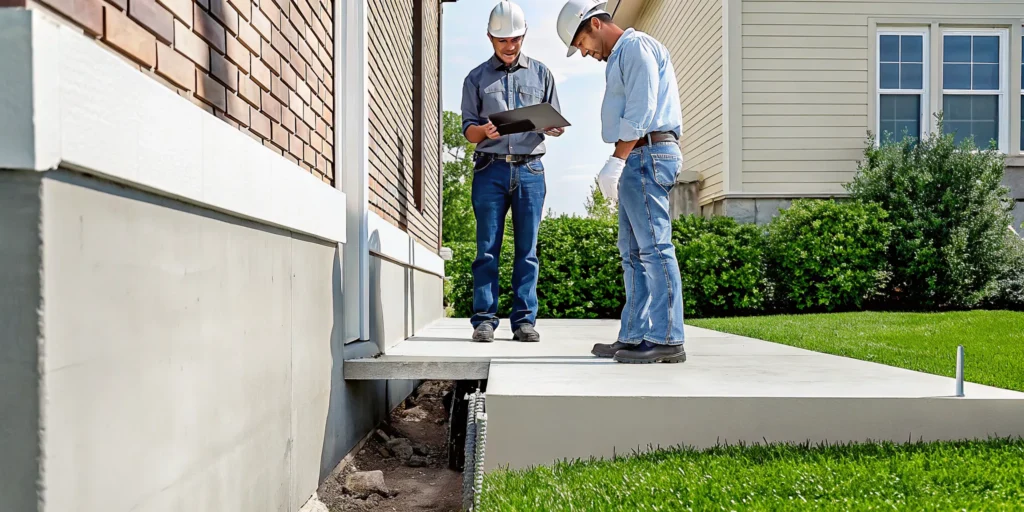
A foundation repair warranty can protect an important investment in your home, but the word “warranty” alone tells you very little. Before approving a repair, read the actual agreement and find out which products, installed components, repaired areas, and labor it covers. The strongest comparison is not between marketing phrases. It is between the written terms each contractor is prepared to give you.
Concerned about movement or cracks in your North Texas home? Learn about Solid Base Foundations’ foundation repair solutions and request a free estimate.
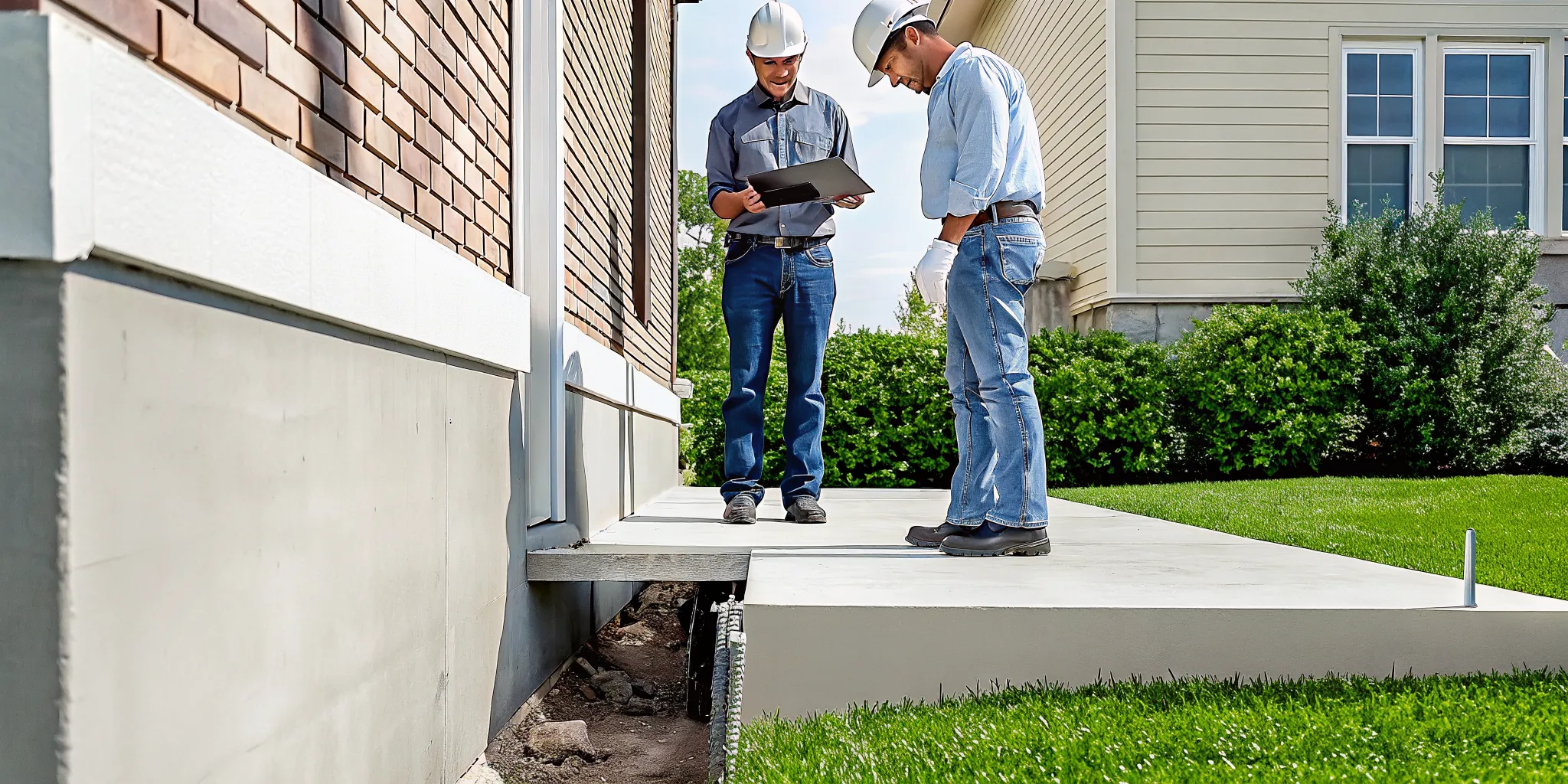
Foundation problems are rarely identical from one home to the next. North Texas soil conditions, the type of foundation, the cause of movement, and the repair system can all affect the proposed work. Warranty terms can differ just as much. One agreement may cover an installed pier, another may cover a contractor’s workmanship. And another may apply only to the exact section of the foundation included in the original scope.
This guide gives homeowners a practical way to compare those terms. It covers the five points that matter most: scope, duration, transferability, exclusions, and documentation.
What Is a Foundation Repair Warranty?
A foundation repair warranty is a written agreement describing what a contractor or manufacturer will do if a covered repair or product does not perform as promised during a stated period. It should identify the party responsible for honoring the warranty, the conditions that trigger service, and the steps the homeowner must take to make a claim.
A single project can involve more than one warranty. For example, a manufacturer may warrant a repair product or component, while the installer may provide separate terms for installation or performance. These layers are not automatically interchangeable. Ask for every applicable document and read them together.
Solid Base Foundations states that its foundation repair products include a written manufacturer’s warranty with installation and that the company provides an in-house performance warranty. Its foundation pier systems come with a 25-year manufacturer’s warranty. Because coverage can depend on the selected system and project scope, homeowners should confirm the exact terms in their written proposal and warranty documents.
A Foundation Repair Warranty Checklist
Use this short checklist when comparing proposals. A contractor should be able to answer each item clearly and point to the corresponding language in the written agreement.
- Covered repair: Which installed products, piers, brackets, or repaired areas are listed?
- Covered problem: What specific event or performance issue qualifies for service?
- Responsible party: Is the manufacturer, installer, or another company responsible?
- Duration: When does coverage begin, and when does it end?
- Transferability: Can a future owner use the warranty, and what must happen at closing?
- Exclusions: Which causes of movement, property changes, or maintenance failures are outside coverage?
- Claim process: Who should be contacted, which records are required, and are inspections or fees involved?
- Remedy: If a claim is approved, what work or adjustment will be provided?
Do not rely on a verbal summary when the written terms say something narrower. If a promise matters to your decision, ask for it in writing before signing.
1. Check the Exact Scope of Coverage
The first question is simple: what does the warranty actually cover? The answer should be more precise than “the foundation.” Foundation repair is usually designed around a diagnosed problem and a defined area. The warranty may apply to installed components, the contractor’s workmanship, the performance of a repair system, or some combination of these.
Compare the warranty with the repair proposal line by line. Look for identifiers such as the number and type of piers, the locations where work will occur, the sections of the structure included, and any related services. A drawing or repair map can make the covered area much easier to understand later.
Product coverage and performance coverage are different
A product warranty generally addresses a covered defect in an installed product. A performance or workmanship warranty may address the contractor’s installation or the behavior of the repaired area, subject to its terms. Ask how the documents work together if a problem develops. You want to know who evaluates the issue and who is responsible for the remedy.
Solid Base Foundations offers several foundation repair systems, including push piers and helical piers. The appropriate system depends on the property and the source of the problem. That is why the proposed repair scope and its related warranty should be reviewed as one package.
2. Compare Duration Without Being Distracted by Labels
A long warranty period can be valuable, but only when the covered conditions and remedy are clear. A shorter, specific agreement may provide more useful protection than a longer warranty with a narrow scope or difficult claim requirements.
Ask when the warranty clock starts. It may begin on the contract date, installation date, completion date, or another event stated in the agreement. Also ask whether different parts of the project have different coverage periods.
For Solid Base foundation pier systems, the company’s published information states a 25-year manufacturer’s warranty. Homeowners considering a pier system should still request the warranty document for the selected system and confirm how manufacturer coverage works with Solid Base’s in-house performance warranty.
Before comparing price alone, compare the repair design, written scope, and warranty. Contact Solid Base Foundations to schedule a free estimate for your property.
3. Ask Whether the Warranty Transfers to a New Owner
| Transfer question | What to confirm in writing |
|---|---|
| Is it transferable? | Whether a future owner can use the remaining coverage |
| Is action required? | Forms, deadlines, inspections, and proof of sale |
| Does coverage change? | Remaining duration, covered scope, and any fees |
Transferability matters if you sell your home while the warranty is still active. A transferable warranty may help a buyer understand the history of the repair and know whom to contact if a covered issue develops. However, “transferable” can come with conditions.
Ask these questions before assuming a warranty will follow the property:
- Does the warranty transfer automatically, or must the current or new owner submit a form?
- Is there a deadline for notifying the contractor or manufacturer?
- Does the new owner receive the same duration and scope?
- Is an inspection, transfer fee, or proof of sale required?
- Which documents should be provided to the buyer?
If you plan to sell, begin the transfer process before closing rather than leaving it for the new owner to discover later. Keep a copy of the completed transfer confirmation with the home’s repair records.
4. Read Every Exclusion and Homeowner Obligation
Every warranty has boundaries. Exclusions explain circumstances that are not covered, while homeowner obligations explain what you may need to do to keep coverage in effect. These sections deserve the same attention as the headline duration.
Terms vary by provider and project, so do not assume a particular event is covered or excluded. Review the agreement for language concerning causes of movement, changes to the property. Work by other contractors, access to the repaired area, drainage conditions, maintenance, reporting deadlines, and required inspections. Ask for clarification when a term is broad or unclear.
Understand the difference between a new issue and a covered issue
A home can experience movement outside the area addressed by an earlier repair. The appearance of a new crack does not by itself establish that an installed system failed or that a warranty claim is covered. The written scope, repair map, and findings from an inspection help distinguish a covered concern from a separate issue.
North Texas homes are exposed to challenging soil conditions. Expansive soils can change volume as moisture conditions change, while weak soil layers may contribute to settlement. A professional evaluation is needed to identify the likely cause and determine whether a concern relates to previously completed work.
5. Understand the Claim Process Before You Need It
A useful foundation repair warranty explains what happens after a homeowner reports a concern. You should not have to guess which phone number to call, what evidence to provide, or how the concern will be evaluated.
Ask the contractor to walk you through a hypothetical claim:
- How does the homeowner report a possible covered issue?
- Which documents, photos, or measurements should be supplied?
- Who inspects the property and determines coverage?
- Are there inspection, service, adjustment, or transfer charges?
- What remedy is available when a claim is approved?
- How are decisions and completed warranty work documented?
Record the correct contact information when the project is completed. If the warranty separates manufacturer and installer responsibilities, note whom to contact for each type of concern.
General consumer guidance from the Federal Trade Commission also recommends reading warranty terms before buying and understanding who is responsible for providing service. Those principles are useful when comparing foundation repair proposals, but your signed project documents control the actual coverage.

Which Foundation Repair Documents Should You Keep?
Good records make it easier to understand the repair, maintain the property, support a future claim, and answer a buyer’s questions. Keep both digital and paper copies in a location you can access years later.
- The signed contract and final proposal
- The written warranty documents from the contractor and manufacturer
- The repair plan, diagram, or map showing installed components and covered areas
- Product names and relevant installation details
- Inspection findings and any engineering documents provided for the project
- Before-and-after photographs
- Invoices, payment records, and completion documents
- Emails or letters about warranty terms, maintenance, transfers, or follow-up work
Before the crew leaves, confirm that you have the final versions rather than preliminary copies. Scan paper documents, use clear filenames, and give any future owner a complete set.
Questions to Ask a Foundation Repair Contractor
Bring this list to each estimate so you can compare answers consistently:
- What diagnosis supports the proposed repair?
- Exactly which work and areas will the warranty cover?
- Will I receive separate manufacturer and contractor warranty documents?
- How long does each warranty last, and when does each begin?
- What is not covered?
- What maintenance or notification duties do I have?
- Can the warranty transfer to a buyer, and what is the process?
- Who evaluates a potential claim?
- What is the remedy for an approved claim?
- Could any inspections or warranty service involve a fee?
- What records will I receive after installation?
Clear answers are a sign that the contractor expects homeowners to understand the agreement, not simply sign it. You can also review a company’s experience, team, and approach before deciding. Solid Base Foundations has more than 18 years of hands-on experience with structural repair and serves homeowners across the Greater Dallas service area.
How Warranty Terms Fit Into the Full Repair Decision
A warranty is important, but it cannot make an unsuitable repair plan suitable. Start with a careful inspection and a clear explanation of the cause of the problem. Then compare the proposed system, installation approach, written scope, contractor experience, warranty, and total project terms.
Cost also matters, but a low proposal may not represent the same scope or repair system as another bid. Ask each contractor to explain differences rather than comparing totals without context. If the project will be a significant household expense, review available foundation repair financing options and the financing terms separately from the repair warranty.
Ready for clear answers about your home’s foundation? Request a free estimate from Solid Base Foundations and ask for the written warranty terms for your recommended repair system.
The Bottom Line
The best foundation repair warranty is one you can understand before work begins and use if a covered problem occurs. Compare the exact scope, duration, transfer rules, exclusions, homeowner obligations, claim process, and remedy. Keep every document, and make sure important promises appear in writing.
Solid Base Foundations provides written manufacturer’s warranty coverage with its foundation repair product installations, an in-house performance warranty, and a 25-year manufacturer’s warranty on foundation pier systems. The exact coverage for your home depends on the recommended repair and written agreement, so review those terms alongside your custom proposal.
Frequently Asked Questions About Foundation Repair Warranties
What does a foundation repair warranty usually cover?
Coverage varies by contractor, product, and project. A warranty may address installed components, workmanship, the performance of a repaired area, or a combination. The written agreement should identify the covered work, responsible party, claim conditions, and available remedy.
Is a lifetime foundation repair warranty always better?
Not necessarily. The label matters less than the written scope, exclusions, claim process, and remedy. Compare what is covered, how long the responsible company must provide service, and which homeowner obligations apply before comparing duration alone.
Can a foundation repair warranty transfer when a home is sold?
Some warranties may transfer, but requirements differ. Ask whether transfer is automatic, whether a form or fee is required, and whether there is a notification deadline. Keep written transfer confirmation with the home’s repair records.