
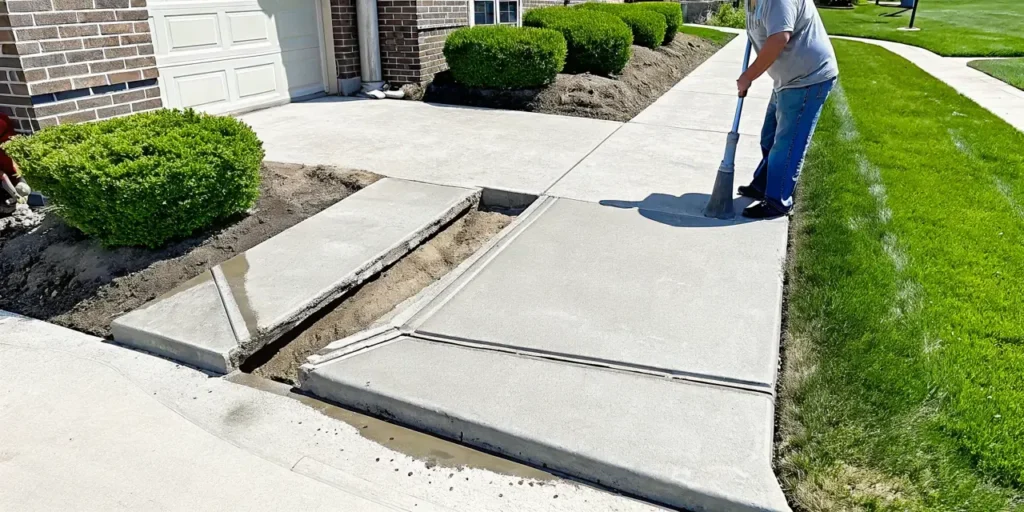
Empty pockets under a concrete driveway soon cause the entire top to sink and crack. These hidden gaps often form when shifting North Texas soil washes away during heavy rain cycles. You must fill these spaces to stop base damage before a simple repair becomes a costly new slab.
Request a free concrete repair estimate from Solid Base Foundations.
Void filling under concrete slab areas restores support where erosion or settlement has left empty space. Solid Base Foundations injects lightweight polyurethane foam through small drilled holes. The foam expands beneath the slab, fills hidden gaps, and cures quickly to support driveways, patios, sidewalks, and floors.
Many local factors like harsh weather and poor drainage play a big role in the health of your home foundation. Homeowners should learn why these gaps appear before they pick a repair plan. The first step is to investigate what causes voids beneath concrete slabs.
Void Filling Under Concrete Slab: What causes voids beneath concrete slabs?
Concrete slab voids form when water erodes the supporting soil, poorly compacted fill settles, or expansive Dallas clay shrinks during dry weather. Solid Base Foundations evaluates the slab and surrounding drainage to identify the cause before recommending a repair.
A void space is a hollow area that forms when the base or soil beneath your concrete slab washes away or shifts. These gaps remove the support your concrete needs to stay level and strong. Without solid ground below, a heavy slab will start to sag or crack under its own weight. Finding these issues early is key to a void filling under concrete slab project before the damage gets worse.
Water and soil erosion
Water is the most common cause of voids under concrete surfaces. When rain or broken pipes send water beneath a slab, it can carry away fine soil bits and base layers. Research from the Texas A&M Transportation Institute shows that a subbase must resist erosion to keep a pavement in good shape. If your drainage systems do not move water away from your home, the soil will slowly wash out. This leaves a growing gap that leads to sinking or cracking over time.
Poor gutter health often plays a big role in this process. When gutters spill over, water pools right at the edge of your driveway or patio. This pooled water finds small paths under the concrete and creates large holes over time. You might not see the damage from the surface until the slab begins to drop. Keeping water away from the slab edge is one of the best ways to stop erosion before it starts.
Soil settling and compaction
Sometimes the issue starts before the concrete is even poured. If the ground was not packed down well during the build, it will settle as time goes by. Ground settling can also happen in areas with loose or sandy soil where the soil’s own weight causes it to pack down. Many concrete repairs happen because the first subbase was not dense enough to hold the weight of the slab. An expert check can find out if your soil is still moving or if it has at last come to rest.
The Dallas clay soil cycle
In the Greater Dallas area, our native clay soils add another layer of risk. These expansive soils act like a sponge, swelling when they are wet and shrinking when they are dry. This cycle is why many local homes need a concrete slab foam injection to restore strength. When the clay shrinks, it leaves a gap that rain water can then wash away. Knowing how our local weather affects your soil can help you spot signs of trouble like soil shrinkage before your concrete breaks.
How slab voids affect driveways, patios, sidewalks, and floors
Slab voids remove the support concrete needs to carry people, vehicles, and its own weight. Solid Base Foundations commonly sees unsupported areas become uneven, crack, collect water, and create trip hazards across driveways, patios, sidewalks, and interior floors.
A void under your concrete is a hollow space that puts your home at risk. These gaps form when soil moves or washes away due to heavy rain or dry spells. Without a solid base, the heavy concrete slab must support its own weight. This often leads to the slab sinking or breaking. If you ignore these hollow spots, they can lead to major damage over time. Using void filling under concrete slab techniques can help stop these issues before they get worse.
Safety risks and trip hazards
When a sidewalk or patio slab loses its base, it starts to tilt or drop. This change creates uneven edges where one slab meets another. These lips are risky trip hazards for anyone walking on your land. Small kids and older people are at a high risk for falls on these rough spots. You may not see a gap until someone trips and gets hurt.
A slab that is not level can also collect water in large pools. Puddles on a patio make the surface slick and hard to use for guests. In the cold winter months, these wet spots can turn into thin ice. This makes your driveway or walkway very unsafe for your family. Fixing these voids early keeps your walking paths flat, dry, and safe.
Cracking and slab breaks
Concrete is strong but it does not bend easily. If a driveway slab has a void beneath it, the weight of a car can cause it to snap. These cracks often start small but grow fast when you drive over them. Once a slab breaks into many pieces, it is much harder to lift and fix. Proper subbase support is needed to make sure the concrete can handle heavy car loads.
Inside your home, voids under a floor slab can cause even bigger problems. You might notice your floors feel soft or bouncy when you walk across the room. Walls can also start to show cracks as the floor slab drops. This type of settling hurts your home value and may lead to costly repairs if you leave it alone for too long.
Water and drainage issues
Hollow spaces under your concrete can also act as paths for water to flow. When it rains, water moves into these gaps and washes away more of the soil. This cycle makes the void larger and the slab even less stable than before. Soil loss is a major cause of this type of failure for homes in the Dallas area.
Bad drainage can also push water toward your home’s main base. This can lead to leaks in your crawl space or basement. Keeping your slabs level helps water flow away from your house like it should. Filling voids beneath concrete stops the loss of soil and keeps your concrete strong. It is best to act fast before the next big storm causes more soil loss.
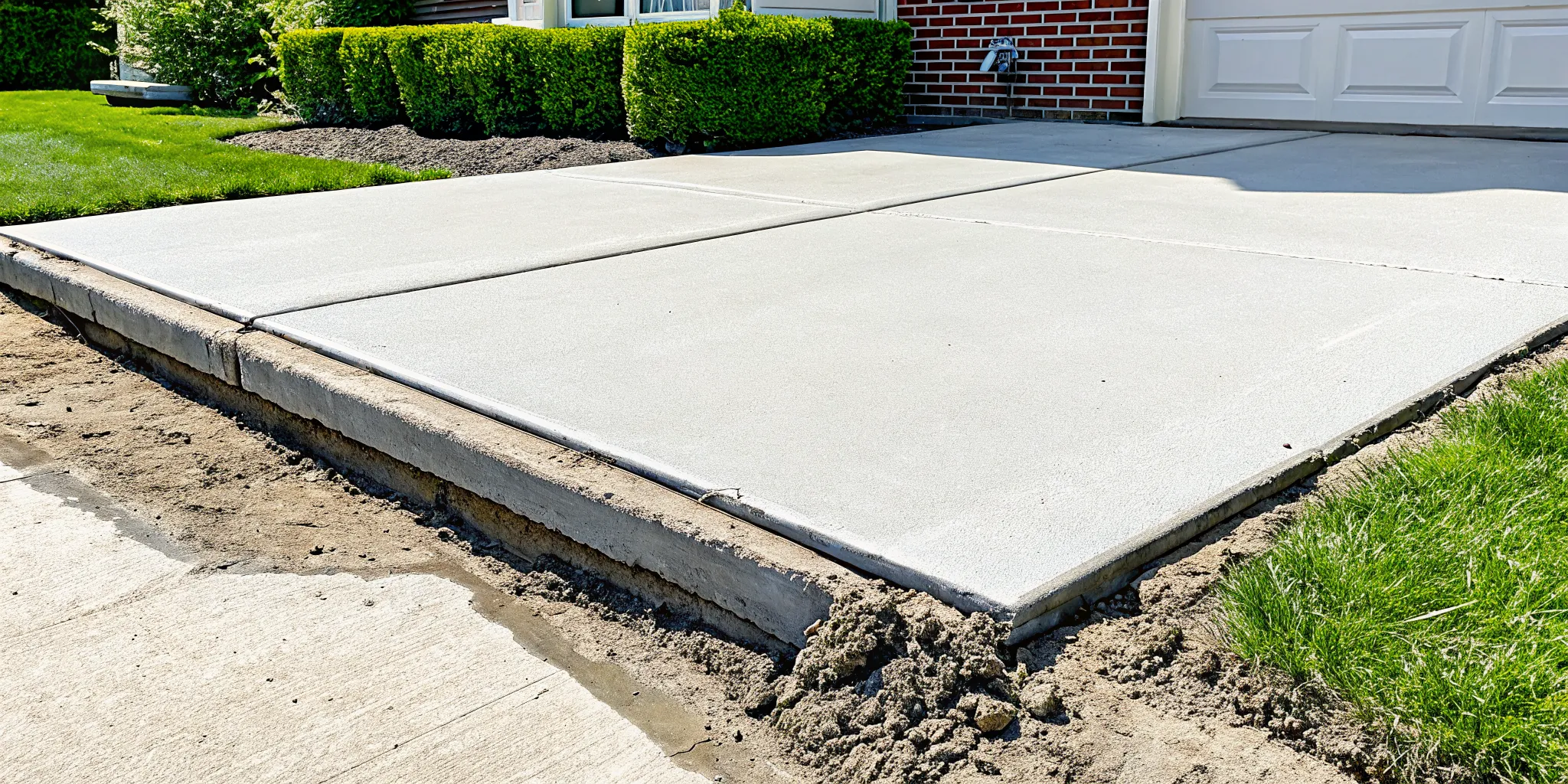
How does polyurethane foam injection fill a slab void?
Polyurethane foam injection fills a slab void by sending liquid material through small holes in the concrete. Solid Base Foundations controls each injection as the foam expands beneath the slab, fills empty space, and cures into a lightweight support layer.
Professional foam injection is a fast and clean way to fix gaps under your floor. This method uses a high-tech foam that grows to fill holes and lift heavy slabs. Unlike old mud methods, it does not add much weight to the soil. This makes it a good way to fix slabs for a long time. The process is very exact and helps stop cracks or sinking.
Check and plan
The first step is a full check of the concrete. A pro looks for signs of sinking or hollow sounds that show a void. They find the best spots to put the foam so it hits every gap. This plan is key for void filling under concrete slab work. It makes sure the fix is even and lasts for years.
Small holes and clean work
The crew then drills very small holes into the slab. These holes are only about 5/8-inch wide. They are much smaller than the big holes used in old ways. This keeps your concrete looking good and keeps the site clean. Since the holes are small, the slab stays strong while the team works.
Pump the foam
A trained team uses a special tool to pump the foam. As the liquid hits the space under the slab, it grows fast. This foam is waterproof and will not wash away like dirt. The growth fills the empty space and puts even push on the concrete. This is a top choice for concrete slab foam injection as it sets in just 15 minutes.
- Site check: The team finds the void and marks where to drill.
- Drilling: Techs drill small holes to reach all areas.
- Injection: The foam goes in as a liquid and grows to fill the gap.
- Lifting: If the slab has sunk, the foam can lift it back up.
- Setting: The foam gets hard fast and can hold weight in 15 minutes.
- Patching: The crew fills the small holes with concrete to finish.
Fix the base
Once the foam sets, it forms a hard and firm base. This new layer stops the slab from moving or sinking. Firm support is a must for giving support to concrete paths and floors. This fix is a long-term way to keep your Dallas home safe and level.
Polyurethane void filling vs. concrete replacement
Polyurethane void filling preserves a mostly intact slab by restoring support beneath it, while concrete replacement removes and repours severely broken material. Solid Base Foundations assesses cracking, surface condition, drainage, and base stability to determine which approach fits the property.
Homeowners in the Dallas area often face a tough choice when their concrete starts to fail. You might see gaps under your driveway or feel a porch tilt. This often happens because the soil under the slab has washed away or settled. You must then decide if you should fix the old slab or rip it out and pour a new one. Both paths have pros and cons that depend on the state of your concrete.
How foam injection saves your slab
Most people prefer to keep their first concrete if it is still in good shape. Using void filling under concrete slab ways lets you do just that. Small holes are drilled into the top. Then, a strong foam is pumped into the empty spots. This foam grows and hardens fast to give the slab a firm base once more. It is a clean way to fix the problem without the mess of heavy machines.
This method is also much faster than a full replacement. The foam cures in about 15 minutes. This means you can use your driveway or walkway almost right away. Tests show that proper base support is key to keeping concrete flat and safe over time. High-tech foam is waterproof, so it will not wash away during heavy Texas rains. Many experts agree that stable subbase layers are needed for any pavement to last a long time.
When you should replace the concrete
Sometimes, the damage to the slab is too great for a simple fix. If the concrete is broken into many small pieces, foam cannot hold it all together. You may also need a new slab if the top is flaking off. In these cases, pouring new concrete is the best way to get a smooth look. It takes more time and work, but it solves the issue when the material itself has failed.
New concrete needs days to dry before you can walk or drive on it. This can block your garage or sidewalk for a while. It also costs more because you have to pay to haul away the old heavy slabs. Talk to a pro to see if your concrete is a good fit for concrete slab foam injection. Do this before you start a big demo project.
| Feature | Polyurethane Injection | Concrete Replacement |
|---|---|---|
| Wait Time | Low; cures in minutes | High; takes many days |
| Keeps Slab | Yes; fills gaps under slab | No; removes old slab |
| Best Use | Solid slabs with gaps | Badly broken concrete |
| Main Cost | Labor and foam | Demo and new concrete |
Choosing the right fix can save you both time and disruption. If your slab is mostly whole, foam may be a good fit because it fills hidden gaps and restores support. It does not replace the need to address drainage or soil conditions that caused the void. If the concrete is crumbling, replacement may be needed. Getting a professional assessment is the best first step.
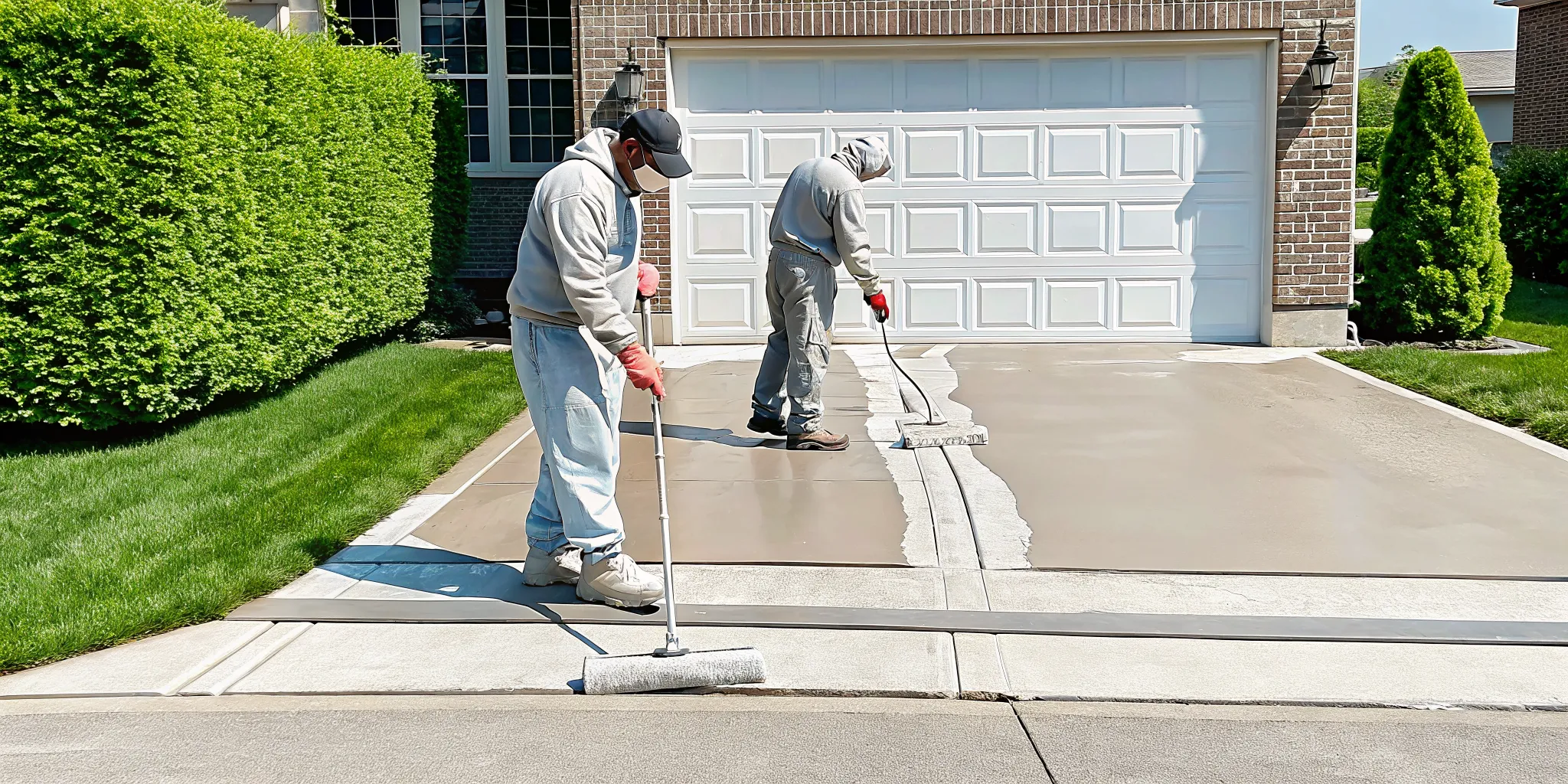
Ask Solid Base Foundations whether foam injection is right for your slab.
Is polyurethane foam right for every concrete slab?
Polyurethane foam is best suited to slabs that remain mostly intact but have lost support underneath. It cannot restore concrete that is badly crumbled or solve severe drainage by itself. Solid Base Foundations inspects the slab and site conditions before recommending foam injection.
Polyurethane foam is a top tool for fixing many concrete problems. It works well to lift and level slabs that have settled. But it is not the best choice for every case. Owners must know when foam is a good fit for their needs. A pro check will show if it is the right path for your home.
Checking slab health and state
The state of your concrete is key. Foam works best on slabs that are mostly whole. If a slab has too many deep cracks, it may not stay in one piece during a lift. Foam is great for filling voids beneath concrete, but it cannot fix concrete that is crumbling into bits.
You should also look for signs of heavy damage. If the slab is thin or of low quality, the pressure from the foam could cause more breaks. A pro will look at the slab age and health before they start any work. They will make sure the concrete can handle the lifting force. If the slab is too weak, they may suggest other ways to help.
Ideal uses for polyurethane foam
In most cases, foam injection is the best way to deal with a void filling under concrete slab. It is a smart choice for driveways, sidewalks, and pool decks. The foam is very light and waterproof. It does not add extra weight to the ground like old mudjacking methods do. This helps keep the slab from sinking again in the future.
One big plus of foam is how fast it works. The foam expands to fill every gap and hardens in minutes. Most slabs are ready to use in about 15 to 30 minutes after the job is done. This makes it a great pick for high-traffic spots where you cannot wait days for a fix. It is a clean process that does not leave a mess.
Factors that affect the repair
When picking a fix, an expert looks at several points. These help them see if foam will work for your slab.
- Slab thickness: Thin slabs may crack under pressure.
- Soil type: Loose or wet soil might need more help than just foam.
- Void size: Very large holes may need a lot of foam to fill.
- Drainage: Water must flow away from the slab to keep the soil stable.
When to look for other fixes
There are times when foam might not be enough. If the soil under the slab is very wet or soft, the foam may not have a firm base to push against. Poor drainage can wash away the soil and cause more holes to form over time. You must fix water issues before you try to level the slab.
Research from Purdue University shows that slab stabilization is key for a long fix. But if the base damage is too severe, a pro might say you need a new slab. Large voids caused by major soil loss may need a new plan. Always get an expert to look at the cause of the void before you pick a repair path.
How can you reduce the risk of new voids?
You can reduce new slab voids by directing water away from concrete, correcting drainage problems, monitoring expansive soil, and responding to early cracks or settlement. Solid Base Foundations can help identify the cause so the repair plan addresses more than the visible damage.
Fixing a hollow spot under your concrete is a great first step. But the work does not end there. If you do not fix the root cause, a new void may form in the same place. Most voids start because of water or soil issues. You must look at your whole property to keep your concrete stable. By taking a few simple steps, you can help your slab stay level for a long time.
Drainage and water flow
Water is a common reason for soil loss. When rain falls, it can wash away the dirt that holds up your slab. This is known as soil erosion. Check whether gutters, downspouts, grading, or drains are sending water toward the slab. If water pools near your driveway or patio, ask a professional to assess the drainage and subbase. A stable subbase is needed to support the weight of the concrete.
Poor drainage does more than just wash soil away. It can also make the ground too soft. Soft soil cannot hold up a heavy slab. This leads to sinking and cracking over time. By keeping the area dry, you reduce the need for void filling under concrete slab repairs in the future. It is a simple way to protect your home and your wallet.
Stable soil moisture
The Dallas area has a lot of clay soil. This type of soil is like a sponge. It gets big when it is wet and shrinks when it is dry. During a hot Texas summer, the clay can dry out and pull away from your concrete. This leaves a gap where a void can start. When the next big rain comes, water flows into that gap and washes more dirt away. You can help by keeping the soil around your slab from getting too dry. Many people use soaker hoses to add a little water during droughts. The goal is to keep the soil moisture even all year. This stops the soil from moving too much under your concrete work.
Be careful about changing soil moisture without professional guidance. Too much water can be as harmful as too little. Watch for ground cracks, soil pulling away from slab edges, or water collecting beside the concrete. A concrete and drainage professional can help identify the cause before recommending a repair.
Early warning signs
It is wise to walk around your property and check your concrete often. Small signs of a void can be hard to see at first. You should look for these common warning signs:
- New cracks: Watch the middle and edges of each slab.
- Sinking areas: Look for concrete that seems to drop or tilt.
- Hollow sounds: Listen while walking or driving on the surface.
- Edge gaps: Check for space between concrete and nearby soil.
- Standing water: Note puddles that remain after rain.
- Uneven joints: Watch for new lips between adjoining slabs.
Finding voids early may help prevent much bigger problems later. If you notice a gap or uneven area, a professional assessment can determine whether concrete repair is needed before the slab sinks or breaks further. Regular checks also help you know when PolyLevel foam injection may be appropriate to restore support.
Frequently Asked Questions
How do you fill a large void under a concrete slab?
To fill a large void under a concrete slab, experts inject thick foam through small holes in the surface. This foam expands to fill every corner of the hollow space and cures in about fifteen minutes. Unlike old ways, this foam is light and does not sink into soft dirt. It creates a strong and waterproof base that stops the concrete from cracking or sinking in the future.
Is mudjacking better than foam injection for void filling?
No, mudjacking is not better than foam use for filling voids under concrete. Mudjacking uses a heavy mix of dirt and cement that can weigh down weak soil and cause more sinking. According to research from Purdue University, modern repair ways are better for slab fix jobs. Foam is lighter, waterproof, and lasts much longer than the messy mudjacking mixes used in the past.
Can polyurethane foam fill voids in all types of soil?
Yes, polyurethane foam is a great choice for the clay soils found in the Dallas area. It works well because it is light and does not wash away when it rains. The foam bonds with the soil and creates a stable bridge for the slab. This makes it a safe way to fix voids under driveways and patios, even when the ground beneath them is wet or soft.
What happens if you do not fill voids under concrete?
If you do not fill voids under a concrete slab, the lack of support will lead to big damage. Over time, the heavy slab will crack and sink into the hollow areas. This creates unsafe trips and can let water pool near your home. Fixing these gaps early helps you avoid the high cost of replacing the entire slab or fixing large breaks later on.
Ready to request a free estimate for your concrete repair?
Ignoring voids beneath your concrete slabs leads to deep cracks and unsafe, uneven ground. Waiting too long can turn a simple repair into a costly full slab replacement project. Fix the problem now to stop further soil erosion and make your property safe again in just fifteen minutes.
Ready to request a free estimate? Contact Solid Base Foundations online or call (940) 465-1662 today.