
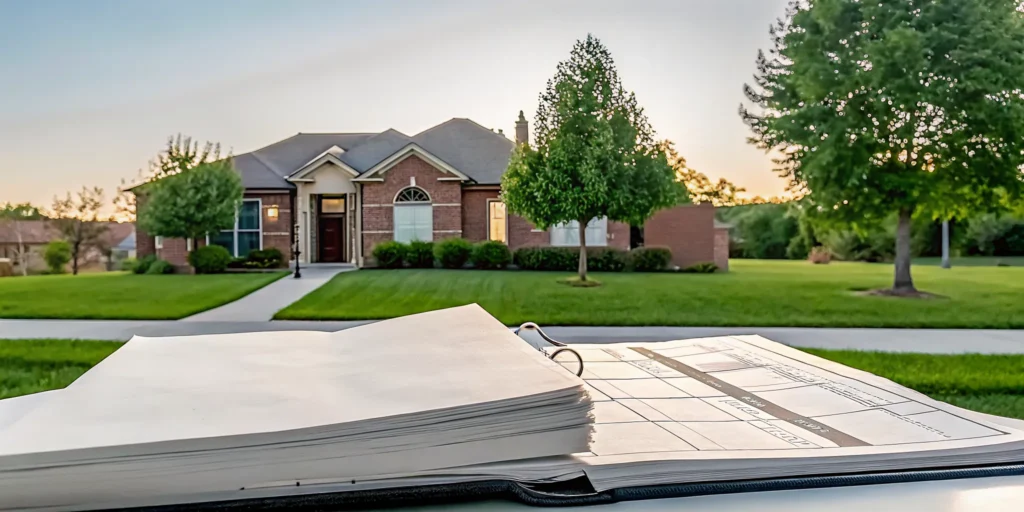
Selling a house after foundation repair in Texas requires honest disclosure and clear proof of quality work.
Get a free foundation assessment before you list your Texas home.
Many owners fear that a past fix will stop a sale, but being open can really build trust.
Selling a house after foundation repair Texas means meeting state laws and giving buyers peace of mind by filling out a Seller’s Disclosure Notice. While some owners fear this news will scare people away, good repairs done by experts can keep your home value high as long as you show proof. You should collect your repair plans, engineer reports, and warranty papers before you list the house to show you are a fair seller who cares. Being open about the foundation helps you avoid legal trouble later and builds trust with buyers during the final deal for a smooth close. This honest path makes the sale easy for all and proves that your home is a safe place for a new family to live in.
You may wonder how to show buyers that your home is safe and sound. Selling a house after foundation repair in Texas starts with records, which help you prove the fix while winning over cautious buyers. The path begins with
Selling A House After Foundation Repair Texas: Selling a house after foundation repair in Texas starts with records
Selling a home with a history of structural work can feel stressful. In the Texas real estate market, many buyers worry about soil movement and slab cracks. But having a solid paper trail can turn a possible worry into a selling point. When you show that you took care of the home, you build trust with the buyer. Being open can lead to a faster sale and fewer problems at the closing table.
Collect your repair papers
Buyers want to know exactly what work was done on the house. If you have records of past repairs, you can prove the home is stable now. These papers show that a pro handled the job. Good records include the repair plan, any city permits, and the final bill. You should also keep any engineer reports that confirm the work meets local building codes. Having these files ready makes the whole process move faster.
It shows you are an honest seller who cares about the property. You should sort these papers in a folder that you can share during home tours. Buyers will appreciate the clear history of the home. For more details on what a professional looks for during a check, see our foundation repair guide. Keeping these facts in one place helps you answer questions from agents and inspectors.
Texas disclosure rules for sellers
Texas law is very clear about what you must tell a buyer. If you sell a house in this state, you must give the buyer a written notice about the home’s condition. This rule is part of the Texas Property Code. You have to list any known issues with the foundation, even if they were fixed years ago. You must fill out this form to the best of your knowledge at the time you sign it.
If you do not give this notice on time, the buyer might be able to end the contract. Being open about the foundation history protects you from legal risks after the sale. It also gives the buyer the facts they need to feel safe with the purchase. Most buyers understand that Texas homes move, so they respect a seller who provides a full history. Proper disclosure ensures that both sides have the same information before any money changes hands.
Using warranties to attract buyers
A warranty is one of the best tools you have when selling. Most buyers feel safer when a repair comes with a long-term guarantee. If your warranty is transferable, the new owner will get the same protection you had. This can make your home stand out in a busy market. It changes the discussion from a past problem to a guaranteed solution.
Before listing, check your paperwork to see if the warranty can transfer to a new owner. Some companies require a small fee or a notice within a few days of the sale. High-quality foundation repair solutions often come with these types of protections. Showing the buyer that the work is still under cover helps them feel good about the deal. It gives them peace of mind that they won’t face high costs if the soil shifts again.
Build a complete foundation repair document packet
Selling a home is a big task. You want to show buyers that your house is in good shape. This is true when selling a house after foundation repair Texas homeowners have done. A full set of records builds trust. It shows you took care of the home. You should keep all your fix records in one place to show to likely buyers.
When you have a plan, you can act with speed. A good packet takes away any fear a buyer may have about the slab. It proves that the work was done by pros. It also shows that the home is now safe and strong. You should start gathering these facts early in the sales process.
Gather your fix records
Start by finding all the papers from your repair team. You should have a foundation repair guide to help you know what to keep. These records show the exact work done. They prove the home is stable. You need more than just a receipt. You need to show the plans and the results to give the buyer full facts.
In Texas, you must tell the buyer about past slab work. The law says you need to give a written notice to the person buying your home. This notice tells them about the state of the house. It includes any known foundation cracks or shifts. Clear records help you fill out this form with ease and keep you in line with the law.
Keep your warranty papers
Warranty papers are a top selling point for any home. They give the next owner peace of mind about the future. Some fixes, like pier systems, come with a 25-year warranty from the firm. You should check if you can pass this to the new owner. A professional foundation inspection can help you confirm the fix is still good and the warranty is in place.
Having a warranty that moves to a new name adds value. It shows the fix will last for a long time. Buyers like to see that a big brand stands behind the work. This makes your home stand out in the local market. Make sure to find the transfer forms so you can hand them over at the closing table.
- Engineering reports: These show the state of the slab before and after the fix. They are done by experts who check the structure to make sure it is safe.
- Invoices and bills: Keep a list of all costs and bills. This shows the value you added to the home. It also shows which team did the work.
- Scope of work: This tells what the team did. It explains the tools and methods used to fix the slab or lift the home.
- Warranty documents: Find the papers that show the fix is backed by a brand. Check the rules for moving the warranty to a new name after the sale.
- Repair photos: Pictures show the work in progress. They help buyers see what is now under the ground or slab to keep the home level.
- Team details: Keep the name and phone number of the fix team. This lets the buyer ask them questions later if they have any concerns.
Most buyers feel better when they see a full packet. It takes away the fear of the unknown that comes with slab work. Good records can lead to a fast sale at a price you like. They also help avoid problems during the closing phase of the deal. Being open about your home’s past is the best way to sell with success.
Being open leads to a smooth path for both you and the buyer. When you provide all the facts, you build a bridge of trust. This helps the buyer feel sure about their choice. It also keeps you safe from future legal claims. A well-made record packet is your best tool for a great home sale in Texas.
How should you handle the foundation repair warranty?
A warranty is one of your best tools when selling a house after foundation repair in Texas. It shows the buyer that the work is solid and backed by an expert. This piece of paper can turn a scary structural issue into a major selling point. It gives the new owner peace of mind about the home’s future strength.
Understand warranty transfer rules
Most top repairs come with a warranty that you can pass to the next owner. This is often called a transferable warranty. You must check the fine print to see if there is a fee or a deadline for the transfer. Some makers require the new owner to sign papers within 30 days of the sale. If you miss this window, the coverage might end.
Texas law requires you to tell buyers about past foundation work in a written notice. This is part of the Texas Property Code rules for home sales. Sharing the warranty helps meet this need for proof. It also proves you took care of the home. A clear record of a fixed foundation is often better than a home with no repair history at all.
Essential paperwork for your buyer
You should gather all your repair records before you list the home. This includes more than just the warranty itself. You will also need the repair plan and any engineering reports. These documents show exactly what was done and why. They help the buyer’s home inspector understand the state of the slab.
- Written maker’s warranty for all parts used.
- A detailed, written cost breakdown of the work.
- Engineering reports or proof of the final repair.
- Receipts for all payments made to the repair crew.
Buyers may feel nervous about structural work, but clear records help. You should give them copies of the receipts and any site maps from the crew. This level of detail builds trust. If you have questions about what to include, a foundation repair guide can help you sort your files. Having all parts ready can lead to a faster sale and fewer delays during the closing process.
Questions to ask your repair expert
Before you sell, talk to the company that did the work. Ask them if the warranty is still in good standing. You should also confirm if they need to do a final check before you hand over the keys. Knowing the exact steps for the transfer will prevent surprises later.
Ask if the warranty covers just the parts or the labor as well. Some pier systems come with a 25-year maker’s warranty. Others might offer an in-house guarantee for the life of the home. Getting these facts straight now makes it easy to answer buyer questions later. It also shows you are a smart seller who cares about the home’s value.
Should you get an inspection before listing?
When selling a house after foundation repair, Texas homeowners often wonder if they need a new check. A pre-listing check can be a smart move before your home hits the market. It gives you a clear look at your home’s health. This helps you fix small issues now so they do not stop a sale later. While Texas law does not force you to get one, it is a great tool to cut risk. It shows you care about the state of your house.
By finding a slab or pier issue early, you can hire a team like Solid Base Foundations to fix it. We offer an expert foundation check to help you start. Having a plan in place keeps you in control. It stops a buyer from asking for a huge price drop because of a small crack. It also gives you more time to find the best repair team for the job. This leads to a better sale price for you.
The value of a pre-listing checkup
A pre-listing check lets you find and fix house issues on your own time. This helps you avoid last-minute stress during a sale. For homes with past repairs, an expert check shows that the work is still strong. This is helpful when selling a house after foundation repair Texas laws require clear facts about the property. You can use this report to set a fair price for your home. It takes the guesswork out of the deal for everyone.
Most home sales in Texas need a form that lists what the seller knows about the house. This form is the Texas Seller’s Disclosure Notice. It is a legal need for most people who sell a home. Getting your own check first helps you fill out this form with ease. You can state the facts and show that you have kept your home in top shape. This honesty protects you from legal risks later.
Building trust with buyers
Many buyers feel nervous about past foundation work. You can ease their fears by being open and honest. Sharing a new check report shows you have nothing to hide. This trust often leads to a faster sale and fewer headaches. It also helps a buyer feel safe in their choice. When a buyer knows the foundation is solid, they are more likely to make a strong offer. This is key in a busy market.
When you have a recent report, you can show exactly what was fixed. You can also show that the rest of the house is stable. This keeps a buyer from guessing or worrying too much. Good records like receipts and engineering papers are also key. They show you took care of your home. This makes your house stand out to people who want a safe and solid place to live. It proves that the repair was done the right way.
Expert vs. buyer checks
It is vital to know that your check does not replace the buyer’s check. A buyer will still want their own pro to look at the house. This is a normal part of the home sale. Your check is for your own use to prepare the home. It helps you know what the buyer’s expert might find. This lets you be ready with answers or repairs before the deal starts. It puts you one step ahead in the sale.
A general home inspector looks at many parts of the house. They check the roof, pipes, and wires. But a foundation expert looks deep into the slab or pier system. They use special tools to check for level floors and wall cracks. Both checks are useful but they serve different goals. Your goal is to enter the sale with full knowledge of your home’s state. This protects your money and your peace of mind. Knowing the truth about your house is the best way to sell it fast.
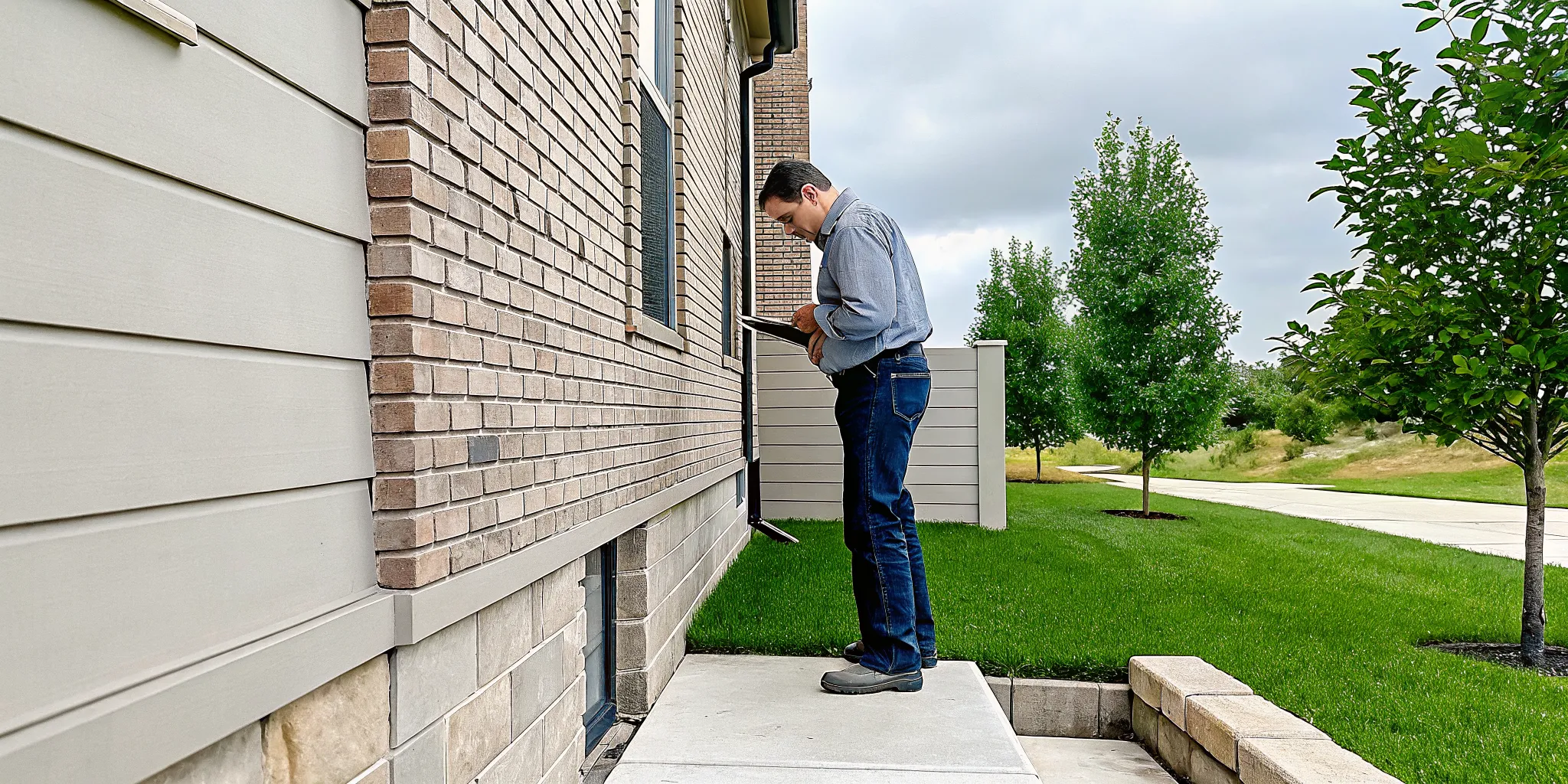
How to present completed foundation repair to buyers
Selling a house after foundation repair in Texas is all about being clear. You must tell buyers about any work you have done. This helps you build trust with them. It also keeps you safe from legal risks. When you are open about the home’s past, the sale can go much faster. Buyers like to see that you took care of the house. Being open now can save you from big legal bills later.
Disclose the work in writing
In Texas, most home sellers must give a Seller’s Disclosure Notice to the buyer. This paper lists the state of the house. You must use it to show any past base cracks or settling. You should give this form to the buyer before you sign a contract. If you do not provide it, the buyer can end the deal. They may also get their money back. This rule applies to most homes with one to four units. Even if you think the base is now stable, you must tell the buyer about the old fix. This notice is a key tool to lower your risk during a sale.
It is best to share these facts early. Some sellers choose to show the notice before they even get an offer. This shows you have nothing to hide. It helps buyers feel safe from the start. They will see that you are an honest seller. This often leads to a smooth end to the sale with fewer surprises. When you share facts up front, you avoid problems later on.
Share all repair records
Keep good records of all your foundation work. This includes your receipts, plans, and reports from experts. You can use a foundation repair guide to help explain the steps you took. Sharing these papers shows the job was done well. It proves you used a pro for the fix. This can help prevent problems later in the sale. Most buyers will feel better when they see the full records of the work. They want to know the work was done to high standards.
If you have reports from a structural engineer, show those too. These papers carry a lot of weight. They provide a clear view of the work done and the results. Buyers often worry about hidden issues. Detailed records can calm those fears. It shows that you did not just hide a crack with paint. Instead, it proves you made a real, lasting fix to the frame of the home. This proof makes it easier for a buyer to get a loan.
Highlight the transferrable warranty
A warranty that moves to the new owner is a great selling point. It tells the buyer that the fix will last. You should check your papers to see if the warranty can pass on to the next person. Many top repair systems allow this. Some pier systems even come with a 25-year plan from the maker. Mention this fact to your agent and any people who look at the house. This can greatly increase how much buyers like your home. They will know they are protected for many years to come.
If you are not sure about the state of your base, get a professional foundation inspection first. This lets you share facts with full trust. Having a fresh report can help you set a fair price. It also makes the buyer’s own inspection go better. When you are prepared, you can answer every question with ease. This makes the whole sale feel much more professional for everyone involved.
What can affect buyer confidence and negotiations?
When you are selling a house after foundation repair Texas, how you show past work matters. Some buyers feel uneasy about structural history. This fear can lead to low offers or long delays. But you can handle these concerns by being open about the history of the home. Sharing a clear foundation repair guide shows that you took care of the house. It turns a worry into a sign of good home care.
Building trust with records
Trust is a key part of a home sale. In Texas, you must give the buyer a written Seller’s Disclosure Notice before the deal is final. This form must list any past structural movement under the Texas Property Code. If you do not give this notice, the buyer may end the contract. When you show that you fixed the issues, it helps the buyer feel safe and keeps the deal on track.
The role of repair warranties
A warranty is a great tool for your sale. A transferrable warranty gives the new owner peace of mind about the home. This help can make your house more appealing than one with unknown risks. Before you list the home, check your records to see if your warranty covers the next owner. This simple step can stop a buyer from asking for a big price cut later.
Good records help you stay in control of the talk. The table below shows how different levels of paperwork can change your position during the sale.
| Case | Buyer Impact | Effect on Deal |
|---|---|---|
| Full paperwork. | Higher trust and peace. | Faster close and firmer price. |
| Missing proof. | Worry about work quality. | Requests for a lower price. |
| No warranty. | Fear of future costs. | Buyer may walk away. |
| Poor disclosure. | Legal and financial risk. | Risk of ending the contract. |
Negotiating from a strong spot
Having all your facts ready lets you lead the talk. If a buyer knows a pro fixed the house, they are less likely to ask for a huge discount. You can also offer a professional foundation inspection to show the home is stable now. This proves you have nothing to hide. Clear records help prove the value of your home and keep the sale moving to a close.
Frequently Asked Questions
Can you sell a house in Texas after foundation repairs?
Yes, you can sell a home in Texas after foundation repairs. You must list all past structural work on the Seller’s Disclosure Notice. Giving the buyer proof of the fix and a warranty helps them feel safe. These papers show you fixed the issue and the house is now solid. Clear records make the sale go fast and keep you safe under state law.
Does foundation repair affect home value in Texas?
Usually, foundation repairs do not lower a home’s value once the work is done. A fixed slab is better for a buyer than one with new cracks. Giving a transferable warranty can help the buyer feel calm. Some people might worry about the past, but a clean engineer report keeps the price high. It shows the home is safe and solid for many years.
Will a bank finance a house with past foundation repairs?
Most banks will lend money for a house with past foundation work. Lenders need to see that a pro did the fix and that the home is now stable. You should show the repair records and an engineer’s sign-off to the bank. If the work is solid and has a warranty, the bank is likely to say yes. Without these papers, a bank might turn down the loan.
How long does it take for a house to settle after foundation repair?
You can list your home for sale once the work is done and you have the final papers. Many pros suggest waiting a few weeks to let the house settle first. This gives you time to fix small cracks that might pop up after the lift. Experts at Solid Base Foundations say that an engineer check after the home settles is the best way to prove the fix worked.
Get clear on your foundation before you list
Preparing to sell is easier when you can give buyers current, organized information about the home’s foundation. Solid Base Foundations helps Dallas-area homeowners understand visible concerns and determine an appropriate next step before listing.
Request a free foundation assessment to start building a clearer record for your sale.