

Buying a house with foundation problems in Texas does not automatically make it a bad purchase. The safe decision depends on documented repair history, a property-specific evaluation, written proposals, warranty terms, and a budget based on verified scope rather than guesses.
Request a free foundation evaluation from Solid Base Foundations before closing.
Before buying, request repair records and warranties, obtain a professional foundation evaluation, compare written scopes, and budget for related drainage or plumbing work. Move forward only when the damage, remedy, responsibility, and financing are clear.
Managing this process requires you to balance your budget against the long-term safety of the building. You must handle the first steps of the house sale with care. We will explore the vital details in Buying a house with foundation problems Texas: first decisions. The path begins with
Buying a house with foundation problems Texas: first decisions
Finding a home you love only to see cracks in the walls can feel like a big blow. In the Texas home market, foundation issues are a common fact for many buyers. Most homes in the state will face some ground movement at some point. This is because of the way the soil shifts in the heat and rain. When buying a house with foundation problems Texas buyers must act fast but stay smart. Your first choices will decide if the home is a good buy or a money pit.
Review the seller’s disclosure form
Texas law says sellers must give a form that lists known house flaws. This paper should show any past pier work or current cracks in the slab. You should look for signs of old repairs and ask for old receipts. If a seller knows about a leak or a shift, they must tell you before you sign. The Texas Real Estate Commission sets these rules to help buyers. Reading this form is the best way to start your search for the truth about the home’s bones. You should also check if any past work has a warranty that you can keep. A good warranty can save you a lot of money if the house shifts again in the future.
Get a specialized foundation inspection
A standard home check gives a good look at the roof and wires. But it often fails to find deep foundation flaws. You should hire a pro who knows how to check the slab or the crawl space. They use tools like water levels to see if the floors are flat. A foundation inspection in Texas will give you a full map of any shifts. Much of this movement comes from clay soil that acts like a sponge. The Texas Real Estate Research Center says this soil is a top cause of home damage. This report tells you what needs a fix and how much it will cost. This data is key for your next move in the deal.
Set a firm repair budget
Once you have a property-specific repair report, compare the written scope with your available funds and financing. Do not rely on a generic online repair range because the required pier count, drainage work, plumbing tests, finishes, and permitting can change the total. You can ask the seller to adjust the price, complete agreed work, or explore an escrow holdback with your lender and title professionals. Set a firm limit before negotiations so you do not buy a home you cannot afford to repair.
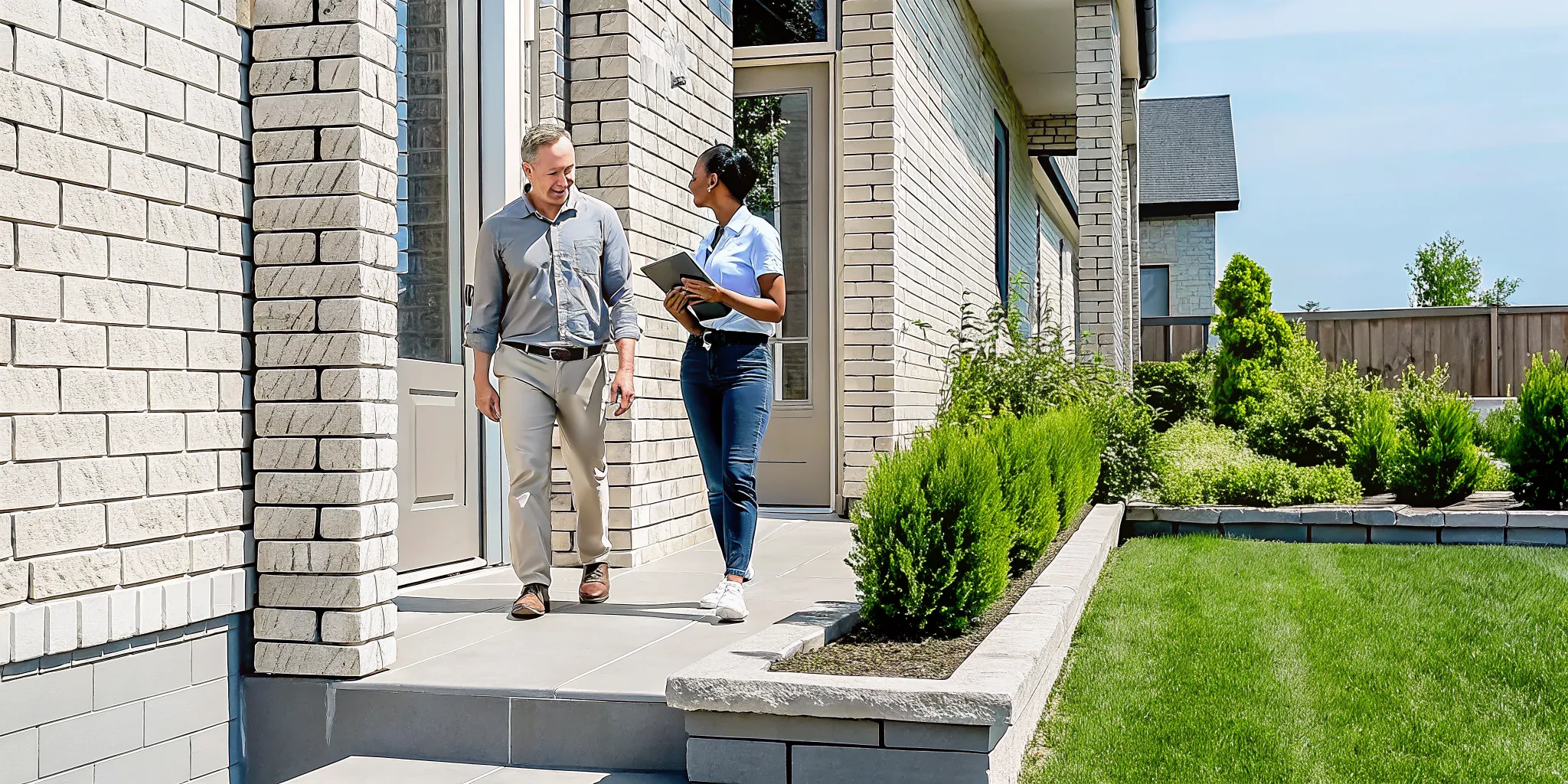
What records should you request from the seller?
If you are buying a house with foundation problems Texas soil issues make it key to see the full past of the home. You should not just take the seller at their word. You need to see the paper trail that shows how they cared for the house frame. These files will help you and your expert foundation assessment team know if the home is a safe bet.
Request these vital records
- Ask for the Seller’s Disclosure Notice to see if the owner has noted any past or current slab issues.
- Request past home check reports from when the current owner bought the house or from failed sales.
- Get copies of all receipts and contracts from past foundation work to see what parts of the home were fixed.
- Request the engineer’s report and final sign-off for any big work done on the house in the past.
- Ask for plumbing test results to make sure that slab movement did not cause hidden leaks under the home.
- Check for city permits to ensure that all work followed local codes and was checked by a pro.
Review the engineering and repair files
If the house has had work done, you need to see the fine print. Good repair shops will provide a plan that shows where piers were placed. You also need to see a report from an engineer. This pro does not sell the fix, so they can give a fair view of the home’s state. They use tools to check the slab and find if it is level. You should check these files against the professional foundation repair methods used in the past. This helps you know if the fix was built to last for many years.
Check warranties and city permits
You must also ask if the repair warranty can be passed to you. Some warranties only stay with the person who paid for the work. Others may need a fee to move the name to the new owner. It is best to know this before you close the deal. The Texas Real Estate Commission provides forms for these disclosures to help protect buyers.
City records can tell you a lot about a home’s past. If a seller says they fixed the slab but there is no city permit, that is a red flag. Most towns in North Texas need a permit for big slab changes. A permit shows that a city pro checked the work to make sure it was done right. Without a permit, you have no proof the fix is safe. Always verify these details to keep your home safe. You can also get a foundation inspection in Texas to see if the house is sound today.
When should you request a professional foundation evaluation?
Buying a house with foundation problems Texas means you must be careful. A basic home check covers many parts of the house. It looks at the roof, the lights, and the pipes. But it might not catch the real cause of a slab issue. You need a deeper review when signs of movement appear. An expert foundation assessment can find if the home is safe.
General inspectors use their eyes to find flaws. They might see a gap in the trim or a crack in the brick. These are good clues, but they are only the start. A specialist brings tools that measure the floor to the inch. This shows exactly where the house has shifted. It helps you know if the fix is easy or if it will cost a lot of money.
Why a basic check is not enough
Home inspectors look for broad risks. They tell you if the house meets local rules and if systems work well. They are not trained to design repair plans for structural failure. Texas has soil that acts like a sponge. It swells when it rains and shrinks when it is dry. Based on facts from the Texas A&M Real Estate Center, many homes in the state will have movement because of this soil.
A specialist will check the yard and the trees near the house. They look for roots that might be sucking water away from the slab. They also check the grade of the lot to see where water flows. This full view helps find the source of the shift. A regular home check rarely goes into this level of detail.
Home inspector vs foundation specialist
| Criteria | Home Inspector | Foundation Specialist |
|---|---|---|
| Main Focus | General house systems | Structural strength |
| Tools Used | Eyes and basic tools | Advanced floor levels |
| Soil Review | Not included | Checks yard and soil |
| Final Report | List of flaws | Custom repair plan |
| Next Step | Suggests a specialist | Gives a cost for repairs |
When to call for an expert review
You should call for a pro check if you see large cracks. Cracks wider than a coin are a big red flag. If the doors stick or floors feel like they slope, do not wait. You also need a pro if the seller has fixed the slab in the past. Having this report before you sign the final papers gives you power to talk about the price. You can ask for a lower price or ask for money to be held in escrow for the fix.
During the review, the expert will walk around the home. They look for gaps in the windows and cracks in the slab. They use a special level to map the height of each room. This map shows if one corner is lower than the others. After the walk, the expert will explain what they found. You will get a written plan that shows where to put piers or how to fix the soil.
How to review foundation repair proposals
When you are buying a house with foundation problems in Texas, you must look closely at any repair plans. A repair bid is more than just a price list. It is a map for how a team will fix the bones of your home. You should compare bids from a few teams to find the best fix. A good review helps you find missing details before you sign a deal.
Check the scope of work
A clear bid lists where the team will place piers or supports. You need to know if they will fix the whole slab or just one corner. The Texas A&M Real Estate Center notes that many homes in the state will see movement due to the soil. You should check the full scope of any fix. Look for a map that shows every pier spot. If one plan has ten piers and another has five, ask why.
You should also check for a list of tasks. Some plans cover lifting the floor. Others only stop it from sinking further. If you need a professional foundation repair method that lifts the house, make sure that goal is in writing. Ask if the team will fix cracks in the walls after they finish. These small tasks can save you a lot of cash in extra work.
Look for water and soil solutions
Water is the main cause of house movement in Texas clay. A good fix often includes ways to move water away from the slab. Look for mentions of drains or yard slope in the bid. If a team only fixes the floor but ignores the wet dirt, the issue will come back. You want a plan that finds the root cause of the shift.
You should also look for pier depth. In many parts of Texas, piers must go deep to reach solid ground. A bid should say how deep the team expects to drive the piers. If the plan does not mention soil or water flow, it might be a quick fix. Solid Base Foundations offers a free expert foundation assessment to help you find the right path for your specific home.
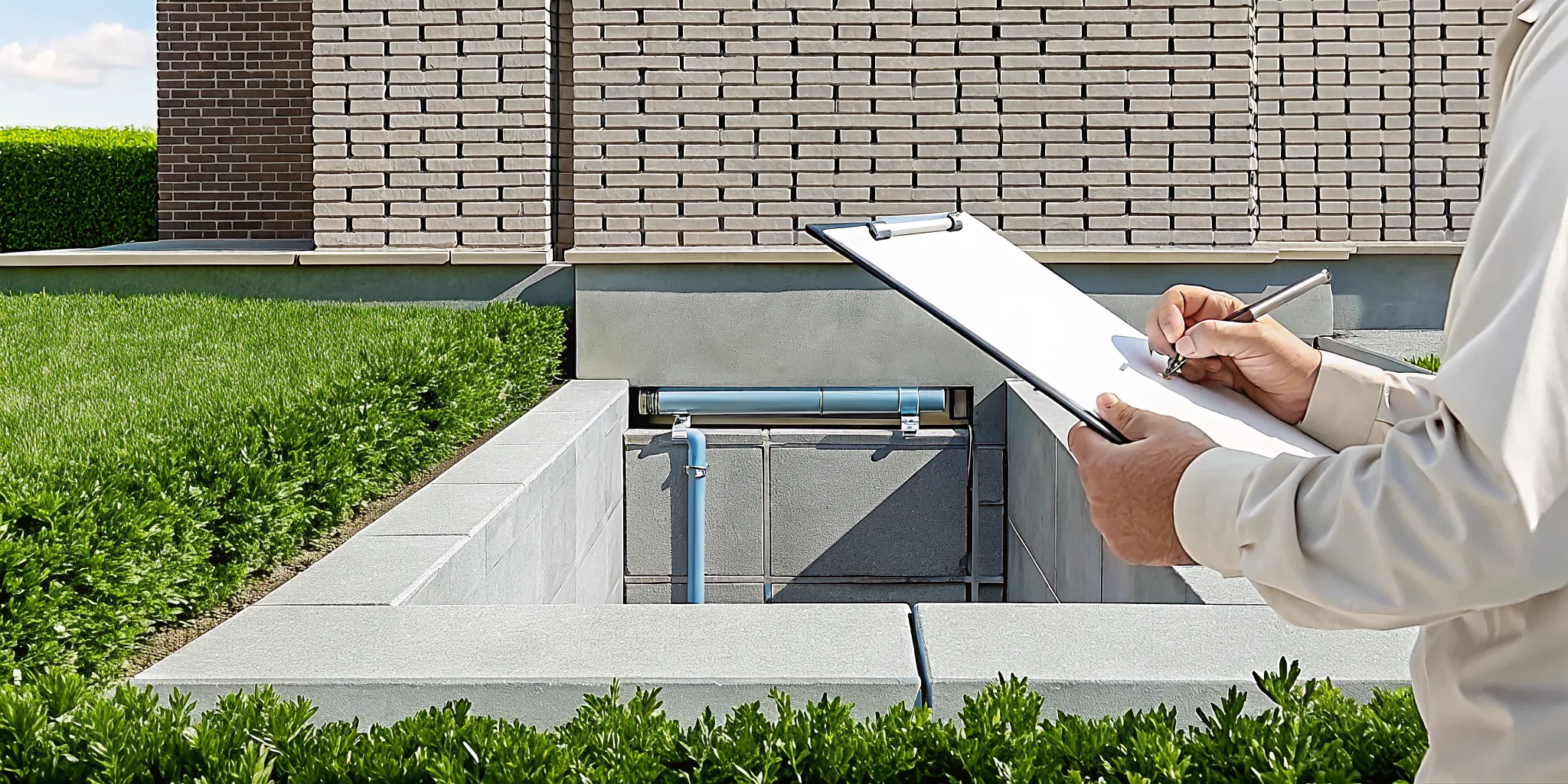
Review the warranty and history
When you get a bid, look at the warranty terms. A warranty is only good if the company stays in business. Look for a plan that you can pass to the next buyer. This is key when you buy or sell a house. A transferable warranty stays with the property. It adds value for the next person who lives there.
Check if the warranty covers both parts and labor. Some teams only cover the pier itself. They might charge you to come back and adjust it later. You should also see how long the company has been around. Foundation work is a big cost. You need a crew that will be there if you have issues years from now. Read the fine print to see what might end the coverage. Things like leaks or tree roots can affect the fix.
Which transferable warranty questions matter?
When you are buying a house with foundation problems in Texas, a transferable warranty can offer peace of mind. A warranty means the repair firm will fix the same spot again if it fails. But not all warranties are the same. You must ask clear questions to ensure the coverage is valid for your new home.
How do you transfer the coverage?
The first thing to check is the transfer process. Many firms need a fee to move the warranty to a new owner. This fee is often a small amount, but you must pay it within a set time. Some firms give you 30 days after the home sale, while others give you 90 days.
If you miss this date, the warranty might end. You should always get written proof that the transfer is done. This paper is vital for your records and future home value. You want to make sure the firm has your name and contact info on file correctly.
You also need to know if there are care rules. Some warranties stay valid only if you keep the soil moisture even. This often means using a soaker hose during hot Texas summers. The Texas A&M Real Estate Center says that soil movement is common in the state due to clay. If you do not follow these care steps, the firm may deny your claim later. Ask for a copy of the old contract to see these rules in detail.
What parts does the warranty cover?
It is vital to know what parts of the repair are safe. Most warranties cover the steel or concrete piers used to level the house. But they may not cover new cracks or movement in other spots. You should ask if the warranty covers both parts and work. Some plans only cover the parts, which leaves you with high costs for the labor itself.
Limits are also important to find. Most warranties do not cover damage from pipe leaks or floods. They also might not cover “heave.” This is when the soil pushes the house up. You should look for a list of things the firm will not fix. This list helps you understand the risk of the home.
If the house has a history of slab issues, check how the Texas Property Code requires sellers to tell you about past repairs. This helps you match the repair history with the warranty paper. You can then see if the work done matches what the seller claims.
Is the warranty provider still in business?
A warranty is only as good as the firm that stands behind it. If the firm closes, the paper is worth nothing. You should check how long the firm has been in the Dallas area. A firm with many years of work is more likely to be there when you need help. This history shows they can handle the tough local soil.
You can also ask for an expert foundation assessment to see if the past repairs are still holding up. This check gives you a clear view of the current state of the home. It also lets you know if the firm that did the work is still easy to reach.
Finally, ask if the warranty has a limit on the number of fixes. Some plans allow for only one change, while others are for the life of the home. You want a plan that stays with the house for a long time. This is a big plus if you ever decide to sell the home later.
A strong, transferable warranty can make a home with past issues much easier to sell. Always check the firm’s name and status before you close on the house. This extra step can save you thousands of dollars in future repair costs.
How should buyers budget without guessing at repair costs?
Planning for costs when buying a house with foundation problems Texas starts with facts rather than guesses. Texas soil moves often, so many homes face structural shifts at some point. You should start by getting an expert foundation assessment to see the real state of the property. This free check gives you a clear look at what work is needed and what it will cost before you commit to the purchase.
Find the true scope of work
Foundation issues can range from minor cracks to major shifts that need deep piers. The American Society of Civil Engineers suggests that buyers should look closely at the full scope of any issue before they move forward. A full check will look at the foundation and other areas like drainage and plumbing. Poor water flow often causes soil to swell or shrink, so fixing the yard grade or adding drains is a common part of the total budget.
You may also need to test your plumbing lines for leaks. In Texas, slab leaks can lead to major foundation movement if you do not catch them early. If the repair plan is big, you should also think about the cost of fixing drywall or floors after the house is lifted. These costs are often separate from the structural work itself. Budgeting for these extra steps helps you avoid surprises after the main repair is done.
Plan for extra costs and savings
Smart buyers keep a fund for future care and unexpected repairs. Some experts suggest saving one to three percent of the value of your home for yearly upkeep. This fund can cover small fixes before they turn into big problems. If you need to move out for a few days during a major lift. Make sure to add the cost of a hotel or temporary stay to your plan. Most repairs allow you to stay in the home, but a big job might be loud or messy.
Talk to your lender about loan types that help with repair costs. A rehabilitation loan can wrap the price of the home and the structural work into one monthly payment. You should also ask your agent about ways to lower the price or set up an escrow holdback. These negotiation options let the seller pay for the work or reduce the total cost for you. Clear talks with your bank and the seller are key to a safe financial move.
When is a foundation problem a reason to walk away?
Buying a house with foundation problems Texas can feel like a big risk. Many buyers worry that a shifting slab means the home is a bad buy. But slab issues are common in North Texas due to the clay soil. Per Texas Property Code Section 5.008, sellers must list all known items that change the home. This means you should see the past life of the house before you sign the deal.
Known repairs vs. hidden damage
If a home has been fixed, it might be a safer choice than a home with new cracks. A house with a warranty on pier work shows that the past owner cared for the site. You can check the work logs to see what was done and when it happened. In many cases, these fixed homes are more stable than those that have not had any work yet.
Doubt is often the biggest red flag for a buyer. If you see signs of movement but the seller has no logs, you are taking a lot of risk. You do not know how much the fix will cost or if the damage will get worse fast. Without a clear plan or a past work list, the costs could climb well above your budget.
Warning signs to watch for
Some signs are more serious than others. Small thin cracks in the brick are common. But large gaps can point to a big shift. You should look for doors that do not close or floors that do not feel flat as you walk. These signs often mean that the frame of the house is under a lot of stress.
You should think about walking away if these red flags appear:
- Wide cracks in the outer brick walls.
- Doors or windows that stick or will not lock.
- Large gaps between the walls and the floor.
- Water that pools near the home due to poor drains.
- A lack of data or a refusal to allow a check.
Making the final decision
A foundation inspection in Texas is your best tool for your choice. A pro can tell you if the house needs a few piers or a full fix. If the cost of the fix is more than the value the home will gain, it may be time to move on. You must also think about your own comfort with future work in this hot climate.
The price can also help you make the right choice. If a seller is willing to drop the price or pay for the work, the deal might still work. But if the seller will not budge and the damage is deep, walking away is a smart move. Protecting your money and your peace of mind is more vital than any one house.
Frequently Asked Questions
Is buying a house with foundation problems a bad idea?
Buying a home with structural flaws is not always a poor choice. It can often be a smart move if you get a lower price. Many homes in Texas face these issues because of the soil. According to the ASCE, you should check the full scope of the damage before you buy. If you have a clear repair plan and a fair price, you can turn a flawed house into a safe and solid investment.
Can I get a loan for a house with foundation problems?
You can often get a loan for a home that needs slab work. Standard loans might be hard to get if the damage is severe. You may need a special rehab loan that covers both the house and the fix. Some buyers use an escrow holdback where the seller leaves cash at the title office to pay for the repair. Always talk to your lender early to see which programs they offer for homes with structural needs.
Are foundation issues common in Texas homes?
Slab movement is a very common fact of life for homeowners in the state. Most houses will have some level of shifting due to the local clay. This soil acts like a sponge and grows when it gets wet. Data from the Texas A&M Real Estate Center shows that many homes will face movement because of these soil conditions. While these issues are frequent, most can be fixed with the right pier systems or soil care.
Do I need to disclose foundation repairs when selling a home in Texas?
Texas law is very clear on this rule. You must tell the buyer about any past or current slab flaws. The law says sellers must list all known facts that change the physical state of the home. This includes any past work or current cracks in the frame. Failing to share this data can lead to legal trouble later. Sharing your repair records and warranty facts helps the buyer feel safe about the deal.
Ready to schedule your free foundation evaluation?
Buying a house with structural issues is a big risk that can lead to high repair bills later. If you wait to fix the slab, the cracks will only get worse and cost more to fix. The clay soil in North Texas shifts often and puts stress on every home. You need to know the true state of the home before you sign the final papers. Our team will give you a plain plan so you can avoid surprise costs after you move in. A quick check now saves you from years of stress and big bills. Set up an expert foundation assessment today so you can buy with a clear mind. We help you find the facts fast so you can make a smart choice on your new house.
Ready to schedule a free foundation evaluation? Call (940) 465-1662 to talk to Solid Base Foundations.