
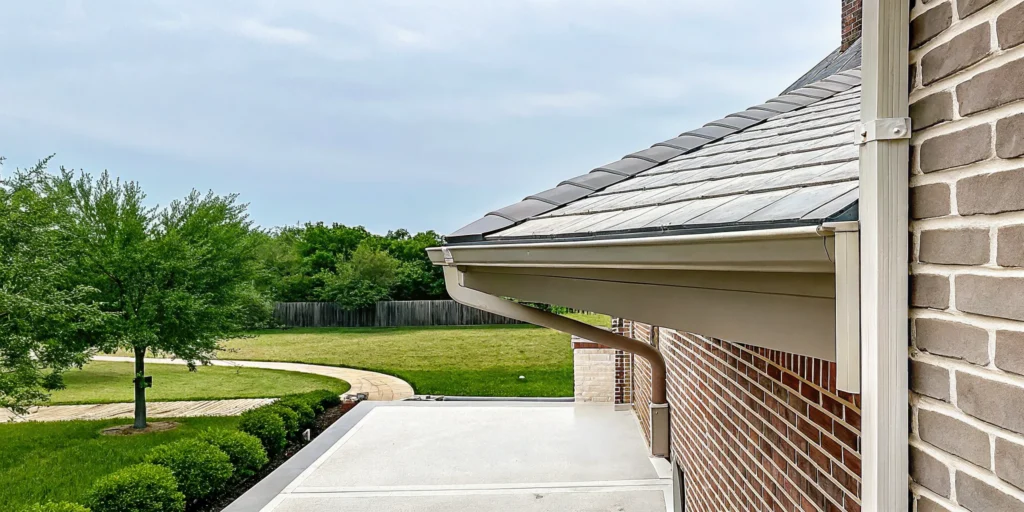
North Texas clay soil shifts when water pools against your home. This movement puts heavy pressure on your slab. Managing roof runoff stops this damage.
Gutters protect foundation structures by catching rainwater and moving it far away from the home. In North Texas, clay soil expands when wet and shrinks when dry. This constant cycle of swelling and shrinking puts heavy stress on the concrete slab and leads to costly cracks. A storm can drop thousands of gallons of water on your roof. This water quickly soaks the soil if it is not moved away by a proper drainage system. According to a resource guide from the Department of Energy, a few inches of rain can produce several thousand gallons of runoff. Using gutters to manage this water keeps the soil moisture levels stable and protects your home from serious structural damage.
Many homeowners think gutters just keep entries dry, but they are a vital structural defense for your home. Knowing how gutters protect foundation soil in North Texas is the first step toward a level home structure. The path begins with…
How gutters protect foundation soil in North Texas
Direct answer: Gutters protect foundation soil by collecting roof runoff and carrying it to a controlled discharge point away from the slab. That helps limit pooling, erosion, and sharp moisture differences around a North Texas home.
During a North Texas downpour, a roof can send a surprising amount of water toward the narrow strip of soil beside your slab. Gutters and downspouts control that runoff before it pools, erodes soil, or creates uneven moisture conditions that may contribute to foundation movement.
When you use North Texas foundation maintenance tips, you take control of where that water goes. These tools help keep the ground around your home stable by moving rain away from the slab. This is a key part of long-term care for any North Texas home.
Stopping the soil moisture cycle
Our area has thick clay soil. This type of earth grows when wet and shrinks when dry. This cycle of swelling and shrinking puts a huge amount of stress on a slab. If one part of your yard gets much wetter than the rest, the soil there will lift and push against your house.
By using a gutter system, you stop this uneven soaking. Good water plans help protect foundations from soil saturation by moving runoff away. Keeping the moisture levels steady is the best way to avoid cracks and shifts in your home’s frame.
Moving large amounts of roof runoff
A few inches of rain on a roof can make thousands of gallons of water. This large flow can quickly soak the ground near your house if it just falls off the edge. This water can even seep into the home, which might cause rot or mold in your walls or floors.
A good system collects this rain and sends it through pipes. For the best results, you should connect these pipes to lines that carry water at least five feet away from the house. Some experts say several thousand gallons of water runoff can come from one storm. This makes drainage work vital for your home’s safety.
Preventing soil erosion and pooling
Water falling from a roof also hits the ground with a lot of force. This can wash away the dirt that holds up your slab. When this dirt is gone, the edge of the house can lose its support and start to sink. This is a common path to costly repairs that most owners want to avoid.
Gutters stop this splash damage before it starts. Instead of a waterfall hitting your yard, the rain flows through a path you choose. This keeps your plants in place and ensures the soil stays where it should. It is a simple step that saves you from big stress down the road.
How to direct roof runoff away from your slab
Direct answer: Use clean gutters, correctly placed downspouts, and extensions or approved drainage routes that release water on a stable downhill path away from the slab. Check the discharge point during rain to confirm water does not flow back toward the house.
A few inches of rain on your roof can make thousands of gallons of water. This huge amount of water can quickly soak the dirt around your home. In the Dallas area, our clay soil swells when wet and shrinks when dry. This cycle puts a lot of stress on your concrete slab. Handling how water moves off your roof is one of the best ways to keep your home stable.
Why distance from your home matters
You need to move water far away from your walls to keep the soil dry. If water stays near the edge of your slab, it can soak into the ground. This wet dirt can cause the foundation to move or shift. Experts say you should move roof water at least five feet from your home. If you use a buried pipe, it should lead water ten feet away. This gap keeps the soil under your home at a steady moisture level. Good water care helps prevent the ground from getting too soft.
Too much water in the ground is a common cause of home damage in North Texas. When the ground holds too much water, it loses its strength. This can lead to cracks in your walls or floors. By moving water away, you reduce the risk of these issues. A dry edge helps ensure the weight of your home stays even. This is a simple step that brings big results for your home health.
How gutters protect your foundation
A good drainage system acts as a shield for your house. When foundation waterproofing guidance work well, they catch rain and move it to a safe spot. This stops the rain from falling off the roof edge and hitting the ground right next to your slab. Without these tools, the drip line can dig a trench in the soil. This trench holds water and lets it seep deep into the clay. Using gutters protect foundation health by keeping the ground near your home firm.
Without gutters, rain falls like a sheet off your roof. This creates a splash zone that can rot wood siding or wet your foundation. Over time, the soil washes away, leaving gaps under your slab. These gaps, or voids, mean your home has no support in those spots. Setting up a gutter system stops the soil from washing away. It is a vital tool for any land owner in a wet climate.
Steps to divert roof runoff
Follow these steps to make sure your roof water does not hurt your slab.
- Clear your gutters of leaves and dirt. Clogged gutters overflow and dump water right next to your foundation. Check them twice a year to keep water flowing. Clean gutters ensure that water goes into the downspouts as it should.
- Fix any leaks or gaps in the gutter runs. Even small drips can soak the soil and lead to soft spots under your concrete. Use a sealer to plug any holes you find in the joints or seams.
- Add extensions to the bottom of your downspouts. These parts should carry water at least five feet from the house. You can use plastic tubes or splash blocks for this task. Longer add-ons help move the water to spots where it can drain away on its own.
- Check the slope of the land near your walls. The ground should tilt away from your house. This helps water run off instead of pooling near the slab. You may need to add more dirt to fix the grade if it is flat or sinking.
- Clean your discharge points. If your downspouts lead into buried pipes, make sure the exits are clear. Dirt or grass can block the pipes and cause backups. A clear exit point ensures the whole system works during a heavy storm.
Handling water is a key part of keeping a strong home. By taking these small steps, you help prevent big cracks and costly repairs later. Regular checks on your drainage will save you time and money in the long run. Most owners can do these tasks with simple tools and a little time.
What are the signs water is collecting near the slab?
Direct answer: Look for puddles that remain after rain, washed-out soil, splash marks, soft ground, algae, and downspouts that empty beside the slab. Indoors, new cracks or sticking doors can justify a professional foundation inspection.
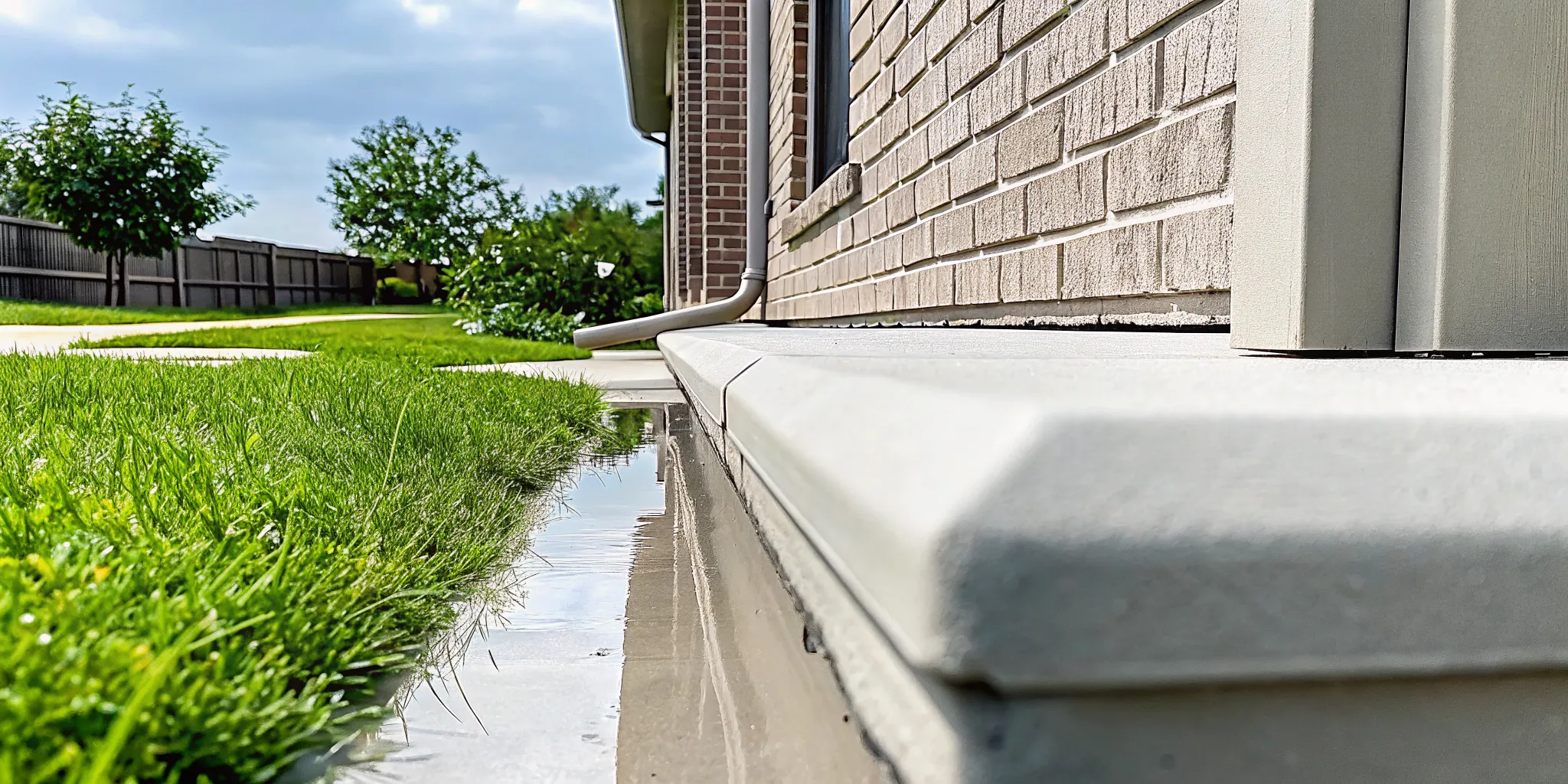
Storms in North Texas can dump a lot of rain on your roof in a very short time. Just a few inches of rain can make many gallons of runoff. If this water does not move away from your home, it will soak the soil near your slab. This causes the clay ground to swell and push on your foundation. Over time, this stress leads to cracks and shifts in the structure. To keep your home safe, you must find the signs of water pooling near the base.
Puddles and soil shifts
The most common sign is ponding. If you see standing water near your slab after a storm, your yard may not have a good slope. The ground should fall away from the home so water can drain. When water stays in one spot, it sinks deep into the clay. This is why good foundation repair services guide are so vital. They catch the rain and carry it far from your foundation walls so the soil stays steady.
You should also look for soil wash-out or small paths in the dirt. These paths form when water falls straight off the roof and hits the ground with great force. This can wash away the dirt that supports your slab. It also shows that your home lacks a way to guide the flow of rain. Without these tools, the heavy rain will dig out the soil. These bare spots are a clear sign that you need a better plan to handle roof runoff and protect your home.
Clues on your home and yard
Sometimes the signs are hard to see at first. Check the bottom of your walls for mud or dirt stains. If you see splash marks on your brick, water is hitting the ground too hard near the base. This splash can rot wood or let wetness seep into the walls. This is one way that gutters protect foundation health. By catching the rain, they stop that hard splash and keep your walls dry and your soil firm.
Soggy spots in your grass are another red flag. If certain zones near the slab stay soft for days after it rains, the soil is holding too much water. You might also notice that your gutters spill over during a storm. This happens when they are full of leaves or are too small for your roof size. When water spills over the edge, it lands right next to your slab. Checking these signs helps you fix drainage issues before they cause big foundation cracks.
Foundation movement and cracks
If you miss the early signs, the soil around your home will start to shift. In North Texas, the clay soil shrinks when it is dry and swells when it is wet. This steady change puts a lot of pressure on the concrete. You might start to see small cracks in your slab or gaps between the soil and the base. These gaps show that the ground is pulling away. This can leave your home without the support it needs to stay level.
You may also see signs inside your home. If doors stick or you see cracks in the walls, your slab might be moving. This often starts with poor water control outside. By watching for pooling water and soil shifts, you can act fast. Fix your gutters and clear your drains to keep your home on a solid base. Taking these steps now will save you from the high cost of big fixes later on.
Gutter maintenance for North Texas weather
Direct answer: Inspect gutters before storm season, clear debris, check seams and brackets, and confirm every downspout drains away from the slab. Walk the property after heavy rain to catch overflow, pooling, or erosion early.
North Texas weather is tough on your home. We face long, dry heat and sudden, heavy storms. These shifts put a lot of stress on the clay soil around your house. When it is dry, the soil shrinks. When it rains, it grows fast. This change can push on your home foundation. Clean Dallas foundation repair services help stop this by keeping water away from your walls.
Storm prep and debris cleaning
Heavy rain can drop a lot of water on your roof in a short time. Just a few inches of rain can create thousands of gallons of runoff. If your gutters are full of leaves, the water has nowhere to go. It will spill over the sides and pool near your home. This can soak the soil too fast and cause the ground to shift.
You should clean your gutters at least twice a year. Check them more often if you have many trees. Use a small scoop to remove old leaves and dirt. Then, use a hose to flush out the small bits. Make sure the water flows freely through the downspouts. This simple step helps make sure your gutters protect foundation health during big storms.
Dry weather checks
During a Texas summer, the heat can bake your gutters. High heat can make metal parts grow and shrink. This can pull the gutters away from your house. Check the clips and screws to make sure they are still tight. If a gutter sags, water will pool in the middle instead of draining. This leads to rust and leaks even when it is not raining.
Look for leaks at the seams of your gutters. Dry spells are a good time to seal small holes. You should also check the slope of your gutters. They should tilt slightly toward the downspouts. If they are flat, water will sit and attract bugs. A good slope makes sure that water does not stay near the roof line or drip onto the soil below.
Post-storm walkthroughs and extensions
After a big storm, walk around your home. Look for signs that the gutters did not work well. You might see lines in the dirt where water spilled over the top. Check for pools of water near the base of your home. If you see these signs, you may need bigger gutters or more downspouts to handle the flow.
The job of a downspout is to carry water far from the house. In North Texas, you should aim to move water at least five feet away. You can use downspout extensions to help with this. These simple pipes attach to the end of your spout. They guide the water to a spot where the ground slopes away from your home. This stops the soil near your foundation from getting too wet.
- Check for loose hangers or nails after high winds.
- Look for rust spots on steel gutters.
- Clear any clogs in the splash blocks at the base.
- Make sure extensions are still attached after yard work.
Runoff problem or foundation warning sign?
Direct answer: Pooling and eroded soil point to a runoff problem, while stair-step cracks, widening wall gaps, uneven floors, and sticking doors may indicate foundation movement. When drainage concerns and structural symptoms appear together, request an inspection.
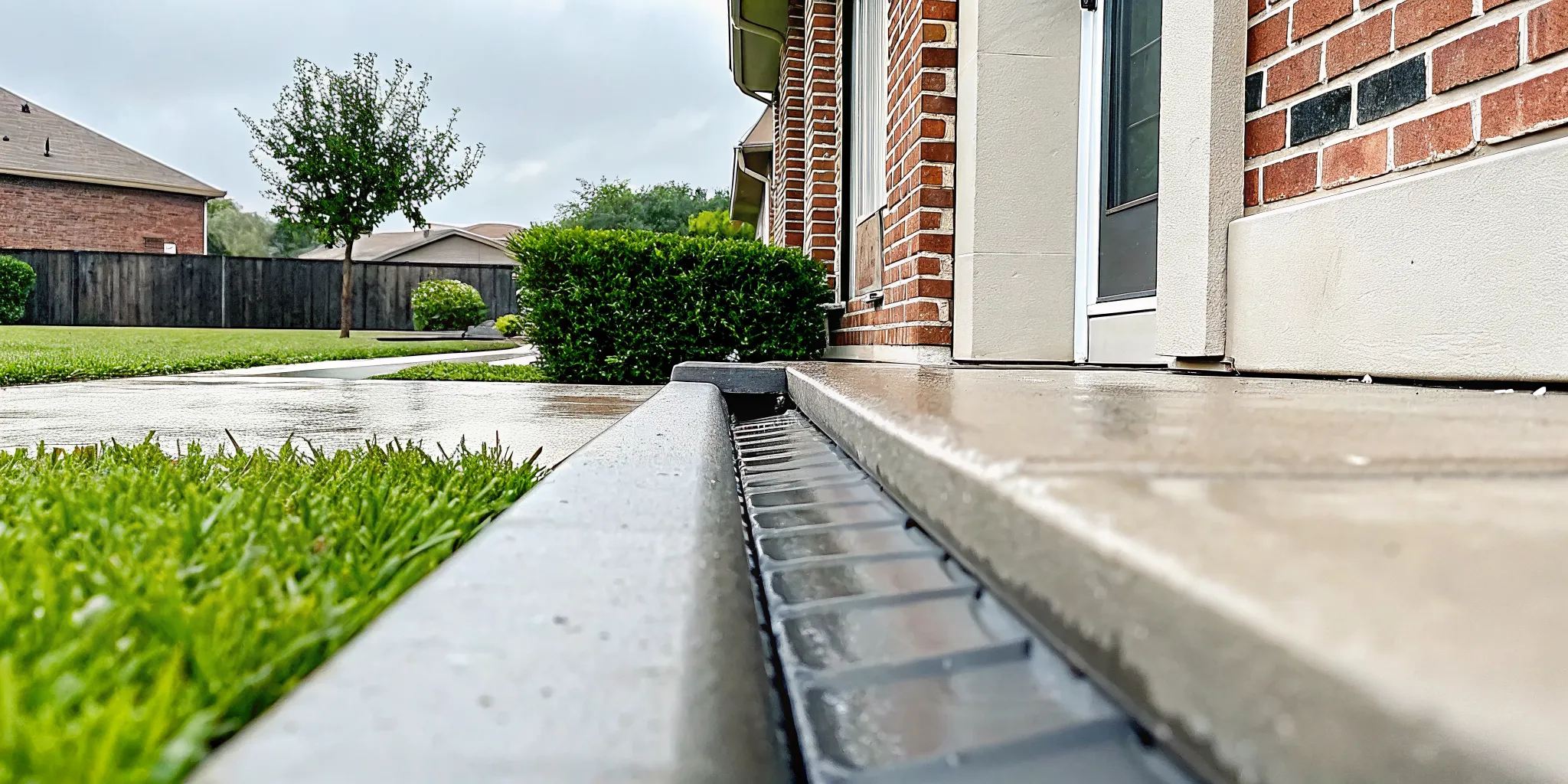
Homeowners in Dallas often face a tough question when they see water pooling or cracks in their home. Is the issue just a simple drainage problem or a sign of deeper structural failure? While concrete repair options help manage water, they cannot fix a foundation that has already started to shift. Knowing the difference between a runoff issue and a warning sign is key to protecting your home.
How runoff affects your soil
A few inches of rain on a roof can produce thousands of gallons of water runoff (Source: PNNL). If you do not have a good system to move this water, it can quickly saturate the soil around your home. This is a big deal in North Texas because our heavy clay soils are very reactive. These soils swell when they get wet and shrink when they dry out. This cycle puts huge stress on your home’s structure. Proper water management helps keep soil moisture levels steady to prevent this stress.
Runoff issues often show up as standing water near the foundation wall or soil erosion. You might see small gaps where the soil has washed away after a storm. These are problems with how your yard handles water. While they are not structural failures yet, they are a primary cause of future damage. Fixing these issues early with better drainage or longer downspouts can save you from costly repairs later. It is much easier to move water than it is to lift a house.
Spotting the signs of movement
Foundation warning signs are different from simple drainage problems. These signs show that the soil has already moved enough to affect the building. You should look for cracks in your masonry or bricks that follow a stair-step pattern. Inside the home, you might notice doors that will not latch or windows that get stuck. These are clues that your foundation is no longer level. When the soil becomes too saturated, water can also wick through the foundation to the interior (Source: PNNL).
If you see these signs, adding new gutters will not solve the underlying problem. Gutters are a tool for prevention, not a cure for structural movement. At this stage, you need a professional to look at the site. A structural expert can tell if your home needs piers or other permanent solutions to stay stable. Do not wait for small cracks to grow into major gaps. Catching these signs early is the best way to maintain the structural integrity of your home.
Comparing symptoms and actions
The table below shows common signs and what they might mean for your home. It also gives a clear next step to help you address the issue effectively.
| Symptom | Likely Cause | Next Action |
|---|---|---|
| Standing water after rain | Poor yard drainage | Clean or extend downspouts |
| Soil washing away from wall | Roof runoff erosion | Install or fix gutters |
| Stuck doors and windows | Foundation movement | Get a structural inspection |
| Stair-step brick cracks | Structural settling | Call a foundation expert |
| Water in the crawlspace | Groundwater saturation | Check grade and drainage |
Managing water is about more than just avoiding puddles. It is a vital part of building durability (Source: PNNL). By keeping water at least 5 feet away from your foundation, you reduce the risk of soil saturation (Source: Energy.gov). Whether you have a simple runoff issue or a structural warning, taking action now will protect your property value for years to come.
When should you request a foundation inspection?
Direct answer: Request an inspection when cracks are widening, doors or windows begin sticking, floors feel uneven, or runoff repeatedly pools near the slab. Solid Base Foundations can assess whether the concern is drainage-related, structural, or both.
You may notice small changes in your home that cause worry. Not every gap in your wall means the house is failing. But some signs show that the soil under your home is moving too much. In North Texas, the heavy clay soil can swell and shrink as the weather changes. This movement puts stress on the concrete slab. If you see signs of shift, a pro check can help you find peace of mind.
Common signs of house movement
Most homes will settle a bit over time. But when the ground moves fast, it can cause damage. You should look for clear clues that show your foundation needs help. If these issues happen in many rooms, it is time to call for a check. A pro can see if the soil is drying out or getting too wet.
- Doors or windows that stick or do not latch right.
- Cracks in the brick or stone on the outside of your home.
- Floors that feel uneven or tilt in one direction.
- Gaps between the wall and the ceiling or floor.
- New cracks in the drywall around door frames.
It is worth noting that some small cracks are normal. They often happen as a new house settles into the ground. But if a crack is wide enough to fit a coin, you should have it checked. Catching these problems early can keep your home safe and protect its value.
How water and drainage play a role
Poor water control is a top cause of foundation stress. When rain hits your roof, it must go somewhere. A few inches of rain on a roof can produce thousands of gallons of water runoff that can soak the soil near your home. If this water pools near the slab, it can cause the soil to swell and push up on the house.
This is why good foundation repair inspection are so key. They work as tools to keep the soil moisture even. We know that gutters protect foundation health by moving water at least five feet away from the base. When you see water sitting near your home after a storm, your drainage may be failing. This is a clear sign that you need a pro to look at the setup.
The benefit of a pro check
A foundation check does more than just find cracks. It looks at the whole health of your home. A pro will check the grade of your yard and the state of your drainage system. They can tell if you need a simple fix like better gutters or if you need structural piers. This helps you avoid big repair bills later on.
Solid Base Foundations offers free estimates to help you know what is happening with your home. We use modern tools to find out if your slab is level. If the soil is moving due to clay swelling, we can find a solid fix. Do not wait for small gaps to become big breaks in your walls. Getting a check now can help you save your home for years to come.
Frequently Asked Questions
Quick answers: Effective gutters reduce concentrated roof runoff beside a slab, but they work best with sound grading and well-placed discharge points. The answers below cover the most common homeowner questions.
Do gutters protect foundation?
Yes. Gutters collect roof runoff and direct it away from the slab, helping reduce pooling, erosion, and uneven soil moisture. As the PNNL gutter guide explains, the complete system must move water to a safe discharge point.
Can not having gutters cause foundation problems?
It can contribute to them. Without effective gutters, rain concentrates beside the house, where North Texas clay soil may swell or erode and create uneven support. Review the company’s foundation repair services guide if you also notice structural symptoms.
How can you protect a foundation without gutters?
Maintain positive grading and use appropriate drainage channels or other professionally designed runoff controls so water cannot collect beside the slab. The Department of Energy drainage guide explains why sloping the ground away from the house matters.
Ready to protect your North Texas home from foundation damage?
Direct answer: Control roof runoff now, then act promptly if cracks, sticking doors, uneven floors, or persistent pooling suggest that your slab may already be moving. A professional inspection gives you a clear next step.
Leaving water to pool near your home is a big risk that leads to cracked walls and foundation sinking that will get worse over time. These issues do not go away on their own and they will cost you much more to fix if you wait for the next storm. Water that stays near your slab causes the North Texas clay soil to swell and move your house every time it rains or stays dry.
You can keep your home safe and avoid a major repair bill by acting now to move water away from your walls and slab. Ready to request an inspection? Call Solid Base Foundations at 940-465-1662 to request a free foundation inspection today.