
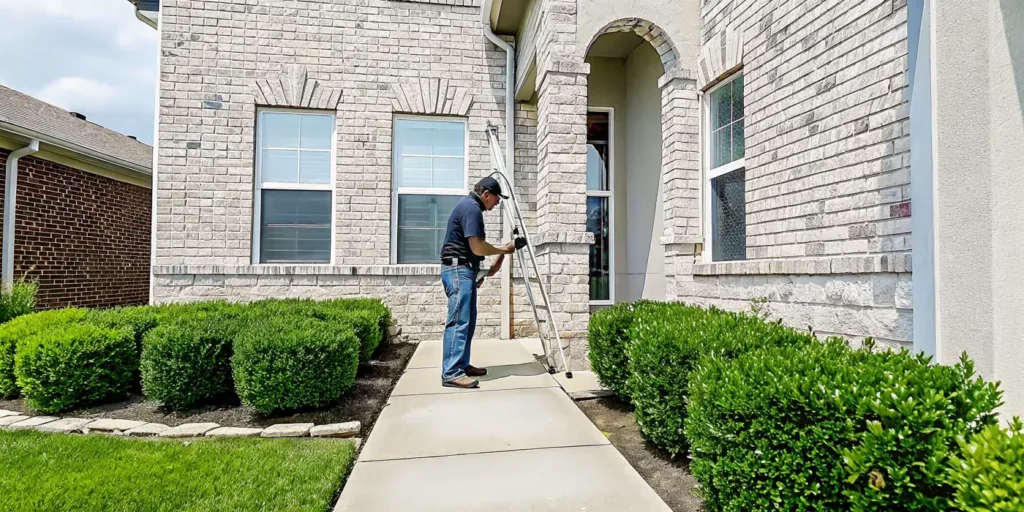
Sticky doors, cracks, and sloping floors can make you wonder whether your Dallas home’s foundation is moving. A professional evaluation helps you understand the pattern of symptoms and choose a sensible next step.
Request your free foundation inspection from Solid Base Foundations.
A free foundation inspection Dallas homeowners schedule typically includes a conversation about observed symptoms, an exterior and interior visual review, and measurements where appropriate. The evaluator looks for patterns such as wall cracks, uneven floors, brick gaps, and drainage concerns. Afterward, you should receive a clear explanation of the findings and recommended next steps, which may include monitoring, drainage improvements, or a customized repair plan.
Understanding the steps of an inspection helps you prepare for the visit, ask useful questions, and evaluate any recommendations with confidence.
What happens during a free foundation inspection in Dallas?
A professional foundation check is a full look at your home’s health. In the Dallas area, clay soils often cause homes to shift or settle. When you arrange a Dallas foundation evaluation, a Solid Base Foundations specialist visits your home. They look for the cause and pattern of movement, then use appropriate tools to assess whether the house appears level and stable.
Your first meeting and goals
The work starts with a talk about your home. You might see sticking doors or small cracks in your walls. The pro will ask when these issues began. They want to know if they get worse during dry or wet times. This talk helps them focus on the areas that worry you most. It also gives you a chance to ask how the fix works.
The walk around the house
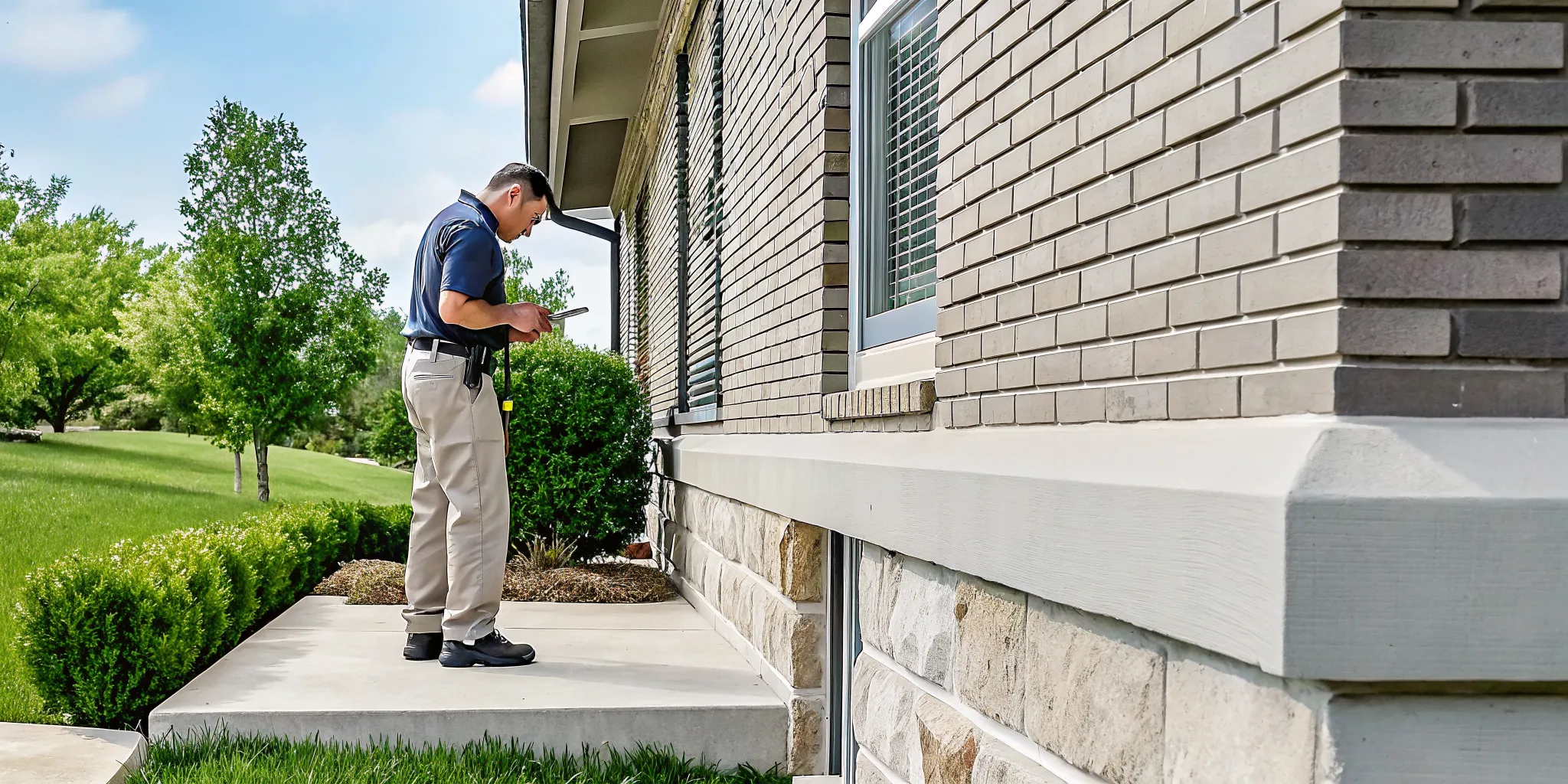
Next, the pro walks around the outside of your home. They look for gaps in bricks or signs that the base is pulling away from the soil. This step is a look for structural issues on the outer walls. Based on Texas state rules, pros must report visible signs of poor work like wall cracks or window gaps.
Inside checks and floor levels
The expert then moves inside to look for more clues. They check for binding or out-of-square doors which often mean the frame has moved. One key step is taking floor level scans. They use a tool to map the height of your floors in every room. This data shows exactly where the house has sunk and by how much.

- First Talk: You meet with the pro to talk about the history of your home and any damage you have found.
- Outer Check: The expert walks the yard to check the slab, brick, and soil for signs of movement or water issues.
- Inner Check: They look for cracks in the walls and ceilings and check if doors and windows work well.
- Level Scan: Using a tool, the pro records floor heights to find the exact spots where your home is low.
- Water Review: The pro looks at gutters and yard slopes to see if water stays near the base of your home.
- Plan Talk: You get a clear report that explains what is wrong and what steps you need to take to fix it.
Reviewing your results
After the walk is done, the pro explains what they found. You will see the floor map and learn if your home needs a fix or if it is just normal move. Some times, no work is needed at all. If there is a problem, they will give you a plan to fix it. This often comes with a free foundation estimate so you know the cost now.
What will the inspector look for?
An expert home check starts with a full walk of your land. The goal is to find signs of movement that show how the home is doing. A Dallas foundation repair guidance focuses on visible clues to see if the slab or crawl space is failing. Per Texas state rules, an expert must look for clear proof of poor health. This is not just about one crack or one door. It is about a pattern of change across the whole house.
Exterior signs of movement
The expert will first look at the outside of your home. They look for cracks in the brick or stone. They check for gaps around windows and doors. In North Texas, the clay soil shrinks and grows a lot. This movement can cause the masonry to pull apart or buckle. An expert looks for “stair-step” cracks in the mortar. These often show where the home has dropped. They also check the trim and the roof line. Large gaps between the brick and the wood trim are common signs of shifting.
It is vital to know that not every crack means you have a big problem. Some small cracks are just from the house settling. The expert looks for “active” movement. This means the gaps are getting wider or the brick is rotating. They check the slab for chips or deep breaks. They also look at any retaining walls. If these walls lean or crack, it may affect the main structure. By looking at all these spots, they find the source of the stress.
Interior structural clues
Inside the house, the check gets more detailed. The expert looks for doors that stick or will not latch. This often happens when the frame is no longer square. They also look for cracks in the drywall or ceiling. Most of these cracks start at the corners of doors or windows. They may also see trim that has pulled away from the wall. These signs tell a story of how the home is tilting. You can explore foundation repair solutions to have an expert map these issues for you.
Uneven floors are another big clue. The expert may use a level to see if the floors slope. They walk through each room to feel for soft spots or dips. If the home has a crawl space, they check the beams and posts. They look for wood that is rotting or shifting. In a slab home, they look for cracks in the floor tile. A pattern of cracks in one part of the house helps them find the exact point of failure. This helps them build a smart plan for the fix.
Drainage and soil conditions
The ground around your home plays a huge role in its health. The expert will check the slope of your yard. They want to see if water flows away from the walls. Poor soil slope can trap water near the house. This makes the clay soil swell and push on the slab. They also check your gutters and pipes. If water dumps right at the edge of the home, it can wash away the soil. This leads to gaps under the slab.
Crawl space homes need good air flow to stay dry. The expert will look for damp spots or standing water. They check the vents to see if they are open and clear. Too much moisture can lead to mold or weak wood. They also look for tree roots near the house. Large trees can suck all the water out of the soil. This causes the ground to shrink and the home to sink. By checking all these items, the expert can tell if your foundation is safe or needs help.
How should you prepare for the inspection?
You do not need to be an expert to get ready for your visit. A local foundation evaluation options is meant to be easy for the homeowner. While you do not have to find the cause yourself, taking a few small steps can help. Start by noting when you first saw signs of trouble. It also helps to see if the issues change when it is wet or dry.
Note your symptoms
Walk around your home and look for signs of movement. Look for binding or out-of-square doors and windows that are hard to open. You should also check for cracks in your walls, floors, or ceilings. If you have a basement, look for signs of moisture like mold or mildew. Tell the pro if these signs get worse after it rains or during a dry month.
Clear a path for access
The pro will need to see both the inside and outside of your home. Clear any items away from the walls in your garage or basement. Outside, make sure plants or wood do not block the view of the base of your home. If you have a crawl space, make sure the entry is easy to reach. Pros often look for deficiencies in foundation components like piers and beams.
Gather your records
If you have had past work done, find those records. This includes old repair plans or files from a past home sale. You should also list any concerns about how water moves around your yard. Good drainage is key to a solid home. The pro will check your gutter and downspout systems to see if they move water away. Having this ready helps you review available repair options with ease.
Questions to ask during a foundation evaluation
A foundation repair help in Dallas helps you find out if your home has structural damage. You should use this time to get clear facts about your house. The right questions help you see if a fix is needed now or if you can wait.
Asking about findings and proof
Ask the expert what proof they found during their check. A good assessment looks for clear signs like sloping floors or wall cracks. You should ask to see these spots for yourself. If the signs are small, ask if it is safe to just watch the home for a few months. In some cases, a Dallas home may not need any work right away.
Questioning the repair plan
If they suggest a fix, ask why they chose that specific method. Some tools like piers or soil prep work better for North Texas clay. Ask how the fix will stop future shifts. It is also wise to ask about the role of water. While an inspector does not always check underground water levels, poor drainage often causes foundation shifts. Ask if fixing your gutters or soil grade will help protect your house.
Reviewing costs and steps
You need to know what to expect when you learn about foundation repair. Ask for a full list of all parts and work costs. Find out how long the job will take and what the mess will be like. You should also ask about the warranty on the work. If you feel unsure, you can hire an independent engineer to look at the plan. They do not do the work, so they can give you a second view on the repair.
What happens after the inspection?
After your free foundation inspection Dallas, you will get a clear look at your home’s health. The expert will finish their check of the walls, floors, and crawl space. They will then sit down with you to talk about what they found. You will not have to guess about the next steps. This chat helps you see if your home is moving and what that means for your safety.
Contact Solid Base Foundations to discuss your home’s symptoms and schedule a free estimate.
Your written report and findings
The key part of this step is getting a written opinion on how your foundation is doing. This report lists any signs of stress the expert found during their walk. It often lists cracks in the walls or sloping floors. The report will also list the type of foundation you have. It may even note if there is too much water near your home’s base.
A good report makes it easy to see if your home is safe to live in. It shows where the house has moved and why it might be sinking. You can use this info to make a smart choice for your home. This written record is also helpful if you plan to sell your house later. It shows that you took the time to check on the home’s base and know its true state.
Three common outcomes
There are usually three ways things go after a check. First, your home might be just fine. Many checks show that no work is needed right now. In these cases, the expert may just tell you how to keep your soil moist. Keeping the ground around your home at a steady wetness can stop future cracks. It is a simple way to protect your home for years to come.
Second, you might need to watch a small problem. If a crack is tiny and not moving fast, you can wait. The expert will show you how to check for new cracks in a few months. Third, you may need foundation repair services to fix a big issue. This happens when the damage could hurt your home’s value or lead to bigger cracks later on. Fixing these issues early can save you a lot of money in the long run.
| Outcome | What it Means | Typical Next Step |
|---|---|---|
| No Repair Needed | Your home is stable and safe. | Maintain proper soil moisture. |
| Monitor and Wait | Small signs of movement exist. | Check for new cracks in six months. |
| Custom Repair Plan | Structural issues need a fix. | Review the plan and start work. |
Designing a custom repair plan
If your home needs help, the expert will give you a full plan. This plan is made just for your house and the Dallas soil. It will show exactly where to add piers or fix the concrete. It may also suggest ways to move water away from your home. Too much water near the base is a common cause of sinking in this area. Fixing the drainage can be as vital as fixing the base itself.
A good plan fits your needs and your house. It should explain the cost and how long the work will take. Most repairs can be done in just a few days without a big mess. It ensures you get a lasting fix without too much stress. By the end of the meeting, you will have a clear path to a solid home once again.
When should you consider a structural engineer?
Most homeowners start with a Dallas-area foundation services from a repair team. These pros know the local soil and can find common issues like cracks or stuck doors. But there are times when an outside expert is the better choice for your home.
Independent vs contractor check
A contractor check focuses on a fix. They look for signs like sloping floors or wall cracks to build a repair plan. An outside expert does not sell repairs. They give a neutral report on how your home stands. You may want this if you need a second opinion or a legal record for a sale.
When to hire an expert
You should think about an expert if your house has complex issues or if two teams give you very different advice. These pros are also helpful if you are dealing with a dispute or need to meet local codes for a big house project. They can give a seal of approval on a plan before any work starts.
What the report tells you
An expert will render a written opinion on how the house base performs. This report is a deep look at the core of your home. It can give you peace of mind before you see how foundation problems are repaired for the repair work. This data helps you make the best choice for your house.
How to choose a foundation inspection provider
Choosing a pro to check your home is a key step to keep your house safe. You need someone who can find small shifts before they become big gaps. A good professional foundation assessment gives you a clear look at your home’s health. It should be a low-stress way to learn what your home needs.
Look for clear explanations
A top pro will tell you what they find in simple words. They should show you why your walls have cracks or why your doors stick. You need a pro who looks at the whole home. If they use big words to confuse you, they may not be the right fit.
Good pros give tips based on what they see. They do not just try to sell you a fix. Sometimes, the best advice is to wait and watch. You want a team that puts your needs first and tells you the truth about your home’s status.
Check for expert knowledge
Dallas has thick clay soil that moves as the weather changes. The firm you choose must know how this soil works. They should check your yard’s slope and how water moves near your house. They will also look at your gutters to see if they move water away well.
You should feel good asking any question during the visit. A pro will take the time to help you learn about your home. They will show you signs like floor gaps or stuck windows. This help makes it easy to choose the right path for your home.
Review plans and warranties
Once the check is done, you should get a written opinion on how your foundation performs. This report lists the next steps and the cost. It acts as a map for any work that needs to be done. Make sure the plan fits your own home and soil type.
Ask about the warranty for any foundation repair services. A good firm stands behind their work and the parts they use. They should offer proof that their fixes last. This peace of mind is just as vital as the repair itself.
Frequently Asked Questions
How long does a foundation inspection take?
A typical free foundation inspection in Dallas takes about 45 to 90 minutes. This time allows the expert to walk around your home and check for signs of movement. They look at both the inside and outside of the house. The size of your home and the level of damage can change how long it takes. After the check, the expert will sit down with you to talk about the findings and show you a clear repair plan.
Is a foundation repair estimate really free?
Yes, expert teams offer a free foundation inspection in Dallas at no cost to you. This visit is a professional check of your home structure. You do not have to pay for the visit or the written plan. The goal is to help you find out if your house is safe and what steps can fix it. This process helps Dallas homeowners make smart choices about their property without any upfront risk.
What happens if the inspection shows I do not need repairs?
It is possible for a check to show that no repair work is needed. If your house appears stable, the specialist should explain the evidence and may suggest monitoring certain spots or improving yard drainage instead. This outcome gives you a useful baseline and peace of mind without committing you to unnecessary repairs.
Do I need to be home for the foundation inspection?
Yes, you should be home for the free foundation inspection in Dallas. The inspector needs to check the inside of your house for wall cracks or stuck doors. According to Texas rules, they must also report on signs like sloping floors. Being there allows you to ask questions and see the issues for yourself. Once the check is done, the expert will explain the results and walk you through any suggested repair steps to keep your home safe.
Are you ready to schedule your free foundation inspection?
Foundation issues do not go away on their own, and they only get worse and more costly the longer you wait to fix them. Small cracks can grow into large gaps that put your home at risk, so acting now stops the damage before it spreads to your walls. You will save money and feel better knowing your house is on solid ground while our team finds the real cause of your foundation problem. You can learn more about our foundation repair services here to help you plan for the future without any more stress or worry.
Ready to act? Call +1 (940) 465-1662 today to schedule a free foundation inspection and get your home back on the right track.