
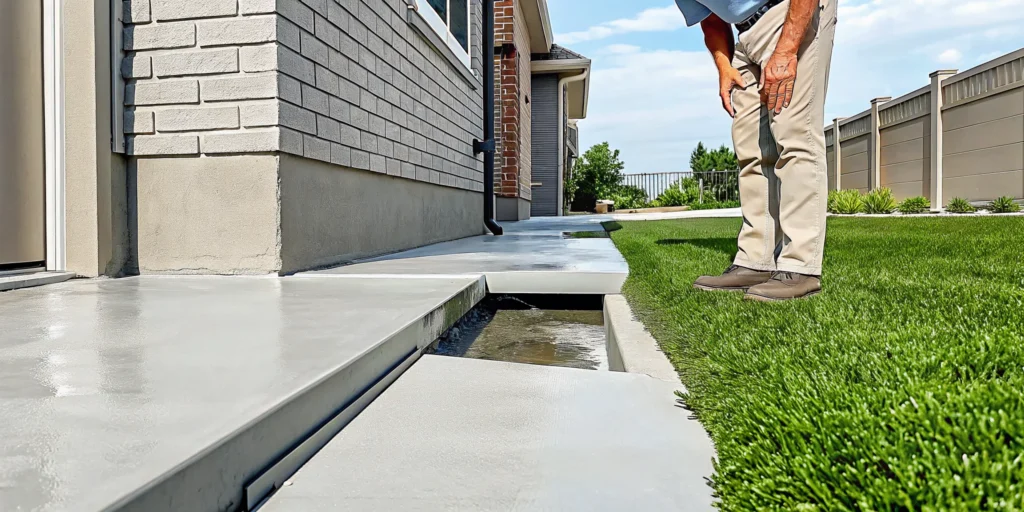
Excess moisture near a concrete slab is the main cause of Dallas foundation failure. When rain cannot flow away from the home, it turns stable soil into a structural threat. Finding these patterns early avoids total foundation collapse.
Foundation drainage problems Dallas homeowners face often stem from water pooling too close to the home’s concrete slab. When rain collects in low spots or pours from clogged gutters, it soaks the expansive clay soil common across North Texas. This moisture causes soil to swell and exert great pressure on the structure, leading to cracks, sticking doors, and uneven floors. According to Virginia Energy, these expansive soils can swell up to fifteen times their dry volume and create pressure exceeding 30,000 pounds per square foot. To prevent damage, ensure your yard slopes away from the slab and downspouts move water at least ten feet away. Catching these issues early and installing proper drains can save you thousands in repair costs.
Every North Texas property owner needs to know how water interacts with our unique soil. You can protect your investment by learning about the factors that cause slab movement and wall cracks. The first step is to explore Why Dallas homes develop foundation drainage problems.
Foundation Drainage Problems Dallas: Why Dallas homes develop foundation drainage problems
Most foundation drainage problems Dallas homeowners face stem from the local soil. The North Texas area sits on thick layers of expansive clay. This soil acts like a sponge. It grows and shrinks as the weather changes. When it rains, the clay swells and puts massive force on your home. When it is dry, the soil pulls away. This leaves your foundation without enough support.
The role of expansive clay soil
Expansive clay soils are the primary driver of foundation problems in North Texas. These soils contain minerals that can swell up to 15 times their dry volume. This growth creates pressures that often exceed 30,000 pounds per square foot. Over time, these forces can lead to ruptured foundations or severed utility lines. These soil-related hazards cause more structural damage in the U.S. than any other natural risk, according to Virginia Energy.
Weather patterns in Dallas make this issue worse. Long dry spells followed by heavy rain force the soil to shift quickly. Homes with shallow foundations are the most at risk during these cycles. Proper structural drainage solutions help keep moisture levels steady around your home. Keeping the soil moisture even prevents the clay from shifting too much under your slab.
Poor grading and standing water
Drainage issues around foundations often start with the shape of the yard. Ideally, your lawn should slope away from your home. Experts suggest a drop of one inch per foot for the first five feet. If the ground is flat or slopes toward the house, water will pool near the concrete. You should check your home an hour after it stops raining. If you see standing water within 10 feet of the slab, you have a drainage issue that needs a fix.
Standing water does more than just soak the lawn. It creates hydrostatic pressure against your foundation walls. This weight can push water through small cracks or cause the walls to bow. Other things like leaking pipes or blocked gutters can also cause local moisture spikes. Without excess drainage water control, these small problems can lead to big repair bills. Managing how water moves off your property is the best way to protect your investment.
Foundation drainage warning signs to watch for
Finding foundation drainage problems early can save you from big repair bills. In North Texas, our soil acts like a sponge. When it gets wet, it swells with huge force. This pressure can push against your home and cause the concrete to move or crack. Knowing what to look for can help you stop damage before it starts.
Clues in your yard
You should walk around your home after a heavy Dallas storm. Look for standing water that stays near your walls for more than an hour. If water pools within 10 feet of your house, your yard may not have the right slope. Most experts say your yard should drop one inch for every foot of distance for the first five feet. This helps move rain away from the slab.
Other yard signs include:
- Soil that pulls away from the edge of the slab during dry times.
- Spongy or soft spots in the grass that never seem to dry out.
- Erosion or small gullies in the dirt near your home.
- Downspouts that dump water right next to the wall instead of away from it.
Poor drainage often starts with your gutters. If they are full of leaves, water will spill over the side. This causes too much moisture to soak into the clay soil. Over time, this constant wet and dry cycle leads to foundation movement that hurts your home’s health. In fact, clay can swell up to 15 times its dry size when it gets wet.
Signs inside your home
Sometimes the first signs of water issues show up inside. You might notice that a door suddenly sticks or will not latch. Windows might be hard to open or close. These are not just old house quirks. They often mean your foundation is shifting because the soil under it is too wet or too dry. Moisture changes make the ground move in odd ways.
Look for these common indoor clues:
- Cracks in the drywall, mostly near the corners of doors or windows.
- Gaps between the wall and the ceiling or the floor.
- Slanted or sloping floors that feel “off” when you walk.
- Cracks in floor tiles or grout lines in your kitchen or bath.
Lightweight homes with slab foundations are very prone to these issues. According to the U.S. Department of Housing and Urban Development, shallow foundations face more risks from weather changes than deeper ones. This makes proper water control even more needed for Dallas homeowners. Even a small shift can cause big cracks in your walls.
What to track after rain
When you see clues of drainage trouble, track them with photos. Note how long water stays in one spot. Check if your gutters are leaking or if water is running back toward the slab. These facts help a pro find the best fix for your home. You should also look for “heave,” which is when the floor bows up. This happens when too much water gets under the center of the slab.
Keeping a simple log of where water pools can help you spot patterns. Do certain areas stay wet for days? Do new cracks appear after a long dry spell? Sharing these details with a repair team makes it easier to find the root cause. It also helps you get the right structural drainage solutions to keep your home safe and dry.
How water and grading affect a foundation
Water is the main cause of most foundation issues in the Dallas area. Our local clay soil is like a sponge. It grows when it is wet and shrinks when it is dry. These changes in soil size put a lot of stress on your home. Most foundation drainage problems start when water does not move away from the house fast.
Why yard grading matters
Grading is the way your yard slopes. It is the first line of defense for your home. Good grading uses a slope to pull water away from the base of the house. Most experts say you need a slope of one inch per foot for at least five feet. If your yard is flat, water will sit against your foundation. This leads to soft soil that can no longer hold the weight of your home.
The force of water pressure
When soil stays wet, it builds up something called hydrostatic pressure. This is the force that water puts on the walls and slab of your house. In North Texas, this pressure can be huge. Some clay soils can push with more than 30,000 pounds per square foot (Virginia Department of Energy). This force can lift your floors or crack your walls. Over time, the soil under your home may shift or wash away.
Problems with uneven moisture
Not all water problems come from heavy rain. Often, the issue is how water is spread around the house. If one side of your yard is wet and the other is dry, your house will tilt. Short downspouts are a common cause of this. They dump water in one spot instead of moving it away. Using structural drainage solutions like drain pipes can help keep the soil moisture even.
Dallas weather and soil health
Dallas weather makes these problems worse. We often have long dry spells followed by heavy storms. During a drought, the clay soil shrinks and leaves gaps near your foundation. When the rain finally comes, it fills those gaps and causes the soil to swell fast. This cycle of shrinking and swelling is hard on a concrete slab.
| Drainage Issue | Typical Cause | Impact on Home |
|---|---|---|
| Poor Yard Grading | Flat land or low spots | Causes soil to sink or sag |
| Short Downspouts | Drains ending near walls | Creates local wet spots and tilting |
| Soil Swelling | Heavy rain on dry clay | Pushes up and cracks the slab |
| Clogged Gutters | Leaves and dirt buildup | Spills water directly onto the base |
What to check after the next Dallas rainstorm
Dallas weather can change fast. Dry heat often turns into heavy rain in just a few hours. This cycle puts a lot of stress on the clay soil under your home. After the next big storm, you should check for foundation drainage problems. Seeing how your yard handles water is the best way to find issues early. ### Monitor surface water flow Wait for the rain to stop and then walk around your house. Look for spots where water pools near your walls. Soil that stays wet for a long time will swell. This puts force on your concrete slab or crawl space. Data from the Virginia Department of Energy shows that expansive soils cause more home damage than any other natural hazard in the U.S. In North Texas, this soil can push with thousands of pounds of force. This is why drainage issues around foundations are so common here. If you see standing water near your walls an hour after the rain, your yard may need a better slope. This helps keep the soil moisture even and protects your home. ### Inspect your gutter system Your roof collects a lot of water during a storm. Your gutters and downspouts must move all that water away from your home’s base. If your gutters are full of leaves, water will spill over the sides. This water hits the ground hard and can wash soil away. Over time, this creates holes that let water sit right next to your foundation. Check your downspout extensions to make sure they are still attached. They should lead water at least five feet away from your home. If water dumps too close to your walls, the soil there will get too soft. This can cause one part of your home to sink while other parts stay still. ### Look for structural warning signs Soil shifts can happen quickly after a heavy rain. These shifts often cause parts of your home to move. You should look for new signs of stress both inside and outside. Check your brick walls for cracks that look like stairs. These often show up when the ground under them is moving. Inside your home, you might notice that doors do not close right. You might also see gaps where the walls meet the ceiling. These small signs can tell you a lot about your home’s health. If you find these issues after a storm, it is a good idea to ask for a pro’s help. They can find the root cause before the damage grows. ### Homeowner inspection steps after rain
- Walk around the edge of your home to look for puddles or mud near your walls.
- Check that your gutters are clear and water flows through the downspouts.
- Ensure all downspout extensions point away from your foundation.
- Look for gaps or holes in the dirt right next to your concrete.
- Note any doors or windows that start to stick or jam after the rain.
- Take pictures of any new cracks in your brick or drywall to track them.
When should you schedule a structural assessment?
You might notice water pooling in your yard or see damp spots on your walls. While these issues are annoying, they often signal deep foundation drainage problems. In the Dallas area, clay soil expands when wet and shrinks when dry. This shift puts huge pressure on your home. If you see signs like jammed doors or wall cracks, you need an expert to check the damage. Catching these issues early can save you from high costs later.
Recognize urgent warning signs
Some drainage issues need quick action to protect your home. You should look for water that stays within ten feet of your foundation for over an hour after rain. This standing water often leads to drainage issues around foundations that weaken the soil. According to the Virginia Department of Energy, expansive soils cause more property damage in the U.S. than any other natural hazard. If you find gaps around windows or uneven floors, the soil under your home has likely shifted too much.
Assess the soil moisture impact
The clay soil in North Texas is very sensitive to moisture changes. Heavy rain after a long dry spell makes the soil swell fast. This movement can generate over 30,000 pounds of pressure per square foot against your foundation. A professional can find if your gutters, downspouts, or yard slope are causing these moisture spikes. They use tools to check if the soil is stable or if it needs structural drainage solutions to stay firm.
Clarify your repair options
A structural assessment gives you a clear path forward. It helps you see if you need simple yard changes or deep foundation work. Many homes with shallow foundations are at higher risk for damage from soil shifts. Data from the U.S. Department of Housing and Urban Development shows that lightweight buildings face more challenges from climate-related soil changes. An expert can show you how to fix the root cause so your home stays safe for years to come.
How foundation drainage problems are addressed
Good water care is the first step to save a home from damage. Experts use many ways to fix foundation drainage problems Dallas. Most fixes aim to move water away from the base of the house. This reduces the risk of soil shifts and wet walls. Proper care keeps the home on a solid base.
Fixing ground slope and soil grade
Ground that tilts toward the house lets water pool near the slab. Owners can fix this by changing the grade of the soil. Experts say a slope of one inch per foot for at least five feet away from the home is best. This angle helps rain flow away toward the yard or street. It keeps the ground near the wall dry.
Keeping a dry zone near the house is vital for strength. Standing water within ten feet of a home often means there is a grading issue. In Dallas, clay soils can swell up to 15 times their size when wet. This soil pressure can reach 30,000 pounds per square foot. Keeping the soil moisture steady helps stop these risky shifts.
Managing roof runoff and gutters
Gutters and pipes play a big role in house health. One big storm can drop many gallons of water on a roof. If gutters are not clear, this water spills over. It then lands right next to the home base. This local wetness is a main cause of foundation drainage problems in North Texas.
Home owners should check their gutters twice a year for leaves. Pipes must also have long parts to lead water five feet away from the home. If water pours from a pipe too close to the wall, it can soak the soil. This often leads to cracks or floors that are not level. Many homes with shallow slab foundations are at high risk for this type of water damage.
Expert drainage and repair ways
Simple soil fixes do not always solve every issue. Some yards have low spots or heavy clay that traps water. In these cases, an expert might set up structural drainage solutions like French drains. These systems catch water and pipe it to a safe spot. This keeps the soil around the house at a safe level.
When water has already moved the ground, an expert check is needed. A foundation pro can see if the slab needs lift or extra support. They may use expert tools to firm up the base and seal any gaps. Fixing excess drainage water early can stop the need for high cost repairs later. Early care helps the home stay safe for many years.
Frequently Asked Questions
How do you fix drainage problems around a foundation?
Fixing drainage usually starts with gutters and downspouts to move roof water away. Next, technicians may grade the soil so it slopes one inch per foot for at least four feet. If water still pools, pros might install a French drain or a surface drain to carry runoff to the street. According to industry standards, you should not let water stand within ten feet of your home for more than one hour after rain stops.
How much does it cost to fix foundation issues in Texas?
The cost to fix foundation problems in Texas varies based on the level of damage and the repair method used. Small drainage fixes like downspout extensions are often low-cost, while major structural repairs involving piers or deep drainage systems can cost thousands of dollars. Taking early action to manage water flow can save homeowners significant money. Proactive care helps prevent the soil shifts that lead to costly property damage and structural failure over time.
Who should you call for drainage problems in a yard?
If you see water pooling near your home, you should call a foundation repair specialist or a drainage contractor. General landscapers may help with lawn health, but they often lack the tools to protect a home’s structure. Expert contractors understand how North Texas clay soils move and can design systems that keep moisture levels steady. Dealing with a specialist ensures your drainage plan addresses foundation stability rather than just surface water issues.
Do landscapers fix foundation drainage problems?
Some landscapers offer basic drainage work, but foundation-specific issues require a structural expert. Landscapers usually focus on plant health and lawn aesthetics rather than soil pressure and foundation safety. A foundation specialist uses engineering-backed methods to redirect water and protect the building. Since expansive soils can exert over 30,000 pounds of pressure per square foot, it is vital to use a contractor who understands the structural risks of poor drainage.
Ready to find a permanent fix for your home drainage?
Leaving water to sit near your Dallas home leads to fast soil swelling that pushes hard against your concrete walls every time it rains. If you do not fix these drainage issues soon, you face deep cracks that can cost tens of thousands of dollars to repair later. Soil movement can happen in just one wet season, causing your doors to stick and your floors to slant in ways that ruin your home. Setting up an expert check now helps you find the right fix early so you can keep your foundation safe for many years to come.
Ready to book your check? Call +1 940-465-1662 to schedule a free structural assessment and keep your home stable starting right now.