
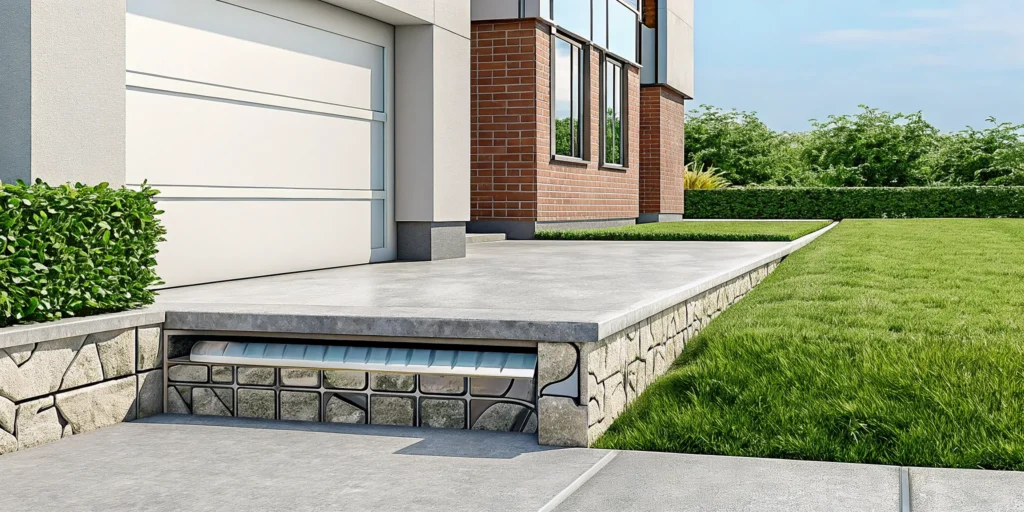
Your driveway is trying to tell you something. Those fine cracks, the discolored stains, the way one section seems just a little lower than it used to be, they are all clues to what’s happening beneath the surface. Water has a way of leaving a trail, and learning to read the signs is the key to preventing a small issue from turning into a structural crisis. If you’ve noticed these symptoms, you’re probably wondering, how do I stop water from getting under my driveway slab? We’ll help you play detective, showing you how to trace the problem to its source and outlining the effective fixes, from simple DIY actions to professional repairs that offer lasting peace of mind.
Key Takeaways
- Read the warning signs: Your driveway will show you when water is a problem. Look for clues like new cracks, sinking slabs, or soil washing away from the edges to pinpoint the source, whether it’s poor grading or a hidden leak.
- Act on small problems now: Don’t wait for a small crack to become a major hazard. Simple actions like sealing cracks, extending gutter downspouts, and adjusting sprinklers can manage water flow and prevent the costly soil erosion that leads to a sinking driveway.
- Don’t guess on big repairs: If you see large, uneven sections or water seeping up through the concrete, it’s time for an expert opinion. A professional can accurately diagnose the underlying issue and recommend a permanent solution, such as polyjacking or a French drain, to protect both your driveway and your home’s foundation.
What Causes Water Under Your Driveway?
Seeing water where it doesn’t belong is always a little unsettling, especially when it’s seeping under a massive concrete slab like your driveway. Finding the source of the problem is the first step toward a lasting fix. Water can get under your driveway for several reasons, but it usually comes down to a few common culprits. Understanding what’s happening beneath the surface will help you figure out your next move and prevent small issues from turning into major headaches.
Poor Drainage and Grading
Your yard’s slope, or grading, is designed to direct rainwater away from your home’s foundation and other structures. If your property is flat or slopes toward your driveway, water will naturally pool on and around the concrete. Instead of flowing to a street drain, it sits there and slowly seeps into the ground underneath the slab. Over time, this constant moisture saturates the soil, creating a soft, unstable base for the heavy concrete. This is a frequent issue in the Dallas area, where heavy rains and clay soil can make improper grading a significant problem for homeowners.
Soil Erosion Beneath the Slab
The soil under your driveway is its foundation. When water consistently flows beneath the slab, it can slowly wash away that essential soil base. This process, called soil erosion, creates empty pockets or voids under the concrete. Without solid ground to support it, the heavy driveway slab will start to sink, settle, and crack under its own weight. This is more than just a cosmetic issue; it’s a sign that the structural integrity of your driveway is compromised. Addressing this often requires professional concrete repair to stabilize the slab and prevent further sinking.
Cracks in the Concrete
Cracks aren’t just a symptom of water damage; they can also be a cause. Even small fissures create a direct path for water to get underneath your driveway, worsening any existing soil erosion or saturation. A hidden cause could also be a leaking irrigation pipe running beneath the slab. If you notice water pushing up through seams or cracks, especially when it hasn’t rained, a broken pipe might be the source. Sealing these entry points is an important step, but you also have to find out why the cracks appeared in the first place to truly solve the problem.
Overwatering and Downspout Issues
Sometimes, the source of water is closer than you think. Sprinklers that spray onto the driveway or flower beds right next to the slab can contribute to oversaturation. Another common mistake is having gutter downspouts that release water right at the edge of the driveway. This concentrates a large volume of water in one spot, where it can easily work its way underneath the concrete. This constant moisture can not only damage your driveway but also pose a risk to your home’s foundation if the water pools near the house.
How to Tell If Water Is Under Your Driveway
It’s easy to overlook your driveway, but it’s often the first line of defense for your home’s foundation. When water gets trapped underneath the concrete slab, it can cause a surprising amount of damage. The problem is, this water is hidden from sight, so you have to learn to spot the clues it leaves behind. Knowing what to look for can help you catch the problem early before it leads to more extensive and expensive repairs.
Most of these signs start small, so it pays to give your driveway a quick inspection every few months, especially after heavy rains. If you notice one or more of these issues, it’s a strong signal that water is collecting where it shouldn’t be. From visible cracks and sinking sections to subtle stains and soil washout, your driveway is telling you a story about what’s happening beneath the surface. Understanding these signs is the first step toward protecting your property. Ignoring them can allow a minor issue to grow into a major headache that affects not just your driveway, but potentially your home’s entire structural integrity.
Visible Cracks and Sinking Sections
One of the most obvious signs of trouble is a driveway that’s cracking or sinking. If you see sections of your driveway looking uneven or lower than they used to be, water is a likely culprit. Water is powerful, and when it gets under your concrete, it can wash away the soil that supports the heavy slabs. Without that solid base, the concrete has nothing to hold it up. This causes it to settle, sink, and eventually crack under its own weight. These cracks then create more pathways for water to get underneath, making the problem worse. Addressing these issues with professional concrete repair can stop the cycle of damage.
Water Pooling Around the Edges
After it rains, take a look at your driveway. Do you see puddles forming along the edges or in low spots that don’t seem to drain? This is a red flag. Water that sits on or around your concrete for extended periods will find its way into any small crack or seam. As this water seeps underneath, it can weaken the soil and lead to the sinking and cracking we just talked about. If the sinking concrete is near your house, it can create a new, unintended slope that directs water straight toward your home. This can cause significant damage to your home’s foundation, turning a small driveway issue into a major structural problem.
Soil Washout and Small Sinkholes
Sometimes, you can see direct evidence of the soil erosion happening under your driveway. Look for areas along the edges of the concrete where the soil seems to be washing away, leaving a small gap. You might also notice small holes or depressions forming in your yard right next to the driveway slab. This happens when water flowing under the concrete is actively carrying the supporting soil away with it. These voids mean your concrete is no longer fully supported. An unsupported slab is an unstable slab, and it’s only a matter of time before it cracks or collapses into the empty space created by the washout.
Stains and Powdery Residue
Your driveway’s surface can also give you clues. If you notice discolored patches that weren’t there before, pay attention. Water seeping up through the concrete can leave behind mineral deposits that stain the surface. You might see rust-colored stains, which often come from iron in the water or the rebar within the concrete itself. Another common sign is a white, powdery film called efflorescence. This happens when water carrying salt deposits evaporates from the surface, leaving the chalky residue behind. While these stains might seem like a cosmetic issue, they are clear indicators that moisture is traveling through your concrete from below.
Quick Fixes for Water Under Your Driveway
If you’ve noticed signs of water under your driveway, taking quick action can prevent the problem from getting worse. While some issues require a professional, there are several immediate steps you can take to manage the water and protect your concrete. These fixes are great for addressing surface-level problems or providing a temporary stopgap while you figure out a long-term solution.
Think of these as the first line of defense. They can help you control the situation, reduce immediate damage, and buy you time. From simple DIY tasks like sealing cracks to making sure your gutters are doing their job, these small adjustments can make a big difference in keeping your driveway slab stable and dry.
Seal Cracks with Flexible Caulk
One of the easiest ways for water to get under your driveway is through cracks in the surface. A simple and effective DIY fix is to seal these openings. Head to your local hardware store and pick up a flexible, polyurethane-based caulk designed for concrete. After cleaning out any dirt or debris from the crack, apply the caulk to fill the gap completely. This creates a waterproof seal that stops surface water from seeping underneath the slab. While it’s a great temporary solution, if you have extensive or deep cracking, it might be a sign of a bigger issue that needs professional concrete repair.
Fill Voids with Polyurethane Foam
If soil has already washed out from under your driveway, you’re left with empty spaces, or voids. These voids leave your concrete slab unsupported and create a perfect place for water to pool. A highly effective method to solve this is injecting a special polyurethane foam into the voids. This process, often called polyjacking, fills the empty space with a dense, waterproof material that supports the slab and prevents it from sinking. The foam is much more stable than soil and won’t wash away over time. This is a job for professionals, but it’s a fantastic way to stabilize your driveway and prevent future water-related damage.
Create a Temporary Water Barrier
Sometimes, the problem is simply surface water flowing toward the wrong spot, like your garage or the edge of your driveway. A quick way to redirect this flow is by installing a temporary water barrier. This is typically a rubber strip, similar to a small speed bump, that you adhere directly to the concrete surface with a strong adhesive. You can place it strategically to act as a dam, guiding rainwater away from vulnerable areas. While this won’t stop water from coming up from underneath the slab, it’s an excellent and affordable way to manage surface runoff and keep specific areas dry.
Extend Your Downspouts Away from the Slab
Your home’s gutter system directs a massive amount of water off your roof, and if it’s all being dumped right next to your driveway, you’re asking for trouble. Take a walk around your house and check where your downspouts empty. If they release water near the edge of your concrete slab, you need to extend them. You can easily add plastic or metal extensions to your downspouts to carry water several feet away from your driveway and foundation. This simple change prevents soil erosion and keeps the ground around your slab from becoming oversaturated, which is a leading cause of foundation repair issues.
Apply a Protective Concrete Sealant
Fixing existing cracks is only half the battle; you also need to prevent new ones from forming. After you’ve patched any damage, applying a protective sealant over the entire driveway surface is a smart move. A quality concrete sealant creates a waterproof barrier that stops moisture from soaking into the concrete itself. This not only prevents water from seeping through to the soil underneath but also protects your driveway from stains, salt damage, and the effects of freeze-thaw cycles. Sealing your driveway every few years is a proactive step that can save you from more significant concrete repair down the road.
Long-Term Solutions for a Dry Driveway
Quick fixes can get you through a rainy week, but they don’t solve the underlying problem. If you’re tired of constantly battling water under your driveway, it’s time to look at long-term solutions. These strategies are designed to address the root cause of the water intrusion, protecting your concrete slab and your home’s foundation for years to come. By managing water flow around your property, you can keep your driveway stable, safe, and dry. These methods require more effort upfront but offer the kind of peace of mind that a temporary patch just can’t provide.
Install a French Drain
A French drain is one of the most effective ways to manage persistent water issues. This system consists of a trench, a perforated pipe, and gravel fill. It works by intercepting surface and groundwater before it can reach your driveway slab and channeling it safely away. While some drainage systems are installed inside a garage, an exterior French drain is a powerful solution for protecting your driveway. Installing one is a significant project, but it’s a proven method for solving serious drainage problems and preventing water from pooling and seeping under your concrete.
Regrade Your Yard for Better Drainage
Sometimes the problem is as simple as the lay of the land. If your yard is flat or slopes toward your driveway, water has nowhere to go but under the slab. Regrading your yard involves reshaping the soil to create a gentle slope that directs water away from your home and driveway. Improper drainage is a leading cause of water damage and can even lead to serious foundation repair issues. While it can be a big undertaking, correcting your property’s grade provides a permanent solution to water collection problems.
Upgrade Your Gutter System
Your roof collects a massive amount of water during a rainstorm, and your gutter system is responsible for managing it. If your gutters are clogged, damaged, or too small, they can overflow and dump water right next to your driveway. Make a habit of cleaning your gutters regularly. Also, check your downspouts. They should extend at least four to six feet away from your foundation and driveway. If they don’t, you can easily add extenders to guide water to a safer location and prevent it from eroding the soil supporting your concrete.
Reseal Your Driveway Regularly
Think of sealant as a raincoat for your concrete. While concrete seems solid, it’s actually porous and can absorb water. Over time, this moisture can lead to cracks, spalling, and erosion of the base material underneath. Applying a quality sealant every few years creates an invisible barrier that repels water and protects the surface. This simple maintenance task is one of the easiest ways to extend the life of your driveway and prevent the need for extensive concrete repair in the future. It’s a small investment that delivers huge returns in protection.
The Risks of Ignoring Water Under Your Driveway
Seeing a little water around your driveway might not seem like a big deal, but ignoring it can be a costly mistake. What starts as a minor drainage issue can quickly spiral into a major structural problem for your property. The ground under your concrete is its support system, and when water gets involved, that system starts to fail. Letting the problem go unchecked doesn’t just lead to bigger cracks; it leads to bigger bills and bigger headaches. Understanding the risks is the first step toward protecting your investment and keeping your home on solid ground.
A Sinking, Settling Slab
Think of the soil beneath your driveway as its foundation. When water seeps underneath, it begins to wash away this supportive soil, creating empty spaces or voids. Without solid ground to rest on, the heavy concrete slab will inevitably start to sink and settle into these gaps. This process, known as soil erosion, is the primary cause of uneven, cracked driveways. You might first notice a small crack or one section that’s slightly lower than another. Over time, this can become a significant tripping hazard and an eyesore. A sinking slab is a clear sign that your driveway’s integrity is compromised and needs professional concrete repair.
Potential Foundation Damage
The danger of water under your driveway doesn’t stop at the edge of the slab. If your driveway slopes toward your house, a cracked and sinking surface can act like a channel, directing rainwater straight to your home’s foundation. This constant flow of water saturates the soil around your foundation, softening it and causing it to lose strength. Eventually, this can lead to foundation settlement, a much more serious and expensive problem. What began as a simple driveway issue can put the stability of your entire home at risk. If you see cracks in your driveway leading toward your house, it’s critical to address the issue before it causes serious foundation damage.
More Expensive Repairs Later
It’s easy to put off small repairs, but when it comes to water damage, procrastination is your worst enemy. Catching the problem early, when you first notice pooling water or fine cracks, often means you can fix it with a targeted repair. However, waiting until the slab is severely cracked and sunken changes the game entirely. By that point, the underlying soil erosion is extensive, and a simple fix may no longer be an option. You could be facing a full driveway replacement, which is significantly more costly and disruptive. Taking action now not only saves you money but also prevents a small problem from turning into a major construction project.
Common Driveway Drainage Mistakes to Avoid
Knowing what causes water under your driveway is half the battle. The other half is avoiding the common missteps that can make the problem worse or even create it in the first place. A little prevention goes a long way in keeping your driveway stable and saving you from major headaches later. Let’s walk through a few common mistakes homeowners make and how you can steer clear of them.
Ignoring Your Yard’s Natural Slope
It’s easy to forget that your yard has a job to do: directing water away from your home. The slope of your landscape, also known as its grade, is critical. When the grading is wrong, water can flow toward your driveway and pool against it or underneath it. This improper drainage direction can cause water to collect near your home’s structure, increasing the risk of serious foundation repair needs. Your driveway and the surrounding land should always have a gentle slope that encourages water to move away from your foundation and toward a street or storm drain.
Putting Off Crack Repairs
That tiny crack in your driveway might seem harmless, but it’s an open invitation for water. It’s important to remember that major issues like cracking and sinking often start long before they become obvious. Every time it rains, water seeps into those small fissures, slowly eroding the soil base beneath the concrete. Over time, this erosion creates voids, causing the slab to lose support and sink or crack even more. Addressing small issues promptly with professional concrete repair is the best way to stop this cycle before it leads to a much bigger, more expensive problem.
Overwatering Nearby Plants
We all want a beautiful landscape, but the plants bordering your driveway could be contributing to your water problem. A common mistake is overwatering landscaping, especially with automatic sprinkler systems. If your sprinklers are constantly soaking the ground next to your driveway, that excess moisture has to go somewhere. It saturates the soil, creating a consistently wet environment that can weaken the base under your slab. Check your sprinkler heads to ensure they aren’t spraying directly onto the concrete and consider adjusting your watering schedule to be less frequent but more deep, which is better for your plants and your driveway.
Forgetting to Check for Leaks
Sometimes, the source of water under your driveway is hidden. In areas with extensive irrigation, water rising through driveway slab seams can indicate that you have irrigation line leaks beneath the concrete. A small, slow leak in a sprinkler line can release a significant amount of water over time, completely saturating the ground under your driveway without any obvious signs on the surface. If you notice damp spots or water seeping from cracks on a dry day, it’s a good idea to have your irrigation system inspected. If you suspect a leak is causing damage, it’s time to contact us for a professional assessment.
When to Call a Concrete Repair Professional
I love a good DIY project, but I also know when to call for backup. When it comes to your home’s structure, some jobs are just too important to guess at. Water under your driveway can be more than an annoyance; it can signal a much larger issue that a simple patch won’t fix. If you’re seeing persistent problems, calling a professional isn’t giving up, it’s being smart. An expert can find the true source of the water and provide a lasting solution. Ignoring these signs can lead to more extensive damage, so having a professional concrete repair service assess the situation is a wise move. It can save you a lot of stress and money down the road.
Signs the Problem Is Too Big to DIY
While patching a small crack is a manageable weekend task, some signs indicate a deeper problem that needs a professional eye. If you notice water seeping up through the seams of your driveway, it could point to a broken irrigation line or plumbing leak beneath the slab. You might also see large, spiderweb-like cracks or entire sections of your driveway sinking or heaving. These are often signs of soil erosion or compaction issues that a simple patch kit can’t fix. Pay close attention to where water flows. If it pools near your home instead of draining away, the improper slope could be putting your foundation at risk.
What to Expect from a Professional Assessment
Calling a professional for an assessment shouldn’t be intimidating. When you have an expert come to your home, their first goal is to play detective. They will thoroughly inspect the driveway, the surrounding landscape, and your home’s foundation to pinpoint the exact source of the water. This isn’t just a quick glance; it’s a detailed evaluation to find the root cause of the damage. Once they’ve diagnosed the problem, they will walk you through the best repair options. This could involve leveling the concrete to direct water away from your home or sealing cracks to stop more damage. A trustworthy professional will provide a clear explanation and a detailed estimate, giving you all the information you need to make the right decision for your home.
Related Articles
- Ultimate Guide to Foundation Repair Options
- How to Fill Large Cracks in Concrete Like a Pro
- A Homeowner’s Guide to Foundation Repair Services
- Foundation Crack Repair: A DIY vs. Pro Guide
- Concrete Repair – Solid Base
Frequently Asked Questions
My driveway has a few small cracks. Is that really a big deal? It’s easy to dismiss small cracks as normal wear and tear, but they are often the first sign of trouble. Think of a crack as an open door for water. Every time it rains or your sprinklers run, water gets into that opening and starts to wash away the soil supporting the concrete slab. This erosion creates a void, and eventually, the heavy slab will sink and crack even more. Addressing small cracks early is one of the smartest ways to prevent a much larger, more expensive repair down the line.
How can I tell if the water is from rain or a hidden leak? This is a great question, and the answer usually comes down to timing. If you only see water pooling or seeping after a heavy rainstorm, the issue is likely related to surface drainage or grading. However, if you notice damp spots, puddles, or water pushing up through cracks on a dry, sunny day, you should suspect a hidden leak. This could be from a broken sprinkler line or even a plumbing pipe running under the slab. A leak provides a constant source of water, which can cause damage much more quickly than rain alone.
What’s the difference between patching a crack myself and having it professionally repaired? Patching a crack with a tube of concrete caulk is a good temporary measure that can stop surface water from getting in for a short time. It’s a surface-level fix. A professional repair, on the other hand, addresses the entire problem. An expert will properly clean and prepare the crack to ensure a strong bond, then use a high-grade, flexible sealant that can withstand the concrete’s movement. For sinking slabs, a professional can use techniques like polyjacking to not only fill the void underneath but also lift the slab back into place, which is something a simple patch can’t do.
My driveway is already sinking in one spot. Is it too late to fix it? Not at all. A sinking driveway doesn’t automatically mean you need to tear it out and start over. In fact, for many situations, that would be overkill. Modern concrete repair methods are incredibly effective at saving existing slabs. Techniques like polyurethane foam injection can fill the eroded space under your driveway, re-establish a solid base, and lift the sunken section back to its original level. This approach is less disruptive, faster, and more affordable than a full replacement.
How does a problem with my driveway really affect my home’s foundation? Your driveway and your home’s foundation are closer neighbors than you might think. When a driveway sinks, it can alter the grading of the land around it, causing water to flow toward your house instead of away from it. This constant moisture saturates the soil right next to your foundation, which can cause the soil to soften or expand. This pressure and instability can lead to foundation settlement, shifting, and cracking, turning a driveway issue into a serious structural problem for your entire home.