
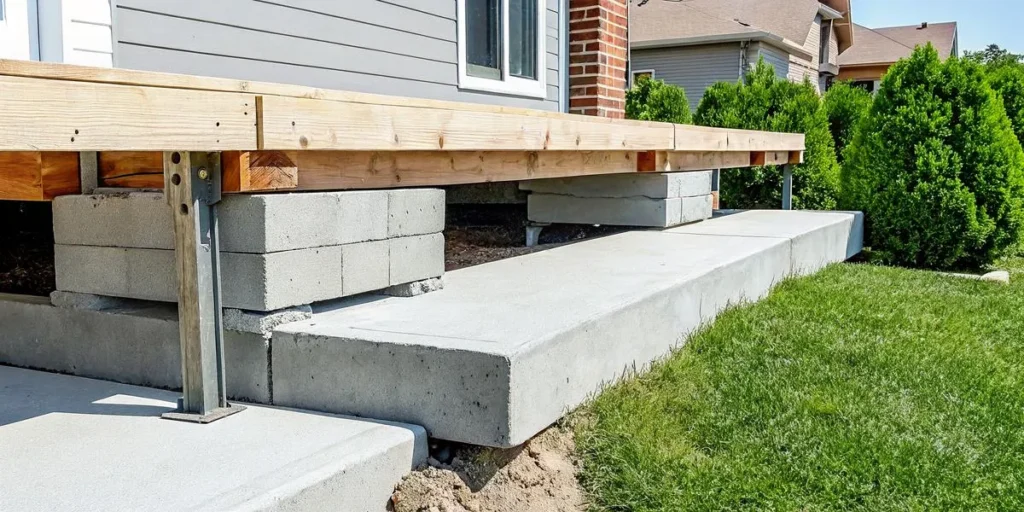
Shifting soil in North Texas often forces pier and beam foundations to settle unevenly over time. This movement causes bouncy floors, sticking doors, and cracks in your drywall. Homeowners in the Dallas area must address these structural symptoms before they lead to permanent damage.
Call (940) 365-4221 today for a free foundation inspection and estimate from Solid Base Foundations.
Pier and beam foundation repair is the process of making a home steady. It involves fixing the wood beams and concrete posts that hold up the house. In North Texas, the clay soil shrinks and grows, which causes these support parts to move or sink over time. Experts fix these homes by replacing wood, adding shims to posts, or putting in new supports to level the floor. These fixes solve common crawl space problems like wet wood, rot, and sinking floors that can hurt the safety of your home. Restoring this strength helps Dallas homeowners to stop costly damage to walls and floors. Taking quick action stops small sagging from becoming a big failure that costs much more to fix later.
Many homeowners do not know if their house uses this type of support. Learning the basics is the first step in finding structural trouble. The path to a steady floor starts with the question: What Is a Pier and Beam Foundation? Here is how it works.
What Is a Pier and Beam Foundation?
A pier and beam foundation is a structure that lifts a home off the ground. Unlike a slab that sits on the soil, this system uses concrete piers and wooden beams to hold the house. It creates a crawl space under the floor. Most homes built before 1960 use this style. It is still common in North Texas because it makes plumbing and wiring easy to reach. The air space also helps keep the floor dry.
Parts of the foundation
The system starts with concrete piers set deep into the earth. Heavy wooden beams rest on these piers to form a frame. Smaller boards called joists run across the beams to hold the subfloor. This grid spreads the weight of the house across each pier. In areas with expansive soil, this design keeps the house frame away from the damp ground. The piers provide a steady base even when the top layers of dirt shift or sink.
Comparison to slab homes
The main difference is the crawl space. A slab is a thick layer of concrete poured right on the dirt. Slabs are fast to build, but pier and beam homes offer more flex. In North Texas, consistent soil moisture is key. Dry dirt makes homes sink, while wet dirt can push them up. If the ground moves, a pier and beam home is often easier to fix. Workers can add small spacers to the piers to level the floors without digging through a thick slab.
Dealing with North Texas clay
North Texas has clay soil that swells when wet and shrinks when dry. This cycle is a top cause of damage to homes. The University of Iowa states that expansive soils cause billions of dollars in damage each year. A pier and beam home stays off the swelling soil. This helps protect the wood from rot and moisture. But the piers can still shift in the deep clay. When this happens, homeowners need expert help to keep the house level and safe from structural damage.
Pier and Beam vs. Slab Foundation: Quick Comparison
| Feature | Pier and Beam | Concrete Slab |
|---|---|---|
| Utility access | Easy via crawl space | Must cut into concrete |
| Repair on shifting clay | Re-shim as soil moves | Prone to cracking |
| Moisture vulnerability | Wood rot if wet | Cracks allow seepage |
| Repair cost range | $1,200-$8,000 | $3,300-$7,000+ |
| Floor feel | Warmer, slight flex | Hard, cold, rigid |
| Common in North Texas | Pre-1960s homes | Modern construction |
Common Problems with Pier and Beam Foundations in North Texas
The role of expansive clay soil
Most pier and beam homes in North Texas sit on a layer of earth called the Blackland Prairie. This region has high levels of expansive clay. These soils act like a sponge, growing when wet and shrinking when dry. This change in soil volume creates a lot of stress for a home. Based on research on clay subsoils, these volume changes are a costly major threat to shallow foundations. When the soil moves, the piers that support your home can shift or sink. This movement often leads to uneven weight loads and structural damage.
The main issue is that North Texas soils do not stay the same. During a hot summer, the clay dries out and pulls away from the piers. In a wet spring, the soil grows and pushes up. This cycle can cause foundation settlement. You may notice that your doors do not close right or that cracks appear in your walls. These are clear signs that you may need a pro to check your home and keep it stable. Without help, these shifts can lead to big repairs later on.
Moisture and wood rot in crawl spaces
A pier and beam home has a crawl space between the ground and the floor. While this space allows for easy access to pipes, it also traps moisture. In North Texas, high wet air can cause water to collect under your home. If the wood beams and joists stay wet, they will start to rot. Rotting wood becomes soft and cannot hold the weight of the house. This often leads to sagging floors or a bouncy feel when you walk across a room. This is why keeping soil moisture levels is vital for local people.
Poor drainage is another big concern for older homes. If water pools in the crawl space, it creates a home for mold and pests. Termites and other insects love damp wood. Over time, these pests can eat through your main beams. Fixing these issues usually involves more than just swapping out wood. You must also fix the drainage to keep the space dry. Solid Base Foundations can look at your crawl space to find the source of the wetness. We help you find a long-term plan to protect your wood from rot and bugs.
Sagging joists and poor support
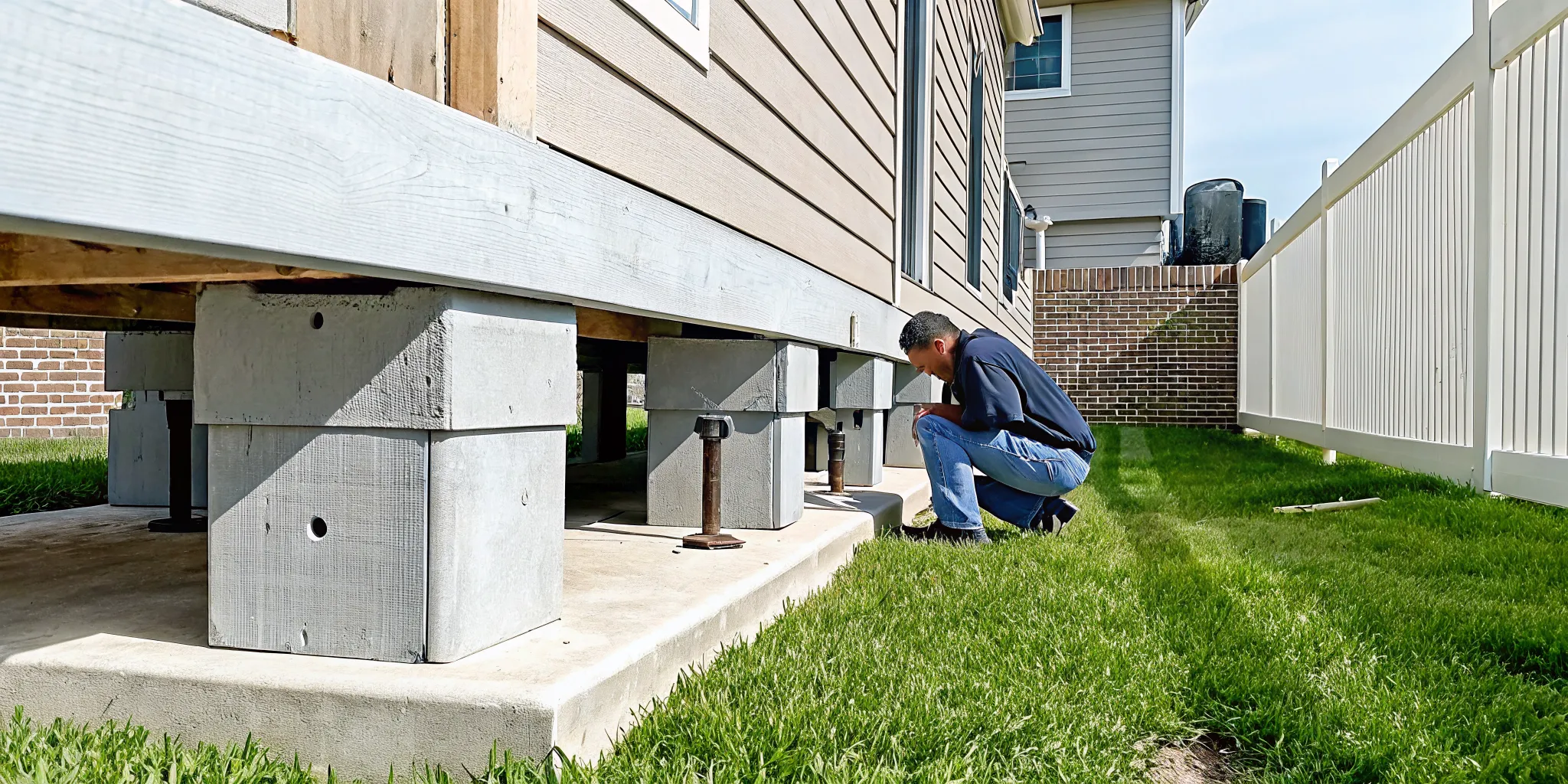
Many older pier and beam homes were built with fewer supports than we use today. Over time, the heavy weight of the home can cause the wooden joists to bend or sag. This is common in areas where heavy items or machines sit. You might see gaps between your floor and the baseboards. These gaps show that the floor is no longer level. Sometimes, the original piers were made of wood or brick, which can break down after many years. Modern care and repair tips suggest using steel or concrete piers for better support.
If your home is not level, it is time for a pro to check the piers. An expert can tell if your piers have sunk or if they were not placed right to start with. Shifting soil can also push piers out of place. When this happens, the beams lose their support. This causes the house to settle in spots. A quick fix might hide the problem, but it will not stop the soil from moving. You need a fix that handles the root cause of the shift. Getting a free check can help you find out just what is wrong before the damage gets worse.
Signs Your Pier and Beam Foundation Needs Repair
A pier and beam home is not like a slab house. These homes sit on a grid of beams held up by piers. This leaves a crawl space below. While this style is strong, it can have problems. In North Texas, the shifting soil puts stress on these parts. Catching signs of trouble early saves you money. A pier and beam foundation repair is easier if you find the issue fast.
Uneven or Sagging Floors
One common sign is a floor that feels uneven. You might notice a slope as you walk. You may also see a dip in the middle of a floor. Experts use a simple rule for these shifts. A drop of more than one inch over a 15-foot span is a clear sign of trouble. This sagging happens when the wood beams or piers below move or fail.
Gaps between the floor and baseboards are also red flags. If the floor pulls away from the wall, the support below is likely sinking. This often stems from the expansive soil in the Dallas area. These clay soils swell when wet and shrink when dry. This cycle moves the piers that hold up your home. North Texas weather cycles include droughts and floods. These cycles change moisture and harm the base of your home.
Sticking Doors and Wall Cracks
When a foundation moves, it changes the shape of the house frame. This shift shows up in your doors and windows. You might find that a door is hard to close. It might stick at the top or rub the frame. Windows may also jam or show gaps. If you have to pull hard to open a window, your house is likely out of line.
Cracks in the drywall are also warning signs. Look for cracks that start at the corners of door frames. Stair-step cracks show the wall is under stress. Small cracks happen as a house ages, but large ones mean you should seek help. Data from the University of Iowa shows a big problem. Expansive soils in the U.S. cause billions in damage each year. A pier and beam foundation repair check can stop these cracks from growing.
Issues in the Crawl Space
The crawl space holds clues about your home. Check this area for rot or moisture. A musty smell under your house usually means water is trapped there. Excess water can rot the wood beams that hold up your floors. Damp wood also brings pests like termites. If the wood feels soft, it is losing its strength.
You should also look at the piers. Piers should be straight and solid. If you see piers that lean or crack, they are not doing their job. Sometimes, shims between the pier and beam slip. This creates a gap that lets the floor sink. Check your crawl space once a year. A dry, stable crawl space is key to a long-lasting home in North Texas clay soil.
Professional Pier and Beam Foundation Repair Solutions
Fixing a pier and beam foundation requires a clear plan. These homes sit on a wood frame held up by piers. Over time, the soil moves or the wood rots. A pro crew uses a set path for pier and beam foundation repair. They start by looking at the whole house. Then they fix the water issues that caused the damage. Last, they add new support to keep the home level for many years.
First Check and Soil Test
The first step is a full check of the home. A pro looks in the crawl space for rot or sagging wood. They also check the soil around the house. In North Texas, the clay soil changes size when it gets wet or dry. A free check helps find the main cause of the shifts. This way, the fix will last. Experts use this time to map out every gap and sag in the floor.
Handling Water and Fixing Beams
Water is the main foe of a crawl space. Too much dampness can lead to wood rot and bad smells. It also makes the soil shift under the piers. One big fact is that clay soils that change size are a big risk for homes with shallow bases. Fixes often include new drains or plastic sheets. Once the area is dry, the crew can fix the wood. They often add new beams next to old ones to make them strong again. This is called beam sistering.
Deep Support and Leveling
Some homes need more than just wood fixes. If the ground is very soft, the piers might sink deep into the earth. To stop this, teams use deep piers that go far down into the ground. These reach firm soil that does not move. Using expert pier and beam foundation repair services ensures the job is done right. The final step is to lift the house back to a level spot and lock it in place.
- Free Check: An expert checks the crawl space to find wood rot, sags, and water issues.
- Water Control: The crew sets up drains to move water away and keep the soil and wood dry.
- Floor Changes: Workers use small shims and jacks to move the piers and level the floors.
- Beam Sistering: The team puts new wood beams next to old or weak ones to add more strength.
- Deep Pier Work: The crew adds steel push piers or helical piers that go deep into the earth for a firm fix.
These steps work together to save the home. Fixing just the wood without fixing the water will lead to more trouble later. A full fix deals with both the frame and the soil. This keeps the home safe and the floors flat. By using these pro ways, owners can avoid big costs in the future. It is a smart move for any home in the Dallas area.
How Much Does Pier and Beam Foundation Repair Cost?
The cost to fix a pier and beam foundation varies for every home. Many things play a role in the final price. Small fixes like simple shimming are the least costly. More complex work like swapping out joists or adding new piers will cost more. Because each house has unique needs, there is no single set price for all jobs. We look at every home to find the best way to fix it.
Factors That Drive Repair Pricing
The main factor in the price is the level of damage. Small shifts in the wooden frame can often be fixed with metal shims. This process is quick and costs less than big structural work. If the wood has rot or termite damage, you may need to swap out the floor joists. This needs more labor and parts, which raises the total cost of the project. These wood parts are vital for a level floor.
Major issues often need the adding of new support piers. These deep piers give a steady base for the home when the soil shifts. Soil movement is a big problem in North Texas. In fact, volume-changing clay soils are the most costly natural hazard for buildings on shallow foundations. Adding piers is a lasting fix but is also a larger expense. The number of piers needed will change the price.
Custom Quotes and Detailed Checks
We do not use a one-size-fits-all way to price jobs. Solid Base Foundations gives free, full checks for every site. A pro will look in your crawl space to find the exact cause of the problem. They look for mold, rot, and damp soil. This on-site look lets us give you a clear and honest quote. You only pay for the specific work your home needs to stay safe and level. We want you to know exactly what you are paying for.
Value vs. Full Replacement
Fixing your current foundation is much cheaper than a full replacement. Structural repairs protect your home’s value and stop more damage. If you wait too long, the cost of repairs can grow. We offer easy financing options to help make these needed repairs fit your budget. These plans let you start the work now and pay over time. Getting ahead of foundation issues saves you money in the long run. A stable home is a safe investment for your family.
Why Choose Solid Base Foundations for Pier and Beam Repair
Hiring the right team for your home is a big choice. At Solid Base Foundations, we bring over 18 years of experience to every job. We are a local, owner-operated business in North Texas. This means you work with people who know the area and care about the community. We do not use a franchise model, so we can focus on what works best for your specific foundation.
Proven Systems and Real Protection
We use high-quality tools to fix your home. Our team uses engineered pier systems that provide strong support. These systems come with a 25-year warranty from the manufacturer. We also use PolyLevel technology to lift and level parts of your base. These modern methods help keep your home stable for a long time. You can trust that our work meets high industry standards.
Trusted Local Service and Clear Quotes
Local homeowners trust us to get the job done right. Solid Base Foundations holds a 4.6 out of 5 rating on HomeAdvisor with verified five-star reviews from customers across the area. We serve Dallas, Denton, Plano, Allen, and other nearby cities. Our team provides free on-site inspections to find the root of your foundation issues. We give you a custom quote with protected pricing. This helps you plan your foundation repair without hidden costs.
Expert Support from a Reputable Team
You need a team that stands by its work. Our long history in the region means we know the local soil. North Texas sits on expansive clay soil that shifts when wet. This soil often causes piers to sink or wood to rot. As reputable foundation repair contractors, we fix these issues with care. We aim to give you peace of mind and a safe home.
Frequently Asked Questions
How long does it take to fix a pier and beam foundation?
Most pier and beam foundation repairs take about one to three days to finish. The time depends on the size of your crawl space and how much work is needed. Simple shimming is fast, but swapping out wood joists or adding new piers takes more time. According to Anchor Foundation Repair, a typical job often lasts two to four days. We work hard to stay on track so you can get back to your normal life.
Can you live in your house during pier and beam repair?
Yes, you can stay in your home while the crew works on your foundation. Most repairs take place in the crawl space under the floor, so there is little noise inside the house. You will still have full access to your kitchen and bedrooms. While the home is being lifted, you might hear a few creaks, but the work is safe. It is much easier than fixing a concrete slab, which often needs more space and makes more dust.
What causes floors to sag in a pier and beam home?
Floors often sag because of wood rot or shifting soil in the crawl space. North Texas has expansive clay soil that moves when the moisture level changes. This movement can make the piers sink or shift. If the wood beams get wet from poor drainage, they can also soften and bend. Based on Solid Base Foundations data, most sagging is due to old wood or sinking piers. Replacing rotten beams and adding new support piers can level the floor again.
Does homeowners insurance cover pier and beam foundation repair?
Most standard home insurance plans do not cover foundation repair caused by soil movement or old age. They usually only pay if the damage comes from a sudden event like a burst pipe. However, each plan is different. You should check with your agent to see what your policy says about foundation issues. Many North Texas homeowners find that their insurance covers water damage from a burst pipe but not the slow settling caused by clay soil shifts.
How can I prevent future foundation problems?
Keeping the soil around your home at a stable moisture level is the best prevention. This means watering the foundation during dry months and making sure drainage moves water away during wet months. Good gutter systems and downspout extensions are key tools. Regular crawl space checks also help you find small problems before they grow. An annual inspection by a trusted pro can spot early signs of trouble and save you from costly repairs down the road.
Schedule Your Pier and Beam Foundation Inspection Today
Your home deserves a stable foundation. If you notice sagging floors, sticking doors, or cracks in your walls, do not wait for the damage to spread. Solid Base Foundations offers free, no-obligation inspections across Dallas, Denton, Plano, Allen, and the surrounding North Texas area. Our experienced team will assess your crawl space, identify the root cause, and provide a clear quote with no hidden fees.
Call (940) 365-4221 today to schedule your free pier and beam foundation inspection and take the first step toward a safer, more stable home.