
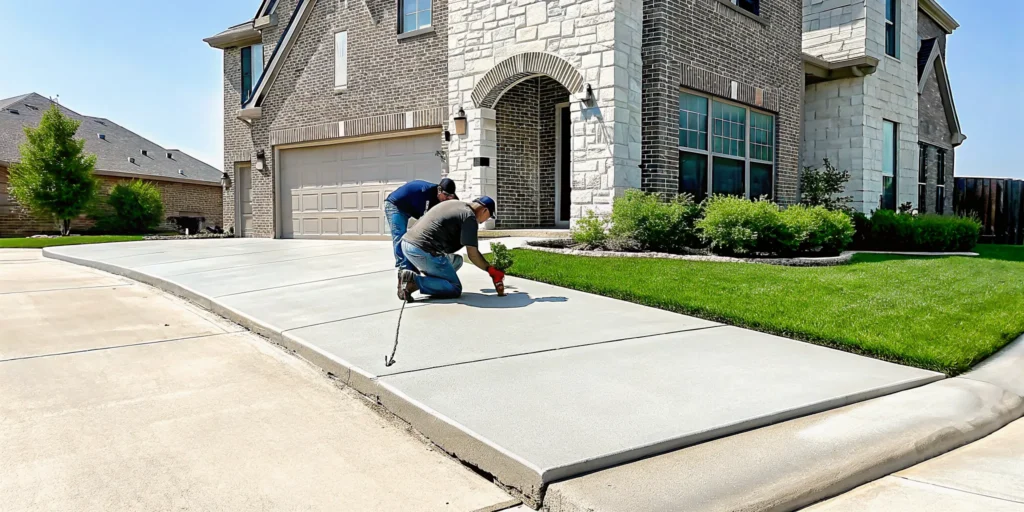
When you see a cracked or sunken driveway, your mind might immediately jump to the cost and chaos of a full replacement project. The thought of demolition, loud equipment tearing up your yard, and a huge bill is enough to make anyone put off the repair. But what if there was a better way? A method that could restore your concrete surfaces in a single day, without destroying your landscaping, and for up to 70% less than the cost of a replacement. For homeowners looking into concrete leveling Plano, this is the reality. It’s a modern, efficient solution that addresses the unstable soil beneath your slab, providing a long-lasting fix that saves you significant time and money.
Key Takeaways
- Choose leveling to save time and money: For concrete slabs that are sunken but not crumbling, leveling is a budget-friendly fix that costs significantly less than a full replacement. The repair is also completed in just a few hours, letting you use your driveway or patio the same day without damaging your yard.
- Watch for early warning signs: Don’t ignore uneven sidewalks, growing cracks, or puddles on your patio. These are clear indicators of unstable soil that can create tripping hazards and lead to more serious foundation issues if left unaddressed.
- A lasting repair combines professional work with simple upkeep: The durability of your leveled concrete depends on hiring an experienced team that understands local soil. After the repair, you can protect your investment by ensuring proper water drainage and sealing the surface every few years.
What is Concrete Leveling and How Does It Work?
If you’ve noticed your driveway, sidewalk, or patio looking a little lopsided, you’re probably dealing with settled concrete. Over time, the soil underneath these heavy slabs can shift, causing them to sink and crack. Concrete leveling is a smart repair technique that lifts the slab back to its original position without a full replacement. It’s less disruptive, faster, and more affordable. At Solid Base, we use proven methods for concrete repair to get your surfaces back on solid ground.
The Mudjacking Method
Mudjacking is the classic, time-tested method for leveling concrete. The process involves drilling small holes into the sunken slab and pumping a slurry (a mix of soil, cement, and water) underneath. This mixture fills any voids and uses hydraulic force to carefully lift the concrete back into place. It’s an incredibly effective way to fix settled concrete and works especially well for larger, heavier slabs that have sunk significantly. Once the slab is level, we patch the holes, and the surface is ready for use again relatively quickly.
The Polyurethane Foam Method
A more modern approach is using polyurethane foam, sometimes called polyjacking. This technique uses even smaller drill holes to inject a high-density foam beneath the slab. Once injected, the foam’s components mix and expand, gently and precisely lifting the concrete. Polyurethane foam is incredibly lightweight yet strong, so it won’t add extra weight to the unstable soil below. It’s also a cleaner and faster process, as the foam cures in minutes. This means you can use your driveway or patio almost immediately after the job is done.
Choosing the Right Method for Your Home
So, which method is right for you? The choice between mudjacking and polyurethane foam often comes down to your specific issue, budget, and soil conditions. Both are excellent solutions for restoring your concrete. The great news is that leveling is much more affordable than a full replacement, often costing 50% to 70% less. The best way to decide is to have a professional assess the situation. An expert can recommend the most effective solution for your home. We can help you weigh the pros and cons and provide a free estimate to get you started.
Why Level Your Concrete Instead of Replacing It?
When you see a cracked or sunken slab on your property, your first thought might be to tear it all out and start over. While replacement is sometimes necessary, it’s often a more expensive and disruptive process than you need. Concrete leveling offers a smart alternative that addresses the root of the problem without the headache of a full replacement. By lifting and stabilizing the existing slab, you can restore your concrete’s function and appearance while enjoying some major benefits. Let’s look at why leveling is often the better choice for your Plano home.
Save Money and Time
One of the most compelling reasons to choose leveling is the significant cost savings. Opting for a concrete repair like leveling can be 50% to 70% less expensive than tearing out and pouring a new slab. This means you can fix that uneven patio or driveway without putting a huge dent in your budget. Beyond the financial perks, leveling is also incredibly efficient. Most projects are completed in less than a day, and you can typically walk or drive on the surface again within just a few hours. You get your space back quickly, with minimal interruption to your daily life.
Avoid Disrupting Your Yard
A full concrete replacement is a major construction project. It often involves heavy equipment that can tear up your lawn, damage flower beds, and leave your yard a mess. Concrete leveling, on the other hand, is a far less invasive process. Our equipment is designed to work without excavation, meaning your landscaping stays intact. We can lift your sunken concrete without digging up the surrounding area, preserving the yard you’ve worked so hard to maintain. You can see examples of our clean and efficient work in our project gallery.
Make an Eco-Friendly Choice
If you’re looking for a more sustainable solution, concrete leveling is the clear winner. Tearing out old concrete creates a massive amount of waste that ends up in landfills. Leveling works with the slab you already have, essentially recycling it in place. This approach conserves resources, reduces landfill waste, and lowers the carbon footprint associated with manufacturing and transporting new concrete. By choosing to repair instead of replace, you’re making a responsible decision that’s better for the environment and keeps perfectly good material from being thrown away.
How Much Does Concrete Leveling Cost in Plano?
When you see a sunken driveway or a cracked patio, your first thought might be about the huge cost of tearing it all out and starting over. The good news is that you often don’t have to. Concrete leveling is a much more affordable solution for fixing uneven surfaces. In fact, choosing to level your concrete instead of replacing it can save you anywhere from 50% to 70%. While the final price tag depends on your specific situation, understanding the factors involved can help you make a confident decision for your home.
What Influences the Final Price?
The final quote for your concrete repair project isn’t pulled out of thin air. Several key factors determine the cost, starting with the size of the area that needs attention. A small sidewalk section will naturally cost less than an entire two-car driveway. The severity of the problem also plays a big role; a slab that has sunk several inches requires more material and time to lift than one that’s only slightly uneven. Finally, the specific leveling method chosen and the accessibility of the site for our crew and equipment will influence the overall price. Getting a professional estimate is the best way to understand the exact cost for your property.
Cost Breakdown: Mudjacking vs. Polyurethane Foam
You generally have two options for lifting concrete: mudjacking and polyurethane foam. Mudjacking is the traditional method, using a cement-based slurry to raise the slab. It’s often the less expensive choice, typically ranging from about $600 to $5,400. However, it can be less precise and the material is much heavier. Polyurethane foam is a newer technology that uses a lightweight, high-density foam to lift the concrete. While it has a higher price point, usually between $900 and $8,100, it’s incredibly precise, fills underlying voids more effectively, and requires smaller injection holes. The right choice depends on your budget and the specific needs of your foundation repair.
Leveling vs. Replacement: A Cost Comparison
The most obvious benefit of leveling is the cost savings, which can be up to 70% less than a full replacement. But the advantages don’t stop there. Think about the time involved. A typical leveling job is completed in just a few hours, and you can walk or drive on the surface almost immediately. Replacing concrete is a multi-day project that involves demolition, pouring new concrete, and waiting for it to cure. Leveling is also far less disruptive to your landscaping and yard. You can see examples of how we restore concrete surfaces in our work gallery. It’s a faster, cleaner, and more convenient solution for your home.
Signs Your Plano Home Needs Concrete Leveling
It’s easy to overlook the small changes in your home’s concrete surfaces. A tiny crack here, a slight slope there, they can seem like minor cosmetic flaws. But these subtle shifts are often your home’s way of telling you something is wrong with the ground underneath. In Plano, our expansive clay soil is notorious for swelling and shrinking with moisture changes. This constant movement can cause the soil supporting your concrete to erode or compact, leaving your slabs without a stable base.
Ignoring these signs can lead to bigger headaches. What starts as an uneven patio can become a drainage nightmare, funneling water directly toward your foundation. A small crack in the driveway can widen, allowing moisture to seep in and cause further deterioration. Paying attention to these early warning signs is the best way to protect your investment and address the root cause before it leads to more significant and costly damage. Here are the key indicators that it’s time to consider concrete leveling for your property.
Uneven Driveways, Patios, and Sidewalks
Take a walk around your property and look closely at your concrete surfaces. Is one section of your driveway higher than another? Does your patio furniture wobble on an uneven slab? These are classic signs that the soil underneath has shifted or washed away, causing the concrete to sink and settle unevenly. An uneven sidewalk or patio isn’t just an eyesore; it’s a serious tripping hazard for your family and guests. The good news is that professional concrete repair can restore these surfaces, making them safe and level again. Addressing these issues promptly improves your home’s curb appeal and prevents the problem from getting worse.
Growing Cracks or Sunken Slabs
While tiny hairline cracks can be a normal part of concrete curing, you should pay close attention to cracks that are widening or have one side that is higher than the other. These types of cracks, along with entire slabs that appear sunken, indicate a void has formed in the soil underneath. This is a clear signal that your concrete has lost its support system. Sometimes, these issues are linked to bigger problems. If you also notice that doors or windows in your home are starting to stick, or your floors are sloping, it could be a sign of a foundation issue. It’s always best to have a professional take a look to diagnose the problem correctly.
Tripping Hazards and Water Pooling
Beyond the visual cues, think about how you use your outdoor spaces. Do you constantly have to warn guests to “watch their step” on the walkway? A raised or sunken concrete edge creates a dangerous tripping hazard that can lead to injuries. Another tell-tale sign is water pooling. After it rains, check your driveway, patio, or pool deck. If you see puddles that stick around long after the storm has passed, it means the concrete is no longer sloped correctly to allow for proper drainage. This standing water can seep into the soil next to your home’s foundation, potentially causing more significant structural problems down the road. If you’re seeing these issues, it’s time to get an expert opinion.
How to Choose a Plano Concrete Leveling Company
Finding the right contractor for your home’s foundation and concrete can feel like a big task, but choosing a concrete leveling company in Plano doesn’t have to be complicated. You want a team that gets the job done right and gives you peace of mind. By focusing on a few key qualifications, you can confidently select a partner to protect your investment and restore your property’s safety. A great company will be transparent about their local experience, warranties, and the materials they use, making you feel comfortable from the start.
Look for Experience with Local Soil
Here in North Texas, our expansive clay soil is a major cause of sinking and cracking concrete. It shrinks and swells dramatically with moisture changes, so it’s crucial to hire a company that understands our specific ground conditions. A contractor familiar with Plano’s soil can accurately diagnose the problem’s root cause and apply the right solution for a durable, long-term fix. A team of experienced professionals will always have a better handle on local challenges than a company without deep roots in the area.
Ask About Warranties and Guarantees
A warranty is more than just a piece of paper; it’s a company’s promise that they stand behind their work. Any reputable concrete leveling company should offer a clear warranty, so don’t hesitate to ask for the details. Find out what it covers, how long it lasts, and the process if you ever need to use it. A strong guarantee shows confidence in their methods and protects your investment as a homeowner. If a company is hesitant to offer a warranty, consider it a red flag. Always look for professionals who back up their proven repair solutions.
Ensure They Use Professional-Grade Materials
The technology behind concrete leveling has improved significantly. Many top-tier companies now use high-density polyurethane foam for a more precise and durable lift than older methods. This material is lightweight, strong, and waterproof, which helps prevent future erosion and settling. When vetting companies, ask what materials they use and why. A professional contractor can explain the benefits of their chosen method. Using high-quality, patented, proven products ensures the repair will last for years, making it a much better value than a temporary fix.
Common Myths About Concrete Leveling
When it comes to fixing sunken concrete, a few common misconceptions can steer homeowners in the wrong direction. It’s easy to get overwhelmed by conflicting information, but understanding the facts can help you make a confident choice for your property. Let’s clear up some of the biggest myths about concrete leveling so you can see why it’s often the smartest solution for uneven driveways, patios, and sidewalks in the Plano area. By separating fact from fiction, you can better protect your home’s value and safety.
Myth: It’s Not a Permanent Fix
One of the most persistent myths is that concrete leveling is just a temporary band-aid. In reality, professional concrete leveling is designed to be a long-lasting solution because it addresses the root of the problem. Uneven concrete is usually caused by voids or unstable soil underneath the slab. The leveling process fills these gaps, creating a solid, stable base that supports the concrete. This restores the structural integrity of the slab and prevents it from sinking again. When performed by an experienced team, it’s a durable concrete repair method that stands the test of time, keeping your surfaces safe and even for years to come.
Myth: You Can Do It Yourself
While the DIY spirit is admirable, concrete leveling is not a weekend project. It requires specialized equipment, professional-grade materials, and a deep understanding of how local soil conditions affect your home’s foundation. Attempting to level concrete without the right training can easily make the problem worse, leading to more significant damage and higher repair costs down the road. The process involves injecting material under precise pressure to achieve a perfectly even lift. Trusting this job to skilled professionals ensures it’s done safely and correctly the first time, giving you peace of mind and a reliable result.
Myth: Leveling Magically Erases All Cracks
It’s important to have realistic expectations about what concrete leveling can and cannot do. Its main purpose is to lift a sunken slab back to its original position, eliminating tripping hazards and improper drainage. While this process stabilizes the concrete and prevents new stress cracks from forming, it does not erase existing cosmetic damage. Old cracks or surface spalling will still be there after the slab is lifted. The good news is that once the concrete is stable, these surface-level issues can be addressed separately. You can see examples of what a finished project looks like in our gallery of work.
The Concrete Leveling Process: What to Expect
If you’ve decided that concrete leveling is the right move for your home, you’re probably wondering what the repair day will actually look like. It’s natural to feel a little anxious about any home improvement project, but the good news is that modern concrete repair is designed to be as quick and undisruptive as possible. Unlike a full replacement that involves loud demolition and a long curing period, leveling is a much cleaner and more efficient process.
A professional team will arrive with specialized equipment to get the job done right. They’ll start by drilling small, strategic holes into the sunken slab. Then, they inject a lifting material, either a traditional slurry or a modern polyurethane foam, beneath the concrete. This material fills the voids in the soil and gently raises the slab back to its original position. The team monitors the process carefully to ensure a precise, even lift. Once the slab is level, the small holes are patched, and the area is cleaned up. It’s a surprisingly simple and elegant solution to a frustrating problem.
How Long Does a Project Usually Take?
One of the biggest advantages of concrete leveling is how fast it is. Most projects, whether it’s a driveway, patio, or sidewalk, are completed in just a few hours, almost always within a single day. You won’t have to deal with a construction crew at your home for days on end. Our team works efficiently to get in, solve the problem, and get out, minimizing any disruption to your routine. You can see examples of our streamlined work. This quick turnaround means you can get back to enjoying your home without a long, drawn-out repair process.
How Weather Can Affect the Timeline
The soil in the Dallas area is a major factor in why concrete sinks in the first place. Extreme weather, from long dry spells that shrink the soil to heavy rains that wash it away, creates unstable ground beneath your slabs. While the leveling process itself is fast, weather can sometimes play a role in scheduling. For instance, we can’t work in extremely wet conditions. A professional team will always assess the weather and soil conditions to choose the best time for a lasting repair. As a local company, we have deep experience with the unique challenges of our service area and plan our projects accordingly.
When Can You Use Your Concrete Again?
You’ll be able to use your newly leveled concrete almost immediately. If we use polyurethane foam, the surface is typically ready for foot traffic in as little as 15 to 30 minutes. For heavier loads, like parking your car on a leveled driveway, it’s ready within an hour. This is a huge difference compared to a full replacement, where you might have to wait days or even a week for the new concrete to cure properly. The convenience of a quick return to normal use makes leveling an ideal solution for busy homeowners. If you’re ready to get a clear timeline for your project, you can contact us for a free estimate.
How to Maintain Your Leveled Concrete
You’ve invested in getting your concrete back to where it should be, and that’s a fantastic step toward a safer, more attractive property. Now, the key is to keep it that way. A little proactive maintenance goes a long way in protecting your newly leveled surfaces and preventing the same problems from happening again. The soil in Plano can be tricky, but with a few simple habits, you can extend the life of your concrete driveway, patio, or sidewalk for years to come.
Think of it like this: you wouldn’t buy a new car and then skip the oil changes. The same principle applies here. By managing water flow, keeping the surface clean and protected, and staying on top of any new issues, you’re safeguarding your investment. These steps don’t require a lot of time or money, but they make a huge difference in maintaining the stability and appearance of your concrete. Let’s walk through the three most important things you can do to keep your concrete in great shape.
Manage Drainage Around Your Foundation
The number one enemy of stable concrete is uncontrolled water. When water pools around or under a slab, it saturates the soil, causing it to soften, expand, or wash away. This is often what caused the concrete to sink in the first place. To prevent this, ensure water is always directed away from your home. Take a walk around your property and check that your gutters are clear of leaves and debris. Make sure downspouts extend several feet from your foundation. Proper grading is also important; the ground should slope gently away from your house, not toward it. These simple checks can prevent serious issues that might otherwise require extensive foundation repair.
Clean and Seal Your Concrete Regularly
Keeping your concrete clean does more than just improve its appearance; it helps you spot potential problems early. Give your driveway, patio, and walkways a good sweep every few weeks to remove dirt and debris. A gentle power washing once a year can also help remove stubborn stains. More importantly, applying a quality concrete sealant every few years provides a protective barrier. This shield helps prevent water, oil, and other chemicals from penetrating the surface, which can cause cracking and deterioration over time. Sealing is a simple, cost-effective way to preserve the integrity of your concrete and protect the work that was just done.
Address New Issues as Soon as They Appear
It’s tempting to ignore a tiny crack, but small issues can quickly become big headaches. A hairline crack can allow water to seep into the concrete. In the winter, that water freezes and expands, making the crack wider. Over time, this cycle can compromise the entire slab. Get in the habit of inspecting your concrete surfaces every few months. If you spot a new crack or notice a joint is widening, it’s best to address it right away. Promptly filling small cracks is a simple task that can prevent the need for another major concrete repair project down the road and keep your surfaces stable and safe.
Is Concrete Leveling the Right Choice for You?
Deciding between leveling and replacing your concrete can feel like a big deal. On one hand, you want a solution that lasts. On the other, you have a budget to consider. Concrete leveling is a fantastic and innovative fix for many issues, but it’s not the right answer for every situation. The best choice depends entirely on the condition of your concrete and the underlying soil. Understanding the key differences will help you figure out which path is right for your Plano home, ensuring you get a safe, stable surface without overspending.
When Leveling is the Best Solution
If your concrete slab is still in one piece but has sunk, leveling is almost always the way to go. Think of uneven driveway panels, a sloping patio, or a sidewalk that’s become a tripping hazard. These are perfect candidates for concrete repair. The biggest advantage is the cost. Concrete leveling can be 50% to 70% less expensive than tearing out the old slab and pouring a new one. It’s also much faster and less disruptive to your landscaping. If the problem is about the position of the slab, not the integrity of the concrete itself, leveling offers a durable and budget-friendly solution.
When You Might Need to Replace Instead
Concrete leveling works by lifting the existing slab, so it can’t fix concrete that is already falling apart. If your slab is severely damaged, replacement is likely the necessary route. Look for signs like extensive, deep cracks that branch out like a spiderweb, or if the surface is crumbling and flaking away (a problem called spalling). Leveling a slab that’s in this condition won’t address the structural failure. In these cases, the best long-term solution is to remove the compromised material and start fresh with a new slab that’s properly installed and reinforced.
Making an Informed Decision for Your Property
Ultimately, you don’t have to make this decision alone. The best way to know for sure whether leveling or replacement is right for you is to get a professional opinion. An expert can assess the specific damage to your concrete, evaluate the soil conditions unique to our Plano area, and consider how you use the space. They can give you a clear picture of your options and help you choose the most effective solution for your property and your budget. You can also review common concrete leveling methods or get a concrete leveling quote when you are ready for project-specific guidance. Always work with a trustworthy and experienced company that can explain the pros and cons of each method. If you’re ready for an expert eye, you can schedule a free estimate to get started.
Related Articles
- PolyLevel – Solid Base
- Concrete Repair – Solid Base
- How to Fill Large Cracks in Concrete Like a Pro
- Ultimate Guide to Foundation Repair Options
Frequently Asked Questions
Why did my concrete sink in the first place? Most of the time, sinking concrete is a direct result of the soil underneath it. Here in the Plano area, we have expansive clay soil that shrinks when it’s dry and swells when it’s wet. This constant movement can create empty pockets, or voids, beneath a heavy concrete slab. Water from poor drainage can also wash away soil over time. Eventually, the slab loses its support and settles into these unstable areas, causing it to become uneven.
How do I know if my concrete is too damaged to be leveled? Leveling is a great solution for slabs that are structurally sound but have sunk. If your concrete has major, widespread cracks that look like a spiderweb, or if the surface is crumbling and flaking away, it might be too compromised for a successful lift. In those cases, replacement is often the better long-term option. The best way to know for sure is to have a professional take a look.
Will the drill holes be noticeable after the job is done? Our goal is always to make the repair as discreet as possible. The holes we drill for the leveling process are quite small, especially with the polyurethane foam method. After the slab is lifted, our team carefully patches these holes with a cement mixture that is blended to match the color and texture of your existing concrete. While they may be visible if you look very closely, they are designed to be inconspicuous.
How long does a concrete leveling repair typically last? When done correctly, concrete leveling is a durable, long-term solution. The process works because it fixes the problem at its source by filling the voids in the soil and creating a stable new base for the slab. This prevents the concrete from sinking again in the same spot. With proper maintenance, like managing drainage around the area, you can expect the repair to last for many years.
Can an uneven driveway or patio cause problems for my house’s foundation? Yes, it absolutely can. When a concrete slab next to your home, like a patio or walkway, sinks, it often starts to slope toward your foundation. This incorrect grading funnels rainwater directly to the base of your house. Over time, that excess moisture can saturate the soil, leading to much more serious and expensive foundation problems. Fixing the slope is a key step in protecting your entire home.