
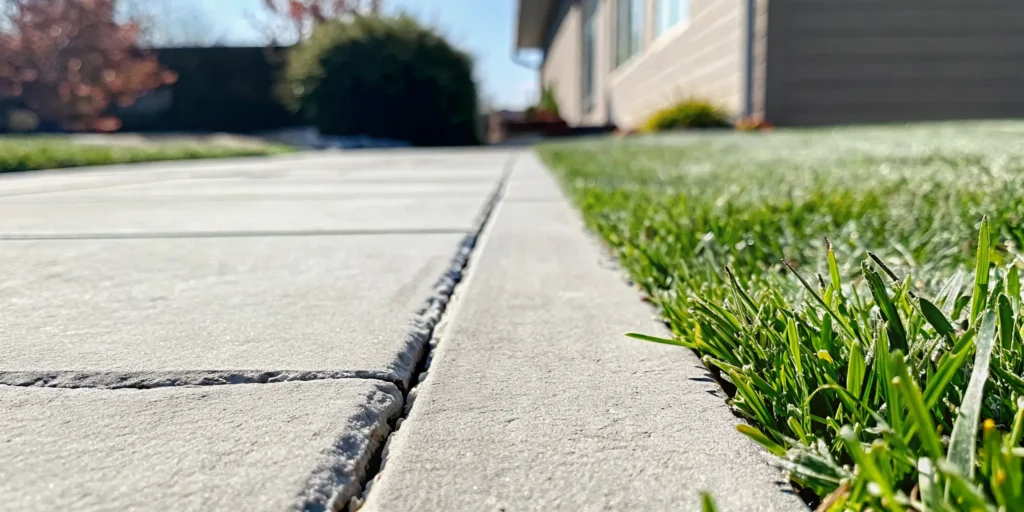
A crack in your concrete can be a simple surface flaw, or it can be the first symptom of a more serious structural problem. Treating it without knowing the difference is like putting a bandage on a broken bone; it hides the issue but does nothing to fix it. The frustration of watching a crack reappear after you’ve sealed it is a sign that the underlying cause was ignored. This is why asking “how long does concrete crack sealant last?” is so important. A repair that fails quickly often means the concrete is still moving due to soil settlement or drainage problems. We’ll help you understand the difference between a temporary patch and a permanent solution, so you can make an informed decision that truly protects your property for the long term.
Key Takeaways
- Choose the right sealant for the job: For cracks that might move with temperature or soil shifts, invest in a flexible polyurethane sealant for a long-lasting repair. Budget-friendly acrylics are best saved for small, static cracks, as they won’t hold up to traffic or weather.
- Don’t skip the prep work: A sealant’s bond is only as good as the surface it’s applied to. Always start by thoroughly cleaning the crack of all debris and making sure the concrete is completely dry before you begin, otherwise the repair is likely to fail quickly.
- Look for signs of a deeper problem: A simple crack filler can’t fix an unstable foundation. If you see cracks that are getting wider, are uneven, or appear in a web-like pattern, it’s a sign to call a professional. Addressing the root cause is the only way to get a permanent solution.
What Are the Main Types of Concrete Crack Sealants?
When you spot a crack in your driveway, patio, or garage floor, your first instinct might be to grab the first tube of sealant you see at the hardware store. But not all crack fillers are created equal. The type of sealant you choose plays a huge role in how long your repair will last. Think of it like this: you wouldn’t use tape to fix a leaky pipe. The same logic applies to concrete. Using the right material for the job is the difference between a temporary patch and a long-term solution.
The world of concrete sealants can be broken down into four main categories: polyurethane, silicone, acrylic latex, and hydraulic cement. Each has its own strengths and is designed for different types of cracks and conditions. Understanding these options is the first step toward a successful concrete repair. Your choice will depend on whether the crack is wide or narrow, if it’s on a high-traffic surface, and how much it might move with Dallas’s notorious soil and temperature shifts. Let’s look at what makes each one unique.
Polyurethane Sealants
If you’re looking for the gold standard in concrete crack sealants, polyurethane is it. This is a premium, professional-grade material known for its incredible flexibility and durability. Its greatest strength is its ability to expand and contract with the concrete as temperatures fluctuate, which is a must-have in the Dallas area. This elasticity allows it to maintain a tight seal even if the crack shifts slightly over time. While it might cost a bit more upfront, its long lifespan (often 5 to 10 years) makes it a fantastic investment for active cracks in driveways, walkways, and pool decks where a lasting repair is essential.
Silicone Sealants
Silicone sealants are another highly flexible and weather-resistant option for sealing concrete cracks. Like polyurethane, they can handle movement and temperature changes well, making them a solid choice for outdoor applications. The key to success with silicone is surface preparation. It requires a perfectly clean and dry surface to adhere properly. If any dust, debris, or moisture is left in the crack, the sealant can lose its bond over time. When applied correctly, silicone provides a durable, waterproof seal that can last for several years, protecting your concrete from further damage.
Acrylic Latex Sealants
You can think of acrylic latex sealants, often sold as “caulk,” as the go-to for quick, budget-friendly fixes. They are very easy to apply and clean up with just water, which makes them appealing for small DIY projects. However, there’s a trade-off. Acrylic latex is more rigid than polyurethane or silicone and tends to shrink or become brittle over time. This makes it less suitable for high-traffic areas or cracks exposed to dramatic freeze-thaw cycles. It’s best used for minor, non-moving cracks in areas that are sheltered from the elements, like a garage wall or an indoor slab.
Hydraulic Cement
Hydraulic cement is a different kind of product altogether. Instead of a flexible sealant, it’s a rigid, cement-based powder that you mix with water to create a patch. Its superpower is its ability to set and harden very quickly, even in the presence of water, which makes it ideal for plugging active leaks in basement walls or foundations. It’s also great for filling wide, static cracks or missing chunks of concrete. Because it dries into a hard, mortar-like patch, it’s not meant for cracks that are still moving. If the underlying issue is foundation settling, a rigid patch will likely just crack again.
How Long Do Concrete Crack Sealants Last?
When you seal a crack in your concrete, you want it to last. But the lifespan of that seal depends entirely on the type of product you use. Some sealants are a quick, temporary fix, while others offer a much more durable solution that can hold up for years. The key is knowing the difference so you can make an informed choice for your driveway, patio, or garage floor.
Think of it like this: a simple patch might get you through the season, but a professional-grade sealant is an investment in your property’s long-term health. Understanding the materials helps you set realistic expectations for your concrete repair and decide whether a DIY approach or a professional job is the right move. Let’s break down the most common types of sealants and how long you can expect them to last.
Polyurethane: 5–10 Years
Polyurethane sealants are the gold standard for a reason. With a lifespan of five to ten years, they offer fantastic longevity and performance. Their biggest advantage is flexibility. This allows the sealant to expand and contract along with the concrete during Dallas’s notorious temperature swings, preventing the seal from breaking. Because of this durability, polyurethane is often the top choice for professionals handling cracks in high-traffic areas or places exposed to harsh weather. It’s a premium product that provides a lasting repair, making it a smart investment for protecting your concrete surfaces.
Silicone: 3–5 Years
Silicone sealants are another flexible, weather-resistant option that can last between three and five years. They are great at keeping water out and can handle a good amount of movement. However, there’s a catch: silicone demands a perfectly clean surface to adhere properly. If there’s any dust, debris, or moisture left in the crack, the sealant can lose its grip over time and start to peel away. While it’s a solid choice for certain applications, the meticulous prep work is non-negotiable if you want to get the most out of its lifespan.
Acrylic Latex: 1–3 Years
If you’re looking for a budget-friendly and easy-to-apply option, you’ll likely come across acrylic latex caulks. These are great for very minor, cosmetic cracks and can be a quick DIY fix. The trade-off is their short lifespan of just one to three years. Acrylic latex is more rigid than polyurethane or silicone, so it’s prone to shrinking and cracking, especially under the stress of foot traffic or Texas’s freeze-thaw cycles. It’s best to think of this as a temporary patch rather than a long-term solution for a persistent problem.
Hydraulic Cement: 2–5 Years
Hydraulic cement is a different kind of product altogether. It’s a powder that you mix with water to create a mortar-like patch, and it’s designed to fill wide, non-moving cracks or even missing chunks of concrete. It sets incredibly fast and forms a hard, durable bond that can last two to five years. The main drawback is its rigidity. Because it doesn’t flex, hydraulic cement may crack again if the concrete around it shifts or settles. This makes it a poor choice for cracks caused by an unstable foundation, which is a common issue in our area.
What Affects a Sealant’s Lifespan?
You can buy the best sealant on the market, but its lifespan still depends on the specific challenges it faces. A sealant on a quiet, shaded patio will last much longer than one on a sun-drenched driveway with foundation issues. Several factors, from our unique Dallas climate to the stability of your home’s foundation, play a huge role in how long your concrete crack repair will hold up. Understanding these factors helps you see why a professional assessment is often the smartest first step. It’s not just about filling a crack; it’s about creating a durable, long-term solution that protects your property.
Dallas’s Expansive Clay Soil and Temperature Swings
Here in the Dallas area, we know our soil has a mind of its own. The expansive clay soil swells when it’s wet and shrinks dramatically when it’s dry. This constant movement puts immense pressure on your concrete slabs. Add in our temperature swings, which cause concrete to expand and contract, and you have a recipe for sealant failure. Rigid sealants can’t handle this movement and will quickly crack or pull away. That’s why flexible sealants are essential, but even the best products are under constant stress. This soil movement is a primary cause of issues that require foundation repair in North Texas.
UV Exposure and Humidity
The Texas sun is relentless, and it can be incredibly damaging to concrete sealants. Constant exposure to ultraviolet (UV) rays breaks down the chemical bonds in many sealant materials, causing them to become brittle, dry out, and crack. You might see a sealant that looked great when first applied start to bubble or turn chalky after a few seasons in the sun. Humidity also plays a part, as trapped moisture can interfere with how a sealant cures and adheres to the concrete. Choosing a high-quality, UV-resistant sealant is critical for any outdoor application in our sunny climate, as it will better resist degradation and maintain its flexibility over time.
Traffic and Surface Stress
Not all concrete surfaces are created equal. A sealant applied to a crack in a low-traffic sidewalk or decorative patio has a relatively easy job. However, a sealant on your driveway is a different story. It has to endure the weight of vehicles, the stress of tires turning, and constant foot traffic. This physical wear and tear can grind down the sealant and cause it to degrade much faster. The constant pressure and abrasion mean that even a professionally applied sealant will have a shorter lifespan on high-traffic surfaces. This is why choosing the right product is key for a lasting concrete repair.
Crack Movement and Foundation Stability
Sometimes, a crack in your concrete is a symptom of a much larger issue. If the crack is caused by an unstable foundation or shifting soil underneath, the concrete will continue to move. No sealant, no matter how strong or flexible, can withstand being pulled in opposite directions. It will tear, split, or pull away from the edges of the crack, rendering the repair useless. Filling a crack without addressing the root cause is like putting a bandage on a broken bone. This is where you need experienced, skilled professionals to determine if the crack is a simple surface issue or a sign of underlying structural problems.
Poor Drainage and Moisture
Water is one of concrete’s biggest enemies. A crack provides a direct path for water to seep below the slab. This moisture can erode the soil that supports your concrete, causing it to become soft or wash away entirely. As the support weakens, the concrete slab can sink or settle, leading to even more cracks. It’s a destructive cycle. Poor drainage around your foundation can make this problem much worse, as water pools against the concrete and constantly seeks a way in. Sealing a crack is important, but it’s just as crucial to ensure water is being properly directed away from your home’s foundation.
How to Choose the Right Concrete Crack Sealant
Walking down the aisle of a home improvement store can feel overwhelming with so many sealant options. Picking the right one is more than just grabbing the first tube you see; it’s about making a choice that ensures your repair lasts. The best sealant for your project depends on the type of crack, its location, and your long-term goals. To make the right decision, you need to consider a few key factors. By breaking down what to look for, you can confidently select a product that will protect your concrete for years to come. Let’s walk through how to match the sealant to your specific needs.
Match the Sealant to the Crack
Not all cracks are the same. Some are “active,” meaning they expand and contract with temperature changes or soil movement, while others are dormant and stable. For moving cracks, a flexible sealant like polyurethane is your best bet. These products allow the concrete to shift slightly without breaking the seal, which is essential for a durable repair. Using a rigid filler on an active crack is a recipe for failure, as it will likely crack again. If you suspect your cracks are caused by underlying structural issues, it might be a sign you need professional foundation repair to address the root cause.
Consider Indoor vs. Outdoor Use
Where is the crack located? A crack in your garage floor faces very different conditions than one on your sun-drenched patio. Outdoor sealants must be tough enough to withstand UV rays, rain, and fluctuating temperatures. Products like NexusPro are specifically formulated to resist sunlight so they won’t crack, bubble, or dry out over time. For indoor cracks, UV resistance isn’t as critical, but you’ll still want a product that can handle moisture, especially in a basement. Always check the label to ensure the sealant is rated for the environment you’re using it in. This simple step is key to a successful concrete repair.
Balance Your Budget with Longevity
It’s tempting to go for the cheapest option, but that can cost you more in the long run. Concrete crack sealants typically last anywhere from one to five years, but high-performance products can last a decade or more. A less expensive sealant might require reapplication every other year, creating more work for you. Investing in a higher-quality polyurethane or silicone sealant upfront often means a longer-lasting, more reliable repair. Think of it as an investment in your property’s integrity. For larger projects where cost is a concern, some companies offer financing options to make permanent solutions more accessible.
Look for Key Sealant Features
When you’re comparing products, the technical jargon on the label can be confusing. Focus on a few key terms. “Excellent adhesion” is one you want to see, as it means the sealant will bond tightly with the concrete, creating a waterproof barrier. “Flexibility” is another non-negotiable for most repairs, as it allows the seal to move with the concrete. Also, look for “self-leveling” for horizontal surfaces like driveways, as it will settle into the crack for a smooth finish. For vertical walls, you’ll want a “non-sag” formula that stays put during application.
Choose Products with a Warranty
A product warranty is a great sign that the manufacturer stands behind its quality. While many DIY sealants may not offer one, professional-grade products often do. For example, NexusPro comes with a 5-year warranty and has been shown to last much longer. A warranty gives you peace of mind that you’re using a reliable product. This is also a major benefit of hiring professionals. At Solid Base, we use proven products and back up our work, so you can trust that your repair is built to last and your investment is protected.
How to Prep Concrete for a Lasting Seal
Applying sealant seems straightforward, but the real secret to a long-lasting fix is in the prep work. Think of it like painting a wall; you wouldn’t just slap a new color over dirt and peeling paint. The same principle applies here. Taking the time to properly prepare the concrete crack creates the perfect canvas for the sealant to bond strongly and do its job for years. Skipping these steps is the fastest way to ensure you’ll be redoing the work sooner than you’d like. Let’s walk through the three essential prep steps for a durable, professional-quality seal.
Clean the Crack Thoroughly
First things first, you have to get the crack completely clean. Any dirt, dust, or loose bits of concrete left behind will prevent the sealant from sticking to the actual surface. Instead, it will stick to the debris, which will eventually break away and cause the seal to fail. As experts at The Spruce note, sealants “will fail almost immediately if applied to a dirty surface.” Use a wire brush and a shop vacuum or leaf blower to clear out everything you can see. For stubborn grime or vegetation, a pressure washer can work wonders. Your goal is a clean, solid surface that gives the sealant the best possible chance to form a tight, lasting bond.
Use a Backer Rod for Deep Cracks
If you’re dealing with a crack that’s more than a half-inch deep, a foam backer rod is your best friend. This flexible foam rope is pressed into the crack before you apply the sealant. It might seem like an extra step, but it serves two key purposes. First, it saves you from using an entire tube of sealant just to fill a deep void. Second, it creates the right shape for the sealant to work effectively. By preventing the sealant from bonding to the bottom of the crack, the backer rod allows it to stretch and flex as the concrete expands and contracts. This flexibility is crucial for preventing the seal from tearing over time.
Make Sure the Area is Dry Before You Start
Patience is a virtue, especially when waiting for concrete to dry. Most polyurethane and silicone sealants require a completely dry surface to cure correctly. Applying sealant to damp concrete can trap moisture underneath, leading to a weak bond and premature failure. Check the weather forecast and plan your project for a clear, dry day. As sealant manufacturers like QUIKRETE® point out, cool temperatures and high humidity can significantly slow down curing time. If you’ve recently pressure washed the area, give it at least 24 hours to dry out completely. A successful concrete repair depends on giving the materials the right conditions to work properly, and that starts with a dry surface.
Common Mistakes That Weaken Your Concrete Seal
Applying concrete crack sealant seems straightforward, but a few common missteps can make your repair fail way sooner than it should. It’s frustrating to see a crack reappear just a few months after you thought you fixed it for good. The good news is that avoiding these mistakes is simple once you know what to look for. Getting the application process right is just as important as choosing the right product. Let’s walk through the most common errors so you can ensure your repair lasts.
Skipping Surface Prep
Think of it this way: you wouldn’t put a bandage on a dirty wound. The same logic applies to concrete cracks. Applying sealant to a dusty, grimy surface is a recipe for failure. The sealant needs something clean and solid to grab onto, and any dirt, loose debris, or even old, crumbling sealant will prevent it from forming a strong bond. Before you even open the sealant tube, you need to thoroughly clean the crack. A wire brush and a shop vac or leaf blower can work wonders. For stubborn grime, a pressure washer is your best friend. A proper concrete repair always starts with a perfectly prepped surface, because without it, the sealant can peel away or fail almost immediately.
Ignoring the Root Cause of the Crack
A concrete crack is often just a symptom of a bigger problem. While filling it might make your patio or driveway look better temporarily, it doesn’t solve what caused the crack in the first place. Here in the Dallas area, our expansive clay soil is a major culprit. It swells when wet and shrinks when dry, causing the ground under your concrete to shift. A simple DIY filler just covers up the damage. As the ground continues to move, the concrete will keep shifting, and new cracks will likely appear right next to your old repair. A professional can diagnose the underlying issue, whether it’s soil movement or poor drainage, to provide a lasting foundation repair solution.
Applying Sealant in Bad Weather
Sealants can be picky about the weather. Applying them on a scorching hot day or when it’s too cold can seriously compromise the repair. Most products have a specific temperature range for application, usually listed right on the label, so be sure to check. Extreme temperatures can affect how the sealant cures. More importantly, frequent freeze-thaw cycles can cause the concrete to expand and contract, which can degrade a rigid sealant before it has fully set. Rain is another enemy. Applying sealant to a damp surface or having it rain before it cures can wash it away or prevent it from bonding correctly. Always aim for a clear, mild day to give your repair the best chance of success.
Rushing the Curing Process
Patience is a virtue, especially when it comes to concrete sealant. Curing is the chemical process where the sealant hardens and gains its full strength, and it takes time. While a sealant might feel dry to the touch in a few hours, it can take five to eight days to cure completely. During this time, it’s vulnerable. Walking on the area, driving over it, or even pressure washing it too soon can ruin the bond and undo all your hard work. Always read the product instructions to understand the full curing time and resist the urge to rush the process. A little patience now will save you from having to do the repair all over again later.
How to Extend the Life of Your Concrete Sealant
You’ve done the work of sealing your concrete cracks, which is a fantastic first step. But sealant isn’t a set-it-and-forget-it solution. To get the most out of your hard work and investment, a little maintenance goes a long way. Think of it like caring for any other part of your home. By adopting a few simple habits, you can significantly extend the life of your concrete sealant, keeping your surfaces protected and looking great for years. These practices not only protect the sealant itself but also help you spot underlying issues before they turn into major headaches and costly repairs. Taking these proactive steps ensures your concrete remains strong, stable, and safe.
Inspect Your Concrete Regularly
Making a habit of inspecting your concrete is the best way to stay ahead of problems. A quick walk around your property every few months, especially after a heavy rain or big temperature shift, can make all the difference. Look closely at the sealed cracks on your driveway, patio, and foundation. Are there any new, tiny cracks forming? Is the sealant pulling away from the edges of the crack? Cracked concrete isn’t just an eyesore; it’s an open door for water to seep underneath. This can wash away the soil supporting the slab, leading to more sinking and cracking. Catching these issues early allows for a simple touch-up instead of a major concrete repair project down the line.
Keep Sealed Surfaces Clean
It might sound basic, but a clean surface is a healthy surface. Dirt, leaves, oil, and grime don’t just look bad; they can trap moisture against your sealant and cause it to break down prematurely. Sealants will also fail almost immediately if you try to reapply them over a dirty surface. To keep things in top shape, regularly sweep your concrete to remove debris. For a deeper clean, you can rinse the area with a garden hose. If you notice tougher spots like oil stains or mildew, a gentle scrub with a mild detergent and a stiff brush will usually do the trick. This simple routine keeps your concrete looking fresh and helps your sealant do its job effectively.
Manage Water and Drainage
Water is concrete’s number one enemy, and your sealant is the first line of defense. Sealant works by preventing water from soaking into the porous concrete, which is especially important during freeze-thaw cycles that can cause cracks to widen. However, your sealant can’t do all the work on its own. Poor drainage can cause water to pool on your concrete surfaces, constantly stressing the sealant and eventually leading to failure. Make sure your gutters are clean and your downspouts direct water far away from your concrete slabs and foundation. The ground around your home should also slope away to prevent water from collecting. If you constantly see puddles near your home after it rains, it could be a sign of a bigger issue that may require professional foundation repair.
Reapply Sealant Before It Fails
Even the best sealant won’t last forever, so it’s important to reapply it before it completely wears out. Waiting until you see visible peeling or cracking means the sealant has already failed, leaving your concrete vulnerable to damage. So, how do you know when it’s time? Try a simple water test. Sprinkle a little water on the sealed surface. If it beads up like water on a freshly waxed car, your sealant is still working. If the water soaks in and darkens the concrete, it’s time to reapply. Proactively resealing your concrete before the old layer fails is the best way to ensure continuous protection. If you find the cracks have returned or widened, it’s wise to contact us for an assessment before applying a new layer.
When to Call a Pro for Concrete Cracks
It’s tempting to grab a tube of sealant for a small crack in your driveway, and sometimes, that’s all you need. But how do you know when a simple crack is pointing to a much bigger problem? While a DIY fix might seem like a quick win, it often acts as a temporary bandage, masking an issue that needs a real solution. If you’re unsure, it’s always better to get a professional opinion before the damage gets worse.
You should definitely call an expert if you notice any of these warning signs:
- Multiple or Spreading Cracks: One small, stable crack is one thing. A web of cracks or a single crack that’s getting longer or wider is a sign of ongoing stress.
- Uneven Surfaces: If one side of the crack is higher than the other, you have a trip hazard. This indicates the concrete slab has shifted or settled, a problem a simple filler can’t fix.
- Water Intrusion: Are you seeing water pooling in or seeping out of the cracks? This can speed up deterioration and wash away the soil supporting your concrete.
A professional doesn’t just patch the crack; they diagnose why it happened. Here in the Dallas area, unstable soil is often the culprit. An expert can determine if you need a straightforward concrete repair or if the cracks are a symptom of a deeper issue requiring foundation repair. Addressing the root cause is the only way to ensure a permanent fix and protect your property’s value.
Related Articles
- How to Fill Large Cracks in Concrete Like a Pro
- Concrete Repair – Solid Base
- Foundation Crack Repair: A DIY vs. Pro Guide
- Ultimate Guide to Foundation Repair Options
- Polyurethane Slab Jacking: A Homeowner’s Guide
Frequently Asked Questions
My concrete crack is uneven, with one side higher than the other. Can I still just seal it? An uneven crack is a major red flag. It means the concrete slabs have shifted, which creates a dangerous trip hazard and points to a problem below the surface. Simply filling the crack with sealant won’t level the concrete or stop it from moving further. This is a clear sign that the soil underneath has settled or washed away, and you should have a professional assess the situation to address the root cause.
Why can’t I just use the strongest sealant, like polyurethane, for every crack? While polyurethane is an excellent, flexible product, it’s not a miracle worker. It’s designed to seal a crack and move with the concrete during normal temperature changes. However, if the crack is caused by an unstable foundation, the movement is often too great for any sealant to handle. The sealant will eventually tear or pull away. Using the best sealant on a crack with a structural cause is like putting a new tire on a car with a broken axle; it doesn’t fix the real problem.
I sealed a crack last year, and now it’s back. What did I do wrong? This is a common and frustrating situation. The reappearing crack could be due to a few things. Perhaps the crack wasn’t cleaned out perfectly, or the sealant was applied in less-than-ideal weather. Most often, however, a failed repair means the concrete is still moving. This usually points to an underlying issue with soil instability or your home’s foundation, which is causing the crack to reopen. A professional can determine why the crack returned and recommend a permanent solution.
Is it really necessary to use a backer rod for deep cracks? Yes, it makes a huge difference. A backer rod is a foam rope that you press into a deep crack before sealing. It does two important things. First, it saves you money by filling the void so you don’t have to use an excessive amount of sealant. Second, and more importantly, it creates the ideal shape for the sealant to stretch and flex as the concrete moves. This small step is key to creating a durable, long-lasting repair that won’t tear.
How do I know if a crack is just cosmetic or a sign of a serious foundation issue? You can tell a lot by observing the crack. A single, hairline crack that doesn’t change over time is likely just cosmetic. You should be concerned if you see a web of cracks spreading from a central point, cracks that are getting wider or longer, or any crack where the sides are uneven. Cracks on your foundation walls, especially horizontal ones or those in a stair-step pattern, are also serious warning signs. When in doubt, it’s always best to get an expert opinion.