
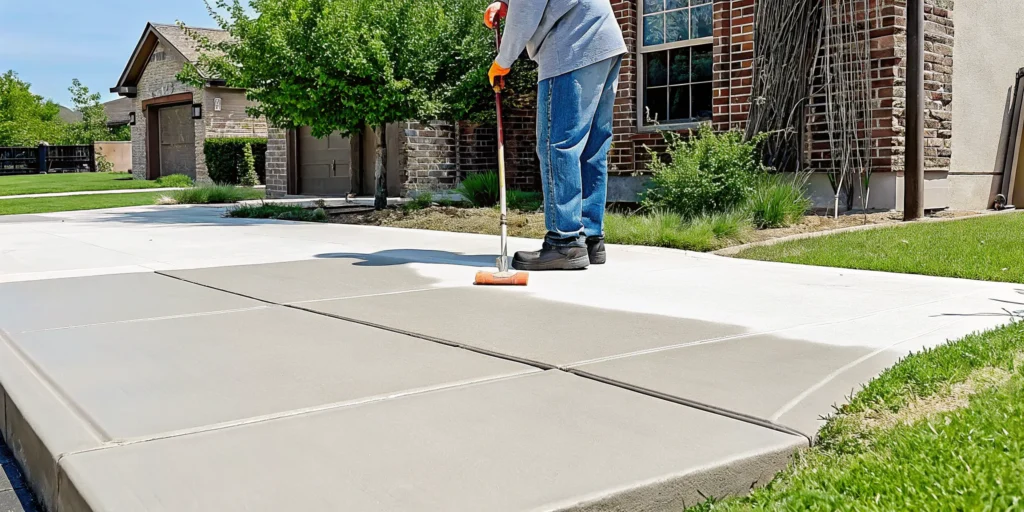
That sinking feeling you get when you see a cracked driveway isn’t just about the trip hazard; it’s the fear of a huge repair bill. The good news is that a full, messy replacement is rarely the only answer. Concrete leveling offers a way to lift and restore your existing slabs, often for 50% to 70% less than the cost of tearing everything out and starting over. It’s a smart, efficient process that fixes the problem in hours, not days. This makes concrete leveling in Allen TX a surprisingly affordable project that not only improves your home’s safety but also protects your budget from the high cost of a total replacement.
Key Takeaways
- Level concrete to protect your foundation: Sinking concrete often slopes toward your house, funneling water where it can cause the most damage. Leveling restores proper drainage, which is a key step in preventing costly foundation issues.
- Identify problems before they get worse: Pay attention to the early signs of trouble, such as trip hazards from uneven slabs, standing water after rain, or widening cracks. A gap forming between your concrete and your home is a clear signal to call a professional.
- Choose leveling to save time and money: Unless your concrete is completely shattered, leveling is usually the better option. It’s a faster, less disruptive process that can save you more than half the cost of a full replacement, and you can often use the surface again the same day.
What Is Concrete Leveling and Why Should You Care?
If you’ve noticed your driveway, patio, or sidewalk looking a little lopsided, you’re not alone. Over time, concrete slabs can sink and crack, creating uneven surfaces that are more than just an eyesore; they can be a serious tripping hazard for your family and guests. That’s where concrete leveling comes in. It’s a modern, cost-effective method to lift and level those sunken concrete surfaces, restoring them to their original position without the mess and expense of a full replacement.
So, why should you care about a few uneven spots? For starters, that sinking concrete is often a symptom of a bigger problem happening underneath the surface. Ignoring it can lead to more significant issues, like water pooling near your home’s foundation. A simple concrete repair can prevent costly damage down the road. Leveling your concrete not only makes your property safer but also instantly improves its curb appeal and value. It’s a smart, proactive solution that addresses both the cosmetic issue and the underlying cause, giving you a stable, secure surface for years to come.
How the Leveling Process Works
You might be picturing a huge, disruptive construction project, but the process is surprisingly straightforward. We use a technique called polyurethane foam injection, which is a clean and efficient way to lift concrete. First, our team drills a few small, discreet holes in the sunken slab. Then, we inject a special two-part expanding foam into the voids beneath the concrete.
This high-density polyurethane foam expands to fill every empty space, stabilizing the soil and gently lifting the slab back into its correct position. The process is precise, allowing us to control the lift for a perfectly level result. Once the slab is raised, we patch the small holes, making them nearly invisible. The foam cures quickly, so you can often use your driveway or patio the very same day. You can see some of our finished projects on our Our Work page.
Why Allen’s Soil Puts Your Concrete at Risk
Living in Allen and the greater Dallas area means dealing with Texas’s unique soil conditions. Much of the region is built on expansive clay soil, which acts like a sponge. During rainy seasons, the soil swells with moisture, and during our hot, dry spells, it shrinks and cracks. This constant movement is the primary reason concrete sinks and settles.
The ground underneath your concrete can also weaken from erosion or from being loosely compacted when your home was built. When the soil shifts or washes away, it creates empty pockets, and the heavy concrete slab has no choice but to sink into the void. This doesn’t just cause cosmetic problems; it can lead to structural damage if left unaddressed. Because these soil issues can also affect your home’s base, it’s a good idea to understand how they relate to foundation repair.
4 Signs Your Concrete Needs Help
Your concrete surfaces are workhorses, but they aren’t invincible. Over time, the ground underneath can shift, leading to problems that are more than just cosmetic. Spotting the early warning signs can help you address issues before they become bigger, more expensive headaches. Here are four key indicators that your concrete driveway, patio, or walkway needs professional help.
Cracks and Surface Damage
It’s easy to dismiss a small crack in your driveway, but even minor fissures can signal bigger trouble. Cracks often form when the soil supporting the concrete slab erodes or settles, creating stress that the rigid material can’t handle. While hairline cracks might not be an immediate emergency, wider, separating cracks are a clear sign that the slab’s integrity is compromised. Ignoring them allows water to seep underneath, worsening the soil problem and leading to more significant damage. Getting a professional opinion on concrete repair can determine the root cause and prevent the issue from spreading.
Sinking or Uneven Slabs
If you’ve ever tripped on an uneven section of your sidewalk, you know it’s more than just an annoyance; it’s a safety hazard. Sinking or uneven concrete slabs are a classic sign that the soil beneath has washed away or compacted, leaving the slab without proper support. This is especially common in areas like Allen, where soil conditions can change dramatically. A sunken patio can direct water toward your home, and an uneven driveway can put stress on your vehicle’s suspension. Leveling the slab restores a safe, even surface and addresses the underlying support issue before it gets worse.
Puddles and Poor Drainage
After a Texas rainstorm, do you notice persistent puddles on your patio or walkway? That standing water is a red flag. Concrete surfaces are designed to be sloped slightly to allow for proper drainage. When you see water pooling, it means a section of the slab has sunk, creating a low spot. Beyond being a nuisance, this water can accelerate the concrete’s deterioration, contribute to mold and mildew growth, and even seep into the soil next to your house. Over time, this can compromise your home’s structure and may require foundation repair.
Gaps Between Concrete and Your Home
Take a walk around your home and look at where your concrete surfaces meet your foundation. Do you see a gap forming between your patio and the house, or where the driveway meets the garage? This separation is a serious warning sign. It indicates that the concrete slab is settling and pulling away from the structure. This gap creates a direct channel for water to flow down against your foundation, which can lead to soil erosion, water intrusion, and significant structural damage. If you see these gaps, it’s time to contact a professional for an evaluation.
What Causes Concrete to Shift in Allen, TX?
If you’ve noticed your driveway, patio, or sidewalk starting to look a little off-kilter, you’re not just seeing things. Shifting concrete is a common headache for homeowners, but the problem usually starts with what’s happening underneath the surface. The ground beneath your concrete slab is its foundation, and when that support system is compromised, the concrete has nowhere to go but down.
Understanding what’s causing your concrete to move is the first step toward finding a lasting solution. In Allen, we see a few common culprits that put pressure on concrete slabs, from our unpredictable weather to the very soil our homes are built on. Let’s look at the main reasons your concrete might be sinking, cracking, or becoming uneven.
Soil Erosion and Movement
The stability of your concrete is completely dependent on the soil beneath it. When that soil washes away or shifts, it creates empty spaces, or voids, under the slab. Without solid ground to rest on, the heavy concrete will eventually crack and sink into these gaps. Soil erosion is often caused by water. Poor drainage, heavy rainfall, or even a leaky sprinkler system can slowly wash away the soil supporting your driveway or walkway. This process can be so gradual you might not notice it until you have a significant trip hazard on your hands. A professional concrete repair will address both the sunken slab and the underlying soil issue to prevent it from happening again.
Texas Weather Swings
Living in North Texas means dealing with some dramatic weather changes, and your soil feels every bit of it. Our area is known for its expansive clay soil, which acts like a sponge. During periods of heavy rain, the soil swells up with moisture. Then, during our hot, dry summers, it shrinks and pulls away from your concrete slabs. This constant cycle of expansion and contraction puts immense stress on the concrete. Over time, this movement can cause slabs to settle unevenly or crack. These same soil conditions are also a leading cause of problems for your home’s foundation, making it even more important to manage water around your property.
The Weight of Everyday Use
Sometimes, the cause of sinking concrete is simply the pressure of daily life. Your driveway is designed to hold the weight of your vehicles, and your patio supports heavy furniture and foot traffic. But if the soil underneath was not compacted properly or has been weakened by erosion, the constant weight will cause the slab to settle. This often happens gradually, creating uneven surfaces and dangerous trip hazards over time. You might notice one section of your driveway is lower than another or that your walkway has become a wobbly path. You can see examples of how we’ve fixed these exact issues for other homeowners by looking at our work in the Dallas area.
Your Concrete Leveling Options
When you notice your driveway, patio, or sidewalk starting to sink, your first thought might be a full, expensive replacement. Luckily, that’s usually not necessary. Concrete leveling offers a way to lift and restore your existing slabs, saving you time, money, and a major headache. This process isn’t just a cosmetic fix; it’s a structural repair that addresses the unstable soil beneath your concrete, which is often the real culprit. The two main methods you’ll encounter are polyurethane foam injection and the more traditional mudjacking. Understanding how each one works will help you make an informed decision for your home. Let’s look at what each option involves.
Polyurethane Foam Injection
This is the modern, go-to solution for most concrete leveling projects. The process involves drilling small, dime-sized holes into the sunken slab. A specialized, two-part polyurethane foam is then injected into the voids beneath the concrete. As the foam mixes and expands, it gently and precisely lifts the slab back into place. This high-density foam is incredibly strong yet lightweight, so it won’t add extra stress to the soil below. It’s also waterproof, which helps prevent future erosion. The whole process is fast, the material cures quickly, and your concrete is often ready for use the same day. This is the preferred method for a lasting concrete repair.
Mudjacking
Mudjacking is the classic approach to concrete leveling. It works by pumping a slurry, typically a mix of soil, cement, and water, underneath the sunken slab through larger holes. The pressure from this mixture forces the concrete upward. While it can be effective, mudjacking has some drawbacks. The material is very heavy, adding significant weight to already unstable soil. It’s also not waterproof and can erode over time, potentially leading to the same sinking problem down the road. The process can be messier, and the cure time is longer than with polyurethane foam, meaning you’ll have to wait longer to use your driveway or patio again.
How to Choose the Right Method
When comparing your options, think about long-term stability and efficiency. While mudjacking might sometimes have a lower upfront cost, polyurethane foam injection provides a more durable and reliable solution that addresses the root cause of the problem by stabilizing the soil. It’s less invasive, much faster, and the waterproof foam protects against future water-related issues. The best way to know for sure is to have a professional assess the situation. If you see cracks or uneven slabs, it’s best to act quickly before the damage becomes too severe for a simple repair. A professional can give you a clear picture of what your property needs and help you get a free estimate for the job.
Level It or Replace It? Making the Call
When you see a sunken driveway or a cracked patio, the first question that probably comes to mind is, “Do I have to tear this all out?” It’s a valid concern. The thought of a full-blown concrete replacement project is enough to make anyone anxious. The good news is, you often have another option: concrete leveling. Deciding between leveling and replacing your concrete comes down to a few key factors, including the extent of the damage, the underlying cause, and your budget. Understanding the pros and cons of each will help you make a confident choice for your home.
The Case for Leveling
For many homeowners, concrete leveling is the perfect fix. The biggest advantage is the cost. Leveling your concrete can save you a significant amount of money compared to the price of a full replacement. It’s also much faster and less disruptive. Instead of days of demolition and construction, leveling can often be done in just a few hours, and you can usually use your driveway or patio again the same day. This modern concrete repair method involves injecting a specialized material beneath the slab to lift it back into position, which means less mess and no damage to your surrounding landscaping. It’s a smart, efficient solution for slabs that are still in good structural shape.
When a Full Replacement Is Necessary
While leveling is a fantastic option, it isn’t a cure-all. Sometimes, a full replacement is the only way to go. If your concrete is shattered into multiple pieces, crumbling at the edges, or covered in a web of deep cracks, its structural integrity is likely gone. Leveling a slab that’s too far gone is like putting a bandage on a broken bone; it just won’t hold. Similarly, if the soil underneath has eroded so much that it can no longer provide a stable base, a replacement may be needed to properly address the underlying issue. A professional can assess the damage and determine if a replacement is the right long-term solution for your property.
What to Expect for Concrete Leveling in Allen, TX
Deciding to move forward with a home repair project can feel like a big step, but knowing what the process involves makes it much more manageable. When it comes to concrete leveling, the good news is that it’s a straightforward and efficient fix for uneven surfaces. Unlike a full-blown replacement that can take days and leave your yard in disarray, leveling is designed to be quick, clean, and cost-effective. From the initial estimate to the final result, the process is less disruptive than you might think.
Understanding the costs, timeline, and what happens after the work is done can help you plan accordingly and feel confident in your decision. While every property is different, there are some general expectations you can count on. Many homeowners are surprised to learn how affordable the project can be, especially with flexible financing options available. Let’s walk through what a typical concrete leveling job in Allen looks like, so you know exactly what to expect from start to finish.
A Look at the Costs
One of the first questions homeowners ask is, “How much will this cost?” The great thing about concrete leveling is that it’s significantly more affordable than tearing out and replacing your concrete. Most residential projects fall somewhere between $500 and $2,500, though the final price depends on the size of the area and the extent of the damage. On average, choosing to level your concrete can save you anywhere from 50% to 70% compared to the cost of a full replacement. This makes it a smart financial choice that restores both the safety and appearance of your property without breaking the bank. The best way to get an accurate price for your specific situation is to get a free estimate.
How Long the Job Takes
If you’re worried about a lengthy project disrupting your life, you can relax. Most concrete leveling jobs are completed in just a few hours. The process is designed for maximum efficiency, meaning a professional crew can arrive, fix the uneven slabs, and clean up in a single day. You won’t have to deal with the noise and mess of demolition that comes with concrete replacement. This quick turnaround makes it an incredibly convenient solution for busy homeowners. Our concrete repair service is built to solve your problem with minimal interruption to your daily routine, allowing you to get back to normal as soon as possible.
When You Can Use Your Concrete Again
You’ll be able to use your driveway, patio, or walkway almost immediately after the job is done. Modern leveling methods, like polyurethane foam injection, cure very quickly. In many cases, the material hardens and is ready for normal use in less than an hour. This is a huge advantage over older methods like mudjacking, which could require a full day to cure before you could put any weight on the surface. Our team of experienced professionals uses proven products that ensure a fast and durable repair, so you can walk, play, or park on your newly leveled concrete the very same day.
The Long-Term Payoff of Leveling Your Concrete
Fixing that sinking driveway or uneven patio might feel like just another item on your home maintenance to-do list, but it’s one of the smartest investments you can make in your property. Think of it less as a simple repair and more as a long-term strategy for protecting your home’s value and safety. When you address uneven concrete, you’re not just fixing an eyesore; you’re preventing a whole host of bigger, more expensive problems down the road. The payoff goes far beyond just having a prettier walkway.
From keeping your family safe from tripping hazards to protecting your home’s very foundation from water damage, the benefits are significant and long-lasting. Professional concrete repair is a proactive step that pays for itself over time by preventing more severe issues. It improves your home’s curb appeal, makes your outdoor spaces more usable, and gives you peace of mind knowing you’ve handled a problem before it could get worse. It’s a practical solution that delivers real, lasting value for any Allen homeowner who wants to maintain their property and avoid costly surprises.
Improve Safety and Prevent Accidents
A sunken sidewalk or a tilted patio slab is more than just a cosmetic issue; it’s a serious safety risk. Uneven surfaces create tripping hazards that can cause injuries to your family, guests, and anyone visiting your property. Think about kids running in the yard, a neighbor stopping by for a chat, or even just carrying groceries in from the car. An unexpected dip or raised edge is all it takes for a nasty fall. Leveling your concrete smooths out these dangerous spots, creating a safe, even surface for everyone. It’s a simple fix that removes a daily hazard from your property.
Increase Your Home’s Curb Appeal and Value
Your driveway, walkway, and patio are some of the first things people see when they look at your home. Cracked, sinking concrete can make an otherwise beautiful property look neglected. By leveling these surfaces, you instantly improve your home’s curb appeal. A smooth, well-maintained driveway looks clean and inviting. This not only makes your home more enjoyable for you but also adds to its market value. In fact, professional concrete leveling can often save you 50% to 70% compared to the cost of a full replacement, making it a cost-effective way to get impressive results. You can see the difference for yourself in examples of our work.
Protect Your Foundation from Water Damage
One of the most critical, yet often overlooked, benefits of concrete leveling is how it protects your home’s foundation. When a slab like a patio or driveway sinks, it almost always slopes toward your house. This creates a perfect channel for rainwater to pool against your foundation. As that water collects, it saturates the soil, which can lead to serious structural issues over time. Properly leveled concrete ensures that water drains away from your home as it should. By addressing uneven concrete now, you can prevent water from causing costly foundation repair problems in the future.
How to Find a Concrete Leveling Pro in Allen
Finding the right person for the job can feel like the biggest hurdle, but it doesn’t have to be. When your concrete starts to sink or crack, you need a professional you can trust to fix it correctly the first time. A little research upfront will save you a lot of headaches down the road. Focus on finding a local expert who specializes in concrete repair and has a solid reputation in the Allen community. This ensures they understand the specific soil conditions and can provide a lasting solution for your home.
What to Look for in a Contractor
Not all contractors are created equal, especially when it comes to specialized work like concrete leveling. You’ll want to find a company that focuses specifically on this type of repair, not a general handyman who does it on the side. An experienced pro will understand the unique challenges of Allen’s soil and weather. They should be able to explain their process clearly and answer all your questions. Look for a team with a proven track record and deep roots in the community. A company’s history and the experience of its team often speak volumes about their reliability and the quality of their work.
The Importance of Reviews and Warranties
Before you hire anyone, see what your neighbors are saying. Reading online reviews and checking ratings from homeowners right here in Allen can give you a clear picture of a company’s performance. But don’t stop there. A reputable contractor will always stand behind their work with a strong warranty. This isn’t just a piece of paper; it’s a promise that they have confidence in their materials and their installation. A lack of a warranty can be a major red flag. You can also ask to see a portfolio of their completed projects to get a feel for the quality you can expect from their past work.
Why You Need a Free, Transparent Estimate
Getting a quote shouldn’t cost you anything. Reputable concrete leveling companies will offer a free, no-obligation estimate. This is your opportunity to meet them face-to-face, ask questions, and get a feel for their professionalism. The estimate itself should be clear and detailed, breaking down the costs so you know exactly what you’re paying for. Avoid any contractor who gives you a vague quote or pressures you to sign on the spot. A transparent estimate is the first step in building trust. When you’re ready, you can request an inspection to get a precise and honest assessment of your concrete issues.
How Solid Base Foundations Can Help
We know you have options, and we’re here to make the choice easy. At Solid Base, we specialize in concrete leveling and foundation repair right here in the Greater Dallas area. Our team uses a proven polyurethane foam injection method that is not only effective but also minimally invasive. Professional concrete repair can often save you up to 70% compared to the cost of a full replacement, making it a smart and affordable solution. We combine patented products with years of local experience to lift and stabilize your concrete for good. We treat your home like it’s our own, providing transparent estimates and solutions that last.
Related Articles
- PolyLevel – Solid Base
- Concrete Repair – Solid Base
- How to Fill Large Cracks in Concrete Like a Pro
- Polyurethane Slab Jacking: A Homeowner’s Guide
- Ultimate Guide to Foundation Repair Options
Frequently Asked Questions
How long does a concrete leveling repair actually last? A professional repair using polyurethane foam is designed to be a permanent fix. The high-density material we use is waterproof, stable, and won’t break down or wash away like the soil that caused the issue. By filling the empty spaces and stabilizing the ground beneath the slab, we are correcting the root cause of the problem. This gives you a solid, reliable surface that is meant to last for many years to come.
Is leveling my concrete really that much cheaper than just replacing it? Yes, for most homeowners, leveling is a far more budget-friendly option. You can typically expect to save between 50% and 70% compared to the cost of a full replacement. Tearing out and replacing concrete involves demolition, hauling away debris, and the high material and labor costs of pouring a new slab. Leveling is a much faster and more targeted repair, which is why it saves you a significant amount of money.
My concrete slab is badly cracked. Can it still be leveled? This depends on the type of damage. If your slab has settled and developed some cracks but is still in large, solid pieces, it is likely a great candidate for leveling. However, if the concrete is shattered into many small sections or is crumbling and deteriorating, its structural integrity is probably too compromised. In those cases, leveling won’t be a lasting solution, and a replacement would be the recommended path.
Will the repair process make a mess of my yard? Not at all, and that’s one of the best parts of using polyurethane foam injection. The entire process is very clean and minimally invasive. We only need to drill a few small, dime-sized holes in the concrete itself. There is no heavy machinery driving on your lawn, no excavation, and no messy slurry to clean up. We are very careful to respect your property and leave the work area tidy.
What happens to the small holes you drill in the concrete? After the slab is lifted back into position, our team patches the small injection holes with a durable cement grout. We take care to match the color and texture of your existing concrete as closely as possible. The patches are small and discreet, and while you might notice them if you look closely, they tend to blend in and become less visible over time as they weather with the surrounding surface.