
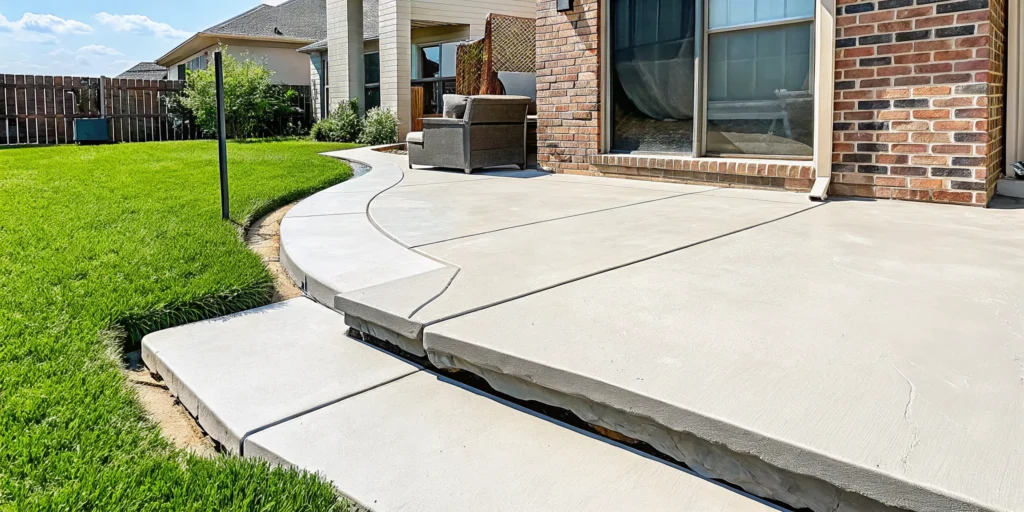
If you live in North Texas, you’re already familiar with our soil’s dramatic personality. It swells with rain and shrinks during our hot, dry summers, putting constant stress on everything built on top of it, including your concrete patio. This isn’t a random stroke of bad luck; it’s a predictable result of our local geology. That’s why generic advice or a quick patch job from a handyman rarely works here. You need a solution that addresses the root cause. This article is written specifically for DFW homeowners, breaking down the science behind your sinking slab and outlining the best methods for a permanent sinking patio repair Dallas Fort Worth properties require, ensuring your investment is secure and your patio is stable for years to come.
Key Takeaways
- Look beneath the surface: A sinking patio in the DFW area is rarely just a cosmetic issue; it’s a sign of unstable expansive clay soil. Poor drainage often accelerates this problem, leading to structural damage that a simple patch can’t fix.
- Choose a lightweight, lasting repair: Polyurethane foam injection is the superior solution for our local soil because it stabilizes the ground without adding heavy weight. This modern method provides a faster, more precise, and more durable fix than traditional mudjacking.
- Address problems early to save money: Don’t ignore warning signs like small cracks, pooling water, or gaps near your foundation. Getting a professional inspection and repair now is significantly more affordable than waiting for the damage to escalate.
Why Do Patios Sink in Dallas-Fort Worth?
Watching your patio sink or crack can be frustrating, but it’s rarely a random event. In the Dallas-Fort Worth area, specific local conditions are almost always the culprit. The ground beneath your home is constantly changing, and understanding what’s happening is the first step toward a lasting fix. From the unique soil composition to the way water moves across your property, several factors can cause your concrete patio to settle and become uneven. Let’s look at the most common reasons your outdoor space is no longer on solid ground.
It Starts with Expansive Clay Soil
The biggest challenge for any concrete slab in North Texas is the ground it’s built on. Much of the region sits on top of expansive clay soil, which acts like a sponge. When it rains, this soil swells up, and during our hot, dry summers, it shrinks dramatically. This constant cycle of expansion and contraction puts immense stress on your patio. As the soil loses volume and shrinks away, it leaves gaps beneath the concrete, causing it to sink and crack under its own weight. An uneven surface is often one of the first signs that this powerful soil is at work.
How Poor Drainage and Erosion Cause Sinking
Water is the trigger for soil movement, so how it behaves around your patio is critical. Poor drainage is a major contributor to sinking concrete. If your gutters are clogged or your downspouts empty right next to the patio slab, that concentrated water will oversaturate the clay soil, causing it to heave. Conversely, heavy rainfall can also wash away the soil supporting the edges of your patio, a process called erosion. This loss of soil creates voids that leave the concrete unsupported, leading to sinking and instability. Proper concrete repair often involves addressing these underlying water issues.
When Tree Roots Create Voids Under Your Patio
Large, beautiful trees can add a lot of value to your property, but their root systems can be a hidden threat to your patio. As large tree roots grow, they can push up against a slab from below, causing it to lift and crack. More commonly, though, roots cause sinking. A tree’s root system draws a massive amount of moisture from the soil. This can cause the expansive clay soil in one area to dry out and shrink much faster than the surrounding soil, leading to uneven settling. Over time, old roots can also decay, leaving behind empty spaces that create voids under concrete and cause it to sink.
The Impact of a Poorly Prepared Base
Sometimes, the problem dates back to the day your patio was installed. A concrete slab is only as stable as the ground it’s poured on. Before pouring concrete, the soil base must be properly graded and compacted to create a dense, stable foundation. If this crucial step was rushed or skipped, the loose soil will naturally settle and compact over time. Unfortunately, it won’t settle evenly, and as the base shifts, it will take your patio down with it. This is why a poorly prepared base almost guarantees your patio will shift, sink, or crack over time, ruining the initial investment.
Is Your Patio Sinking? Look for These Signs
It’s easy to overlook the first signs of a sinking patio. A small crack here, a slight slope there, it might not seem like a big deal. But in the Dallas-Fort Worth area, our expansive clay soil means these little issues are often symptoms of a bigger problem brewing underground. Ignoring them can lead to more extensive and expensive damage down the road.
The good news is that your patio will give you clues long before it becomes a major hazard. Knowing what to look for helps you catch the problem early. From visible cracks to subtle changes in water drainage, these signs are your patio’s way of telling you it needs support. Let’s walk through the four most common indicators that your patio is sinking.
Cracks and Uneven Concrete
The most obvious sign of a sinking patio is visible damage to the concrete itself. You might notice hairline fractures that start to spiderweb across the surface or larger cracks that split the slab. Many homeowners see these cracks or uneven spots and hope for the best, but the real issue is that small problems almost always turn into expensive ones when they’re ignored. An uneven surface, where one section of the patio is clearly lower than another, is a telltale sign that the soil underneath has shifted or washed away. This settlement puts stress on the concrete slab, causing it to crack and sink. If you see these signs, it’s time to consider a professional concrete repair before the damage gets worse.
Puddles Forming on Your Patio
Your patio should be graded to direct rainwater away from your home. If you start noticing puddles forming on the concrete after a storm, that’s a red flag. These low spots indicate that the slab has settled unevenly, disrupting the original slope. Instead of draining properly, water now pools on the surface. This standing water is more than just an annoyance; it can seep into cracks and saturate the soil beneath the slab, accelerating erosion and making the sinking problem even worse. In some cases, uneven concrete can even cause water to flow back toward your house, creating a serious risk for your foundation.
A Gap Between Your Patio and House
Take a look at where your patio meets your house. Do you see a gap opening up between the concrete slab and your home’s foundation? This is a serious warning sign. When the soil under the patio settles, the slab sinks and can begin to pull away from the stationary foundation wall. This separation not only looks bad but also creates a direct channel for water to flow down against your foundation. Over time, this constant moisture can lead to significant foundation problems, turning a simple patio issue into a much larger structural concern. You can see examples of how we fix this separation in photos of our work.
Dipping Edges and Tripping Risks
A sinking patio often creates uneven edges and ledges, which are significant tripping hazards. The spot where your patio meets your yard or a walkway can become a dangerous drop-off, even if it’s only an inch or two. These dipping edges make your outdoor space unsafe for your family, guests, and even yourself. A relaxing evening on the patio can quickly turn into a trip to the emergency room because of an unexpected fall. Restoring the slab to its original, level position isn’t just about aesthetics; it’s about making your property safe and functional again. If you’re worried about tripping hazards, it’s best to contact us for a free evaluation.
Myths About Sinking Patio Repair
When you first notice a problem with your patio, it’s easy to go down a rabbit hole of misinformation. You might tell yourself it’s not a big deal or that a quick fix will do the trick. Unfortunately, these common beliefs often lead to bigger headaches and more expensive repairs down the road. Let’s clear up a few myths about sinking patios so you can address the problem with confidence. Putting off repairs because you think the issue is minor can have serious consequences. In reality, ignoring these problems only makes them worse, leading to higher repair costs and potential structural failure. Understanding the truth behind these myths is the first step toward a lasting solution.
“It’s just a cosmetic issue.”
It’s tempting to dismiss a slightly uneven patio or a few hairline cracks as a simple cosmetic flaw. You might think it just adds a little “character” to your backyard. However, a sinking patio is almost always a symptom of a much deeper problem happening beneath the surface. The uneven concrete is a red flag for issues with the soil, drainage, or the foundation that supports the slab. Ignoring these underlying foundation issues is like putting a piece of tape over your car’s check engine light. It doesn’t solve the problem; it just hides it temporarily while the damage gets worse.
“Those small cracks can wait.”
Seeing a small crack in your patio might not seem like an emergency. Many people think that minor cracks or slightly uneven spots can be put on the back burner. The truth is, small problems have a tendency to become expensive ones when they’re ignored. Those little cracks are entry points for water. Every time it rains, water seeps through them and further erodes the soil underneath your patio, causing it to sink even more. This creates a cycle of damage that gets progressively worse and more costly to fix. Addressing the issue with professional concrete repair early is the best way to stop the cycle.
“A DIY fix is good enough.”
With countless tutorials online, tackling a sinking patio yourself can seem like a great way to save money. While the DIY spirit is admirable, this is one job where professional expertise is crucial. A DIY patch might cover up the cracks for a season, but it won’t solve the root cause: unstable soil. We’ve seen cases where a poorly executed DIY repair actually made the problem worse, leading to even more significant sinking. True patio repair involves stabilizing the ground underneath, which requires specialized equipment and a deep understanding of DFW’s unique soil conditions. Trusting a team of experienced professionals ensures the job is done right the first time.
How to Fix a Sinking Patio: Your Options
When you realize your patio is sinking, it’s easy to feel overwhelmed. The good news is you have solid options to fix it, and you don’t always have to start from scratch. While you can patch minor surface cracks yourself, a sinking slab points to a deeper problem that needs a professional touch. The right approach depends on the condition of your concrete and the underlying soil issues that are so common here in the Dallas-Fort Worth area. Ignoring the problem won’t make it go away; in fact, it often leads to more significant damage and higher repair costs down the road.
Your main choices are polyurethane foam injection, mudjacking, and a full concrete replacement. Each method works differently to restore your patio’s stability and appearance. Understanding how they work will help you have a more informed conversation with a repair specialist and choose the best path forward for your home and budget. A professional can assess the damage and recommend a solution that addresses the root cause, not just the visible symptoms. Let’s walk through what each option involves so you can feel confident about your next steps.
Polyurethane Foam Injection
Polyurethane foam injection is a modern and efficient method for lifting and stabilizing sunken concrete. This process involves drilling a few small, dime-sized holes into the affected patio slabs. A specialized, two-part polymer foam is then injected into the voids beneath the concrete. As the components mix, the foam expands, filling every gap and gently lifting the slab back to its original position. It’s a precise and controlled lift.
The best part is how quickly it works. Most concrete repair jobs using this method are finished in just a few hours. The foam cures in about 15 minutes, meaning you can walk on your patio almost immediately and get back to enjoying your outdoor space the very same day. It’s a clean process that doesn’t require heavy equipment or damage your landscaping.
Mudjacking
Mudjacking is a more traditional technique for lifting concrete. Like foam injection, it involves drilling holes into the concrete slab, though these holes are typically larger, about the size of a soda can. A slurry, which is a mixture of soil, sand, cement, and water, is then pumped under the slab with hydraulic pressure. This heavy material fills the voids and forces the concrete upward.
This method has been used for decades to level everything from sidewalks to driveways. While it can be effective, the material is very heavy, which can sometimes add more weight to already unstable soil. The process can also be a bit messier than foam injection, and the cure time is longer, so you’ll have to wait before you can use your patio again.
Full Concrete Replacement
Sometimes, the concrete slab is too damaged to save. If your patio has extensive, web-like cracks or is crumbling apart, a full replacement might be your only option. This is the most intensive solution, as it involves demolishing and hauling away the old concrete, preparing the sub-base properly, and pouring a brand new patio. This is your chance to ensure the foundation is correctly prepared to prevent future sinking.
While it’s the most expensive and time-consuming choice, a full replacement gives you a fresh start. You can be confident that the quality of the final result will last for years, especially when handled by experienced professionals who understand how to create a stable base. It’s the last resort when repair methods like foam injection or mudjacking aren’t viable for the level of damage.
Why Polyurethane Foam is the Best Fix for DFW Patios
When you’re looking at ways to fix your sinking patio, you’ll come across a few options. But for homeowners in Dallas-Fort Worth, one method consistently comes out on top: polyurethane foam injection. This modern approach to concrete repair isn’t just a quick patch; it’s a smart, long-term solution that directly addresses the unique challenges of our local soil. Let’s look at why it’s the best choice for getting your patio back on solid ground.
Quick, Clean, and Ready to Use
This is a huge plus for any homeowner who dreads a messy, drawn-out construction project. Polyurethane foam injection is a remarkably clean and efficient process. Instead of a crew tearing up your yard and patio, our technicians drill a few small, dime-sized holes into the concrete. The foam is injected through these holes, and it gets to work immediately. Most jobs are finished in just a few hours, and the foam itself cures in about 15 minutes. That means you can walk on your patio right away and get back to enjoying your outdoor space the very same day. No big mess, no destroyed landscaping, and no waiting around.
A Lightweight Solution for Heavy Clay Soil
Here in North Texas, our biggest challenge is the expansive clay soil. It swells when it’s wet and shrinks when it’s dry, causing the ground under your patio to become unstable. Older repair methods like mudjacking pump a heavy slurry under the slab, adding hundreds or even thousands of pounds of extra weight. This only puts more stress on the already weak soil, often leading to more sinking later on. Polyurethane foam is the complete opposite. It’s incredibly strong but also extremely lightweight, so it doesn’t add any extra burden to the ground. Instead, it provides a stable lift for your foundation repair needs without worsening the underlying soil problem.
More Precise and Affordable Than Mudjacking
While mudjacking might seem like a cheaper option at first, it’s often not the best value in the long run. The heavy material can cause the slab to sink again, meaning you could be paying for another repair down the road. Polyurethane foam injection is a far more precise and durable solution. Our team can control the lift with surgical accuracy, raising your patio back to its original level without overdoing it. Because the foam is a permanent, waterproof material that strengthens the soil beneath it, it provides a lasting fix. Investing in a solution that works the first time saves you money and stress over the life of your home.
Fix the Root Cause, Not Just the Symptom
A sinking patio with ugly cracks is a symptom of a bigger problem. Underneath the concrete, voids have likely formed from soil erosion or shifting clay. Simply pouring a new slab or patching the cracks does nothing to solve this underlying issue. The problem will just come back. Polyurethane foam addresses the root cause. As the foam expands, it fills every empty space and compacts the weak soil around it, creating a solid, stable base. It essentially rebuilds the support system for your patio from the ground up. By fixing the source of the problem, you get a repair that lasts. You can see how effective this method is in our work across the DFW area.
What to Expect: Sinking Patio Repair Costs in DFW
When you notice your patio is sinking, one of the first questions that comes to mind is, “How much will this cost to fix?” The answer depends on the repair method you choose, and it’s important to look beyond the initial price tag to find a solution that lasts. While tearing out and replacing the concrete might seem like a fresh start, it’s by far the most expensive and disruptive route, often involving days of demolition and construction. On the other hand, older methods like mudjacking might offer a lower upfront cost but often fail to address the root cause, leading to repeat problems down the road.
The best approach is to find a balance between affordability and long-term effectiveness. Modern concrete repair techniques, like polyurethane foam injection, deliver a durable fix without the high cost and hassle of a full replacement. This method is not only less invasive but also addresses the unstable soil conditions common in the DFW area. Understanding the differences between these options will help you make an informed decision that protects your investment and restores your outdoor space for years to come. Let’s break down what you can expect to pay and the factors that influence the final cost.
Comparing Costs: Foam vs. Mudjacking vs. Replacement
When you get quotes for your patio repair, you’ll likely see a wide range of prices. Tearing out and replacing your patio is the most expensive option by a long shot. Mudjacking, which involves pumping a heavy cement slurry under the slab, can seem tempting because it’s often about 20% cheaper than foam injection at first. However, that heavy material can add more weight to our already unstable DFW soil, causing the patio to sink again.
Polyurethane foam injection typically offers the best value. This method can save you 50% to 70% compared to a full replacement. It’s not only more affordable but also much faster, cleaner, and longer-lasting. The lightweight foam supports the slab without adding extra stress to the soil, making it a smarter, more permanent fix.
What Influences the Final Cost?
The final price for your patio repair isn’t one-size-fits-all. Several key factors will determine your specific quote. The first is the size of the sunken area; lifting a small corner will naturally cost less than raising an entire patio. The severity of the problem also plays a big role. A patio that has only sunk an inch requires less material and time to fix than one that has dropped several inches and created a large void underneath.
Finally, access to the site can influence the cost. Our team needs to be able to get our equipment to the patio to perform the repair. The best way to get a clear picture of the cost for your specific situation is to have a professional take a look. We can provide a free estimate to give you an exact price.
Why Waiting to Repair Costs You More
It’s easy to put off fixing a few cracks or a slightly uneven patio, but waiting is one of the most expensive mistakes you can make. A sinking patio is a clear sign of an underlying problem with the soil, and it will only get worse over time. Small cracks will widen, the sinking will accelerate, and the repair will become more complex and costly. What might be a straightforward fix today could turn into a much bigger project in a year.
Ignoring the issue can also lead to more serious structural damage. A sinking patio can direct water toward your house, putting pressure on your foundation and leading to much more severe problems. Addressing the issue early saves you money and protects your home’s structural integrity. We offer flexible financing options to help you handle repairs now instead of later.
How to Choose a DFW Concrete Repair Company
Finding the right team to fix your sinking patio can feel like a big task, but knowing what to look for makes all the difference. You want a repair that lasts, not a quick fix that will have you calling for help again in a year. When you’re vetting companies in the Dallas-Fort Worth area, focus on a few key areas to ensure you’re hiring experienced professionals who stand by their work. Here’s what to keep on your checklist.
Local Experience and Proven Reviews
A company that understands DFW’s unique soil is non-negotiable. Our expansive clay soil behaves differently than soil in other parts of the country, so you need a team with specific, local experience. Look for a company that proudly showcases its projects throughout the Dallas area. Check their website for a gallery of past jobs and read through customer reviews on various platforms. Honest feedback from your neighbors is one of the best indicators of a company’s quality. A long history of successful projects, like the ones you can see in our work gallery, shows they know how to get the job done right in our community.
Proven Methods and Patented Products
The technology used for concrete repair has come a long way. Gone are the days of messy, disruptive methods that take forever to cure. Ask potential companies about the techniques and materials they use. Modern solutions like polyurethane foam injection offer a durable, long-lasting lift for sinking concrete. A top-tier company will use proven products to deliver an effective concrete repair. This focus on advanced technology means you get a more reliable fix that protects your investment for years to come, addressing the root of the problem instead of just the surface-level symptoms.
Clear Pricing, Warranties, and Guarantees
You should never have to guess what you’re paying for. A trustworthy contractor will provide a clear, detailed estimate that breaks down all the costs, from labor to materials. Don’t hesitate to ask questions if something isn’t clear. It’s also essential to ask about their warranties. A company that is confident in its work will offer a solid guarantee to protect you if any issues arise after the job is done. This transparency is a hallmark of a professional team that values its customers and stands behind its repairs. It’s a sign of a company that is truly about building trust, not just fixing concrete.
Free Estimates and Flexible Financing
A major repair can feel financially overwhelming, but a good company will work with you. Look for contractors who offer free, no-obligation estimates. This allows you to get a professional assessment of your patio’s condition and a clear price without any pressure. It’s a standard practice for reputable businesses. Additionally, ask if they have payment plans or financing options available. Making necessary repairs affordable is a sign of a customer-focused company that understands that structural issues often pop up unexpectedly. This flexibility can make it much easier to address the problem now before it gets worse.
Prevent Your Patio From Sinking Again
After you’ve invested time and money into repairing your patio, the last thing you want is to watch it sink all over again. Fortunately, you can take a few proactive steps to protect your outdoor space and keep it stable for years to come. By focusing on water management, prompt repairs, and regular check-ups, you can prevent future problems before they start. Think of it as simple maintenance that protects your home’s value and your peace of mind.
Manage Water with Better Drainage
Water is the number one enemy of a stable patio foundation, especially in the Dallas-Fort Worth area. Our expansive clay soil swells when wet and shrinks when dry, and uncontrolled water flow only makes this problem worse. Ignoring proper drainage can weaken the soil base beneath your patio, leading to erosion, sinking slabs, and dangerous tripping hazards. Make sure your gutters and downspouts are clean and directing water several feet away from your patio and home foundation. If you notice persistent puddles, you may need more advanced drainage solutions to keep the area dry and stable.
Seal Small Cracks Immediately
It’s easy to dismiss a tiny crack in your patio as a minor cosmetic flaw, but even small openings can lead to big trouble. Cracks are an open invitation for water to seep beneath the concrete, eroding the soil and compromising the slab’s support system. Over time, this water intrusion will cause the patio to sink and the cracks to widen. Many homeowners think they need a full replacement when they see cracks, but the real issue is that small problems become expensive ones when they’re ignored. Addressing these issues early with professional concrete repair is a simple, cost-effective way to stop damage in its tracks and extend the life of your patio.
Get Regular Professional Inspections
Sometimes, the earliest signs of a sinking patio are too subtle for an untrained eye to catch. That’s why scheduling regular professional inspections is one of the smartest things you can do for your property. An expert can identify underlying issues with soil, drainage, or the slab itself long before they become serious structural problems. Ignoring foundation issues only makes them worse, leading to higher repair costs down the line. A professional inspection catches these problems early, saving you from major damage and expensive fixes. Think of it as a routine check-up that ensures your patio remains on solid ground. You can get a free estimate to assess your patio’s condition and catch any potential issues.
Get Your Patio Back on Solid Ground
A sinking patio can feel like a huge headache. One minute you’re planning a backyard barbecue, and the next you’re staring at ugly cracks and worrying about tripping hazards. If this sounds familiar, you’re not alone. Here in the Dallas-Fort Worth area, our expansive clay soil makes sinking concrete a common frustration for homeowners. But the good news is that you don’t have to tear out your entire patio or just learn to live with the problem. There are effective and lasting solutions available.
Ignoring an uneven patio won’t make the problem go away; it often just leads to more significant damage and higher repair costs down the road. Taking action now is the best way to protect your property. With modern concrete repair methods, we can address the underlying cause of the sinking. Our team uses proven techniques to lift and stabilize the concrete, restoring your patio to its original position without a messy, lengthy demolition. You can see the results of these proven repair solutions in our work.
Imagine enjoying your outdoor space again, confident that it’s safe, level, and beautiful. Getting your patio back on solid ground is about more than just looks; it’s about restoring function and peace of mind. The first step is to get a clear picture of what’s happening beneath the surface. Our team of experienced professionals can provide a thorough inspection and explain your options. We believe in giving you straightforward answers, which is why we offer completely free estimates to help you make an informed decision for your home.
Related Articles
- Concrete Repair – Solid Base
- How to Fill Large Cracks in Concrete Like a Pro
- Polyurethane Slab Jacking: A Homeowner’s Guide
- A Homeowner’s Guide to Foundation Repair Services
- Ultimate Guide to Foundation Repair Options
Frequently Asked Questions
My patio only has a few small cracks. Is it really necessary to get it professionally repaired? It’s smart to be asking this. While those small cracks might look harmless, they are often the first sign of a bigger issue with the soil underneath. In our area, cracks act as tiny channels for water to seep below the slab, which speeds up soil erosion and causes the patio to sink even more. A professional can determine if the cracks are just on the surface or if they point to a deeper problem. Catching it early is almost always the most affordable way to go.
How long does a polyurethane foam repair take, and can I use my patio right away? This is one of the best parts about using polyurethane foam. Most repair jobs are completed in just a few hours, not days. The foam itself cures and hardens in about 15 minutes, so your patio is ready to walk on and use almost immediately after the crew finishes. You won’t have to wait to get your backyard back, which is a huge advantage over methods that require days of cure time.
Will the repair process make a mess of my yard and landscaping? Not at all. Polyurethane foam injection is a very clean and minimally invasive process. Our technicians drill a few small, dime-sized holes in the concrete to inject the foam. There is no need for heavy, destructive equipment that would tear up your lawn or garden beds. Once the job is done, the small holes are patched with cement, leaving your patio and yard looking neat and tidy.
Is polyurethane foam a permanent solution for DFW’s clay soil? This is a great question because our soil is the root of the problem. While nothing can completely stop the natural shifting of expansive clay soil, polyurethane foam is the most durable and effective long-term solution. The foam is waterproof, so it seals the underside of the slab from moisture and prevents future erosion. It’s also incredibly lightweight, so it stabilizes your patio without adding extra weight that could cause more sinking later on.
What happens during a free estimate? During a free estimate, one of our specialists will visit your home to perform a thorough inspection of your patio. They will assess the extent of the sinking, identify the underlying cause, and take precise measurements. Afterward, they will walk you through their findings, explain the best repair options for your specific situation, and provide you with a clear, detailed quote. There’s no pressure or obligation; it’s simply our way of giving you the information you need to make a confident decision.