
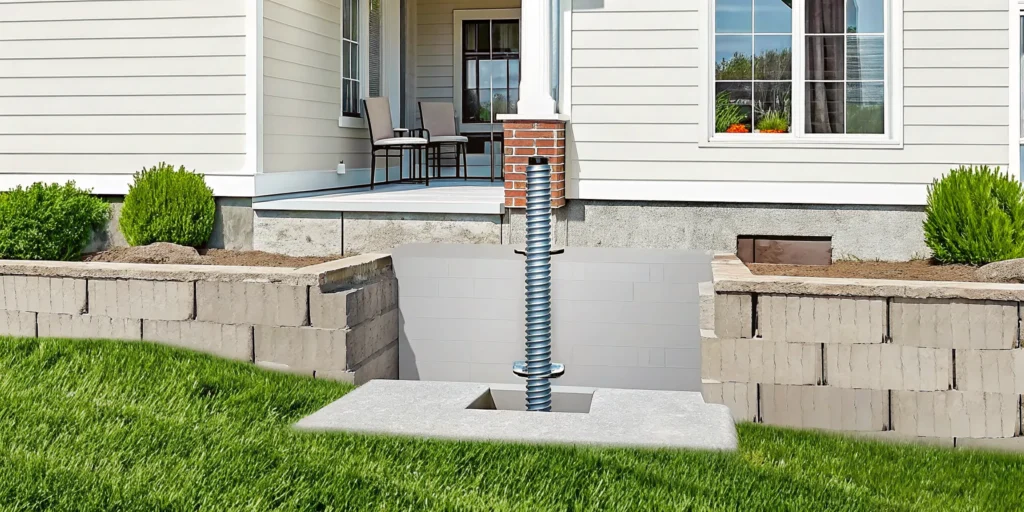
North Texas clay soil constantly shrinks and swells, causing concrete slabs to crack and doors to stick. When your home settles into this shifting earth, finding a permanent way to stabilize the structure is vital.
→ Schedule Your Free Foundation Inspection Today
The professionals at Solid Base Foundations have been providing expert foundation repair services across the Dallas-Fort Worth area for years. With patented push pier and helical pier systems, our team stabilizes homes against North Texas expansive clay soil. Call (940) 365-4221 for your free estimate today!
The choice of push piers vs helical piers depends on your home’s weight and the soil depth. Helical piers use steel plates welded to a shaft that screw deep into the ground, making them ideal for lighter structures or areas with soft soil. In contrast, push piers are driven into the earth by the weight of your home until they reach solid rock or strong soil. Both systems offer a lifetime fix for settling homes, but push piers are often best when underground conditions are unknown. Choosing the right system secures your home against shifting North Texas clay. Before starting any work, it is wise to consult a team that specializes in foundation repair services overview to inspect your property’s soil structure.
What Makes Push Piers and Helical Piers Different?
When North Texas clay soil shifts under your home, it can cause your foundation to sink. Contractors transfer the weight of your house to strong soil deeper in the earth using deep steel piers. Two of the most common steel pier systems are helical piers and push piers. While both systems lift and hold your home, their design and how they work are very different. The expansive clay soil unique to North Texas means that choosing the right pier type is not just a preference — it is a structural necessity for long-term stability.
Helical Piers and How They Work
Helical piers, also called screw piles, are steel shafts with helical plates welded to a central steel tube. A technician uses hydraulic machines to screw the pier deep into the ground. As the pier spins, the plates pull the steel shaft into the earth without needing the weight of your home. The pier keeps spinning until it reaches strong soil that can support your home. According to a study on PubMed Central, the diameter and pitch of these blades are optimized to increase how much weight the pier can hold. You can read about the helical pier installation process to see how this system works on-site.
Push Piers and How They Work
Push piers are straight steel pipes that do not have screw plates. Instead of being screwed into the ground, a technician pushes them straight down. The crew attaches heavy-duty steel brackets to your home’s concrete footings, then uses hydraulic jacks to drive the steel pipes into the ground. This method uses the actual weight of your home to push the pipes down. According to Acculevel, these steel pipe piles are driven deep until they reach a solid load-bearing layer of soil or rock. This deep reach provides a permanent way to stabilize your home’s foundation. Crews can install these piers inside or outside of a building, and the work often takes just a few days.
Advanced Steel Pier Design and Load Transfer
Both pier types are great at stopping foundation movement, but they transfer loads in unique ways. Helical piers get their support from both the end of the shaft and the friction of the plates against the soil, making them highly stable in different types of ground. Push piers rely mostly on the hard rock or strong soil at the very bottom of the pipe. To make push piers vs helical piers even more distinct, Solid Base Foundations uses piers with a patent-pending external sleeve that reinforces the steel pipe at the critical tension point right below the bracket. Both systems can take extra steel pipe sections, allowing crews to drive them as deep as needed to reach stable ground beneath North Texas expansive clay.
How Does Helical Pier and Push Pier Installation Differ?
Fixing a settling foundation in North Texas requires deep steel piers that bypass weak topsoil. While both methods stabilize your home, the way crew members put them into the ground is quite different. Both types of piers can be installed from either the inside or outside of your home, and most jobs wrap up in just a few days, according to industry standards recorded by Acculevel.
The Push Pier Installation Method
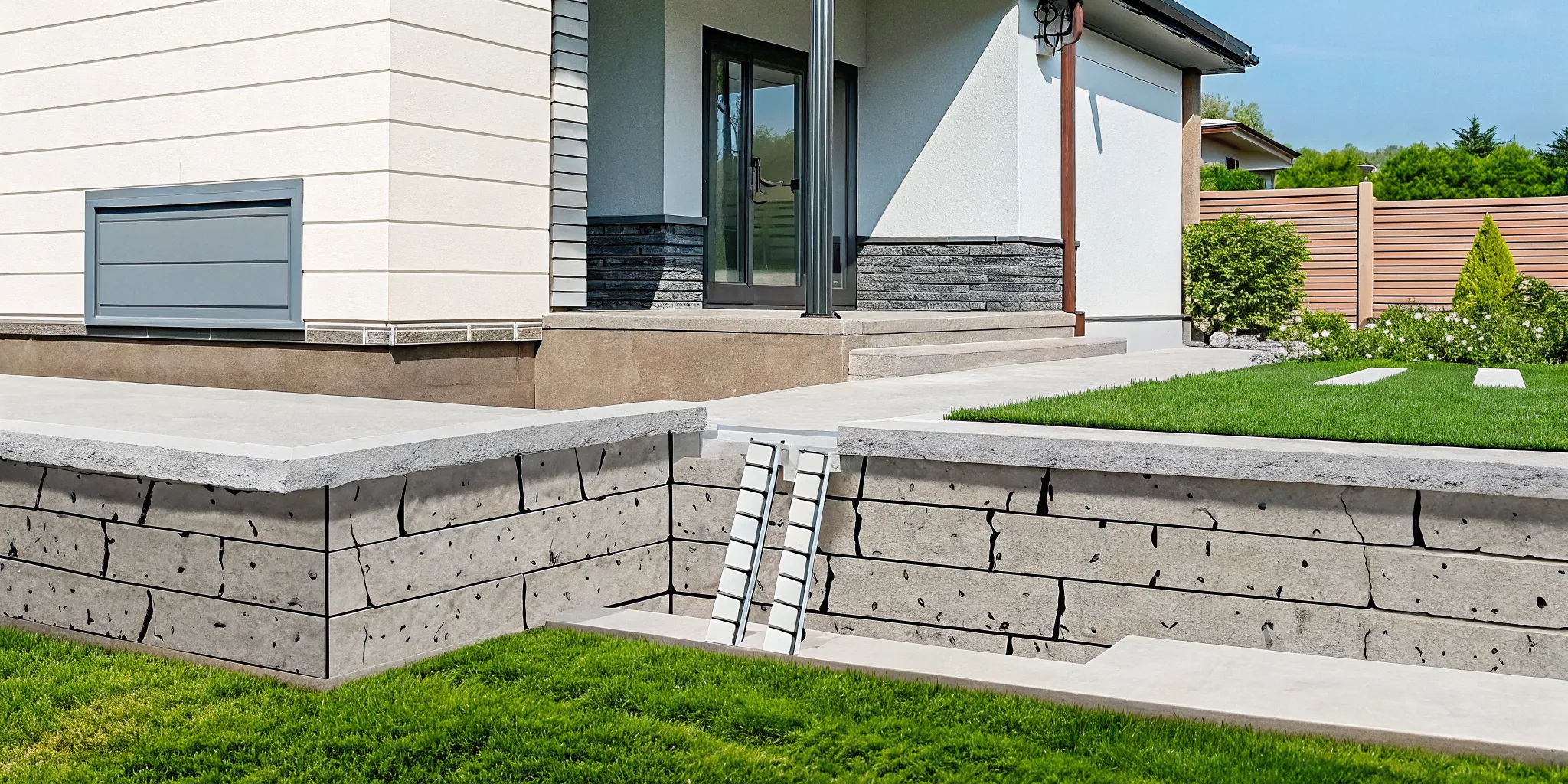
Push pier installation relies on the physical weight of your home to drive steel sections into the earth. Crews attach heavy steel brackets to the concrete footing of your foundation. A hydraulic ram then pushes rugged steel pipes straight down through the clay soil. This process continues, section by section, until the pier hits a hard, load-bearing layer of rock or strong soil. Once the piers reach this strong layer, the weight of your home transfers onto the piers to stop further settling. If you want to know more about this process, you can learn more about push pier installation before your project starts.
The Helical Pier Installation Method
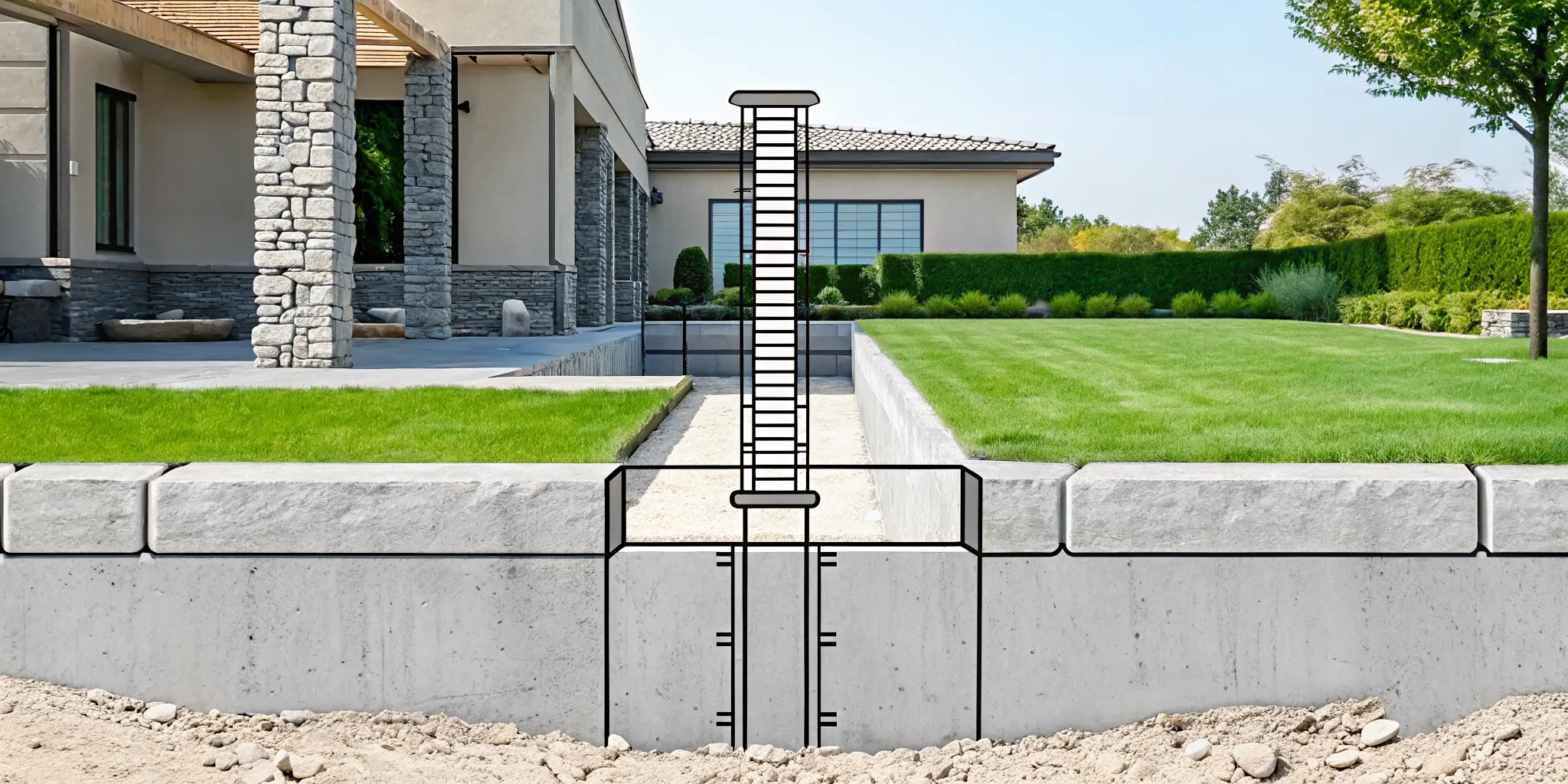
Helical pier installation does not rely on the weight of the building. These piers have helical plates welded to a central steel shaft that act like a giant screw, a design studied in engineering journals like the National Institutes of Health. High-torque hydraulic motors screw the helical piers deep into the ground. As they turn, the plates pull the steel shaft down into the earth. The team adds more steel pipe sections until the plates reach deep, competent soil that can support the structure. This method works well for lighter residential structures because the installation force is torque from the motor, not the weight of the building.
Key Steps in the Piering Process
While the way crews drive the steel into the ground differs, both systems follow a similar sequence to protect your home. Here is how local crews set up and install these systems:
- Excavation: Crews dig small, tidy holes down to the bottom of your concrete foundation footing to expose the edge of the slab.
- Footing Prep: The team chips away loose concrete from the footing to create a flat, clean surface for the steel brackets.
- Bracket Attachment: Heavy-duty steel brackets are bolted securely to the prepared concrete footing of your home.
- Pier Driving: Crews push the steel pipes or screw the helical shafts into the soil until they reach strong load-bearing layers.
- Load Transfer: Hydraulic jacks transfer the weight of the building onto the new piers to stabilize and level the foundation.
- Backfill: Crews replace the soil, pack it down tight, and clean up the work area to leave your yard looking neat.
Which Soil Conditions Work Best for Each Pier System?
North Texas is famous for its blackland prairie soil. This soil contains a high amount of clay that swells when wet and shrinks when dry. This constant movement is the main cause of local foundation shifting. To stop this movement, you must support your home below this active soil zone. Both pier systems do this, but they work best in different soil setups.
How Clay Soil Affects Your Foundation Choice
The expansive clay soil in North Texas changes volume with every rain storm and dry spell. This active zone can extend down fifteen feet or more. To keep a home stable, piers must bypass this moving dirt. Because soil layers can vary from yard to yard, Solid Base Foundations provides a free on-site soil analysis as part of our inspection. This test helps us find the exact depth of the stable soil layers on your property. It is one reason why understanding push piers vs helical piers begins with understanding the ground beneath your home.
When Helical Piers Are the Right Fit
Helical piers work well when the ground has good friction and steady resistance. The steel screws on these piers grip the soil as they turn. This design is great when competent load-bearing soil is present at a moderate depth. According to a study on PMC10590946, the interaction between the screw shaft and the soil creates a strong composite foundation element. This gripping force keeps your home steady even when the top clay layers dry out and shrink.
Why Push Piers Excel in Unknown Soil Conditions
Push piers are often the best choice when deep soil conditions are unknown. Instead of screwing into the dirt, they are driven straight down using the weight of your home. They push past unstable clay until they hit hard bedrock or very dense soil. This method ensures each pier reaches a truly solid base. During installation, our team logs the force on each pier to ensure it has reached stable ground. You can read more on our foundation repair services overview page about how we stabilize homes with these rugged steel systems.
What Factors Determine the Right Foundation Repair System?
Selecting the right foundation repair system for your home depends on a few key structural and environmental elements. The type of building you own, its overall weight, and local ground conditions all play a major role in this engineering choice. Before you make a decision, it is important to understand how these factors affect your property.
Building Weight and Load Requirements
The total weight of your home is a primary factor in whether push piers vs helical piers is the better choice. Heavier buildings with concrete slab foundations can easily provide the resistance needed to drive heavy steel pipes deep into the earth. On the other hand, lighter structures like porches, decks, or frame homes may not have enough weight to push those pipes down. For these lighter builds, a system that is screwed into the soil using mechanical torque is a much safer option that prevents damage to the structure.
The Importance of Soil Analysis
The ground beneath your home dictates which support system will keep your property stable. The expansive clay soil common in North Texas swells when wet and shrinks when dry, placing immense stress on concrete slabs. A professional soil assessment helps find the depth of stable ground or bedrock beneath this shifting clay. You can consult with foundation repair experts in North Texas to inspect your property and run these vital checks.
Comparing the Options
To help you weigh your options, look at how each support method performs under different conditions. The table below summarizes the key differences between push piers vs helical piers.
| Factor | Push Piers | Helical Piers |
|---|---|---|
| Best Structure Type | Heavy homes, concrete slabs | Decks, porches, light frame homes |
| Soil Condition | Unknown soils, deep bedrock | Friction soils, active clay |
| Installation Force | Uses building weight to push | Screwed in with hydraulic torque |
| Inside/Outside Use | Both inside and outside | Both inside and outside |
| Load Transfer | End-bearing on bedrock | Shaft friction and end-bearing |
| Best for Repairs | Heavy masonry, multi-story | Porches, additions, light structures |
Your specific home conditions will determine the best approach. Every home has its own unique structural demands and local soil challenges. When comparing helical piers and push piers, a professional evaluation is always the safest first step. According to engineering research published by the National Institutes of Health, helical piles function as a composite system with the surrounding soil to secure structural stability. Getting a proper inspection ensures your home receives the exact support it needs to stay level and secure for years to come. Homeowners in Lewisville and communities across the Dallas-Fort Worth area trust Solid Base Foundations for professional pier system evaluation and repair.
Frequently Asked Questions About Push Piers vs Helical Piers
What is the difference between helical and push piers?
Helical piers use screw-like plates welded to a central steel shaft to twist into the ground. Push piers are straight steel pipe piles driven deep into the soil. Helical piers are screwed into place using hydraulic machinery while push piers rely on the actual weight of your home to press them down until they reach solid bedrock or stable load-bearing soil strata.
Are helical piers better than push piers?
Neither pier is universally better because each system serves a distinct purpose. Helical piers excel at supporting lighter structures or structures with compromised framing, as they do not rely on building weight for installation. Push piers are often preferred for heavy, multi-story masonry homes because they can easily penetrate deep into stable soil layers.
When should you use push piers vs helical piers?
Use push piers when repairing heavy buildings on deep, unstable soil where bedrock is reachable. Use helical piers for lighter structures such as porches, decks, or newer additions that lack the mass needed to drive push piers down. Helical piers also work exceptionally well in North Texas expansive clay soil because the helical plates provide anchoring strength against soil movement.
Which pier is cheaper?
The cost depends heavily on your specific foundation needs and structural weight. Helical piers are usually more cost-effective for lighter residential projects because installation equipment is highly mobile and does not require massive resistance. For a precise estimate tailored to your property, contact Solid Base Foundations for a free consultation.
How long does pier installation take?
Most residential pier installation projects are completed in just a few days. The exact timeline depends on the number of piers needed, soil conditions, and accessibility around your home. Your foundation repair specialist can provide a more specific timeframe after completing the on-site soil analysis and structural evaluation.
Schedule Your Free Foundation Inspection and Estimate
Leaving foundation issues unaddressed only invites more trouble as the expansive clay soils of North Texas shrink and swell through the seasons. Over time, minor wall cracks and sticking doors can progress into severe, costly structural damage that compromises your entire property. Taking action today stops active settling in its tracks, prevents compounding repair costs, and ensures your home remains safe and level for years to come. Our experienced professionals are ready to inspect your foundation, identify the root cause of your settling, and install the ideal pier system to secure your home.
Ready to restore your peace of mind and protect your investment? Call (940) 365-4221 to schedule your free foundation inspection and estimate today. Learn more about the Solid Base Foundations team and our commitment to quality foundation repair across North Texas.