
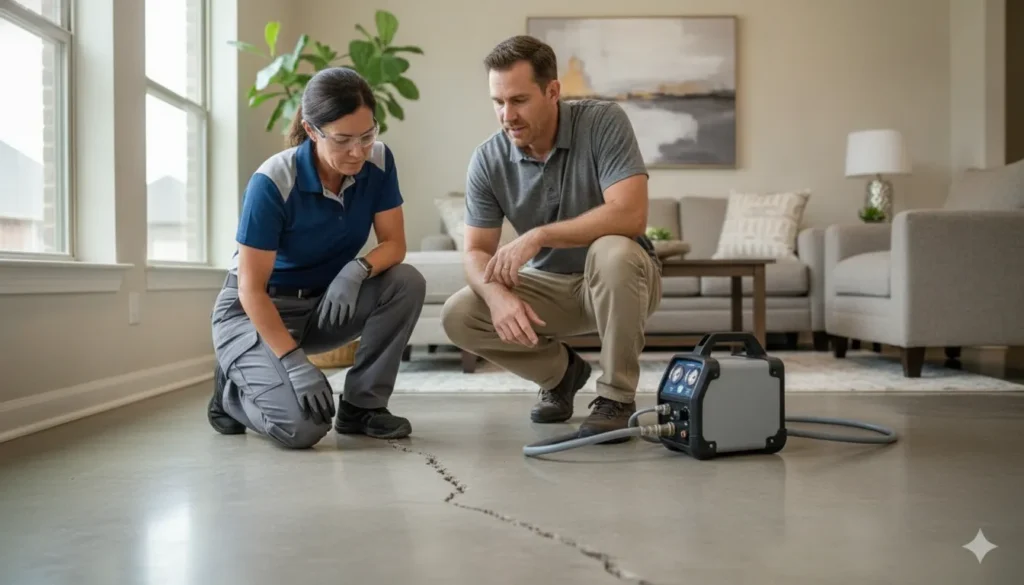
If you are asking, does homeowners insurance cover foundation repair? Start by identifying the cause. In North Texas, expansive clay shrinks and swells as moisture changes. That makes the likely cause as important as the visible damage.
Request a free foundation assessment from Solid Base Foundations and call (940) 365-4221.
When you ask, does homeowners insurance cover foundation repair, the answer depends on your policy and the cause of loss. Texas Department of Insurance guidance says standard policies generally exclude earth movement, settling, wear and tear, and faulty construction. Damage caused directly by a named peril, such as fire or an accidental plumbing-water discharge, may be considered for coverage. Review the Texas guidance and your complete policy before assuming a claim will be approved.
Your declarations page can show relevant covered perils and exclusions, but it is not the entire contract. A professional assessment and a clear timeline can provide useful evidence about what happened. Start by separating what the policy says from what the foundation evidence shows.
Does Homeowners Insurance Cover Foundation Repair in Texas?
Foundation concerns are stressful when you do not know whether your policy will help. In Texas, the direct answer is sometimes, but coverage usually depends on what caused the damage. Solid Base Foundations can document the condition, while your insurer decides coverage under the policy.
A standard homeowners policy may respond when foundation damage results directly from a sudden, accidental event that the policy specifically names. Examples can include fire, an explosion, or the accidental discharge of water from a plumbing system. The insurer will still review the facts, exclusions, deductible, and policy language before deciding whether any resulting damage is covered. Texas Department of Insurance guidance explains that foundation coverage is tied to a covered peril listed in the policy.
Coverage is much less likely when the cause is gradual settling, wear and tear, faulty construction, or earth movement. Those exclusions matter in North Texas, where expansive clay soil naturally shrinks and swells as its moisture level changes. That movement can contribute to foundation distress over time, but visible cracks or uneven floors alone do not establish that a covered event caused the damage. The GeoInstitute explanation of shrink-swell soils provides background on this regional soil behavior.
Use the declarations page to identify covered perils, exclusions, limits, and the deductible, but read the full contract. Endorsements and exclusions control the analysis. If wording is unclear, ask your insurer or a qualified insurance professional to explain it. A contractor can document repair needs, but cannot promise claim approval.
Before filing, preserve photographs, dates, repair estimates, and correspondence. A qualified assessment may help distinguish a sudden plumbing-related event from gradual soil movement or another excluded cause. That distinction cannot be determined from a surface symptom alone.
Before you file, consider a professional foundation assessment to document the condition and likely cause.
What Foundation Damage May Be Covered?
| Possible cause | How coverage is typically evaluated |
|---|---|
| Sudden, accidental named peril. | May be considered when the policy covers the peril and it directly caused the damage. |
| Gradual settling or expansive clay movement. | Often excluded as earth movement, settling, wear, or maintenance-related damage. |
| Plumbing-water discharge. | May be evaluated when the discharge was sudden, accidental, and covered by the policy. |
| Faulty construction or poor maintenance. | May fall under an exclusion, depending on policy language and facts. |
Coverage usually turns on the cause, not simply on the fact that a foundation cracked or moved. A direct, sudden, accidental event listed in your policy may support a repair claim. Gradual soil movement, normal settling, wear, and deferred maintenance are different conditions.
Examples of potentially covered events
Texas Department of Insurance guidance identifies named perils that may support a foundation claim, including fire, explosion, and accidental plumbing-water discharge. A sudden pipe failure could saturate soil near the structure. If the discharge is covered, damage directly resulting from it may be evaluated as part of the claim.
The same principle may apply when a covered fire or explosion causes direct structural damage. The event must connect to the loss. A covered incident does not automatically make every foundation issue covered. An insurer may separate sudden-event damage from pre-existing movement, construction defects, or maintenance deterioration.
What the policy language decides
Review the declarations page for perils and exclusions, then read the full policy for the controlling definitions and conditions. The declarations page is useful, but it does not replace the complete contract. Deductibles, limits, notice requirements, and cause-of-loss language can all affect how a claim is handled.
Keep evidence of what happened and when. Photos of affected areas, plumbing or fire damage, water exposure, and changing cracks can establish a timeline. A qualified assessment may distinguish sudden-event damage from an underlying condition. It documents observations, but does not guarantee coverage or replace the insurer’s review.

Does Homeowners Insurance Cover Foundation Repair After a Plumbing Leak?
A plumbing leak can create a different coverage question from gradual settlement. If a pipe suddenly and accidentally releases water, the policy may evaluate resulting damage under its water-discharge coverage. The exact wording, exclusions, deductible, and connection between the leak and the foundation condition still control.
Save the plumber’s invoice, emergency work order, photographs, moisture evidence, and the date the leak was discovered. Ask the insurer whether it wants to inspect before permanent repairs begin. Avoid assuming that a leak proves the entire foundation problem is covered. North Texas clay may already have been moving before the plumbing event, and the carrier may separate pre-existing conditions from resulting damage.
Drainage and irrigation can also complicate the analysis. Water that repeatedly collects beside the foundation may create uneven moisture conditions without a single sudden event. A professional can document drainage patterns, plumbing history, crack locations, and other site conditions. The insurer then determines eligibility under the policy.
Why Are Settlement and Clay-Soil Problems Often Excluded?
North Texas foundations face a local condition that can be easy to mistake for a sudden insurance loss. Expansive clay soil absorbs moisture, swells, dries out, and shrinks. Repeated movement can gradually change the support beneath a home, especially when moisture levels vary around the foundation. The GeoInstitute guide to shrink-swell soils explains this behavior.
Because this process develops over time, standard Texas homeowners policies commonly treat it as earth movement rather than a covered accident. Texas Department of Insurance guidance identifies settling, shrinking, and expanding soil as commonly excluded causes. It also lists settling, wear and tear, and faulty construction among exclusions that may affect foundation claims.
Gradual movement is different from a covered peril
Insurance typically focuses on the cause of loss, not simply on the presence of damage. A crack, sloping floor, sticking door, or separation around a window can show that movement occurred, but the symptom alone does not establish whether the policy applies. If an inspection attributes the condition to normal settlement or long-term soil movement, the insurer may classify it as maintenance or excluded earth movement.
That does not mean every foundation problem is automatically excluded. A policy may address resulting damage when a specifically named peril caused it, such as fire, explosion, or an accidental discharge of water from a plumbing system. The full policy controls, so review the declarations page and exclusions instead of relying on a general answer about foundation repair coverage.
Drainage, roots, and construction conditions can complicate the cause
Water beside the foundation, poor drainage, landscape irrigation, and large-root growth can create uneven moisture conditions in expansive soil. Those conditions may be treated as maintenance-related or as contributors to earth movement, depending on the facts and policy language. Prior construction defects, inadequate site preparation, or faulty workmanship can raise a separate exclusion.
A qualified assessment can separate visible symptoms from the underlying cause. If you are seeing signs of movement, review this foundation settlement repair guide for context. Then preserve photos, dates, plumbing or drainage evidence, and prior repair records. Clear documentation helps everyone evaluate whether the issue reflects excluded soil movement, a maintenance condition, or damage connected to a covered peril.
How Should You Document Foundation Damage Before Filing a Claim?
Good records can help an insurer understand what happened, when it happened, and what damage you are reporting. They cannot create coverage where the policy excludes the cause of loss. Before filing, organize evidence that separates observed damage from your best understanding of its cause.
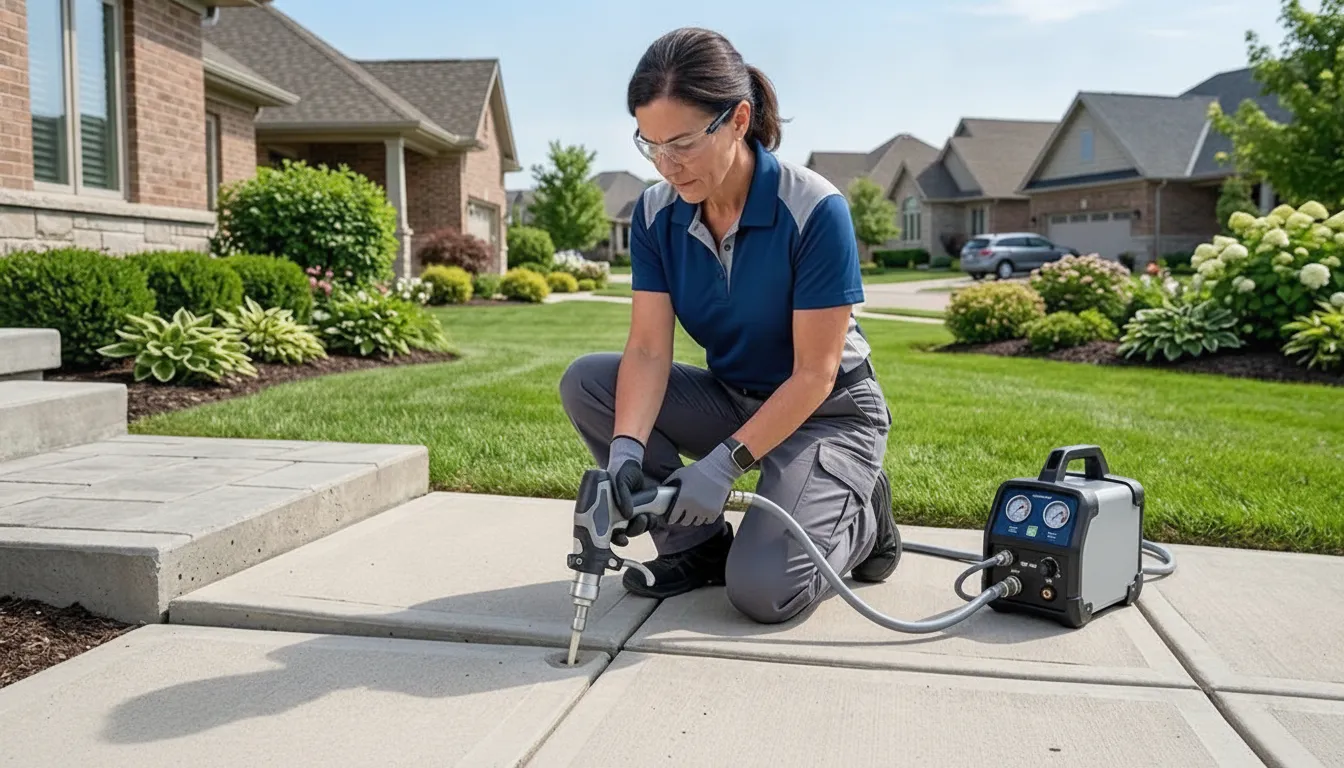
-
Photograph the condition from more than one distance. Take wide views that show where each crack, separation, leak, or uneven area appears. Follow with close images that capture detail. Include a ruler or fixed reference when it helps show scale, but do not alter the damage before photographing it.
-
Record when you first noticed the problem. Keep a dated log of new cracks, changes in doors or floors, water intrusion, and progression. Note weather events, plumbing incidents, drainage changes, or other unusual events around the same time. Texas consumer guidance can help with claim recordkeeping.
-
Preserve evidence of a sudden event. If a storm, fire, explosion, or accidental plumbing-water discharge may relate to the damage, save photographs, videos, plumber invoices, emergency work orders, weather records, and damaged-material evidence. Describe what you observed without assuming the event automatically establishes coverage.
-
Read the declarations page and full policy. Look for provisions addressing earth movement, settling, water discharge, wear and tear, faulty construction, deductibles, and notice requirements. If the wording is unclear, ask the insurer to explain the relevant provision in writing.
-
Obtain a qualified assessment or report. A structural engineer or appropriately qualified foundation professional can document the observed condition and investigate the likely cause. Texas guidance notes that an independent structural engineer report may help distinguish a covered peril from excluded earth movement. A report should explain its findings and limitations rather than promise that a claim will be paid.
-
Keep every estimate and communication together. Save dated repair estimates, inspection reports, receipts for reasonable emergency work, claim numbers, emails, letters, photographs, and call notes. Avoid authorizing permanent repairs before the insurer has a reasonable opportunity to inspect, unless immediate action is needed to protect people or prevent additional damage.
-
Ask the insurer what it needs next. Confirm how to file, which documents are required, whether an inspection will be scheduled, and how to preserve evidence during review. Documentation supports a clearer investigation, but the policy, the cause of damage, and the insurer’s determination remain decisive.
When Should You Get a Professional Foundation Assessment?
A professional assessment is useful when you need to understand why damage is occurring, not simply what it looks like. Consider scheduling one when cracks are widening, floors feel uneven, doors or windows begin sticking, water appears where it should not, or several symptoms develop at once. Act promptly if you notice movement after a major plumbing leak, drainage event, or other sudden incident. Do not delay an evaluation when you have concerns about immediate structural safety.
Solid Base Foundations provides free estimates for homeowners who want a documented starting point. The assessment can describe observable conditions and possible contributing factors. It cannot interpret your insurance contract or guarantee a claim outcome.
North Texas homes face a complicated soil environment. Expansive clay can shrink and swell as moisture conditions change, so a visible crack does not identify its cause by itself. A qualified professional can review crack patterns, floor elevations, drainage conditions, and plumbing history. This evidence helps distinguish normal movement, soil-related settlement, and damage linked to a specific event. For background, review early signs of foundation problems. Related slab or hardscape concerns may also call for concrete repair services.
What can an engineer or contractor determine?
An independent structural engineer may evaluate the structure and prepare a report describing observed damage, likely cause, and recommended next steps. Texas insurance guidance notes that an engineer’s report can help assess whether foundation damage relates to a covered peril or an excluded cause such as earth movement. A qualified foundation contractor can provide practical site observations, identify contributing drainage or repair conditions, and explain stabilization options.
Solid Base Foundations offers on-site professional foundation assessments for homeowners across the Greater Dallas area. The team can document conditions and explain the likely root cause. Solid Base is not an insurance adjuster and cannot interpret your policy, determine coverage, or approve a claim. The insurer evaluates the claim under the policy’s language and evidence. Keep photographs, dates, reports, estimates, and correspondence together so the assessment supports a clear record.
What If Your Foundation Claim Is Denied?
A denial is not the same as a clear explanation of the cause of damage. Read the insurer’s letter carefully and ask which policy language supports the decision. Texas Department of Insurance guidance says a written denial should identify the specific policy provision used to deny the claim. Keep that letter with your photographs, timeline, plumbing or storm records, inspection findings, and repair estimates.
Compare the stated cause with the evidence. If the carrier says the damage is normal settling or earth movement, ask how that conclusion was reached. If you reported a sudden plumbing release, fire, or other event, confirm whether the adjuster considered the event and resulting damage separately. A professional assessment may clarify what the foundation is doing and whether the pattern is consistent with the reported event. It does not change the policy or guarantee approval.
Ask your insurer about the next step in its appeal or reconsideration process, the deadline for supplying additional information, and whether it wants an engineer’s report. Keep communication in writing when possible. Avoid authorizing major work before documenting the condition and understanding policy requirements, unless immediate action is necessary to protect people or prevent further damage. Your insurer and a qualified legal or insurance professional are the right sources for policy interpretation and claim advice.
Before the FAQ, request a free foundation assessment and call (940) 365-4221.
Frequently Asked Questions About Foundation Repair Insurance Coverage
Does homeowners insurance cover foundation repair in Texas?
Usually not when damage results from gradual settling, expansive clay soil, earth movement, wear, or poor maintenance. A policy may respond when a covered, sudden, accidental peril directly causes the damage. Review your policy and ask the insurer how it applies to the specific cause.
What foundation problems are covered by homeowners insurance?
Coverage may apply when a named peril, such as fire, explosion, or sudden accidental plumbing-water discharge, causes the foundation damage. Exclusions, limits, deductible, and cause-of-loss findings matter. A crack or uneven floor alone does not establish coverage.
Are foundation cracks covered by homeowners insurance?
It depends on why the crack formed. Cracks associated with gradual settlement, soil shrink-swell, or wear are commonly excluded. If a covered event caused the structural damage, the insurer may evaluate the crack as part of that loss. Document the condition and request a cause-based review.
How do I document foundation damage for an insurance claim?
Take dated wide and close photographs, note when the issue appeared and changed, and preserve records related to a storm, plumbing leak, or other possible cause. Keep inspection reports, estimates, receipts, and all communication with the insurer. Documentation supports review but does not create coverage.
How is foundation damage assessed for insurance purposes?
A qualified contractor or structural engineer can examine the pattern, site conditions, and likely cause. The insurer may send an adjuster or request a report. Solid Base can provide an on-site foundation assessment, but it is not an insurance adjuster and cannot determine whether a policy will pay.
Request a free foundation assessment and call (940) 365-4221.