
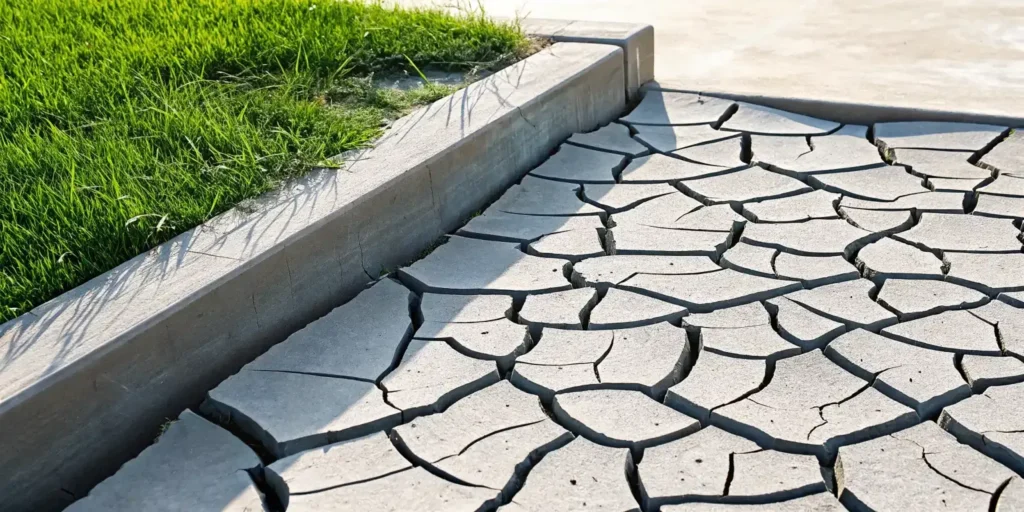
Cracking concrete slab foundations in North Texas usually start with the shifting ground beneath the home. When summer heat bakes the earth, clay soils shrink and pull away from your concrete slab.
Expansive clay soil is a highly active soil type that expands as it absorbs water and shrinks as it dries. This shifting ground serves as the main baseline across North Texas. This soil, often called blackland prairie soil, shows large volume changes during wet and dry seasons. Data from MIT shows that clay content over 25 percent and a plasticity index above 30 percent mean a high risk of movement. These soils are highly common across the Dallas-Fort Worth area. When these changes occur, the constant cycle of swelling and shrinking puts heavy pressure on shallow foundations. This shifting ground can lead to cracked concrete slabs, sticking doors, and uneven floors.
To prevent foundation damage from expansive clay soil, it is important to first understand how this underground movement works. Looking at the exact mineral makeup of these soils helps explain the shifting ground. To protect your home, we start with the basic question: What Is Expansive Clay Soil?
Schedule a free foundation inspection in North Texas to see how the soil beneath your home is moving.
What Is Expansive Clay Soil?
Many homeowners in North Texas face issues with shifting walls and cracked concrete. To understand these structural problems, you must look deep into the dirt beneath your home. Most of our region sits on a heavy layer of expansive clay soil. It is important to know how to prevent foundation damage from expansive clay soil. Locals often call this dirt blackland prairie soil. This dirt undergoes big changes in volume when moisture levels shift. When it gets wet, it swells with huge force. During dry spells, the soil shrinks and leaves deep gaps.
The role of swelling clay minerals
At a deep level, clay is made of tiny, flat plates. Some clays have a unique mineral structure that attracts water. The most common of these is called montmorillonite, which belongs to the smectite family. These specific minerals act like tiny dry sponges. When water touches them, they draw it in between their plates and push apart. This small movement causes the large swelling you see in your yard.
According to a technical study of clay soils from MIT, these shifting soils are the most costly natural hazard to shallow foundations. The constant cycle of rising and falling pressure weakens the concrete slabs. Over time, this pressure causes homes to settle and crack. It is important to know that these minerals are too small to see, but their impact on a home is massive.
Soil plasticity and swelling potential
Soil experts use specific tests to measure how much a soil can shrink or swell. They look at both the clay content and the soil’s plasticity index. This index shows how much water the soil can hold before it turns from a solid to a liquid. High values mean the soil has a high capacity to shift.
A soil with a clay content over 25 percent and a plasticity index above 30 percent has a very high potential to shrink or swell. These numbers are common in our local area. Builders and engineers must check these ratings before they start a project. As shown in soil guides from Mintek, dealing with these soils is a critical step in building strong structures. If a builder ignores the soil’s plasticity, the home’s foundation will suffer later on.
Why North Texas geology is a unique baseline
Our local region is famous for its rich black soil, which made it great for farming in the past. But this same soil makes building homes a unique challenge. The Blackland Prairie region of North Texas contains some of the deepest clay beds in the state. Because of this land, local homes face a constant threat of ground movement.
The behavior of this local clay is the main cause of foundation issues across the Dallas-Fort Worth area. Unlike other parts of the country with stable sandy soils, our ground is always on the move, leading to a major clay soil impact on DFW foundations. Homeowners must learn to manage water around their slabs to prevent damage. This unique soil baseline means that local foundation care is different from any other market.
How Expansive Clay Soil Responds to Moisture Changes
North Texas is known for its tough soils. The main issue is the presence of expansive clay soil, which acts like a sponge under your home. When rain falls, this soil sucks in water and swells. When hot dry weather comes, the soil loses that water and shrinks. This constant change back and forth creates a lot of stress for any home built on top of it.
The science of the shrink-swell cycle
If you want to prevent foundation damage from expansive clay soil, you must first learn how the dirt is made. Much of our local clay has a mineral called montmorillonite. Based on study data from MIT, these volume-changing clay subsoils are a major and costly hazard for shallow foundations. The tiny plates in the clay can pull in huge amounts of water between their layers. When wet, the dirt swells up and pushes hard against anything in its path. During long dry spells, the water leaves the soil, and the clay shrinks, leaving big gaps and cracks in the yard.
Huge forces from the shifting ground
As the moisture levels change, the soil exerts immense pressure. Research from the Colorado Geological Survey shows that expansive soils can expand by up to 20% in total volume. This growth is not weak. In fact, it can exert forces of up to 30,000 pounds per square foot against any structure in its way. The clay swells or exerts huge forces against non-yielding structures as the weather changes. This means the heavy concrete slab of your home is not enough to hold the soil down. Instead, the swelling ground lifts the home up, which causes bad damage to the walls and floors.
When the soil dries out, all the support under your home is lost. The clay shrinks back, leaving large voids under the solid concrete. Without the ground to rest on, sections of the concrete foundation sink into the empty spaces. This cyclic movement of rising and falling is what ruins homes. Over time, the constant shifting tears apart the hard frame of the house. Reports by Tensar International show that this shrink-swell action is the main cause of major foundation cracks and structural damage in local homes.
Visible signs in your yard and home
You do not have to dig deep to see these changes. The endless cycle of swelling and shrinking leaves clear clues in your yard. Watch for these shifts early. During dry summer months, look for these key signs around your home:
- Deep cracks in the soil that run several inches wide.
- Gaps that open up between the edge of the soil and your concrete foundation.
- Cracks in your home’s exterior brick walls or interior drywall.
- Doors and windows that stick or fail to open and close smoothly.
- Unbalanced or uneven floors inside the house.
Why Expansive Clay Soil Matters So Much in North Texas
Many people in North Texas feel deep stress when they notice cracks in their walls or sticking doors. It is easy to worry that your home is failing, but these issues are very common in our region. To protect your home, it is vital to learn how to prevent foundation damage from expansive clay soil. This local soil behaves in a unique way that shapes how we must build and care for our homes.
The Blackland Prairie Soil Challenge
The main type of ground in our region is called blackland prairie soil. This type of earth has a very high amount of clay in it. Because of this clay, the soil undergoes big changes in its size when water levels rise or fall. When it rains, the ground drinks in the water and swells up. During dry summer heat, the ground dries out and shrinks. This constant cycle of shrinking and swelling is the natural baseline for our whole region.
The Root Cause of Foundation Issues
This soil behavior is the fundamental cause of foundation issues in North Texas. It makes our local market very different from other parts of the country where the soil is sandy or rocky. In places with stable soil, home foundations rarely shift. But in our area, the clay always moves. According to a soil digest from MIT, volume-changing clay subsoils are the most costly natural hazard to buildings with shallow foundations. The constant shifting of the ground acts like a slow wave that pushes up and drops down under your home.
Normal Settling Versus Structural Damage
Because of this soil movement, every home in our area will move a little bit over the years. Some movement is normal settling. But when the soil shifts too much or too unevenly, it causes real structural damage. People do not have to panic at every tiny crack. But you should watch for signs like windows that stick or large gaps in your brickwork. Knowing the difference helps you protect your investment without stress. If you are unsure, getting a local expert to check your home can give you peace of mind.
Local Impact on DFW Homes
This clay-rich ground stretches across our entire service area. Whether you live in Dallas, Denton, Lewisville, Plano, or Allen, your home sits on this shifting base. It does not matter if your home is new or old. The soil does not care about the age of your house. It only reacts to water. When we have heavy spring storms, the clay expands and exerts huge pressure on your concrete slab. When the hot summer sun bakes the DFW area, the soil shrinks back and leaves large gaps. This ongoing movement can stress any concrete slab over time.
How Expansive Clay Soil Affects Your Home’s Foundation
Your home rests on a moving layer of earth that reacts to every rainstorm and dry spell. In North Texas, the presence of expansive clay soil means the ground under your feet is always moving. As these clay subsoils absorb water, they expand with immense strength. Research shows that volume-changing clay subsoils are the most costly natural hazard to buildings on shallow foundations. When the soil swells, it pushes upward on your concrete slab with force that most homes cannot withstand.
Mechanics of foundation movement
This soil movement is not the same under your home. The soil near the edge of your house dries and wets much faster than the soil deep under the slab. This moisture change makes the soil swell and shrink in some spots more than others. Foundation experts call this action differential settlement. When one part of the ground sinks while another part stays high, your concrete foundation bends under the stress.
The swelling soil also exerts large pressures against non-yielding structures like basement walls and grade beams. As the ground expands, it can push foundation walls inward or lift large parts of the slab. This upward movement is called soil heave. During dry spells, the soil shrinks back and leaves empty gaps under the concrete. Without proper support, the heavy slab sinks into these gaps and cracks under its own weight.
Visible signs of foundation distress
There is no need to crawl under your foundation to see if the ground is moving. The shifting soil leaves clear warnings right in your living space. If you see these changes, consider acting before the damage worsens. You can often spot the problems by checking your walls, floors, and doors.
Look for these common signs of foundation distress in your home:
- New or growing cracks in your concrete slab, driveway, or garage floor.
- Doors and windows that stick, rub, or refuse to close right.
- Sloping or uneven floors that feel like they tilt to one side.
- Cracks in drywall, mostly near the corners of doors and windows.
Choosing the right repair approach
Fixing these issues needs a method that handles the unique behavior of the local soil. Standard fixes that work in other parts of the country often fail in Dallas because of the deep clay layer. To protect your home, you must use techniques that reach deep into the ground. These deep supports bypass the active soil zone that shrinks and swells.
Homeowners can choose from several foundation repair methods for clay soil depending on the type of damage. Pier systems can lift and support the structure, while proper moisture barriers help keep the soil water levels even throughout the year. Talking to a local expert is the best way to find the right fix for your home.
How Foundation Experts Manage Expansive Clay Soil
Managing expansive clay soil is a vital part of building safe homes. North Texas structures must withstand heavy soil shifting. When the weather changes, this soil moves a lot. Experts use smart engineering and water controls to keep foundations stable.
Engineered foundation designs
Building on active soil needs special plans. Research from the University of Houston CIGMAT center shows that experts use four main foundation types. These systems include stiffened slabs, shallow individual footings, drilled piers, and deep piles. Each choice depends on the specific soil layers of the site.
| Foundation system | How it works | Best for expansive clay soil |
|---|---|---|
| Stiffened slab | A thick concrete slab with reinforced beams that flex with ground movement | Good for moderate soil movement on flat lots |
| Shallow individual footing | Individual pads under load-bearing points with modest depth | Limited use where clay movement is mild |
| Drilled piers | Deep concrete columns set below the active soil zone | Strong choice for highly expansive clay |
| Pile foundations | Deep driven posts that transfer load to stable subsoil | Best when the active clay layer is very deep |
Drilled piers and pile foundations go deep into the ground. They anchor the structure in stable soil far below the active clay. This helps when shallow slabs are not enough.
A stiffened slab is a common choice for local homes. Builders design these concrete slabs to handle ground shifts. According to Partner Engineering and Science, slab plans use average moisture levels to prevent heavy damage.
Stiffened slabs are engineered to bend slightly without breaking. When designers use average moisture conditions, they create a balanced baseline. This helps the slab handle dry summers and wet winters.
Moisture control methods
Moisture control is the best way to manage expansive clay soil. You must prevent the ground from getting too dry or too wet. Big changes in soil moisture cause the most harm. Keeping water levels stable stops the soil from shrinking or swelling under the slab. Follow these steps to keep the soil moisture even around your home:
- Grade the ground so it slopes away from your walls on every side.
- Clean and maintain your gutters so they drain rain far from the slab.
- About six inches down over the first ten feet is the right slope to stop pooling.
- Install French drains to catch and carry away excess water.
You should grade the soil to slope away from your home. Be sure to use clean gutters to direct rain away from the walls. Installing deep root barriers can also keep trees from sucking too much water from the ground. These simple steps help you prevent foundation damage from expansive clay soil over the years.
Proper soil grading is a simple but powerful tool. The ground around your home should slope downward six inches over the first ten feet. This shape keeps water from pooling near the concrete. You can also use French drains to catch and remove excess water.
Soil inspections and diagnostics
Every home has unique soil needs. If you notice signs of slab movement, you should get an expert to check your home. A specialist can test your soil and check your concrete for damage. They will find the right plan to protect your investment.
Specialists use testing to find how much the soil can swell. They check the plasticity index and clay content of the dirt. If the clay content is high, the soil has a high risk of shifting. Identifying these soil traits helps the experts choose the best foundation repair methods for clay soil.
If you suspect soil movement is harming your home, you can schedule a free foundation inspection to get a professional assessment.
Frequently Asked Questions
How do you identify expansive clay soil on your property?
You can spot expansive clay soil by how it acts during dry and wet weather. In dry times, this soil shrinks and forms deep, wide cracks on the surface. When it rains, the clay absorbs water and becomes very sticky and muddy. According to academic research, a clay content over 25 percent shows a very high risk of movement. These shifting soils can put massive pressure on your home.
How does expansive clay soil damage a home foundation?
When expansive clay gets wet, it swells and grows. According to the Colorado Geological Survey, these soils can expand by up to 20 percent. This swelling puts up to 30,000 pounds of force per square foot. This massive upward pressure lifts foundations and cracks concrete. When the soil dries, it shrinks, leaving the base with no support.
How can you prevent foundation damage from expansive clay soil?
You can help prevent foundation damage from expansive clay soil by keeping soil moisture steady. First, clean your gutters so they drain water far from the base. Next, slope the ground away from your walls. This stops pooling near the concrete. You can also use root barriers to keep large trees from sucking water out of the soil near your home.
What should you do if clay soil is cracking your foundation?
If you spot foundation cracks, you should get an expert check right away. Do not wait for the cracks to widen or for doors to stick. A local team can inspect your home and find the root cause. You can schedule a free foundation inspection to get a clear plan. This helps you stop minor issues before they become costly structural problems.
Ready to protect your North Texas home’s foundation?
The thick blackland prairie clay soil under your North Texas home will expand rapidly when wet and contract deeply when dry. If you do not address these persistent soil movements now, tiny cracks in your concrete slab will widen and cause serious structural damage. Catching these problems early is the most effective way to secure your home, preserve its value, and avoid high future repair bills.
Ready to protect your North Texas home from the forces of shifting clay? Schedule a free foundation inspection with Solid Base Foundations today to get a professional assessment of your home’s stability. You can also call (940) 365-4221 to speak directly with our local repair experts and book your slot.