
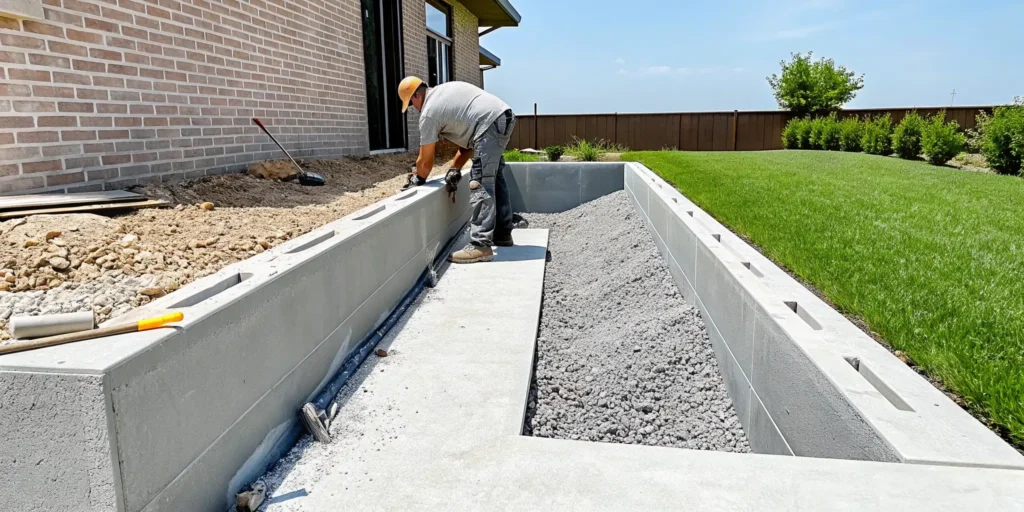
Rainwater pooling against your North Texas foundation slowly forces its way through solid concrete walls. Investing in expert foundation waterproofing is the most reliable way to block this water and protect your home.
Foundation waterproofing is an expert system of moisture barriers, footer drains, and surface grading that keeps liquid water completely away from your concrete foundation walls. In North Texas, this expert shield is vital because water seeping under your home worsens the severe shrink-and-swell cycle of expansive clay soil. According to building research from the Building Science Corporation, keeping water out of below-grade structures needs robust drainage paths and strong waterproof membranes. By blocking water before it touches concrete, you stop hydrostatic pressure from bowing or cracking walls while keeping the surrounding clay soil stable. This proactive defense preserves your home’s structural strength and prevents severe foundation shifts, leaks, or water damage over the years.
We know how stressful it is to wonder if your home is truly safe from water damage. To help you protect your property, let’s explore what foundation waterproofing is and why it matters in North Texas homes. We will look at the soil, the pressure, and the approaches that keep water away from your concrete, so you know exactly what to expect.
Schedule a free foundation inspection in North Texas and get an expert assessment of your drainage and moisture risks.
What Is Foundation Waterproofing and Why It Matters in North Texas Homes
Protecting your home from water damage starts at the very bottom. Foundation waterproofing is a protective barrier that stops water from entering your concrete slab or crawl space. In North Texas, keeping water away from your concrete is not just a nice upgrade. It is a vital shield that keeps your home stable year after year.
The definition of waterproofing
This system acts as a shield to block liquid water. It keeps bulk water out of your crawl space or slab. True foundation waterproofing uses heavy membranes and drain systems to stop water under pressure. This process is different from thin coatings that only resist light moisture. When you seal a foundation, you keep both soil dampness and heavy pools of rainwater from touching the concrete.
Too much water in the soil can lead to major structural damage. Excess moisture in foundation soils can cause severe swelling or settlement, especially on clay. Managing that water at the building perimeter is exactly what bulk water control research is designed to address. Whether the source is a heavy rainstorm or a plumbing leak, excess water softens the soil and stresses your home’s support.
Waterproofing versus simple dampproofing
Many people mix up these two methods, but they are different. Dampproofing is a cheap option. It uses a thin spray to resist soil dampness, but it cannot stop liquid water under pressure. Building codes define clear differences between these two choices. For example, the 2021 International Residential Code specifies when you must use waterproofing instead of dampproofing, and you can view these rules on UpCodes to understand code requirements.
A dampproof coat will crack as your house settles. It is not flexible enough to bridge small gaps in the concrete. True waterproofing uses thick, rubber-like sheets. These sheets can stretch over small concrete cracks as they form. This elastic barrier keeps water from seeping through the walls, even when the ground is fully soaked.
The North Texas clay soil challenge
Our local geology makes moisture control a major issue for local homeowners. North Texas sits on expansive clay soil that shrinks and swells with wet and dry weather cycles. These constant soil changes cause most of the structural damage in our area. When the clay gets wet, it swells with huge force. When the soil dries out, it shrinks and leaves deep gaps under your home.
Waterproofing and soil stabilization are needed because water infiltration makes clay soil volume changes worse, which accelerates foundation settlement and heave. If you let water soak into the ground near your walls, the clay will shift more rapidly. By setting up proper surface drainage and soil grading, you can keep the surrounding soil dry and stable. This structural defense layer keeps your home safe from shifting soil.
How Expansive Clay Soil Drives Your Waterproofing Needs
North Texas sits on a thick layer of expansive clay soil, often called blackland prairie. This sponge-like soil soaks up water and swells during heavy rains. When dry weather returns, the clay shrinks and leaves large voids in the ground. Controlling moisture at the foundation is the best way to shield your home from these cyclic shifts.
The soil shrink and swell cycle
Water is the main trigger for soil movement in our region. Heavy rain, lawn watering, and poor gutter drainage all send water deep into the ground near your home’s edge. As the clay minerals soak up water, they expand with great force and press against your slab.
When the soil dries out during hot summer weeks, it shrinks away from the concrete. This endless cycle of swelling and shrinking leaves large gaps under the slab. These gaps cause parts of the house to settle and sink into the empty spaces. To see how water behaves in these soils, you can review building standards at UpCodes.
Uplift and differential movement pressures
The pressure of expanding clay is stronger than most people realize. When clay soil swells, it can exert uplift pressures of up to 5,500 pounds per square foot. This massive upward force is easily strong enough to crack thick concrete slabs and lift entire sections of a home.
But the soil does not expand or shrink evenly under the slab. Because some parts of your home are heavier than others, the upward lift varies. This uneven shift is called differential movement, and it is the main cause of major foundation cracks and wall bows. Keeping moisture levels steady at the building perimeter, as covered in Building Science’s water management guidance, is how you limit this damaging cycle.
Keeping water away from your foundation is the only way to stop this damaging cycle. Proper foundation waterproofing acts as a shield to block bulk water from reaching the clay under your slab. By pairing waterproofing membranes with smart drainage, you keep the soil moisture levels stable to prevent sudden movements. This protective barrier is the true linchpin of long-term foundation health.
What Is Hydrostatic Pressure and How Does It Damage Foundations?
Water is heavy. When heavy rain falls on North Texas, the clay soil pools with water. This water gets trapped next to your home. As the ground gets wet, the water creates a force called hydrostatic pressure. This force is a main driver of bowing or cracking in North Texas soils, placing intense stress on concrete walls.
The force of wet soil
The science behind this pressure is simple. Gravity pulls water down through the ground. When the water cannot drain away, it pools against your foundation. The more water that builds up, the higher the pressure grows. This is bulk water. Keeping it out of your home is the main goal of managing hydrostatic pressure with waterproofing.
The American Society of Home Inspectors says that 60 percent of U.S. homes have wet basements. Also, 38 percent of these structures face a high risk of mold growth. Much of this moisture comes from water pressure pushing through concrete. Over time, even tiny drops of water will find a path through small pores in your walls. This constant dampness leads to musty smells under your home.
How water pressure bends and cracks walls
Hydrostatic pressure does not just cause dampness. It also puts a massive, strong force against your foundation. When the heavy clay soil in North Texas swells with water, it expands outward. This swelling pushes against the buried sides of your home. The resulting sideways pressure can cause heavy concrete walls to bend, bow, or crack.
Once a wall cracks, the path for water is clear. The same pressure that cracked the wall will now push bulk water through those new openings. This water can flood your crawl space or basement. To stop this cycle of damage, it is vital to keep water away from the structure. Using proper bulk water control methods is key to protect your foundation from these sideways forces.
Preventing hydrostatic damage
To prevent this costly damage, homeowners can invest in expert foundation waterproofing. This process seals the outside of your foundation walls. It stops water from touching the concrete in the first place. When water cannot reach the walls, hydrostatic pressure cannot push moisture through. This step is vital for homes built on expansive clay soil, where moisture levels change often.
A complete waterproofing plan combines thick outer membranes with proper drains. The membranes block bulk water from soaking into your walls. At the same time, footing drains carry pooling water away from your home. This dual system keeps the ground next to your walls dry and stable. Working with a local expert ensures your home has the right defense against North Texas weather.
Common Foundation Waterproofing Approaches for North Texas Homes
Protecting your home from water damage starts at the ground level. In North Texas, the clay soil swells when wet and shrinks when dry. To stop this movement from hurting your house, you should look at foundation waterproofing and drainage solutions. Keeping moisture away is key to keeping the soil stable. Most experts group these methods into exterior and interior options.
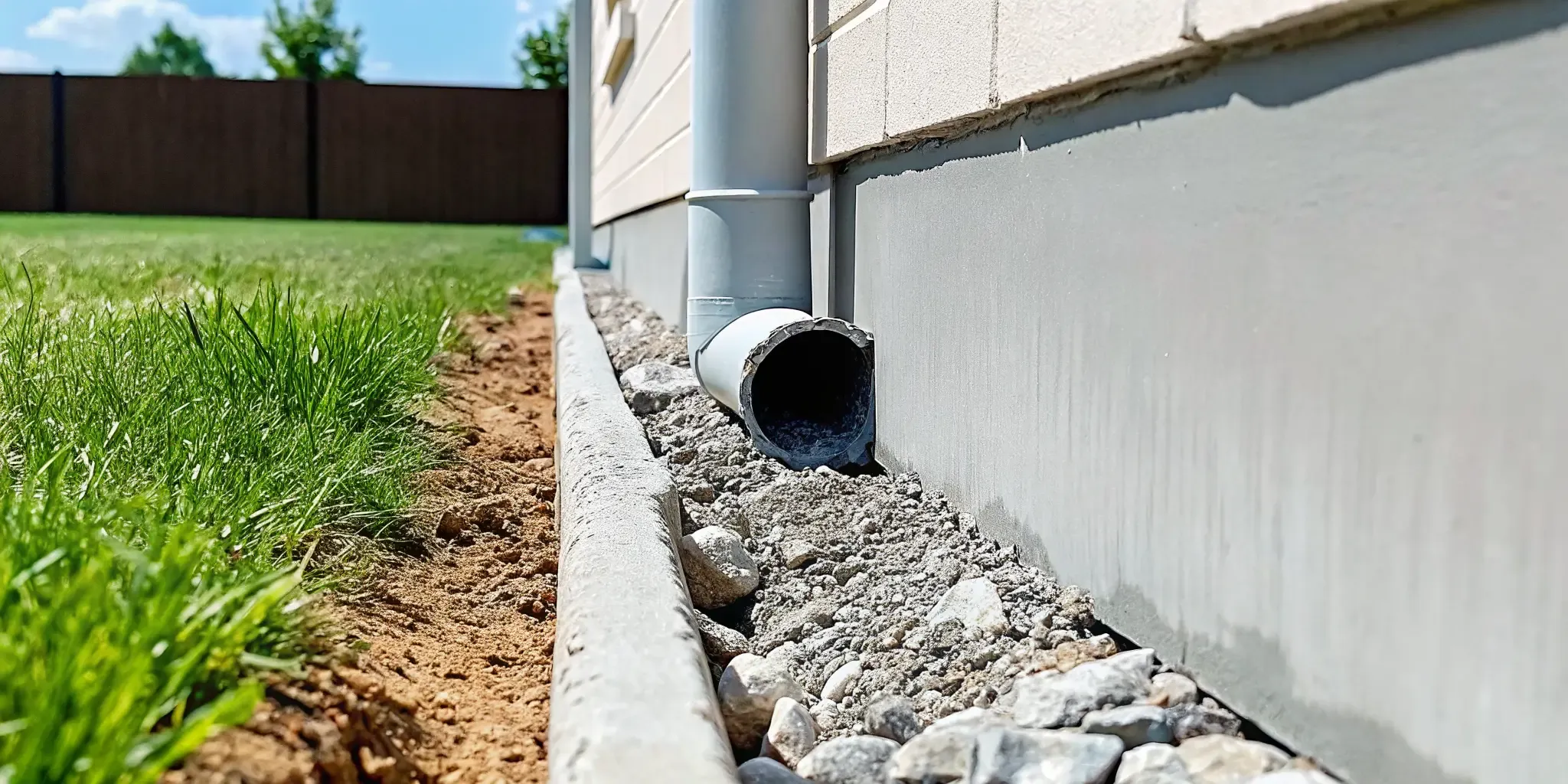
Exterior waterproofing barriers
Exterior methods work by stopping water before it ever reaches your concrete walls. Crew members dig up the soil around your home to apply a thick rubber membrane. This barrier seals cracks and stops liquid water from seeping through. For homes with basements or crawl spaces, this is the most helpful defense.
But a barrier alone is not enough to protect a home. You also need a way to move the water away from the site. Footing drain tiles are perforated pipes that sit at the base of your home. They collect ground water and direct it to a safe discharge spot. In North Texas, this helps relieve the heavy weight that wet clay puts on your walls.
Interior water management systems
When digging up your yard is not an option, interior systems can help manage water. These setups do not stop water from passing through the walls. Instead, they catch the water once it gets inside. Workers cut a trench in the concrete floor to collect the seepage. This water then flows through a pipe under the concrete slab to a collection pit.
A sump pump system is the final piece of an interior drainage setup. The pump sits in a pit that collects the water under your floor. When the water level rises, the pump turns on automatically. It pushes the water out of your home through a drain line. Be sure to keep this system clean so it works during heavy rain storms.
| Waterproofing approach | How it works | Best use case | Clay-soil role |
|---|---|---|---|
| Exterior membranes | Rubber coatings block liquid water entry. | New builds or full yard excavation. | Highly effective for keeping soil moisture away. |
| Footing drain tiles | Perforated pipes channel water away. | Below-grade areas with high water tables. | Relieves hydrostatic pressure from swelling clay. |
| Interior trench drains | Collects water at the joint and redirects it. | Retrofitting existing floors without digging. | Manages seepage but does not stop soil movement. |
| Sump pump systems | Pumps collected water away from foundation. | Homes with active water intrusion issues. | Essential backstop to remove water from clay. |
Building code standards for moisture control
Building codes also guide how builders must handle moisture around a home. For example, national building codes specify when to use foundation waterproofing and dampproofing. These rules ensure that below-grade walls have the proper seal to stop water damage. Local rules often make these steps a must in wet soil zones.
Under the 2021 International Residential Code, section R406 sets strict standards for these systems. It outlines which materials can be used for dampproofing versus full waterproofing. High hydrostatic pressure forces water through concrete, which makes a full waterproofing barrier highly important. Knowing these rules helps local experts design the right setups for North Texas clay.
The Limits of DIY Foundation Waterproofing
Many homeowners in the Greater Dallas area try to solve water issues on their own. They might apply paint-on coatings or clean out their gutters. But DIY methods rarely work well on North Texas expansive clay soil.
This blackland prairie soil expands when wet and shrinks when dry. The constant ground movement puts immense stress on your home. Simple surface fixes cannot stop this strong force. If you want to protect your home, you must understand why simple fixes fail.
Why surface coatings fail on clay soil
Home store shelves are full of waterproof paints and patch products. Homeowners often paint these sealants on inside basement walls or slab edges. But these coatings only cover the surface.
They cannot block water from soaking into the soil. When water enters the clay, it makes the soil swell. This water entry causes intense shifting and deep structural damage.
To stop this, you need a thick barrier on the outer walls. Setting up this barrier needs deep digging. A simple brush-on paint will quickly crack and fail.
You can read about proper methods for bulk water control to see why.
The challenge of deep soil moisture and plumbing leaks
Water does not just come from rain or surface runoff. Much of the water that ruins DFW homes comes from deep underground. For example, hidden plumbing leaks under your slab can release hundreds of gallons of water.
This extra water causes the clay soil to swell under parts of your home. Other parts of your foundation may stay dry. This causes uneven ground movement, also known as differential settling.
Because building weight varies across your home, this uneven movement leads to severe cracks and structural stress. Deep water sources can ruin foundations even when the surface looks dry. Gutters and simple yard grading cannot stop these deep sources of moisture.
Why professional water control is necessary
Managing water on expansive clay soil needs a complete plan. A professional contractor does not just patch cracks. They design systems that manage water flow and keep the soil stable.
- Inspect the site to find where water enters and how the clay behaves around the home.
- Expose the exterior wall, then prepare the surface so a membrane can bond properly.
- Apply a flexible, below-grade waterproofing membrane that can stretch with soil movement.
- Install footing drains and drain tile to carry water away to a safe discharge point.
- Backfill and grade the soil so surface water runs away from the foundation.
Waterproofing and soil stabilization are key because water entry makes clay soil expand and shrink much faster. This movement speeds up foundation settlement and heave. Professionals use thick, commercial-grade membranes on the outer walls.
They also install deep footer drains to direct stormwater away from your home. These systems keep soil moisture levels steady and protect your foundation from the shifting ground. Do not waste time and money on quick DIY fixes. Instead, get a free inspection to find the right solution for your home.
What Are the Signs Your Home Needs Foundation Waterproofing?
When you notice signs of water around your home, it is normal to feel worried. Your home is a major asset, and keeping it safe starts from the ground up. In North Texas, the clay soil makes water control a vital task. Spotting the early signs that you need foundation waterproofing can help you act before minor wetness becomes a major issue.
Wet Walls and Odors
Water often leaves clear marks before you see active leaks. It is wise to watch for damp spots or seepage along your concrete walls or in your crawlspace. You might also notice musty odors in your lower rooms, which point to trapped moisture. Over time, water can draw salt out of the concrete, leaving a white, dry dust called efflorescence.
Cracks and Distressed Clay
Wet soil is a big danger for local homes because of our clay. North Texas sits on expansive clay that swells when wet and shrinks when dry. As explained by Colorado State University Extension, this swelling can cause severe structural damage. When wet, this swelling clay exerts immense uplift pressures that can exceed 5,000 pounds per square foot (PSF), putting extreme stress on your foundation.
This upward push does not hit your home evenly, making the ground shift in uneven ways. You might notice new cracks in your outer brick walls. In more severe cases, basement or crawlspace walls can bow or lean inward. If you see bowing walls or doors that stick, treat these as urgent signs of ground movement.
Outdoor Water Accumulation
The way water behaves outside your home also tells a story. Walk around your yard after a heavy rain. It is wise to watch for standing water or puddles near your foundation. If the soil stays wet and muddy for days, it keeps the clay in a swollen state.
To keep your home safe, consider checking for these key signs:
- Dampness: Wet spots or seepage along crawlspace or basement walls.
- Efflorescence: A white, dry dust on concrete surfaces.
- Odors: A persistent musty smell in lower levels or crawlspaces.
- Cracking: New gaps in your brickwork, drywall, or concrete.
- Puddles: Standing water near the foundation after DFW storms.
While finding these signs can be stressful, you do not have to handle this task alone. It is wise to get a professional review to find the root cause. A trained expert can inspect your site, check the clay soil, and find the right way to manage water. Taking this step early helps protect your home from more severe foundation damage down the road.
Schedule a free foundation inspection in North Texas to address moisture and drainage issues before they cause further structural damage.
Frequently Asked Questions
How much does foundation waterproofing cost?
Professional foundation waterproofing costs depend on your home’s size, the depth of the work, and the approach your site requires. A full exterior system is a significant investment, but it prevents far more expensive structural damage down the road. To find the exact price for your home, consider requesting a free estimate from a local expert who knows North Texas clay.
What is the best foundation waterproofing membrane for clay soils?
Thick rubber membranes work best because they stretch when the ground moves. North Texas clay soils shrink and swell all the time, which can crack rigid coatings. Flexible membranes seal these gaps and keep water away from the concrete. According to a report on Building Science, a full outer barrier is key to managing moisture.
Can you waterproof a foundation from the inside?
You can manage inside water, but true waterproofing must happen from the outside. Interior drainage systems only catch water after it has already passed through your foundation walls. In North Texas, letting water reach the concrete keeps the surrounding clay wet and swollen. This causes uneven pressure and structural distress. For deep protection, look into foundation waterproofing and drainage solutions that keep water out entirely.
Why does expansive clay soil need foundation waterproofing?
Expansive clay soil swells when wet and shrinks when dry. This constant movement puts extreme stress on your home. Waterproofing keeps moisture levels stable around the concrete, which stops the clay from shifting. According to the International Residential Code, homes on expansive soils need active water management to prevent severe cracking. Keeping water away from the base is the best way to keep your home level.
Ready to Protect Your North Texas Foundation?
Excess water around your home is a major threat that swells the local clay soil and cracks your concrete slab if left alone. This pooling moisture also builds lateral pressure that pushes foundation walls inward and causes severe structural damage over time. Addressing these drainage and water issues today saves you from expensive repairs and ensures your house remains stable for decades to come.
Ready to secure your property and protect your family? Please schedule a free foundation inspection with our team of local structural specialists today to stop water damage before it spreads further. You can also call our Denton office at (940) 365-4221 to speak with our experts and get your free estimate right now.