
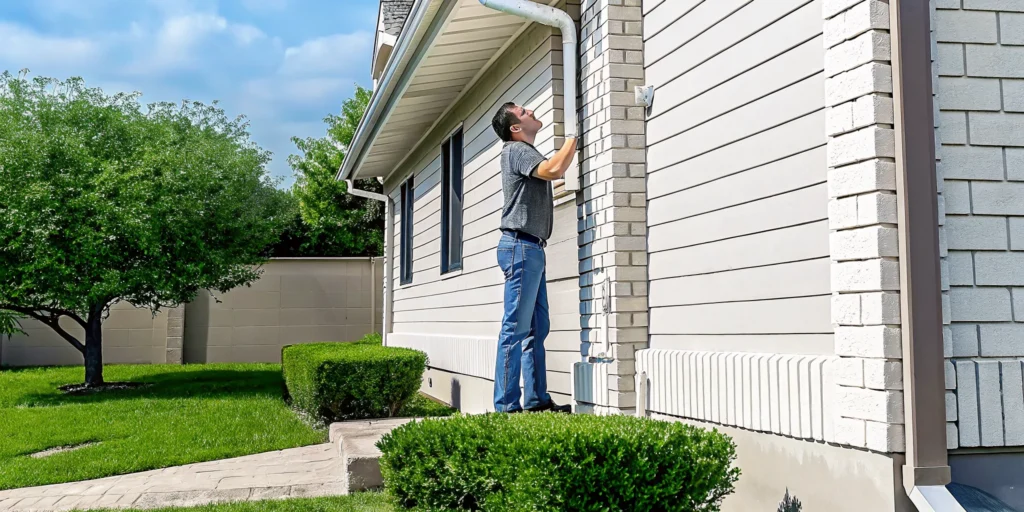
Watching a crack widen or a door stick can make any Dallas-Fort Worth homeowner wonder what happens next. North Texas homes face a distinct challenge because the soil beneath them responds to changing moisture.
Call Today for a Free Quote
The professionals at Solid Base Foundations have been providing expert foundation repair services in the Dallas-Fort Worth area since 1993. Call (940) 365-4221 for your free estimate today!
To understand how to prevent foundation damage, focus first on keeping expansive clay soil around your home as stable as possible. Clay expands when wet and shrinks when dry, creating movement that can place stress on the foundation. Consistent moisture, effective drainage, and thoughtful landscaping help limit those cycles, while regular inspections can catch movement before it worsens.
North Texas expansive clay soil is not a minor detail. It is a regional condition that shapes how your foundation responds to drought, heavy rain, and seasonal change. A practical protection plan starts with understanding that ground behavior and managing moisture at every point around your home.
Why Expansive Clay Soil Demands a Foundation Protection Plan in North Texas
If a new crack appears or a door suddenly sticks, you may wonder whether a serious foundation problem is starting. In North Texas, the soil beneath your home can help explain that movement. The region’s Blackland Prairie contains expansive clay that makes soil behavior an important part of protecting your foundation.
North Texas expansive clay soil responds to moisture changes in a way that ordinary sandy or stable soils do not. Clay minerals absorb water and expand during wet periods. When the soil dries, it contracts and can leave voids beneath portions of a foundation. That uneven change can place stress on slabs, walls, masonry, and connected structures. The University of Texas at Austin’s Center for Transportation Research documents how expansive clay problems affect Texas buildings in its examination of expansive clay problems in Texas.
Why the clay moves so forcefully
Some expansive clays contain smectite minerals, including montmorillonite, which show especially strong swelling properties. As those minerals take in water, they can generate swelling pressure against a foundation. During drying, the same soil loses volume. This creates a repeated pattern of uplift, settlement, and differential movement rather than one predictable shift.
Why weather patterns matter in DFW
North Texas weather can intensify that cycle. Long drought periods pull moisture from the soil, while heavy rain can restore moisture quickly and unevenly. Academic research notes that successive drought years can push the zone of seasonal moisture fluctuation deeper than expected. That means surface conditions around the house can affect soil behavior farther below the visible grade.
These changes do not affect only newly built homes. An existing house may show distress decades after construction when drainage, landscaping, irrigation, or regional weather patterns alter the moisture balance. Foundation movement can also accumulate gradually, with small changes becoming visible only after repeated wet and dry cycles.
A practical protection plan starts with managing that moisture balance. Consistent watering during drought, positive drainage after storms, and thoughtful landscaping can reduce sharp changes around the foundation. Regular observation also matters. If you notice widening cracks, uneven floors, or doors that stick, an evaluation can distinguish normal seasonal movement from a developing structural concern.
How to Prevent Foundation Damage With Consistent Moisture Management
North Texas clay does not stay still when its moisture level changes. During a dry spell, the soil loses water and contracts. When heavy rain returns, it expands again. That repeated movement can place stress on the foundation, so moisture management should focus on consistency rather than dramatic changes.
Maintaining stable soil moisture around the foundation is widely recognized as a primary prevention method for expansive-soil movement. Consistent moisture levels help limit the shrinking and swelling cycle, while watering during drought can counteract soil shrinkage in Dallas-area homes. The goal is not to keep the ground saturated. It is to avoid letting the clay become excessively dry on one side of the house and overly wet on another.
A practical dry-season watering routine
DFW summers can bring intense heat and long periods without meaningful rain. A soaker hose provides a slow, even application that is easier for the soil to absorb than a short blast from a sprinkler. Use this routine as a starting point, then adjust it for rainfall, drainage, shade, and your property’s soil conditions:
- Place the hose around the perimeter. Set a soaker hose roughly 3 to 4 feet from the foundation, following the perimeter rather than laying it directly against the wall. Prioritize the sides that receive full afternoon sun or show faster drying.
- Water on a steady rhythm. During a prolonged dry spell, begin with a slow watering session about once or twice per week. The purpose is gradual moisture replenishment, not a single heavy soaking. Follow local watering restrictions and observe how quickly the soil dries between sessions.
- Adjust after rain. Skip or shorten a scheduled session after substantial rainfall. Check the soil before watering again, because adding water to already saturated ground can create a separate drainage problem.
- Watch for uneven conditions. Look for visibly dry soil, standing water, runoff, or consistently damp areas. Move the hose or modify the schedule when one section receives more water than the rest.
Consistency matters more than volume
Overwatering can be as unhelpful as under-watering. Excess water may soften soil, encourage pooling, or concentrate moisture near one section of the foundation. Keep the clay at a relatively stable moisture level, and pair watering with sound drainage so rainwater moves away from the home. If doors begin sticking, floors feel uneven, or new masonry cracks appear. Document the change and arrange a professional evaluation rather than trying to correct suspected movement with additional water.
Drainage and Gutter Maintenance: Keep Water Moving Away From the Foundation
Water that collects beside your home can change the moisture balance in North Texas clay soil. That makes drainage maintenance an important part of protecting the foundation, especially through heavy rain after a dry spell.
Check the grade around the house
Walk the perimeter after rainfall and look for soil that slopes toward the foundation. This negative grade can direct runoff toward the slab or pier system instead of away from it. Positive surface drainage is essential because standing water can contribute to movement in expansive soil.
A practical grading benchmark is a drop of at least 6 inches over the first 10 feet away from the foundation. This slope helps water continue moving instead of ponding beside the house. Fill low areas with suitable soil when minor settlement has created a shallow depression, then check the grade again after the next significant rain.
Keep gutters and downspouts working together
Clean gutters twice a year, once in spring and again in fall, while checking them after severe storms. Remove leaves and debris so roof runoff reaches the downspouts rather than spilling over the gutter edge beside the foundation. Confirm that each downspout remains firmly connected and free of blockages.
Downspouts should discharge several feet from the house. A useful benchmark is 5 to 10 feet, depending on the property and drainage layout. Use a downspout extension or splash block to spread and redirect the flow. Inspect the discharge point regularly to confirm that water does not wash soil back toward the wall or collect at the end of the extension.
Address pooling with a planned drainage path
If water still gathers in a low section of the yard, do not rely on repeated grading by eye. A shallow swale can guide runoff toward a safer outlet when the property has enough room. Where surface drainage cannot handle the volume, a designed drainage system may provide a more reliable path.
These measures work together to keep moisture changes more controlled around the home. In expansive clay, that consistency reduces the repeated wetting and drying that can place stress on the foundation. If pooling returns despite clean gutters, sound extensions, and corrected grading, an evaluation can identify whether the site requires a more targeted drainage solution. For a deeper look at the soil behavior behind these practices, review North Texas expansive clay soil.
Smart Tree Placement and Landscaping Protect the Soil Under Your Home
Landscaping can improve your home’s appearance, but the wrong plants in the wrong location can change moisture patterns around the foundation. In North Texas, expansive clay soil responds to those changes by shrinking and swelling, which can create uneven support beneath the structure.
Plan mature tree placement with the foundation in mind. Large trees and thirsty shrubs should remain well away from the house, rather than sitting directly along the perimeter. As roots spread, they can draw moisture from the soil beneath or beside the foundation. That localized drying can cause uneven shrinkage instead of the gradual, consistent moisture conditions your foundation prefers.
Plan for the mature canopy, not the young tree
A newly planted tree may look small enough for a narrow bed, but its mature canopy and root zone determine whether it belongs there. Choose planting locations that keep the mature canopy well away from the foundation, and account for future growth before putting a shovel in the ground. This approach also helps protect plumbing, walks, and other hard surfaces from future root pressure.
Avoid dense beds of moisture-hungry shrubs directly against exterior walls. A broad, open perimeter makes it easier to observe the soil, identify drainage problems, and maintain a consistent watering pattern. It also reduces the chance that several plants will collectively pull moisture from one concentrated area beside the foundation.
Use root barriers when existing landscaping is too close
Established trees cannot always move, especially when they provide shade or define the landscape. A properly installed root barrier can help limit roots from extending beneath the foundation and absorbing soil moisture there. Treat a barrier as a targeted retrofit, not a substitute for sound tree placement and balanced moisture management.
Have the barrier planned around the tree’s root zone and the foundation layout. Cutting major roots without a qualified plan can harm the tree or destabilize it, so consider professional guidance before making structural changes to established landscaping.
Keep mulch and soil levels under control
Use a thin layer of mulch to moderate evaporation, but do not pile it against the foundation or siding. Thick, wet mulch can conceal cracks, hold moisture against the wall, and make routine inspections more difficult. Leave a visible gap at the perimeter so you can monitor the foundation and exterior finish.
Keep finished soil below brick and siding rather than allowing beds to rise against the wall. Water should remain directed away from the structure, and the foundation edge should stay visible. Together, thoughtful planting, moderate mulch, and clear soil separation help keep moisture changes more even around your home.
How Do You Know When Foundation Protection Needs Professional Help?
Preventive maintenance works best when you can still respond to small changes. In North Texas, expansive clay soil can shift as moisture levels rise and fall. A professional review helps you understand whether a symptom reflects normal settling or a developing structural concern.
Watch for changes that repeat or worsen
During routine home checks, pay attention to doors that begin sticking, new cracks in brick, and floors that feel uneven. These signs do not automatically confirm structural failure, but they deserve a closer look when they persist or appear in several areas.
Use this guide to early signs of foundation problems as a reference. Track when you notice a change and whether it follows heavy rain, a dry spell, or another seasonal shift. That context gives an evaluator useful information about how your home may be responding to soil movement.
Know when an evaluation adds clarity
A structural evaluation separates ordinary settling from movement that may affect the foundation’s performance. It can also identify moisture patterns, drainage concerns, or other conditions that routine maintenance cannot resolve on its own.
Consider scheduling an evaluation when cracks grow, doors remain difficult to close, floors become more uneven, or several warning signs appear together. Reviewing foundation damage can help you prepare questions before the appointment. An evaluation is the right next step when movement signs appear, even if the issue seems minor.
| Observation | What it often means |
|---|---|
| Single hairline crack in drywall | May be normal seasonal settling and worth monitoring. |
| Crack that widens over weeks or months | Worth a professional evaluation. |
| One sticking door during a dry spell | May relate to seasonal soil moisture, so watch the pattern. |
| Several doors and windows sticking together | Sign of movement, so schedule an evaluation. |
| Floor feels slightly uneven in one room | Check for other signs before reacting. |
| Cracks in brick or uneven floors that spread | Structural concern, so arrange an inspection. |
Choose a repair approach based on the soil
When prevention has not stopped movement, the remedy should account for North Texas soil conditions. Solid Base Foundations uses PolyLevel technology for stable leveling in expansive soils. A professional can determine whether that approach fits your foundation and explain the available path without asking you to guess at the cause.
Maintenance remains a practical investment because early attention can help limit the progression of a problem. If an evaluation confirms movement, learn more about foundation repair in Dallas and discuss the findings with a local specialist. The goal is not to react to every harmless settling mark. It is to recognize meaningful changes early and protect your home with an informed decision.
Frequently Asked Questions
How can I prevent foundation damage caused by clay soil?
Keep moisture around your foundation as consistent as possible. North Texas expansive clay shrinks during dry periods and swells after rain, so use a measured watering routine during droughts and watch for sudden wet or dry conditions. This approach aligns with guidance from Solid Base Foundations.
What is the best way to slope the ground for foundation protection?
Shape the soil so it falls away from the house instead of directing water toward the foundation. A commonly used benchmark is a drop of at least 6 inches across the first 10 feet. Check the grade after major storms, landscaping work, or erosion. Drainage guidance supports this slope to reduce ponding.
How far should downspouts extend from the foundation?
Downspouts should discharge several feet away from the house, ideally through extensions or splash blocks that prevent concentrated water from collecting beside the foundation. Inspect the outlet after storms to confirm it remains open and drains across stable ground, not into a low spot.
Should I plant trees close to my foundation?
Avoid placing large trees and shrubs directly beside the foundation. Their roots can draw moisture from expansive clay and create uneven soil shrinkage. If established landscaping sits near the house, a qualified professional can help assess spacing, pruning, or a root-barrier option.
When should I ask a professional to inspect my foundation?
Arrange an evaluation when you notice sticking doors, uneven floors, widening brick cracks, or recurring water problems. An inspection can distinguish ordinary settling from movement that deserves prompt attention, especially after extended drought followed by heavy rain.
Ready to Protect Your Foundation?
Expansive clay soil can shift as moisture changes, so a professional look at your property can help you plan sensible next steps. Schedule a free foundation inspection and estimate with Solid Base Foundations. Call (940) 365-4221 to talk with the team about your Dallas-Fort Worth home.