
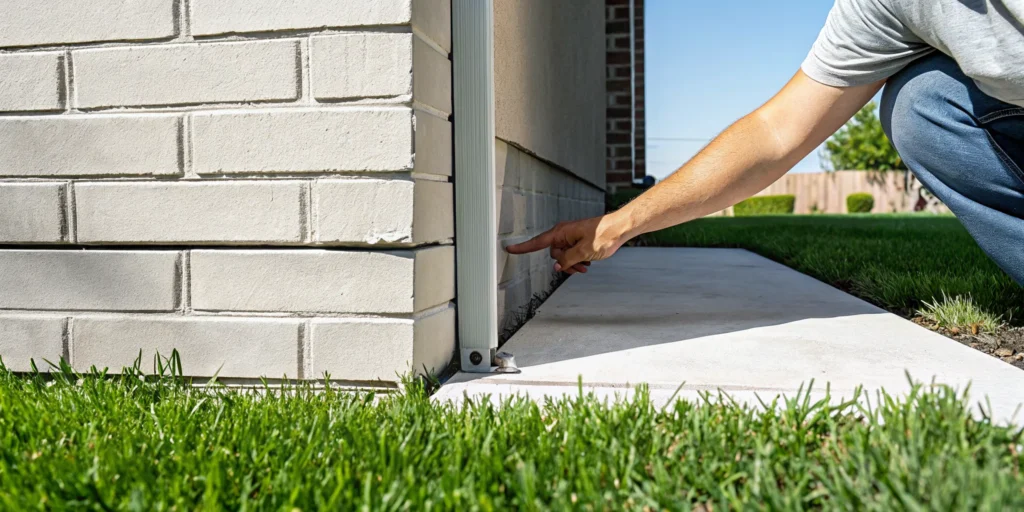
A narrow line where your wall meets the floor can be easy to dismiss, especially after a long dry spell. In North Texas, however, expansive blackland prairie clay can shrink as it dries and swell when moisture returns. Those repeated changes can shift the support beneath a home and leave visible separation inside.
Gaps between walls and floors foundation movement can signal active settlement, particularly when the opening is wider than a nickel, appears in several rooms, or continues to grow. Not every gap means structural damage, since minor settling can occur after construction, but a changing gap deserves attention. Tracking its size and checking for related signs can help you decide when to request a professional evaluation.
The location, pattern, and timing of the gap offer useful clues. Understanding how seasonal moisture changes affect North Texas foundations makes it easier to distinguish an isolated cosmetic issue from movement that may require a closer look.
Why Gaps Appear Between Walls and Floors in North Texas Homes
If a gap appears where a wall meets the floor, it is natural to wonder whether your home is shifting. In North Texas, that concern deserves a regional explanation. The blackland prairie soil beneath many Dallas-Fort Worth homes contains expansive clay, which responds to moisture changes beneath a slab-on-ground foundation.
During dry weather, clay loses moisture and contracts. During wet weather, it absorbs water and expands. This repeated cycle does not always affect every part of a foundation equally. When one area moves more than another, the home experiences differential movement. A wall can then pull slightly away from the floor, leaving a visible gap along the perimeter or around an interior partition.
Some North Texas clay contains smectite minerals such as montmorillonite, which have a particularly high capacity to swell. Research on expansive soils explains that the seasonal moisture zone can extend from three to 40 feet below grade. So the process is not limited to a thin layer immediately beneath the slab. The same research notes that swelling clay can exert uplift pressures as high as 5,500 pounds per square foot. Enough to place significant stress on lightly loaded residential structures. Read the academic research on expansive-soil foundation damage.
Dry periods can also leave voids beneath portions of the foundation when the soil shrinks. If the slab loses consistent support, that area may settle while another portion remains stable. The result can include gaps between walls and floors, separated baseboards, or other changes in the interior finish. These symptoms do not automatically prove structural damage, but they show why surface repairs alone may not solve the underlying movement.
Consistent drainage and moisture conditions around the home can help limit sharp soil swings, but they cannot explain every gap or correct an established foundation movement pattern. A qualified evaluation can distinguish ordinary construction-related separation from movement that merits foundation repair.
Gaps Between Walls and Floors Are a Foundation Warning Sign
Seeing a gap open along the baseboard can be unsettling, especially when it seems to appear without an obvious cause. Solid Base Foundations identifies gaps between walls and floors as a common sign that a foundation may be settling. Particularly in North Texas where expansive blackland prairie clay responds to changing moisture levels. A small separation may reflect minor cosmetic settling, but its size, location, and pattern can help show whether the movement deserves closer attention.
Start by looking at the entire room rather than one spot. Gaps that appear along several walls, occur with baseboard separation, or accompany drywall cracks may point to movement in the wall assembly or slab. Foundation movement does not always affect every part of a home equally. Differential settlement can leave one section lower than another, creating visible openings where the floor and wall no longer meet as they once did. The issue can also occur on interior walls, not only along the home’s perimeter.
Seasonal Gaps That Widen Over Time
North Texas clay can shrink during dry conditions and swell after absorbing moisture. That recurring cycle can cause foundation movement, so a gap may appear during one season and narrow during another. Solid Base Foundations advises homeowners to observe these changes instead of treating them as harmless just because they are seasonal. A gap that repeatedly opens wider, returns more noticeably, or continues changing after weather conditions stabilize warrants a professional evaluation.
Pay particular attention when the opening measures wider than about a nickel or keeps widening over time. According to the company’s guidance, those patterns can indicate active settlement rather than ordinary construction variation. Take dated photographs from the same angle, note the approximate width, and record whether the gap changes after drought or heavy rain. This simple record gives an evaluator useful information about the timing and pattern of movement.
A repair should address the cause of the movement, not simply conceal the opening with caulk or new trim. A qualified professional can assess whether soil behavior, slab movement, or another condition is affecting the home and recommend an appropriate next step. Consider scheduling a free estimate when the gap is widening or appears alongside other signs, so the condition can be evaluated before surface damage spreads. See the early signs of foundation problems guide for additional indicators to monitor.
Should You Worry About a Small Gap Between the Wall and Floor?
A small gap can be unsettling, especially when it appears in a room that previously looked perfectly finished. The gap does not automatically mean your home has serious structural damage. Some minor settling relates to the home’s original construction or ordinary material movement. The pattern over time matters more than one snapshot.
Start by observing the gap instead of covering it immediately. Note its location, approximate width, and whether it changes after dry or rainy weather. In North Texas, expansive blackland prairie clay shrinks as it dries and swells when it absorbs moisture. That seasonal cycle can make a gap appear, close, or change in size as the soil beneath the home responds. Research on expansive soils documents how seasonal moisture fluctuations can affect foundation movement and create visible distress in floors and walls (academic research on expansive soils).
When a Small Gap Warrants a Closer Look
A gap deserves closer attention when it continues to widen, measures more than a nickel, or appears alongside other changes. These patterns can indicate active settlement rather than a cosmetic condition. Check nearby baseboards as well. When a wall shifts because of slab deflection or settlement, baseboards may pull away from the wall. Floor, or both, showing that the movement affects the larger wall assembly.
Seasonal change does not automatically make a gap harmless. Gaps that repeatedly open and close can reflect expansive clay movement, while a gap that steadily grows may point to ongoing differential settlement. Keep a simple dated record and take photos from the same angle. Also watch for drywall cracks, uneven floors, or doors that begin sticking, since foundation movement can place stress on framing.
If the gap widens or appears with other warning signs, schedule a professional evaluation rather than relying on cosmetic patching. A qualified assessment can distinguish normal settling from movement that calls for attention. For a broader checklist, review these early signs of foundation problems, then request a free estimate if the pattern concerns you.
Other Warning Signs of Foundation Settlement to Watch For
A gap along the wall or floor rarely tells the whole story. In North Texas, expansive clay can shrink during dry periods and swell after moisture returns. That movement may affect different parts of a home at different rates, creating several related changes in the same room or across the structure. Look for patterns instead of judging one cosmetic defect on its own.
Cracks, Doors, and Sloping Floors
Interior doors and windows that suddenly stick, drag, or no longer latch smoothly can point to movement in the framing. Differential settlement means one section of the foundation shifts more than another, placing stress on the structure above it. An academic review of expansive-soil damage identifies distress in structural framing as one possible result of differential foundation movement. Read the technical overview of expansive soils for additional context.
Drywall cracks deserve closer attention when they run diagonally from the corners of doors or windows, change over time, or appear alongside gaps at the floor. A single fine crack may have a cosmetic explanation, but diagonal cracking combined with sticking openings can indicate that wall framing is responding to movement below. Keep a dated record and photograph the area so you can compare its size and location over time.
Uneven or sloping floors are another useful observation. Furniture that rocks, flooring that separates, or a noticeable change in elevation across a room may signal that the slab or supporting soil has shifted. For a closer look at what these symptoms can mean, review this guide to sinking floor repair.
Exterior Masonry and Baseboard Separation
Walk around the exterior and inspect brick, stone, and other masonry near corners, windows, and transitions between additions. Separation in mortar joints or brick veneer can accompany interior distress when foundation movement transfers through the framing and exterior finish. Inside, baseboards may pull away from the floor or wall as the wall assembly shifts. This is especially useful to note when the separation follows the same line as a wall-to-floor gap.
These signs rarely appear in isolation. Sticking doors, diagonal drywall cracks, exterior brick separation, sloping floors. And loose baseboards become more meaningful when they occur together or worsen after drought, heavy rain, or other moisture changes. Compare what you see with these early signs of foundation problems, then arrange a professional evaluation if the pattern is growing. A qualified assessment can distinguish normal finish movement from settlement that calls for attention.
Normal Settling Versus Structural Damage in Dallas Homes
A small gap can make any Dallas homeowner uneasy, but its presence alone does not prove serious foundation damage. Homes can experience minor cosmetic settling after construction. The more useful question is whether the gap changes, appears with other warning signs, or follows the seasonal movement common in North Texas expansive clay.
Dry conditions can cause clay soil to shrink and leave voids beneath a foundation, while wet conditions can make the soil swell. That repeated change can move different parts of a slab at different rates. The table below offers a practical starting point, but it cannot replace an evaluation of the foundation and surrounding soil.
| What to observe | Minor or normal settling | Active structural settlement |
|---|---|---|
| Gap width | A narrow, stable gap, generally no wider than a nickel, with no related changes. | A gap wider than a nickel, especially when it continues to widen over time. |
| Rate of change | Little or no measurable change when you photograph and check it periodically. | Visible progression over weeks or months, or a sudden change after drought or heavy rain. |
| Other signs | No sticking doors, difficult windows, diagonal drywall cracks, or exterior brick separation. | Sticking doors or windows, diagonal cracks, baseboard separation, or gaps in exterior masonry. |
| Seasonal pattern | May open or close slightly with moisture changes and return without a growing trend. | Does not close, grows through successive seasons, or appears alongside other movement indicators. |
| Professional assessment | Monitor the area and document changes during normal home maintenance. | Schedule a professional foundation assessment to identify the source and extent of movement. |
Seasonal movement deserves attention even when a gap seems to improve. A gap that opens during a dry period and closes after wetter weather may reflect expansive-soil behavior rather than a harmless construction detail. That pattern can still reveal differential movement under the home. A foundation settlement repair assessment focuses on the cause, not just the visible opening.
Do not rely on a single measurement or cosmetic patch to decide whether the issue has ended. Photograph the gap from the same angle, note the date and weather conditions, and watch nearby doors, drywall, baseboards, and brick. If the gap is widening or several signs appear together, a professional can determine whether stabilization is appropriate. Repair should address the underlying soil support and foundation movement rather than simply filling the gap.
How a Professional Diagnoses Wall and Floor Gaps
Seeing a gap open along a wall or floor can make your home feel suddenly uncertain. A professional inspection replaces guesswork with measurements and a clear explanation of what is moving. Solid Base Foundations begins with an on-site, no-obligation assessment of the visible gap and the surrounding structure. The goal is not simply to label the symptom, but to determine whether the home shows normal settling or active structural movement.
What the inspection looks for
The inspector measures the width, length, and location of the gap, then compares those observations with the rest of the home. A gap that continues to widen, measures more than a nickel, or appears alongside sticking doors, diagonal drywall cracks, or exterior brick separation deserves closer evaluation. Those patterns can indicate differential movement, where one portion of the foundation shifts differently from another.
North Texas homes also require a soil-specific assessment. Expansive clay in the blackland prairie shrinks during dry periods and swells when moisture returns. That cycle can create uneven support beneath a slab. The inspection considers where movement occurs, whether the pattern changes seasonally, and whether moisture conditions differ around the foundation. Drainage, grading, irrigation, downspouts, and areas that hold water all help reveal whether one side of the home is receiving more moisture than another.
Consistent soil moisture can reduce the severity of shrink-swell cycles, while directing drainage away from the foundation helps limit damaging moisture swings. These maintenance steps may support a stable foundation, but they cannot explain away a gap that is actively changing. A professional combines site observations with structural measurements to identify the likely source and recommend an appropriate response.
Why early diagnosis matters
Foundation repair addresses soil stabilization and support, not just the cosmetic task of filling a gap. Depending on the findings, the recommendation may focus on correcting drainage, stabilizing affected soil, or using a targeted repair method such as PolyLevel. Early identification can allow less invasive repair before movement affects more of the home. For background on the evaluation and repair process, review this foundation settlement repair resource.
Frequently Asked Questions
What causes gaps between walls and floors?
Several conditions can create a visible separation, including foundation settlement, slab movement, soil erosion, or changes in expansive clay. In North Texas, seasonal moisture changes can make clay shrink and swell, changing the support beneath a home. Surface trim movement may also reflect a wall or floor that has shifted.
Are gaps between walls and floors a sign of foundation settlement?
They can be, especially when a gap widens, appears in several rooms, or occurs with sticking doors, drywall cracks, or brick separation. A small, stable gap may reflect minor cosmetic settling, but changes over time deserve attention. Track its size and location rather than assuming the condition will correct itself.
How does North Texas clay contribute to floor gaps?
Expansive clay absorbs water and expands, then shrinks as it dries. That cycle can create uneven support beneath a slab and produce movement in the walls, floors, and framing. The academic guide Damage to Foundations from Expansive Soils explains how moisture-driven soil movement affects foundation systems.
Should I worry about a small gap between the wall and floor?
Do not panic, but do monitor it. Photograph the gap from the same angle, note the date, and watch for widening or related symptoms. Gaps that are wider than a nickel or continue to grow warrant a professional evaluation, particularly after drought, heavy rain, or other major moisture changes.
When should I contact a professional about foundation floor gaps?
Schedule an assessment when gaps widen, recur seasonally, or appear alongside sticking doors, cracked drywall, uneven floors, or exterior masonry cracks. A qualified professional can evaluate the pattern and underlying support instead of merely filling the visible opening. Early review helps clarify whether monitoring or stabilization makes sense.
Ready to Schedule Your Foundation Assessment?
Wall and floor gaps can leave you wondering whether your home is settling normally or showing a larger structural concern. A professional assessment can help clarify what is happening and which repair options fit your property. Schedule a free foundation estimate and on-site assessment with Solid Base Foundations. Call (940) 365-4221 to discuss the gaps you have noticed.