
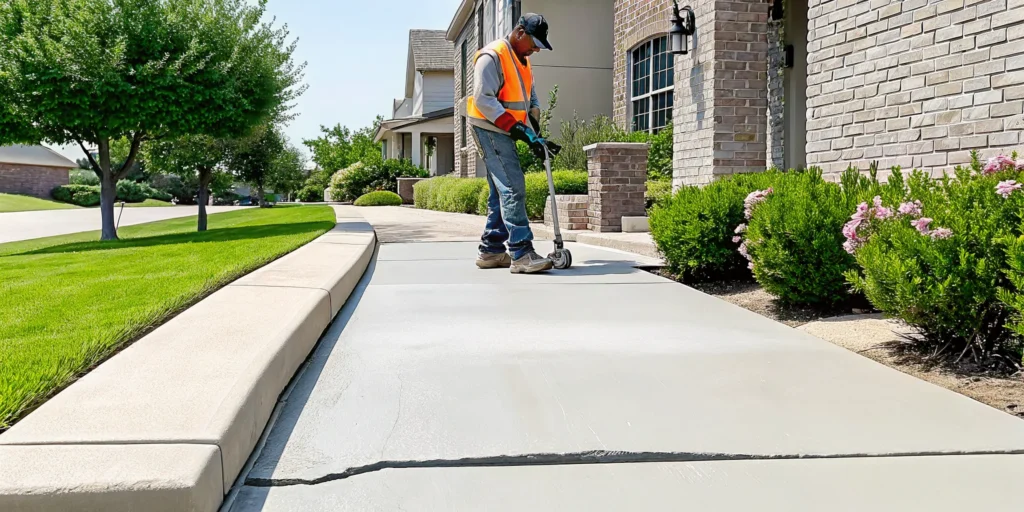
That one small crack in your driveway has a way of bringing friends. Soon, you have a network of them, and what was once a minor annoyance is now a major eyesore. Here in North Texas, these cracks are rarely just surface-level blemishes. They’re often a signal from the shifting clay soil beneath your home, the same force that can cause foundation issues. Ignoring them allows water to seep in, leading to sinking sections and even bigger problems. This is the point where many homeowners start searching for who fixes cracked driveways in Plano TX, looking for a real solution. This guide will walk you through the causes, repair options, and how to find a professional who can provide a lasting fix, not just a temporary patch.
Key Takeaways
- Know the warning signs: Growing cracks, uneven or sinking sections, and drainage problems are clear indicators of underlying issues. Catching these red flags early can help you avoid more extensive and costly damage down the road.
- Match the fix to the cause: Lasting driveway repairs in North Texas address the root of the problem, which is often our expansive clay soil. A professional can determine if you need a simple surface fix or a more structural solution to correct soil-related sinking.
- Invest in a qualified expert: Choosing the right contractor is crucial for a repair that lasts. Always verify their license and insurance, ask for warranties on their work, and read customer reviews to ensure they have experience solving the specific concrete issues common to our area.
How to Tell If Your Driveway Needs Repair
Your driveway is one of the first things people see, but it’s more than just a welcome mat for your car. It’s a large, structural part of your property that takes a lot of abuse from weather, heavy vehicles, and the shifting Texas soil. It’s easy to overlook small issues, but paying attention to the early warning signs can save you from bigger, more expensive problems down the road. Knowing what to look for helps you decide when it’s time to call in a professional. Think of it as a quick health checkup for your home’s curb appeal and safety.
Growing or Multiplying Cracks
A few hairline cracks might not seem like a big deal, but when they start to grow, connect, or multiply, it’s a clear signal that something is wrong. These aren’t just surface-level blemishes; they often point to deeper issues. Expanding cracks can allow water to seep beneath the slab, eroding the soil and weakening the driveway’s foundation. This can lead to even more significant damage over time. Addressing these issues early with professional concrete repair is the best way to stop the problem from spreading and protect the structural integrity of your driveway.
Uneven or Sinking Sections
Does your driveway feel more like a roller coaster than a flat surface? Sunken or heaving sections are a major red flag. When parts of your driveway sink or rise, it creates an uneven surface that’s not only an eyesore but also a serious tripping hazard. This is often caused by shifting soil or poor drainage washing away the base material that supports the concrete. An uneven driveway can also scrape the underside of your car. Ignoring these dips and bumps allows the underlying problem to worsen, potentially leading to widespread cracking and the need for a full replacement.
Puddles and Drainage Problems
After a rainstorm, take a look at your driveway. If you see standing water or persistent puddles, you likely have a drainage problem. A properly installed driveway should be graded to allow water to run off into the street or your yard. When water pools on the surface, it means there are low spots where the concrete has settled. This standing water can accelerate deterioration, seep into existing cracks, and further compromise the soil underneath. Over time, this constant moisture can lead to crumbling surfaces and even more significant structural issues for your driveway.
Crumbling Surfaces and Weeds
If the surface of your driveway is starting to flake or crumble, it’s a sign that the concrete itself is deteriorating. This condition, known as spalling, happens when moisture gets into the concrete and causes the top layer to peel away. You might also notice weeds or grass growing through the cracks. While it may seem like a minor landscaping issue, it’s actually a symptom of a larger problem. Weeds indicate that the cracks are deep enough to hold soil and water, and their root systems can push the concrete apart, making the cracks even wider over time.
What Causes Driveway Cracks in Plano?
Seeing cracks appear in your driveway can be disheartening, but it’s a common issue for homeowners in our area. More often than not, these cracks are a signal of underlying problems. Understanding what’s causing the damage is the first step toward a lasting fix. In Plano, the culprits are often a combination of our unique soil, landscaping choices, and the classic Texas weather. Let’s look at the three most common reasons your concrete driveway might be cracking.
The Impact of Texas Clay Soil
If you live in North Texas, you’re living on expansive clay soil. This type of soil is a major reason we see so many foundation and concrete issues. Think of it like a sponge: it soaks up water during rainy periods and swells significantly. Then, during our hot, dry summers, it shrinks as it dries out. This constant cycle of expansion and contraction puts incredible stress on your rigid concrete driveway, which can’t flex with the moving ground. Eventually, this pressure leads to cracks and uneven surfaces. It’s the same force that can cause problems for your home’s foundation repair needs.
Trouble from Tree Roots and Water
Those beautiful, mature trees that provide much-needed shade can also cause trouble for your driveway. As tree roots grow and spread out in search of water, they can push up against the concrete slab from below. The slow, steady pressure is powerful enough to lift and crack the concrete over time. Water itself can also be a problem. Poor drainage from downspouts or sprinklers can cause water to pool around or under your driveway. This saturates and weakens the soil base, leading to sinking, settling, and more cracks. Proper concrete repair often involves addressing these external factors.
Damage from Heavy Loads and Weather
Your driveway is built to be tough, but it has its limits. Regularly parking heavy vehicles like a large work truck, boat, or RV can place more stress on the concrete than it was designed to handle, causing cracks to form over time. The Texas weather also plays a part. The intense summer heat causes concrete to expand, while the occasional freeze-thaw cycle in winter allows water to seep into tiny cracks, freeze, expand, and make the cracks bigger. This combination of daily use and extreme weather contributes to the wear and tear you see on the surface. You can see examples of how we’ve fixed this type of damage in our work gallery.
Your Guide to Driveway Repair Methods
Seeing cracks in your driveway can be disheartening, but the good news is you have options. The right fix depends on the extent of the damage. A few small cracks might only need a simple patch, while a driveway that looks like a shattered puzzle might require a more intensive solution. Understanding the different repair methods will help you have a more informed conversation with a professional and choose the best path forward for your home and your budget. Let’s walk through the most common approaches, from minor touch-ups to a complete overhaul.
Crack Filling and Sealing
Think of crack filling as first aid for your driveway. This method is perfect for handling minor, narrow cracks before they become big problems. A professional will clean out the crack and inject a flexible sealant to fill the gap. This stops water from seeping underneath the slab, freezing, and making the crack even wider. After filling, applying a sealant over the entire driveway can provide an extra layer of protection. It’s a straightforward, affordable way to extend the life of your driveway and is a key part of any good concrete repair maintenance plan. This approach is best for surface-level issues, not for deep, structural cracks or sunken sections.
Concrete Resurfacing and Sealcoating
If your driveway has a lot of surface imperfections, like discoloration, small pits, or a web of tiny cracks, but is still structurally sound, resurfacing is a great option. This process involves applying a thin new layer of cement-based overlay right on top of your existing driveway. It’s like giving your driveway a brand-new face, covering up years of wear and tear. It’s much more affordable than a full replacement and can completely transform your home’s curb appeal. For this to be effective, the underlying concrete slab must be stable. If the damage is only skin-deep, resurfacing can make your driveway look new again.
Partial Section Replacement
Sometimes, the damage is concentrated in one or two areas. Maybe a heavy truck left a crumbling corner, or one section has sunk noticeably. In these cases, you don’t need to replace the whole driveway. A professional can cut out the damaged portion and pour new concrete. For sunken slabs, an even less invasive method is poly-leveling. This technique involves injecting a high-density polyurethane foam through small holes drilled in the concrete. The foam expands, lifting the slab back to its original position. This is an effective fix for uneven sections and is often related to the same soil issues that cause foundation repair needs.
Full Driveway Replacement
If your driveway has deep, widespread cracks, is crumbling in multiple places, or has severe drainage problems, it might be time for a full replacement. While it’s the most expensive option, it’s also a permanent solution. This process involves tearing out all the old, damaged concrete and pouring a brand-new driveway. A full replacement gives you a chance to fix any underlying issues with the base layer, ensuring your new driveway is built on a stable, properly prepared surface. While nobody loves the idea of a big project, a new driveway is a long-term investment that solves the problem for good. You can always contact us for a free estimate to see what makes the most sense for you.
How Much Does Driveway Repair Cost in Plano?
Let’s talk about the number one question on every homeowner’s mind: what’s this going to cost? The price for driveway repair in Plano can vary quite a bit. It really depends on what kind of shape your driveway is in and the type of fix it needs. Think of it like this: patching a small hole is one thing, but repaving the entire surface is another. To give you a clearer picture, I’ll break down the typical costs for different repairs and the factors that can cause those numbers to change.
Typical Costs for Different Repairs
When you hire a professional, you’re paying for their expertise and quality materials, which makes a big difference in how long the repair lasts. For minor issues, like filling a few cracks and sealing them, you might expect to pay between $100 and $1,000. If your driveway’s surface is worn but the base is still solid, resurfacing is a great option. This typically costs between $2,000 and $5,000.
For those uneven, sinking slabs that create tripping hazards, professional concrete repair to level the surface can range from $500 to over $6,000. In cases where the damage is too extensive, a full replacement might be the only answer, which can run from $2,000 to $15,000 or more. Remember, these are just general ranges. The only way to get an exact price is with a detailed, on-site estimate.
Factors That Affect Your Final Cost
So, what makes one repair more expensive than another? A few key things influence the final price tag on your project. First is the sheer size of your driveway; a larger area requires more materials and labor. The shape and slope can also add complexity, especially if your driveway has curves or a steep grade.
The extent of the damage is another major factor. A few hairline cracks are much cheaper to fix than a driveway full of deep, wide cracks or sections that have sunk several inches. Sometimes, sinking concrete can even point to underlying soil or foundation issues. The repair method itself also plays a huge role in the final cost. Of course, a full replacement will cost more than a simple patch job. For larger projects, it’s good to know that many companies offer financing to help make the cost more manageable.
Finding the Right Professional for Your Driveway
Once you’ve decided to move forward with repairs, the next step is finding a qualified contractor you can trust. Plano has a number of skilled professionals, but it’s important to choose one who understands the specific challenges of our local soil and environment. A quick fix might look good for a little while, but a true solution addresses the problem at its source. Here are some of the top options for homeowners in the area.
Solid Base Foundations
When you need a team that understands the root cause of concrete damage, Solid Base Foundations is the expert to call. We specialize in comprehensive concrete repair that addresses not just the surface cracks but also the underlying soil and foundation issues that often cause them. Because driveway problems can be a symptom of deeper structural movement, our approach ensures a lasting fix. Our experienced professionals use proven, patented products to deliver a solution that stabilizes your driveway for years to come. We are committed to providing Plano homeowners with reliable, long-term results.
Other Local Concrete Repair Companies in Plano
Plano has several other contractors who can help with driveway repairs. Some companies focus on repairing specific problem areas rather than replacing the entire slab, which can be a cost-effective option for minor issues. Others specialize in asphalt surfaces or cosmetic fixes. For a broader list of local contractors, you can check homeowner reviews on platforms like HomeGuide or community forums where residents discuss their experiences. When you’re getting quotes, be sure to ask if the company assesses underlying soil conditions. This will help you understand if their solution is designed to prevent the same cracks from reappearing down the road.
What to Expect from a Plano Driveway Repair Company
Once you decide to call in a professional, you might wonder what the process actually looks like. Knowing what to expect can make the experience feel much less stressful. A reputable company will guide you through each step, from the initial inspection to the final handshake. They should be transparent about the work needed, the costs involved, and the timeline for getting your driveway back in shape. It’s all about finding a partner who can clearly explain the problem and provide a reliable solution.
Core Repair Services
A professional driveway repair company will offer a range of services to tackle whatever issue you’re facing. For minor issues, this might involve simple crack filling and sealing to prevent water from seeping in and causing more damage. For more widespread surface problems, they might suggest concrete resurfacing to give your driveway a fresh, uniform look. If the damage is concentrated in one area, some companies can perform a partial replacement, saving you the cost of a full tear-out. The goal of a good contractor is to provide an effective, long-lasting concrete repair that addresses the root cause of the problem, not just the visible symptoms. They’ll assess the damage and recommend the right fix for your specific situation.
Estimates, Inspections, and Financing
The process almost always starts with a thorough inspection. A specialist will visit your property to examine the cracks, sinking, or crumbling areas up close. This allows them to diagnose the underlying issue, whether it’s soil movement, water damage, or something else. Based on this assessment, they will provide a detailed estimate outlining the proposed work and the associated costs. Reputable companies in Plano offer free, no-obligation estimates so you can understand your options without any pressure. They should also be upfront about their process and answer any questions you have. If the cost is a concern, don’t hesitate to ask about financing options, as many companies offer plans to make the repairs more manageable for your budget.
Potential Discounts and Promotions
It never hurts to ask about ways to save. Some driveway repair companies offer seasonal discounts or promotions, so it’s always a good idea to check their website or simply ask when you call. Getting multiple quotes is a smart strategy, and you’ll find that most local professionals provide free estimates to stay competitive. This allows you to compare not just the price but also the proposed solution and your comfort level with the contractor. While a lower price is always nice, remember to focus on the value and the long-term quality of the repair. To see what might be available, you can always get in touch with a company directly and inquire about any current offers.
Repair or Replace? Making the Right Choice for Your Driveway
Staring at a cracked driveway can leave you with one big question: do you fix the spots you can see, or is it time to tear it all out and start fresh? It’s a common dilemma for homeowners, and the right answer depends on the type and extent of the damage. While a brand-new driveway has undeniable curb appeal, a professional repair can often solve the problem effectively and save you a significant amount of money.
The key is to look at the big picture. Are you dealing with a few isolated cracks or a widespread web of problems? Is the surface just discolored, or is it actively crumbling? Sometimes, what looks like a simple fix is actually a sign of a deeper issue with the soil underneath. On the other hand, what might seem like a disaster can often be addressed with modern repair techniques. Making an informed choice between repair and replacement will help you invest your money wisely and ensure your driveway is safe and stable for years to come. The best first step is always a thorough inspection to understand exactly what you’re up against.
When to Choose Repair
Opting for a repair is often the smartest and most budget-friendly route when the damage is localized. If you’re noticing a few specific issues, a targeted fix is likely all you need. Catching these problems early can prevent them from turning into a major headache that requires a full replacement. A professional concrete repair can address these issues and restore your driveway’s integrity without the cost and disruption of a complete overhaul.
You should consider repair if you see:
- A few isolated cracks that aren’t too wide.
- Minor potholes or small sections of crumbling.
- Slight discoloration or surface stains.
- Puddles forming in one or two low spots after it rains.
When It’s Time to Replace
Sometimes, a driveway is simply past the point of a simple fix. If the damage is extensive or the foundation beneath it has failed, patching it up will only be a temporary solution. In these cases, replacing the entire driveway is the more cost-effective choice in the long run. While the upfront investment is higher, a new installation solves underlying problems and gives you a durable, stable surface that will last for decades. This is especially true if your driveway has widespread, deep cracks, is crumbling apart, or has large sections that are severely buckled or sunken. A new driveway isn’t just a repair; it’s a long-term upgrade to your property’s value and safety. Because this is a larger project, many companies offer financing options to make it more manageable.
How to Choose a Driveway Repair Company
Finding the right contractor for your driveway can feel like a big task, but it doesn’t have to be stressful. Taking a little time to vet your options will help you find a reliable professional who will do the job right the first time. A great repair can last for years, so it’s worth making sure you’re hiring someone you can trust. Here are a few key things to look for when you start your search.
Check for Licensing, Insurance, and Warranties
This is the first and most important step. A professional company should always be licensed and insured. Licensing confirms they meet local requirements to do the work, while insurance protects you from any liability if an accident happens on your property. Imagine a worker getting injured or your garage door getting damaged; without proper insurance, you could be responsible for the costs. You should also ask about warranties. A company that stands behind its concrete repair will offer a guarantee on their work, giving you peace of mind that the fix is built to last. Don’t hesitate to ask for copies of these documents before signing a contract.
Read Customer Reviews and Testimonials
Reviews from past customers offer a real-world look into a company’s performance. While you can check the company’s website, also look at third-party sites like Google and Yelp for a more balanced perspective. Look for patterns in the feedback. Are customers consistently happy with the communication, timeliness, and final result? Pay close attention to detailed reviews that explain the original problem and how the company addressed it. Seeing how a company handles specific issues, like major cracks or sinking sections, can tell you a lot about their expertise. Looking at examples of their projects can also give you a clear idea of the quality you can expect for your own driveway.
How to Protect Your Driveway from Future Cracks
After you’ve repaired your driveway, the last thing you want is for new cracks to appear. A little preventative maintenance goes a long way in keeping your concrete smooth and strong for years to come. The most important step is to address small problems as soon as you spot them. A tiny crack is much easier and more affordable to fix than a large, sinking section. Taking action early can save you a significant amount of money and prevent a small issue from turning into a major concrete repair project.
One of the best ways to protect your driveway is by applying a quality sealant every few years. Think of it as sunscreen for your concrete. A good sealcoat creates a protective barrier that shields the surface from water penetration, UV rays, and oil spills. This simple step can dramatically extend the life of your driveway and keep it looking its best. It’s a proactive measure that helps prevent the kind of weathering that leads to cracks and crumbling over time.
Beyond sealing, pay attention to water drainage around your driveway. Make sure your gutters are clean and that downspouts direct water away from the concrete slab. Standing water is one of concrete’s biggest enemies, as it can seep underneath and erode the soil base. It’s also wise to avoid parking extremely heavy vehicles, like large moving trucks or RVs, on your residential driveway, as the excess weight can cause stress fractures. Taking these simple precautions not only preserves your driveway but also helps protect your home’s overall value. If you’re unsure where to start, getting a professional opinion can provide a clear path forward. You can always contact us for a free estimate and expert advice.
Related Articles
- How to Fill Large Cracks in Concrete Like a Pro
- Concrete Repair – Solid Base
- Polyurethane Slab Jacking: A Homeowner’s Guide
- Ultimate Guide to Foundation Repair Options
- Foundation Crack Repair: A DIY vs. Pro Guide
Frequently Asked Questions
Why do my driveway cracks keep coming back after I fill them? This is a common frustration, and it usually means the real problem isn’t the crack itself, but the ground underneath it. When you just fill a crack, you’re only treating the symptom. Here in North Texas, our expansive clay soil is constantly shifting, and that movement is what causes the concrete to crack in the first place. For a lasting solution, a professional needs to assess if the underlying soil is the culprit and address that instability, not just patch the surface.
Is it okay to just ignore a few small, hairline cracks for now? It’s tempting to put off small repairs, but those tiny cracks are open doors for water. When water seeps under your driveway, it erodes the soil base that supports the concrete. In the winter, that water can freeze, expand, and turn a tiny crack into a major split. Addressing a small crack now is a quick, inexpensive fix that can prevent a much larger and more costly repair project in the future.
My driveway is uneven in one spot but isn’t really cracked. Does it still need repair? Yes, an uneven or sunken section is a definite red flag, even without cracks. It means the soil foundation beneath that part of your driveway has already washed away or compacted, leaving the concrete slab unsupported. This not only creates a serious trip hazard but also puts a lot of stress on the slab, which will eventually lead to significant cracking. Leveling the slab now corrects the problem and prevents that future damage from happening.
How long does a typical driveway repair project take? The timeline really depends on the type of repair. Simple crack filling and sealing can often be done in just a few hours. A more involved job like concrete resurfacing or leveling a sunken slab might take a full day. A complete driveway replacement is the longest process, as it involves demolition, preparation, pouring, and waiting for the new concrete to cure, which can take several days before you can drive on it. Your contractor will give you a specific timeline with your estimate.
Can I just fix my driveway myself with a kit from the hardware store? For a very small, superficial crack, a DIY kit can be a decent temporary patch. However, most driveway issues in our area are related to soil movement, which these kits can’t address. A professional can diagnose the root cause of the damage and use specialized materials and techniques, like poly-leveling foam or commercial-grade sealants, to provide a much more durable and long-lasting solution. Investing in a professional repair ensures the job is done right the first time.