
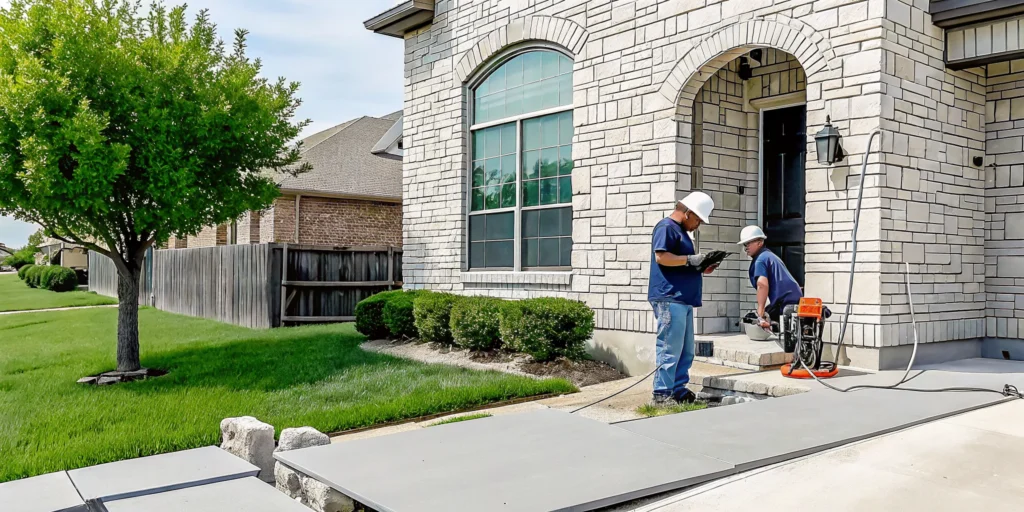
It often starts with something small. A bedroom door that doesn’t latch anymore. A hairline crack that appears above a window frame. These little annoyances are easy to dismiss, but they can be the first whispers of a much larger conversation your house is trying to have with you about its foundation. Once you start connecting the dots, the immediate question becomes, “What now?” The uncertainty can be stressful, but you’re in the right place to find answers. This guide is designed to help you read the signs, understand the causes, and confidently navigate the process of finding a qualified professional who repairs foundations in Dallas Fort Worth to restore your home’s integrity.
Key Takeaways
- Control water to protect your foundation: Most DFW foundation problems are caused by our expansive clay soil swelling and shrinking with moisture. You can prevent this by improving drainage and watering your foundation during dry spells to maintain consistent soil moisture.
- Don’t ignore your home’s warning signs: Sticking doors, wall cracks, and uneven floors are your home’s way of telling you there’s a problem. Addressing these early signs with a professional inspection is the key to avoiding more significant and costly structural damage later on.
- Choose a pro with local DFW experience: Foundation repair isn’t a generic service; our soil requires specific expertise. Select a company that offers a free, detailed estimate, provides a strong transferable warranty, and has a proven history of working successfully in the Dallas-Fort Worth area.
What Causes Foundation Problems in DFW?
Living in North Texas means enjoying vibrant cities and friendly communities, but it also means dealing with some unique challenges when it comes to homeownership. One of the biggest issues facing homeowners in the Dallas-Fort Worth area is foundation trouble. If you’ve ever worried about a crack in the wall or a door that suddenly sticks, you’re not alone. It’s a regional problem rooted in our soil and weather. When your home’s foundation is compromised, it can lead to a host of other problems that disrupt your life and your home’s integrity. Understanding the root causes is the first step toward finding a lasting solution and regaining your peace of mind. The main culprits are our unique soil, the type of foundation you have, and how water behaves around your property. Let’s look at what’s really going on beneath your home so you can feel equipped to handle it.
The Trouble with North Texas’s Expansive Clay Soil
The ground beneath our feet in the DFW area is largely made of expansive clay soil. You can think of this soil like a giant sponge. When it rains, the clay absorbs water and swells up, expanding in volume. During our hot, dry summers, it loses that moisture and shrinks, leaving gaps and cracks in the ground. This constant cycle of swelling and shrinking puts immense, uneven pressure on your home’s foundation. Over time, this movement can cause parts of your foundation to lift or sink, leading to structural stress. It’s this very instability that makes professional foundation repair a common need for so many North Texas homeowners.
Common Slab Foundation Issues
Most homes in the DFW area are built on concrete slab foundations. While strong, they are not immune to the effects of our expansive clay soil. When the soil swells, it can push the slab upward, an issue known as upheaval. This can lift a section of your foundation by an inch or more. Conversely, when the soil shrinks, the slab can settle or sink, sometimes by several inches if the problem is ignored. Even a small dip can create significant issues throughout your home. This movement often results in visible cracks in the slab itself, which is why effective concrete repair is a critical part of the solution for maintaining your home’s structural health.
Common Pier and Beam Foundation Issues
If you live in one of DFW’s charming older homes, you likely have a pier and beam foundation. This style features a crawl space between the ground and the floor of your home. While this design can offer some advantages, it comes with its own set of potential problems. The piers supporting the home can shift in the unstable soil, causing floors to become uneven or sag. The crawl space can also trap moisture, leading to wood rot in the beams or attracting pests. Addressing these issues requires specific expertise, as the repair methods are quite different from those used for slab foundations. Our team of professionals has the experience to handle the unique challenges of these classic homes.
How Poor Drainage and Water Damage Your Foundation
Water is the primary driver of most foundation problems in North Texas. Poor drainage around your home makes the issues with our expansive clay soil much worse. When water pools near your foundation from clogged gutters, short downspouts, or improper yard grading, it over-saturates the soil in that area. This creates uneven swelling and pressure. Plumbing leaks under your slab can have the same effect. On the other hand, large trees planted too close to the house can drink up all the moisture, causing that section of soil to shrink excessively. Managing water flow is key to protecting your investment. If you suspect drainage is an issue, it’s wise to get an expert opinion before small problems become big ones.
Signs You Might Need Foundation Repair
Your home has a way of telling you when something is wrong. Foundation problems rarely appear overnight; they usually start with small, subtle clues that are easy to dismiss. Paying attention to these early warning signs can save you a lot of stress and money down the road. If you notice several of these issues, it’s a strong signal that your home’s foundation needs a professional evaluation. Catching problems early is the key to a straightforward foundation repair and protecting your home’s value.
Warning Signs Inside Your Home
The first clues often show up inside your house. You might notice cracks spreading across drywall on the walls or ceilings. Don’t ignore doors that suddenly stick and refuse to close properly, or windows that become difficult to open. These are classic signs that the frame of your house is shifting. Take a look at your floors. Do they seem to slope, sag, or feel uneven under your feet? You might also spot gaps appearing between your walls and the frames of your doors and windows. While a tiny crack might be just settling, a combination of these issues points to a bigger problem that needs attention.
Warning Signs Outside Your Home
Take a walk around the outside of your property. Look closely at the exterior brick and the visible parts of your foundation. Are there noticeable cracks? Pay special attention to horizontal cracks, as they can indicate more serious pressure on the foundation. You might also see gaps forming around your window frames or where the wall meets the foundation. Another major red flag is water pooling near your home after it rains. Poor drainage puts immense pressure on your foundation. If you see any of these exterior signs, especially crumbling or cracking concrete, it’s time to get a professional opinion on concrete repair.
Finding the Right Foundation Repair Pro in DFW
Choosing a professional to work on your home’s foundation can feel like a huge decision, because it is. The right team will not only fix the immediate problem but also give you peace of mind for years to come. The wrong one can lead to more headaches and expenses. When you start your search, you’re looking for more than just a contractor; you’re looking for a partner who understands your home, your soil, and the best way to protect your investment. Let’s walk through what to look for in a foundation repair expert here in the Dallas-Fort Worth area.
Why Local Experience Matters
The ground beneath our feet in North Texas is unique, and not always in a good way. Our expansive clay soil acts like a sponge, swelling when it’s wet and shrinking dramatically when it’s dry. This constant movement puts immense stress on a home’s foundation. A company from another state, or even another part of Texas, might not fully grasp the specific challenges we face here. A true local expert has years of hands-on experience with DFW’s soil and building codes. They know what works and what doesn’t because they’ve seen it all before, right in our service area. This local knowledge is invaluable for diagnosing your home’s issues correctly and recommending a solution that will last.
Our Proven Approach to Foundation Repair
A trustworthy company won’t just give you a price; they’ll provide a clear, comprehensive plan. The process should always start with a thorough, free assessment of your property. A true professional will inspect your home inside and out, explain what they’re seeing in plain English, and answer all of your questions. They should then present a detailed repair plan tailored to your home’s specific needs. At Solid Base, we believe in transparency and using only proven, patented products for our foundation repair services. This ensures you receive a reliable, long-term solution, not a temporary patch. Look for a team that stands behind their methods and can show you examples of their previous projects.
An Overview of Foundation Repair Methods
Once a professional has diagnosed your foundation issue, the next step is figuring out the right solution. Foundation repair isn’t a one-size-fits-all job; the best method depends on your home’s construction, the soil underneath it, and the specific problem you’re facing. A reputable company will walk you through the options and explain why one approach is better for your situation than another.
To help you feel more prepared for that conversation, let’s look at some of the most common and effective foundation repair methods used here in the Dallas-Fort Worth area. Understanding the basics of each technique will give you the confidence to ask the right questions and make an informed decision for your home. These methods are designed to address the root cause of the problem, ensuring a stable and secure structure for years to come.
Steel Piers and Helical Piers
When the soil beneath your home can no longer support its weight, you need to go deeper. That’s where steel and helical piers come in. Think of them as underground stilts for your house. These long steel posts are driven or screwed deep into the ground until they hit solid, stable soil or bedrock. Hydraulic jacks are then used to carefully lift the foundation, leveling the floors and closing up those unsettling cracks. This is one of the most common and reliable repair methods in Texas because it provides a permanent solution by transferring the weight of your home to a much more stable layer of earth.
Slab Foundation Repair Techniques
Most homes in DFW have concrete slab foundations, and there are specific techniques designed just for them. When a slab settles or cracks, the goal is to lift and stabilize it. This is often done using piers, like the steel ones mentioned above, or concrete pressed piles. These supports are installed strategically beneath the slab to raise it back to its original position. As experts at Ram Jack note, the right technique can involve different types of piles depending on the situation. The key is to address the instability of the slab itself, providing a solid base and preventing further movement.
Pier and Beam Repair Methods
If you live in an older home, you might have a pier and beam foundation with a crawl space underneath. Repairing these foundations is a different ballgame. Instead of a single slab, your home rests on a series of concrete piers and wooden beams. Common problems include rotting wood, shifting piers, or sagging floors. A repair might involve replacing damaged beams, adding or adjusting the support piers, or re-shimming the joists to level the floor. Companies that are experts in both slab and pier and beam foundations are invaluable because they understand the unique challenges of these classic structures.
Polyurethane Foam Injection
For certain types of slab issues, like a sunken patio, driveway, or garage floor, polyurethane foam injection is a fantastic, less invasive option. This method involves drilling small holes in the concrete and injecting an expanding structural foam into the void underneath. The foam expands, fills any empty space, and gently lifts the slab back into place. It’s a quick process that cures in minutes, meaning you can walk or drive on the surface almost immediately. It’s an effective way to handle specific concrete repair needs without major excavation.
Custom Drainage Solutions
In North Texas, water is almost always the villain in a foundation story. That’s why any good repair plan should also address drainage. If you don’t control the water around your home, you’re just setting yourself up for future problems. A comprehensive solution often includes custom drainage fixes to make sure water flows away from your foundation. This can involve installing French drains, surface drains, or re-grading the landscape. By managing moisture, you help stabilize the expansive clay soil and protect your investment in the long run.
How Much Does Foundation Repair Cost in DFW?
Let’s talk about the elephant in the room: the cost. When you see a crack in your wall or a door that won’t close, one of your first thoughts is probably, “How much is this going to set me back?” It’s a fair question, and the honest answer is: it depends. The cost of foundation repair in the Dallas-Fort Worth area can range from a few hundred dollars for a minor fix to a more significant investment for extensive structural work. There’s simply no single price tag that fits every situation.
The final cost is tied directly to the specific problems your home is facing and the solution required to fix them permanently. Because every home and every foundation issue is unique, a one-size-fits-all price just doesn’t exist. That’s why a thorough, professional inspection is the only way to get a precise quote. Think of it as an investment in your home’s long-term health and your peace of mind. Addressing foundation issues early can save you from much larger, more expensive problems down the road. We also understand that this can be an unexpected expense, which is why we offer straightforward financing options to help you manage the cost without delay.
Average Costs for Common Repairs
To give you a general idea of what to expect, here are some typical cost ranges for common foundation repairs in DFW. Minor crack repairs might cost between $300 and $800. For issues that can be solved with polyurethane foam injection, you might see costs from $1,000 to $3,000. If your home needs piers to stabilize the foundation, the price is usually calculated per pier. Steel or helical piers can range from $1,500 to $4,000 each. The total cost for a foundation repair project will depend on how many piers are needed to properly support your home. These numbers are just estimates, but they can help you frame a budget.
What Factors Influence the Final Price?
So, what determines whether your repair is on the lower or higher end of that range? Several key factors come into play. The severity of the damage is the biggest one; a few hairline cracks are much simpler to fix than a foundation that has settled by several inches. Your home’s foundation type (slab vs. pier and beam) also dictates the repair method. The expansive clay soil across North Texas is another major variable, as its behavior affects the solution we design. Finally, things like accessibility to the damaged area and the specific repair technique chosen will influence the final price. The best way to get a clear and accurate number is to schedule a free estimate with an expert who can assess your property in person.
Choosing the Right DFW Foundation Repair Company
Choosing a company to work on your home’s foundation is a big decision. This isn’t like picking a new paint color; it’s a major structural repair that protects your biggest investment. Taking the time to find the right partner for the job will save you from future stress and costly rework. A great foundation repair company doesn’t just fix the cracks and level the floors. They give you clear communication, lasting solutions, and the peace of mind that your home is on solid ground.
So, how do you sort through the options and find a team you can trust? It comes down to checking four key areas: their experience, their credentials, the guarantees they offer, and how they handle their pricing. Let’s walk through what to look for in each category so you can feel confident in your choice.
Look for Proven Experience and a Strong Reputation
When it comes to foundation repair in North Texas, experience is not just a number, it’s a necessity. Our unique clay soil behaves in specific ways, and a company with decades of local work will understand these challenges inside and out. A team with a long history in the DFW area has proven its stability and has built a reputation, good or bad. Look for a company that has been around for more than just a few years.
Check their website for case studies or a gallery of their work. Reading online reviews and testimonials can also give you a feel for what it’s like to work with them. A strong track record shows that a company consistently delivers quality results and stands behind its repairs.
Verify Licensing, Certifications, and Insurance
This step is all about protecting yourself. Any professional foundation repair company should be fully licensed and insured, and they shouldn’t hesitate to provide you with proof. Insurance is especially important, as it covers you and your property in the unlikely event that something goes wrong during the repair process. Without it, you could be left responsible for any accidents or damages.
You can also check a company’s standing with organizations like the Better Business Bureau. A good rating can offer an extra layer of confidence in their commitment to customer service and ethical business practices. Think of this as a basic background check that every serious contender should pass easily.
Ask About Warranties and Guarantees
A warranty is more than just a piece of paper; it’s a company’s promise that they stand behind their work for years to come. Before you sign a contract, get a clear understanding of the warranty offered. How long does it last? What does it cover? Is it transferable to the next homeowner? A transferable lifetime warranty can be a valuable asset if you decide to sell your home down the road.
Different types of foundation repair may come with different warranties, so make sure you understand the specifics for the solution proposed for your home. A company that is confident in its methods and materials will offer a strong, straightforward warranty.
Insist on Free Estimates and Clear Pricing
You should never have to pay a company just to tell you what’s wrong with your foundation. Reputable contractors offer free, no-obligation estimates. This allows you to get a professional opinion on the scope of the damage and the proposed solution without any financial pressure. It also gives you a chance to meet the team and ask questions.
When you receive an estimate, it should be detailed and easy to understand. It should clearly outline the work to be done and the associated costs, with no hidden fees. A transparent company will also be upfront about financing options that can make the project more manageable. Don’t be afraid to ask for clarification on any line item. A trustworthy partner will want you to feel completely comfortable before work begins.
Your Foundation Repair Project: What to Expect
Thinking about a foundation repair project can feel overwhelming, but the process is usually more straightforward than you might imagine. When you work with a professional team, you’ll have a clear plan from start to finish. Let’s walk through what you can typically expect when you decide to fix your foundation for good.
The First Step: A Thorough Inspection
The journey to a stable foundation always starts with a detailed look at what’s going on. Reputable companies know that you need clear information before making a decision, which is why we offer a thorough, no-cost inspection. During this visit, one of our specialists will carefully assess your property, pinpoint the cause of the issues, and walk you through the best repair options for your specific situation. You’ll receive a detailed explanation and a clear quote, with no pressure or obligation. The goal is to give you the knowledge you need to move forward with confidence. You can easily schedule a free estimate to get started and understand the health of your home’s foundation.
Understanding the Repair Timeline
One of the first questions homeowners ask is, “How long will this take?” You’ll likely be relieved to hear that most foundation repair jobs are completed in just a few days. While the exact timeline depends on the repair method and the extent of the damage, it’s not a project that will drag on for weeks. Our team works efficiently to restore your foundation with as little disruption to your daily life as possible. Before any work begins, we provide a clear schedule so you know exactly what to expect and when. You can see examples of our efficient and effective projects by looking at our work with other homeowners in the Dallas-Fort Worth area.
After the Repair: Simple Maintenance Tips
Once your foundation is secure, a little proactive care goes a long way in preventing future issues. The biggest factor to manage is water. Ensure your gutters are clean and downspouts direct water away from your foundation. Pay attention to the soil moisture around your home, especially during North Texas’s cycles of drought and heavy rain. If you notice water pooling near your house or have a consistently damp crawl space, you may need a better drainage system. Acting quickly on any new signs of trouble is also key. Addressing small shifts early can save you from more extensive foundation repair down the road and protect your investment for years to come.
Does Homeowner’s Insurance Cover Foundation Repair?
This is one of the first questions homeowners ask, and unfortunately, the answer isn’t always straightforward. Generally, a standard homeowner’s insurance policy does not cover the cost of foundation repair caused by the natural settling or shifting of soil. Insurance is designed to cover sudden and accidental damage, not the slow, gradual wear and tear that affects many homes in the Dallas-Fort Worth area due to our expansive clay soil.
However, there are important exceptions. If the foundation damage is a direct result of a “covered peril” listed in your policy, you may have a case. For example, if a plumbing line suddenly bursts beneath your slab and washes away the supporting soil, your insurance might cover the resulting foundation work. Other covered events could include damage from a fire, an explosion, or a tornado. The key is that the damage must be tied to a specific, identifiable event, not gradual movement over many years.
The best first step is to review your policy documents and speak directly with your insurance agent. Ask them to clarify what is and isn’t covered regarding your foundation. Because insurance coverage is often not an option for common foundation issues, many homeowners worry about the cost. We understand that completely, which is why we offer clear, upfront pricing and flexible financing options to help manage the expense. Don’t let uncertainty about payment stop you from protecting your home. Getting a professional inspection is the only way to know the true cause and extent of the problem.
How to Prevent Future Foundation Problems
After you’ve addressed any existing issues, or if you’re simply looking to protect your investment, a little proactive maintenance can save you a world of trouble. Taking care of your foundation is one of the most important things you can do as a homeowner, especially here in the Dallas-Fort Worth area. Our unique soil and weather patterns create a challenging environment for concrete slabs and pier and beam structures. But don’t worry, you have more control than you might think. By focusing on a few key areas, you can significantly reduce the risk of future damage and keep your home on solid ground for years to come. It all comes down to managing water, keeping the soil stable, and knowing when to call for a professional opinion.
Smart Drainage and Landscaping Tips
The golden rule of foundation health is to keep water away from your home. When water pools around your foundation, it can over-saturate the soil, causing it to expand and push against your home. Proper drainage is your first line of defense. Make sure your gutters are clean and that downspouts extend several feet away from the house. The ground around your foundation should also slope downward, guiding rainwater away. For more persistent water issues, solutions like French drains or catch basins can be installed to actively redirect water. These systems are essential for preventing the kind of chronic moisture problems that lead to costly foundation repair.
How to Manage Soil Moisture
Here in North Texas, we live on expansive clay soil. Think of it like a sponge: it swells dramatically when it gets wet and shrinks just as much when it dries out. This constant cycle of expansion and contraction puts immense stress on your foundation. The key to managing this is consistency. During our hot, dry summers, the soil can pull away from your foundation, creating gaps. You can prevent this by watering your foundation, using a soaker hose to maintain a steady, low level of moisture in the soil. Applying a layer of mulch around your home can also help retain moisture and regulate the soil temperature, minimizing that damaging shrink-swell cycle. Understanding our local soil is something our team has been doing for years.
The Importance of Regular Foundation Inspections
Just like a regular health check-up, routine foundation inspections help you catch small issues before they become major problems. A few times a year, take a walk around your property and look for any of the warning signs we’ve discussed, like new cracks in the brick or gaps around window frames. Inside, keep an eye out for sticky doors or cracks in your drywall. If you spot something that concerns you, don’t wait for it to get worse. Having a professional take a look can give you peace of mind or provide a clear plan of action. We believe every homeowner deserves to know what’s going on with their foundation, which is why we offer free, no-obligation estimates. You can contact us to schedule a thorough inspection with one of our experts.
Get Your Free Foundation Repair Estimate in Dallas-Fort Worth
If you’re seeing signs of foundation trouble and feeling a little overwhelmed, take a deep breath. The best first step you can take is to get a professional opinion, and the good news is that you don’t have to pay for it. Getting a free estimate is a standard, no-pressure practice in the Dallas-Fort Worth area that gives you the information you need to make a smart decision for your home. It’s all about understanding the situation without any upfront commitment.
Many reputable companies offer this service because it’s the right thing to do for homeowners. For instance, Ram Jack provides a complimentary evaluation to help identify issues, and Dallas Fort Worth Foundation Repair offers free checks of foundation and drainage systems. This initial assessment is your chance to have an expert look at your property, explain what’s happening beneath your home, and outline a clear path forward. By taking advantage of these offers, you can get a handle on the condition of your foundation and what repairs might cost.
At Solid Base, we also provide a completely free, no-obligation estimate. One of our experienced specialists will visit your property to conduct a thorough inspection of your home’s interior and exterior. We’ll take the time to answer your questions, explain our findings in plain language, and provide you with a detailed repair plan and a clear price quote. We believe an informed homeowner is an empowered one. When you’re ready to get the clarity you need, you can schedule your free estimate with our team and take the first step toward protecting your home.
Related Articles
- A Homeowner’s Guide to Foundation Repair Services
- Foundation Repair Cost: The Ultimate 2026 Guide
- Ultimate Guide to Foundation Repair Options
- Pier & Beam Foundation Repair: Signs, Costs & Fixes
- Polyurethane Slab Jacking: A Homeowner’s Guide
Frequently Asked Questions
I see a small crack in my wall. Should I be worried? A single, tiny crack isn’t always a sign of disaster; homes do settle over time. However, you should see it as a signal to pay closer attention. The real concern comes when you notice a pattern of issues, like that crack getting longer, other cracks appearing on walls or ceilings, and doors starting to stick. If you’re seeing more than one of these signs, it’s a good idea to have a professional take a look. An expert evaluation can give you peace of mind or a clear plan to fix a problem before it gets worse.
Will foundation repair be a huge disruption to my home and family? This is a common worry, but you’ll likely be relieved to know that most foundation repair projects are completed in just a few days. It’s not a process that will drag on for weeks and turn your life upside down. A professional crew works efficiently to stabilize your home with as little disturbance as possible. We will always give you a clear timeline before we start so you know exactly what to expect.
Why can’t I get a simple price quote over the phone? Giving a price for foundation repair without seeing the property would be like a doctor giving a diagnosis without an exam. Every home is unique, and the final cost depends on many factors, including the type of foundation you have, the severity of the damage, and the specific soil conditions on your property. A thorough, in-person inspection is the only way to determine the correct solution and provide an accurate, honest price. This is why we offer a free estimate, so you get a real plan tailored to your home.
Is it true that watering my foundation can actually help? Yes, it can make a big difference, especially during our hot Texas summers. The clay soil in North Texas shrinks when it gets dry, pulling away from your foundation and causing it to settle. By using a soaker hose to apply a slow, steady amount of water around your home, you help keep the soil’s moisture level consistent. This simple step minimizes that damaging shrink-swell cycle and is one of the best proactive things you can do to protect your foundation.
If my insurance probably won’t cover this, how do people afford foundation repair? It’s true that standard insurance policies rarely cover foundation issues caused by soil movement, which can be a major concern for homeowners. We understand that this is often an unexpected and significant expense. To help, reputable companies provide clear financing options. This allows you to address the problem right away, protecting your home’s value without having to bear the full cost all at once.