
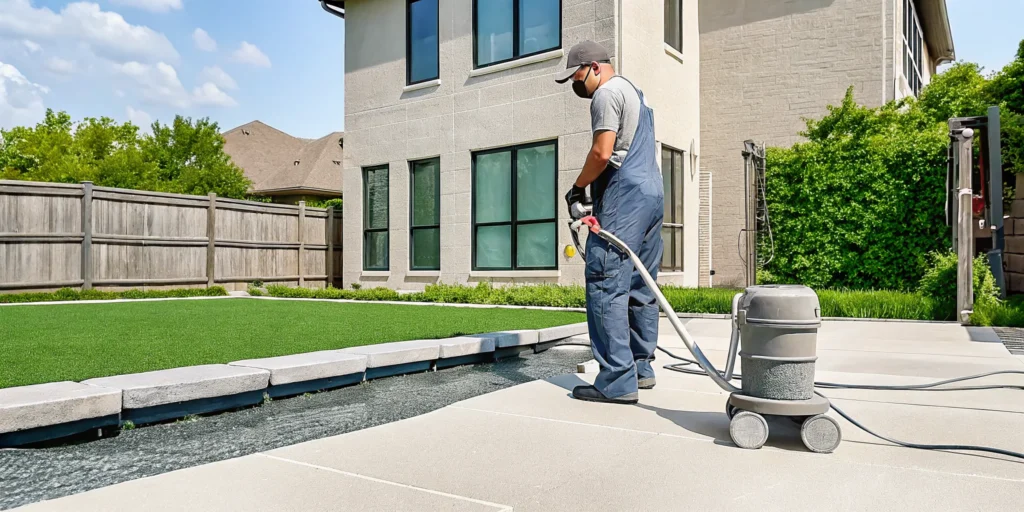
When you discover your pool deck is sinking, you’re suddenly faced with a lot of questions. Should you replace the whole thing? What is mudjacking? What about this foam injection method everyone talks about? It can feel overwhelming trying to figure out the best path forward. Choosing the wrong repair can be a costly mistake, leaving you with the same problem just a few years later. We want to cut through the confusion and give you clear, straightforward information. Making a smart decision depends on understanding your options and knowing what to look for in a contractor. For anyone trying to find a company who levels pool decks in Dallas Fort Worth, this guide will serve as your roadmap to a safe, stable, and beautiful pool area.
Key Takeaways
- Focus on the Soil, Not Just the Slab: A sinking pool deck is a symptom of a bigger issue, which is North Texas’s expansive clay soil shifting underneath. This movement creates dangerous trip hazards and can cause drainage problems that threaten your home’s foundation.
- Leveling is Smarter Than Replacing: Before you consider a costly and messy tear-out, know that polyurethane foam injection offers a better solution. This modern method lifts your existing concrete and stabilizes the ground beneath it, providing a fast and durable repair.
- Hire a Vetted Concrete Specialist: Ensure a lasting fix by choosing a company with specific experience in DFW concrete repair. Always look for professionals who offer free estimates, provide strong warranties, and can show you examples of their previous work.
Why Is Your DFW Pool Deck Sinking?
Watching your once-perfect pool deck start to sink, crack, and become uneven can be incredibly frustrating. You might notice one concrete slab is now lower than its neighbor, creating a stubbed-toe hazard right where your family is supposed to be relaxing. This isn’t a sign of a poorly built pool; it’s a common issue for homeowners across the Dallas-Fort Worth area. The problem usually isn’t the concrete itself, but the ground underneath it. The soil down here just doesn’t do concrete any favors, especially around a pool.
The main culprits are almost always a combination of North Texas’s unique soil and the constant presence of water. Over time, these factors cause the soil to shift, wash away, or compact, leaving voids beneath the heavy concrete slabs. Without solid ground to rest on, the concrete has nowhere to go but down. This sinking process can happen slowly over several seasons or seem to appear suddenly after a period of heavy rain. Understanding what’s happening beneath the surface is the first step toward finding a lasting concrete repair solution and restoring your poolside oasis for good.
Understanding North Texas’s Expansive Clay Soil
If you live in the DFW area, you’re living on expansive clay soil. Think of this soil like a kitchen sponge. When it gets wet during our rainy seasons, it swells up and expands. Then, during dry spells or a hot Texas summer, it shrinks and cracks as it dries out. This constant cycle of swelling and shrinking creates unstable ground for any structure built on top of it, including your pool deck and even your home’s foundation. This movement is a leading cause of structural problems throughout our region. As the soil shifts beneath your pool deck, it can no longer provide consistent support. One area might sink while another stays put, leading to uneven slabs and cracks. This is why you might need foundation repair for your home for the very same reasons your pool deck is failing.
The Impact of Water, Weather, and Erosion
A swimming pool environment puts your soil to the ultimate test. Your pool deck is exposed to more water than almost any other concrete on your property, from kids splashing, frequent rain, and routine filter backwashing. All that water has to go somewhere, and it usually seeps into the ground right at the edge of your concrete deck. This constant saturation can cause the soil to erode or wash away, creating empty spaces under the concrete. These voids leave the heavy slab unsupported. Eventually, the weight of the concrete (and everything on it) will cause it to collapse into the empty space, resulting in the sinking and cracking you see. It’s a slow process, but one that inevitably leads to an uneven and unstable deck.
The Dangers of an Uneven Pool Deck
A sinking pool deck is more than just an eyesore; it’s a serious safety hazard. The uneven edges of the concrete slabs create dangerous trip hazards, especially for children and guests who are running and playing around the pool. A simple fall on hard concrete can lead to significant injuries, turning a fun pool day into an emergency room visit. Beyond the immediate risk of tripping, a sunken deck also creates drainage problems. Water will collect in the low spots, creating puddles that can attract mosquitos and other pests. If these low spots are near your house, the pooling water can saturate the soil right next to your foundation, potentially causing even bigger structural issues down the road. Addressing the problem promptly ensures your pool area remains safe and helps protect your home. If you see these signs, it’s wise to contact us for a professional assessment.
How to Fix a Sinking Pool Deck
Seeing your pool deck start to sink and crack can be alarming, but you don’t necessarily have to tear everything out and start over. Modern repair methods can lift and level your concrete, often in less than a day, making your pool area safe and beautiful again. The key is understanding your options so you can choose the best solution for your home. From high-tech foam injections to more traditional methods, here’s a breakdown of how professionals can fix your sinking pool deck and restore your backyard oasis.
Polyurethane Foam Injection
This is the modern, preferred method for a reason. Polyurethane foam injection, also known as poly-lifting, uses a high-density foam to lift and stabilize your concrete. The process is simple and minimally invasive. Our team drills a few small, dime-sized holes in the sunken slabs. We then inject a two-part polymer foam that expands underneath the concrete, filling any voids in the soil and gently lifting the slab back into place. This material is incredibly lightweight yet strong, so it won’t add extra weight to the already unstable soil. It’s a fast, clean, and long-lasting concrete repair solution that addresses the root of the problem by stabilizing the ground beneath your deck.
Mudjacking (Slabjacking)
Mudjacking is the classic approach to concrete leveling. It works by pumping a slurry, typically a mix of soil, sand, cement, and water, underneath the sunken slab to lift it. The process is similar to poly-lifting but requires larger holes, usually about two inches in diameter, to be drilled into the concrete. While mudjacking can be effective and has been used for decades, it has some drawbacks. The slurry material is very heavy, which can sometimes cause the soil to resettle over time under the added weight. It can also be a messier process than foam injection. Still, it’s a viable option that has helped many homeowners restore their concrete surfaces over the years.
Concrete Replacement
Concrete replacement is exactly what it sounds like: tearing out the old, sunken pool deck and pouring a brand new one. This is the most disruptive, time-consuming, and expensive option. The process involves noisy jackhammers, a lot of dust and debris, and then waiting for the new concrete to cure before you can use your pool area again. While it might seem like a fresh start, it doesn’t always solve the underlying soil issue that caused the sinking in the first place. Unless the concrete is severely damaged and cracked beyond repair, replacement is usually a last resort. Leveling the existing slab is almost always a more practical and cost-effective choice.
Choosing the Right Repair Method for Your Pool
So, which method is right for you? For most DFW homeowners, polyurethane foam injection is the clear winner. It’s less invasive, cures in minutes, and stabilizes the soil to prevent future sinking, all while being incredibly durable. Mudjacking is an older technique that can work, but it adds significant weight to the soil. Concrete replacement should only be considered if the slab is completely unsalvageable. A sunken pool deck isn’t just an eyesore; it’s a safety hazard that can cause water to drain toward your home’s foundation. The best first step is to have a professional assess the damage. We can help you understand the cause of the problem and recommend the most effective solution when you contact us for a free estimate.
What Does Pool Deck Leveling Cost in DFW?
When you see your pool deck starting to sink or crack, it’s natural to worry about the repair bill. Fortunately, fixing an uneven pool deck doesn’t always mean you have to tear it all out and start over. The cost of leveling your pool deck in the DFW area depends on the repair method and the extent of the damage. Understanding your options is the first step toward a smart, affordable solution that protects your investment.
Comparing Costs: Foam vs. Mudjacking vs. Replacement
Let’s start with the most drastic option: replacement. Tearing out your old pool deck involves jackhammers, concrete trucks, and a lot of mess that can easily end up in your pool. It’s by far the most expensive and disruptive path. A more traditional repair method is mudjacking, which pumps a slurry of cement, soil, and water under the slab. While cheaper than replacement, it uses heavy material that can burden the already unstable soil. The modern solution is polyurethane foam injection. This method of concrete repair is a fraction of the cost of a full rebuild. It’s fast, clean, and we can often complete the job in a single visit, getting you back to enjoying your pool sooner.
Factors That Influence Your Final Price
Several factors determine the final cost of leveling your pool deck. The primary one is the size of the area that needs lifting. A small, sunken corner will naturally cost less to fix than an entire side of the pool. The severity of the problem also plays a big role; a slab that has dropped several inches requires more material and time to lift than one that is only slightly unlevel. Finally, we consider the underlying cause. A sunken deck can redirect water toward your house or pool equipment, creating bigger problems. A thorough inspection helps us identify the full scope of the work, which is why we always start with a free estimate to give you a clear and accurate price.
How Leveling Can Save You Money
Choosing to level your pool deck now is an investment that saves you significant money down the road. Besides your home, your pool is one of your largest assets, and letting a sinking deck get worse will only lead to more complex and costly repairs. An uneven surface can damage the pool’s plumbing, structure, or even your home’s foundation. Our polyurethane foam injection is a targeted solution that addresses the problem without affecting your pool water or chemicals. By choosing an effective foundation repair method like foam leveling, you are not just fixing a crack; you are preventing future damage and protecting the value of your property for years to come.
How to Hire a Pool Deck Leveling Company
Choosing the right company to fix your pool deck is a big decision. You want a team that is skilled, trustworthy, and understands the unique challenges of North Texas soil. Taking the time to properly vet your options will ensure you get a lasting solution that protects your investment and keeps your family safe. Here’s what to look for when you’re ready to hire a professional.
Verify Their Experience, Credentials, and Methods
Your pool deck isn’t a job for a general handyman. You need a specialist. Look for a company with a proven track record in professional concrete repair specifically in the Dallas-Fort Worth area. Experienced technicians will be familiar with how our expansive clay soil affects concrete and will use the right techniques to fix it. Ask about their team’s training and the methods they use. A reputable company will be transparent about their process, whether it’s polyurethane foam injection or another solution. Companies that use patented, proven products often provide a more reliable, long-term repair.
Ask About Free Estimates, Warranties, and Financing
A trustworthy company won’t pressure you into a decision. They should offer a free, no-obligation estimate so you can understand the scope of the work and the costs involved without any strings attached. Don’t forget to ask about warranties. A solid warranty shows that the company stands behind its work and gives you peace of mind. Since a major repair can be an unexpected expense, it’s also smart to inquire about financing options. Many companies offer flexible payment plans to help make the project more manageable for your budget, so you don’t have to put off an important repair.
Read Customer Reviews and Check Their Past Work
Reviews from your DFW neighbors are one of the best ways to gauge a company’s reliability. Look for testimonials that describe a situation similar to yours. Did the company communicate well? Were they on time and professional? Most importantly, did the repair last? Beyond reviews, ask to see examples of their past work. A confident contractor will be proud to show you before-and-after photos of previous pool deck leveling projects. This helps you see the quality of their work firsthand and confirms they have the right experience to restore safety and beauty to your pool area.
Related Articles
- Concrete Repair – Solid Base
- PolyLevel – Solid Base
- Polyurethane Slab Jacking: A Homeowner’s Guide
- How to Fill Large Cracks in Concrete Like a Pro
- Ultimate Guide to Foundation Repair Options
Frequently Asked Questions
How long does the foam injection process actually take? One of the best parts of using polyurethane foam is how fast it is. For a typical pool deck repair, the work is usually finished in just a few hours. The foam itself cures and hardens in about 15 to 30 minutes, meaning you can walk on your deck almost as soon as we pack up our equipment. You won’t have to wait days or weeks to get back to enjoying your pool.
Will the repair process make a mess in my backyard or pool? Not at all. Polyurethane foam injection is a very clean and controlled process. We drill a few small holes, about the size of a dime, and inject the foam directly beneath the concrete. There is no heavy equipment tearing up your lawn or concrete slurry that could splash into your pool or stain your deck. We are very careful to keep the work area tidy so your backyard stays beautiful.
How long will a polyurethane foam repair last? This is a permanent solution, not a temporary patch. The high-density polyurethane foam is waterproof and extremely durable, so it won’t wash away or break down in the soil like other materials can. More importantly, it stabilizes the weak soil that caused the sinking in the first place. By addressing the root of the problem, the repair provides lasting support for your pool deck.
Why is leveling a better option than just replacing the sunken concrete slab? Replacing a concrete slab is expensive, messy, and time-consuming. It also doesn’t solve the real issue, which is the unstable soil underneath. If you pour a new slab on the same weak ground, it will likely sink again over time. Leveling with polyurethane foam is more cost-effective and fixes the underlying soil problem, ensuring the slab stays put for good.
Can you still level my pool deck if it already has a few cracks? Yes, in most cases we can. As long as the concrete slab is still in relatively large, intact pieces, it’s a great candidate for leveling. The foam injection process will lift the entire slab back into its original position. After the deck is level, we can discuss options for sealing the cracks to improve the final appearance and prevent water from getting through.