
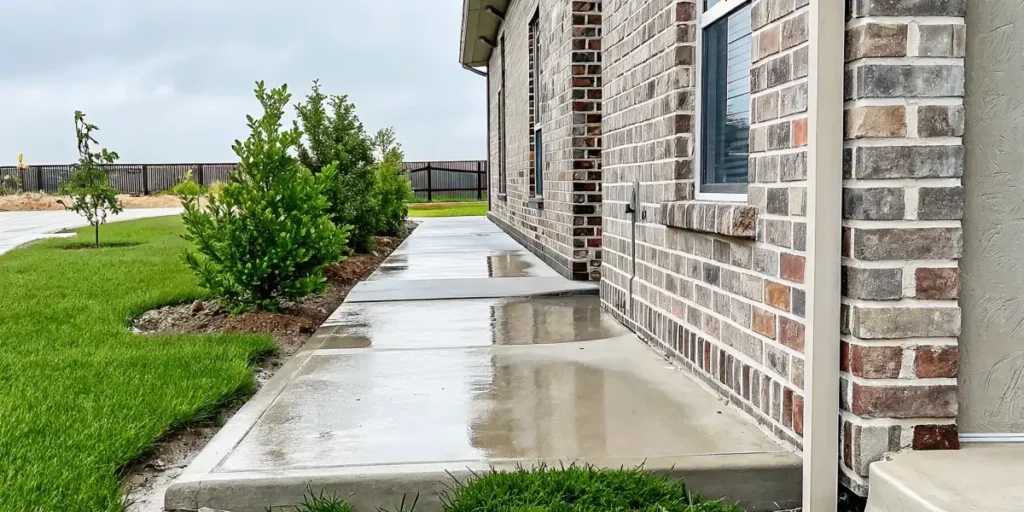
Expansive clay can push part of a North Texas home’s foundation upward as it gains moisture. This foundation heave North Texas guide explains a movement that can distort floors, bind doors, and crack finishes. Because similar symptoms can also come from settlement, an accurate inspection should come before any repair recommendation.
Request a free foundation estimate from Solid Base Foundations if you see new cracks, uneven floors, or doors that suddenly stick.
Foundation heave North Texas homeowners encounter is upward foundation movement caused when expansive clay absorbs water and swells. Unlike settlement, which moves a structure downward, heave lifts part of a slab or support system. Diagnosis requires comparing floor elevations, damage patterns, drainage conditions, and possible plumbing leaks.
Most homeowners recognize the signs of a sinking slab, but upward movement can be harder to identify. This guide explains the causes, warning signs, inspection process, and repair options so you can have an informed conversation with a foundation professional.
Foundation Heave North Texas: What Is It?
Foundation heave North Texas homeowners may encounter is the upward displacement of a slab or support system as expansive soil gains moisture and increases in volume. The resulting pressure can raise one area of a foundation, distort framing, and create damage that resembles settlement even though the direction of movement differs.
Heave is not simply another name for a sinking foundation. It describes upward movement beneath part of the structure, which can affect floors, doors, walls, and finishes. Because symptoms overlap with settlement and other structural conditions, homeowners should seek a measured diagnosis before selecting Dallas-area foundation repair services.
Why clay soils expand
Clay contains small mineral particles with a strong capacity to retain water. Heavy rain, concentrated runoff, or a plumbing leak can increase the volume of the clay. If that expansion occurs unevenly beneath a foundation, it can exert substantial upward pressure on the slab.
Soil chemistry can also influence movement. In certain conditions, sulfates can react with lime-treated soil to form expansive minerals such as ettringite, a process associated with costly structural problems. The appropriate response depends on the site’s drainage, plumbing, soil, and construction conditions.
Heave vs settlement
Heave moves a foundation upward as soil expands. Settlement moves it downward when the supporting soil shrinks, consolidates, or otherwise loses support. Both can cause cracks, uneven floors, and misaligned openings, but the correct foundation repair approach depends on identifying the actual movement pattern.
Heave may appear near a persistently wet area or toward the interior of a slab, while settlement often affects perimeter areas. These are useful clues, not definitive rules. A professional should compare elevations, damage patterns, drainage, and plumbing conditions before recommending piers, moisture corrections, or another response.
| Feature | Foundation Heave | Foundation Settlement |
|---|---|---|
| Direction | Upward movement | Downward movement |
| Primary Cause | Wet, swelling clay soil | Dry, shrinking, or weak soil |
| Soil State | Over-saturated with water | Lack of support or moisture |
| Common Sign | Raised floors or center cracks | Sinking corners or wall gaps |
| Main Solution | Drainage and water control | Pier systems and lifting |
Why North Texas Homes Experience Foundation Heave
North Texas homes are susceptible to heave because expansive clay changes volume as moisture conditions change. Concentrated runoff, poor drainage, plumbing leaks, and rainfall after a dry period can wet one area more than another. Uneven expansion then creates localized pressure beneath a slab or support system.
The role of North Texas expansive clay
Much of the Dallas area contains expansive clay that can shrink during dry conditions and increase in volume when moisture returns. Repeated or uneven moisture changes can stress a foundation because different areas may move by different amounts. A professional foundation evaluation helps determine whether that movement is active and what is contributing to it.
Water sources and soil swelling
Moisture is the trigger for expansive-soil heave. After an extended dry period, cracks in clay can provide paths for rainwater to reach deeper soil. If water becomes concentrated beneath one portion of the foundation, that area may expand more than the surrounding soil and create uneven upward pressure.
Poor drainage, concentrated roof runoff, and plumbing leaks can create similar imbalances. Soil chemistry may also matter at some sites; state reports describe how soil minerals impact heave under certain conditions. Homeowners should correct observed leaks and drainage defects, then rely on a site-specific assessment for further recommendations.
Warning signs that may point to foundation heave
Possible heave signs include a raised area near the center of a slab, uneven floors, sticking doors, lifted tile, and cracks that develop alongside drainage or plumbing problems. No single symptom proves heave; a professional should compare the full pattern and measure floor elevations.
Recognizing a developing movement pattern can support an earlier, more informed evaluation. One crack or sticking door does not confirm heave, but several related changes, especially when they appear after drainage or plumbing issues, deserve attention. Review both interior and exterior conditions and document when each symptom appeared.
Interior signs of upward movement
Interior clues can include cracks extending from door or window corners, a raised or uneven floor area, lifted tile, and doors that bind because an opening is no longer square. These symptoms can be consistent with soil volume change, but they can also have other causes.
Gaps at floor-to-wall joints or cabinets separating from a wall may add to the pattern. Before considering foundation repair methods, have a professional determine whether the movement reflects heave, settlement, normal finish movement, or another condition.
Exterior clues on your home
Exterior clues may include stair-step cracks in brickwork, changing gaps around doors or windows, or separation between a chimney and the house. These conditions indicate movement but do not identify its direction or cause by themselves. Uneven expansion of the soil under the home is one possibility among several.
Also inspect the visible slab edge and note areas where runoff collects near the foundation. A combination of localized lift, persistent moisture, and related interior changes can support a diagnosis of foundation heave North Texas homeowners should have professionally evaluated.
When to call a pro
Request an evaluation when several symptoms appear together, when changes progress, or when damage follows a drainage or plumbing problem. Solid Base Foundations offers free on-site inspections to assess the visible damage, measure the floor, and discuss appropriate next steps.
A timely inspection can clarify whether monitoring, moisture correction, structural work, or another response is warranted. The goal is not to assume the worst, but to establish the movement pattern before repairs or cosmetic patching obscure useful evidence.
What should you do if you suspect foundation heave?
Document new cracks and sticking doors, check where water collects, look for plumbing leaks, and avoid cosmetic repairs until the movement is diagnosed. A foundation professional can create a floor-elevation map and determine whether the pattern points to heave, settlement, or another cause.
If you suspect foundation heave North Texas soil conditions may be contributing to, begin by documenting the evidence rather than assuming a cause. A clear record of when cracks, floor changes, and sticking doors appeared gives the inspector useful context and helps distinguish a continuing movement pattern from an isolated cosmetic defect.
Check for interior signs
Walk through your home and look for sticking doors or windows. Heave often shifts the frame of your house, which makes it hard to open or close doors. You may also see cracks in your walls or ceilings that look like they are being pulled apart. Take clear photos of these spots and date them so you can see if the damage gets worse over time.
Inspect your home exterior
Look at the outside of your house for cracks in the brick or slab. Pay close attention to the soil near your foundation. If the dirt is very wet or holds pools of water, it could lead to clay soil expansion that moves your home. Make sure your gutters drain at least five feet away from the base of your house to keep the soil dry.
Follow these steps to document damage
If you suspect your home is moving, follow this simple process to gather data for a repair expert. Good records help a pro find the best foundation repair team for your specific needs.
- Measure floor levels. Use a long level or a laser level to see if your floors are flat. Note any spots that seem higher than the rest of the room.
- Mark wall cracks. Put a small pencil mark at the end of each crack in your drywall. Check back once a week to see if the crack grows past your mark.
- Watch your doors. Note which doors rub against the frame and if they stick more after a heavy rain.
- Check your lawn. Look for spots where water sits for more than a day after a storm. This standing water often feeds the soil volume changes that cause your foundation to move.
- Request an inspection. Once you have your notes and photos, set up a free inspection with a local foundation expert.
Avoid selecting a structural repair based only on visible cracks. A professional can develop a floor-elevation map, compare the damage pattern with site conditions, and investigate likely moisture sources. Those findings guide a repair plan tailored to the property; no method can guarantee that expansive soil will never move again.
Schedule a professional foundation assessment before choosing a repair method. The right plan depends on whether movement comes from moisture, plumbing, drainage, heave, settlement, or a combination of factors.
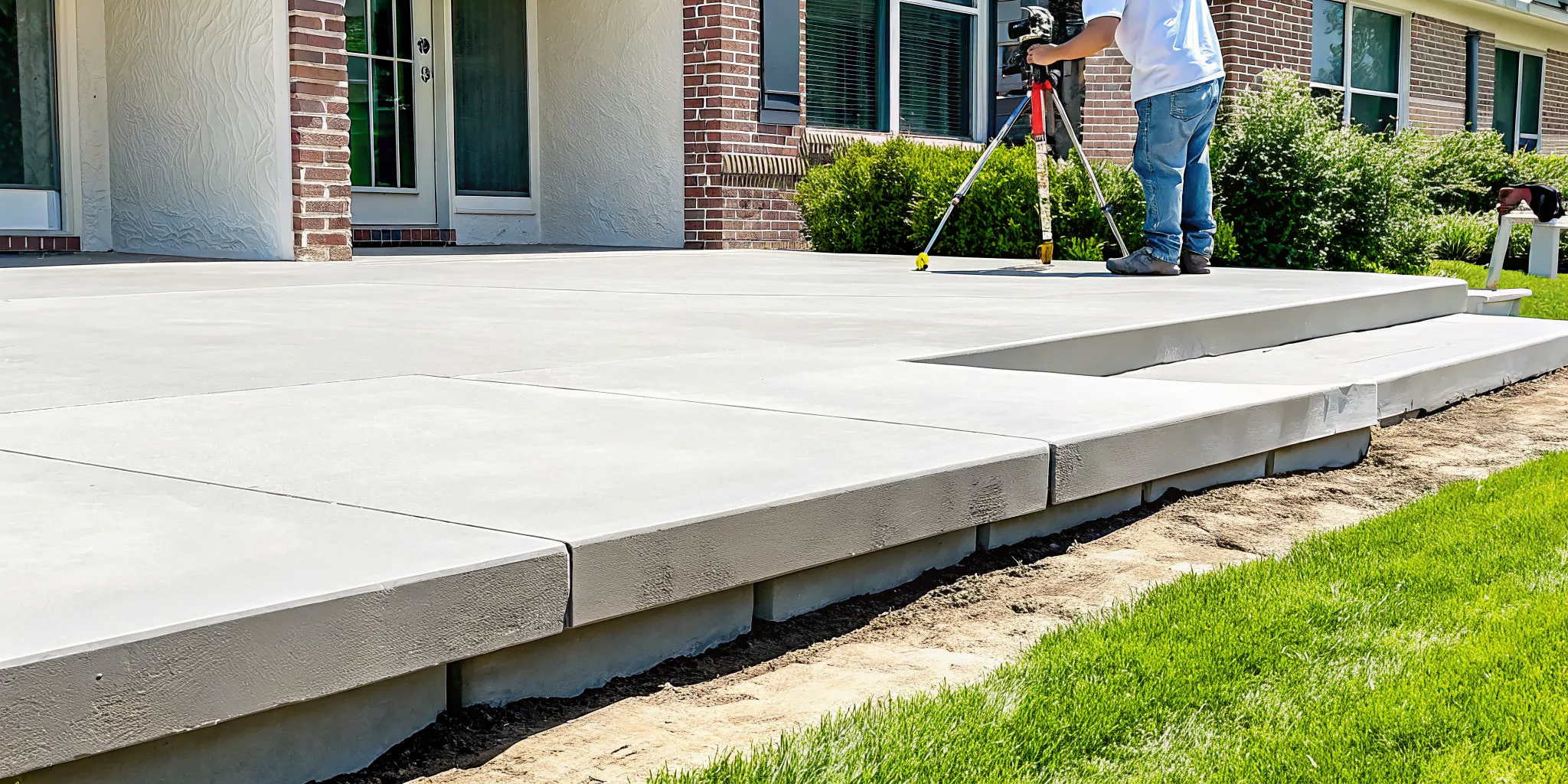
Professional repair options depend on the cause
Foundation heave does not have a one-size-fits-all repair. Depending on the diagnosis, a plan may address drainage, plumbing leaks, soil-moisture conditions, or structural damage. The correct sequence matters because stabilizing a structure without correcting the moisture source can allow movement to continue.
Choosing among foundation stabilization options requires evidence from the structure and site. Because foundation heave North Texas properties experience can involve drainage, plumbing, soil, and structural factors, the first step is identifying the likely source and direction of movement. An incomplete diagnosis can lead to an ineffective repair.
Manage soil moisture and water flow
When excess or uneven moisture is contributing to heave, the plan may include correcting grading, improving drainage, redirecting roof runoff, or repairing plumbing leaks. The objective is to address the identified moisture source, not simply to make all surrounding soil as dry as possible.
Tree-related moisture variation may also warrant evaluation, and a root barrier may be appropriate in some cases. According to research on clay subsoils, both weather and site changes can affect soil volume. Any intervention should reflect the property’s specific conditions.
Structural fixes for slab stability
Structural work may be considered when the diagnosis shows that portions of the foundation require stabilization. Piers can transfer loads to deeper supporting material in appropriate settlement-related conditions, but they are not an automatic remedy for upward movement. Their suitability and placement depend on measured elevations, load paths, soil conditions, and the full movement pattern.
Some sites may also involve sulfate-bearing soil and expansive ettringite formation associated with lime treatment, as described in reports from the Department of Transportation. Because that condition requires specialized investigation, homeowners should not assume ordinary drainage or pier work will address it.
Custom plans for unique home needs
There is no universal repair for heave. A team should consider the structure, elevations, soil and moisture conditions, and damage distribution before developing a plan. Depending on those findings, foundation repair may be paired with drainage, plumbing, or other site corrections and followed by monitoring.
How to reduce the risk of future soil movement
Reduce future soil movement by directing roof runoff away from the foundation, correcting low spots that hold water, repairing leaks promptly, and monitoring changes through wet and dry seasons. The goal is consistent moisture around the home, not adding water without a site-specific recommendation.
After an inspection, follow the site’s recommended maintenance plan and continue monitoring drainage, plumbing, and visible changes. Dallas-area expansive clay responds to moisture variation, so managing concentrated water sources can reduce avoidable stress on a foundation. A foundation inspection and repair plan should account for both current damage and contributing site conditions.
Direct rain water away
Positive grading, clear gutters, and properly directed downspouts help keep roof runoff from concentrating beside the foundation. Correct low spots where water collects, and confirm that drainage improvements do not create problems for neighboring property. Because every lot differs, have a professional recommend specific slopes, discharge points, and drainage components.
Keep soil moisture steady
North Texas weather can shift between extended dry periods and heavy rainfall, which contributes to the swelling and shrinking of clay. Focus on correcting leaks, runoff, and drainage defects that create pronounced moisture differences around the foundation, and continue observing the home through seasonal changes.
Some homeowners use soaker hoses during dry weather, but irrigation is not a universal solution and can worsen heave if applied improperly. Ask a qualified professional whether supplemental watering is suitable for your soil, foundation, and drainage conditions. The goal when managing foundation heave North Texas is to avoid abrupt, uneven moisture changes.
Watch for leaks and roots
Plumbing leaks and large trees can both alter moisture conditions near a foundation. Watch for unexplained water-use increases, damp areas, and drainage changes. If roots or a leak may be contributing to movement, request an evaluation before installing a barrier or selecting foundation repair options for North Texas homeowners.
Frequently Asked Questions
Foundation heave questions usually concern causes, warning signs, differences from settlement, and appropriate repairs. The essential point is that visible symptoms cannot confirm the cause by themselves. A measured inspection should identify the movement pattern and contributing site conditions before a homeowner commits to corrective work.
What causes foundation heave in North Texas?
Foundation heave in North Texas is primarily caused by the expansion of clay-rich soils due to over-saturation from moisture. According to Solid Base Foundations, these expansive soils swell when they absorb water, pushing the foundation upward. This is often triggered by poor drainage around the home or broken plumbing lines. The resulting upward force can cause significant structural damage to the concrete slab and the interior of the home.
How can you tell the difference between foundation heave and settlement?
Foundation heave is the upward movement of a home, while settlement is the downward sinking of a foundation. Heave occurs when wet soils expand, while settlement happens when soil fails to support the weight of the structure. You can often tell the difference by looking at the cracks in your walls or floors. A professional inspection from a specialist in foundation repair guidance is necessary to diagnose which issue is affecting your property.
Are foundation repairs for heave different from settlement repairs?
Yes, the repair methods for heave are quite different from those used for settlement. While piers and anchors stabilize homes sinking into the ground, addressing heave often requires moisture control and soil stabilization. In some cases, calcium-based stabilizers like lime are used to treat clay soils, though this must be done carefully to avoid further chemical reactions. Proper drainage systems and root barriers are also common tools used to prevent future upward movement.
What are the early signs of foundation heave?
Early signs of foundation heave include doors that suddenly stick or fail to close, as well as cracks in interior walls or ceilings. You may also notice floor tiles cracking or lifting in certain areas of the home. Unlike settlement, where cracks often appear near the base of the home, heave often causes damage toward the center of the structure. If you suspect your foundation is moving, it is best to seek a professional assessment immediately to prevent further structural issues.
Get a Diagnosis Before Foundation Movement Worsens
Have foundation movement evaluated before choosing repairs or covering visible damage. Heave, settlement, and other structural conditions can produce similar symptoms but require different responses. An inspection that includes floor elevations, damage patterns, drainage, and possible plumbing issues provides a sound basis for the next step.
Solid Base Foundations serves Greater Dallas-area homeowners with inspections and repair plans based on the conditions found at each property.
Ready for a clear next step? Call 940-465-1662 to schedule a free foundation estimate.