
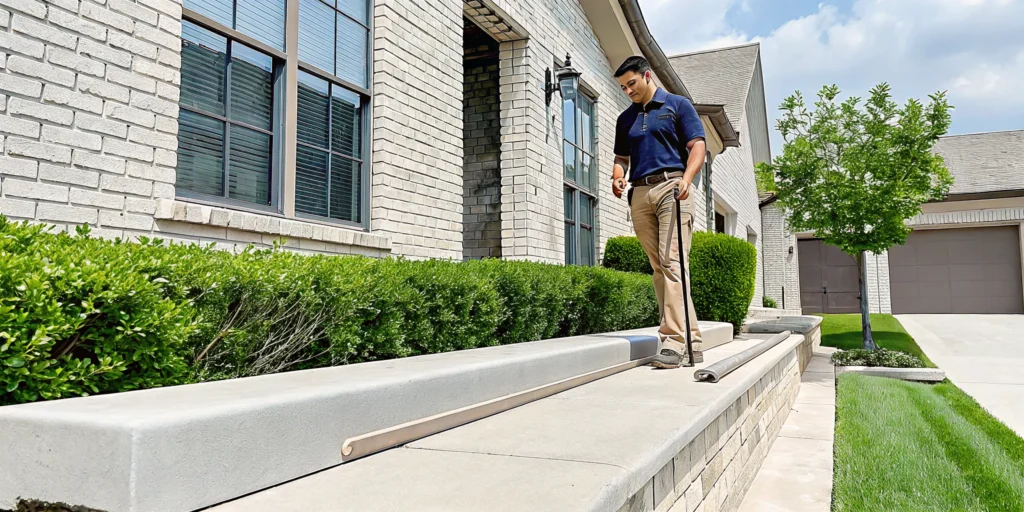
That small crack above your doorway or the bedroom door that suddenly sticks can be more than just a minor annoyance. For homeowners in North Texas, these are often the first whispers of a potential foundation problem. The expansive clay soil in our area puts constant stress on our homes, leading to shifts you can’t see until the signs start showing up inside. Getting a professional opinion is the first step toward peace of mind. A thorough home foundation inspection in Dallas Fort Worth provides a clear, unbiased assessment of your property’s structural health. This guide will walk you through why it’s so important, what to expect during the process, and how to find a qualified expert you can trust.
Key Takeaways
- Proactively check your foundation’s health: Due to DFW’s shifting clay soil, get an inspection when you see warning signs like wall cracks, are buying a home, or after severe weather. Addressing problems early saves you from bigger headaches and expenses later.
- Invest in an unbiased assessment: Always hire a licensed structural engineer for your inspection, which usually costs between $350 and $500. This ensures you get an objective report without the sales pressure that can accompany “free” evaluations from repair companies.
- Treat the report as your action plan: Your inspection report will include a map of your foundation’s elevation levels and clear recommendations. Use this expert document to get accurate, comparable quotes from qualified repair specialists and make confident decisions about your home.
Why Get a Foundation Inspection in DFW?
As a homeowner in the Dallas-Fort Worth area, you know that taking care of your property is a top priority. While you might be focused on things you can see, like landscaping or a fresh coat of paint, what’s happening underneath your home is just as important. A professional foundation inspection is one of the most valuable steps you can take to protect your investment. Think of it as a health checkup for your house.
The unique soil in North Texas, combined with our dramatic weather patterns, puts constant stress on residential foundations. Over time, this can lead to serious structural issues. An inspection can catch these problems early, often before they become complicated and expensive to fix. Whether you’re noticing a few worrying signs around the house, are in the process of buying a new home, or simply want peace of mind, understanding the health of your foundation is essential. Getting an expert opinion can help you create a plan and ensure your home remains safe and stable for years to come. If issues are found, a solid plan for foundation repair is the next step.
How DFW’s Clay Soil Affects Your Foundation
If you’ve lived in North Texas for a while, you’ve probably heard people talk about our clay soil. This isn’t just small talk; it’s a major factor for homeowners. The soil in the DFW area is expansive, meaning it swells up like a sponge when it gets wet and shrinks dramatically when it dries out.
During periods of heavy rain, the expanding soil can push up against your foundation with immense force. Then, in our hot, dry summers, the soil pulls away, leaving parts of your foundation unsupported. This constant cycle of push and pull causes the ground beneath your home to shift, leading to settling, cracking, and unevenness. It’s this relentless movement that makes our area a hotspot for foundation problems.
Signs Your Foundation Needs an Inspection
Your home is pretty good at telling you when something is wrong, you just have to know what to look for. Foundation issues often show up in subtle ways before they become major problems. If you notice any of the following signs, it’s a good idea to call for a professional inspection.
Common warning signs include:
- Cracks appearing in drywall, especially over doorways and windows.
- Doors and windows that stick or no longer close properly.
- Floors that feel sloped, bowed, or uneven when you walk on them.
- Gaps forming between your walls and the ceiling or floor.
- Visible cracks in your exterior brick or the concrete slab itself.
Seeing one of these signs isn’t a reason to panic, but it is a reason to act. An expert can determine if it’s a simple cosmetic issue or a signal of a deeper problem that needs concrete repair.
When to Schedule Your Foundation Inspection
Knowing when to get an inspection is just as important as knowing why. The most obvious time is when you spot one of the warning signs we just covered. Don’t wait for a small crack to become a large one; getting ahead of the problem is always the best approach.
Another critical time for an inspection is when you are buying a home. DFW’s soil conditions can cause hidden problems that a standard home inspector might miss. A specialized foundation inspection can uncover these issues before you close, giving you negotiating power and preventing you from inheriting a costly problem. It’s also wise to consider an inspection after extreme weather, like a prolonged drought or a season of unusually heavy rain. If you have any concerns at all, the best time to get answers is now. You can contact us to schedule a free estimate.
What Happens During a Foundation Inspection?
So, you’ve scheduled a foundation inspection. It can feel a little nerve-wracking to have an expert scrutinize your home, but think of it as a health check-up for your property’s most important feature. The goal is to get a clear, unbiased picture of your foundation’s condition so you can make confident decisions. A professional inspection is a methodical process, not just a quick glance at a few cracks. The inspector is there to be your detective, piecing together clues from inside and outside your home to understand the complete story of what’s happening beneath your feet.
The process involves several key steps. First, the inspector will perform a detailed visual assessment of your entire property. Then, they will take precise measurements to check the levelness of your foundation. They’ll also investigate one of the most common culprits of foundation trouble: water and drainage issues. Finally, all these findings are compiled into a comprehensive report that outlines the health of your foundation and provides a clear path forward. Knowing what to expect during each stage can help demystify the process and prepare you for the results. Let’s walk through what happens, step by step.
The Visual and Structural Walk-Through
The first thing an inspector will do is a thorough walk-through of your property, both inside and out. They aren’t just looking for obvious cracks in the walls. Inside, they’ll check for sticking doors and windows, sloping floors, and gaps between the wall and ceiling. On the outside, they’ll examine the foundation itself for cracks or crumbling, check the brick or siding for separation, and even assess your landscaping. Large trees with invasive roots or improper grading that directs water toward your house are major red flags. This comprehensive visual check helps the inspector identify symptoms of foundation distress and see examples of issues we’ve previously addressed in our work.
Measuring Your Home’s Elevation
After the visual assessment, the inspector will perform an elevation survey. This might sound technical, but it’s a straightforward way to measure how level your foundation is. Using specialized equipment, they will take readings across your entire home to create a topographical map of your floor. This map reveals whether any part of your foundation has experienced upward or downward movement, known as heave or settlement. These precise measurements are critical because they provide objective data about the foundation’s stability. This information is essential for diagnosing the extent of the problem and determining the right type of foundation repair needed to restore your home’s structural integrity.
Checking for Drainage and Moisture
In the Dallas-Fort Worth area, water is often the primary cause of foundation problems. The expansive clay soil here swells when it gets wet and shrinks as it dries, putting immense pressure on your foundation. Because of this, a huge part of the inspection involves checking for moisture and drainage issues around your property. The inspector will look for signs of pooling water, clogged gutters, downspouts that deposit water too close to the foundation, and poor yard grading. Identifying and correcting these water-related issues is just as important as repairing the foundation itself, as it helps prevent the problem from happening again in the future.
Understanding Your Inspection Report
Once the physical inspection is complete, you’ll receive a detailed report. This document is your roadmap. It will summarize all the inspector’s findings, including the visual observations and elevation measurements, in a clear and understandable format. A good report will include a diagram of your home showing the elevation readings and pinpointing specific areas of concern. Most importantly, it will explain the severity of any issues and provide recommendations for the next steps. If repairs are needed, this report gives you the expert documentation you need to contact us for a clear and accurate repair plan.
How to Choose the Right DFW Foundation Inspector
Finding the right person to inspect your foundation is one of the most important decisions you’ll make as a homeowner. This professional’s report will guide your next steps, so you want to be sure you’re getting an accurate, unbiased assessment. Think of it as getting a diagnosis from a specialist before you decide on a treatment plan. With so many options in the Dallas Fort Worth area, it can feel overwhelming, but knowing what to look for will help you choose a qualified expert who has your best interests at heart. Let’s walk through how to find a trustworthy inspector for your home.
Independent Engineer vs. Repair Company: Who Should You Hire?
When you need an inspection, your best bet is to hire a licensed structural engineer. An engineer’s only job is to evaluate your foundation and provide an objective, detailed report on its condition. They don’t sell or perform repairs, so they have no financial incentive to find problems that aren’t there. This ensures you get a fair and professional opinion.
While some foundation repair companies offer inspections, this can create a conflict of interest. A company that profits from repairs might be more likely to recommend their own services, whether you truly need them or not. For an unbiased starting point, always choose an independent engineer. Once you have their report, you can then confidently approach a trusted repair specialist to discuss solutions.
Red Flags to Watch For (Like “Free” Inspections)
Be cautious of companies offering “free” foundation inspections. While it sounds like a great deal, it’s often a sales tactic. These inspections can be a way for a company to get a foot in the door and pressure you into expensive repairs you may not need. An unbiased, thorough inspection from a qualified engineer takes time and expertise, and it’s a service worth paying for.
Another red flag is a high-pressure sales pitch. If an inspector tries to rush you into signing a contract on the spot or uses scare tactics about your home’s safety, take a step back. A true professional will give you a detailed report and the space to make an informed decision. If something feels off, don’t hesitate to get a second opinion or contact us for a transparent estimate based on a professional engineering report.
What Credentials and Certifications Matter
To ensure you’re hiring a true expert, always check their qualifications. The most important credential to look for is a Professional Engineer (P.E.) license in the state of Texas. This certification means the engineer has met rigorous education and experience requirements and is legally accountable for their work. You can verify a P.E. license through the Texas Board of Professional Engineers and Land Surveyors.
Additionally, ask for proof of professional liability insurance. This protects you in the unlikely event that the engineer makes an error in their assessment. Hiring a licensed and insured professional gives you peace of mind, knowing that your home is being evaluated by someone with the proven skills and accountability to do the job right.
Key Questions to Ask Before Hiring
Before you commit to an inspector, it’s smart to ask a few questions to make sure they’re the right fit. This helps you understand their process and what you’ll get for your money.
Start by asking, “What’s included in your inspection and final report?” A thorough inspection should include a visual walk-through, an elevation survey to map the high and low points of your foundation, and a detailed written report with their findings and a foundation map. Also, ask about their experience with DFW’s expansive clay soils, as local knowledge is critical. Finally, ask to see a sample report so you know what to expect. Once you have a comprehensive report, you’ll be ready to explore your options for foundation repair.
How Much Does a Foundation Inspection Cost in DFW?
If you’re a homeowner in the Dallas-Fort Worth area noticing cracks in your walls, doors that stick, or uneven floors, your first question is likely, “How much is this going to cost me?” It’s a completely valid concern. Understanding the potential costs upfront can help you budget and plan your next steps without feeling overwhelmed. While the final price tag for repairs can vary, the initial cost of a professional foundation inspection is fairly predictable.
Think of an inspection as an investment in peace of mind. It gives you a clear, expert opinion on the health of your home’s foundation, so you know exactly what you’re dealing with. This report is your roadmap, detailing any existing issues, their severity, and the recommended solutions. Knowing these details allows you to address problems before they become more serious and costly. While the inspection has a fee, it can save you thousands in the long run by catching issues early. Many homeowners find that knowing the full scope of the work helps them explore financing options with more confidence.
The Average Cost for a DFW Inspection
So, what should you expect to pay? In the Dallas-Fort Worth area, a professional foundation inspection conducted by a licensed structural engineer typically costs between $350 and $500. This price usually includes both the on-site inspection and a detailed engineering report, which is the key takeaway from the process. According to Crosstown Engineering, this report provides an unbiased assessment of your foundation’s condition and outlines any necessary repairs. While some repair companies offer free evaluations, paying for an independent engineer’s report ensures you get an objective analysis without any sales pressure, giving you a trustworthy document you can use to get quotes from different repair specialists.
What Factors Influence the Final Price?
The primary factor that influences the cost of a foundation inspection is the size of your home. Most inspectors in the DFW area price their services based on square footage. As noted by Noble Property Inspections, you can expect to add around $50 to $100 for every additional 1,000 square feet above a base rate. A larger home simply takes more time to inspect thoroughly. The inspector needs to walk the entire property, take more elevation measurements, and compile a more extensive report. The complexity of your home’s layout can also play a role in the final price.
How Your Foundation Type Affects the Cost
The type of foundation your home has can also affect the inspection cost. Most homes in North Texas are built on either a concrete slab-on-grade foundation or a pier and beam foundation. Inspecting a pier and beam foundation often costs more because it requires the inspector to access and navigate the crawl space underneath your home. This can be a physically demanding and time-consuming process, especially if the crawl space is tight or difficult to get into. A slab foundation is generally more straightforward to inspect from the surface, which can sometimes result in a lower fee. Regardless of your foundation type, a thorough inspection is the first step toward a lasting foundation repair.
Your Foundation Inspection: A Step-by-Step Guide
Knowing what happens during a professional foundation inspection can take a lot of the stress out of the process. It’s a straightforward evaluation designed to give you a clear picture of your home’s structural health. A qualified inspector will follow a methodical process to gather data, analyze the results, and provide you with a clear path forward. Here’s what you can expect, step by step.
Step 1: The Initial Visual Check
The inspection begins with a thorough visual assessment of your property, both inside and out. An inspector will walk around the exterior of your home, looking for issues with drainage, large tree roots too close to the house, and visible damage to the foundation itself. They will then move inside to check for common signs of foundation movement. This includes looking for cracks in your drywall, doors that stick or don’t latch properly, and gaps between the wall and the floor. This initial check helps the inspector identify obvious problem areas and understand your home’s overall condition.
Step 2: Taking Elevation Measurements
After the visual check, the inspector will take precise measurements of your foundation’s elevation. This process, often called an elevation survey, is the most critical part of the inspection. Using specialized equipment, the inspector measures how level your foundation is from one end to the other. These readings reveal exactly where, and by how much, your foundation may have shifted, settled, or heaved. This objective data is essential because it helps determine if foundation repair is truly needed and provides a blueprint for any potential solutions.
Step 3: Reviewing the Report and Recommendations
Once the inspection is complete, you’ll receive a detailed report that summarizes all the findings. This document should include a diagram of your home’s floor plan marked with the elevation readings from every point measured. It will also outline the inspector’s professional observations and provide a clear, cost-effective plan for any necessary repairs. This report is your key to moving forward. You can use this official documentation to get accurate quotes from reputable repair companies and to secure any permits your city might require for the work.
After the Inspection: When to Call a Repair Specialist
If your inspection report confirms that you have a foundation issue, the next step is to contact a specialist. Signs you may have noticed yourself, like uneven floors, wall cracks, or doors that won’t close, are your home’s way of telling you it needs attention. Acting on the report’s findings promptly can prevent minor issues from turning into major, more expensive problems. A trusted repair specialist can review your engineering report, explain the best course of action, and provide a free estimate for the recommended solution.
Related Articles
- Foundation Repair Cost: The Ultimate 2026 Guide
- A Homeowner’s Guide to Foundation Repair Services
- Pier & Beam Foundation Repair: Signs, Costs & Fixes
- Ultimate Guide to Foundation Repair Options
- Foundation Repair – Solid Base
Frequently Asked Questions
Why should I pay for an inspection when some companies offer them for free? Paying for an inspection from a licensed structural engineer ensures you get a completely unbiased opinion. An engineer’s job is to assess your foundation and give you the facts, not to sell you a repair service. Free evaluations from repair companies can be a sales tool, which might lead to recommendations you don’t truly need. Think of the paid report as your trusted, independent guide for making smart decisions about your home.
I see a crack in my wall. Does that automatically mean I have a serious foundation problem? Not necessarily. A single, small crack isn’t always a reason to panic, as homes can have minor settling. A professional inspector determines the severity by looking at the whole picture. They analyze the crack’s location, size, and direction in combination with other clues, like sticking doors or uneven floors, to see if it points to a larger structural issue or is simply cosmetic.
How long does a typical foundation inspection take? You can generally expect an inspector to be at your home for a few hours. The exact time depends on the size and complexity of your house. The process is very thorough, involving a detailed visual check of the interior and exterior, a full elevation survey to measure the levelness of your floors, and an assessment of your property’s drainage.
Is it okay to delay foundation repairs if the issues seem minor? It’s best to address foundation issues as soon as they are confirmed. Because of the expansive clay soil in our area, foundation problems rarely get better on their own; they tend to worsen over time. What seems like a minor issue now can develop into a more significant and costly problem if you wait, so acting promptly is the most effective way to protect your home and your budget.
My inspection report says I need repairs. What’s the next step? Once you have the engineer’s report in hand, you have the expert documentation you need to move forward with confidence. The next step is to share that report with a trusted foundation repair specialist. They can use the detailed findings and elevation map to create a precise, effective repair plan and provide you with an accurate estimate for the work.