
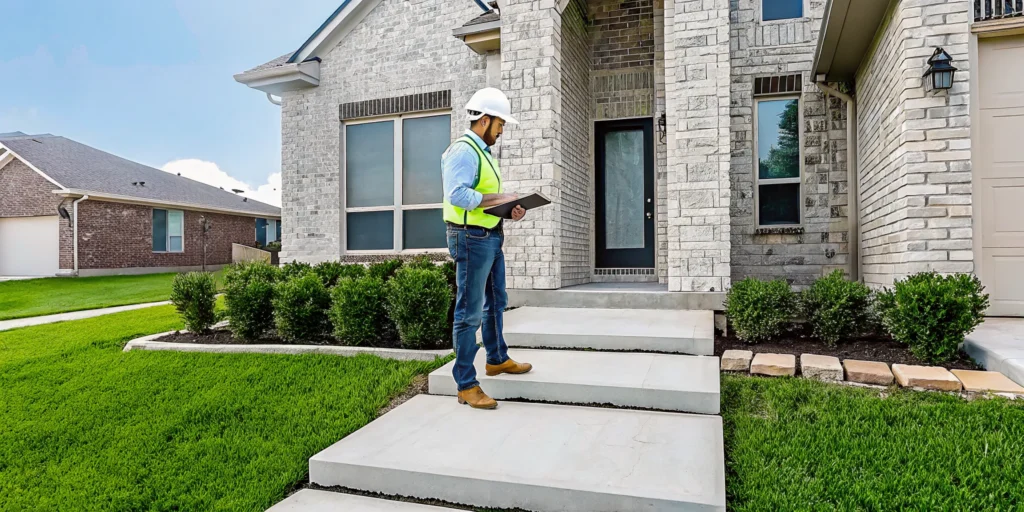
Noticing a potential issue with your foundation and taking the time to research it is one of the smartest things you can do as a homeowner. Being proactive can save you thousands of dollars and a lot of stress down the road. In North Texas, where our soil is constantly swelling and shrinking, paying attention to the early warning signs is especially important. This guide is designed to give you the clear, actionable information you need to take the next step with confidence. We’ll cover everything from diagnosis to warranties, helping you prepare for a conversation with a professional structural foundation repair contractor DFW homeowners trust for honest assessments and lasting solutions.
Key Takeaways
- Recognize your home’s warning signs: Pay attention to issues like wall cracks, sticking doors, and uneven floors, as these are common signals of foundation movement caused by the unique clay soil in the DFW area.
- Prioritize professional qualifications: A qualified foundation contractor must be licensed and insured, use engineering-backed repair methods, and provide a detailed written estimate. This due diligence is essential for protecting your investment.
- Plan for the complete solution: The total cost depends on the extent of the damage and the specific repair needed. A trustworthy professional will also discuss drainage, offer financing options, and provide a strong, transferable warranty to protect your home long-term.
Is Your DFW Home Trying to Tell You Something? Signs You Need Foundation Repair
Your home has a way of communicating, and it’s smart to listen when it does. Small changes can be early warnings of bigger issues, especially when it comes to your foundation. In the Dallas-Fort Worth area, our unique soil conditions mean that foundation problems are a common concern for homeowners. Spotting the signs early can save you a lot of stress and money down the road.
Ignoring these signals won’t make them go away; in fact, it usually makes the problem worse. A shifting foundation can compromise your home’s entire structure, leading to more extensive and costly repairs. Taking a proactive approach is key. If you notice any of the issues we’re about to cover, it’s a good idea to get a professional opinion. A thorough inspection can determine if you need foundation repair and what the right solution is for your property. Think of it as a check-up for your home’s most important structural element.
Cracks in Your Walls, Floors, or Ceiling
It’s easy to dismiss a tiny crack as a normal part of a house settling, but some cracks are telling a more serious story. Pay close attention to cracks in your walls, ceilings, floors, or the outside bricks of your home. Zigzag or stair-step cracks in brick siding are a classic sign of foundation movement. Inside, look for cracks that run diagonally from the corners of doors and windows or long horizontal cracks along the foundation wall itself. These often indicate that the foundation is shifting and putting stress on your home’s frame. You can see examples of these issues and their solutions in our work gallery.
Doors and Windows That Stick or Won’t Close
Is there a door in your house that suddenly refuses to latch? Or a window that you have to wrestle with to open or close? This is more than just a minor annoyance. When a foundation settles or heaves, it can twist the frames of your doors and windows out of alignment. This warping is what causes them to stick or not fit properly in their frames. If you notice several doors and windows that stick or don’t close right, your home is sending a clear signal that the underlying structure has moved. It’s a definite sign that it’s time to have your foundation checked.
Floors That Sag, Slope, or Feel Uneven
You shouldn’t feel like you’re walking uphill in your own living room. Floors that are uneven or sag are a significant red flag for foundation trouble. You might notice a dip in the middle of a room, a general slope in one direction, or a bouncy feeling underfoot. This happens when the piers or supports beneath your home have shifted or when the soil has settled unevenly, causing part of the foundation slab to sink. This can also lead to cracked tiles or gaps appearing between hardwood floorboards. If you’re dealing with an uneven slab, professional concrete repair services can often level it and restore stability.
Gaps Between Walls, Floors, or Door Frames
Take a close look at where your walls meet your ceiling and floor. Do you see any separation? Gaps around door and window frames are another telltale sign of a shifting foundation. As the foundation moves, it pulls the framing of the house along with it, creating space where there shouldn’t be any. You might notice that your baseboards are pulling away from the wall or floor, or that you can see a gap between your kitchen cabinets and the wall. These separations are clear evidence that different parts of your home are moving independently, which points directly to an unstable foundation. If you see these signs, it’s wise to contact us for a free evaluation.
Puddles or Moisture Around Your Foundation
Water is a primary enemy of foundations in the DFW area. If you consistently see water collecting near your foundation after it rains, you have a drainage problem that could be putting your home at risk. The expansive clay soil common in North Texas swells dramatically when it gets wet and shrinks as it dries. This constant cycle of expansion and contraction puts immense pressure on your foundation, leading to cracks and settling over time. Proper drainage is essential for maintaining a stable foundation. Addressing standing water is a critical first step in protecting your home from future foundation repair needs.
Why DFW’s Unique Soil Requires a Foundation Specialist
Living in the Dallas-Fort Worth area means dealing with a unique challenge right beneath your feet. Many foundation problems here aren’t random; they’re a direct result of our region’s notorious soil. This isn’t a problem you can trust to just any handyman. The ground your home is built on is constantly in motion, and managing its impact requires deep, localized expertise. A successful, long-lasting fix demands more than a generic approach. It requires a specialist who understands the science behind DFW’s soil and has the right tools to provide a stable solution. This is why finding a contractor who specializes in DFW foundation repair is the most important step you can take to protect your home’s structural integrity.
The Problem with DFW’s Expansive Clay Soil
The main culprit behind most foundation issues in North Texas is our expansive clay soil. Think of it like a dense sponge. When it rains and the soil absorbs water, it swells and expands significantly. Then, during our hot, dry spells, it loses that moisture and shrinks. This constant cycle of expanding and contracting puts immense, ongoing stress on your home’s foundation. Over time, this movement can cause parts of your foundation to heave upward or settle downward, leading to the cracks, sticking doors, and uneven floors you might be seeing. It’s a powerful natural force that can cause serious damage if not properly addressed by a professional.
How Poor Drainage Affects Your Foundation
Poor drainage makes the problems with expansive clay soil much worse. When water isn’t directed away from your home effectively, it creates inconsistent moisture levels in the ground. You might have water pooling against one side of your foundation while the other side remains bone-dry. This causes the soil to swell dramatically in the wet area and shrink in the dry one, forcing your foundation to bend and flex. Clogged gutters, improper grading, or a lack of a proper drainage system all contribute to this imbalance. A foundation specialist can identify these issues and recommend custom drainage solutions to create more stable conditions around your home.
Why a General Contractor Isn’t Enough
While a general contractor is perfect for a kitchen remodel or a bathroom update, foundation repair is a different ballgame entirely. It’s a highly specialized field that blends construction with structural engineering. A general contractor typically doesn’t have the specific training, licensing, or equipment to properly diagnose and fix complex foundation issues. A foundation specialist, on the other hand, lives and breathes this work. They understand the nuances of DFW’s soil and use proven, engineering-backed methods to ensure the repair is not only effective but also permanent. They have the expertise to install piers, level concrete, and implement solutions that address the root cause, giving you confidence in your home’s stability.
Key Services to Expect from a DFW Foundation Repair Pro
When you hire a foundation repair specialist, you’re bringing in an expert to perform a kind of surgery on your home. It’s a precise and critical job. A true professional offers a suite of services that go beyond a simple patch job, aiming to diagnose the root cause, fix the current damage, and prevent future issues. From the initial inspection to the final touches, understanding these key services will help you know what to look for in a qualified DFW contractor.
Comprehensive Foundation Inspections
Everything starts with a thorough diagnosis. A reliable contractor won’t just look at the crack you pointed out; they’ll conduct a full-scale investigation of your property. This includes taking elevation measurements across your home to map out exactly where and how much it has settled. They’ll examine the interior and exterior, identify all signs of stress, and assess the surrounding landscape and drainage. This detailed evaluation is crucial for creating an effective repair plan. Many reputable companies provide free estimates for homeowners, giving you a clear picture of the problem without any initial financial commitment. This step is all about gathering data to ensure the recommended solution is the right one.
Foundation Piering Solutions
Once the problem is diagnosed, the most common solution is installing foundation piers. Think of these as underground stilts that stabilize and, in many cases, lift your foundation back to its original position. In the DFW area, contractors work with two main foundation types: concrete slabs and pier and beam systems. A skilled team will know the best type of pier, whether it’s a steel pier or a concrete pier, for your home’s specific needs and soil conditions. This process of foundation repair is the heavy lifting of the operation, designed to secure your home’s structure for the long haul and provide a permanent solution to settlement.
Concrete Slab Repair and Leveling
Foundation problems often leave behind visible damage, like cracked, crumbling, or uneven concrete. A comprehensive contractor will also offer services to address these issues. This can include sealing cracks to prevent water intrusion or using specialized techniques to lift and level sunken concrete slabs on your patio, driveway, or garage floor. It’s important to clarify this upfront, as some companies only stabilize the foundation without fixing the cosmetic damage. Services like concrete repair ensure that your home not only is structurally sound but also looks its best, restoring both safety and curb appeal.
Custom Drainage and Waterproofing
In North Texas, water is the primary enemy of your foundation. The expansive clay soil swells when it’s wet and shrinks when it’s dry, causing the ground under your home to constantly shift. Because of this, a top-tier contractor will always assess your property’s drainage. If water is pooling near your foundation, they’ll recommend a solution to redirect it. This might involve installing French drains, catch basins, or surface drains. Implementing a proper drainage system is one of the most effective ways to protect your foundation from future damage, making it a crucial part of any long-term repair strategy.
Must-Have Qualifications for Your DFW Foundation Contractor
Choosing a contractor to work on your home’s foundation is a big decision. This isn’t just any home repair; it’s about protecting the structural integrity of your biggest investment. To make sure you’re hiring a true professional, you need to look beyond a simple price quote. A qualified contractor will have a specific set of credentials that prove their expertise, protect you from liability, and ensure the job is done right the first time.
Proper Licensing, Insurance, and Bonding
First things first, never hire a contractor who isn’t properly licensed and insured. This is your most basic line of defense. In Texas, foundation work often requires a specialty license, so be sure to ask for it. More importantly, verify they carry both general liability insurance and worker’s compensation. General liability protects your property from accidental damage during the repair process, while worker’s comp covers the crew if someone gets injured on your property. Without it, you could be held financially responsible. A reputable company will always be transparent about their credentials and provide proof upon request.
Industry Certifications and Training
While a license is the minimum requirement, industry certifications show a contractor’s commitment to excellence. Think of it as the difference between passing a driving test and becoming a professional race car driver. Certifications from organizations like the National Foundation Repair Association indicate that a contractor has undergone advanced training and is dedicated to upholding the highest industry standards. This means their team is skilled in the latest repair techniques and understands the science behind them. When a company invests in ongoing education for its team, it’s a strong signal that they are serious about delivering quality, long-lasting results for your home.
Proven, Engineering-Backed Methods
Foundation repair is an engineering science, not a guessing game. The contractor you choose should use methods that are backed by sound engineering principles and comply with local building codes. Ask them to explain their process and the products they use. Are their repair solutions patented or independently tested? A professional will be able to detail why a specific method, like installing foundation piers, is the right solution for your home’s specific problem. They should be able to show you examples of their previous projects and explain how their approach ensures a permanent fix. Vague answers are a red flag; you want a team that relies on proven solutions, not guesswork.
What Determines the Cost of Foundation Repair in DFW?
Let’s talk about one of the biggest questions homeowners have: “How much is this going to cost?” It’s completely understandable to be concerned about the budget for a major home repair. When it comes to foundation work, there isn’t a simple, flat-rate price. The final cost is unique to your home because it depends on several specific factors.
The price of a foundation repair is determined by the exact nature of the problem, the size of your home, and the specific solution required to make it stable for the long haul. Think of it like a custom solution tailored to your property’s needs. A small issue caught early will have a very different price tag than a more complex problem that has developed over time. The only way to get a true picture of the cost is through a detailed, professional inspection. A thorough evaluation will identify the root cause of the issue and outline the most effective repair plan, which is the basis for an accurate estimate.
The Type and Severity of the Damage
The biggest factor influencing cost is the extent of the damage to your foundation. A few hairline cracks in your garage floor will require a different approach and budget than a corner of your home that has settled several inches. The actual cost depends on how bad the damage is and what kind of repair is needed.
For example, minor issues might be resolved with a straightforward concrete repair, which is typically less intensive. However, significant settling, major cracks, or a bowing basement wall indicate a more serious structural problem. These issues require more comprehensive solutions to lift and stabilize the foundation, which naturally involves more labor and materials, leading to a higher cost.
How Many Piers Are Needed
For many foundation settlement issues, the solution involves installing support piers. These are strong, vertical supports that are driven deep into the ground beneath your foundation until they reach stable soil or bedrock. They effectively transfer the weight of your home onto this solid base, preventing further sinking and allowing the foundation to be lifted back to its proper level.
As you might guess, the more piers your home needs, the higher the overall cost of the repair. The number of piers required is determined by the weight of your home, the spacing needed for adequate support, and the specific areas that are failing. A professional engineer or foundation specialist will calculate the exact number and placement during the initial assessment.
Your Property’s Size and Accessibility
The size of your home plays a direct role in the cost of repairs. A larger, heavier home simply has a bigger and more substantial foundation. As a result, bigger homes usually cost more to fix because they need more support to ensure long-term stability. This often translates to needing more piers or more materials to cover a larger area.
Accessibility is another key consideration. If the damaged section of your foundation is easy to get to, the job is more straightforward for the crew. However, if work needs to be done in a tight crawl space or if extensive landscaping, a deck, or a concrete patio is in the way, it adds time and labor to the project. The crew may need to work around these obstacles, which can increase the final cost.
Potential Hidden Costs to Plan For
A transparent contractor will help you plan for the entire scope of the project, not just the foundation work itself. The repair quote covers stabilizing your foundation, but there can be other related expenses to consider. For instance, many cities in the DFW area require a report from a structural engineer before and after the repair. These reports can cost anywhere from a few hundred to over a thousand dollars.
You might also need a plumbing test to check for leaks that could have caused or resulted from the foundation shifting. After the house is lifted, you may also have some cosmetic touch-ups, like patching drywall cracks or adjusting doors. We believe in being upfront about these possibilities and can help you explore financing options to manage the total investment in your home.
Typical Repair Costs in the DFW Area
While every project is different, it helps to have a general idea of what to expect. For most homeowners in the Dallas-Fort Worth area, a typical foundation repair project usually costs between $5,000 and $8,500. This range often covers a standard pier installation for a portion of a home. Smaller jobs might fall below this range, while extensive repairs on a large home could exceed it.
Remember, this is just an average. The price can vary widely based on all the factors we’ve discussed. The best way to understand the investment for your specific property is to get a detailed, written estimate from a qualified professional. We offer free, no-obligation estimates to give you a clear and accurate picture of the work your home needs. You can contact us to schedule yours today.
How to Choose the Right Foundation Repair Contractor in DFW
Finding the right person to fix your home’s foundation can feel like a huge task, but it doesn’t have to be overwhelming. This is one of the most important repairs you’ll ever make, so taking the time to find a trustworthy, skilled professional is worth the effort. A great contractor will not only solve the problem but also give you peace of mind. Think of it as creating a shortlist of qualified experts who can protect your biggest investment.
To help you make a confident choice, we’ve put together a straightforward guide. By following these steps, you can sort through your options and find a DFW foundation repair company that has the right experience, uses proven methods, and is transparent about their work. A little homework now will save you from major headaches and costly mistakes down the road.
Verify Their License and Insurance
Before you even discuss the details of your foundation, your first question should be about licensing and insurance. This is non-negotiable. It protects you, your home, and the workers on your property. In Texas, foundation work often requires a specialty license, not just a general contractor’s license. Ask for proof of their credentials, including general liability insurance and workers’ compensation. A reputable company will have these documents ready and will be happy to share them. This simple step ensures you’re working with a legitimate business that takes its responsibilities seriously.
Ask About Their Repair Methods
There is no one-size-fits-all solution for foundation issues. The right repair depends entirely on your home’s specific problem, the soil conditions, and your foundation type. A professional contractor should perform a thorough inspection and then explain exactly what they recommend and why. Foundation repair can involve anything from concrete slab repair to installing piers. Don’t be afraid to ask questions. If a contractor can’t clearly explain their proposed method or pressures you into a single solution, consider it a red flag. You want a partner who educates you on the best approach for your home’s long-term stability.
Get a Detailed, Written Estimate
A verbal quote or a number scribbled on a business card isn’t enough. A professional estimate should be a detailed, written document that outlines the entire scope of the project. It needs to include a clear description of the work to be done, a breakdown of material and labor costs, the proposed timeline, and information on permits and warranties. This document serves as your contract, so make sure it’s thorough and that you understand everything in it. A transparent estimate from a company like Solid Base is a sign that the contractor is professional and has carefully assessed your property’s needs.
Read Reviews and Check Their History
What have other homeowners in the DFW area said about the company? Online reviews and testimonials are an invaluable resource. Look beyond the company’s website and check independent sites like Google, Yelp, and the Better Business Bureau. You can also check third-party certification sites, as some organizations like Best Pick Reports independently research and certify local companies annually. Seeing a consistent history of positive feedback and examples of their past projects gives you a clear picture of their quality of work and customer service.
Compare a Few Different Estimates
It’s always wise to get estimates from two or three different qualified companies. This isn’t just about finding the cheapest price; it’s about comparing the proposed solutions, materials, timelines, and warranties. If one bid is significantly lower than the others, find out why. Are they cutting corners, using inferior materials, or not properly insured? Comparing detailed estimates helps you understand the standard cost for your type of repair and allows you to see which contractor offers the most comprehensive and reliable solution. This process helps you make an informed decision based on value, not just price.
Red Flags to Avoid When Hiring a Foundation Contractor
Choosing a contractor to work on your home’s foundation is a big decision. This isn’t just any home repair; it’s about protecting the core structure of your biggest investment. Unfortunately, not every contractor operates with the same level of integrity. Knowing what to watch out for can save you from costly mistakes, further damage, and a lot of stress. A trustworthy professional will be transparent and patient, guiding you through the process without making you feel rushed or confused. Keep an eye out for the following red flags to ensure you partner with a company that will protect your home and your peace of mind.
High-Pressure Sales or Vague Quotes
If a contractor pressures you to sign a contract on the spot with a “today only” deal, consider it a major warning. A reputable company understands that you need time to review estimates and make an informed decision. They should provide a detailed, written quote that clearly outlines the proposed repair methodology, the materials they will use, and the total cost. A vague estimate scribbled on a piece of paper is a sign of unprofessionalism and can leave you open to surprise charges later. A proper evaluation is a careful process, and you should feel confident, not cornered. If you’re looking for a transparent and thorough assessment, you can always request a free estimate to see what a professional evaluation looks like.
Bids That Seem Too Good to Be True
We all love a good deal, but an unusually low bid for foundation repair should make you suspicious, not excited. These lowball offers often come from contractors who cut corners by using substandard materials, hiring unskilled labor, or skipping essential steps. Sometimes, they aren’t even properly licensed for specialized foundation work, which is a different ballgame than general contracting. This kind of shoddy work doesn’t just fail to fix the problem; it can create new ones, ultimately costing you more to fix later. Quality foundation repair requires expertise, proven products, and skilled professionals, which is reflected in a fair, competitive price.
Lack of Proper Licensing or Insurance
This is a non-negotiable. Before you hire anyone, ask for proof of their general liability insurance and workers’ compensation. Insurance protects you from financial responsibility if a worker is injured on your property or if your home is damaged during the repair process. A legitimate contractor will have this information readily available. Also, verify that they are properly licensed to perform foundation work in your city. Most jurisdictions require a building permit before work begins, and a qualified contractor will handle this for you. A company that can’t provide these basic credentials is not a company you want working on your home’s structural integrity. You can learn more about a company’s qualifications and history on their about page.
Your Guide to Warranties and Financing for DFW Foundation Repair
Foundation repair is a major home improvement project, and it’s smart to protect your investment. A trustworthy contractor will stand behind their work with a solid warranty and may offer payment options to ease the financial burden. Before you sign a contract, it’s essential to understand what kind of protection and financial flexibility you’re being offered. This ensures you have peace of mind long after the repair crew leaves and that the cost fits comfortably within your budget. Let’s walk through what to look for.
What a Good Warranty Includes
A quality warranty is a promise. It shows that a contractor is confident in both the materials they use and the quality of their installation. A comprehensive warranty should clearly cover both of these aspects. Don’t settle for a vague, verbal promise; always get the full details in writing. This document is your assurance that the foundation repair is built to last. A company that proudly stands behind its solutions will have no problem providing a clear, strong warranty. It’s one of the best indicators that you’re working with a true professional who values their reputation and your home’s stability.
Understanding Transferable Warranties
If you think you might sell your home down the road, a transferable warranty is a fantastic feature to look for. This type of warranty can be passed on to the next owner, which is a huge selling point. For a potential buyer, knowing that the foundation work is guaranteed provides incredible peace of mind and can make your home much more attractive on the market. It shows that the repairs were done right by a reputable company that plans to be around for the long haul. Think of it as an added layer of value for your property, protecting your investment and giving future owners confidence.
Available Financing and Key Questions to Ask
Let’s be honest, a major foundation repair isn’t always in the budget. Thankfully, you don’t have to drain your savings to address critical structural issues. Many reputable DFW contractors offer financing to make the cost more manageable. When you get an estimate, don’t be shy about asking what payment plans are available. Key questions include, “What are my financing options?” and “Do you offer any plans with 0% interest for a certain period?” This can help you spread out the cost over time without accumulating extra interest, making an essential repair much more accessible. A good contractor wants to help you find a solution that works for your home and your wallet.
What to Expect During the Foundation Repair Process
Thinking about foundation repair can feel overwhelming, but knowing what the process involves can make it much more manageable. From the first phone call to the final walkthrough, a professional contractor will guide you through each step. Here’s a breakdown of what you can generally expect when you decide to fix your home’s foundation for good.
Your Initial Inspection and Estimate
The process begins with a thorough inspection. A specialist will visit your home to assess the signs of foundation trouble you’ve noticed, like cracks or sticky doors. They’ll take measurements and examine both the interior and exterior of your property to identify the root cause of the problem. You can schedule a free evaluation with our team to determine if a repair is truly necessary. After the assessment, you should receive a detailed, written estimate that outlines the proposed repair plan, the methods they’ll use, and the total cost. This is your chance to ask questions and make sure you understand exactly what’s being recommended for your home.
The Repair Timeline and What to Expect
Once you approve the estimate, the work can be scheduled. You might be surprised to learn that most foundation repair jobs are completed in just a few days. On the first day, the crew will arrive and begin preparing the site, which may involve carefully moving landscaping to access the foundation. The team will then install the necessary piers or perform the concrete repair. While there will be some noise and activity, a professional crew works efficiently to minimize disruption to your daily life. They should clean up the work area each day and perform a final cleanup once the project is complete, leaving your property looking great.
After the Repair: Monitoring and Maintenance
After the crew finishes, the job isn’t quite done. A good contractor will explain what to look for as your home settles into its newly stabilized position. It’s important to get a detailed repair plan and a solid warranty that protects your investment for years to come. Acting early on foundation issues saves a lot of money, and the same is true for post-repair care. Following any maintenance advice, like improving drainage, helps ensure the long-term success of the repair. Your contractor should stand by their work and be available to answer any questions that come up after the project is finished.
Related Articles
- Foundation Repair Cost: The Ultimate 2026 Guide
- A Homeowner’s Guide to Foundation Repair Services
- Ultimate Guide to Foundation Repair Options
- Pier & Beam Foundation Repair: Signs, Costs & Fixes
- Foundation Crack Repair: A DIY vs. Pro Guide
Frequently Asked Questions
How disruptive is the foundation repair process? Will I need to move out of my house? This is a very common concern, but you can relax. For the vast majority of projects, you can absolutely stay in your home while we work. A professional crew is focused on being as efficient and tidy as possible. Most repairs are completed in just a few days. While there will be some noise from the work, the team will focus on the specific areas needing repair and will clean up the site at the end of each day to minimize the impact on your daily life.
Once the foundation is lifted, will the cracks in my walls and sticky doors fix themselves? Lifting the foundation back toward its original position often closes up cracks and helps misaligned doors and windows function better, but it’s not a magic wand for cosmetic issues. The main goal of foundation repair is to make your home structurally sound and stable. While you’ll see significant improvement, you should plan for some minor cosmetic touch-ups afterward, like patching small drywall cracks or making slight adjustments to door frames.
My house is only a few years old. Is it really possible for it to have foundation problems already? Unfortunately, yes. Foundation issues in the DFW area are caused by our expansive clay soil, and the soil doesn’t care how old your house is. The ground beneath your home is constantly swelling with moisture and shrinking when it dries out. This movement can put stress on a foundation from day one, especially if the initial grading and drainage around the property weren’t handled correctly. Spotting the signs early in a newer home is actually a good thing, as it allows you to address the problem before it becomes more severe.
What’s the most important thing I can do to protect my foundation after the repair is complete? The single most important thing you can do is control the water around your home. The expansive soil that causes most foundation problems reacts dramatically to moisture. By ensuring water drains away from your foundation, you create a more stable environment. This means keeping your gutters clean, making sure downspouts direct water several feet away from the house, and maintaining a gentle slope in your landscaping so water doesn’t pool against the foundation.
Is a transferable warranty really that important? A transferable warranty is incredibly valuable, especially if you ever plan to sell your home. It provides you with long-term peace of mind, knowing the work is guaranteed. More importantly, it becomes a major asset for a future buyer. Proving that your foundation was professionally repaired and is backed by a warranty gives potential buyers confidence and can make your home stand out on the market. It’s a powerful statement about the quality of the work and the integrity of the company that performed it.