
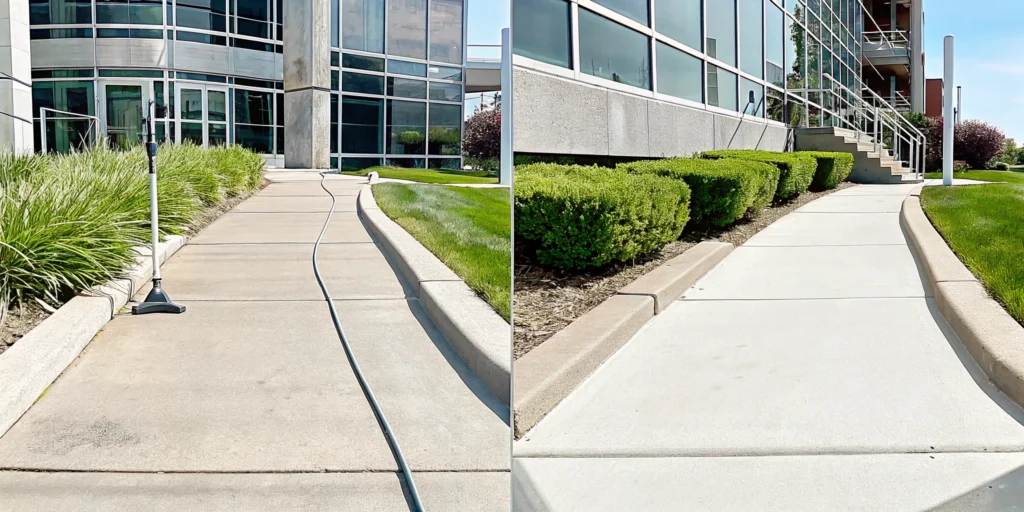
Dealing with settled concrete often feels like you have two choices: live with the ugly, unsafe slab or prepare for a loud, messy, and expensive replacement. Luckily, there’s a third option that sits right in the middle. Concrete lifting is a precise technique that fixes the problem from underneath without requiring a total demolition. It saves your existing concrete, which saves you time and money. So, is concrete lifting cheaper than replacement? In most cases, it is, often by a significant amount. But the final decision depends on the condition of your slab. Let’s compare these two approaches side-by-side to determine which solution is the right long-term investment for your property.
Key Takeaways
- Evaluate Your Concrete’s Condition First: The best solution depends on the health of your slab. Lifting is perfect for concrete that has sunk but is otherwise solid, while replacement is necessary for slabs that are crumbling, severely cracked, or broken into pieces.
- Lifting Offers Major Savings in Time and Money: Opting to lift your concrete is significantly more affordable, often costing 50% to 70% less than a full replacement. The process is also much quicker, with most jobs completed in hours instead of days.
- Modern Lifting Is a Lasting Repair: Don’t think of lifting as a temporary patch. The polyurethane foam used today creates a strong, waterproof, and stable base under the slab, addressing the soil issues and providing a durable fix that lasts for years.
What Is Concrete Lifting and How Does It Work?
When you notice a concrete slab starting to sink, whether it’s your driveway, patio, or walkway, your first thought might be a full, expensive replacement. But there’s often a much simpler and more affordable solution. Concrete lifting, sometimes called slab jacking, is a repair method that raises sunken concrete back to its original, level position. Instead of tearing everything out, this process fixes the problem from underneath.
The technique is straightforward. A professional team drills a few small, strategic holes through the sunken slab. Then, a specialized material is injected into the void that has formed in the soil below. This material expands, filling the space and gently lifting the concrete back into place. At Solid Base, we use a high-tech polyurethane foam for our concrete repair projects. This modern approach is less invasive, cures quickly, and provides a durable, long-lasting fix for settled concrete. It’s an effective way to restore safety and appearance without the cost and hassle of a total replacement.
Polyurethane Foam vs. Mudjacking
Concrete lifting is typically done in one of two ways: mudjacking or polyurethane foam injection. Mudjacking is the traditional method, where a slurry of mud, cement, and other materials is pumped beneath the slab. While it can be a cost-effective way to restore a sunken slab, it has some drawbacks. The material is heavy, which can add more stress to already unstable soil, and the drill holes are much larger. When done correctly, mud jacking can last for five to ten years, but it’s not a permanent solution.
Polyurethane foam is the modern, superior alternative. This method involves injecting a lightweight, high-density foam that expands to lift the concrete. The foam is incredibly strong but adds almost no weight to the soil below. It’s also water-resistant, so it won’t wash away or erode over time. The drill holes are smaller and less noticeable, and the foam cures in minutes, meaning you can use your driveway or patio almost immediately. For these reasons, we use polyurethane foam to ensure a stable, durable repair that stands the test of time.
Which Surfaces Can You Lift?
Concrete lifting is a versatile solution that works for many different areas around your property. The main requirement is that the concrete slab itself is still in decent condition, without extensive cracks or crumbling. If the slab is structurally sound but has simply settled or tilted, it’s likely a great candidate for lifting. This makes it an ideal fix for many common problems homeowners face.
You can use this method for a variety of surfaces. It’s an excellent choice for sunken sidewalks and uneven driveways that create trip hazards or cause water to pool. Tilting patios, sunken garage floors, and uneven pool decks are also perfect candidates for concrete lifting. By addressing the problem with a targeted lift, you can restore the function and safety of these areas quickly. You can see examples of this type of work on our Our Work page.
How Does Concrete Replacement Work?
While concrete lifting is an effective fix for many situations, some concrete is simply too damaged for repair. When a slab is past the point of saving, a full replacement is the best path forward. This process involves removing the old, failed concrete and pouring a brand-new slab. It’s a more intensive project, but it gives you a completely fresh start and ensures a stable, long-lasting surface. Understanding how it works and when it’s necessary can help you make a confident decision for your property.
The Step-by-Step Replacement Process
Think of concrete replacement as a total reset for your driveway, patio, or walkway. The first step is demolition, where our crew breaks up and hauls away the old, damaged slab. Once the area is clear, we move on to site preparation. This is a critical step where we grade the soil to ensure proper drainage and create a stable base for the new concrete. We then place steel rebar to add strength and prevent future cracking before pouring the fresh concrete. This detailed approach to concrete repair ensures your new slab is built to last from the ground up, giving you a durable and beautiful surface for years to come.
When Is Replacement Your Only Option?
Deciding to replace instead of lift your concrete often comes down to safety and stability. If your concrete is crumbling, flaking, or covered in a web of deep, wide cracks, its structural integrity is likely gone. This kind of damage, often called spalling, means the concrete itself is failing and cannot be reliably lifted. Replacement is also the only choice when a slab has sunk too severely to be lifted safely or if the soil underneath is too unstable to support a lifted slab. These issues can sometimes signal deeper problems, so a full replacement allows us to address both the slab and the ground beneath, which may be part of a larger foundation repair solution.
Which Costs More: Lifting or Replacing Concrete?
When you’re looking at a sunken or cracked driveway, patio, or sidewalk, one of the first questions that comes to mind is, “How much is this going to cost?” The good news is that you have options, and one is significantly more budget-friendly than the other.
When comparing concrete lifting and replacement, the price difference comes down to two main things: labor and materials. Lifting your existing concrete is a targeted repair, while replacing it is a complete overhaul. Let’s break down the numbers so you can see exactly what to expect for each.
The Cost of Concrete Lifting
Concrete lifting is, by far, the more economical choice. On average, you can expect the cost to be about 50% to 70% less than a full replacement. Prices typically range from $750 to a few thousand dollars, depending on the size and complexity of the job. The key reason for the savings is that the process reuses your existing concrete slab. Our team simply injects a high-density polyurethane foam beneath the slab to raise it back into place. This approach to concrete repair saves you money on demolition, disposal, and new materials, making it a smart and efficient fix for settled concrete.
The Cost of Concrete Replacement
Concrete replacement is a much bigger project with a higher price tag. The cost often starts where lifting leaves off and can be 70% more expensive. This is because you’re not just paying for new concrete; you’re also paying for the intensive labor required to tear out and haul away the old slab. The process involves demolition, disposal of heavy debris, preparing the sub-base, and then finally pouring and finishing the new concrete. Because this is a more significant investment, many homeowners explore different payment options. We offer straightforward financing to help make the project more manageable for your budget if replacement is the necessary route.
Why Is There a Price Difference?
The major price difference boils down to the scope of the work. Think of concrete lifting as a precise, minimally invasive procedure. We drill a few small, dime-sized holes and use the existing slab, which means less labor, less time, and no material waste. It’s an efficient solution that gets straight to the point. In contrast, replacement is a complete demolition and reconstruction project. It requires more crew members, heavy equipment for breaking and removing the old concrete, and the cost of purchasing and pouring brand-new materials. By preserving your original slab, concrete lifting avoids all those extra steps and expenses, often cutting the total project cost in half.
Comparing Speed, Disruption, and Durability
Beyond the initial cost, three factors will influence your decision: how quickly the job gets done, how much it disrupts your life, and how long the repair will last. Concrete lifting and replacement offer very different experiences here. A quick fix that doesn’t last isn’t a good value, but a lengthy project might not be necessary. Let’s break down what you can expect from each process in terms of speed, disruption, and long-term performance.
Project Timeline: Lifting vs. Replacement
When it comes to speed, concrete lifting is the clear winner. Most concrete repair jobs using polyurethane foam can be completed in just a few hours. The process is clean, and the surface is often ready for foot traffic almost immediately. You can typically drive on it within a day. In contrast, replacement is a much longer process. It involves demolition, pouring new concrete, and waiting several days for it to cure and harden enough for regular use. This means more downtime for your driveway or patio.
Durability: Is Lifted Concrete as Strong as New?
This is a common and very fair question. While a brand-new concrete slab can last for 20 years or more, that doesn’t mean lifting is just a temporary patch. A professionally lifted slab provides a reliable, stable surface for many years. The key is that lifting restores the original slab, which was already sound, by fixing the problem underneath it. Modern polyurethane foam creates a durable, long-term foundation for the slab. It’s a lasting solution that brings your concrete back to life without the waste and expense of a full replacement.
What Affects the Lifespan of Your Repaired Concrete?
The longevity of any concrete work, whether it’s lifted or replaced, depends heavily on addressing the root cause of the problem. Concrete doesn’t sink or crack on its own; it’s usually a symptom of unstable soil underneath. If the soil is prone to washing out or compacting, it will continue to cause problems. This is why a professional assessment is so important. We don’t just look at the slab; we analyze the underlying soil to ensure our repair solution provides lasting support and prevents future sinking.
How to Decide Between Lifting and Replacement
Making the right choice for your concrete comes down to a simple question: Is the slab worth saving? Both lifting and replacement have their place, and an honest assessment of your concrete’s condition will point you toward the best solution. It’s not just about cost, but also about finding a durable, long-term fix for your property. Let’s walk through the signs that indicate whether a lift or a full replacement is the right call.
Signs You Should Lift Your Concrete
Think of concrete lifting as a rescue mission for an otherwise healthy slab. If your concrete is sinking but is structurally sound, lifting is likely your best bet. This method is perfect for sunken sidewalks, uneven driveways, tilting patios, and garage floors that have settled over time. The key indicator is that the concrete itself isn’t badly broken or crumbling.
If you’re looking at a slab that has dipped in one corner or created a trip hazard but is free from a web of cracks, you’re a prime candidate for concrete repair. It’s a faster, less invasive, and more affordable fix that restores your concrete to its original position without the mess and expense of a total tear-out.
Signs You Need to Replace Your Concrete
Sometimes, a concrete slab is past the point of saving. Replacement becomes necessary when the concrete itself has failed. Look for signs of severe damage, like a network of wide, deep cracks, or surfaces that are crumbling and flaking away (a condition known as spalling). If your slab has broken into multiple pieces or has sunk so dramatically that lifting it would be unsafe, replacement is the only responsible option.
This is also true if the soil underneath is extremely unstable, requiring more extensive groundwork before new concrete can be poured. While it’s a bigger project, starting fresh ensures a stable, long-lasting surface. You can see examples of the kinds of extensive damage we handle in our work gallery.
Clearing Up Myths About Concrete Lifting
There’s a common misconception that concrete lifting is just a temporary patch. This might have been a concern with older, less reliable methods, but modern techniques have changed the game. While traditional mudjacking can be effective, we use a state-of-the-art polyurethane foam injection that is both lightweight and incredibly strong. This material doesn’t just lift the slab; it fills the voids beneath it, stabilizing the soil and preventing future sinking.
When performed by experienced professionals, a lifted slab is not a “band-aid” solution. It’s a durable, long-term repair that can last for many years. Don’t let outdated myths keep you from considering a highly effective and cost-efficient solution. If you’re unsure, the best step is to have a professional evaluate your concrete.
Lifting vs. Replacement: Which Is Right for You?
Deciding between repairing and replacing your concrete can feel like a big decision, but it often comes down to a few key factors: the condition of your concrete, your budget, and your timeline. Let’s walk through the options so you can figure out the best path forward for your home.
The Case for Concrete Lifting
If your concrete slab is sunken but still in one piece, concrete lifting is an excellent solution. This process, also known as slab jacking, involves injecting a material beneath the slab to raise it back to its original position. It’s a fantastic alternative to a full replacement because it’s much faster and more affordable. Instead of a major demolition project, you get a targeted fix that restores your surface in a matter of hours, not days. For many homeowners, this modern approach to concrete repair is the smartest and most cost-effective choice.
When Lifting Might Not Be the Answer
Concrete lifting is a great fix, but it’s not a magic wand for every situation. If your concrete is severely damaged, with extensive cracks, crumbling edges, or a shattered surface, lifting it won’t solve the underlying problem. The slab needs to be structurally sound enough to be raised. Trying to lift concrete that’s falling apart is like trying to glue broken glass back together; it just won’t hold. In these cases, a professional will likely recommend replacement as the only safe and lasting option. Our team of experts can assess the damage and tell you honestly if your slab is a good candidate for lifting.
The Case for Concrete Replacement
Sometimes, starting fresh is the only way to go. Concrete replacement becomes necessary when the slab is beyond repair. Think wide, deep cracks, a crumbling surface that has lost its integrity, or significant damage from unstable soil underneath. While it’s a more involved process, a full replacement gives you a brand-new, structurally sound surface that will last for decades. It’s the definitive solution for concrete that has reached the end of its lifespan, ensuring your property is safe and secure. You can see examples of our high-quality replacement projects in our work gallery.
The Downsides of a Full Replacement
While replacement offers a fresh start, it comes with a few drawbacks you should be aware of. The process is more disruptive, involving demolition, removal of old concrete, and pouring a new slab. This means more noise, mess, and a longer project timeline. It’s also the more expensive option due to the costs of labor, materials, and disposal. Because of this, it’s always worth getting a professional opinion to see if you can avoid a full replacement. If your concrete can be saved with lifting, you’ll save yourself time, money, and a major headache. Ready to find out which option is right for you? Contact us for a free, no-obligation estimate.
Ready to Fix Your Concrete? Get Your Free Estimate
After weighing the pros and cons of lifting versus replacement, you’re probably wondering what this all means for your budget. The great news is that fixing your uneven concrete doesn’t have to be a huge financial burden. Choosing a modern repair method can save you a significant amount of money and time, getting your property back to looking its best without a lengthy, drawn-out project.
For most homeowners, concrete repair through lifting is the most cost-effective solution. Tearing out and replacing concrete is a massive job with a price tag to match. In contrast, lifting the existing slab can cost up to 70% less than a full replacement. It’s also exponentially faster. Instead of turning your property into a construction zone for days, our team can often complete a lifting project in just a few hours, meaning you can use your driveway, walkway, or patio the very same day.
Of course, the best way to know exactly what your project will involve is to get a professional opinion. An expert can assess the damage, determine the underlying cause, and recommend a solution that fits your home and your budget. If you’re ready to solve your concrete problems for good, the next step is simple. We provide free, no-obligation estimates for homeowners throughout the Greater Dallas area. Let us take a look and give you a clear, straightforward plan to restore your concrete. You can contact us today to schedule your free assessment.
Related Articles
- PolyLevel – Solid Base
- Polyurethane Slab Jacking: A Homeowner’s Guide
- Concrete Repair – Solid Base
- How to Fill Large Cracks in Concrete Like a Pro
- Our Work – Solid Base
Frequently Asked Questions
Why did my concrete slab sink in the first place? Concrete rarely sinks because of a problem with the slab itself. The issue almost always lies in the soil underneath. Over time, soil can wash away due to poor drainage, compact unevenly, or shrink during dry periods. When the ground beneath your concrete gives way, it creates a void, and the heavy slab settles into that empty space. Our job is to identify and fix that underlying soil problem, not just lift the slab.
How long will a concrete lift actually last? When done with modern polyurethane foam, a concrete lift is a long-term, durable repair, not a temporary patch. The high-density foam we use is a waterproof, stable material that will not break down or wash away in the soil. It cures into a solid, lightweight base that permanently supports the slab. As long as the broader drainage and soil issues around your property are managed, you can expect the repair to last for many years.
Will the lifting process damage my yard or landscaping? Not at all. Concrete lifting is a very clean and minimally invasive process. Our team drills a few small, dime-sized holes in the slab and works with lightweight equipment. There is no heavy machinery tearing up your lawn or garden beds. The entire process is self-contained, and once we fill the small holes, there is very little evidence the work was ever done, which is a major benefit over a full demolition and replacement.
What if my concrete is too broken to lift but I can’t afford a full replacement right now? We understand that a full concrete replacement is a significant investment. If your slab is too damaged for a lift, it’s usually a safety concern that needs to be addressed. We believe that financial constraints shouldn’t prevent you from having a safe home. That’s why we offer straightforward financing options to help make necessary replacement projects more manageable for your budget.
If I get my concrete replaced, will the new slab match my old concrete? A new concrete slab will have a fresh, clean appearance that will likely not be a perfect color match to adjacent, older concrete that has weathered over time. Think of it like painting just one wall in a room; you’ll notice the difference at first. However, the new slab will be uniform in color and, over time, will weather naturally to blend in more with its surroundings.