
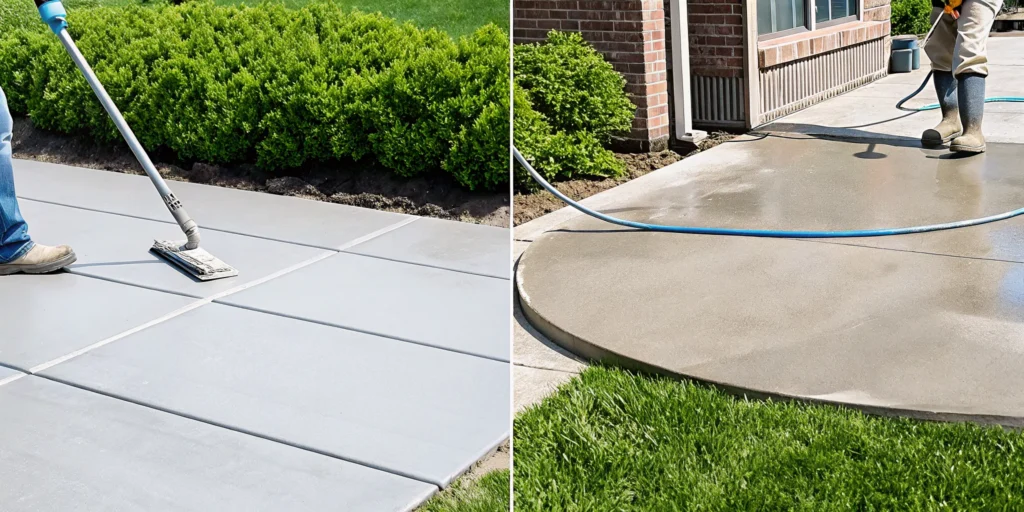
Owning a home in the Dallas area means dealing with our unique soil conditions. The expansive clay soil here is notorious for shrinking and swelling, which puts immense pressure on concrete slabs and foundations, leading to sinking and cracking. This makes choosing the right repair method absolutely critical. A solution that works in other parts of the country might not hold up here. When comparing options, the key question for local homeowners is, “Is PolyLevel better than mudjacking for withstanding our challenging soil?” We’ll examine how each method performs against the pressures of North Texas soil, helping you choose a fix that’s built to last in our specific environment.
Key Takeaways
- Choose a Lightweight, Lasting Material: PolyLevel uses a waterproof polyurethane foam that supports concrete without adding heavy weight to the soil, preventing future settling. Mudjacking’s heavy slurry can break down over time and may cause the same problem to reappear.
- Prioritize a Clean and Quick Repair: The PolyLevel process is minimally invasive, using small injection holes and a fast-curing foam that allows you to use your driveway or patio the same day. Mudjacking is a messier process that requires larger, more noticeable holes.
- Invest in Long-Term Value, Not a Temporary Fix: Although mudjacking can have a lower initial cost, PolyLevel is the more cost-effective choice over time. Its durable, permanent nature saves you from the expense and stress of having to fix the same sunken concrete again in the future.
What is PolyLevel and How Does It Lift Concrete?
When you have a sunken or uneven concrete slab, whether it’s your driveway, patio, or sidewalk, you need a solution that not only fixes the problem but lasts. PolyLevel is a modern approach to concrete repair that uses a high-density polyurethane foam to lift and level concrete. Unlike older methods that pump a heavy mud-like slurry under the slab, PolyLevel uses a precise injection process. This gives us incredible control, allowing for a clean, even lift that restores your concrete to its proper position. It’s a powerful and efficient way to fix sinking slabs without the mess and weight of traditional techniques.
A Look at the Foam Injection Process
The magic of PolyLevel lies in its two-part polyurethane foam. Our team drills small, discreet holes into the sunken concrete slab. Then, we inject the liquid foam components through these holes. Once underground, the components mix and undergo a chemical reaction, causing the foam to expand. This expansion generates a powerful lifting force that gently raises the concrete slab from below. The foam is engineered to be much denser and more durable than the materials used in mudjacking. It flows into every empty space, filling voids and creating a solid, stable base that supports the concrete for years to come.
What to Expect: Hole Size and Curing Time
One of the best parts of the PolyLevel process is how little it disrupts your property and your day. The injection holes are only about the size of a penny (around 5/8 of an inch), making them far less noticeable than the large, soda-can-sized holes required for mudjacking. After the injection is complete, we patch these small holes, and they blend right in. Even better, the foam cures incredibly fast. In just 15 minutes, it’s strong enough to support the weight of the concrete and anything on top of it. This means you can walk or even drive on the repaired surface almost immediately after we finish. You can see examples of these clean repairs on our Our Work page.
Why a Lighter Material Means Better Stability
The soil underneath your concrete slab is often the reason it sank in the first place. Adding more weight on top of weak or shifting soil is a recipe for future problems. This is where PolyLevel truly shines. The polyurethane foam is incredibly strong but also extremely lightweight, weighing only about 2 to 4 pounds per cubic foot. Compare that to a traditional mud slurry, which can weigh 100 pounds per cubic foot or more. By using a lighter material, PolyLevel stabilizes the slab without putting extra stress on the underlying soil. It creates a durable, waterproof support that won’t wash away or add to your settling issues, ensuring a long-lasting repair. Our team of skilled professionals relies on this proven technology to provide a permanent solution.
What is Mudjacking and How Does It Work?
If you’ve been looking into solutions for sunken concrete, you’ve probably come across the term mudjacking. It’s one of the oldest and most traditional methods for lifting concrete slabs. Think of it as the original approach to concrete repair, used for decades to fix uneven driveways, sidewalks, and patios. The basic idea is to pump a material under the sunken slab to fill the empty space and push it back up into place. For a long time, it was the standard way to handle these kinds of problems.
However, just because it’s an older method doesn’t mean it’s the best one available now. Newer technologies have been developed that address some of mudjacking’s key shortcomings. The process itself can be quite messy and involves drilling large, noticeable holes into your concrete. The material used is also incredibly heavy, which can sometimes create new problems down the road by putting more stress on the soil that failed in the first place. Understanding how mudjacking works is the first step in comparing it to modern alternatives and deciding which method is truly the best for your home. Let’s break down the process and its potential effects on your property.
Understanding the Cement Slurry Process
Mudjacking gets its name from the “mud” it uses. The process involves pumping a heavy mixture, or slurry, made of water, soil, sand, and cement under a sunken concrete slab. To get this slurry underneath, technicians drill a pattern of large holes, typically about two inches wide, directly through the concrete. The slurry is then pumped through these holes at a very high pressure, filling the void beneath the slab and forcing it upward. Once the slab is level, the holes are patched with concrete. It’s a straightforward concept, but the execution can be disruptive and the results aren’t always permanent.
How Heavy Slurry Can Affect Future Settling
The biggest issue with mudjacking lies in the weight of the slurry itself. This material can weigh over 100 pounds per cubic foot. When you pump all that extra weight onto the soil beneath your slab, you risk overloading it. If the soil was already weak or prone to compression, adding a heavy layer of slurry can cause it to settle all over again. Furthermore, the mud-like mixture doesn’t create a waterproof barrier. It can easily absorb water, leading to erosion or issues during freeze-thaw cycles, which can compromise the repair. This is a critical factor to consider for a lasting foundation repair solution.
PolyLevel vs. Mudjacking: A Head-to-Head Comparison
When you’re looking at uneven concrete, you want a fix that’s effective, long-lasting, and doesn’t create a huge mess. Both PolyLevel and mudjacking aim to lift and level concrete, but they go about it in very different ways. Understanding these differences is key to choosing the right solution for your home. Let’s compare them side-by-side on the factors that matter most: durability, moisture resistance, impact on your property, and environmental considerations. This will give you a clear picture of how each method performs and what you can expect from the repair process.
Durability: Which Method Lasts Longer?
When you’re investing in a repair, you want it to last. PolyLevel has a clear advantage here. The polyurethane foam is an inert, waterproof material that won’t wash away or break down over time. It’s designed to last for years, often 10 to 15, without issue. Because the foam is so lightweight, it doesn’t add extra stress to the soil beneath your slab, which helps prevent future settling. Mudjacking, on the other hand, uses a heavy slurry of mud, cement, and water. This material can erode or wash out, especially in the Dallas area’s clay soil. It typically only lasts about 3 to 5 years before you might need another concrete repair.
Moisture Resistance: Which Option Holds Up to Water?
Water is often the root cause of concrete problems, so how a repair method handles moisture is critical. PolyLevel foam is hydrophobic, which is just a technical way of saying it repels water. It won’t absorb moisture or be washed away by heavy rains or shifting groundwater. This quality makes it incredibly resistant to the freeze-thaw cycles that can damage concrete over time. Mudjacking slurry, however, is a different story. Since it’s a mixture containing soil and cement, it can absorb water. This can cause the material to shrink, expand, or wash out, leading to the same sinking problem you were trying to fix. For a lasting foundation repair, you need a solution that stands up to water.
The Impact on Your Property: Mess, Disruption, and Appearance
Nobody wants their yard turned into a major construction zone. The PolyLevel process is much cleaner and less disruptive than mudjacking. We drill a few small, dime-sized holes into the concrete to inject the foam. The process is quick, and the foam cures in about 15 minutes, so you can use your driveway or patio almost immediately. Mudjacking requires much larger holes, typically 1.5 inches or more in diameter. The process can be messy, and the larger holes are more noticeable after they’re patched. These bigger patches can also become weak points, allowing weeds or water to get in and cause future problems. You can see examples of our clean, finished projects on our Our Work page.
Considering the Environmental Impact
It’s natural to wonder about the materials being injected into the ground around your home. PolyLevel is made from an environmentally friendly, inert polymer. This means it won’t leach chemicals or react with the soil, keeping your lawn and garden safe. Another key benefit is its weight. The foam weighs only about 2 to 4 pounds per cubic foot. This is a huge difference from mudjacking slurry, which can weigh over 100 pounds per cubic foot. Adding all that extra weight can further compact the soil, potentially making the original problem worse over time. By choosing a lightweight material, you’re supporting the soil for the long term. Our team is committed to using proven, patented products that are both effective and responsible, which you can learn more about on our About page.
Breaking Down the Pros and Cons
When you’re faced with sinking concrete, choosing the right repair method can feel overwhelming. Both PolyLevel and mudjacking aim to solve the same problem, but they get there in very different ways. Understanding the specific advantages and disadvantages of each can help you make a confident decision for your property. It’s not just about lifting the concrete; it’s about ensuring a stable, long-lasting solution that protects your investment.
Let’s compare the two methods directly. We’ll look at what makes each one appealing and what potential drawbacks you should be aware of. This side-by-side look will clarify why modern methods are often recommended over traditional ones for homeowners in the Dallas area who need a reliable fix.
Advantages of PolyLevel
The biggest advantage of PolyLevel is the material itself. It uses a high-density polyurethane foam that is incredibly lightweight yet strong. Unlike the heavy slurry used in mudjacking, this foam won’t add extra weight to the already unstable soil beneath your slab. The foam expands to fill every void completely, creating a solid, stable base.
Another key benefit is the clean and quick process. The injection holes are smaller and less noticeable, and the foam cures in about 15 to 30 minutes. This means you can walk or even drive on the repaired surface the very same day. Because it’s a waterproof material, PolyLevel also creates a barrier against moisture, preventing future erosion and washout under the slab. This makes it a durable, long-term concrete repair solution.
Disadvantages of PolyLevel
The primary consideration with PolyLevel is the initial cost. It can be more expensive upfront than a traditional mudjacking job. For homeowners on a tight budget, this initial price tag might cause some hesitation. However, it’s important to view this as an investment in your property’s future.
While the initial outlay is higher, the long-term value often outweighs the cost. Because PolyLevel is a permanent solution that resists erosion and doesn’t settle over time, you avoid the expense of future repairs. Think of it as paying once for a lasting fix rather than paying less for a temporary one that may need to be redone. We offer straightforward financing options to help make this superior solution accessible for your home.
Advantages of Mudjacking
Mudjacking has been the go-to method for decades, and its main appeal is the lower upfront cost. For a simple, straightforward lift where budget is the primary concern, mudjacking can seem like an attractive option. When performed correctly by an experienced crew, it can successfully lift a sunken slab and provide a temporary solution.
The materials used, a slurry of soil, cement, and water, are inexpensive and widely available. This helps keep the overall price of the job down compared to more modern techniques. If you’re looking for a quick fix for a minor issue and are prepared for the possibility of future maintenance, mudjacking can get the job done for less money initially.
Disadvantages of Mudjacking
The drawbacks of mudjacking are significant and directly related to the material used. The cement slurry is extremely heavy, adding hundreds or even thousands of pounds of weight onto the soil that was already struggling to support the concrete. This can lead to the same problem reoccurring as the soil compacts further under the new weight.
The process is also messy. It requires larger injection holes and can result in a slurry mixture spilling onto your driveway, patio, and landscaping. Furthermore, the mudjacking slurry is not waterproof. It can easily erode or wash away with heavy rain, causing the slab to sink again. You can see the clean and precise results of a modern approach in our work across the Dallas area.
The Cost Question: Is PolyLevel or Mudjacking More Affordable?
When you’re dealing with sunken concrete, one of the first questions that comes to mind is, “How much is this going to cost?” It’s a practical question, and the answer plays a big role in your decision. Both PolyLevel and mudjacking can fix your problem, but they come at different price points, not just upfront but over the life of the repair.
Thinking about cost isn’t just about comparing two price tags. It’s about understanding what you get for your money. Are you looking for the cheapest immediate fix, or are you investing in a solution that will stand the test of time? Let’s break down the costs associated with both methods so you can see the full picture. We know that unexpected home repairs can be stressful, which is why we also offer straightforward financing options to help manage the expense.
Comparing the Initial Investment
If you’re comparing quotes side-by-side, you’ll almost always find that mudjacking has a lower initial price. For homeowners on a strict budget who need a quick fix, this can make it seem like the obvious choice. The materials used for mudjacking, a slurry of soil, cement, and water, are relatively inexpensive, and the process is a traditional one that many companies offer.
So, if your primary goal is to spend as little as possible right now to level your concrete, mudjacking will likely be the more affordable option on paper. It’s important to remember, though, that the initial price is just one piece of the puzzle. The upfront savings might be appealing, but it’s worth asking what that lower cost means for the future of your property.
Factoring in Long-Term Value and Future Repairs
This is where the cost discussion gets more interesting. While PolyLevel typically has a higher upfront cost, it’s often the more cost-effective solution in the long run. Why? Because it’s designed for durability. The polyurethane foam is waterproof, so it won’t wash away or erode over time like a mudjacking slurry can, especially here in Dallas where we see heavy rains. This means you’re far less likely to pay for the same repair twice.
Furthermore, the PolyLevel material is incredibly lightweight. It won’t add significant weight to the soil beneath your slab, which is often the root cause of the sinking in the first place. Mudjacking pumps hundreds of pounds of heavy material under the concrete, which can cause it to settle again. Investing in a modern concrete repair method like PolyLevel is an investment in a stable, long-lasting result.
Debunking Common Cost Myths
A common myth in home repair is that the cheapest option is the best value. When it comes to your home’s foundation and concrete, this is rarely true. The lower price of mudjacking is tied directly to its limitations: it’s a heavier, less precise, and less durable material that can break down over time. Paying for a repair that might only last a few years can end up costing you more in the long run through repeated service calls.
Choosing PolyLevel is an investment in peace of mind. Its higher initial cost reflects a superior, longer-lasting technology that protects your property’s value. It’s a permanent solution, not a temporary patch. That’s why it has become the preferred method for knowledgeable contractors and homeowners alike. You can see the clean, professional results for yourself in examples of our work across the Dallas area.
Choosing the Right Solution for Your Dallas Home
Deciding between PolyLevel and mudjacking can feel like a big choice, especially when it comes to your home. The best method really depends on your specific situation, your budget, and your long-term goals for your property. Understanding the ideal scenarios for each can help you make a confident decision for your driveway, patio, or sidewalk.
When to Choose PolyLevel
For most homeowners in the Dallas area, PolyLevel is the clear winner. Think of it as the modern, reliable fix for sunken concrete. Because it uses a high-density polyurethane foam, it’s incredibly lightweight and won’t add extra stress to the already unstable soil beneath your slab. This is a huge advantage in our region where soil can shift. The material is also waterproof, so it won’t wash away during heavy rains.
Perhaps the biggest perk is the convenience. The PolyLevel injection process is fast, and the foam cures in about 15 minutes. That means you can walk or even drive on your repaired surface the very same day. If you’re looking for a durable, minimally invasive, and long-lasting concrete repair solution, PolyLevel is almost always the right answer.
When Mudjacking Might Be an Option
Mudjacking is the older, more traditional method, and while it’s been largely replaced by modern technology, there are a couple of situations where it might come up. The main reason some people consider mudjacking is its initial cost, which can sometimes be lower than PolyLevel. It can also be used to fill extremely large voids under a concrete slab, though this is a less common scenario for residential properties.
However, it’s important to weigh the upfront savings against the potential long-term costs. The heavy cement slurry used in mudjacking can add significant weight to the soil, potentially causing the slab to sink again over time. If budget is your primary concern, we offer straightforward financing options that can make the superior PolyLevel solution more accessible.
Get a Professional Opinion with a Free Estimate
You don’t have to figure this out on your own. The best way to know for sure which solution is right for your property is to have an expert take a look. A trained professional can assess the extent of the damage, identify the underlying cause of the settlement, and give you a clear recommendation tailored to your home. This step removes all the guesswork and ensures you’re investing in a repair that will actually last.
We believe in giving you the information you need without any pressure. Our team can inspect your concrete and provide a free, detailed estimate explaining the problem and the proposed solution. When you’re ready to get a clear answer for your home, you can contact us to schedule your complimentary inspection.
Related Articles
- PolyLevel – Solid Base
- Polyurethane Slab Jacking: A Homeowner’s Guide
- Concrete Repair – Solid Base
- Ultimate Guide to Foundation Repair Options
- Foundation Crack Repair: A DIY vs. Pro Guide
Frequently Asked Questions
How long will a PolyLevel repair last compared to mudjacking? A PolyLevel repair is designed to be a permanent solution. The polyurethane foam is waterproof and doesn’t break down in the soil, so you can expect it to last for many years, often more than a decade. Mudjacking, on the other hand, typically provides a shorter-term fix, lasting around 3 to 5 years. Its slurry material can erode or wash away, especially with heavy rain, causing the concrete to settle again.
Is the PolyLevel foam safe for the ground around my home? Yes, it is completely safe. The polyurethane foam is an inert material, which means once it cures, it doesn’t react with or leach anything into the surrounding soil. It’s an environmentally stable product, so you don’t have to worry about it affecting your lawn, garden, or pets.
Can I really use my driveway or patio right after a PolyLevel repair? Absolutely. This is one of the biggest benefits of the PolyLevel system. The foam cures and hardens very quickly. Within about 15 minutes of the injection, the slab is stabilized and ready to handle its normal load. This means you can walk on your patio or park your car in the driveway almost immediately after we finish the job.
Why is PolyLevel a better choice for the clay soil we have in the Dallas area? The clay soil common in our area expands when it’s wet and shrinks when it’s dry, which is a major cause of concrete settlement. PolyLevel is ideal for this environment because it’s extremely lightweight and waterproof. It stabilizes the slab without adding significant weight that could further compact the soil, and it creates a moisture barrier that prevents water from washing out the soil underneath.
If mudjacking is cheaper, why should I consider paying more for PolyLevel? While mudjacking often has a lower initial price, it’s important to think about the long-term value. The higher upfront cost of PolyLevel reflects a superior, more durable technology. Because it provides a permanent fix that resists erosion and future settling, you avoid the cost and hassle of having to repair the same spot again in a few years. It’s an investment in a lasting solution rather than a temporary patch.