
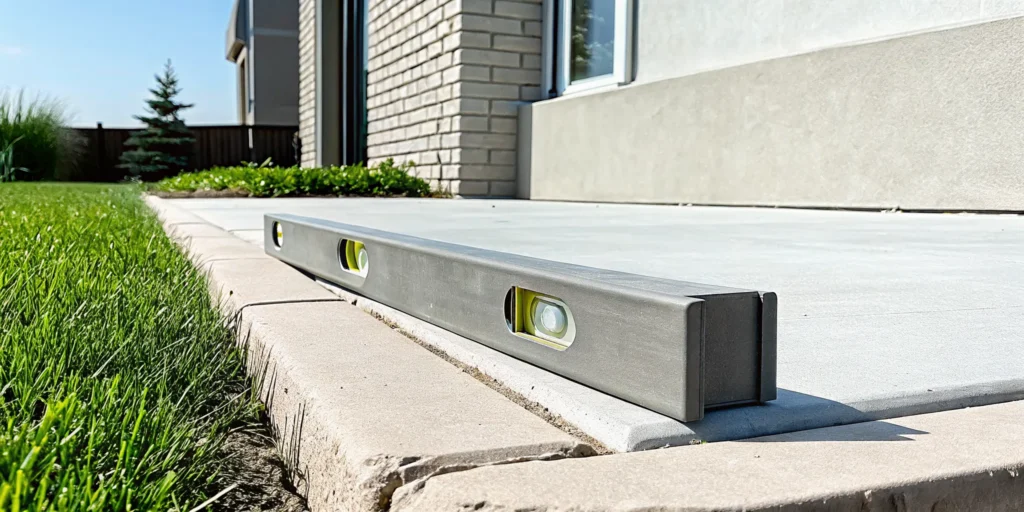
Here in Dallas, our expansive clay soil is the main culprit behind sinking and cracking concrete. It shifts, shrinks, and swells with moisture, creating voids that cause slabs to settle. When you choose a repair, you’re not just lifting concrete; you’re fighting back against this constant soil movement. That’s why it’s so important to ask, how long does PolyLevel concrete leveling last in these specific conditions? The answer is directly tied to how well the repair addresses the underlying soil problem. This article will explain how PolyLevel stabilizes the ground, what factors can affect its longevity, and why professional installation is key to a permanent fix.
Key Takeaways
- PolyLevel is a modern, more effective solution: It uses a lightweight, waterproof foam to lift concrete slabs, curing in just minutes. Unlike mudjacking, it doesn’t add hundreds of pounds of weight to the unstable soil underneath.
- A lasting repair depends on the installation and environment: The PolyLevel foam itself is permanent, but the repair’s longevity hinges on two factors: a professional installation and proper water management. Controlling drainage is critical to prevent future soil erosion.
- Protect your repair with simple home maintenance: You can extend the life of your leveled concrete by taking a few easy steps. Regularly seal cracks and joints, and make sure your gutters and grading direct rainwater far away from your foundation.
What is PolyLevel and How Does It Work?
If you’ve noticed your driveway, patio, or sidewalk starting to sink and crack, you’ve probably wondered what your options are. Tearing out and replacing all that concrete sounds like a massive, expensive headache, and frankly, it often is. Thankfully, there’s a much better way to handle it. PolyLevel is a modern, minimally invasive solution for lifting and leveling sunken concrete slabs. Think of it as a high-tech, high-performance alternative to older, messier methods that gets the job done right.
At its core, the process uses a specialized, structural-grade polyurethane foam. This isn’t the same kind of foam you’d find in a craft store; it’s an engineered material designed to be incredibly strong and durable. We inject this two-part foam beneath the sunken concrete slab through small injection ports. As the components mix, they create a chemical reaction and expand, filling any empty spaces in the soil below and gently lifting the concrete back to its original, level position. This method of concrete repair addresses the root cause of the problem, which is often unstable or eroded soil, by creating a solid, stable base for your slab. It’s a clean, fast, and effective way to restore your concrete without the disruption and cost of a full replacement.
The PolyLevel Process, Step by Step
One of the best things about PolyLevel is how simple and clean the process is. You won’t have a huge construction crew tearing up your yard for days. First, our team drills a few small, penny-sized holes through the sunken slab. These holes are strategically placed to give us the best access for lifting the concrete. Next, we use special equipment to inject the polyurethane foam into the voids beneath the slab. The foam expands, filling the space and lifting the concrete with incredible force, yet with precise control. We monitor the process closely to ensure the slab is lifted to the perfect height. Finally, we patch the small injection holes, and you’re done. The whole process is surprisingly fast, and you can see the results for yourself.
PolyLevel vs. Mudjacking
You might have heard of another method called mudjacking. For a long time, it was the standard way to lift concrete. Mudjacking involves pumping a heavy slurry, usually a mix of mud, sand, water, and cement, under the slab to push it up. While the goal is the same, the materials are completely different. PolyLevel, sometimes called polyjacking, uses a lightweight but powerful polyurethane foam. The mudjacking slurry is extremely heavy, adding hundreds or even thousands of pounds of extra weight onto the already weak soil beneath your slab. This can cause the concrete to sink again over time. PolyLevel’s foam, on the other hand, is incredibly light, so it doesn’t put any additional stress on the soil.
Why PolyLevel Foam Outperforms Traditional Grout
When you compare the materials side-by-side, it’s easy to see why PolyLevel is the superior choice for long-term foundation repair. The polyurethane foam is not only lightweight, but it’s also waterproof. This is a huge advantage, especially in a place like Dallas where we see heavy rains. The mudjacking slurry is water-based and can be eroded or washed away over time, causing the problem to return. PolyLevel’s foam is hydrophobic, meaning it repels water and will never wash out. It’s also incredibly durable and cures in about 15 minutes. That means you can walk or even drive on your repaired concrete almost immediately, instead of waiting days for a cement slurry to dry. It’s a stronger, more permanent solution.
How Long Does a PolyLevel Repair Last?
When you invest in a home repair, you want to know it’s going to stick. The great news is that PolyLevel isn’t a temporary patch; it’s a long-term solution. When installed correctly, a PolyLevel concrete repair can last for decades. In many cases, the repair will last as long as the concrete slab itself, which could be 20, 30, or even 50 years.
The polyurethane foam is an inert, waterproof, and incredibly stable material. It doesn’t break down, wash away, or lose its density over time like the soil or mud-based slurries used in other methods. It’s designed to permanently stabilize the soil beneath your slab, addressing the root cause of the settlement. The longevity of the repair ultimately depends on the quality of the installation and the conditions around your concrete, but it’s engineered to be a lasting fix.
Comparing Lifespans: PolyLevel vs. Other Methods
When you stack PolyLevel against other repair options, its durability really shines. The high-density polyurethane foam can easily last for decades, often for the entire remaining life of your concrete. Traditional mudjacking, on the other hand, uses a heavy slurry of soil, sand, and cement. This material can erode, wash away with heavy rain, or shrink as it dries, leading to the same sinking problem all over again within a few years. A full concrete replacement is another option, but it doesn’t always solve the underlying issue of unstable soil, meaning your brand-new slab could start sinking too.
Why Professional Installation is Key to Durability
The lifespan of your PolyLevel repair is directly tied to the quality of the installation. This is not a DIY project. For the repair to last, a trained professional must first diagnose why the concrete settled. Our experienced team inspects the area to identify issues like poor drainage or soil erosion that need to be addressed. During the application, we carefully inject the foam to create a controlled lift, ensuring the slab is fully supported without causing new stress cracks. A rushed or improper job can fail, which is why choosing a reputable contractor is the most important factor for a long-lasting repair.
Cost Comparison: PolyLevel vs. Full Concrete Replacement
Beyond its longevity, PolyLevel is also a cost-effective choice. Leveling your existing concrete with PolyLevel is typically 50% to 70% cheaper than tearing out the old slab and pouring a new one. Think about the costs involved in demolition, hauling away debris, and framing and pouring new concrete; it all adds up quickly. PolyLevel avoids that entire process, saving you significant money. Plus, the repair is fast; you can walk on your concrete in about 15 minutes. This makes it a smart investment that fixes the problem without the high price tag and disruption of a full replacement. We even offer financing options to make it more accessible.
What Factors Affect Your PolyLevel’s Lifespan?
PolyLevel foam is an incredibly durable and long-lasting material, but the repair is only as good as the environment around it. Think of it like this: the foam itself won’t break down, but if the underlying issues that caused your concrete to sink in the first place aren’t addressed, you could face new problems down the road. Several key factors, from soil to water, play a big role in how long your concrete leveling will last. Understanding these will help you protect your investment for years to come.
How Soil Conditions Impact Your Repair
The ground beneath your concrete slab is the true foundation of your repair. Concrete usually sinks because the soil underneath it has either compacted or washed away. The expansive clay soil common in the Dallas area is particularly prone to shifting with moisture changes. A successful, long-lasting PolyLevel application involves more than just injecting foam; it requires a thorough assessment of these soil conditions. A professional crew will ensure the soil has stabilized and identify the source of any erosion. Addressing the root cause of soil movement is essential for a permanent foundation repair solution. Without this step, you’re only placing a temporary fix on a persistent problem.
The Importance of Application Quality
PolyLevel injection is a science, and the quality of the installation is paramount to its longevity. This is not a DIY project. The process requires an experienced technician who knows exactly where to drill the injection ports, how much foam to inject, and how to control the lift precisely. An inexperienced operator could underfill the void, leaving the slab unsupported, or overfill it, creating new stress points and cracks. The skill of the installer directly impacts the durability of the repair. That’s why it’s so important to work with a team of experienced professionals who have the training and equipment to do the job right the first time.
The Impact of Drainage and Dallas Weather
Water is the biggest threat to the stability of your concrete slabs. In the Dallas area, we see everything from intense downpours to long periods of drought, which can wreak havoc on the soil. Poor drainage is a major culprit, as pooling water can saturate the ground or even wash away the soil supporting your concrete. This erosion can compromise even the best concrete repair over time. It’s crucial to ensure that water from rain and sprinklers is directed away from your concrete slabs. Proper grading and functional gutters are your best defense against water-related damage, helping to keep the soil stable and your PolyLevel repair secure.
Can Pests Damage PolyLevel Foam?
This might be a surprising one, but pests can sometimes interfere with your concrete repair. While the cured polyurethane foam is inert and offers no nutritional value to insects, pests like ants can still cause issues. If they decide to tunnel through the foam to create nests, they can create small voids and pathways. Over a long period, this activity could potentially compromise the foam’s structural integrity in that specific area, leading to new settling. While this is not a common problem, it highlights the importance of general pest control around your property. If you have any concerns about this or other issues, it’s always best to contact a professional for an assessment.
How to Extend the Life of Your Concrete Repair
A professional PolyLevel repair is a fantastic, long-term solution for sunken concrete. But thinking the job is done once the crew leaves is a missed opportunity. With a little proactive maintenance, you can protect your investment and ensure your concrete slab stays stable for decades. Taking care of your concrete is really about controlling one main culprit: water. By managing water around your property, you address the root cause of most concrete settlement and give your repair the best chance at a very long life. This is a key part of any comprehensive concrete repair strategy.
Inspect Your Concrete Twice a Year
Think of it as a quick check-up for your home. Every spring and fall, take a walk around your property and look closely at your concrete surfaces. Check the repaired area to make sure everything still looks level and solid. It’s also smart to look for any new signs of settlement. This could include small cracks forming in the concrete or, more telling, new cracks appearing in your home’s interior drywall or exterior brick. Catching these little changes early helps you address them before they become bigger issues. If you notice something concerning, it’s always best to get a professional opinion on your foundation repair needs.
Manage Moisture and Fix Drainage Issues
The soil around your home is the foundation for your concrete slabs. When that soil gets oversaturated with water, it can soften and wash away, creating voids that lead to sinking. After your repair, it’s crucial to manage moisture at ground level. Make sure the soil grade slopes away from your concrete, so water naturally flows off. Check for leaky outdoor faucets or sprinkler heads that might be pooling water near your slabs. Be mindful when watering plants or lawns near driveways and patios, as consistent over-watering can cause the same problems you just fixed. Proper drainage is a key part of any lasting solution.
Seal Cracks and Joints to Block Water
One of the easiest and most effective ways to protect your concrete is to seal it. Your concrete slab has control joints, which are those lines cut into the surface to manage natural cracking. These joints, along with any small hairline cracks that may appear over time, are direct pathways for water to get beneath your slab. By sealing these gaps with a flexible, polyurethane sealant, you create a waterproof barrier. This simple step prevents water from seeping underneath, washing away the soil, and compromising the support for your slab. You can find concrete sealant at most home improvement stores, and it’s a simple weekend project that offers huge protective benefits.
Use Gutters to Direct Water Away from Concrete
During a heavy Texas rain, your roof collects an enormous amount of water. Your gutter system’s job is to safely channel all that water away from your home’s foundation. If your gutters are clogged, damaged, or nonexistent, that water will pour directly onto the ground next to your concrete slabs. This concentrated flow can quickly erode the soil and undermine your PolyLevel repair. Regularly clean your gutters and make sure your downspouts are directing water at least five to ten feet away from your foundation. Downspout extenders are a cheap and easy way to do this. If you spot issues during your inspection, it’s best to contact us for a professional assessment.
What Should Dallas Homeowners Look For After a Repair?
After your PolyLevel repair is complete, your concrete will be stable and secure. But since the ground beneath our feet is always changing, especially with Dallas’s expansive clay soil, it’s smart to keep an eye on your property. Think of it as routine maintenance, just like you’d perform on your car or HVAC system. Being proactive helps you protect your investment and ensures the longevity of your repair.
A few simple checks a couple of times a year can make all the difference. By knowing what to look for, you can spot potential issues long before they become serious problems. This vigilance is the key to maintaining a stable foundation and enjoying peace of mind for years to come. A quality concrete repair is built to last, and these simple habits will help you make sure it does. The following tips will guide you on what to watch for after the job is done.
Spotting the Early Signs of New Settlement
Even with a durable repair, it’s wise to watch for any new signs of settlement. Make it a habit to walk around your property and look for small changes. Pay close attention to the area that was repaired, but also check your home’s foundation walls for any new hairline cracks. Inside your home, look for cracks appearing in drywall, especially over doorways and windows.
Another telltale sign is doors and windows that start to stick or don’t close as smoothly as they used to. This can indicate that the frame is shifting slightly. Catching these subtle signs early allows you to address the root cause before it affects your home’s structural integrity. If you notice these changes, it might be time to investigate your foundation repair options.
Identifying Drainage Problems Near Your Slab
Water is the number one enemy of any foundation. After a PolyLevel repair, managing moisture around your concrete slabs is more important than ever. Take a walk around your property after a heavy rain and look for areas where water pools near your foundation or driveway. You want to see water flowing away from your home, not toward it.
Check that your gutters are clean and that your downspouts are directing water at least a few feet away from the slab. Also, look for signs of soil erosion or gaps forming between the soil and your concrete. These issues can allow water to seep underneath, which can compromise the soil supporting your slab. Proper drainage is a must for homeowners in our service area who want to protect their foundations.
When to Call a Professional for an Inspection
So, when should you pick up the phone? A good rule of thumb is to inspect your concrete at least twice a year. If you spot any of the issues we’ve discussed, like new cracks, sticking doors, or drainage problems, it’s time to call a professional. Don’t wait for a small crack to turn into a major problem. An expert can assess the situation and determine if any action is needed.
Getting a professional inspection provides clarity and peace of mind. A trained specialist can identify the cause of the issue and recommend a solution before it becomes a costly repair. If you have any concerns about your concrete or foundation, it’s always best to get an expert opinion. You can contact us anytime for a free, no-obligation estimate.
Related Articles
- PolyLevel – Solid Base
- Polyurethane Slab Jacking: A Homeowner’s Guide
- Concrete Repair – Solid Base
- Ultimate Guide to Foundation Repair Options
- A Homeowner’s Guide to Foundation Repair Services
Frequently Asked Questions
Is PolyLevel really a better option than just replacing my concrete slab? In most cases, yes. Replacing concrete is a major project that involves demolition, a lot of mess, and a high price tag. More importantly, it doesn’t fix the unstable soil that caused the slab to sink in the first place. PolyLevel is a much faster, cleaner, and more affordable solution that addresses the root problem by stabilizing the ground beneath the slab, making it a smarter and more permanent fix.
How long does a typical PolyLevel repair take? One of the best parts about this process is how quick it is. Most residential projects, like a sunken driveway or patio, can be completed in just a few hours. The foam itself cures and hardens in about 15 minutes, meaning you can walk or even drive on the repaired surface almost immediately after we finish the job.
Will my concrete look different after the repair? Our goal is to make the repair as unnoticeable as possible. The process involves drilling small, penny-sized holes in the concrete. Once the foam is injected and the slab is level, we patch these small holes with a durable mortar that is blended to match your existing concrete. The result is a clean, restored surface without the patchwork appearance you might get from other repair methods.
I live in the Dallas area, and I know our clay soil causes problems. Is PolyLevel suitable for these conditions? Absolutely. PolyLevel is an excellent solution for the expansive clay soils we have here. Unlike traditional mudjacking, which pumps a heavy slurry that adds more weight to the already unstable soil, our polyurethane foam is incredibly lightweight yet strong. It stabilizes the soil without adding extra stress, and because it’s waterproof, it isn’t affected by the constant shrinking and swelling of the clay soil during wet and dry periods.
What can I do to make sure my repaired concrete stays level for a long time? A professional PolyLevel repair is designed to last for decades, but you can play a role in protecting that investment. The most important thing you can do is manage water around your property. Ensure your gutters are clean and that downspouts direct water away from your foundation and concrete slabs. Also, periodically seal any cracks or joints in the concrete to prevent water from seeping underneath and eroding the soil.