
When you see a crack in your patio or a dip in your driveway, it’s easy to assume the only fix is a costly and disruptive replacement. Before you go down that road, you should know about a much more efficient alternative. Mudjacking is a trusted concrete repair method that can save you significant time, money, and hassle. Instead of demolishing your existing slab, this process lifts it from below, correcting the problem at its source. It’s a surprisingly simple concept that delivers powerful results, restoring your concrete surfaces without turning your property into a major construction zone.
Key Takeaways
- Consider mudjacking as a cost-effective repair: Instead of a full, expensive replacement, mudjacking lifts your existing concrete, saving you time and money on sunken but otherwise intact slabs like patios, sidewalks, and driveways.
- Evaluate the damage and the root cause: This method works best on slabs that are not severely cracked or crumbling. For a permanent fix, you must also address underlying issues like poor drainage that caused the sinking in the first place.
- Get a professional opinion for a lasting solution: The only way to know if mudjacking is right for your property is to have an expert assess the damage. A professional evaluation ensures you get an accurate quote and a repair that addresses the specific cause of the problem.
What Is Mudjacking?
If you’ve noticed your driveway, sidewalk, or patio looking a little lopsided, you’re not alone. Sunken concrete is a common issue for homeowners, but it doesn’t always mean you have to tear everything out and start over. This is where a process called mudjacking comes in. Simply put, mudjacking is a method used to fix sunken concrete slabs by pumping a special mixture, called a slurry, underneath the slab. This slurry fills the empty space and gently lifts the concrete back into its proper position. You might also hear it called concrete leveling or slabjacking, but the goal is the same: a stable, level surface.
Unlike a full replacement, which involves demolishing the old slab and pouring a new one, mudjacking is a more targeted repair. It addresses the root of the problem, which is usually soil that has washed away or compacted over time, leaving a void beneath your concrete. By filling that void, we restore the foundation your slab rests on, making it a smart and efficient solution for many situations.
A Step-by-Step Look at the Process
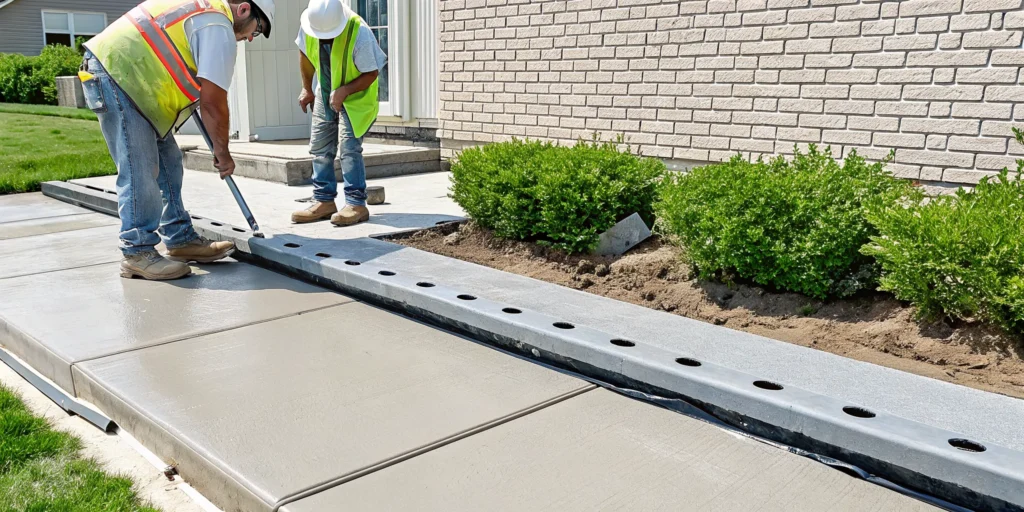
The idea of pumping “mud” under your concrete might sound messy, but it’s a precise and controlled operation. First, our team drills a few small, strategic holes into the sunken slab. Next, we gently pump the slurry mixture through these holes. This is the “jacking” part of mudjacking; the slurry fills any voids in the soil beneath and creates hydraulic pressure that lifts the slab back to its original height. We monitor the process carefully to ensure a perfectly level result. Once everything is aligned, we patch the small holes with cement. The slurry then hardens, creating a solid new base to keep your concrete stable for years to come.
What’s Actually in the Slurry Mixture?
So, what exactly is this “mud”? The slurry isn’t just dirt and water. It’s a carefully calibrated mixture, typically containing materials like soil, sand, cement, and water. This recipe is designed to flow easily into the empty spaces under your concrete slab. Once it’s in place, it’s strong enough to lift thousands of pounds of concrete. Think of it as creating a new, custom-fit foundation right under your existing slab. This process effectively fills the gaps that caused the sinking in the first place, providing a solid, dependable base for your concrete and preventing future movement.
How Long Does the Repair Take?
One of the best parts about mudjacking is how quickly it works. Unlike a full concrete replacement that can take days and leave your yard in disarray, most mudjacking jobs are finished in just a few hours. Because the process is so efficient, you can often walk on the repaired surface the very same day, and it’s ready for vehicle traffic within 24 hours. This means less disruption to your daily routine and quicker access to your driveway, patio, or walkway. It’s a fast and effective solution for getting your property back to looking its best without a long wait.
Why Does Concrete Sink in the First Place?
It’s frustrating to see your once-perfect patio or driveway start to sink and crack. You might wonder if you did something wrong, but the truth is, sinking concrete is rarely the homeowner’s fault. The problem almost always lies underneath the slab, in the soil that’s supposed to be supporting it. Concrete is incredibly heavy, and if the ground beneath it isn’t stable, it will eventually give way. The three main culprits are poor initial preparation, water erosion, and the simple passage of time. Understanding what’s happening beneath the surface is the first step to finding the right fix.
When the Groundwork Isn’t Properly Prepared
Think of the soil under your concrete as its foundation. If that foundation isn’t solid from day one, problems are inevitable. Sometimes, when a driveway, sidewalk, or patio is installed, the ground underneath isn’t compacted properly. This leaves behind loose soil and air pockets. Over time, the immense weight of the concrete slab slowly compresses this loose dirt. As the soil compacts, it creates a void, and the unsupported concrete slab sinks down to fill the gap. This is a common reason for needing concrete repair and often shows up within the first few years after construction.
The Impact of Water Damage and Erosion
Water is the number one enemy of stable soil. When water is allowed to flow underneath a concrete slab, it can wash away the soil, a process called erosion. This can happen for many reasons: clogged gutters, downspouts that drain too close to the slab, poor yard drainage, or even a broken sprinkler line. As the water carries the soil particles away, it leaves behind an empty space. The concrete slab is left suspended over this void with no support. Eventually, gravity wins, and the slab will crack and collapse into the hollow area, creating a sunken, uneven surface that can be a serious trip hazard.
How Natural Settling Takes Its Toll Over Time
Even if the groundwork was done perfectly and you have excellent drainage, concrete can still sink over time. The soil under your property is not static; it naturally shifts, expands, and contracts with changes in moisture and temperature. Over many years, the soil can simply settle and compact under the constant, heavy load of the concrete. This is a slow, gradual process that might take a decade or more to become noticeable. While it’s a natural occurrence, you don’t have to live with the uneven and cracked results. We’ve seen and fixed this exact issue for many homeowners, which you can see in examples of our work.
The Pros and Cons of Mudjacking
Like any home repair method, mudjacking comes with its own set of pros and cons. It can be a fantastic solution in the right situation, but it’s not a one-size-fits-all fix. Getting familiar with its benefits and drawbacks is the best way to decide if it’s the right approach for your sunken concrete.
The Upside: It’s Fast and Budget-Friendly
One of the biggest draws of mudjacking is that it’s easy on your wallet and your schedule. This method typically costs about half as much as tearing out and replacing the entire concrete slab, making it a very cost-effective solution. The process itself is also incredibly efficient. Most mudjacking jobs can be completed in just a few hours, and you can usually walk or drive on the surface by the end of the day. This quick turnaround makes it a convenient option for high-traffic areas like driveways, patios, and walkways, minimizing disruption to your daily routine.
What to Know About Its Environmental Impact
If you’re looking for a more eco-friendly repair, mudjacking is a great choice. Instead of demolishing your existing concrete and sending it to a landfill, this process reuses it. By lifting the slab you already have, you’re significantly reducing waste. The slurry mixture itself is also composed of natural materials like soil, sand, and cement. Choosing to repair your concrete with mudjacking is a sustainable decision that keeps perfectly good materials out of the dump and reduces the need for new concrete production, which has a larger carbon footprint.
What Will Your Concrete Look Like Afterward?
It’s important to have realistic expectations about the final look of a mudjacked surface. The process involves drilling holes, usually one to two inches in diameter, to inject the slurry. While our team patches these holes carefully, they will still be visible. For many homeowners, this is a minor trade-off for a level surface. However, if your concrete is already crumbling or has extensive cracking, mudjacking might not be the best aesthetic choice. The pressure from the injection can sometimes worsen existing damage. You can see examples of our clean, professional finishes in our work gallery.
Understanding Mudjacking’s Limitations
Mudjacking is excellent at lifting concrete, but it doesn’t always solve the underlying problem that caused it to sink. If poor drainage, soil erosion from a leaky gutter, or downspouts emptying too close to the foundation are the root cause, the slab could sink again over time. It’s crucial to address these external issues for a lasting repair. Additionally, the slurry itself is quite heavy. In situations with extremely weak or unstable soil, the weight of the mudjacking material could potentially lead to more settling down the road. A thorough professional assessment is key to determining if mudjacking is the right long-term solution for your property.
Is Mudjacking the Right Fix for Your Property?
Deciding on the best way to fix sunken concrete can feel overwhelming, but it really comes down to understanding your specific situation. Mudjacking is a fantastic solution for many common problems, but it’s not a one-size-fits-all fix. The key is to match the repair method to the type of surface, the extent of the damage, and the underlying cause of the problem. By looking at these factors, you can determine if mudjacking is the right call or if another approach would serve you better in the long run. Let’s walk through what makes a good candidate for mudjacking and when you might need to consider other options.
Which Surfaces Are Best for Mudjacking?
One of the best things about mudjacking is its versatility. It’s an effective method for lifting and leveling a wide variety of concrete slabs around your home. If you have an uneven surface that has become a tripping hazard or just an eyesore, there’s a good chance mudjacking can help. This type of concrete repair is ideal for many common areas.
This includes surfaces like:
- Driveways and sidewalks
- Patios and porches
- Garage and basement floors
- Pool decks
- Steps and entryways
Essentially, if it’s a concrete slab that has sunk but is still in relatively good shape, mudjacking is likely a viable and cost-effective solution to restore its level and function.
Signs Your Concrete May Be Beyond This Type of Repair
While mudjacking is a powerful tool, it has its limits. It’s important to recognize when it might not be the best choice, as forcing a fix could lead to more problems down the road. For instance, if the concrete itself is crumbling, shattered, or covered in a web of cracks, lifting it won’t fix the surface damage.
You may need a different solution if you notice these issues:
- The concrete is badly damaged: If the slab is already falling apart, mudjacking could make it worse.
- The ground is heaving: Sometimes, soil expands and pushes concrete up. Mudjacking only lifts sunken slabs; it can’t lower them.
- The root cause isn’t fixed: If a leaky pipe or poor drainage caused the sinking, the slab will just sink again unless you address the water issue first.
- The soil is too wet: Mudjacking isn’t effective in swampy or chronically saturated ground.
Mudjacking vs. Polyjacking vs. Concrete Replacement
When your concrete needs leveling, you generally have three choices: mudjacking, polyjacking, or a full replacement. Mudjacking is the classic, time-tested method. It’s often the most affordable option upfront and uses a natural slurry mixture. However, the material is heavy, which can sometimes contribute to future settling, and the injection holes are larger.
Polyjacking, or foam jacking, is a more modern alternative. It uses a lightweight polyurethane foam that expands to lift the slab. This material is less likely to cause re-settling, and the injection holes are much smaller and less noticeable. While it can have a higher initial cost, many homeowners find its durability and cleaner application worth it. A full replacement is the most disruptive and expensive option, usually reserved for concrete that is too damaged to save.
Why Drainage Is Key to a Long-Lasting Result
No matter which leveling method you choose, the repair will only last if you manage the root cause of the problem, and that is almost always water. Poor drainage, downspouts emptying too close to a slab, or improper grading can wash away the soil supporting your concrete, causing it to sink. Simply lifting the slab without addressing the water issue is like patching a tire without removing the nail.
A professional assessment should always include an evaluation of your property’s drainage. Ensuring water flows away from your concrete surfaces is crucial for a durable, long-term fix. A properly executed foundation repair combined with good water management can last for many years, giving you peace of mind and a stable, safe surface.
Let’s Talk Cost and Lifespan
Alright, let’s get to the two questions every homeowner has: How much will this cost, and how long will it last? Understanding the financial and long-term commitment of any home repair is essential. Mudjacking is known for being a budget-friendly option, but it’s important to have a clear picture of the investment and what you can expect from it down the road. We’ll break down the typical costs, see how it stacks up against other methods, and talk about the lifespan of the repair so you can make a confident decision for your property.
Breaking Down the Cost of Mudjacking
One of the main draws of mudjacking is its affordability. Generally, you can expect the cost to fall somewhere between $4 and $9 per square foot. Most companies also have a minimum service charge, which can range from $600 to $1,200, to cover the cost of bringing the crew and equipment to your home. This pricing makes it a very practical solution for fixing sunken sidewalks, patios, or driveway slabs without the massive expense of a full replacement. The final price will depend on the size of the area that needs lifting and how much it has sunk, so think of these numbers as a helpful starting point.
A Cost Comparison: Mudjacking vs. Other Methods
When you research your options, you’ll likely come across other methods like polyjacking, which uses polyurethane foam instead of a slurry. While both methods lift concrete, the materials for polyjacking are often more expensive, making mudjacking the more economical choice upfront. However, the “best” method isn’t just about the initial price tag. The right choice depends on the specific cause of the sinking and your long-term goals. A professional can walk you through the different types of concrete repair and help you weigh the pros and cons of each for your unique situation, ensuring you get a solution that fits your budget and lasts.
How Long Will a Mudjacking Repair Last?
A mudjacking repair done right can last for many years, often for the remaining life of the concrete itself. The key words there are “done right.” The longevity of the repair heavily depends on the skill of the technicians and the stability of the soil underneath. A professional crew will not only lift the slab but also help stabilize the soil by filling voids, which addresses the root of the problem. When you hire an experienced team, you’re investing in a lasting fix. You can see examples of professional, long-lasting results in our work across the Dallas area.
Get a Custom Estimate for Your Dallas-Area Property
Because every property has its own unique soil composition and circumstances, the only way to know the true cost and best approach is with a professional assessment. An expert can evaluate your sunken concrete, identify the underlying cause, and give you a precise quote. If you’re a homeowner in the Dallas area, we invite you to contact us for a free, no-obligation estimate. We believe in transparent pricing and making sure you feel confident in your repair plan. We also offer flexible financing options to help make your project more manageable.
Related Articles
Frequently Asked Questions
How long does a mudjacking repair actually last? A professional mudjacking repair can last for many years, often for the remaining life of the concrete slab itself. The success of the repair really depends on two things: the quality of the work and whether the original cause of the sinking has been fixed. If poor drainage or soil erosion is the culprit, that issue must be addressed to prevent the slab from sinking again. A skilled team will create a solid, stable base under your concrete, giving you a durable and long-term solution.
Is mudjacking the same thing as polyjacking? That’s a great question, as the terms are often used interchangeably, but they are different processes. Mudjacking uses a slurry made of natural materials like soil, sand, and cement to lift the concrete. Polyjacking, sometimes called foam jacking, uses a lightweight, man-made polyurethane foam. While mudjacking is often more affordable, polyjacking requires smaller drill holes and its material is much lighter, which can be better for very weak soil. The best method for you depends on your specific situation, which is something a professional can help you determine.
Will the patched holes look bad on my concrete? It’s true that mudjacking requires drilling small holes into the concrete, and these holes are patched with cement after the slab is lifted. While the patches will be visible if you look for them, a professional crew takes great care to make them as discreet as possible. We match the color and texture of the patch to your existing concrete, so the final result is clean and blends in well. For most homeowners, having a few small, patched circles is a very small trade-off for a safe, level surface.
Can mudjacking fix any sunken concrete slab? Mudjacking is a fantastic solution for many situations, but it does have its limits. It works best on concrete slabs that are still in one piece and have sunk but are not severely damaged. If your concrete is shattered into many pieces, crumbling, or has a web of deep cracks, mudjacking may not be the right answer. The pressure used to lift the slab could make the existing damage worse. In those cases, a full replacement might be the better long-term investment.
Do I need to do anything to prepare my property before the crew arrives? Yes, a little preparation helps the job go smoothly and quickly. Before our team arrives, please clear the concrete slab of any items like vehicles, patio furniture, grills, potted plants, or toys. This gives us clear access to the entire work area and ensures your belongings are safely out of the way. A clear space allows our technicians to work efficiently and get your concrete leveled in just a few hours.