
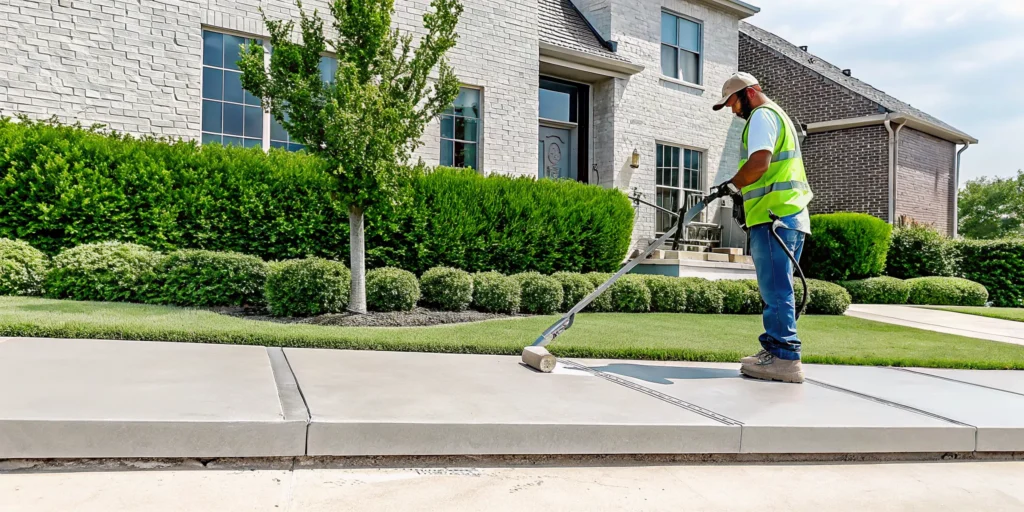
The constant shifting of our local clay soil means that concrete problems are a fact of life for many Dallas homeowners. When your driveway or pool deck starts to sink, it’s easy to feel overwhelmed by the potential cost and disruption of a major repair. However, a full replacement is rarely the only answer. PolyLevel offers a cost-effective alternative that can save you up to 70% compared to tearing out and repouring your concrete. This modern method provides a precise lift and long-term stability without the heavy equipment or lengthy cure times. Discover why so many homeowners trust PolyLevel concrete leveling in Dallas, TX, as their go-to solution.
Key Takeaways
- PolyLevel lifts concrete without adding weight: It uses a lightweight expanding foam to raise sunken slabs and stabilize the soil underneath, offering a smarter, more permanent fix than heavy mudjacking for Dallas’s unique soil issues.
- Save time and money over a full replacement: The PolyLevel process is fast, allowing you to use your driveway or patio the same day, and it can save you a significant amount compared to the cost of tearing out and pouring new concrete.
- Know when to choose PolyLevel: This method is ideal for lifting sunken concrete slabs that are still in good condition. If your concrete is severely cracked or crumbled, a professional assessment is the best way to determine the right solution for your property.
What Is PolyLevel Concrete Leveling?
If you’ve noticed your driveway, sidewalk, or patio starting to sink or crack, you’ve likely wondered if your only option is a costly and disruptive replacement. PolyLevel is a modern approach to concrete repair that lifts and stabilizes sunken slabs without the mess and expense of a total tear-out. Think of it as a high-tech solution to an age-old problem. Instead of pouring new concrete, this method uses a specialized expanding foam to bring your existing concrete back to its original position.
The process is designed to be minimally invasive and incredibly effective. PolyLevel offers a precise way to fix uneven concrete surfaces, restoring them to a safe, level state. It’s a popular choice for Dallas homeowners because it directly addresses the effects of our shifting soil, providing a durable and long-lasting fix for everything from a wobbly walkway to a sunken garage floor. By injecting the foam, we not only lift the slab but also stabilize the ground beneath it, which is key to preventing the problem from happening again.
How Does the Injection Process Work?
The PolyLevel injection process is straightforward and efficient. First, our team drills a few small, dime-sized holes in the sunken concrete slab. These holes are strategically placed to get the best lift. Next, we inject a two-part polymer foam through the holes into the voids beneath the concrete. As the two liquids mix, a chemical reaction causes the material to expand rapidly. This expansion generates a powerful lifting force that gently raises the slab back to its proper level. The foam also flows into and compacts the loose soil, creating a solid, stable base. You can see some of the impressive results on our Our Work page.
The Science Behind the Expanding Foam
The magic of PolyLevel is in its material. We use a high-density, structural-grade polyurethane foam that is incredibly strong yet surprisingly lightweight. Once injected, this foam is completely waterproof, which means it won’t wash away or degrade over time, even with Dallas’s heavy rains. This is a huge advantage, as water erosion is often a major cause of sinking concrete. Furthermore, the material is environmentally friendly and inert. It won’t leach harmful chemicals into your soil or affect your landscaping. It’s a clean, green, and permanent solution that reflects our commitment to using proven, high-quality products, a core part of who we are as a company you can learn more about on our About page.
PolyLevel vs. Traditional Methods: What’s the Difference?
For years, the go-to method for lifting concrete was mudjacking, which involves pumping a heavy slurry of mud, sand, and cement under the slab. The problem? You’re trying to fix a slab that sank because the soil was weak by adding hundreds of pounds of extra weight. This can cause the slab to sink again over time. PolyLevel is different. The expanding foam is exceptionally light, so it lifts the concrete without adding significant new weight to the unstable soil below. This makes it a much more reliable and durable solution for long-term foundation repair and stability. It’s a smarter, more modern approach that provides a lasting fix.
The Dallas Soil Problem: Why Your Concrete Keeps Cracking
If you live in the Dallas area and have a cracked driveway or sinking patio, you might blame the concrete itself. But more often than not, the real problem lies just beneath the surface. The unique soil conditions in North Texas create a constant battle for your concrete slabs, leading to the frustrating and unsightly damage you see. Understanding what’s happening underground is the first step to finding a lasting solution.
Understanding Dallas’s Expansive Clay Soil
Dallas is built on expansive clay soil. Think of this soil like a dense sponge. When it rains, the clay absorbs a massive amount of water and swells up, pushing everything above it upward. Then, during our hot, dry spells, the clay dries out and shrinks, creating gaps and voids. This constant cycle of expanding and contracting puts immense stress on your concrete slabs. This movement is a primary reason you see cracks and uneven surfaces, and it’s why a simple patch job often isn’t enough for a permanent concrete repair. Your concrete needs stable ground, and our local soil is anything but.
Common Drainage Issues on Local Properties
Poor drainage makes our tricky soil situation even worse. Sometimes, the soil around a home’s foundation wasn’t packed tightly enough during construction, causing it to settle over time. During dry weather, this soil can shrink away from your concrete, leaving it unsupported. Then, when a heavy Texas rainstorm hits, the water can wash away loose soil or oversaturate it, turning the ground soft and unstable. This is why issues often appear near downspouts or in areas with improper grading. Without solid support, your concrete is vulnerable to sinking and cracking, which can eventually lead to the need for foundation repair.
What Concrete Problems Can PolyLevel Fix?
If you have a concrete problem, there’s a good chance PolyLevel can solve it. This innovative foam injection technology is incredibly versatile, making it the go-to solution for a wide range of issues affecting homes and businesses across the Dallas area. From your front walkway to your warehouse floor, PolyLevel provides a precise, durable lift to sunken concrete. It’s a modern approach to concrete repair that addresses the root of the problem, the unstable soil beneath the slab, without the mess and expense of a full replacement.
Whether you’re dealing with a minor trip hazard or a major structural concern, PolyLevel offers a targeted fix. It works on sidewalks, driveways, patios, pool decks, garage floors, and even interior slabs. Because the process is so clean and quick, it’s an ideal solution for any concrete surface you need back in service as soon as possible. Let’s look at some of the most common concrete problems we solve with PolyLevel every day.
Sinking Sidewalks and Walkways
A sinking sidewalk or an uneven patio isn’t just an eyesore; it’s a serious trip hazard for your family and guests. In our area, it’s common to see walkways that have shifted, creating dangerous ledges and cracks. PolyLevel is the perfect fix for this. We can lift and level those sunken slabs in just a few hours, restoring a safe, even surface. The injection process is minimally invasive, so we won’t tear up your landscaping. You get a stable, secure walkway without the disruption or cost of pouring new concrete, letting you get back to enjoying your outdoor space worry-free.
Uneven Driveways and Garage Floors
Your driveway is one of the first things people see, and a cracked, sunken slab can ruin your home’s curb appeal. Worse, it can cause water to pool near your foundation, leading to bigger problems down the road. The same goes for your garage floor. A settled slab can create a large, inconvenient bump or a gap near the garage door. PolyLevel lifts and supports these heavy slabs, correcting the slope and eliminating water issues. You can see examples of our transformations on our Our Work page. The high-density foam is strong enough to support the weight of your vehicles, providing a stable, long-lasting solution.
Cracked or Settled Interior Slabs
Concrete problems aren’t limited to the outdoors. If your home is built on a slab foundation, soil settlement can cause sections of your floor to sink and crack. You might notice this as uneven floors, sticking doors, or gaps appearing between your floor and the baseboards. This can be a sign of a serious foundation repair issue. PolyLevel offers a clean and effective way to lift interior slabs from within your home. The process is much less disruptive than traditional methods, allowing us to raise your floor back to its proper position without major demolition or having you move out for days.
Parking Lots and Commercial Surfaces
For business owners, a sunken concrete slab in a parking lot, warehouse, or on a loading dock is a liability and an operational headache. PolyLevel is an excellent solution for commercial properties because it minimizes downtime. We can lift and stabilize large concrete surfaces quickly, allowing your business to continue operating with little to no interruption. The high-strength polymer foam can handle heavy loads and high traffic, making it ideal for commercial and industrial applications. By fixing the problem fast, you improve safety and avoid the high cost of replacing entire sections of concrete. Contact us to see how we can help your business.
PolyLevel vs. Mudjacking: Which Method Wins?
When you’re looking at options for concrete repair, you’ll likely come across two main contenders: traditional mudjacking and modern PolyLevel. Both aim to do the same thing, which is lift your sunken concrete slab back into place. However, they go about it in very different ways, and the method you choose can have a big impact on how long your repair lasts. For homeowners in Dallas, dealing with our tricky expansive soil, understanding these differences is key to making a smart investment in your property.
Mudjacking is the older method, involving pumping a heavy slurry of mud, sand, and cement underneath a concrete slab to raise it. PolyLevel, on the other hand, uses a high-density polyurethane foam that expands to lift the concrete. While the goal is the same, the materials, process, and long-term results are worlds apart. Let’s break down how they stack up against each other so you can see why one has become the clear winner for providing a lasting solution.
Comparing the Materials and Weight
The most significant difference between the two methods lies in the material itself. Mudjacking uses a dense, heavy slurry. While it can lift the concrete, it also adds a tremendous amount of weight to the soil beneath it. If the soil was already struggling to support the original slab, adding hundreds of pounds of new material can cause the same problem to happen all over again.
In contrast, PolyLevel uses an expanding foam that is incredibly strong yet lightweight. As one expert notes, “concrete leveling foam is lightweight, it won’t weigh down the soil and cause the concrete to resettle.” This is a game-changer, especially in the Dallas area. It lifts your concrete without putting additional stress on the unstable clay soil underneath, preventing future sinking.
How Quickly Can You Use Your Concrete?
No one wants their driveway or patio to be a construction zone for days on end. With mudjacking, the slurry needs significant time to cure, often 24 hours or more, before you can walk or drive on the surface. This can be a major inconvenience, especially if the repair is in a high-traffic area of your property.
PolyLevel offers a much faster turnaround. The process itself is quick, and the results are almost immediate. According to industry professionals, “The foam dries quickly (in about 15 minutes), so you can use the concrete almost right away.” This means you can have your sinking sidewalk fixed in the morning and be able to use it by the afternoon, minimizing disruption to your daily routine.
Which Solution Offers Lasting Stability?
A repair is only as good as how long it lasts. The slurry used in mudjacking is a mixture of soil and cement, which can erode or wash away over time, especially with Texas’s heavy rains. It’s also susceptible to shrinking and cracking, meaning you might find yourself dealing with the same sunken slab a few years down the road.
PolyLevel provides a much more permanent foundation repair for the soil beneath your slab. The polyurethane foam is waterproof and chemically inert, so it won’t wash away or break down. As it expands, it fills every void and compacts the surrounding soil. This process “strengthens the soil and repels water,” creating a stable, solid base that supports your concrete for years to come. It doesn’t just lift the slab; it fixes the problem that caused it to sink in the first place.
Key Benefits of Using PolyLevel in Dallas
When you see a crack in your driveway or a sinking step on your patio, it’s easy to imagine a long, messy, and expensive repair process. But what if it didn’t have to be that way? PolyLevel concrete leveling offers a modern solution that addresses the core problems Dallas homeowners face, from our tricky soil to our busy lifestyles. It’s not just about lifting concrete; it’s about providing a durable, fast, and cost-effective fix. Let’s look at the key advantages that make PolyLevel a standout choice for your home.
Get a Fast Fix with Minimal Disruption
One of the biggest headaches with traditional concrete repair is the disruption it causes. Tearing out and replacing a concrete slab can turn your property into a construction zone for days. PolyLevel, on the other hand, is designed for minimal intrusion. The process is incredibly efficient. Our technicians drill a few small, dime-sized holes in the slab and inject the foam. The material expands and cures in about 15 minutes, meaning you can walk or even drive on the repaired surface the very same day. This makes it the perfect solution for high-traffic areas like driveways, walkways, and pool decks, allowing you to get back to your routine without delay.
Use an Eco-Friendly and Waterproof Solution
You want a solution that’s not only good for your home but also for the environment. PolyLevel is an inert, waterproof polymer, which means it won’t react with the soil or release harmful chemicals over time. Unlike mudjacking slurry, which can be washed away by water, the high-density foam is completely waterproof. This quality is essential for providing a stable, long-lasting lift. Once cured, it creates a barrier that prevents water from seeping underneath and causing further erosion or soil softening. Choosing PolyLevel is a responsible way to handle your concrete repair needs while protecting your property from future water-related issues.
Achieve Long-Term Soil Stability
Simply lifting a concrete slab isn’t enough, especially in the Dallas area where expansive clay soil is a constant challenge. The real goal is to create a stable foundation that prevents the problem from recurring. This is where PolyLevel truly shines. As the polyurethane foam is injected, it expands to fill every void beneath the slab. This process also compacts the loose soil underneath, creating a strong, solid base. The foam essentially becomes part of the ground, hardening and stabilizing the soil to prevent future settlement. This proactive approach addresses the root cause of the issue, offering a permanent solution rather than a temporary patch.
Save Money Compared to Full Replacement
Seeing sunken concrete often leads to one thought: replacement. But the cost of demolition, removal, and pouring new concrete can be staggering. PolyLevel offers a much more affordable alternative, often saving homeowners up to 85% compared to the cost of a full replacement. Because the process is less labor-intensive and requires no heavy machinery or material hauling, the savings are significant. It’s a smarter financial decision that delivers comparable, if not better, results. We even offer flexible financing options to ensure that a safe and stable property is within reach for every homeowner.
How Much Does PolyLevel Cost in Dallas?
When you see a cracked or sinking slab, one of the first questions that comes to mind is, “How much is this going to cost?” It’s a valid concern, and the answer isn’t always straightforward. While every project is unique, PolyLevel concrete leveling is often a surprisingly affordable solution, especially when you consider the alternative. Tearing out and replacing concrete is a massive, expensive job that disrupts your life for days or even weeks. In contrast, using PolyLevel can save you up to 70% of that replacement cost, making it a much more budget-friendly option for Dallas homeowners.
The price for PolyLevel typically ranges from $5 to $25 per square foot. However, this is just a ballpark figure. The final cost depends entirely on the specifics of your property and the extent of the damage. Think of it less like buying a product off the shelf and more like commissioning a custom repair tailored to your home’s unique needs. Because the soil in the Dallas area can be so unpredictable, a one-size-fits-all price just doesn’t work. To get a clear picture of your investment, it’s always best to get a professional assessment from an expert who can see the problem firsthand and give you a precise quote.
What Factors Influence the Price?
The final quote for your PolyLevel project will depend on a few key variables. The most obvious factor is the size of the area that needs lifting; a small section of sidewalk will naturally cost less than an entire two-car driveway. The extent of the sinking also plays a big role. A slab that has only dropped an inch will require less material and time than one that has sunk several inches. The complexity of the job, including how easy it is to access the site and any special considerations for your property, can also affect the price. The best way to understand your specific costs is to get one of our free estimates.
Is It a Worthwhile Investment?
Absolutely. While you might see a slightly higher upfront cost compared to older methods like mudjacking, PolyLevel is a smarter long-term investment in your property. This modern method of concrete repair uses a high-density expanding foam that is lightweight, durable, and waterproof. It doesn’t add significant weight to the already unstable soil beneath your slab, which is a common problem with traditional mudjacking. This means you get a stable, long-lasting solution that addresses the root of the problem, not just a temporary patch. Plus, the process is fast and minimally invasive, so you can use your driveway or patio again in a matter of hours, not days.
Is PolyLevel the Right Fix for Your Concrete?
Deciding on the best way to fix your concrete can feel like a big commitment. You see the cracks and the uneven slabs, and you know something needs to be done, but what’s the right move? While PolyLevel is an incredible technology for lifting and stabilizing concrete, it’s helpful to know when it’s the star player and when another solution might be better suited for the job. The goal is to find a lasting fix that addresses the root cause of the problem, not just a temporary patch.
Think of it this way: you wouldn’t use the same tool for every household repair, and the same logic applies here. The right method depends entirely on the condition of your concrete, the stability of the soil beneath it, and your long-term goals for the property. Making an informed choice starts with understanding your options. This section will walk you through the ideal scenarios for PolyLevel and point out situations where you might need to consider a different approach. Ultimately, a professional assessment is the only way to get a definitive answer, but this guide will give you the confidence to ask the right questions.
When to Choose PolyLevel
PolyLevel is the go-to solution when your concrete slabs are sinking or uneven but are otherwise in decent shape. If you have a driveway that’s settled, a sidewalk that’s become a trip hazard, or a garage floor that’s tilting, PolyLevel is likely your best bet. It works by injecting a high-density polyurethane foam beneath the slab, which expands to lift the concrete back into place and stabilize the soil underneath.
This method is a fantastic modern approach to concrete repair because it’s so much faster and cleaner than a full replacement. There’s no need for messy excavation or waiting days for new concrete to cure. The foam is lightweight, so it won’t add extra stress to the soil, and it’s waterproof, so it won’t wash away over time.
When to Consider Other Options
While PolyLevel is versatile, it’s not a cure-all. If your concrete is severely damaged, crumbled, or broken into many small pieces, lifting it might not be practical. In these cases, replacing the slab might be the only viable option. Additionally, if your concrete issues are a symptom of a more serious structural problem, you may need a comprehensive foundation repair plan to address the underlying cause.
This is also not a DIY project. Attempting to level concrete on your own can easily lead to more damage and unsatisfactory results. The only way to know for sure what your property needs is to have an expert take a look. A trained professional can assess the damage, test the soil, and determine the best course of action, giving you a clear path forward with a free estimate.
How to Find a Reliable PolyLevel Contractor in Dallas
Finding the right contractor for your concrete repair can feel like a big task, but it doesn’t have to be. When you know what to look for, you can confidently choose a company that will get the job done right. A reliable PolyLevel contractor in Dallas will have a proven track record, transparent pricing, and a commitment to quality. Here are a few key things to check before you hire someone to work on your property.
Check for Local Expertise and Reviews
When you’re vetting contractors, start by looking for proof of their experience, especially with Dallas-area properties. Our expansive clay soil creates unique challenges, so you want a team that understands the local landscape. Ask to see pictures of their past work; a reputable company will be happy to show you their projects. You should also read through customer reviews. While a company’s website is a good starting point, check third-party sites too. Seeing consistently positive feedback is a great sign that you’re dealing with skilled professionals who care about their customers and the quality of their concrete repair.
Ask for a Free, Written Estimate
No one likes surprise costs, and a professional contractor understands that. Reputable companies in the Dallas area should always offer a free, no-obligation estimate for your project. This shows they are confident in their pricing and are not trying to pressure you into a sale. During the assessment, they should listen to your concerns, thoroughly inspect the area, and explain their proposed solution. Be sure to get the estimate in writing. This document protects both you and the contractor by clearly outlining the scope of work and the associated costs, ensuring everyone is on the same page before the project begins. You can usually request an estimate directly on their website.
Verify Warranties, Certifications, and Products
A warranty is more than just a piece of paper; it’s a promise that the company stands behind its work. Before signing a contract, ask about the warranties they offer on both materials and labor. It’s also a good idea to confirm they are using high-quality, proven products like PolyLevel, which is waterproof and designed to last. The best contractors combine excellent products with expert installation. Look for a company with experienced, skilled professionals who are properly trained and certified. This combination ensures your concrete isn’t just lifted, but that the repair provides a stable, long-term solution for your home.
Trust Your Concrete Repair to Dallas’s Experts
When you spot a crack in your driveway or a sinking step on your patio, your first instinct might be to look up a quick DIY patch. I get it, but for homes in the Dallas area, these surface-level issues often point to deeper problems with the underlying soil. A simple patch won’t fix the root cause, and you’ll likely find yourself dealing with the same problem again in a year or two. This is where turning to a professional makes all the difference.
Experts in the field don’t just cover up the damage; they provide lasting concrete repair by addressing the unstable ground beneath. Using advanced techniques like polyurethane foam injection, specialists can lift and stabilize your concrete slabs from below. This method is not only incredibly effective but also minimally invasive. Unlike traditional mudjacking, the process is quick, the material is lightweight and waterproof, and you can use your driveway or sidewalk almost immediately after the job is done.
Choosing the right team is just as important as choosing the right method. You want a local company that understands the challenges of our expansive clay soil and has a track record of successful projects. A reputable contractor will use proven, high-quality products and stand behind their work with a solid warranty. By working with experienced professionals, you get the peace of mind that your investment is protected and your home is on solid ground.
If you’re tired of looking at uneven or cracked concrete, the best next step is to get a professional opinion. An expert can assess the damage, identify the cause, and walk you through the most effective solution for your property. Don’t settle for a temporary fix; contact a specialist to get a permanent solution and restore your home’s safety and curb appeal.
Related Articles
- PolyLevel – Solid Base
- Polyurethane Slab Jacking: A Homeowner’s Guide
- Concrete Repair – Solid Base
- Ultimate Guide to Foundation Repair Options
- A Homeowner’s Guide to Foundation Repair Services
Frequently Asked Questions
How long does a PolyLevel repair last? A PolyLevel repair is designed to be a permanent solution. The polyurethane foam we use is waterproof and incredibly stable, so it won’t wash away or break down in the soil like the materials used in mudjacking. It also compacts the loose soil beneath your slab, creating a solid base that resists the expansion and contraction of our local clay soil. This means it addresses the root cause of the sinking, providing a durable fix that lasts for years.
Will the PolyLevel process damage my landscaping or yard? Not at all. One of the best parts of the PolyLevel process is how clean and targeted it is. We only need to drill a few small, dime-sized holes in the concrete to inject the foam. There is no heavy machinery tearing up your lawn or garden beds. The process is self-contained, and our team is careful to leave your property looking just as good as we found it, but with perfectly level concrete.
How soon can I use my driveway or patio after the repair? You can use your concrete almost immediately. The polyurethane foam cures very quickly, typically hardening in about 15 minutes. By the time our crew packs up and leaves, your driveway, sidewalk, or patio is ready for normal foot traffic. You can even drive your car on a repaired driveway the very same day, which is a major advantage over methods that require a day or more of curing time.
Is PolyLevel a good option if my concrete is badly cracked? PolyLevel is excellent for lifting and leveling concrete slabs that are sinking but are still mostly intact. However, if your concrete is severely crumbled or shattered into many small pieces, lifting it with foam may not be the best approach. In those situations, replacing the slab might be the more practical solution. The best way to know for sure is to have a professional assess the damage in person.
Why is PolyLevel a better choice than mudjacking for Dallas homes? The key difference is the material’s weight and durability. Mudjacking pumps a heavy cement slurry under the slab, adding hundreds of pounds of weight to soil that is already weak and unstable. PolyLevel uses a lightweight foam that lifts the slab without adding extra stress to the ground. Since our expansive clay soil is the main culprit for sinking concrete in Dallas, using a lightweight, waterproof material that stabilizes the soil is a much smarter and more reliable long-term investment.