
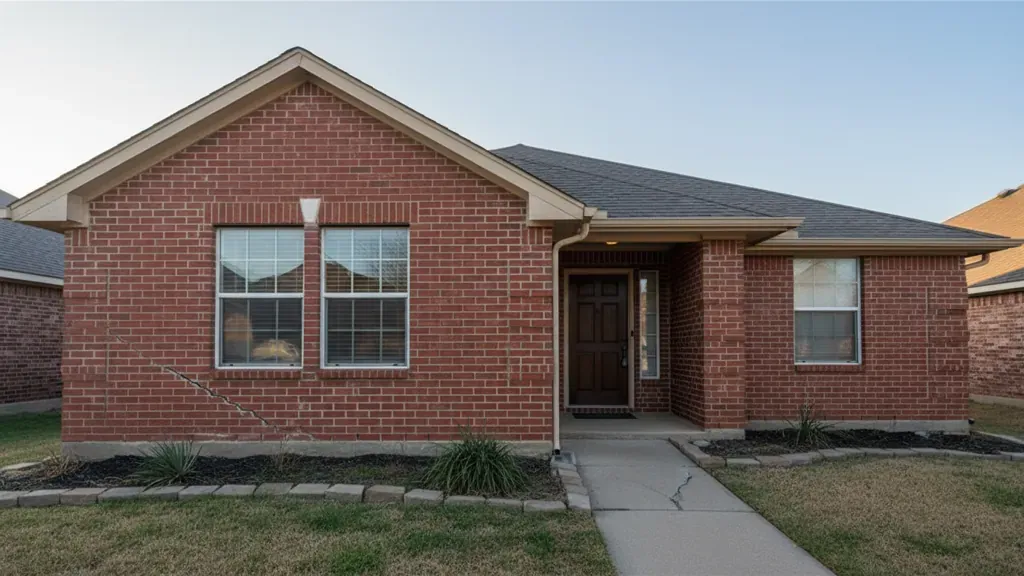
Signs of Foundation Problems in Dallas Homes
The signs of foundation problems are not always dramatic at first. In many Dallas-area homes, they begin as a door that suddenly sticks, a thin drywall crack that returns after patching, or a floor that feels a little less level than it used to. Because North Texas clay soil expands when it absorbs moisture and shrinks during dry stretches, small symptoms can be worth a closer look before they spread into several parts of the home.
Not sure whether the changes around your home are cosmetic or structural? Request a free, no-obligation estimate from Solid Base Foundations or call 940-365-4221.
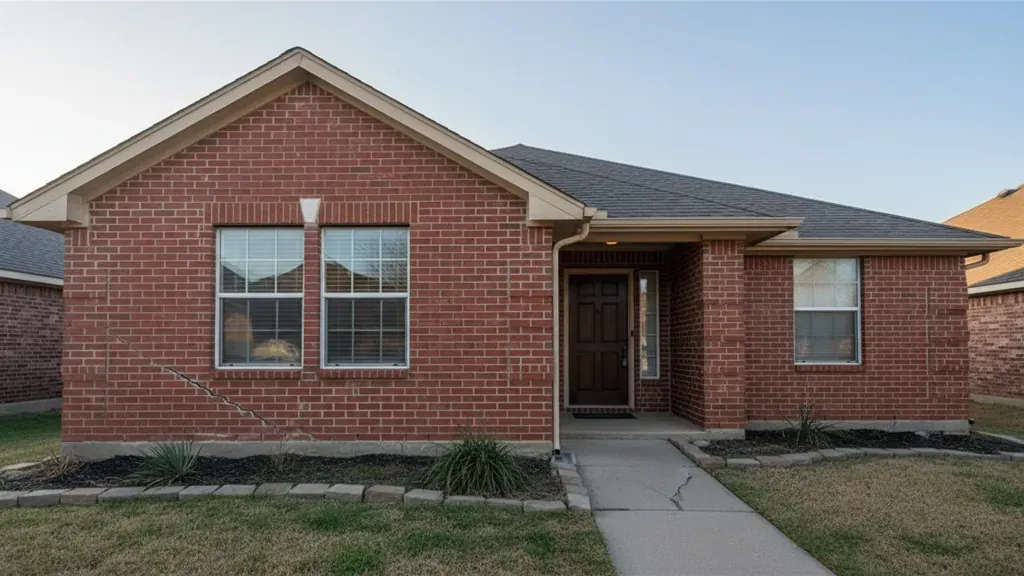
This guide helps Dallas homeowners separate everyday wear from warning patterns that deserve professional evaluation. It covers interior, exterior, floor, door, window, and concrete symptoms, then gives you a practical checklist for deciding what to document next.
Why Dallas Homes Show Foundation Warning Signs
Foundation movement is common in North Texas because local soils do not stay perfectly consistent year-round. Expansive clay can swell after periods of heavy rain, then contract during hot, dry weather. That repeated movement can place uneven pressure on slabs, pier and beam systems, walls, and nearby concrete.
Moisture changes are not the only factor. Drainage patterns, plumbing leaks, mature tree roots, and soil that was not compacted evenly can all affect how a home settles. The result is often not one isolated symptom, but a pattern of changes that appears across doors, walls, flooring, trim, brickwork, and exterior flatwork.
That is why the best question is rarely, “Do I have one crack?” A better question is, “Are several parts of my home starting to move in ways that line up?”
The Most Common Signs of Foundation Problems
Some warning signs show up indoors. Others appear outside, around the slab, or in nearby concrete. The more symptoms that appear together, the more useful it becomes to schedule a professional assessment.
1. Drywall Cracks That Reappear or Widen
Hairline drywall cracks can happen for ordinary reasons, especially near seams. However, cracks that repeatedly return after patching, stretch diagonally from door or window corners, or grow wider over time can suggest that the framing around them is shifting.
- Diagonal cracks running from the upper corner of a door or window
- Cracks where walls meet ceilings
- Separations that become easier to see during dry or wet seasons
- Nail pops or trim gaps that show up in the same area as wall cracking
One small crack does not prove structural trouble. A recurring crack, especially when paired with sticking doors or sloped floors nearby, is more meaningful.
2. Doors That Stick, Drag, or Swing Open
Doors are often among the first places homeowners notice a change. If the frame shifts slightly, the door may rub at the top, fail to latch cleanly, or swing open on its own. Seasonal humidity can also affect wood doors, so context matters.
Pay closer attention when several interior doors begin sticking at the same time, or when an exterior door becomes difficult to close without an obvious hinge problem. That pattern can point to movement below the wall line rather than a single hardware issue.
3. Windows That Bind or Pull Away From Trim
Windows can show similar warning signs. Frames may become harder to open, locks may stop lining up smoothly, or gaps can form between trim, brick, or caulking. In brick homes, watch for separation between window frames and masonry, especially if nearby mortar joints also show stair-step cracking.
These symptoms matter because openings in the wall are natural stress points. When the structure moves, doors and windows often reveal the change early.
If doors, windows, and cracks are changing together, review your options for foundation repair before the problem becomes harder to diagnose.
4. Uneven, Sloping, or Bouncy Floors
Floors should feel stable underfoot. A noticeable dip, slope, soft section, or bouncy area can be a sign that support below the floor is changing. In slab homes, flooring may crack, separate, or feel uneven as the concrete below moves. In pier and beam homes, the symptom can feel more flexible or springy.
- Tile cracks that follow a line across the room
- Wood or laminate planks separating or lifting
- A rolling ball drifting consistently toward one side of a room
- New gaps between baseboards and flooring
Homeowners who want a deeper look at this specific symptom can also review Solid Base Foundations’ guide to sinking floor repair.
5. Exterior Brick Cracks and Stair-Step Mortar Cracks
Brick and mortar often make movement easier to see. Stair-step cracks that follow mortar joints, diagonal cracking near openings, or separations where brick meets trim can indicate that part of the home is settling differently than the rest.
Small mortar cracks can come from age or normal expansion, but wider cracks, cracks that continue through brick rather than mortar alone, or cracks that appear alongside interior symptoms deserve attention. Photograph them with a date so you can compare whether they change.
6. Gaps Around Garage Doors, Fascia, or Exterior Trim
Foundation movement can affect more than the main living area. Look around garage door openings, fascia lines, brick-to-siding transitions, and exterior trim. Uneven gaps, trim pulling away, or a garage door that no longer seems square in the opening can be part of the same movement pattern.
The key is consistency. A single weathered trim board may be routine maintenance. Several misaligned openings and wall cracks in the same portion of the home deserve a closer review.
7. Cracks in Concrete Near the Home
Driveways, patios, walkways, porches, and pool decks do not prove that the foundation is failing, but they can show what the surrounding soil is doing. Concrete that sinks, tilts, or cracks near the home may signal soil movement or drainage issues that also affect the house.
This is especially useful when exterior flatwork slopes toward the foundation, directs water toward the structure, or begins to separate from adjoining surfaces. If the concrete itself has become uneven, Solid Base Foundations also explains repair considerations in its cracked concrete driveway repair guide.
Interior, Exterior, and Concrete Symptoms at a Glance
| Area | What to Watch For | Why It Matters |
|---|---|---|
| Interior walls | Diagonal drywall cracks, ceiling separations, nail pops | Can reveal stress around wall framing and openings |
| Doors and windows | Sticking, rubbing, latch problems, frame gaps | Often show subtle structure movement early |
| Floors | Sloping, bouncing, cracked tile, separating planks | May point to changing slab or support conditions |
| Brick and trim | Stair-step cracks, masonry separation, uneven gaps | Can show visible exterior settlement patterns |
| Concrete around the home | Sunken slabs, tilting walkways, new driveway cracks | May reflect soil or drainage conditions nearby |
When Is a Crack Cosmetic, and When Is It a Concern?
Not every crack means a foundation repair is needed. Concrete shrinks as it cures, drywall moves with minor seasonal changes, and caulk lines eventually fail. The concern rises when a crack is one part of a larger movement pattern.
Consider the issue more seriously when you see any of the following:
- A crack that gets longer, wider, or more visible over time
- Diagonal cracks near doors or windows paired with sticking openings
- Exterior brick cracking that lines up with interior wall cracks
- Floor slope, separation, or tile cracking in the same side of the home
- Several symptoms appearing after a wet season, drought period, or drainage change
For a focused explanation of different crack types and why the cause matters, see the foundation crack repair guide.
Solid Base Foundations has served Greater Dallas for more than 18 years. If your symptoms line up, request a free estimate instead of guessing.
Dallas Homeowner Foundation Problem Checklist
Use this quick checklist during a walkthrough. A single checked item may not be urgent. Several checked items, especially in the same area of the house, are worth documenting and discussing with a specialist.
- Drywall cracks that return after patching
- Diagonal cracks above windows or doors
- Interior or exterior doors that stick or will not latch smoothly
- Windows that bind, shift, or show trim gaps
- Uneven, sloping, soft, or bouncy floors
- Tile cracks or flooring separation that follows a line
- Stair-step mortar cracks in exterior brick
- Brick, siding, or trim pulling away around openings
- Garage door opening that looks out of square
- Driveway, porch, patio, or walkway concrete sinking near the home
- Water draining toward the foundation after rain
- Symptoms that are becoming more noticeable month to month
Take clear photos, note the room or exterior wall, and record the date. That information helps a professional understand whether signs appear isolated or connected.
What Causes These Signs in North Texas?
Dallas homeowners often hear about expansive clay soil because it plays such a major role in local foundation behavior. When the soil beneath or beside a home changes moisture content unevenly, some sections can rise or settle differently than others. That uneven movement can transfer stress into the structure above.
Common contributors include:
- Long dry periods that shrink clay soils
- Heavy rainfall after a dry stretch
- Poor surface drainage or negative grading
- Plumbing leaks that oversaturate soil in one zone
- Tree roots influencing moisture near the home
- Settlement conditions that leave one section less supported
When movement becomes a repair issue, the right solution depends on the cause and the structure. Solid Base Foundations uses specialized foundation systems and provides tailored assessments rather than one-size-fits-all recommendations. Homeowners who want more background on settlement can review the foundation settlement repair guide.
What to Do If You Notice Multiple Warning Signs
- Document the symptoms. Photograph cracks, gaps, doors, windows, and uneven concrete. Note dates and locations.
- Look for patterns. Symptoms on the same side of the home can be more meaningful than isolated issues in unrelated rooms.
- Check drainage. Watch where water moves after rain and note any spots that collect near the house.
- Avoid cosmetic cover-ups first. Repainting or recaulking may hide changes before the cause is understood.
- Schedule an evaluation. A trained specialist can compare the visible signs with the home’s foundation type, soil conditions, and repair options.
Solid Base Foundations offers free on-site inspections and no-obligation estimates for homeowners across the Dallas-Fort Worth area. Depending on what is found, solutions may involve pier systems for settlement-related foundation concerns or other repair recommendations suited to the property.
Why Acting Early Helps
Foundation symptoms usually do not become easier to interpret after they are ignored. A sticking door can become several misaligned openings. A small crack pattern can become a wider separation. A drainage issue can keep applying pressure in the same place season after season.
Early evaluation does not automatically mean a major repair is required. It means you get clearer information while the visible symptoms are easier to document. That makes it easier to decide whether you are looking at normal maintenance, monitoring, or a foundation concern that should be addressed.
For Dallas homeowners, the practical next step is simple: if you see several signs of foundation problems together, get an expert opinion before the pattern grows.
Frequently Asked Questions
What are the first signs of foundation problems?
Early signs often include recurring drywall cracks, doors that begin sticking, windows that no longer open smoothly, small trim separations, or floors that feel slightly uneven. These symptoms matter more when several appear together.
Are foundation problems common in Dallas homes?
Dallas-area homes can experience foundation movement because North Texas clay soils expand and contract with changing moisture levels. Drainage, dry weather, plumbing leaks, and tree roots can also influence how soil behaves around a home.
Do sticking doors always mean foundation trouble?
No. Humidity, worn hinges, or frame issues can make a door stick. Concern rises when several doors change at once or when sticking doors appear with wall cracks, floor slope, or exterior masonry movement.
Should I worry about cracks in exterior brick?
It depends on the pattern. Small mortar cracks may be routine, but stair-step cracks, widening gaps, cracks through brick, or cracks that align with interior symptoms should be evaluated.
When should I call a foundation repair professional?
Call when you notice multiple warning signs, symptoms that are worsening, or movement patterns that affect doors, walls, floors, and exterior masonry together. Solid Base Foundations offers free estimates in the Greater Dallas area.
Get a Clearer Answer for Your Dallas Home
If you are seeing cracks, sticking doors, uneven floors, or exterior concrete changes, do not rely on guesswork alone. Solid Base Foundations brings more than 18 years of local experience, support from the Foundation Supportworks network, and repair options backed by established systems, including a 25-year manufacturer’s warranty on foundation pier systems.
Call 940-365-4221 or request your free estimate online to understand what the signs around your Dallas home may mean.