
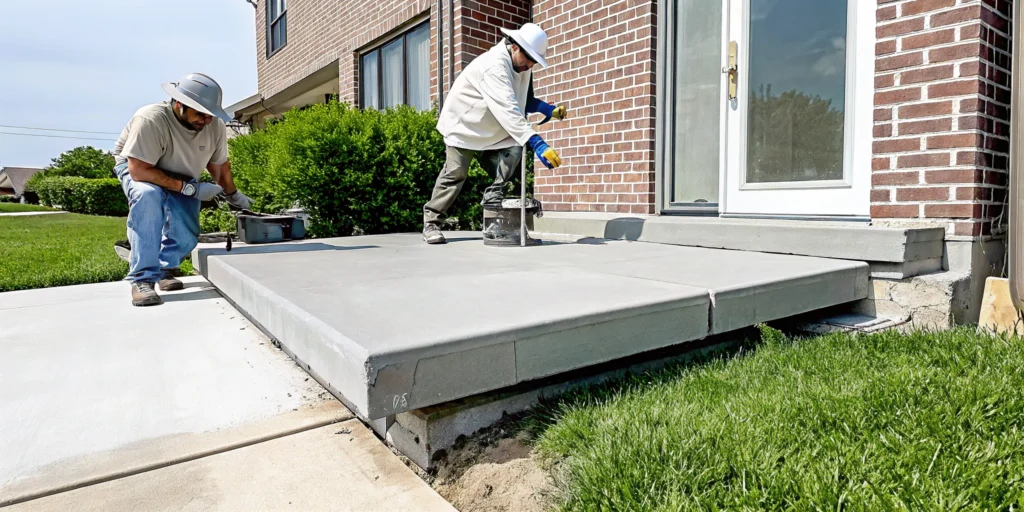
Your home has a way of telling you when something is wrong. It might be a door that suddenly sticks, a small crack that appears in the drywall, or a floor that feels slightly off-kilter. Here in North Texas, these subtle signs are often the first warnings of foundation movement caused by our expansive clay soil. While it’s tempting to dismiss them as minor quirks, they can be symptoms of a much larger issue developing beneath your feet. Learning to read these signals is the first step toward protecting your biggest investment. This article will help you identify the common warning signs and understand when it’s time to call a professional for slab foundation repair Dallas TX.
Key Takeaways
- Know the early warning signs: Your home communicates through symptoms like sticking doors, sloping floors, and new cracks in your walls. Identifying these issues early is the best way to prevent small problems from turning into costly, complex repairs.
- A real solution goes beyond a quick fix: A professional repair addresses the root cause of the problem, which often involves managing drainage to prevent future movement. The process should always start with a detailed inspection to create a customized, long-term plan for your home.
- Choose your contractor carefully: Protect your investment by selecting a company with proven local experience, positive third-party reviews, and a strong, transferable warranty. A trustworthy expert will always offer a transparent, free estimate to explain your options.
Spotting the Signs: Does Your Dallas Slab Foundation Need Repair?
Your home has its own way of communicating, and sometimes, it’s trying to tell you that something is wrong with its foundation. Here in the Dallas area, our expansive clay soil can cause foundations to shift, settle, and heave. Learning to spot the early warning signs can save you a lot of stress and money down the road. Paying attention to subtle changes in your home is the first step toward protecting your biggest investment. Let’s walk through some of the most common signs that your slab foundation might need a professional look.
Sloping or Uneven Floors
Have you ever dropped a marble and watched it roll to the same corner of the room every time? That’s a classic sign of sloping or uneven floors. It might feel like a slight dip as you walk across a room or look like a visible slant in your flooring. This often happens when one part of your foundation has settled more than the others, creating an unlevel surface throughout your home. While it might seem like a quirky feature at first, a sloping floor is a clear indicator that your foundation is experiencing movement and needs attention.
Doors and Windows That Stick
If you suddenly need to give your front door a good shove to get it closed, your foundation might be the culprit. When a foundation shifts, it can twist and warp the frames of your doors and windows. This distortion prevents them from opening and closing smoothly. You might notice a door that scrapes the floor, a window that’s difficult to lock, or a door that won’t stay latched. This isn’t just an annoyance; it’s a common symptom of underlying structural movement that often requires professional foundation repair.
Cracks in Your Walls, Brick, or Tile
Cracks can be alarming, and they are often the most visible sign of foundation trouble. Look for diagonal cracks extending from the corners of doors and windows, zigzag patterns in your exterior brickwork, or cracks appearing in floor tiles. These aren’t just cosmetic issues; they are signs of stress. As your foundation moves, it puts pressure on the rigid materials of your home, causing them to crack. If you’re seeing cracks in your concrete slab itself, it’s a good idea to understand what concrete repair options are available.
Gaps Forming Around Doors and Windows
Take a close look at the frames around your doors and windows. Do you see gaps where the frame is pulling away from the wall? Maybe you can see daylight around a closed exterior door, or the caulk around your windows is separating. This is a sign that foundation settlement has become more significant, causing parts of your home’s structure to pull apart. These gaps are a strong signal that your home is experiencing serious movement and that it’s time to get a professional opinion on the underlying cause.
When a Crack Is Just a Crack (and When It’s Not)
It’s important to know that not every crack spells disaster. Small, hairline cracks in your drywall can be a normal part of a house settling over time. The cracks to watch for are the ones that indicate a bigger problem. Be on the lookout for cracks that are wider than a quarter-inch, run horizontally along your foundation wall, or are wider at one end than the other. These types of cracks suggest significant structural stress rather than simple cosmetic settling and should be inspected.
Know When to Call a Professional
If you’re noticing one or more of these signs, especially if they seem to be getting worse over time, it’s best not to wait. Foundation issues don’t fix themselves; they typically become more complex and expensive to address the longer you put them off. Getting a professional inspection is the best way to understand what’s happening with your home and what it will take to fix it. A thorough assessment can give you peace of mind and a clear path forward. You can contact us for a free, no-obligation estimate to get the answers you need.
What Does Slab Foundation Repair Cost in Dallas?
Let’s talk about the number one question on every homeowner’s mind: what is this going to cost? The truth is, there’s no single price tag for slab foundation repair. The final cost can range from a few hundred dollars for minor crack sealing to tens of thousands for extensive structural work. Think of it like a car repair; you can’t get a quote until the mechanic looks under the hood. The same goes for your home’s foundation.
The price depends entirely on what’s causing the problem, the extent of the damage, and the specific solution your home needs. While it can feel like a significant and often unexpected expense, remember that a solid foundation is essential for your home’s safety and long-term value. Ignoring the problem will only lead to more severe, and more expensive, damage down the road. Because this is a major home investment, many companies offer financing options to make the cost more manageable. The only way to get a true number is to have a professional assess the situation, so let’s break down what goes into that final estimate.
Understanding Minor Fixes vs. Major Structural Work
Not every crack signals a catastrophe. Sometimes, a small, non-structural crack in your slab can be filled for a relatively low cost, often between $500 and $1,500. If your slab is uneven but structurally sound, a method like slab jacking (also called mudjacking) might be an option, typically costing around $1,000 to $3,000.
However, if the damage is more serious and threatens your home’s stability, you’ll be looking at major structural repairs. These solutions, which often involve installing piers to support the foundation, are much more involved. Costs for these projects can start around $10,000 and go up to $40,000 or more, depending on how many piers are needed and the complexity of the job. This is where a professional concrete repair assessment becomes critical.
What Factors Influence Repair Costs?
Several key factors determine the final price of your foundation repair. The most obvious is the severity of the problem. A few small cracks will cost much less to fix than a foundation that has settled by several inches. The size of your home also plays a role; a larger foundation simply requires more materials and labor to stabilize.
The specific repair method chosen is another major cost driver. Injecting polyurethane foam is very different from installing deep steel piers. Finally, the accessibility of the damaged area can affect the price. If contractors have to work in tight crawl spaces or navigate around extensive landscaping, it can add to the labor costs. A thorough inspection is the first step in any foundation repair to account for all these variables.
The Role of Dallas Clay Soil and Drainage
If you live in the Dallas area, you’re likely familiar with our challenging soil. The expansive clay soil common in North Texas is a primary culprit behind foundation issues. This soil acts like a sponge; it swells dramatically when it absorbs moisture and shrinks just as much when it dries out. This constant cycle of expansion and contraction causes your home’s foundation to shift up and down.
Over time, this movement can create serious foundation problems and put your home’s structural integrity at risk. That’s why a true, lasting repair often involves more than just lifting the foundation. An expert will also assess your property’s drainage to prevent future soil movement. Proper drainage management is key to protecting your foundation in our unique service area.
How to Read Your Repair Estimate
When you receive an estimate, it should be more than just a number. A trustworthy contractor will provide a detailed breakdown of the entire project. Make sure the estimate clearly explains everything included in the price, such as the number and type of piers, any necessary leveling, drainage improvements, and follow-up support. This level of detail is crucial for helping you understand exactly what you’re paying for.
A transparent estimate also allows you to compare offers from different companies fairly. Be wary of any quote that seems vague or unusually low. A quality repair is an investment, and a clear, comprehensive estimate is the first sign you’re working with a professional. When you’re ready for a clear and honest assessment, you can contact us for a free, no-obligation estimate.
What to Expect During Your Slab Foundation Repair
Finding out your home needs foundation repair can feel overwhelming, but knowing what the process involves can make it much more manageable. The good news is that a professional repair isn’t a mystery. It’s a structured process designed to stabilize your home and give you peace of mind. From the first look at the problem to the final walkthrough, a good contractor will keep you informed every step of the way.
The entire process is centered on one goal: correcting the existing problem and preventing it from happening again. It starts with a detailed inspection to understand exactly what’s going on beneath your home. From there, your repair team will develop a targeted plan using proven methods. While every home is different, the path to a stable foundation follows a clear set of steps. We’ll walk you through what a typical foundation repair project looks like, so you can feel confident and prepared.
Step 1: The Initial Inspection and Assessment
Before any work begins, the first step is always a thorough inspection. A foundation specialist will visit your home to conduct a detailed assessment. This isn’t just a quick glance at a crack in the wall. The specialist will evaluate the root cause of the foundation movement, whether it’s from soil settlement, moisture issues, or other structural factors. They will determine the severity of the damage, check the soil conditions under your home, and figure out if the foundation is still actively moving. This comprehensive evaluation is essential for creating an effective, long-lasting repair plan tailored specifically to your property. You can schedule a free estimate to get this process started.
Step 2: Choosing the Right Repair Method for Your Home
Once the assessment is complete, your contractor will recommend the best repair method for your home’s specific needs. There is no single solution for every foundation problem, so the right approach will depend on your foundation type, soil conditions, and the extent of the damage. A trustworthy professional will walk you through the options, explaining the pros and cons of each so you can make an informed decision together. The goal is to choose the most effective and permanent solution to secure your home for years to come.
Concrete Pressed Piers
Concrete pressed piers are one of the most common solutions used for foundation repair in Texas. This method involves hydraulically driving pre-cast concrete cylinders into the ground until they reach a stable soil layer. Because they are so widely used in our area, they are a reliable and well-understood option for lifting and stabilizing a home’s foundation.
Bell Bottom Piers
Often considered a superior method, bell bottom piers are known for their exceptional stability. This technique involves drilling a hole into the ground, then carving out a “bell” shape at the bottom, which is filled with concrete and reinforced with steel. This wider base provides a large, solid footing that offers incredible support for the foundation above it.
Helical Piers
If your slab foundation is sinking, helical piers are an excellent go-to solution. These look like giant steel screws and are twisted deep into the ground until they reach stable, load-bearing soil. Unlike other methods that rely on the weight of your house, helical piers are installed using torque, making them a versatile option for various soil types and foundation issues.
Polyurethane Foam Injection
A more modern technique for slab foundation issues is polyurethane foam injection, also known as polyjacking. This method involves injecting a structural-grade polymer foam through small holes in the slab. The foam expands, filling any voids beneath the concrete and lifting the slab back to its original position. It’s a fast, minimally invasive, and effective way to handle certain types of concrete repair and stabilization.
Step 3: Checking the Plumbing Before and After
Foundation movement and plumbing problems often go hand in hand. Shifting soil can crack or break the pipes running beneath your slab, leading to leaks that can worsen foundation issues. That’s why it’s critical to have your plumbing checked by an independent plumber both before and after the foundation work is done. A pre-repair inspection can identify existing leaks that might be contributing to the problem. A post-repair check ensures that the lifting process didn’t cause any new damage. Catching plumbing issues early can save you from expensive water damage and further foundation trouble down the road.
Step 4: Adding Long-Term Drainage Solutions
Repairing your foundation is crucial, but preventing future problems is just as important. In the Dallas area, expansive clay soil and improper water drainage are the primary culprits behind most foundation issues. To protect your investment, your repair plan should include a long-term drainage solution. This might involve installing French drains, regrading the soil around your home, or ensuring your gutters and downspouts are effectively directing water away from the foundation. Addressing drainage helps maintain consistent moisture levels in the soil, which is key to preventing the movement that causes foundation damage in the first place.
How Long Will the Repair Take?
One of the first questions homeowners ask is, “How long will my house be a construction zone?” Fortunately, most foundation repairs can be completed within a few days. The exact timeline depends on the method being used and the number of piers or injection points required. A simple polyurethane foam injection might only take a day, while a more extensive pier installation could take two to four days. Your contractor will provide a clear and detailed timeline after the initial assessment, so you’ll know exactly what to expect and for how long.
How to Clearly Explain the Issues to Your Contractor
To get the most accurate assessment, it helps to come prepared for your initial consultation. Before the specialist arrives, walk around your property and make a list of every sign of trouble you’ve noticed. Note the location of wall cracks, sticky doors, and uneven floors. The more information you can provide, the better your contractor can understand the full scope of the problem. This conversation is your chance to confirm their qualifications and ensure you feel confident that your home is in good hands. When you’re ready to start the discussion, you can contact our team to schedule your inspection.
How to Choose the Right Foundation Repair Company in Dallas
Finding the right partner to fix your foundation can feel like a huge task, but it doesn’t have to be. With so many options in the Dallas area, you can find a trustworthy expert by focusing on a few key qualifications. Your home is your biggest investment, and ensuring it rests on a solid base is critical. A great repair company will not only fix the current problem but also give you peace of mind for years to come. When you start your search, think of it like an interview process where you’re in the driver’s seat. You’re looking for a team with the right experience, a stellar reputation, and transparent practices that make you feel comfortable and informed every step of the way.
Don’t be afraid to ask detailed questions and compare your options. The best companies welcome scrutiny because they are confident in their work and want you to be confident in your choice. This isn’t a decision to be rushed. Taking the time to properly vet potential contractors will pay off in the long run, saving you from future headaches and costly re-repairs. By focusing on a few non-negotiable standards like local expertise, verified reviews, strong warranties, and clear pricing, you can confidently select a contractor who will protect your home and your wallet.
Look for Local Experience with Dallas Soil
The ground beneath our feet in Dallas is unique. It’s largely made of expansive clay soil that swells when it gets wet and shrinks dramatically when it dries out. This constant movement puts immense stress on slab foundations. A company that primarily works in another state, or even another part of Texas, might not fully grasp these specific challenges. You need a team that has spent years working directly with Dallas soil and understands how to create lasting foundation repair solutions that account for it. A company with a long history in the DFW area has seen it all. They know which repair methods work best for our soil conditions and can anticipate potential issues before they start. This deep-seated knowledge is often the difference between a temporary patch and a permanent fix.
Check Verified Reviews and Reputation
What past customers say is one of the most powerful indicators of a company’s quality and integrity. Go beyond the testimonials on a company’s website and look at third-party platforms like Google, the Better Business Bureau (BBB), and Angi. Look for patterns in the feedback. Are customers consistently mentioning that the team was professional, communicated clearly, and was honest about the scope of work? Pay attention to comments about fair pricing and how the company handled unexpected issues. Positive reviews often highlight a crew’s punctuality, cleanliness, and respect for the property. You can often see the quality of a company’s projects by viewing a gallery of our work.
Ask About Warranties and Guarantees
A foundation repair is a significant investment, and you want assurance that the work will last. A reputable company will always stand behind its repairs with a strong warranty. Ask potential contractors for detailed information about their guarantees. Is it a lifetime warranty? Is it transferable to the next homeowner? A transferable warranty can be a major selling point if you ever decide to sell your home. Some of the best warranties are backed by independent trusts, which provides an extra layer of security. This means that even if the original company goes out of business, your warranty remains valid. A comprehensive warranty shows that a company is confident in its products and methods. It’s a promise that they are not just providing a quick fix but a long-term solution for your home’s stability.
Insist on Free Estimates and Transparent Pricing
You should never have to pay just to find out what’s wrong with your foundation. Reputable companies offer free, no-obligation estimates as a standard part of their service. This initial inspection is a crucial step where a professional assesses the damage, explains the cause, and proposes a solution. This process should feel educational, not like a high-pressure sales pitch. During the estimate, the specialist should walk you through their findings and clearly explain the recommended repair plan. The written estimate you receive should be detailed and transparent, breaking down all the costs involved. If a company is hesitant to provide a free assessment or gives you a vague quote, consider it a red flag. A trustworthy partner will be upfront about pricing and ready to help you contact us to schedule your free evaluation.
Build on a Solid Base with Expert Repair
Your home is your biggest investment, and its entire structure rests on the foundation. When you see cracks or feel uneven floors, it’s easy to feel a little overwhelmed. But addressing foundation issues is about more than just fixing what you can see; it’s about ensuring your home is safe and stable for the long haul. Many homeowners put off repairs because of common misconceptions, but waiting often turns small problems into major structural headaches. As local experts have noted, letting foundation issues go unchecked can jeopardize your home’s integrity and lead to much costlier repairs down the road.
In the Dallas area, our unique clay soil requires specific solutions. That’s why professionals often use proven methods like concrete pressed piers, which are hydraulically driven into the ground to create a stable support system. Another highly effective technique is the bell bottom pier, which is widely recognized as a thoroughly researched repair method. Choosing the right approach depends entirely on your home’s specific situation, which is why a professional assessment is so important. Our team has the experience to identify the root cause of the problem and recommend a lasting foundation repair solution. Getting an expert opinion is the first step toward peace of mind, and we make it simple to contact us for a free, no-obligation estimate.
Related Articles
- Foundation Repair Cost: The Ultimate 2026 Guide
- A Homeowner’s Guide to Foundation Repair Services
- Pier & Beam Foundation Repair: Signs, Costs & Fixes
- Ultimate Guide to Foundation Repair Options
- Foundation Crack Repair: A DIY vs. Pro Guide
Frequently Asked Questions
I see some small cracks, but how do I know if it’s serious enough to call someone? It’s smart to be observant. While tiny, hairline cracks can be part of normal home settling, you should pay attention to cracks that are growing, wider than a quarter-inch, or appear in a zigzag pattern on your exterior brick. Other big clues are doors that suddenly stick or floors that feel sloped. If you notice any of these signs, especially if they appear together or get worse over time, it’s the right moment to get a professional opinion.
Will the repair fix the cosmetic issues like wall cracks and sticky doors? Yes, in many cases, it will. The main goal of foundation repair is to lift and stabilize your home, which often realigns the door and window frames, allowing them to function properly again. While the repair addresses the root structural problem, you will likely need to handle minor cosmetic touch-ups, like patching and painting the drywall cracks, after the foundation is secure and has had time to settle into its new position.
Why is proper drainage so important after a foundation repair? Think of drainage as the key to protecting your investment. In the Dallas area, our expansive clay soil is the main reason foundations fail; it swells with water and shrinks when it’s dry, causing constant movement. A foundation repair lifts your home back into place, but a good drainage system prevents the soil from causing the same problem all over again. It directs water away from your foundation, keeping the soil moisture levels stable and protecting your home for the long term.
Is the repair process going to be a huge mess and disruption to my life? It’s much less disruptive than most people think. Professional crews are very experienced at minimizing the impact on your daily life. Most of the work happens outside your home, and a typical repair project is often completed in just a few days. While there will be some noise and activity, a good team will be respectful of your property and clean up the site thoroughly once the job is done.
How long does a typical foundation repair take? The timeline depends on the solution your home needs, but it’s usually faster than you might expect. A straightforward polyurethane foam injection can sometimes be done in a single day. For more extensive work, like installing piers to support the foundation, the project typically takes about two to four days to complete. Your contractor will give you a clear and precise timeline after their initial inspection.