
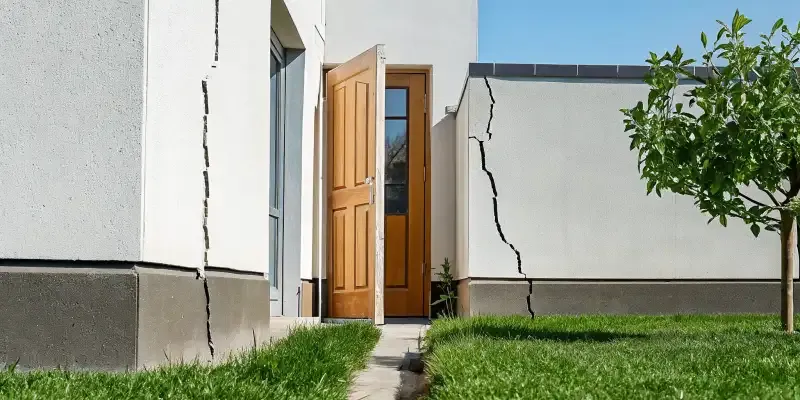
A door that sticks or drags on the frame is rarely just a small issue. These small shifts often point to a foundation that is settling or moving due to shifting soil.
Is your door sticking or dragging? Request a free foundation inspection or call us at 940-365-4221 today.
Sticking doors foundation problems occur when a home’s wood frame shifts out of square due to poor soil. While damp air can cause wood to swell, a door that sticks all year often points to serious foundation movement. In the Dallas area, active clay soil shrinks and grows with the weather, which can move a slab by as little as one-eighth of an inch. According to Solid Base Foundations, this tiny shift bends door and window frames, causing them to rub, scrape, or fail to latch. Other signs like wall cracks or sloped floors usually come with these structural issues. Fixing the root cause with steel piers is the only way to hold the frame in place and restore proper door function.
Homeowners often wonder if a stuck door is a simple fix or a sign of deep structural failure. Knowing why these jams happen can help you decide when to call a professional for a look. We will explore the way a home shifts in our next section, Why Do Doors and Windows Stick?
Why Do Doors and Windows Stick?
To understand why doors and windows jam, you must look at how your home is built. Your house rests on a foundation, which acts as a flat base. The wood studs and drywall that form your walls stand directly on this base. When the foundation remains level, every door and window frame stays perfectly square.
A door or window opening is built with tight tolerances. The gap between the door slab and its frame is typically very thin. If the foundation settles, one part of the house sinks lower than the rest. This movement pulls the vertical studs out of alignment, transforming the square door frame into a slanted parallelogram.
Even a tiny shift can cause major problems. A foundation movement of just one-eighth of an inch is enough to warp a door opening. While foundation settlement is common, upward movement known as foundation heave can also distort door and window frames. When the frame skews, the door begins to rub against the wood. It may scrape the floor, stick at the top corner, or refuse to latch.
The same distortion occurs in your window openings. Windows are designed to slide smoothly up and down on tracks. When the frame is pinched by a shifting wall, the window sash gets stuck in its grooves. In severe cases, the glass may even crack under the intense pressure of a twisting frame.
Cosmetic fixes like sanding, shaving, or planing the door slab do not solve the root issue. If you trim a sticking door, you are only hiding the symptom. The foundation will likely continue to settle, causing the door to stick again. Shaving the door also leaves it permanently misshapen once the foundation is eventually leveled.
Is It Humidity or Foundation Problems?
Before you plan for major repairs, you should find the exact cause of your stuck door. Wood is a natural material that reacts to the air around it. It is common for doors to stick occasionally without any structural issues. The main factors to evaluate include:
- Season and weather: Swelling that only happens in humid summer months and disappears in dry winter weather is likely cosmetic. Conversely, intense heat can dry the ground, leading to drought-related foundation shifting that causes year-round issues.
- Door location: Exterior doors are more prone to humidity swelling because they are exposed to the outdoor weather on one side and indoor air-conditioned air on the other.
- Accompanying signs: Diagonal drywall cracks, sloped floors, or exterior brick cracks are strong indicators of a structural foundation problem rather than a minor weather-related issue.
In contrast, sticking doors foundation problems do not disappear when the season changes. If your door sticks year-round, the issue is structural, not environmental. Foundation movement warps the frame itself, meaning the door will rub even during dry winter months.
You can easily tell the difference by looking at the door frame. If the frame is out of square, you will see uneven gaps at the top and sides. The door might fit tightly in one corner while leaving a wide gap in another. This uneven fit is a clear sign that the frame has been pulled out of square by a shifting base.
Common Signs Your Sticking Doors Are a Structural Issue
A door that rubs or jams is often the first sign of a larger house problem. While a simple hinge fix might work for some, most sticking doors foundation problems start deep in the soil. When the earth under your home shifts, it moves the whole frame out of square. This shift of even one-eighth of an inch can make it hard to open or close your doors.
You should look for other signs to see if your home needs a structural fix. Often, these jams stay the same all year and do not go away when the air gets dry. A door that sticks year-round usually points to a move in the base of the home. This type of damage will only get worse if it is left alone for too long.
Check for Slanting Wall Cracks
One of the most common signs of a bad base is a crack in the wall. These cracks often start at the top corner of a door or window frame. They usually run at a slant toward the ceiling and look like a jagged stair step. Small cracks may look like a simple paint issue, but they often point to a need for professional foundation fixes.
If you see these thin lines along with a door that sticks, it means the frame is bending. This happens because the ground has moved, pulling the walls in different ways. These cracks can grow over time as the home sinks further into the soil. You should check both sides of the door for these slanting marks.
Look for Gaps and Sloping Floors
You should also check the trim and the floor around the door. If the door frame is out of square, you might see gaps between the door and its frame. These gaps may look uneven, being wider at the top than the bottom. According to the USGS, movement in the earth can cause these structural shifts in many homes.
You can also test the floor with a level or a small ball. If a ball rolls on its own, your floor is likely sloped and uneven. This slope shows that one part of your house is lower than the rest. These gaps and slants are clear signs that the ground has shifted under your home.
Examine the Outside Brickwork
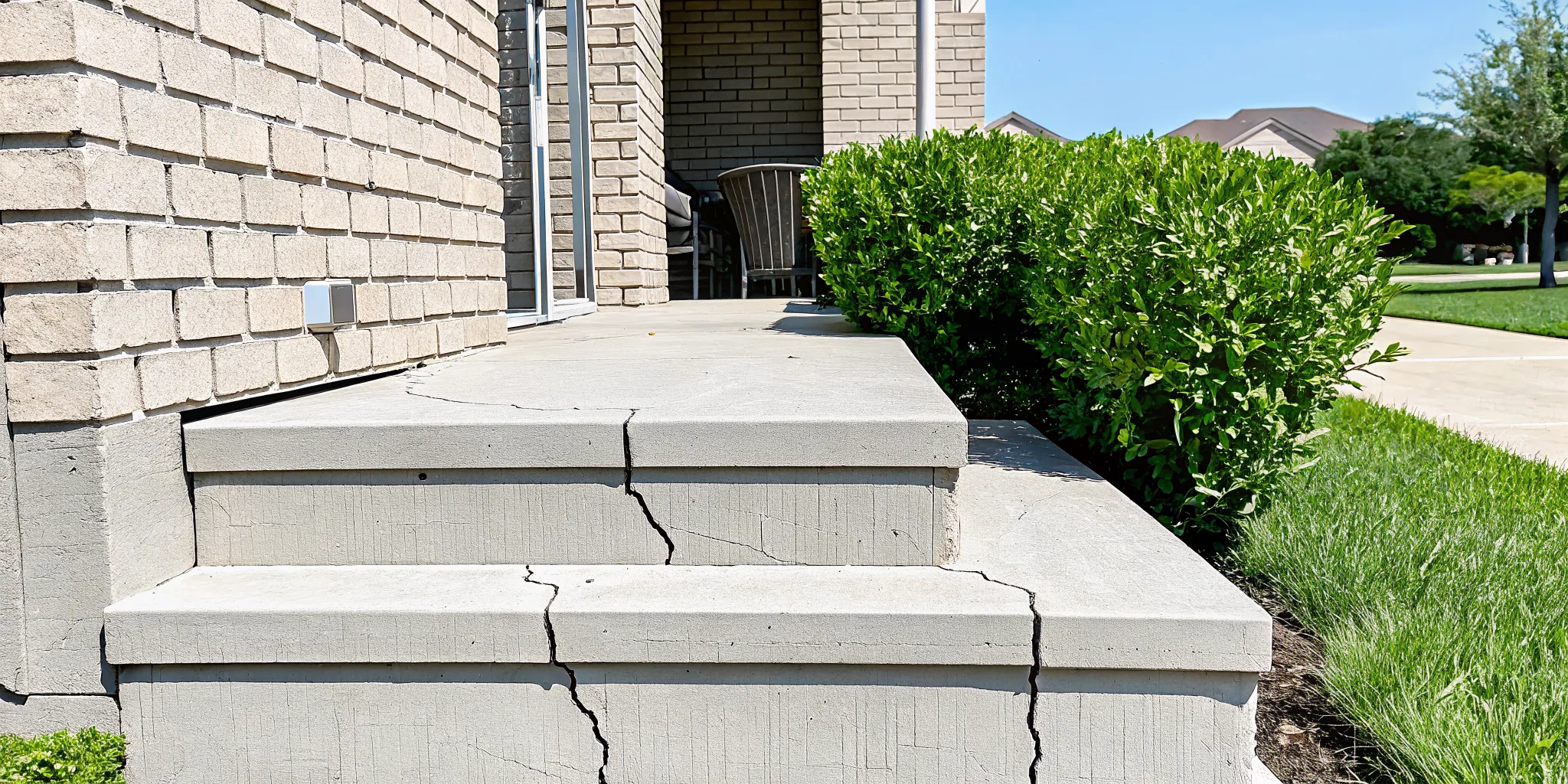
The outside of your home can also show signs of a shift. Look for cracks in the brick or stone near the doors and windows. These cracks often follow a stair-step pattern through the grout lines. Brick cracks mean the slab has moved or settled deep in the earth.
This shift puts stress on the whole home, from the walls to the door frames. Checking the outside can help you decide if you should request a free estimate for a check. It is common to see these cracks in areas with heavy clay soil that shrinks and grows with the rain, especially if your property is dealing with unresolved drainage problems.
| Symptom | Structural Issue | Humidity or Cosmetic |
|---|---|---|
| Door Movement | Sticks year-round and jams in the frame. | Sticks only in wet or hot months. |
| Wall Cracks | Slanting cracks at door corners. | No cracks or very small hair lines. |
| Frame Gaps | Large, uneven gaps in trim or frame. | Tight fit but the frame stays square. |
| Floor Level | Floors are sloped or feel uneven. | Floors stay level and flat. |
| Outside Brick | Stair-step cracks in the brickwork. | No visible cracks on the outside. |
In North Texas, the clay soil is very active and moves often. It grows when wet and shrinks when dry, which causes homes to move. This cycle is why so many homes in the Dallas area face these issues. Fixing the root cause with steel piers can stop the shift and keep your doors working as they should.
If you notice these signs, it is best to act fast before the damage gets worse. A quick look from an expert can help you find the best way to keep your home safe and level. Acting now can save you from big repair bills in the future.
How Dallas Expansive Clay Soils Cause Foundation Movement
To understand why homes in the Greater Dallas area suffer from shifting bases, you must look at the soil. North Texas is famous for its highly active, expansive clay soil. This type of soil acts like a giant sponge, swelling and shrinking dramatically with changes in moisture.
During wet seasons, the clay soil absorbs water and expands. This expansion can create immense upward pressure on your concrete slab, a process known as foundation heave. If the soil swells unevenly, it lifts one portion of your home while other parts remain stationary.
During hot, dry Dallas summers, the opposite cycle occurs. The intense heat evaporates moisture from the ground, causing the clay soil to shrink and crack. As the soil contracts, it creates voids and empty spaces beneath your concrete foundation. Without proper support from the earth, the heavy concrete slab settles into these gaps.
This continuous cycle of swelling and shrinking puts extreme stress on your home. Over time, the concrete slab bends and cracks under the strain. As different sections of the slab move up and down, the framing of your house is pulled out of alignment.
This geological activity is why homeowners in Dallas, Denton, Plano, and Lewisville frequently notice sticking doors and windows. The active clay soil makes foundation shifting a common structural issue in our region. If your doors are sticking, it is highly likely that your home is reacting to these local soil cycles.
Permanent Solutions for Sticking Doors and Foundation Problems
If your sticking doors are caused by structural movement, cosmetic repairs will not help. Trimming the door or adjusting the hinges only masks the problem. To restore your doors to perfect working order, you must address the underlying soil and slab settlement.
The most reliable and permanent way to fix a settling foundation is with a professional pier system. Steel push piers or helical piers are driven deep into the earth beneath your home. These piers bypass the volatile active clay soils, reaching down to stable load-bearing strata or solid bedrock.
Once the piers are securely installed, heavy-duty steel brackets are attached to your concrete slab. Certified technicians then use hydraulic jacks to lift and stabilize your foundation back to its original, level position. This process relieves the stress on your walls and restores your door and window frames back to square.
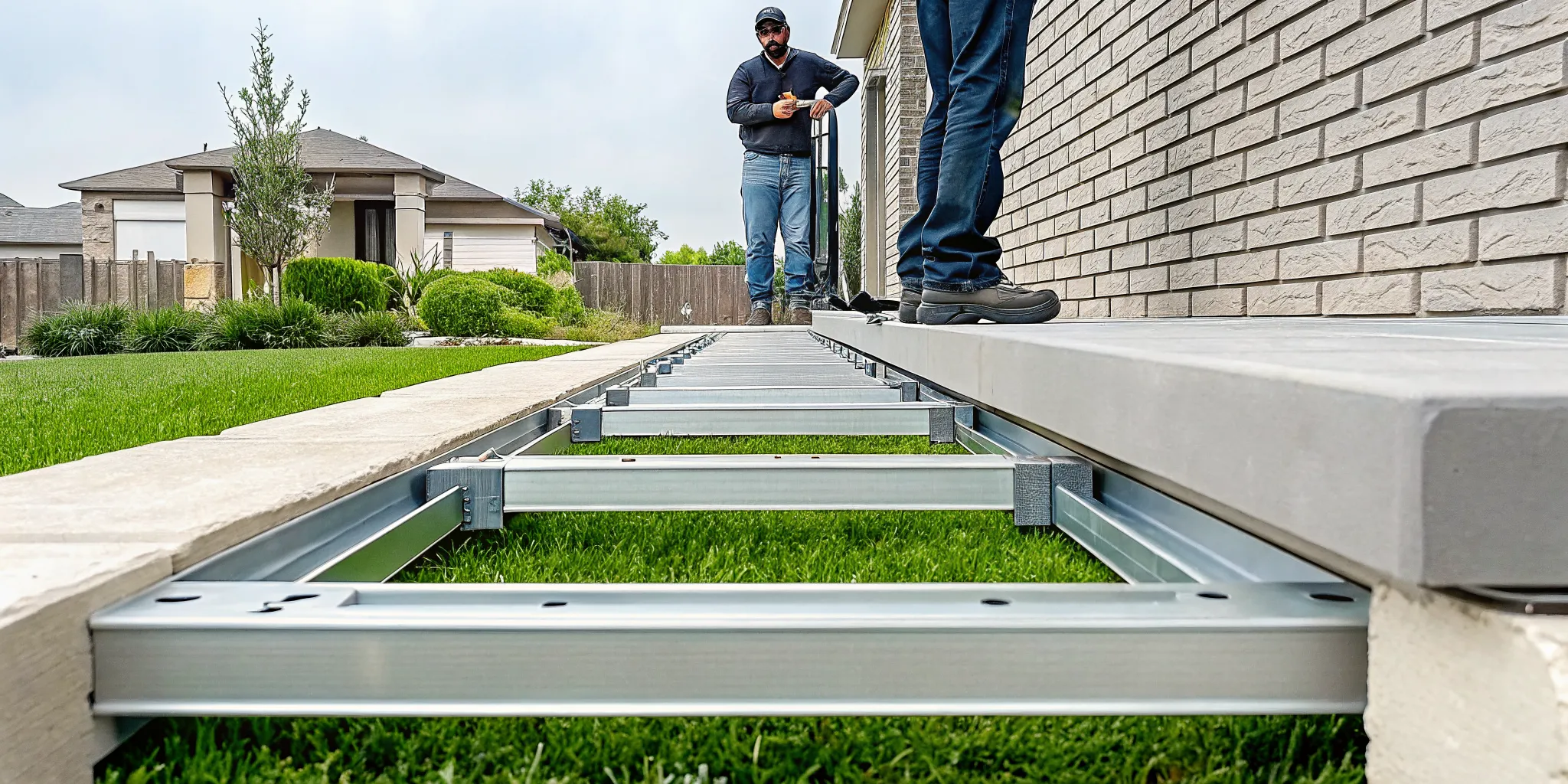
Solid Base Foundations provides industry-leading foundation pier systems designed for North Texas soils. Each pier installation is backed by a 25-year manufacturer’s warranty and our in-house performance warranty. We also utilize patented PolyLevel® polyurethane foam and professional concrete repair services to lift and level adjacent concrete patios or walkways that may affect your entryways.
Disclaimer: Structural movement can affect the safety and integrity of your home. If you notice persistent sticking doors, diagonal drywall cracks, or sloping floors, do not ignore these signs. We recommend having your home inspected by a qualified professional to assess the structural stability of your foundation.
Don’t let minor structural issues turn into major, expensive damage. Contact Solid Base Foundations today to schedule your free on-site assessment.
Do not wait for structural damage to spread and become more expensive to repair. Contact us today to request a free estimate. Our experienced specialists will conduct a thorough on-site inspection and design a custom repair plan for your home.
Frequently Asked Questions
Will sticking doors fix themselves if I wait?
Stuck doors do not fix themselves if they are caused by a shifting base. These sticking doors foundation problems only get worse as the home sinks into the soil. Not fixing these signs can lead to costly damage to walls and floors. Fixing the root cause is the only way to stop the move.
How much does it cost to fix sticking doors from foundation issues?
The price to fix these issues often ranges from five thousand to fifteen thousand dollars for most homes. The total cost depends on how many piers you need to level the slab. Based on a report from Perma Pier, prices vary based on how deep the steel must go to reach solid ground.
Does home insurance cover repairs for sticking doors?
Most home insurance plans do not pay for a shifting base caused by soil or age. These plans usually only pay for damage from a sudden event like a fire. You should check your plan to see if you have extra help for house moves. Most owners must pay for these fixes themselves.
How long does it take to fix sticking doors with piers?
Most home repair jobs take about one to three days to finish. The crew will dig holes, put in the steel piers, and lift the home back to a level state. Once the house is level, your doors and windows should open and close easily again without any rubbing or sticking in the frame.
Do you need to book a free foundation check for sticking doors?
If you ignore doors that stick or windows that do not shut, you may face big costs from house leaks very soon. These small signs often mean your house is shifting, which can cause deep cracks in your walls and floors if you wait too long. Taking a small step now will help you avoid a huge bill and save your home from more harm for a long time. You can get a clear plan today to stop the move, keep your house on solid ground, and rest easy every night. It is vital to act fast so you can keep your family safe and protect the value of your local Dallas home.
Ready to talk to a local pro? Call 940-365-4221 today to set up a free foundation check and keep your home safe for a long time.