
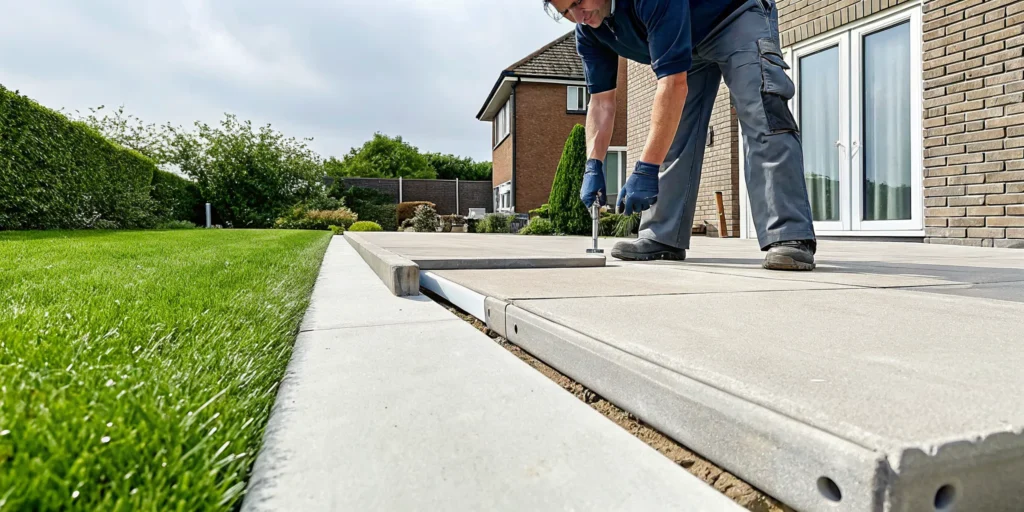
The thought of replacing your driveway probably brings to mind weeks of noise, mess, and a blocked-off entrance to your home. That level of disruption is a huge headache for any busy household. It’s no wonder so many people ask, can sunken driveway concrete be lifted instead of replaced? The answer is a game-changer for homeowners. Instead of a weeks-long project, concrete lifting is typically done in just a few hours. You get a level, secure driveway that’s ready to use the very same day. Let’s look at how this efficient process works and why it’s the superior choice.
Key Takeaways
- Focus on the Ground Beneath: A sinking driveway usually points to problems with the soil underneath, not the concrete itself. A lasting fix involves stabilizing this ground to properly support the slab.
- Lifting Offers a Smarter Solution: For many homeowners, lifting concrete is a better choice than a full replacement. It costs significantly less, the job is done in hours instead of weeks, and you can use your driveway almost immediately.
- Assess the Damage to Choose Your Path: Lifting is perfect for slabs that are intact but uneven. However, if your concrete is severely cracked, crumbling, or broken into many pieces, a full replacement is the right call to guarantee a solid, safe surface.
Why Is My Driveway Sinking?
Seeing your driveway sink or become uneven is frustrating, and it’s more than just a cosmetic issue. A sunken driveway can be a tripping hazard, cause drainage problems that affect your home’s foundation, and get worse over time. The good news is that it’s usually a fixable problem. Understanding why your concrete is sinking is the first step toward finding the right solution. Most of the time, the problem isn’t with the concrete itself, but with the ground underneath it.
Soil, Water, and Your Concrete
The most common reason a driveway sinks is that the soil supporting it has weakened or washed away. Think of the soil as the foundation for your driveway; if it moves, the heavy concrete slab on top will sink to fill the space. Here in the Dallas area, heavy rains can oversaturate the ground, and poor drainage can cause water to pool under the slab. This water can slowly erode the soil, creating hidden voids. When the weight of the concrete (and your car) becomes too much for the weakened ground, it gives way. This is why a sunken slab is often a sign that you need professional concrete repair to stabilize the soil.
The Ground Beneath Your Feet
The type of soil you have plays a huge role in your driveway’s stability. Much of North Texas has expansive clay soil, which acts like a sponge. It swells significantly when it absorbs water and shrinks dramatically as it dries out. This constant cycle of expansion and contraction puts immense stress on the concrete above. If the ground wasn’t properly compacted before the concrete was poured, it will naturally settle over time, causing the driveway to sink. This is also a primary cause of slab and pier and beam foundation repair issues, showing just how powerful soil movement can be.
When Tree Roots Get in the Way
Those beautiful, mature trees in your yard could also be the culprit. As trees grow, their roots expand and search for water, and they can be surprisingly powerful. Large roots growing beneath your driveway can push the concrete slab upward, causing it to crack and become uneven. On the other hand, tree roots can also draw a massive amount of moisture from the soil. During dry spells, this can cause the soil to shrink and collapse, creating a void that your driveway then sinks into. You can see examples of this kind of damage and the subsequent repairs in photos of our work.
The Impact of a Poor Pour
Sometimes, the problem dates back to the day your driveway was installed. If the contractor who poured the concrete didn’t properly prepare the sub-base, it was only a matter of time before issues appeared. A solid base requires layers of compacted soil and gravel to create a stable surface. Skipping this step to save time or money almost guarantees that the ground will settle unevenly, leading to sinking and cracking. A poor concrete mix or improper curing can also result in a weaker slab that can’t withstand the test of time. If you suspect this is the case, it’s best to have a professional take a look and give you a clear path forward. You can contact us for a free, no-obligation estimate.
How Does Concrete Lifting Actually Work?
It might sound like a magic trick, but lifting sunken concrete is a straightforward and highly effective process. Instead of tearing out your entire driveway, a professional team can raise the existing slabs back to their original position. The core idea is simple: we fill the void that formed underneath the concrete, which gently and precisely lifts the slab. This is done by drilling very small holes in the concrete and injecting a specialized material into the empty space.
This process, often called slab jacking, is a fantastic alternative to a full replacement. It addresses the root of the problem, which is the unstable soil beneath the slab, by filling voids and stabilizing the ground. There are a couple of different methods for lifting concrete, but both follow this same basic principle. The result is a level, secure surface that you can use again almost immediately, all without the major disruption of a tear-out and re-pour.
A Look at Mudjacking
Mudjacking is the original method of concrete lifting. The process involves drilling holes, typically about one to two inches in diameter, into the sunken concrete slab. A slurry-like mixture, usually composed of soil, sand, and cement, is then pumped under high pressure through these holes. This “mud” fills the empty spaces and hydraulically lifts the concrete back into place. While it can be effective, the material is very heavy, which can sometimes add too much weight to already unstable soil. The holes are also larger and more noticeable, and the material can take longer to cure before you can use your driveway.
Understanding Polyurethane Foam Injection
Polyurethane foam injection is the modern evolution of concrete lifting and our preferred method for concrete repair. This technique uses a high-density, structural-grade polymer foam. We drill small, dime-sized holes into the slab, which are much less invasive than those used for mudjacking. A two-part liquid polymer is then injected, and as the components mix, they create a powerful chemical reaction. The foam expands, filling every void and crevice, and gently lifts the concrete. This material is lightweight, waterproof, and incredibly strong, providing a durable and long-lasting fix that also helps stabilize the soil underneath to prevent future sinking.
What to Expect on Lifting Day
One of the best parts of concrete lifting is how quick and clean the process is. Unlike a full replacement that can take days or even weeks, most lifting jobs are completed in just a few hours. Our team arrives, assesses the area, and gets to work drilling the small injection ports. Once the foam is injected and the slab is level, the holes are patched with cement, making them nearly invisible. You can see examples of the finished product in some of our past projects. Because the polyurethane foam cures so rapidly, you can walk on the surface almost immediately and drive on your driveway in as little as 15 to 30 minutes.
Lift vs. Replace: A Head-to-Head Comparison
When you’re staring at a sunken driveway, the path forward can seem like a fork in the road: lift it or replace it? While tearing everything out and starting fresh might feel like the only sure bet, concrete lifting offers a compelling alternative. Understanding how these two approaches stack up in terms of cost, time, durability, and environmental impact will help you make the best decision for your home and your wallet. Let’s break down the key differences so you can choose with confidence.
Comparing the Costs
For most homeowners, the budget is the bottom line. This is where concrete lifting truly shines. Opting to lift your existing driveway can cost 50% to 70% less than a full replacement. Tearing out old concrete, hauling it away, preparing the base, and pouring a new slab is a labor-intensive and material-heavy process, which drives up the price significantly. In contrast, lifting uses your current concrete, saving you a substantial amount of money. If you’re facing an uneven driveway, getting a professional opinion on concrete repair is the first step toward a cost-effective solution. The savings from lifting can often make an immediate repair possible, preventing the problem from getting worse.
Timeline and Disruption
Your time is valuable, and having your driveway out of commission for weeks is a major inconvenience. A full concrete replacement is a lengthy project. After the old slab is demolished and removed, the new concrete needs to be poured and then cure, a process that can take days or even weeks before you can park on it again. Concrete lifting, on the other hand, is remarkably fast. Most lifting jobs are completed in just a few hours, and the surface is ready for normal use, including parking your car, the very same day. This minimal disruption means you get your driveway back almost immediately, without turning your property into a long-term construction zone.
Long-Term Durability
It’s natural to wonder if lifting is just a temporary patch. The truth is, modern concrete lifting is a highly durable and lasting solution. When we use polyurethane foam injection, the material expands beneath the slab to fill voids, stabilize the soil, and gently lift the concrete back into place. This high-density foam is waterproof, so it won’t wash away or break down over time. It creates a solid, stable base that supports the concrete for the long haul, with many repairs lasting for ten years or more. In most cases, it’s a permanent fix that addresses the root cause of the sinking: unstable soil.
Environmental Footprint
If you’re looking for a more environmentally friendly option, lifting is the clear winner. Concrete replacement generates a massive amount of waste. The old, broken concrete has to be hauled to a landfill, and the production of new cement is an energy-intensive process. By choosing to lift, you are essentially recycling your existing driveway. There’s no demolition waste, and the process uses far fewer resources. You’re preserving the material you already have and preventing unnecessary landfill buildup. It’s an effective way to fix your sunken concrete without the hassle and environmental toll of starting from scratch. You can see examples of our efficient and clean projects in our work gallery.
The Top Benefits of Concrete Lifting
When you see a sunken slab of concrete, it’s easy to assume the only option is a full-scale, messy replacement. But concrete lifting offers a modern alternative with some serious advantages. It’s not just a quick fix; for many homeowners, it’s a smarter, more efficient way to restore their property’s safety and curb appeal. From your wallet to your schedule, the benefits make it a compelling choice for repairing uneven driveways, patios, and walkways.
Keep More Money in Your Wallet
Let’s be honest, home repairs can be expensive, and a sinking driveway is an unexpected cost nobody wants. The good news is that choosing to lift your concrete instead of replacing it can make a huge difference to your budget. In fact, concrete lifting usually costs 50% to 70% less than a full replacement. Think about that for a moment. You get a level, stable surface without the hefty price tag of demolition, hauling, and pouring new concrete. This significant saving means you can address the problem quickly without derailing your finances or putting other important projects on hold. We even offer flexible financing options to make it even more manageable.
Get Your Driveway Back in Days, Not Weeks
One of the biggest headaches with traditional concrete replacement is the downtime. The process can take weeks from start to finish, leaving your driveway a chaotic construction zone. Concrete lifting, on the other hand, is remarkably fast. Most lifting jobs are completed in just a few hours, and the surface is ready for you to walk on almost immediately and drive on the very same day. There’s no loud, disruptive demolition and no waiting for concrete to cure. You can get back to your normal routine with minimal interruption, making it the perfect solution for busy households. Our concrete repair process is designed to be as efficient as possible.
A Strong, Lasting Solution
A common concern is whether lifting is just a temporary patch. The answer is a firm no. When done correctly with modern materials like polyurethane foam, it provides a durable and long-lasting fix. In most cases, it is a permanent solution to sunken and settled concrete. The high-density foam we use for concrete lifting is incredibly strong and lightweight. It not only raises the slab but also fills the voids beneath it, stabilizing the soil to prevent future sinking. This material is waterproof, so it won’t wash away or erode over time, ensuring your driveway remains stable for years to come. You can see the impressive results for yourself in some of the projects featured in our work.
When Is Lifting the Right Move?
Deciding whether to lift or replace your sunken concrete can feel like a big decision, but it doesn’t have to be complicated. While a full replacement has its place, lifting the existing concrete is often a smarter, more efficient solution. Think of it as a targeted repair that addresses the problem at its source without the cost and headache of a total tear-out.
The key is knowing when lifting is the best option for your specific situation. For many common driveway, patio, and sidewalk issues, lifting provides a durable, long-lasting fix. It’s about making an informed choice that saves you time, money, and disruption. Let’s walk through the signs and scenarios that make your property a great candidate for concrete lifting.
Ideal Scenarios for Concrete Lifting
Concrete lifting is the perfect solution for slabs that are structurally sound but have sunk over time. If your driveway, sidewalk, or patio is in good condition but has become uneven, lifting is likely your best bet. It’s an excellent fix for sinking that has created trip hazards on walkways or caused water to pool near your home’s foundation.
This method is especially effective for addressing those annoying, but not catastrophic, issues. Think of a driveway that’s settled a few inches, a patio that’s tilted, or a pool deck that’s no longer level. In these cases, our concrete repair process can restore the surface quickly and with minimal disruption. It’s a targeted approach that’s often faster and more affordable than a full replacement.
How Much Sinking Is Too Much?
While lifting is a fantastic option, it does have its limits. A good rule of thumb is that if your concrete has sunk by just a few inches, it’s an ideal candidate for lifting. However, if a slab has dropped six inches or more, it could signal a more serious underlying issue with the soil that might require a different approach.
It’s also important to look at the condition of the concrete itself. Lifting stabilizes and raises the slab, but it won’t fix extensive cracks or crumbling surfaces. If your concrete is covered in a web of deep cracks or is breaking apart, replacement is probably the better long-term solution. We can show you examples of successful lifts in our gallery of Our Work to help you visualize what’s possible.
Telltale Signs Your Driveway Needs Help
You might notice the first signs of a problem with your feet. A slightly uneven section of your sidewalk or driveway that you keep tripping over is a classic indicator. Or maybe you’ve noticed that water now pools in new spots after it rains, sometimes right against your house. These aren’t just minor annoyances; they are signals that your concrete has shifted.
An uneven driveway can also affect your property’s curb appeal and value. More importantly, significant sinking near your home could be a red flag for bigger issues. Water draining improperly toward your house can put pressure on your foundation, potentially leading to the need for foundation repair. Addressing sinking concrete early is a proactive step to protect your entire home.
When Is It Time to Replace Your Concrete?
While concrete lifting is an amazing solution for many sunken driveways, it’s not a magic wand for every situation. Sometimes, the damage is just too extensive, and the best long-term decision is to replace the concrete slab entirely. Think of it this way: you can patch a small hole in your favorite jeans, but if they’re completely shredded, it’s time for a new pair. The same logic applies to your concrete. Knowing when to say goodbye to an old slab is just as important as knowing when you can save it. If you see widespread, severe damage or signs that the concrete itself is failing, replacement is likely the smarter, safer path forward. A full replacement allows you to address not just the slab, but also any serious underlying issues with the soil, giving you a truly fresh start.
Dealing With Severe Cracks or Damage
Take a close look at the cracks in your driveway. Are they fine lines, or do they look more like canyons? If you’re dealing with large, deep cracks that go all the way through the slab, lifting might not be enough. When a concrete slab is broken into multiple pieces or has significant crumbling sections, its structural integrity is gone. Trying to lift it would be like trying to raise a shattered mirror in one piece; it’s just not going to hold together. In these cases, a full concrete repair and replacement is the only way to ensure you have a stable, solid surface that will last for years to come.
If Your Concrete Is Crumbling
Have you noticed the surface of your concrete is flaking, pitting, or crumbling away? This is a sign that the concrete itself is deteriorating. You might see a network of cracks that looks like a spiderweb or areas where the top layer is completely gone. This kind of damage, often called spalling, means the original concrete mix was either poor quality or has been compromised by things like freeze-thaw cycles. Lifting a slab that is actively falling apart won’t solve the problem. The slab will continue to degrade even after it’s level. When the material itself has failed, the best course of action is to remove the old, weak concrete and pour a new, durable slab.
When Soil Issues Run Too Deep
Concrete lifting works by using the soil underneath the slab for support. But what happens when that soil is gone? Severe erosion or soil washout can create large voids beneath your driveway. If the ground has been completely washed away, there’s nothing for the lifting foam to press against and no stable base to support the slab. It’s like trying to put a table on a floor that isn’t there. This is a serious structural problem that goes beyond simple sinking. Addressing it properly requires removing the old slab, fixing the drainage issues, bringing in new, compacted soil, and then pouring fresh concrete.
Common Myths About Concrete Lifting
When you’re dealing with a sunken driveway or patio, it’s easy to get overwhelmed by conflicting advice. Misconceptions about concrete lifting can steer you toward a full replacement, which is often a much bigger, more expensive project than you actually need. Let’s clear the air and look at the facts behind some of the most common myths about lifting your concrete.
Myth: “It’s just a temporary fix.”
It’s understandable to worry that lifting your concrete is just a band-aid solution. However, modern concrete lifting is designed to be a long-lasting repair. Using advanced polyurethane foam, the process doesn’t just raise the slab; it also stabilizes the soil underneath. This high-density foam is incredibly strong, lightweight, and waterproof, so it won’t wash away or break down over time. By filling voids and compacting loose soil, this method addresses the root cause of the sinking. This makes professional concrete repair a durable, reliable fix that stands the test of time, not a temporary patch.
Myth: “Replacing it is always the better option.”
The “out with the old, in with the new” approach seems logical, but it’s rarely the most practical choice for sunken concrete. A full replacement is a major undertaking that involves demolition, hauling away old material, framing, and pouring new concrete, which can take weeks to cure. Concrete lifting, on the other hand, is a much faster and more targeted process. It’s significantly less expensive and disruptive, and your driveway is typically ready for use the same day. Unless your concrete is severely cracked or crumbling, lifting is often the smarter, more economical solution. It saves you time, money, and the headache of a major construction project, and we even offer financing to make it more accessible.
Myth: “It will destroy my yard.”
The fear of a torn-up lawn and ruined flower beds is a valid concern for any homeowner. The good news is that concrete lifting is a minimally invasive procedure. Instead of bringing in heavy machinery to demolish the slab, the process uses small, dime-sized holes drilled directly into the concrete. Our equipment is neat, and the work is confined to the slab itself. Once the foam is injected and the slab is lifted, the small holes are patched with cement, blending in seamlessly. You can see from examples of our work that we leave your landscaping just as we found it, so you can fix your concrete without sacrificing your curb appeal.
How to Choose a Concrete Repair Pro
Choosing the right person for the job is just as critical as deciding between lifting and replacing your driveway. The right professional not only fixes the problem but also gives you peace of mind. Your home is your biggest asset, so it’s worth taking the time to find a contractor you can trust to protect it. Here’s what to look for when you’re ready to hire a pro.
Look for Proven Experience
A company’s track record speaks volumes. You want a team that has handled countless concrete issues, especially in the unique soil conditions we have here in the Dallas area. When you’re talking to potential contractors, ask about their experience with your specific problem, whether it’s a sunken driveway or a cracked patio. Don’t be shy about asking to see examples of their previous projects; a confident pro will be happy to show off their work. Experience isn’t just about knowing how to do the repair, it’s also about having the proper insurance. This is non-negotiable, as it protects you and your property from any unexpected issues during the job.
Verify Their Credentials and Warranties
Before you let anyone start work on your property, it’s smart to do a little homework. A reputable company will be transparent about their qualifications and the quality of their materials. While Texas doesn’t have a statewide license for this type of work, you can look for other signs of professionalism, like affiliations with national engineering networks or the use of patented, proven products. A strong warranty is another key indicator of a trustworthy contractor. It shows they are confident in their repair and will stand behind it for years to come. A company that is proud of its team and methods will have this information readily available, often on their about page.
Insist on Clear Pricing and Contracts
A handshake and a verbal quote aren’t enough when it comes to your home. A true professional will provide a detailed, written contract that clearly outlines every aspect of the project. This document should include the exact scope of work, a breakdown of all costs, a projected timeline, and the full details of the warranty. Vague estimates can lead to surprise costs later on. If a company offers financing options, that’s often a sign of an established and customer-focused business. Always make sure you understand and agree with everything in the contract before signing. Getting a clear, upfront estimate is the first step toward a smooth and successful repair project.
Related Articles
- Concrete Repair – Solid Base
- Polyurethane Slab Jacking: A Homeowner’s Guide
- PolyLevel – Solid Base
- How to Fill Large Cracks in Concrete Like a Pro
- Ultimate Guide to Foundation Repair Options
Frequently Asked Questions
How long does concrete lifting actually last? This is a great question, and the answer is that modern concrete lifting is a very durable, long-term solution. When we use polyurethane foam, the material is incredibly strong and waterproof. It doesn’t break down or wash away like soil can. It creates a solid, stable base that supports your concrete for years, often for the entire remaining life of the slab itself.
Will the repair be obvious and hurt my home’s curb appeal? Not at all. One of the best parts of using polyurethane foam for lifting is how discreet the process is. We drill very small, dime-sized holes to inject the foam. After the slab is perfectly level, we patch these small holes with cement. The patches blend in with your existing concrete, becoming nearly invisible once they cure. Your driveway or patio will look clean and level, not like a construction zone.
Does lifting the concrete also fix the soil problem that caused it to sink? Yes, it absolutely does, and that’s what makes it such an effective repair. The sinking happened because the soil underneath became weak or washed away. The expanding polyurethane foam fills these empty spaces and compacts any loose soil around them. This process stabilizes the ground, creating a solid base that prevents the same problem from happening again.
Is it really worth lifting my old concrete, or should I just save up for a full replacement? For most situations, lifting is the smarter financial move. If your concrete slab is still in one piece and not crumbling, lifting it can save you more than half the cost of a full replacement. It’s also much faster, meaning you get your driveway back the same day instead of waiting weeks. It’s a permanent fix that gives you a safe, level surface without the massive cost and disruption of a tear-out.
My concrete is both cracked and sunken. How do I know if I need lifting or a replacement? This is a common scenario. The best way to know for sure is to have a professional take a look. Generally, if the slab is mostly intact with some cracks but has sunk, it’s a great candidate for lifting. However, if the concrete is shattered into many pieces or the surface is crumbling apart, replacement is likely the better option. A professional evaluation will give you a clear answer and a plan to fix it correctly.