
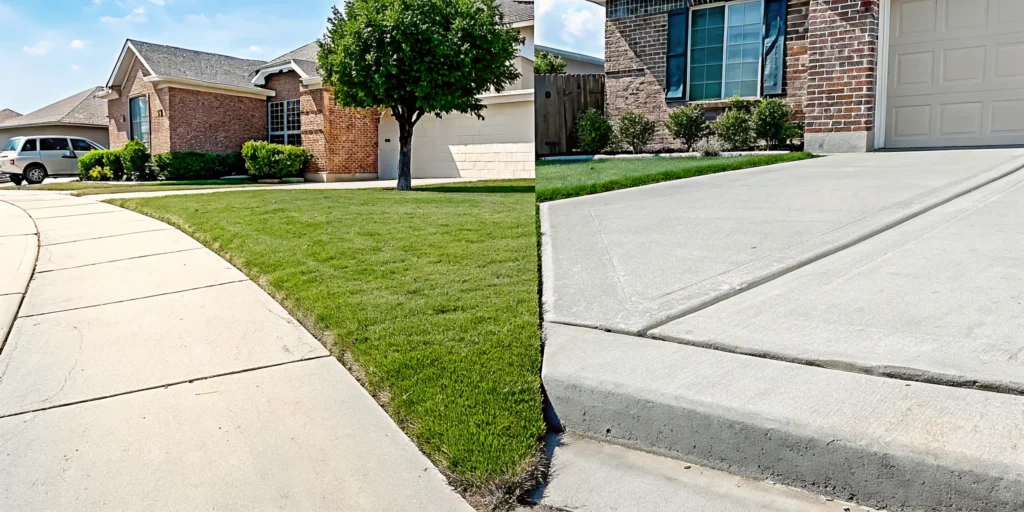
A sinking driveway is more than just an eyesore that hurts your home’s curb appeal. Those uneven slabs and widening cracks can quickly become dangerous trip hazards for your family and guests. They can also cause water to pool near your garage, leading to even bigger problems down the line. These issues are symptoms of a deeper instability happening below the surface. To truly fix the problem, you first need to understand what causes concrete driveways to sink in North Texas. It’s often a mix of poor drainage, soil erosion, and the constant shrink-swell cycle of our local soil. This guide breaks down the science behind a failing driveway and shows you how professional repairs can restore both its safety and appearance.
Key Takeaways
- Your Problem is the Soil, Not Just the Concrete: Most driveway issues in North Texas stem from the expansive clay soil beneath them. This soil swells when wet and shrinks when dry, creating an unstable base that causes the heavy concrete slab to crack and sink.
- Repairing is Faster, Cheaper, and More Effective: Tearing out your driveway doesn’t fix the underlying soil issue. Modern solutions like polyurethane foam lifting address the root cause by stabilizing the ground and lifting the concrete, providing a long-term fix in just a few hours.
- Proactive Water Management is Your Best Defense: You can prevent future sinking by controlling water around your property. Ensure your gutters and yard grading direct water away from the driveway, and seal any cracks to keep moisture from getting underneath and weakening the soil.
Why Is North Texas Soil So Tough on Driveways?
If you’ve noticed your driveway starting to sink or crack, you’re not alone. Here in North Texas, our driveways take a serious beating, and the main reason is the ground they’re built on. The soil in the Dallas area has a unique and challenging personality. It’s in a near-constant state of flux, expanding when it’s wet and shrinking when it’s dry. This movement creates an unstable base for a heavy, rigid concrete slab that was designed to stay put. When the ground underneath is constantly moving, something has to give, and unfortunately, it’s usually your driveway.
Over time, this shifting ground puts immense stress on the concrete. Since the slab can’t flex with the soil’s movement, it eventually gives in by cracking, shifting, or sinking into the ground. This isn’t just a cosmetic issue that lowers your curb appeal. A sinking driveway can create dangerous trip hazards, cause water to pool near your home’s foundation, and even put pressure on your garage structure. Understanding exactly what’s happening beneath the surface is the first step toward finding a permanent fix. The problem often starts with the specific type of soil common to our region.
The Problem with Expansive Clay Soil
The culprit behind most driveway issues in North Texas is something called expansive clay soil. Think of it like a dense sponge. When it rains, this soil soaks up an incredible amount of water and swells in volume. Then, during our hot, dry spells, it loses that moisture and shrinks, becoming hard and pulling away from anything it surrounds. This constant change means the ground supporting your heavy concrete driveway is never truly stable.
This instability puts your driveway under constant stress. The soil pushes up on the slab when it’s wet and then drops out from under it when it dries. This is a leading cause of structural issues across the region, affecting everything from driveways to entire home foundations. It’s why professional foundation repair is so common in our area.
Understanding the Destructive Shrink-Swell Cycle
This ongoing process of expansion and contraction is known as the shrink-swell cycle, and it’s incredibly destructive to concrete. When the clay soil swells, it can lift your driveway slab, often unevenly. Then, as the soil dries out and shrinks, it can leave behind gaps or voids under the concrete. Without solid ground to rest on, the heavy slab settles into these empty spaces, causing it to crack and sink.
This cycle repeats with every season of rain and drought, and the damage gets worse over time. A small, hairline crack can quickly become a wide, uneven gap. This is precisely why a sinking or cracking driveway is rarely a one-time event; it’s a progressive problem that requires a professional solution to stabilize the ground and prevent future movement. You can see examples of this damage and our solutions in our work.
How Trees and Plants Affect Your Driveway’s Foundation
The weather isn’t the only thing affecting the soil under your driveway. Large trees and even mature shrubs planted nearby can make the problem much worse. The root systems of thirsty plants draw a tremendous amount of moisture from the soil, creating localized dry spots. This means you could have one section of your driveway sitting on dry, shrunken soil while another section is on moist, swollen soil.
This difference in moisture levels creates uneven support, which is especially damaging. The slab is literally being pushed and pulled in different directions at the same time. This differential movement often leads to the distinct, angular cracks and significant sinking you might see near large trees. It’s a clear sign that the ground beneath your driveway has become unstable and needs attention.
How Water Sinks a Concrete Driveway
Water is almost always a factor when a concrete driveway starts to sink. Whether it’s from heavy rain or a hidden leak, excess moisture can compromise the soil supporting your slab, leading to cracks and uneven surfaces. Understanding how water affects your driveway is the first step toward finding a lasting solution.
The Impact of Poor Drainage and Pooling Water
One of the most common reasons a driveway sinks is poor drainage. When your yard isn’t graded properly or gutters are clogged, rainwater has nowhere to go and pools around and on top of your concrete. This standing water slowly seeps underneath the slab, completely saturating the soil. Here in North Texas, our expansive clay soil swells up like a sponge when it gets wet, losing its stability. Once the soil base becomes soft and weak, it can no longer hold up the immense weight of the concrete, causing it to sink. This is why proper drainage is so critical and why water issues are a focus of any effective concrete repair.
How Erosion Creates Voids Under the Concrete
While pooling water softens the ground, moving water can be even more destructive. A strong downpour, runoff from your roof, or even a poorly aimed downspout can create a current that washes away the soil from under your driveway. Over time, this erosion carves out empty spaces, or voids, beneath the concrete. Your driveway was built to rest on a solid, compacted base, so when parts of that base disappear, the slab has nothing to stand on. Eventually, gravity wins, and the unsupported sections of concrete crack and collapse into the voids. This process is very similar to the problems that require professional foundation repair, just on a smaller scale.
Hidden Damage from Underground Plumbing Leaks
Sometimes, the source of the problem isn’t visible on the surface. A slow leak from an underground pipe, like a sprinkler line or main water line, can silently destroy your driveway’s support system. This kind of leak can go unnoticed for months or even years, steadily saturating and eroding the soil from below. You might only realize something is wrong when you see significant cracks or notice one section of your driveway is much lower than the rest. Because the source is hidden, it can be one of the most difficult causes to diagnose on your own. If your driveway is sinking without an obvious cause, it’s a good idea to have a professional investigate. You can contact us for a free estimate to get to the bottom of it.
Does North Texas Weather Worsen a Sinking Driveway?
If you live in North Texas, you know our weather is anything but moderate. We swing from long, dry spells to sudden, heavy downpours, with a few freezing spells thrown in for good measure. This constant back-and-forth doesn’t just affect your weekend plans; it puts incredible stress on the soil beneath your home and driveway. The expansive clay soil common in the Dallas area is particularly sensitive to these weather extremes.
This dramatic cycle of shrinking, swelling, and freezing is a primary cause of sinking and cracking driveways. When the ground under your concrete slab is constantly moving, it can no longer provide the stable support your driveway needs. Over time, this instability leads to visible damage, creating trip hazards and diminishing your home’s curb appeal. Understanding how each weather event affects your property is the first step toward finding a lasting solution for your concrete repair needs.
How Droughts Cause Soil to Shrink
During our hot, dry summers, the clay soil beneath your driveway loses moisture and begins to shrink. Think of a dried-up lakebed cracking under the sun; the same thing happens on a smaller scale under your concrete. As the soil pulls back, it can create empty spaces, or voids, between the ground and the bottom of the slab. Your heavy concrete driveway is left without the support it needs to stay level. This lack of support is a leading reason driveways sink, crack, and become uneven, often requiring professional foundation repair techniques to correct.
The Effect of Heavy Rains on Soil Saturation
After a long drought, a sudden downpour can feel like a relief, but it creates another problem for your driveway. The thirsty clay soil acts like a sponge, soaking up water and expanding significantly. In fact, some Texas soils can swell by 30% or more when saturated. This powerful expansion pushes upward on the concrete slab, causing it to lift. When the soil inevitably dries out again, it shrinks, and the cycle repeats. This constant movement of swelling and shrinking weakens the soil’s integrity and destabilizes the concrete, leading to more cracks and sinking over time.
Damage from Winter’s Freeze-Thaw Cycles
Winter brings its own set of challenges with the freeze-thaw cycle. When temperatures drop below freezing, any moisture trapped in the soil beneath your driveway turns to ice. As water freezes, it expands with incredible force, pushing the concrete slab upward and creating uneven surfaces. When the weather warms up, the ice melts, and the slab settles back down, but it may not return to its original position. This repeated lifting and dropping can cause significant cracking and shifting, compromising the structural integrity of your driveway. You can see examples of this type of damage and our solutions in our work gallery.
Other Reasons Your Driveway Might Be Sinking
While North Texas soil and weather are major players, they aren’t the only reasons your driveway might be giving you trouble. Sometimes, the cause of a sinking driveway is a bit closer to home, stemming from how it was built or what’s happening right underneath it. Understanding these factors can help you pinpoint the real issue and find the right solution. Let’s look at a few other common culprits that can lead to uneven, cracked concrete.
A Poor Foundation from the Start
Think of the soil underneath your driveway as its foundation. If that base wasn’t prepared correctly when the driveway was first poured, problems are almost inevitable. For a concrete slab to remain stable, the ground beneath it must be tightly compacted. When contractors skip this crucial step or don’t do it thoroughly, the loose soil will eventually settle under the immense weight of the concrete. This settling creates gaps, causing the driveway slab to sink and crack. It’s a classic case of a project being doomed from the start, and it’s a key reason why professional concrete repair often involves addressing the soil underneath, not just the slab on top.
The Toll of Heavy Vehicles Over Time
Your driveway is designed to handle a lot, but even the strongest concrete has its limits. The daily weight of your cars, a heavy-duty work truck, an RV, or even frequent delivery vans puts constant stress on the slab. Over the years, this repeated pressure can cause the concrete to weaken and crack. If your driveway already has a slightly weak foundation from improperly compacted soil, the weight of heavy vehicles will only speed up the sinking process. You might start to notice cracks or sinking right where you park every day, which is a clear sign that the slab is struggling under the load.
What’s Decomposing Under Your Driveway?
Those beautiful, mature trees lining your property could be a secret source of driveway damage. As large tree roots grow, they can push up against the bottom of the concrete slab, causing it to lift and crack. But the problem doesn’t stop there. If those roots eventually die and decay, they leave behind empty pockets, or voids, in the soil. With nothing to support it, that section of the driveway can easily sink into the newly formed gap. This same issue can happen with old construction debris or other organic materials that were buried and are now decomposing, creating an unstable situation right under the surface that requires professional foundation repair.
What Are the Telltale Signs of a Sinking Driveway?
A sinking driveway rarely happens overnight. It usually gives you plenty of warning signs that something is wrong with the soil underneath. Spotting these clues early can help you address the root cause before it turns into a bigger, more expensive problem. An uneven driveway isn’t just an eyesore; it can be a safety hazard and a symptom of deeper issues affecting your property. The expansive clay soil here in North Texas is often the culprit, shifting and settling in ways that put immense stress on the concrete slabs above.
If you’ve started to notice some changes in your driveway, pay close attention. From small cracks that seem to grow to new puddles that appear after it rains, your driveway is trying to tell you something. These aren’t just cosmetic flaws you have to live with. They are direct indicators of instability below the surface. Ignoring them can lead to more significant damage, not only to your driveway but potentially to your garage foundation as well. Knowing what to look for is the first step toward finding a lasting solution. Let’s walk through the most common signs that your concrete driveway is sinking, so you can catch the problem before it gets out of hand.
Cracks and Uneven Surfaces
One of the most obvious signs of a sinking driveway is visible cracking and unevenness. While a few tiny hairline cracks can be a normal part of concrete aging, you should be concerned about larger, branching cracks or entire sections of your driveway that are no longer level. An uneven concrete driveway isn’t just unattractive; it often points to bigger issues happening under the ground. These cracks are a direct result of stress on the slab as the soil beneath it shifts or washes away. When one part of the slab loses support, it sinks and pulls away from the rest, causing the concrete to crack under the strain. If you see these kinds of issues, it’s time to consider a professional concrete repair.
Puddles That Form After It Rains
Have you noticed new “birdbaths” forming on your driveway every time it rains? A properly installed driveway is graded to allow water to run off and away from your home’s foundation. When you see water collecting in puddles, it’s a clear sign that low spots or dips have formed in the concrete. These sunken areas prevent water from draining correctly. This standing water is more than just an annoyance; it can make the problem worse. The water can seep through cracks and joints in the concrete, further saturating and weakening the soil underneath. This can accelerate erosion and cause the driveway to sink even more over time.
Gaps Between Your Driveway, Garage, and Curb
Take a look at where your driveway meets your garage floor, the sidewalk, or the street curb. Do you see a gap where there wasn’t one before? When a driveway sinks, the concrete slabs can pull away from these adjacent structures. This separation is a strong indicator that the soil supporting the driveway has compacted or eroded, causing the entire slab to shift downward. These gaps can be unsightly and can also allow more water to get underneath the slab, worsening the problem. In some cases, a sinking driveway can even be linked to your home’s foundation repair needs, especially if the sinking is happening right next to the garage.
New Trip Hazards Along Edges
Perhaps the most immediate concern with a sinking driveway is the creation of trip hazards. When one concrete slab sinks lower than the one next to it, it creates an uneven edge that’s easy to stumble over. You might notice this near the expansion joints in your driveway or where it connects to your front walkway. These trip hazards are especially dangerous for children, older adults, and any guests visiting your home. An edge you could once roll a lawnmower over smoothly might now be a significant obstacle. This isn’t just a minor inconvenience; it’s a safety liability and a definite sign that your driveway’s structural integrity is compromised. If you’re seeing these issues, it’s best to contact us for an assessment.
How to Fix a Sinking Concrete Driveway in North Texas
Seeing your driveway start to sink and crack can be disheartening, but it doesn’t automatically mean you’re in for a full, messy replacement. In fact, tearing out the concrete is often a last resort. Several effective repair methods can lift your driveway back into place, stabilize the ground beneath it, and save you a lot of time and money. The right solution depends on the cause of the sinking and the condition of your concrete. Understanding your options is the first step toward getting your driveway back on solid ground. Let’s walk through the most common repair techniques used here in North Texas.
What Is Mudjacking?
You may have heard of mudjacking, as it’s been a go-to method for a long time. Think of it as a powerful lift from below. This process involves pumping a slurry, which is a mixture of soil, cement, and water, through holes drilled into the concrete slab. The pressure from this mixture forces the sunken slab upward, leveling it out. It’s a well-known technique for correcting sinking driveways, sidewalks, and patios. While it can be a cost-effective solution, the material is heavy and can add more weight to the already unstable soil underneath, which is something to consider in our area.
What Is Polyurethane Foam Lifting?
A more modern and increasingly popular alternative is polyurethane foam lifting. This method offers a lightweight yet incredibly strong solution for concrete repair. Instead of a heavy slurry, technicians inject a high-density polyurethane foam through small, discreet holes in the driveway. The foam expands beneath the slab, filling voids and lifting the concrete back to its original position. It cures in minutes, meaning you can use your driveway almost immediately. Plus, the foam is waterproof, so it won’t wash away or erode, and it’s so light that it won’t add extra stress to the soil. This makes it an ideal, long-lasting fix for North Texas homes.
What Is Soil Stabilization?
Sometimes, just lifting the slab isn’t enough. If the soil underneath is the main problem, you need a solution that addresses the root cause. That’s where soil stabilization comes in. This technique focuses on improving the ground your driveway rests on. By injecting a stabilizing agent into the expansive clay soil, we can increase its strength and prevent the shrink-swell cycles that cause so much trouble. This process reduces the soil’s ability to absorb water, making it a more stable and reliable base for your concrete. It’s a proactive approach that helps prevent future sinking and is a core part of comprehensive foundation repair.
When Is a Full Replacement Necessary?
While repairing your driveway is almost always the preferred option, there are times when a full replacement is unavoidable. This is typically the case when the concrete itself is beyond saving. If your driveway is a web of interconnected cracks or the surface is crumbling and deteriorating (a condition called spalling), lifting it may not be possible. A professional can help you determine the best course of action, but remember that simply pouring a new slab without addressing the underlying soil issues is a recipe for repeat problems. If you’re unsure, getting an expert opinion is the best way to find a permanent solution.
Should You Repair or Replace Your Sinking Driveway?
When you see your driveway sinking and cracking, your first thought might be to tear it all out and start over. But hitting the reset button with a full replacement is a massive undertaking. It’s not just expensive; it’s messy and time-consuming. You’ll have to deal with the demolition of the old concrete and then wait for the new slab to pour and cure, which can take days or even weeks. The biggest issue, however, is that a brand-new driveway doesn’t solve the original problem. If the unstable soil that caused the sinking isn’t addressed, your new concrete slab will likely suffer the same fate.
Fortunately, there’s a much better way. Modern concrete repair techniques offer a long-term solution that is faster, cleaner, and more cost-effective than a total replacement. Methods like polyurethane foam lifting work by injecting a high-density, structural-grade polymer into the ground beneath the sunken slab. This material expands to fill any voids, lifting the concrete back to its original position and stabilizing the soil below. The process is typically completed in just a few hours, and you can use your driveway almost immediately.
Ignoring a sinking driveway isn’t a great option, either. What starts as a minor eyesore can quickly become a serious trip hazard for your family and guests. It can also lead to water pooling near your home, which can create even bigger problems. A sinking driveway can sometimes be a warning sign of deeper soil issues that could eventually require foundation repair. Addressing the problem with a professional repair not only restores your curb appeal but also protects your property’s value and safety.
How to Prevent Your Driveway from Sinking in the Future
After you’ve gone through the trouble of fixing a sunken driveway, the last thing you want is a repeat performance. The good news is that you can take proactive steps to protect your investment and keep your driveway stable for years to come. Even if your driveway is in good shape now, a little preventative care can save you from major headaches down the road. Most driveway problems in North Texas boil down to two things: water and the soil beneath the concrete.
By managing how water interacts with your property and paying attention to the unique challenges of our local soil, you can significantly reduce the risk of future sinking. It doesn’t require a huge amount of effort, just a bit of awareness and occasional maintenance. Think of it like regular check-ups for your home’s exterior. Focusing on proper drainage, consistent soil moisture, and simple inspections will help you spot and stop potential issues before they turn into costly concrete repairs. These small habits are your best defense against a sinking driveway.
Improve Drainage Around Your Property
Water is the number one enemy of a stable driveway. If it doesn’t drain away from the concrete properly, it will find its way underneath, washing away the soil and creating voids. This erosion of the supporting soil is a primary cause of sinking slabs. Take a walk around your property and see where the water goes. Make sure your downspouts direct water several feet away from your driveway and foundation. Keep your gutters clean so they don’t overflow onto the concrete below. The ground surrounding your driveway should also slope gently away from it, encouraging water to flow elsewhere instead of pooling along the edges.
Manage Soil Moisture Near Your Driveway
Here in North Texas, we have expansive clay soil that acts like a sponge. It swells dramatically when it gets wet and shrinks just as much when it dries out. This constant shrink-swell cycle puts immense stress on your concrete driveway, causing it to shift, crack, and sink over time. The key to fighting this is maintaining consistent moisture levels in the soil around your slab. During our hot, dry summers, the soil can shrink and pull away from the concrete, leaving it unsupported. Consider using a soaker hose on a low setting around the perimeter of your driveway during droughts to keep the soil from drying out completely. This same principle helps protect your home’s foundation.
Simple Inspection and Maintenance Tips
Catching problems early is the easiest way to prevent a small issue from becoming a big one. Get into the habit of giving your driveway a quick look-over every few months. After a heavy rain, check for any areas where water puddles on the surface or along the edges. Look for signs of leaking irrigation lines or outdoor faucets nearby. Sealing the joints between your concrete slabs with a flexible sealant can also prevent water from seeping underneath. If you spot new cracks forming or existing ones getting wider, it’s a sign that something is shifting. If you notice any of these warning signs, it’s always a good idea to get a professional opinion.
When to Call a Professional for Driveway Repair
It can be tempting to watch a few videos and try to patch a cracked or sinking driveway yourself. While I’m all for a good DIY project, this is one area where calling in an expert is almost always the right move. A sinking driveway isn’t just a cosmetic problem; it’s a big red flag that something is wrong with the ground underneath it. Ignoring it won’t make the problem go away. In fact, waiting often leads to more extensive damage that’s much more expensive to fix down the road.
The real issue is that a sinking slab is a symptom of a deeper problem. It could be that the soil wasn’t compacted properly when the driveway was first poured, or maybe erosion has washed away the support from underneath. Here in North Texas, our expansive clay soil is often the culprit. A professional can accurately diagnose the root cause, which is something a simple patch job can’t do. Plus, a sunken, uneven driveway is more than just an eyesore. It can be a serious trip hazard for your family and guests, creating a safety risk right outside your front door.
Instead of a temporary fix, an expert can provide a permanent solution. Professional concrete repair techniques, like polyurethane foam lifting, address the problem at its source by stabilizing the soil and lifting the slab back into place. If you’ve noticed cracks, uneven sections, or pooling water on your driveway, it’s time to get an expert opinion. Don’t wait for a small issue to become a major headache. Getting a professional assessment can give you peace of mind and a clear path forward. If you’re ready to find out what’s really going on, you can contact us for a free estimate.
Related Articles
- Ultimate Guide to Foundation Repair Options
- A Homeowner’s Guide to Foundation Repair Services
- How to Fill Large Cracks in Concrete Like a Pro
- Concrete Repair – Solid Base
- Polyurethane Slab Jacking: A Homeowner’s Guide
Frequently Asked Questions
Is it really cheaper to repair my driveway than to replace it? In most cases, yes. Repairing a driveway with a method like polyurethane foam lifting is typically much more affordable than tearing out all the old concrete and pouring a new slab. Beyond the initial cost savings, a professional repair addresses the unstable soil that caused the sinking in the first place. Simply replacing the concrete without fixing the ground underneath often means you’ll face the same sinking problem a few years down the road, forcing you to pay for the same job twice.
My driveway only has a few small cracks. Should I be worried? Tiny, hairline cracks can be a normal part of concrete aging. The time to get concerned is when you see those cracks getting wider, longer, or connecting with other cracks to form a spiderweb pattern. Another major red flag is when one side of a crack is higher than the other, creating a trip hazard. This is a clear sign that the ground beneath is no longer stable and the slab is moving.
How long does a driveway repair take, and how disruptive is it? You’ll be surprised at how fast it is. Unlike a full replacement that can make your driveway unusable for a week or more, polyurethane foam lifting is usually completed in just a few hours. The equipment is not intrusive, and the foam cures very quickly. This means you can typically walk and drive on the repaired surface the very same day.
If I get my driveway lifted, will it just sink again? A professional repair is designed to be a long-term fix because it solves the problem at its source. When we use polyurethane foam to lift a slab, the material fills the empty spaces in the ground and stabilizes the weak soil. The foam itself is waterproof and extremely durable, so it won’t wash away or break down. This process creates a strong, stable base that prevents the soil from shifting and your driveway from sinking again.
Can I just fill the cracks in my driveway myself? While filling a crack with a store-bought sealant might seem like an easy fix, it’s only a temporary cosmetic patch. It does nothing to address the reason the crack appeared, which is unstable soil causing the slab to sink and break. The ground will continue to shift, and your driveway will continue to sink, causing the old cracks to reopen or new ones to form. A professional repair lifts the slab and supports it from below, which is the only way to truly solve the problem.