
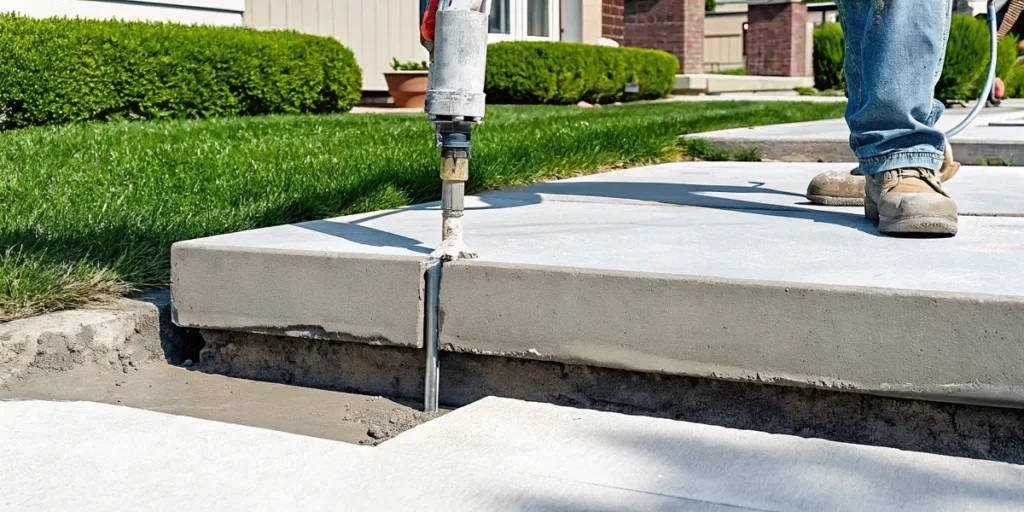
Settled concrete driveways in the Dallas area often become tripping hazards that need a lasting fix. Old mudjacking often fails within a few years as the heavy material sinks back into the soil. PolyLevel offers a much tougher path for owners who want results that last.
Knowing how long does PolyLevel last is the first step for owners who want to fix their sunken driveways for good. An expert PolyLevel job usually lasts 20 years or more and often matches the rest of the life of the concrete slabs it supports. This strength is possible because the waterproof foam does not wash away or erode like the old mudjacking mixes used in the past. In fact, research by the Argonne National Laboratory shows that rigid foam can survive underground for over 1,000 years without breaking down. Because the material is lightweight, it fixes the soil without adding heavy loads and resists the yearly shifting caused by droughts in Dallas.
Learning the long-term value of this method needs a look at the science. Many property owners ask What Is PolyLevel and How Does It Support Concrete Slabs? before they choose a repair method. Here’s how the process works to secure your home.
How Long Does Polylevel Last: What Is PolyLevel and How Does It Support Concrete Slabs?
PolyLevel is a high-density foam used to lift and fix sinking concrete. This two-part mix grows when put under the slab. As it expands, it fills holes and lifts the slab back to its right spot. This way, called polyjacking, gives a new way to fix paths and floors without a mess. Using the longevity of PolyLevel concrete leveling helps folks keep their homes safe for a long time.
How the foam grows and lifts
The system works by mixing two liquids that turn into a hard foam. Once put through small holes, the foam grows fast to fill gaps. This growth creates a push that can lift even heavy slabs. Because the foam moves into every spot, it gives even support across the base. This full coverage is key to how well the fix works. Tests on foam strength often show up in structural foam durability reports that show how it holds up over time.
A light fix for weak dirt
One big plus of this foam is its low weight. Most fix mixes are very heavy and can make dirt sink more. PolyLevel weighs only 2 to 4 pounds per cubic foot. This means it puts very little stress on the weak dirt under your slab. Even though it is light, it has the power to hold up heavy loads. It stays in place and will not wash away during heavy rain. This makes it a great choice for the clay soils found in the Dallas area.
Backed by a top network
Solid Base Foundations is a member of the Foundation Supportworks group. This group makes tools and foams that are tested for high use. Being part of this network means we use patented fixes that other shops do not have. Our foam is made to last for many years. You can feel good knowing your fix is backed by experts. This focus on quality helps make sure that every job is safe and strong. You can read about how long these foams last in studies on underground life from top labs.
How Long Does PolyLevel Concrete Leveling Last?
Homeowners often ask how long does PolyLevel last when they see a sinking driveway or porch. The good news is that this foam is built for the long haul. Most pros agree that a well done repair will stay strong for 20 years or more.
In many cases, the foam will last as long as the concrete slab itself. This makes it a great choice for those who want a fix that stays put. It is a reliable way to keep your home safe and looking good.
A fix that stays in place
One reason this system lasts so long is its chemical makeup. The foam does not react with the soil or wet ground around it. This means it will not rot, rust, or break down over time.
Old grout can wash away during heavy rain, but this foam stays firm. It fills the empty spots under your slab and keeps it level. Many folks want to know how long does PolyLevel last before they start a project.
This foam is also very light. It weighs only about two to four pounds for each cubic foot. This is a big deal for long-term health. Heavy fillers can push down on soft soil and cause new sinking.
Since the foam is so light, it does not add new weight to the ground. It works with the earth to hold up your heavy concrete. This helps the repair last for decades without new shifts.
Science shows deep strength
The strength of this foam is backed by hard science. A famous study by the Argonne National Laboratory looked at how long this material stays strong. They found that rigid foam like this has a likely life of more than 1,000 years when placed underground.
This means the material is far tougher than the concrete it supports. While we don’t expect your slab to last 1,000 years, the support beneath it will stay firm. It is a solid base for any home project.
This long life comes from the way the foam cures. It turns into a solid, waterproof mass in just 15 minutes. Once it is set, it forms a barrier that keeps out water.
In areas like Dallas and Plano, where soil can be very wet or dry, this is key. The foam won’t change shape when the clay soil moves. It keeps the slab level through every season of the North Texas year.
Matching your slab’s life
When you fix your concrete, you want the repair to be final. This foam provides a long-term way to fill voids and lift slabs. It is much better than old methods that only last a few years.
Because it is tough and has high strength, it handles daily use with ease. It is even strong enough to support heavy trucks and large cars on a driveway. You can trust it to hold up over time.
Most concrete slabs have a life of about 30 to 50 years. By the time a slab sinks, it may have 20 years of life left. The goal of this repair is to match that time.
You won’t have to worry about the same spot sinking again. It is a smart way to save your concrete and avoid the mess of a full tear-out. You get a flat surface that stays safe for years to come.
PolyLevel vs. Mudjacking Longevity: A Clear Comparison
When you look for ways to fix a sinking driveway or patio, you will likely find two main options. Old mudjacking has been the go-to for years, but newer foam methods like PolyLevel offer a much better path. The main difference lies in how each mix works with the soil and how long the fix lasts. Knowing the PolyLevel service lifespan helps you choose the right fix for your home.
The weight of the fix
One major flaw with mudjacking is the heavy weight of the mix. This method uses a thick slurry made of mud, sand, and cement. This mix is very heavy. It weighs between 100 to 150 pounds per cubic foot. When you add this much weight to soil that is already weak, it often causes the slab to sink even more. It is like trying to fix a sinking ship by adding more bricks to it.
PolyLevel solves this problem by using a light foam. This foam weighs only about 2 to 4 pounds per cubic foot. Since it is so light, it does not add a big load to the soil underneath. This helps stop the new sinking that often ruins mudjacking jobs. As noted by the National Institutes of Health, these water-active materials are good for structural repair because they react fast and provide high strength without the bulk.
Drill holes and looks
Mudjacking needs large holes to be drilled into your concrete. These holes are usually about two inches wide. Even after they are filled, they leave large, round marks on your sidewalk or pool deck. This can hurt how your home looks and makes the fix very easy to see. Most people find these large marks to be an eyesore that stays for years.
In contrast, PolyLevel uses tiny drill holes. These are only 5/8-inch wide. That is about the size of a penny. Because the holes are so small, the fix is hard to see once the work is done. Crew members fill these small spots with a grout that blends in with your slab. This makes it the best choice if you want to keep your concrete looking clean and new.
Resistance to water and wear
Mudjacking mix is prone to washing away. Since the slurry is made of dirt and sand, water can easily break it down. Over time, heavy rain or poor drainage can wash the mud out from under the slab. This leaves new gaps and causes the concrete to crack or sink again within just 2 to 5 years. This short life means you might have to pay for the same fix over and over.
PolyLevel is hydrophobic, which means it repels water. It will not wash out or break down even if the soil gets wet. This water-resistance is a key reason why it lasts so much longer. Studies show that this type of foam has an estimated life of more than 1,000 years under the ground. This high level of strength makes it a permanent fix rather than a quick patch.
| Property | Mudjacking | PolyLevel Foam |
|---|---|---|
| Average Lifespan | 2 to 5 years | 20+ years (permanent) |
| Material Weight | 100-150 lbs/cu ft | 2-4 lbs/cu ft |
| Hole Size | 2 inches (large) | 5/8 inch (penny-sized) |
| Curing/Traffic Time | 24 to 72 hours | 15 minutes |
| Erosion Resistance | Low (washes away) | High (water-resistant) |
Set time and use
If you use mudjacking, you may have to wait days before you can use your driveway again. The wet slurry needs a long time to dry and get hard. This can be a big pain if you need to park your car or walk to your front door. If you drive on it too soon, the weight of the car can push the wet mix out and ruin the lift.
PolyLevel sets in just 15 minutes. This means you can drive your car over the slab almost right away. The fast reaction time allows the foam to expand and set quickly, even in wet soil. You will not have to deal with long wait times or blocked driveways. This speed, combined with long-term strength, makes foam the clear winner for modern concrete repair.
Factors That Affect the Lifespan of Your Concrete Lift
Even the best repair depends on the ground beneath it. The longevity of PolyLevel concrete leveling is linked to the stability of the local soil. In North Texas, the primary challenge is the expansive clay that makes up most of our yards. This soil type reacts strongly to changes in moisture, which can lead to new movement if you do not manage the site well.
North Texas soil and clay shrinkage
Dallas, Collin, and Denton counties sit on thick layers of expansive clay. This soil acts like a sponge, growing when wet and shrinking as it dries. During a hot Texas summer, clay can lose up to 30% of its volume as it dries out. This creates large gaps, or voids, under your driveway or patio. According to the United States Department of Agriculture, this volume loss is a leading cause of slab settlement in our region.
When heavy rains follow a drought, the soil swells fast. This cycle of shrinking and swelling puts stress on any concrete slab. While PolyLevel is a permanent material that will not wash out, the shifting ground can still cause the slab to move. Homeowners must watch for these soil cycles to ensure the lift stays level for years to come.
Impact of water drainage and tree roots
Poor water management is another big factor in how long a lift lasts. If gutter downspouts dump water right next to your slabs, it can wash away the loose dirt that supports the concrete. This erosion leaves the foam to do all the work without help from the earth. Proper drainage is key to keeping the soil stable and protecting your PolyLevel service lifespan.
Living things also play a role in soil health. Large trees near a driveway use their roots to pull water from deep in the ground. During a dry spell, these roots can suck the clay dry fast. Research from Texas A&M University shows that mature roots are a common cause of sinking. Keeping your soil moisture steady and moving water away from your concrete are the best ways to protect your repair.
When Is Concrete Lifting Appropriate (and When Is It Not)?
Property owners often wonder if they can save their sunken concrete or if they must replace it. Knowing how long does PolyLevel last helps in making this choice. Concrete lifting is a great fit for slabs that are still in good shape but have settled due to soil issues. This includes common areas like driveways, sidewalks, pool decks, and patios. Because concrete weighs about 150 pounds per cubic foot, even a small slab puts a heavy load on the soil below. If that soil shifts, the slab sinks and creates a dangerous trip hazard.
When to choose concrete lifting
Concrete lifting is the best choice when the slab is mostly whole but has tilted or dropped. Our technicians use PolyLevel to provide a precise lift, often within millimeters of the target height. This method works well for slabs that carry heavy traffic, such as garage floors or warehouse paths. High-density foam has the strength to support these loads without sinking again. By lifting the slab instead of replacing it, you can fix safety risks while keeping your original concrete in place. This approach is much faster and cleaner than a full tear-out.
You should also consider how long does PolyLevel last when you plan your repair. In most cases, the foam will last for decades because it does not react with soil or water. This makes it a great way to fix patios or pool decks where water is often present. The foam fills the empty spots under the concrete and seals them off. This stops more water from getting in and washing away the dirt. It is a simple way to get a flat surface that stays that way for a very long time.
When replacement is the better option
There are times when lifting cannot fix the problem. If a concrete slab has crumbled into many small pieces, foam injection will not be able to pull them back together. Slabs with deep, wide cracks or surface scaling may also need to be replaced. Lifting works by filling voids and pushing up solid pieces, so the concrete must have enough structural strength to rise as one unit. If your concrete is old and has turned to rubble, a new pour is likely the only safe way to get a smooth, level surface again. Talk to a pro to see if your concrete is still strong enough for a lift.
Safety and cost benefits
Fixing uneven concrete is a smart move for both safety and your budget. Sunken slabs create trip hazards that pose risks to anyone walking on your property. Beyond safety, the savings are significant. Choosing polyurethane foam lifting is very cost-effective, as it typically costs 50% to 70% less than concrete replacement. You get a level surface that lasts for years without the high price or the long wait time of new concrete. This makes it an ideal way to restore your home or business value quickly.
How to Maintain Your Leveled Concrete for Maximum Longevity
PolyLevel is a strong and lasting fix for sinking concrete. The foam itself is made to last a long time. In fact, one study by the Argonne National Laboratory found that this type of foam can last for over 1,000 years. While the foam stays firm, the soil around it can still move. You must take a few simple steps to keep your slabs level. These tasks are easy to do and do not need any special tools. DIY lifting is not a good idea because it needs expert tools and skills to work well. But you can handle the daily upkeep yourself.
Manage Water and Drainage
Water is the biggest threat to your concrete. When water pools near the edge of a path or driveway, it makes the dirt soft. In North Texas, our clay soil shifts a lot when it gets wet. Poor drainage leads to soil loss, which can cause the slab to sink again. You should make sure your gutters and downspouts move water far away from any concrete. This stops water from getting under the slab and washing out the base. Keeping the ground dry is the best way to keep your driveway flat.
Seal Gaps and Cracks
Once your concrete is level, you need to keep water out from the top. Small cracks or open joints act like funnels. They let rain seep directly into the soil. The expected results of PolyLevel foam depend on a dry and stable base. You should use a good sealer on all cracks and joints. This simple task keeps rain from reaching the soil under the slab. It also stops weeds from growing. Weeds can push slabs apart and ruin the level over time.
Keep Soil Moisture Steady
Texas weather is often dry. During a drought, clay soil can lose up to 30 percent of its volume as it dries out. This shrinkage creates big gaps under your concrete. You can prevent this by keeping the soil moisture even around your home. Use a soaker hose during the hot summer months. Also, be aware that big tree roots near a driveway can pull water out of the dirt fast. Keeping the soil damp helps the slab stay in its right place.
- Clean your gutters. Clear your gutters twice a year to stop clogs. Water that spills over the side of a gutter often lands right next to your concrete slabs and causes sinks.
- Extend downspouts. Add parts to your downspouts so they drain at least five feet away from your driveway. This keeps the ground under the concrete dry and firm.
- Seal joints and cracks. Put a flexible sealer in every open gap. This creates a water-tight shield that stops soil washouts before they start.
- Watch for soil gaps. Check the edges of your slabs after a dry month. If you see gaps between the dirt and the concrete, add more dirt to fill them in.
- Water your yard. Use a soaker hose during North Texas droughts to keep the clay soil from shrinking. Steady water levels prevent the soil from pulling away from the slab.
- Avoid heavy loads. Keep heavy trucks off the edges of your slabs. While PolyLevel is strong, the very edge of a concrete slab is often the most likely spot to crack under weight.
Frequently Asked Questions
How long does PolyLevel concrete leveling last?
PolyLevel is built to match the life of your concrete slab. It often lasts for 20 years or more. Unlike older mudjacking, this foam does not react with soil or water. Research from the Argonne National Lab shows the material can last underground for over 1,000 years. This makes it a great way to fix your home for a long time.
How soon can you drive on PolyLevel concrete?
A big plus for PolyLevel is how fast it dries. While older mudjacking needs days to set, this foam reaches full strength in about 15 minutes. You can use your driveway or sidewalk right away after the team is done. As shown in industry guides, the surface is ready for cars very fast. This saves you time and lets you get back to your day.
Does PolyLevel foam wash away over time?
No, PolyLevel is waterproof. This means it will not wash out or break down when it gets wet. Older mudjacking uses a heavy mix of soil and cement that can wash away in heavy rain. PolyLevel is a stable material that stays in place once it fills the void. This strength makes it a good pick for clay soils in the Greater Dallas area.
Is PolyLevel better than mudjacking for long-term results?
PolyLevel gives better long-term results because it is very light. Mudjacking adds up to 150 pounds for every cubic foot. This extra weight can cause the soil to sink even more. Data from Sealtite Insulation shows that PolyLevel weighs only 2 to 4 pounds per cubic foot. By not adding heavy weight to soft soil, PolyLevel helps your repair last much longer.
Ready to schedule a free concrete leveling estimate?
Sunken slabs on your driveway or walk will sink more as the Texas soil moves in dry weather. By fixing this today, you stop trip hazards and avoid the high cost of replacing all the concrete later. Our light PolyLevel foam stays strong for many years and is ready for cars in just fifteen minutes. You will get a smooth walk that looks great and keeps your family safe without a big mess. Do not wait for the cracks to get worse or for someone to fall on your property. This fix helps you keep your home in good shape while saving you time and cash on repairs.
Ready to schedule a free concrete leveling estimate? Call (940) 465-1662 to get your free estimate today.