

Sinking driveways in Dallas often start with one hidden problem: poor water flow. When rain pools near your slab, it washes away the soil. Fixing this flow is the only way to stop the settling.
Are you dealing with driveway drainage sinking concrete issues at your North Texas home? Call the local experts at Solid Base Foundations today at (940) 365-4221 to schedule your free estimate and concrete inspection.
Fixing driveway drainage sinking concrete needs a plan to steady the soil and lift the slab. When water stays near the driveway, it flows under the concrete and washes away the dirt base. This wear leaves empty spots called voids that make the slab sink. As shown by the Environmental Protection Agency, moving water away is the best way to prevent slab damage. Homeowners in the Dallas area can stop this by using trench drains to move runoff. Once the water is gone, experts use PolyLevel foam to fill the empty voids and lift the driveway. This fix stops soil movement and keeps the concrete level for a very long time.
Many owners see the cracks but do not know How Does Poor Water Drainage Under a Driveway Cause Sinking Concrete? To fix the slab, you must look at how rain moves below the ground. The path to a flat driveway starts with this look:
Driveway Drainage Sinking Concrete: How Does Poor Water Drainage Under a Driveway Cause Sinking Concrete?
When your driveway lacks a plan for water runoff, rain has nowhere to go but down. In North Texas, heavy storms send a lot of water toward the edges of your driveway. If your driveway drainage sinking concrete issue is not fixed, the water will soon seep into the dirt that supports the heavy slab. This water can quickly turn a firm base into a weak one.
Water softens the soil base
The dirt under your driveway must stay firm to hold up the heavy weight of the slab. But when water pools near the edge, it soaks into the soil and turns it into soft mud. This wet soil can no longer hold the slab, which shows how driveway drainage prevents sinking concrete by keeping the base dry. Experts at the EPA state that controlling liquid water is the first step to prevent slab damage.
Runoff washes away supporting dirt
As water moves under the concrete, it takes small bits of soil with it. This is called erosion, and it is a top cause of why drainage systems prevent sunken concrete problems in Dallas homes. Over time, this moving water creates empty spots or “voids” where the dirt used to be. Without a solid base to rest on, the heavy driveway slabs will eventually crack and sink into these gaps. Keeping up with proper driveway drainage is a key way to keep the soil stable and prevent these holes from forming.
Poor drainage leads to soil settlement
In many cases, the sinking you see is the result of soil settlement over time. When the ground under the slab gets wet and then dries out, it shifts and packs down. This cycle of getting wet and drying out is very common in the Greater Dallas area. If your yard has poor water flow, the soil will move until the concrete above it starts to fail. Research from the NIH shows that moisture is a main cause of structural weakness in many materials.
Clay Expansion vs. Water Erosion: Why Does North Texas Soil Settle?
North Texas is infamous for its expansive clay soil, which expands when wet and shrinks when dry. This shrink-swell movement is a primary driver of driveway drainage sinking concrete issues. Because clay soil constantly shifts beneath the slab, failing to manage surface runoff will lead to voids, structural cracking, and driveway settlement over time.
The North Texas Clay Cycle
The movement of clay soil is known as a shrink-swell cycle, which puts massive pressure on your driveway. Over time, the soil weakens and can no longer support the concrete. Expert studies show that excess moisture in the soil reduces its load-bearing capacity, leading to the sinking and cracks seen across North Texas lots.
This cycle is relentless. The hot summer sun dries out the ground, causing the clay to shrink and pull away from the concrete. When rain returns, water fills these gaps, expanding the clay but rarely returning it to the exact same position. This leaves your driveway resting on an unstable, shifting base.
How Water Erosion Creates Voids
Erosion is another major threat to North Texas driveways, occurring when fast-moving water flows underneath the concrete slab and washes away supporting soil. As the base material washes away, empty pockets called voids form. Without a solid foundation to rest on, the heavy driveway slab eventually sags and cracks under its own weight.
Implementing proper driveway drainage prevents this by keeping water away from the slab edges. Because these voids are hidden from view, a driveway can appear stable on top while being hollow underneath. Monitoring the edges for washed-out soil is critical to catch erosion before the slab collapses.
Heavy Loads and Sinking Slabs
Vehicular weight compounds these soil issues. Parking heavy trucks or SUVs on concrete with underlying voids forces the slab downward into the empty pockets. Since the concrete can no longer bridge the gap, it cracks and settles. Using specialized polyurethane foam that cures in 15 minutes fills these voids and lifts the driveway back to level, restoring support and preventing further damage.
Which Driveway Drainage Solutions Are Best for North Texas Homes?
Pooling water saturates local clay, softening the sub-base and causing heavy driveway slabs to sink or tilt. Installing proper site drainage is the most effective way to prevent this damage. The EPA notes that controlling liquid water is the critical first step in protecting concrete slabs and home foundations.
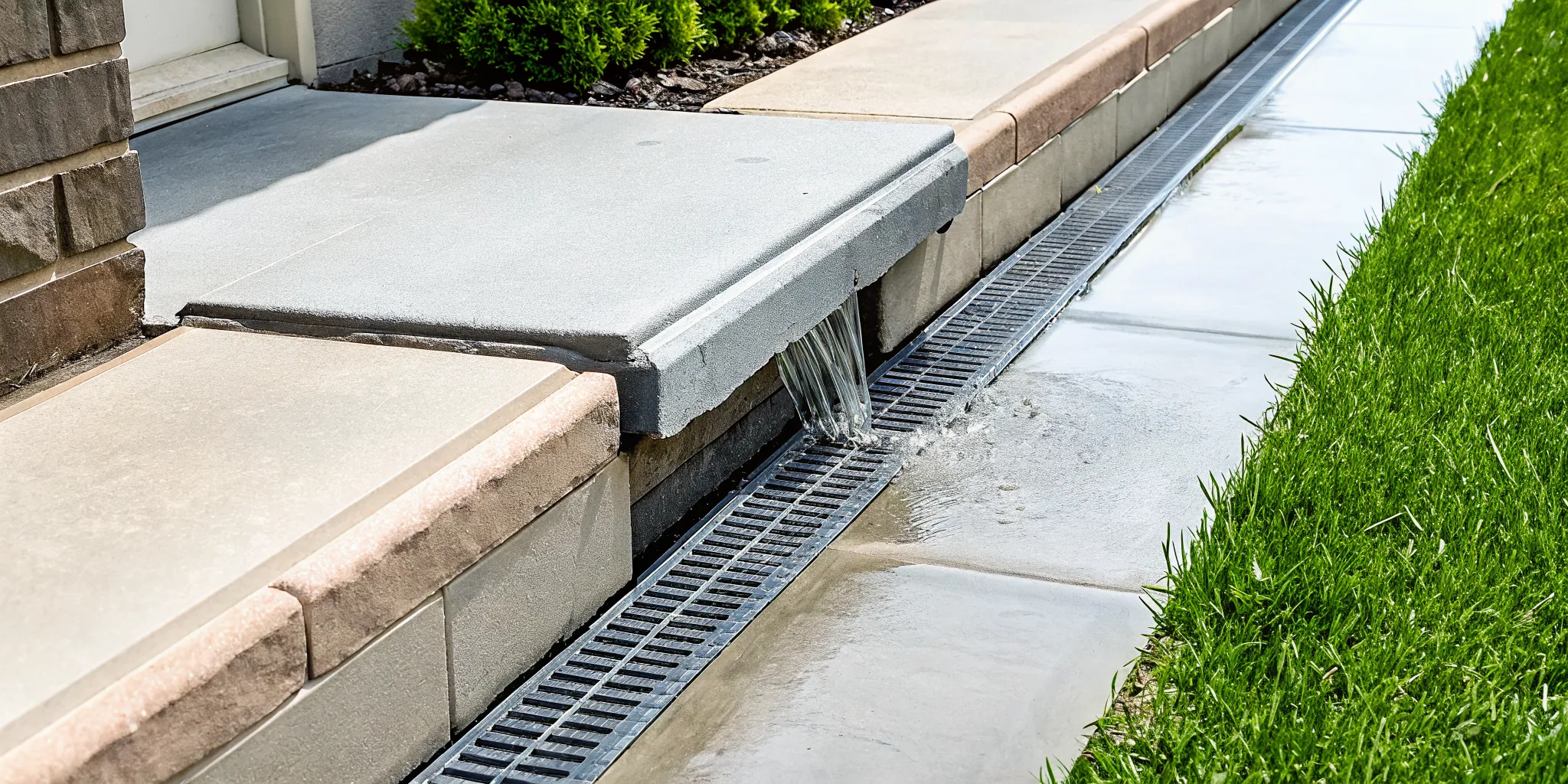
Managing surface water with trench drains
Trench drains (or channel drains) are ideal for flat driveways that collect rainwater. Installed flush with the concrete surface, these grated channels capture surface runoff and direct it to a safe discharge area. This is a critical component for managing drainage impact on concrete stability. Keeping the base dry prevents soil erosion, keeping slabs level and intact.
Using French drains for ground water
While trench drains capture surface water, French drains address subsurface saturation. These gravel-filled trenches contain perforated pipes that collect and redirect groundwater. This prevents water table rise from saturating and softening the driveway’s dirt base. Experts at the NIH explain that persistent subsurface dampness reduces the structural lifespan of surrounding building materials. Combining both drain types offers complete protection.
Comparing North Texas drainage options
The right drainage system depends on your yard’s slope and soil. Some properties require simple grading, while others need heavy-duty catch basins. Use this table to identify the best solution for your North Texas driveway:
| Solution | Best Use | Main Benefit |
|---|---|---|
| Trench Drain. | Flat driveways or garage fronts. | Stops surface water from pooling. |
| French Drain. | Low spots with soft, wet soil. | Lowers the water table under slabs. |
| Swale. | Large yards with natural slopes. | Moves water using shallow turf paths. |
| Catch Basin. | Downspout areas or low corners. | Collects and pipes away heavy runoff. |
How Do You Inspect a Sinking Driveway? A Step-by-Step Checklist
Dallas homeowners can spot signs of driveway drainage sinking concrete early by observing water movement during and after heavy rain. Runoff should flow efficiently away from your driveway slab into the street or dedicated drains. Standing water next to the concrete means moisture is seeping under the slab, putting the soil base at risk of washout.
Spotting Early Signs of Settlement
Start by looking for cracks that expand or shift over time. While hairline cracks are common, wide gaps are major red flags. Check the edges where the concrete meets grass or flower beds. If the soil has settled below the slab edge, water will infiltrate and wash away the sub-base, leaving the heavy concrete suspended over an air gap. This causes the slab to settle and crack further under the weight of vehicles. Also inspect expansion joints monthly; if one slab sits higher than its neighbor, it indicates active soil shifting from excess moisture.
Step-by-Step Inspection Checklist
Use this list to check your driveway twice a year. It is best to do this in the spring and fall when Texas weather changes the most.
- Look for Standing Water: Spot puddles on or near the driveway that linger for more than an hour after a heavy storm.
- Check the Edges: Scan the soil boundary for gaps, channels, or holes indicating that dirt is being carried away.
- Test for Level Slabs: Lay a straight board across cracks to see if one side has dropped relative to the other.
- Inspect the Garage Seam: Check the joint where your driveway meets the garage floor for new gaps or drops.
- Look for Soil Deposits: Note piles of sand or silt at the bottom of slopes, which show that water is eroding the base.
- Listen for Hollow Sounds: Tap the slab with a heavy tool. A hollow echo reveals an empty air pocket.
Why Early Detection Matters
A settled slab is often an early indicator of wider water drainage issues that may threaten your home’s foundation. The same runoff causing your driveway to sink could be pooling near your home’s perimeter. Research confirms that persistent dampness causes structural decay, shortening the useful lifespan of building materials. Resolving drainage and slope issues now protects your concrete and foundation from costly, long-term degradation. Scheduling professional concrete repair services at the first sign of settling stops damage before it spreads.
Why PolyLevel is the Ultimate Solution for Sunken Driveways
PolyLevel is an advanced concrete leveling solution that uses high-density polyurethane foam to fill sub-slab voids and lift sunken driveways. This fast, lightweight, and durable repair method directly addresses the underlying cause of driveway drainage sinking concrete by compacting the base soil and creating a stable, waterproof foundation.
How foam injection works
The process begins with drilling small, dime-sized holes into the sunken concrete. High-density polyurethane foam is then injected below the slab, expanding rapidly to fill any empty voids and lifting the heavy driveway back to its original level. Unlike other methods, this lightweight material is waterproof, never decays, and cannot wash away in heavy storms. This is a critical factor in controlling liquid water near your home. It cures completely in just 15 minutes, allowing immediate use.
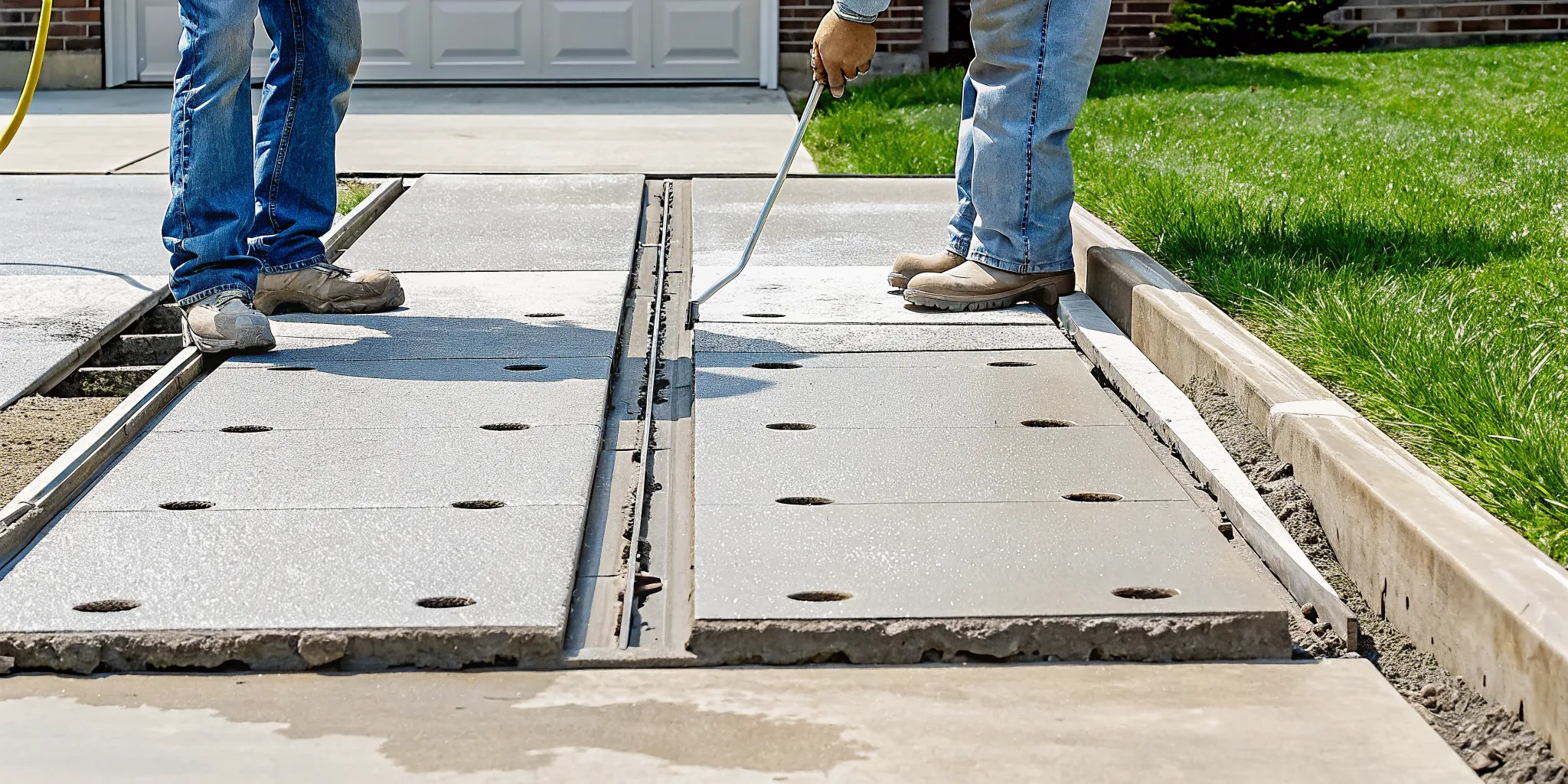
PolyLevel vs old mudjacking
Mudjacking is an outdated method that pumps a slurry of mud, sand, and cement under the slab. This mixture is extremely heavy, adding immense weight to an already weak soil base and often causing further sinking. Additionally, mudjacking is not waterproof; water can easily erode the mixture and create new voids. PolyLevel is a superior choice for fixing sunken concrete caused by drainage issues because it remains stable, waterproof, and durable even in saturated soil conditions.
Why stability matters for your home
A sinking driveway is an early warning sign of wider water-management issues. If water pools against your home, it can weaken the entire foundation. Understanding the transport of moisture and how water moves is critical to protecting your structure. Using PolyLevel keeps the soil under your concrete firm and dry with minimal footprint. The process requires no heavy machinery, leaves no mess on your lawn, and results in tiny filled holes that are virtually invisible.
Sealing Driveway Cracks: How NexusPro and SealantPro Extend Your Driveway’s Life
Lifting a sinking driveway with PolyLevel foam is the best way to get a level surface. But lifting the concrete is only the first step of a full repair. To stop driveway drainage sinking concrete from coming back, you must keep water away from the soil base. Sealing cracks and joints is the key to long-term success. This final step is vital for addressing drainage-related voids and keeping your concrete stable for years.
Stop soil washouts under the slab
When driveway joints and cracks remain open, rainwater flows directly into the underlying soil base, washing away dirt and causing clay soil to swell and shrink. Over time, this erosion creates new voids that cause the concrete to settle again. Sealing these joints establishes a waterproof shield that keeps the base soil dry and stable. This level of moisture control is a fundamental rule for stopping damage to concrete slabs and protecting the ground from shifting under vehicular weight.
NexusPro for flexible joint protection
NexusPro is a professional-grade silicone sealant designed specifically for concrete joints and cracks. Unlike standard caulk that becomes brittle and fails under the hot Texas sun, NexusPro remains highly flexible. It stretches and moves alongside North Texas clay soils without cracking or peeling, ensuring a continuous, tight bond. This flexibility prevents water, dirt, and invasive weeds from invading the joints, preserving the soil base and preventing structural breakdown.
SealantPro for a lasting surface
While NexusPro seals joint lines, SealantPro penetrates the concrete surface to shield the entire slab from moisture, chemicals, and salt. It permanently bonds with the concrete, creating a barrier that prevents water from soaking into the material. Because moisture absorption can weaken structural parts and shorten their useful life, SealantPro prevents concrete from flaking, pitting, and eroding over time. Together, these systems deliver a long-lasting, stable repair that protects your driveway against the elements.
Frequently Asked Questions
How long does it take for PolyLevel to cure after lifting a driveway?
Most repairs that use PolyLevel are ready to use almost right away. Solid Base Foundations states that this foam cures in only 15 minutes. This lets people drive on the surface much faster than old ways. The foam stays dry and will not wash away if the soil gets wet again. It is a great fix for driveway drainage sinking concrete problems and does not need a long wait like new concrete.
Why is mudjacking no longer recommended for sinking concrete driveways?
Mudjacking uses a heavy mix of sand and cement that adds a lot of weight to weak soil. This extra weight often makes the concrete sink even more later. New ways use light foam because it does not stress the ground. The EPA says that stopping water is the best way to keep things dry. Foam is waterproof and helps keep the base under your driveway strong and level for a long time.
Will a trench drain prevent my concrete driveway from sinking?
Yes, a trench drain is a good way to manage water flow. These systems catch water before it can soak into the ground under your slab. By moving water away, you stop the soil from getting soft and washing away. Good site drainage is a main rule for protecting concrete slabs, as the EPA explains. Keeping the soil dry makes sure your driveway stays level and safe for many years to come.
Can poor driveway drainage lead to foundation damage?
Yes, water that sits near your driveway can move toward your home base. This extra water makes the soil weak and can cause the house to shift. The NIH says that damp problems can make building materials weak. Fixing water issues early helps save your driveway and your home from big repair bills. Making sure water flows away from all concrete surfaces is key to keeping your whole property safe and strong.
Ready to schedule your free concrete inspection?
Ignoring a settling driveway will only lead to more severe damage and costlier repairs. Over time, water will continue to wash away the supporting soil base, widening cracks and increasing safety and trip hazards. Taking proactive action stops erosion in its tracks, preserves your home’s curb appeal, and extends the life of your concrete. The local experts at Solid Base Foundations can resolve your drainage issues, fill sub-slab voids, and lift your driveway back to its level position in just one afternoon. Contact us today to secure a permanent, reliable fix.
Ready to get started? Call (940) 365-4221 to schedule your free concrete inspection or contact us online.