
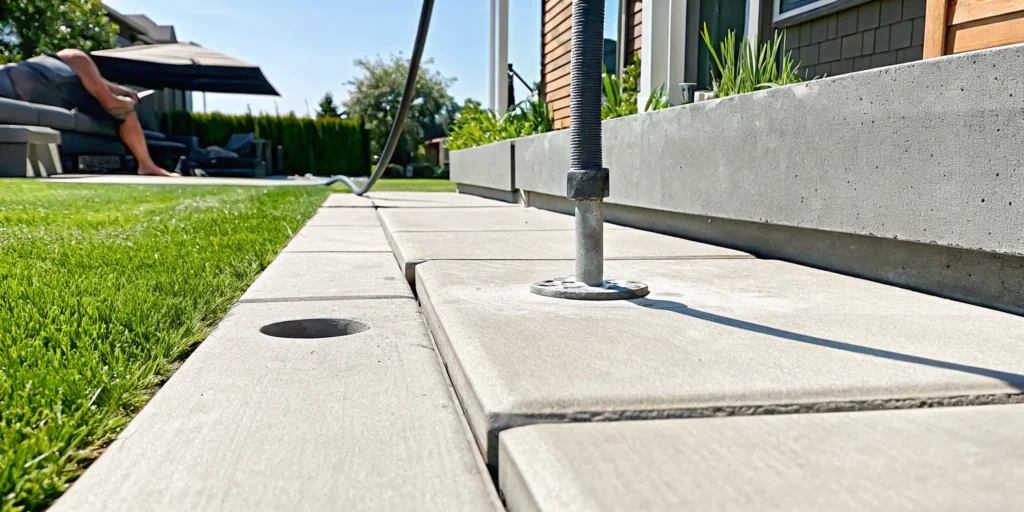
That uneven slab or widening crack on your pool deck is more than just an eyesore; it’s a symptom. Here in the Dallas area, the real culprit is often the unstable clay soil beneath the concrete. It swells with rain and shrinks during dry spells, causing slabs to sink, shift, and break. This constant movement creates dangerous trip hazards that a simple patch job can’t fix permanently. So, what is the best way to repair a pool deck trip hazard when the problem is underground? This article will help you understand the root causes of concrete failure and guide you toward a lasting solution that addresses the soil itself, ensuring your deck is stable and secure for years to come.
Key Takeaways
- Look Beyond the Surface: Small cracks and uneven slabs on your pool deck are more than just cosmetic flaws; they often signal serious underlying issues like shifting soil or poor drainage that need to be addressed.
- Use the Half-Inch Rule: A simple way to gauge severity is to measure the height difference between concrete slabs. If the gap is half an inch or more, it’s a significant trip hazard that requires a professional repair to fix the unstable ground below.
- Prioritize Proactive Maintenance: Protect your pool deck by managing water and weather. Ensure proper drainage, keep expansion joints clear of debris, and apply a concrete sealer every few years to prevent water damage and stop new cracks from forming.
What Are the Most Common Pool Deck Trip Hazards?
A pool deck should be a place for fun and relaxation, not a source of worry. Unfortunately, wear and tear can create serious trip hazards that put your family and guests at risk. These issues often start small, but they can quickly become dangerous if left unaddressed. Knowing what to look for is the first step in keeping your poolside area safe. From subtle cracks to noticeably uneven surfaces, these common problems can turn a perfect summer day into a painful accident.
Cracks and Fractures
Even small cracks in your pool deck are more than just an eyesore. A hairline fracture might seem harmless, but it’s the perfect place for a toe to get caught, leading to a nasty trip. These cracks are often a signal of bigger issues happening beneath the surface. If you ignore them, water can seep in and widen the gap, turning a minor flaw into a large, dangerous one. Addressing these fractures early is key to preventing a more complex and expensive concrete repair down the road.
Uneven or Raised Concrete Slabs
One of the most significant trip hazards is an uneven concrete slab. This happens when one section of your deck sinks or lifts, creating a raised edge next to the adjacent slab. It’s incredibly easy for someone, especially a child running around the pool, to catch their foot on that ledge and fall. This issue is often caused by soil shifting underneath the concrete, which is a clear sign that your deck may have an underlying foundation problem that needs professional attention.
Spalling and Surface Deterioration
Have you noticed parts of your concrete deck looking rough, pitted, or flaky? This is a process called spalling. It happens when the top layer of the concrete begins to break down, leaving a coarse and uneven texture. Spalling is often caused by exposure to freeze-thaw cycles, harsh pool chemicals, or an improper finishing job during installation. A spalling surface is not only rough on bare feet but also creates an unpredictable area where it’s easy to lose your footing, especially when the deck is wet.
Loose or Missing Tiles
If your pool deck is made of tiles or pavers, you need to watch out for any that have come loose. A tile that shifts or wobbles when you step on it can easily cause an ankle to twist or a person to lose their balance. Even worse is a tile that has gone missing altogether, leaving a hole in the deck that is a clear trip hazard. These issues often happen when the grout or adhesive underneath fails due to moisture and age, so it’s important to regularly check for any movement.
Exposed Paver Edges
For decks constructed with pavers, the edging is designed to hold everything in place and create a clean, finished look. Over time, this edging can shift or erode away, leaving the edges of the pavers exposed. This creates a raised lip along the perimeter of the deck or around the pool itself. It’s a subtle but sneaky trip hazard that’s easy to overlook until someone stumbles over it. Regularly inspecting the borders of your paver deck helps you catch this problem before it causes an injury.
What Causes Pool Deck Trip Hazards?
Your beautiful pool deck can, over time, become a minefield of trip hazards. It’s frustrating, but it’s rarely a sign of poor installation. More often, the culprits are powerful natural forces working beneath and against the concrete. The ground under your feet isn’t as stable as you might think, and your pool deck bears the brunt of every subtle shift. Understanding what’s causing the cracks and uneven slabs is the first step toward a lasting fix.
The main causes are almost always related to soil, water, and temperature. In North Texas, our expansive clay soil is a major factor, swelling when wet and shrinking when dry. This constant movement puts incredible stress on rigid concrete slabs. Add poor drainage from heavy rains or the intense summer heat to the mix, and you have a perfect recipe for concrete failure. These environmental pressures can cause slabs to sink, heave, and crack, creating dangerous, uneven surfaces right where your family is supposed to be relaxing. While a small crack might seem like a simple DIY fix, it’s often a symptom of a larger issue. Identifying the specific cause is key to choosing a concrete repair solution that doesn’t just patch the problem but solves it for good, ensuring your pool area is safe for years to come.
Soil Movement and Settling
The ground beneath your pool deck is constantly in motion. Here in the Dallas area, we have expansive clay soil that acts like a sponge. When it rains, the soil absorbs water and swells, pushing slabs upward. During dry spells, it loses moisture and shrinks, causing the concrete to settle and sink. This constant cycle of heaving and settling puts immense stress on the deck. Over time, this movement leads to uneven joints and cracks, creating trip hazards. If you notice one part of your deck is suddenly higher or lower than the section next to it, shifting soil is the likely cause. This is the same process that affects a home’s structure, often requiring professional foundation repair.
Water Damage and Poor Drainage
Water is concrete’s biggest enemy, especially when it can’t drain away properly. If your yard slopes toward your pool or your downspouts empty near the deck, water can pool underneath the slabs. This saturates the soil, turning it soft and weak, which allows the heavy concrete to sink. This process, known as erosion, can wash away the soil supporting the deck, creating voids and leading to significant cracking and settling. A lack of proper drainage around your pool deck is one of the fastest ways to create trip hazards. We see these issues frequently throughout our service area, where heavy rains can quickly overwhelm poorly designed drainage systems.
Heat Exposure and Expansion
Concrete, like most materials, expands when it gets hot and contracts when it cools. Your pool deck bakes in the Texas sun all day, causing it to expand. At night, it cools and shrinks back down. This daily cycle puts a lot of stress on the material. Expansion joints, those lines you see cutting across the deck, are designed to give the concrete room to move without breaking. If these joints are old, filled with debris, or were not installed correctly, the pressure has nowhere to go. This forces the concrete to crack or push against adjacent slabs, causing them to heave upward and create trip hazards. You can see examples of this type of damage and the resulting repairs in our work.
Does Your Pool Deck Need Professional Repair?
So, you’ve spotted some issues with your pool deck. Before you start a huge DIY project, it’s important to figure out what you’re dealing with. Some problems are a quick fix, but others are signs of deeper trouble that need an expert eye. Knowing the difference will save you time, money, and a lot of headaches. Let’s walk through how to tell if you have a minor cosmetic issue or a serious structural problem on your hands. Distinguishing between the two is the first step toward a safe and beautiful pool area.
Signs of Minor Damage
If you’re seeing a few hairline cracks here and there, you can probably breathe a sigh of relief. Small, shallow cracks are pretty common and usually don’t point to a major structural failure. Think of them as the concrete’s equivalent of a paper cut. You can often repair these minor issues yourself with a simple concrete filler from the hardware store. This quick fix restores the look of your deck and helps prevent water from seeping in and making the crack worse. It’s a manageable weekend task that keeps your pool area looking its best without needing to call in the cavalry.
Signs of Serious Damage
On the other hand, some cracks are red flags you shouldn’t ignore. If you see cracks that are wide, deep, or seem to be getting longer over time, it’s time to pay attention. Another major warning sign is when sections of your pool deck are no longer level. Sinking or heaving concrete creates dangerous trip hazards and often indicates that the soil underneath is shifting or washing away. These aren’t just surface-level problems; they’re symptoms of a bigger issue that requires professional concrete repair. Trying to patch over these problems won’t solve the root cause and could lead to even more damage down the road.
The Half-Inch Rule: A Simple Benchmark
Here’s a simple way to gauge the severity of an uneven slab: the half-inch rule. Grab a ruler or tape measure and check the height difference between the sunken slab and the concrete next to it. If that gap is half an inch or more, you officially have a significant trip hazard that needs to be addressed. An uneven surface this pronounced is often caused by water eroding the soil base beneath the slab. This isn’t just a concrete problem; it’s a sign of instability that could affect your pool’s structure. When you see this, it’s a good idea to consult with a foundation repair expert who can stabilize the ground and lift the concrete back into place.
How to Temporarily Secure Your Pool Deck
Okay, you’ve spotted a trip hazard on your pool deck. While you’re figuring out the best long-term solution, the immediate priority is making sure no one gets hurt. Let’s be honest, the last thing you want is for a fun day by the pool to end with a scraped knee or something worse. These temporary measures are like putting a bandage on the problem; they won’t heal the underlying issue, but they can prevent an accident in the short term. Think of these as quick fixes to get you through until you can schedule a professional repair. They are especially helpful if you have a pool party planned or just want some peace of mind while your kids are running around.
It’s important to understand that these are stopgap measures. An uneven slab or a deep crack won’t fix itself, and it will likely worsen over time due to soil movement and weather here in the Dallas area. However, taking a few minutes to secure the area can make a huge difference. The goal is to make the hazard as visible and avoidable as possible until you can get a permanent concrete repair on the books. Taking these precautions shows you’re being responsible, but don’t let it give you a false sense of security. The only true fix is addressing the root cause of the problem.
Mark Hazards With Bright Paint or Tape
One of the quickest and cheapest ways to highlight a hazard is to make it impossible to miss. Grab a can of brightly colored spray paint (think neon orange or yellow) or some high-visibility safety tape and clearly mark the perimeter of the uneven area. This creates a visual warning that tells everyone, “Watch your step here!” It’s a simple solution that takes just a few minutes to apply. However, keep in mind that paint and tape will fade and peel over time with sun and water exposure, so you’ll need to reapply it regularly. It’s a temporary alert, not a fix.
Safely Cover Uneven Areas
If you need to hide a hazard quickly, especially before guests arrive, strategic placement of outdoor furniture can work wonders. An outdoor rug, a large planter, or a lounge chair can be placed directly over the uneven slab or cracked section. This not only conceals the eyesore but also physically blocks the area, preventing anyone from tripping. It’s a clever and free solution if you use items you already own. Just remember that this method literally covers up the problem. The hazard is still there, and you’ll want to see what a permanent fix looks like in our gallery of our work.
Keep the Area Dry and Clear
Moisture and debris are enemies of a damaged pool deck. Leaves, dirt, and grass clippings can accumulate in cracks and on uneven surfaces, hiding the danger and holding moisture that can worsen the problem. Make it a habit to regularly sweep the deck and keep it clear of any clutter. Keeping the area dry also helps prevent slips, which are even more dangerous around an existing trip hazard. This simple maintenance doesn’t fix the concrete, but it makes the space safer and prevents the damage from accelerating while you wait for a professional assessment. When you’re ready, you can contact us for a free estimate.
How to Repair Common Pool Deck Hazards
Once you’ve identified the hazards on your pool deck, the next step is figuring out the right fix. The best repair method depends entirely on the type and severity of the damage. A hairline crack needs a very different solution than a large, sunken slab of concrete. Let’s walk through some of the most common fixes, from simple DIY patches to professional-grade repairs, so you can get your pool deck back in safe, summer-ready shape.
Patch Small Cracks
For minor, hairline cracks in your concrete pool deck, a simple patch is often all you need. You can find concrete crack fillers or sealants at most home improvement stores. This approach is great for preventing small cracks from getting bigger and stopping water from seeping underneath the slab. Before applying the filler, make sure the crack is completely clean and dry. While this is a great DIY fix for cosmetic issues, it won’t solve underlying structural problems. If you notice the cracks returning or getting wider, it’s a sign that something more serious is happening beneath the surface.
Grind Down High Spots
If you have a small, uneven spot where one edge of a concrete slab is slightly higher than the other, grinding it down can be an effective solution. This involves using a concrete grinder to wear down the high edge until it’s level with the surrounding surface. Grinding can create a lot of dust and noise, so it’s important to wear proper safety gear. The main drawback is that the ground area will have a different texture and color than the rest of your deck, which can be an eyesore. It’s a functional fix for a minor trip hazard, but it doesn’t address the cause of the unevenness.
Lift and Level Uneven Slabs
When soil erosion or settling causes entire concrete slabs to sink, you have a major trip hazard on your hands. Grinding isn’t an option here. The best solution is to lift and level the concrete from below. Professionals use methods like polyjacking, which involves injecting a structural polyurethane foam under the slab. The foam expands, filling any voids in the soil and gently raising the concrete back to its original position. This method is fast, minimally invasive, and addresses the root cause of the problem by stabilizing the soil, ensuring a long-lasting and durable repair for your pool deck.
Resurface a Deteriorated Deck
If your pool deck is covered in a web of small cracks, spalling, or discoloration, resurfacing can give it a complete makeover. This process involves applying a thin concrete overlay over the entire existing surface. It covers up all the imperfections and gives you a fresh, uniform finish. You can even add color, textures, or patterns to create a brand-new look. Resurfacing is an excellent way to restore an old, worn-out deck without the high cost and hassle of a full replacement, improving both its appearance and safety.
Replace Loose or Broken Tiles
For pool decks made of tile or stone pavers, the fix is often more localized. If you have a few loose or broken tiles, you can carefully remove them and reset them. After chipping away the old, cracked tile and mortar, you can apply a fresh layer of thinset mortar to secure a new tile in its place. It’s important to make sure the new tile is perfectly level with its neighbors to avoid creating a new trip hazard. Once the mortar is set, finish the job by applying grout and a sealant to protect the repair from water damage.
What Tools and Materials Do You Need for Repairs?
Tackling a pool deck repair starts with having the right tools and materials for the job. The equipment you’ll need depends entirely on the type of hazard you’re fixing. A small crack requires a much different approach than an entire concrete slab that has sunk an inch. For many homeowners, small-scale fixes are manageable DIY projects. You can patch a hairline crack or replace a single broken tile with a quick trip to the hardware store and a bit of patience. These tasks are often straightforward and can prevent minor issues from becoming major headaches.
However, it’s just as important to know when a job is beyond a simple weekend fix. Repairs involving concrete grinding, slab lifting, or extensive resurfacing often require specialized equipment and expertise. For example, lifting a sunken slab isn’t done with a shovel; it’s a technical process that uses advanced methods to correct the problem at its source. Understanding the tools involved can help you decide whether to tackle a repair yourself or call in a professional. For significant structural issues, a team of experienced professionals can provide a lasting solution. You can see some examples of these larger projects in our gallery of our work.
For Patching Cracks
For small, non-structural cracks, a DIY patch is often a great first step. Your main goal is to clean out the crack and fill it with a durable, flexible material to keep water out. Getting these small issues fixed can help prevent larger cracks from forming down the road.
Here’s a basic shopping list:
- Concrete crack filler or elastomeric caulk: Choose a flexible sealant designed for concrete and outdoor use.
- Wire brush: You’ll need this to scrub out any loose debris from inside the crack.
- Putty knife or small trowel: This helps you press the filler into the crack and smooth the surface.
- Shop vacuum or compressed air: For getting the crack perfectly clean before you fill it.
A simple patch can work wonders on minor blemishes, but if you see a web of cracks or a single crack that is widening, it may be a sign of a bigger problem that needs professional concrete repair.
For Lifting and Grinding Concrete
When you have an uneven slab, you have two options: grind down the high side or lift the low side. Grinding is a DIY-possible but messy job. You’ll need to rent a concrete grinder and be prepared for a lot of dust and noise. Don’t forget safety gear like goggles, a dust mask, and gloves.
Lifting the slab, on the other hand, is a job for the pros. This method corrects the underlying issue of settled soil. Professionals use techniques like polyurethane foam injection, where a structural foam is injected under the slab to lift it back to its original position. This is a highly effective and minimally invasive way to fix trip hazards permanently. This kind of work addresses the root cause, which is often related to soil issues that require expert foundation repair.
For Resurfacing
If your pool deck is covered in stains, spalling, or a network of tiny cracks, resurfacing can give it a complete makeover. This involves applying a thin concrete overlay over the entire deck to create a brand-new, uniform surface. The most critical part of this job is preparation. The existing deck must be spotlessly clean for the new layer to bond correctly.
Your tool and material list will include:
- Pressure washer: To deep clean the concrete.
- Concrete overlay product: A cement-based mix designed for resurfacing.
- Mixing bucket and drill with a paddle bit: For mixing the overlay to the right consistency.
- Squeegee or trowel: To spread the overlay evenly across the deck.
Resurfacing is a large-scale project, but it’s a cost-effective way to get a like-new deck without tearing out the old concrete.
For Replacing Tiles
For decks made of tile or stone pavers, a single loose or broken piece can create a serious trip hazard. Luckily, replacing one or two is a very manageable repair. The trickiest part is often finding a matching tile, especially if your deck is older.
Here’s what you’ll need to get the job done:
- Hammer and chisel: To carefully break up and remove the damaged tile.
- Thinset mortar: This is the adhesive you’ll use to set the new tile in place.
- Notched trowel: For applying the thinset in an even layer.
- Replacement tile: The new tile you’ll be setting.
- Grout and a grout float: To fill in the joints around the new tile once the mortar has cured.
With these tools, you can carefully remove the old tile, clean the area, and set a new one for a seamless and safe finish.
Fix Your Pool Deck: A Step-by-Step Guide
Ready to tackle those pool deck problems? Following a clear process is the key to a successful repair, whether you’re patching a small crack or dealing with a more significant issue. While some minor fixes can be a weekend project, remember that major structural problems, like sinking concrete slabs, always require professional attention. For DIY repairs, this guide will walk you through the essential steps to get your deck back in shape for a safe and enjoyable summer.
Step 1: Identify and Mark All Hazard Areas
Before you begin any repairs, take a walk around your entire pool deck to spot every single hazard. Look for cracks, uneven sections, and crumbling surfaces. Once you’ve found a problem area, mark it clearly. A can of brightly colored spray paint works perfectly for this. Drawing a distinct line around each trip hazard ensures you won’t miss anything during the repair process. It also serves as a temporary warning for family and guests to watch their step until the fix is complete. This simple action creates a clear map for your repair work and improves safety in the meantime.
Step 2: Clean and Prepare the Surface
Your repair materials will only stick properly to a clean, dry surface. Start by thoroughly scrubbing the problem areas with a wire brush to remove any loose debris, dirt, or algae. For a deeper clean, a pressure washer can be very effective. After cleaning, it’s crucial to let the concrete dry completely. Trapped moisture can prevent the repair compound from bonding correctly and compromise the durability of your fix. Give it ample time to air dry, especially in the Texas humidity, before moving on to the next step. Don’t rush this part; proper preparation is the foundation of a lasting repair.
Step 3: Apply Your Chosen Repair Method
Now it’s time to apply the fix. The right method depends on the type and severity of the damage. For small cracks (less than a quarter-inch wide), a simple concrete patch compound will do the trick. For deeper or wider cracks, an epoxy filler provides a stronger, more durable solution. If your deck has widespread surface damage or many small cracks, resurfacing the entire area might be the best option. For uneven slabs, however, a DIY approach won’t work. That requires professional concrete repair techniques to lift and level the slab safely and effectively.
Step 4: Seal and Finish the Surface
After your repair has fully cured, the final step is to seal the surface. Applying a good quality sealer is one of the most important things you can do to protect your pool deck. Sealing prevents water from seeping into the concrete, which helps stop new cracks from forming. It also protects your deck from stains, pool chemicals, and sun damage, extending the life of your repair and the entire deck. Make sure the area is clean and dry one last time, then apply a sealer made for concrete pool decks according to the manufacturer’s instructions for a professional-looking and long-lasting finish.
How to Prevent Future Pool Deck Problems
After you’ve repaired your pool deck, the last thing you want is for new problems to appear. A little proactive maintenance goes a long way in preventing future trip hazards and costly damage. By staying on top of a few key tasks, you can keep your pool deck safe, stable, and looking great for years to come. It’s much easier to manage small upkeep jobs than to deal with major repairs down the line. This isn’t about adding a long list of chores to your weekend; it’s about creating simple, smart habits that protect your investment and your family.
Focusing on prevention means paying attention to how water, weather, and daily use affect the concrete. Simple habits like regular inspections and keeping the area tidy can make a huge difference. Addressing potential issues like poor drainage or worn-out sealants before they cause damage will protect your investment and give you peace of mind. Think of it as a simple routine to ensure your outdoor oasis remains a source of fun, not frustration. These preventative steps are your best defense against the common causes of pool deck deterioration, helping you avoid the stress and expense of unexpected problems.
Schedule Regular Inspections
One of the easiest ways to prevent major issues is to catch them while they’re small. Make it a habit to walk around your pool deck and inspect it closely, especially at the beginning and end of the pool season. Look for hairline cracks, small chips, or any areas where the surface feels rough or uneven. These minor flaws are often the first signs of underlying problems.
By spotting a tiny crack today, you can get it sealed before water has a chance to seep in, freeze, and make it bigger. Early detection allows for simple, inexpensive fixes. If you notice several small cracks or signs of shifting, it might be time for a professional assessment to address the root cause. A quick inspection routine helps you stay ahead of serious concrete repair needs.
Improve Drainage Around the Deck
Water is one of the biggest threats to the stability of your pool deck. When water pools on the surface or saturates the soil underneath, it can lead to erosion and soil settlement, causing concrete slabs to sink and crack. Proper drainage is essential for directing water away from your deck and your home’s foundation.
Check that your gutters and downspouts are clear and pointed away from the pool area. The deck itself should have a gentle slope that encourages water to run off instead of collecting in puddles. If you consistently see standing water after it rains, that’s a major red flag. Improving the landscape grading around the deck can prevent water from weakening the soil and causing serious foundation repair issues.
Maintain Expansion Joints
Those lines you see cutting across your concrete deck aren’t just for decoration; they’re called expansion joints. Concrete naturally expands in the heat and shrinks in the cold. These joints give the slabs room to move without pressing against each other and cracking under the pressure. For them to work correctly, they must be kept clean and clear.
Regularly check your expansion joints for dirt, weeds, pebbles, and other debris. Use a stiff brush or a screwdriver to carefully clean them out. If the sealant inside the joint is cracked or missing, it should be replaced to prevent water from getting underneath the slab. Clogged or failed expansion joints are a common and completely avoidable cause of concrete damage.
Apply Non-Slip Coatings and Sealers
Applying a quality sealer to your pool deck offers two major benefits: it protects the concrete and improves safety. A good sealer acts as a barrier, preventing water, pool chemicals, and UV rays from penetrating the concrete’s surface. This simple step can stop cracks from forming, resist stains, and significantly extend the life of your deck. Many sealers also include additives that create a non-slip texture, which is crucial for a wet environment like a pool area.
Depending on the product and how much sun your deck gets, you’ll likely need to reapply the sealer every few years. It’s a straightforward project that makes a huge impact on both the durability and appearance of your pool deck, helping you avoid more extensive concrete repair in the future.
Keep the Deck Clear of Clutter
This is the simplest tip of all, but it’s one of the most effective for preventing trips and falls. Pool toys, floats, wet towels, and shoes left scattered around the deck are common and easily avoidable trip hazards. Make it a family rule to tidy up the area after each swim session.
Designate a specific spot for pool accessories, like a storage bin or a hook rack, to keep everything organized and out of the way. Not only does a clear deck look better, but it also ensures that everyone can walk around the pool safely. This zero-cost habit is a fundamental part of maintaining a secure and enjoyable outdoor space for your family and guests.
Know When to Call a Pool Deck Repair Pro
It’s tempting to tackle home repairs yourself, and for some small pool deck fixes, that’s perfectly fine. A tiny, hairline crack can often be handled with a simple patch kit. But some problems are more than just cosmetic. They point to deeper issues that a simple DIY fix can’t solve, and knowing when to call a professional can save you time, money, and a lot of frustration. If you see any of the following warning signs, it’s time to get an expert opinion.
Pay close attention to cracks that are wide, deep, or seem to be growing. A fracture that you can fit a coin into is a clear signal of a bigger problem. Another major red flag is an uneven or sinking concrete slab. When one part of your deck is noticeably lower than another, it creates a serious trip hazard and often indicates that the soil underneath is unstable. You should also look out for a deck that feels wobbly or sections that shift under your feet. These issues suggest a structural problem that requires a professional concrete repair solution. Attempting to fix a sinking slab without addressing the root cause will only lead to more damage down the road. A professional has the right tools and experience to diagnose the underlying issue and ensure the repair is done safely and correctly, giving you a stable, secure pool deck for years to come.
Related Articles
- Concrete Repair – Solid Base
- Polyurethane Slab Jacking: A Homeowner’s Guide
- PolyLevel – Solid Base
- How to Fill Large Cracks in Concrete Like a Pro
- Ultimate Guide to Foundation Repair Options
Frequently Asked Questions
How can I tell if a crack in my pool deck is a big deal? A good rule of thumb is to look at the width and behavior of the crack. A tiny, hairline crack that doesn’t change is usually just a cosmetic issue. However, if you have a crack that’s wide enough to fit a coin in, seems to be getting longer, or runs across an entire concrete slab, it’s a sign of a bigger problem. These types of fractures often mean the ground underneath is shifting, and it’s best to get a professional opinion before the problem gets worse.
My pool deck is uneven. Can I just grind down the high spot? Grinding can seem like a quick fix for a minor trip hazard, but it’s rarely the best long-term solution. While it can level a very small raised edge, it leaves a noticeable patch with a different texture and color. More importantly, grinding doesn’t solve the reason the slab became uneven in the first place, which is usually sinking soil. The problem will likely reappear, and you’ll be back where you started.
Why is professional slab lifting better than just patching a sunken area? Patching a sunken slab with more concrete is a temporary fix that adds weight to an already unstable area, often making the sinking worse over time. Professional slab lifting, using a method like polyjacking, addresses the root cause. The process fills voids in the soil underneath and lifts the original slab back into its proper position. This stabilizes the ground and provides a lasting, structural repair instead of just covering up the symptom.
How often should I be inspecting my pool deck, and what am I looking for? A quick inspection at the beginning and end of the pool season can save you a lot of trouble. Walk the entire deck and look for any new cracks, especially around the pool’s edge. Check if the sealant in the expansion joints is still intact or if the joints are filled with debris. You can also lay a long, straight board across the seams between slabs to see if any new unevenness has developed.
Will the repaired area look obvious or different from the rest of my deck? This really depends on the type of repair. Simple crack fillers will be visible, and a ground-down area will have a different texture. However, with professional concrete lifting, the original slab is raised back into place, so the color and finish of your deck are perfectly preserved. If your deck has widespread damage, a full resurfacing can be a great option because it applies a brand new, uniform finish over the entire area.