
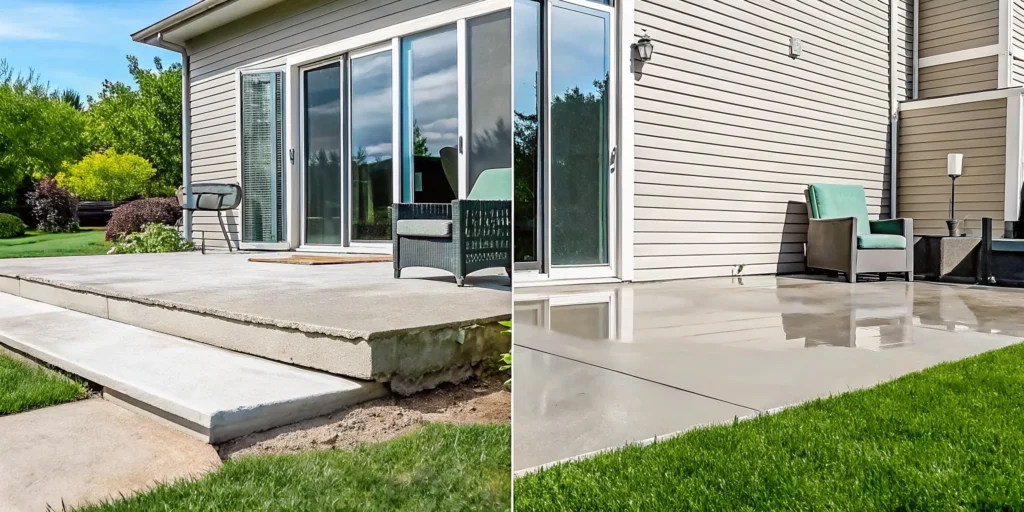
Seeing your patio crack and sink can immediately bring dollar signs to mind. The traditional fix, tearing out the old concrete and pouring a new slab, is a messy, time-consuming, and expensive project that can disrupt your life for days. But what if there was a better way? Polyurethane foam injection offers a powerful alternative that saves you significant time and money. So, can foam injection fix a sinking patio without breaking the bank? Absolutely. This method often costs 50% to 80% less than a full replacement. In this guide, we’ll explain how this cost-effective concrete repair works, break down the factors that influence its price, and show you why it’s a smart investment for a long-term solution.
Key Takeaways
- Lift, Don’t Replace: Foam injection raises your existing sunken patio slabs using an expanding polymer foam, saving you from the cost and mess of a total tear-out and replacement.
- Assess the Damage First: This method is perfect for leveling settled or tilted slabs that are still structurally sound; however, if your patio is severely cracked or crumbling, a different solution may be necessary.
- Get a Fast and Affordable Repair: Foam injection is significantly more cost-effective than replacement, and the process is so quick that your patio is often ready for use the same day.
What Is Concrete Foam Injection?
If you’ve noticed your patio, driveway, or sidewalk sinking, you might have heard about a fix called concrete foam injection. So, what is it? Simply put, it’s a modern technique for lifting and leveling sunken concrete slabs. This method, also known as poly-lifting or polyjacking, uses a specialized polyurethane foam to correct uneven surfaces. Instead of going through the messy and expensive process of tearing out the old slab and pouring a new one, this technique addresses the problem from underneath. It provides a stable, waterproof base for your existing concrete, making it a popular and effective method for concrete repair.
This approach saves you time, money, and the headache of a major construction project right in your yard. The foam is injected as a liquid that expands to fill any voids or gaps caused by soil erosion or settlement. As it expands, it gently and precisely lifts the concrete back into place. The material is incredibly strong yet lightweight, so it won’t add significant weight to the already unstable soil beneath. It’s a targeted solution that fixes the root cause of the problem, giving you a stable and secure surface that lasts for years.
How Does Foam Injection Work?
The process is surprisingly straightforward but requires professional precision to get it right. First, our team drills a few small, dime-sized holes through the sunken concrete slab. Then, we inject a two-part polymer foam into the voids that have formed beneath it. As the two liquids mix, they create a chemical reaction, causing the foam to expand. This expanding foam fills every gap and gently lifts the concrete back to its original, level position. It’s a highly controlled lift, so we can raise the slab with incredible accuracy without overcorrecting. The entire process is clean, efficient, and minimally disruptive to your property.
What Kinds of Foam Are Used?
Not all sinking concrete problems are the same, so we don’t use a one-size-fits-all foam. The type of polyurethane foam we use is specifically chosen for your situation. For lighter-duty jobs, like filling a simple void under a sidewalk, a lightweight foam works perfectly. For areas that handle heavy loads, like your driveway or a patio that supports a heavy grill and furniture, we use a high-density foam. This stronger foam provides robust, long-lasting support to ensure the slab stays put. You can see examples of our tailored solutions in our work across the Dallas area.
How Fast Does the Foam Cure?
One of the biggest advantages of foam injection is how quickly you can get back to using your space. The polyurethane foam starts to harden almost immediately after it’s injected. Within about 15 to 30 minutes, it’s already strong enough to support the weight of the concrete slab above it. In most cases, the area is fully cured and ready for normal use, like walking or even driving on it, in less than an hour. This means you can have your patio fixed in the morning and be ready to host a barbecue on it by the afternoon.
Why Is Your Patio Sinking?
That sinking feeling you get when you see your patio slanting is more than just a feeling; it’s a real problem. A sinking or uneven patio isn’t just an eyesore; it can be a tripping hazard and a sign of deeper issues. The concrete slab itself is incredibly strong, so the problem usually isn’t the patio but what’s happening underneath it. The ground beneath your patio is the true foundation, and when it shifts or weakens, your concrete will follow. Understanding the root cause is the first step toward finding the right fix. Most sinking patios can be traced back to a few common culprits lurking just below the surface.
From water washing away the soil to poorly prepared ground during installation, these hidden problems eventually show up as visible cracks and slopes. It’s a frustrating situation for any homeowner, but the good news is that it’s almost always fixable without having to tear everything out and start over. Before you can choose a solution, you need to play detective and figure out exactly why your patio is failing. We’ll walk through the most common reasons this happens so you can get a better idea of what you’re up against.
Soil Erosion and Washout
The soil under your patio slab provides critical support. Here in the Dallas area, heavy rains can be a major problem. Water from downspouts, poor drainage, or even plumbing leaks can wash away the soil supporting the concrete. As water removes the dirt, it creates empty pockets or voids beneath the slab. Without anything to hold it up, the heavy concrete slab will eventually crack and settle into these empty spaces. This is a common issue we see, and it often requires professional concrete repair to stabilize the soil and lift the slab back into place before the damage gets worse.
Poor Initial Compaction
A concrete patio is only as stable as the ground it was built on. During construction, the soil base should be tightly packed down, or compacted, to create a dense, solid surface. Unfortunately, this crucial step is sometimes rushed or skipped altogether. If the ground wasn’t packed down well before the concrete was poured, the loose dirt will naturally settle and compress over time under the immense weight of the slab. This gradual settling process causes the patio to sink slowly, often unevenly, leading to cracks and an unlevel surface that can take years to become obvious.
Intrusive Tree Roots
Having mature trees in your yard adds beauty and shade, but their root systems can cause serious problems for nearby concrete structures. Tree roots are incredibly powerful and can grow directly underneath your patio slab. As the roots expand, they can push up the concrete, lifting sections of the patio and creating an uneven, hazardous surface. This upheaval can also cause other parts of the slab to crack and sink as the uniform support is compromised. We’ve seen many cases where a single intrusive root system was the primary cause of a severely damaged patio, as you can see in examples of our work.
How to Tell if Your Patio Needs Repair
Your patio should be a place for relaxing, not a source of stress. But over time, the ground beneath it can shift, leading to problems that are more than just an eyesore. Spotting the signs of trouble early can save you from bigger headaches and more expensive fixes down the road. It’s all about knowing what to look for. Pay attention to new cracks, uneven surfaces, or water that just won’t drain. These are your patio’s way of telling you it needs a little help. Understanding these clues is the first step toward getting your outdoor space back on solid ground.
Visible Cracks and Gaps
One of the most obvious signs your patio needs attention is the presence of visible cracks or gaps. While a tiny hairline crack might not seem like a big deal, larger or growing fractures are a red flag. These often indicate that the underlying soil has shifted or settled, creating stress on the concrete slab. When the ground support is no longer stable, the concrete has no choice but to crack under the pressure. Ignoring these gaps can allow water to seep underneath, worsening the soil erosion and leading to even more damage. This is where professional concrete repair becomes essential to stabilize the slab and prevent further issues.
Uneven Slabs and Puddles
Have you noticed that one part of your patio is lower than the rest? Or maybe you have a persistent puddle that forms every time it rains? Uneven slabs and poor drainage are clear indicators of a sinking patio. This often happens when the soil beneath wasn’t compacted properly or has eroded over time. A dipping patio isn’t just a cosmetic issue; it creates a serious tripping hazard for your family and guests. The pooling water can also accelerate soil washout, making the sinking worse. These are the exact kinds of problems that can be addressed with concrete lifting, which restores the slab to its original position and solves those drainage woes.
Can Foam Injection Fix a Sinking Patio?
A sinking or uneven patio can be more than just an eyesore; it can be a tripping hazard and a sign of underlying soil problems. If you’re wondering whether foam injection is the right fix, the short answer is: very likely, yes. This method is a go-to solution for many homeowners dealing with sunken concrete. However, its success depends on the specific condition of your patio and the ground beneath it. Understanding what foam injection can and can’t do is the first step toward getting your outdoor space back on solid ground. Let’s break down the scenarios where it works wonders and when you might need to consider a different approach.
Problems Foam Injection Can Solve
Polyurethane foam injection, sometimes called polyjacking, is specifically designed to fix the root cause of most sinking concrete. If your patio slabs have settled but are still in relatively good shape, foam injection is an ideal solution. The process involves injecting a high-density polyurethane foam through small holes drilled into the concrete. This foam expands to fill any voids in the soil underneath, stabilizing the ground and then gently lifting the slab back to its original position. This method is perfect for correcting uneven sections, eliminating trip hazards, and restoring a level surface to your patio, walkway, or driveway. It’s a targeted concrete repair that addresses the problem without the mess of a total replacement.
When You Need a Different Solution
As effective as foam injection is, it’s not a one-size-fits-all fix. If your patio slab is severely damaged, with extensive cracks or crumbling sections, lifting it with foam won’t magically piece it back together. In these cases, the concrete itself has lost its structural integrity, and a full replacement may be the only viable option. Additionally, foam injection is not a permanent solution if you have a major, unaddressed drainage problem. If water is constantly washing away the soil under your patio, you’ll need to fix the drainage issue first. Otherwise, you’re just putting a bandage on a bigger problem. For very unstable soil or large underground voids, a more comprehensive foundation repair strategy might be necessary.
Busting Common Foam Injection Myths
There are a few misconceptions about foam injection that are worth clearing up. One common myth is that it’s just a temporary patch. In reality, the polyurethane foam used is a durable, waterproof material that won’t break down or wash away like the slurry used in mudjacking. It creates a strong, stable base that provides a long-lasting fix. Another myth is that the foam isn’t strong enough to support the concrete. On the contrary, the foam cures to a rigid, high-density solid within minutes and can easily support the weight of the slab, plus anything you put on top of it. Finally, some people think the process is messy and disruptive, but it’s actually one of the cleanest repair methods available.
Benefits of Using Foam Injection for Your Patio
When you see your patio starting to sink or crack, it’s easy to imagine a huge, expensive, and messy repair job. But that’s not always the case. Polyurethane foam injection is a modern solution that offers some serious perks over traditional methods. It’s a smart repair that addresses the problem at its source without turning your backyard into a construction zone. Let’s look at why foam injection is such a popular choice for homeowners dealing with uneven concrete.
It’s Fast and Minimally Invasive
One of the best things about foam injection is how quickly it works. Instead of spending days tearing out old concrete and pouring new slabs, this process is done in just a few hours. Our team drills a few small, dime-sized holes into the affected slabs, injects the expanding foam, and your patio is lifted back into place. The foam cures rapidly, meaning you can walk on your patio almost immediately. This concrete repair method is so clean and efficient that your backyard is ready to use the same day, letting you get back to enjoying your outdoor space without a long, disruptive wait.
It’s a Lightweight and Durable Solution
You might wonder how a lightweight foam can support a heavy concrete slab, but this material is incredibly strong. The polyurethane foam is engineered to be dense and durable, easily supporting the weight of your patio and anything on it. It’s also waterproof, which means it won’t wash away or break down over time. This quality helps prevent future soil erosion under the slab, a common cause of sinking. A foam injection repair is designed to last, giving you a stable, level patio for years to come. You can see the quality of our long-lasting fixes in our work across the Dallas area.
It’s More Affordable Than Replacement
For most homeowners, budget is a big factor. The good news is that foam injection is significantly more cost-effective than a full patio replacement. Tearing out and repouring concrete is a labor-intensive and expensive project. By lifting and leveling your existing slabs with foam, you can save a substantial amount of money, sometimes up to 80% compared to the cost of replacement. This makes it a financially savvy choice that doesn’t compromise on quality. We even offer financing options to make the process as smooth as possible, so you can fix the problem now without breaking the bank.
Are There Any Downsides to Foam Injection?
Polyurethane foam injection is an incredible fix for sinking concrete, but like any repair method, it’s not a one-size-fits-all solution. Being informed about its limitations helps you make the best decision for your home and your budget. While the benefits are significant, it’s smart to understand the full picture, including the situations where it might not be the ideal choice, its environmental impact, and the cost. A transparent look at the potential downsides ensures you have realistic expectations and can feel confident in your repair plan. Let’s walk through a few key considerations.
When It’s Not the Best Fit
Foam injection works wonders for lifting and leveling, but it can’t solve every problem. If your patio is sinking because of a serious, ongoing moisture issue, that water problem needs to be addressed first. Simply lifting the slab won’t stop it from sinking again if the soil beneath is constantly washing away. Similarly, if the concrete slab itself is extremely old, crumbling, or covered in a web of deep cracks, the foam might not have a solid base to lift. In these cases, the concrete may have lost its structural integrity, and a full replacement could be the better long-term option. A professional assessment is the only way to know for sure what your specific concrete repair project requires.
Environmental Factors to Consider
It’s important to know what materials are being used around your home. Polyurethane foam is a chemical product, and it isn’t biodegradable. During the installation process, there can be some fumes, but this is minimal when handled by experienced professionals who use the proper equipment. The good news is that modern foams are engineered to be environmentally stable and inert once they cure, which happens very quickly. This means the cured foam won’t leach chemicals into your soil or affect your landscaping. When you work with a reputable company, you can trust that their team of professionals is trained to handle them responsibly.
Understanding the Upfront Cost
Let’s talk about the budget. The initial cost of foam injection can sometimes be higher than older methods like mudjacking. However, it’s crucial to look at the bigger picture. Leveling your existing patio with foam is dramatically more affordable than tearing it out and replacing it entirely, often saving you between 50% and 80% of the cost of a full replacement. When you factor in the speed, durability, and minimal disruption of foam injection, its value becomes even clearer. Many homeowners find it’s a worthwhile investment for a long-lasting solution. If the upfront cost is a concern, it’s always a good idea to ask about available financing options that can make the project more manageable.
Foam Injection vs. Other Repair Methods
When you notice your patio, driveway, or sidewalk starting to sink, it’s easy to feel overwhelmed by the repair options. The best approach depends on the extent of the damage, your budget, and how long you want the fix to last. Let’s walk through the three most common solutions: modern foam injection, traditional mudjacking, and a full concrete replacement. Understanding the differences will help you make a confident choice for your home.
Foam Injection
Think of foam injection as the modern, high-tech solution for sinking concrete. This method, also known as poly-lifting, involves drilling a few small, dime-sized holes into the affected slab. We then inject a structural-grade polyurethane foam into the voids beneath. This foam expands rapidly, filling every gap, stabilizing the soil, and gently lifting the concrete back to its original position. The process is incredibly fast, and the foam cures in about 30 minutes, meaning you can use your patio the same day. Because the material is lightweight, it won’t add extra stress to the soil below. It’s a durable, waterproof, and minimally invasive way to handle concrete repair, making it a popular and long-lasting choice for homeowners.
Mudjacking
Mudjacking is a more traditional method that has been used for decades. The process is similar in concept to foam injection but uses a different material. It involves drilling larger holes (typically one to two inches in diameter) into the concrete slab. A slurry made of soil, sand, cement, and water is then pumped underneath to lift the concrete. While mudjacking can be effective for leveling slabs that are in decent condition, it has some drawbacks. The material is very heavy, which can sometimes worsen the soil issues that caused the sinking in the first place. The larger holes can also be more noticeable after patching. It’s a workable solution, but it doesn’t offer the same lightweight durability or precision as foam injection.
Full Concrete Replacement
Full concrete replacement is exactly what it sounds like: tearing out the old slab and pouring a new one. This is the most disruptive, time-consuming, and expensive option. It should be reserved for situations where the concrete is so severely cracked, crumbled, or damaged that it’s beyond saving. If the structural integrity of the slab is completely compromised, a repair just won’t be enough. While a brand-new slab is appealing, remember that raising and leveling your existing concrete can save you anywhere from 50% to 80% of the cost. Unless your patio looks like a pile of rubble, a targeted repair is almost always the more practical and affordable path. If a large project is unavoidable, exploring financing options can help manage the expense.
How Much Does Patio Foam Injection Cost?
Okay, let’s talk numbers. When you see your patio sinking, one of the first questions that probably pops into your head is, “How much is this going to cost me?” It’s a completely valid question. While I can’t give you a single magic number, I can walk you through what goes into the pricing. The final cost of foam injection is tailored to your specific patio’s needs, so no two jobs are exactly alike. Think of it like a custom solution, not an off-the-shelf product. The good news is that it’s almost always a more budget-friendly option than tearing everything out and starting over. Let’s break down the details so you know what to expect when you’re planning your repair.
Factors That Influence the Cost
The price for foam injection isn’t pulled out of a hat; it’s calculated based on a few key things. The cost of foam injection is customized based on key factors like the size of the concrete slab, how much it has sunk, and how easy the area is to access for repairs. A larger patio or one that has dropped several inches will naturally require more foam material to lift it back into place. Similarly, if your patio is in a tight spot or surrounded by delicate landscaping, it might take a bit more time and care to get the job done right. The best way to get a clear picture of the cost for your home is to have a professional take a look and provide a free estimate.
Comparing Costs: Foam vs. Other Methods
Here’s where foam injection really shines from a budget perspective. Raising and leveling your existing patio is much cheaper than replacing it entirely. In fact, you could save anywhere from 50% to 80% compared to a full replacement. For perspective, a patio replacement that might cost you $4,000 could potentially be fixed with foam injection for a fraction of that price. While older methods like mudjacking exist, polyurethane foam is a more advanced method that lasts longer and uses smaller injection holes. This modern approach to concrete repair not only saves you money upfront but also provides a long-lasting fix, giving you better value for your investment.
How to Choose the Right Contractor
Finding the right person for the job is just as important as choosing the right repair method. A great contractor can make the process smooth and ensure the fix lasts, while the wrong one can leave you with a bigger headache than you started with. When you’re ready to hire a professional for your concrete repair, you need to know what to look for, what to ask, and what to avoid. Think of it as interviewing candidates for a very important role: protecting your home. Taking a little time to vet your options now will save you stress and money down the road.
What to Look For in a Pro
When you start your search, focus on contractors who specialize in polyurethane foam injection for concrete lifting. This isn’t a job for a general handyman. You want a team that understands the specific geotechnical foam required and has a track record of successful projects. Look for experienced, skilled professionals who can explain their process clearly. A reputable company will be transparent about the materials they use and why they are the best choice for your situation. Check their website for galleries of past work and read reviews from other homeowners in your area. A pro will always insist on an in-person evaluation before giving you a final quote.
Smart Questions to Ask
Once you have a few potential contractors, it’s time to ask some smart questions to gauge their expertise. A true professional will welcome your questions and provide clear, confident answers.
Here are a few essential things to ask:
- Do you perform an on-site inspection before providing an estimate? (The answer should always be yes.)
- What type of polyurethane foam do you use? Is it specifically designed for lifting concrete?
- Are your technicians trained and certified in foam injection techniques?
- Can you provide a detailed, written estimate that breaks down all the costs?
- Do you offer a warranty on your work? If so, what does it cover?
Asking these questions helps you assess their knowledge and commitment to quality. It also sets the stage for a clear, professional relationship. When you’re ready for a thorough assessment, you can schedule one of our free estimates.
Red Flags to Avoid
Just as there are signs of a great contractor, there are also clear red flags that should make you pause. Be cautious of any company that gives you a quote over the phone without seeing the patio. You should also be wary if they are vague about the materials they use or suggest cheaper, less effective fillers like sand or cement. A lowball price might be tempting, but it often points to cut corners or subpar materials that won’t last. Finally, trust your gut. If a contractor seems evasive, unprofessional, or pressures you into making a quick decision, it’s best to walk away. A quality company will show you examples of our work and give you the space to make an informed choice.
Is Foam Injection the Right Fix for Your Patio?
If you’re staring at a sinking or uneven patio and wondering what to do, let’s get straight to it: foam injection is often the perfect solution. This modern repair method, also called poly-lifting or polyjacking, is specifically designed to lift and level sinking concrete slabs. It works by injecting a high-density polyurethane foam through small holes drilled into your patio. This foam expands underneath the slab, filling any empty spaces, stabilizing the soil, and gently raising the concrete back to its original position.
The process is surprisingly fast and clean, meaning you can get back to enjoying your outdoor space almost immediately. Unlike a full tear-out and replacement, foam injection avoids a major construction project in your backyard. However, it’s not a magic wand for every single concrete problem. The key is to match the repair method to the specific issue your patio is facing. Understanding when foam injection is the hero and when you might need a different approach is the first step toward a lasting fix.
Problems Foam Injection Can Solve
Foam injection truly shines when dealing with sinking concrete slabs. If your patio has started to dip or tilt because of soil erosion or poor compaction underneath, this is the go-to fix. The expanding polyurethane foam is brilliant at filling those hidden voids and re-establishing a solid base for your concrete. This process corrects uneven surfaces, gets rid of dangerous trip hazards, and stops water from pooling against your home’s foundation. It’s also an effective solution for stabilizing slabs that have developed cracks due to settling. By lifting the concrete back into place, foam injection can close up smaller cracks and prevent them from getting worse, making it a comprehensive concrete repair strategy.
When You Might Need a Different Solution
While foam injection is incredibly versatile, it can’t solve everything. If your patio slab is severely shattered or crumbled into many small pieces, the foam won’t have a solid surface to lift. In these cases, replacement might be the only option. More importantly, you need to consider the root cause. If your sinking patio is just a symptom of a larger issue, like a shifting house foundation, simply lifting the patio won’t solve the underlying problem. A professional will need to assess whether you require more extensive foundation repair to protect your entire home. Foam injection is a powerful tool, but it’s most effective when applied to the right problem.
Busting Common Foam Injection Myths
Let’s clear up a few misconceptions about foam injection. First, some people worry it’s just a temporary patch. The reality is that the structural polyurethane foam used is incredibly durable. It’s waterproof, won’t break down in the soil, and is strong enough to provide a stable, long-term base for your patio. Another common myth is that the process will destroy your yard. In fact, it’s minimally invasive. We drill a few small, dime-sized holes that are easily patched and become nearly invisible. It’s a much cleaner and less disruptive process than the mud and heavy equipment involved in other methods.
Related Articles
- How to Fill Large Cracks in Concrete Like a Pro
- Polyurethane Slab Jacking: A Homeowner’s Guide
- Concrete Repair – Solid Base
- PolyLevel – Solid Base
- Foundation Crack Repair: A DIY vs. Pro Guide
Frequently Asked Questions
How long does a foam injection repair last? This is a great question because you want a fix that sticks. The polyurethane foam we use is a permanent material. Once it cures under your patio, it’s incredibly stable, waterproof, and doesn’t break down or wash away over time. Unlike the slurry used in mudjacking, this foam creates a solid, long-lasting base that addresses the soil issues that caused the sinking in the first place.
Can foam injection fix a patio that already has a lot of cracks? It really depends on the condition of the concrete. If your patio has settled and developed some cracks as a result, foam injection is often a perfect solution. Lifting the slab back to its original position can close those gaps and stabilize the entire area. However, if the concrete is severely shattered or crumbling, the slab has lost its structural integrity. In that situation, the foam won’t have a solid surface to lift, and a full replacement might be the better long-term choice.
How quickly can I use my patio again after the repair? One of the best parts of foam injection is how fast you can get back to your life. The polyurethane foam starts to harden almost immediately and is typically fully cured within 30 minutes. This means your patio is ready for you to walk on and even place your furniture back on it in less than an hour after we finish the job. You can have your patio fixed in the morning and be ready to use it that same afternoon.
Is the foam material safe for my yard and landscaping? We understand that you care about what goes into the ground around your home. While the polyurethane foam is a synthetic material, it is designed to be environmentally stable once it cures. The curing process happens very quickly, and after that, the foam becomes an inert solid that won’t leach any chemicals into the surrounding soil or harm your plants. Our professional team is trained to handle the material safely and with minimal impact on your property.
How is foam injection different from mudjacking? Think of foam injection as the modern, more precise version of mudjacking. Mudjacking pumps a heavy slurry of mud, sand, and cement under the slab through large, noticeable holes. This added weight can sometimes put more stress on the already unstable soil. Foam injection, on the other hand, uses a lightweight but incredibly strong polymer foam injected through small, dime-sized holes. The foam is waterproof, won’t wash away, and provides a more durable and reliable lift without adding extra weight.