
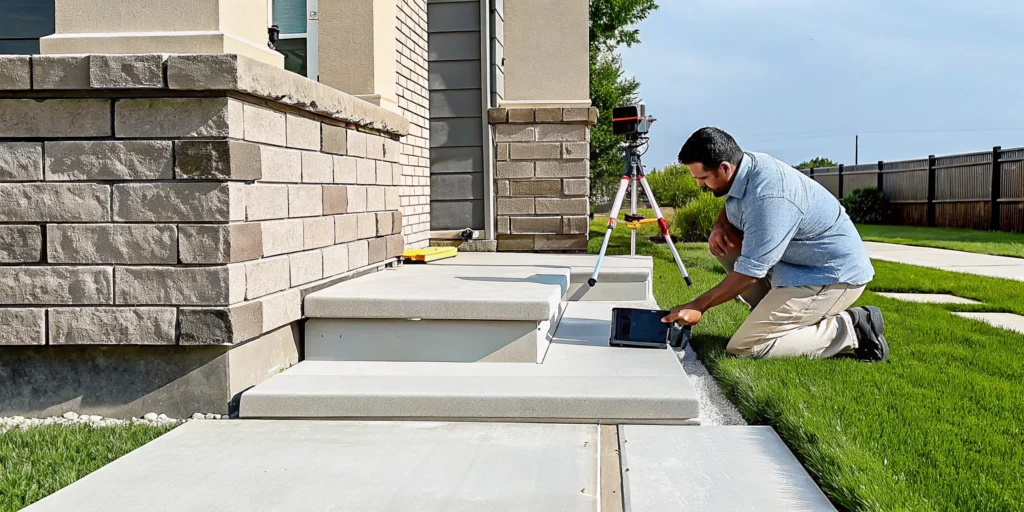
If you own a home in North Texas, you’re dealing with a unique challenge: our infamous expansive clay soil. This soil swells and shrinks with our dramatic weather, putting constant stress on your home’s foundation. It’s why so many of us eventually find ourselves asking, “how much does foundation repair cost in Dallas, TX?” Because this is such a common local issue, understanding the costs is crucial. We’ll break down the pricing for common repairs and explain the factors that influence your final bill, giving you a clear roadmap for protecting your Dallas-area home.
Key Takeaways
- Your Final Cost is Unique to Your Home: The price for foundation repair is not one-size-fits-all; it is based on the specific damage and the best repair method for your house. A professional inspection is the only way to get an accurate quote, whether you need a simple crack sealed or a full set of piers installed.
- Address Warning Signs Early to Save Money: Waiting is the most expensive thing you can do for your foundation. Acting on early signs like sticking doors or wall cracks can mean the difference between a simple, affordable fix and a major, costly structural project, especially with Dallas’s shifting clay soil.
- A Smart Budget Includes More Than the Quote: A complete financial plan accounts for the whole project, not just the contractor’s estimate. Remember to factor in potential costs for an independent engineering report, a post-repair plumbing test, and any cosmetic fixes needed after the work is complete.
How Much Does Foundation Repair Cost in Dallas?
Let’s talk about the number one question on your mind: how much does foundation repair cost? Seeing signs of foundation trouble is stressful enough without the mystery of a huge, unknown bill. The truth is, the cost of foundation repair in Dallas can range from a few hundred dollars to tens of thousands. The final price tag depends almost entirely on the extent of the damage to your home.
Think of it like a car repair. A simple fix might be inexpensive, but a major overhaul will cost significantly more. To give you a clearer picture, we can group repairs into three general categories: minor, moderate, and extensive. Each level addresses different types of problems with different methods, which is what really drives the cost. While these numbers provide a helpful starting point, the only way to know your exact cost is with a professional evaluation. The good news is that many companies offer free estimates and have financing options available to make the expense more manageable.
Minor vs. Moderate vs. Extensive Repairs
Understanding where your home falls on the damage spectrum can help you budget for repairs. Minor issues, like filling a few small cracks in your slab, are the least expensive and typically cost between $300 and $800. These are often quick fixes that prevent small problems from getting bigger. Moderate repairs, which address more noticeable settling or a higher number of cracks, generally range from $3,300 to $7,000. This often involves installing piers to stabilize a section of your foundation. For widespread, significant structural problems, extensive repairs are needed. These projects can cost $15,000 to $30,000 or more and may involve lifting the entire house or installing a large number of piers to secure the structure.
What Affects the Cost of Foundation Repair?
Figuring out the cost of foundation repair isn’t like looking up a price tag at the store. Since every home and every foundation issue is unique, the final cost depends on several key factors. A small crack might only require a minor fix, while a severely sinking foundation will need a more extensive solution. The price is a direct reflection of the complexity, materials, and labor needed to make your home stable and secure for the long haul. The only way to get a precise number for your property is to have a professional assess the damage. Getting a free estimate is the best first step to understanding the scope of your project and what it will take to get the job done right. From the type of foundation you have to the specific repair method needed, let’s walk through the main variables that will influence your total cost.
Your Foundation Type
The type of foundation your home is built on is one of the first things a repair expert will consider. Homes in the Dallas area typically have either a concrete slab-on-grade foundation or a pier and beam foundation. Each type requires a different approach to repair, which affects the cost. Slab foundations are common, but repairing them can involve tunneling underneath or cutting through the concrete. Pier and beam foundations, with their crawl space, offer easier access to the support structures underneath. However, the repair methods for them are entirely different. The materials, equipment, and time needed for a foundation repair are tailored to your home’s specific build, making this a primary factor in the overall price.
The Severity of the Damage
The extent of the foundation damage is the biggest driver of your final cost. A few small cracks that need sealing will be on the lower end of the price spectrum. However, if your foundation has significant settling or sinking, the repair will be much more involved. Moderate repairs in Texas can range from $3,300 to $7,000. For major structural issues, like those requiring whole-house lifting or the installation of multiple piers to stabilize a large section of your home, the cost can climb to $15,000 or more. The more severe the problem, the more labor, materials, and heavy-duty equipment are needed to correct it and prevent further damage.
Dallas’s Unique Clay Soil
Living in the Dallas area means dealing with our infamous expansive clay soil. This soil acts like a sponge; it swells dramatically when it gets wet and shrinks just as much when it dries out. This constant cycle of expansion and contraction puts immense pressure on your home’s foundation, causing it to shift, settle, and crack over time. This geological reality is why foundation problems are so common across our service area. Any effective repair plan must account for this ongoing soil movement. The solutions used are designed not just to fix the current damage but also to protect your foundation from future shifts caused by our unique local soil conditions.
Access to the Work Site
How easily can a repair crew get to the problem area? The answer to this question directly impacts labor costs. If the part of your foundation that needs work is open and easy to reach, the job will be quicker and less expensive. However, obstacles can complicate the process. Things like tight crawl spaces, extensive landscaping, large tree roots, or attached decks and patios can block access. Working around these features requires more time, care, and sometimes specialized equipment to get the job done without causing additional disruption to your property. This extra effort is factored into the labor portion of your final estimate.
The Repair Method Used
Different foundation problems require different solutions, and the specific repair method used is a major component of the cost. For example, if your home needs piers to lift and stabilize it, the price will depend on the type of pier (steel, concrete, or helical) and how many are needed. Installing a single pier can cost between $1,000 and $3,000, so a project requiring ten piers will be significantly more expensive than one needing only three. Other methods, like polyurethane foam injection for lifting a concrete slab or sealing cracks, come with their own material and labor costs. A professional will recommend the most effective and lasting repair solution for your specific issue.
Breaking Down Costs by Repair Method
The biggest factor influencing your final bill is the repair method itself. There isn’t a one-size-fits-all solution for foundation problems; the right approach depends entirely on the type and severity of the damage your home has. A professional will assess your property to determine the most effective and lasting solution, whether it’s for a sinking foundation or a cracked patio. Let’s look at some of the most common foundation repair methods used in the Dallas area and what you can generally expect them to cost.
Helical Piers
Think of helical piers as giant steel screws that are drilled deep into the ground until they reach stable, load-bearing soil. They are then attached to your foundation to lift and support the structure. This method is an excellent solution for homes experiencing significant sinking or settling, especially on lighter structures or in areas with tricky soil conditions. The cost for helical piers typically ranges from $2,000 to $4,000 per pier. The final price depends on how many piers are needed to properly stabilize your home, which is something a professional will determine during an initial inspection.
Steel Pressed Pilings
Steel pressed pilings are one of the most common and trusted methods for foundation repair in Dallas. This technique involves hydraulically driving sections of steel pipe into the ground beneath your foundation until they hit a point of refusal, essentially bedrock or a very dense soil layer. Your home’s foundation is then lifted and secured on top of these incredibly strong pilings. The cost for steel pressed pilings generally falls between $1,500 and $3,000 per pier. Known for their strength and long-term reliability, they are a go-to solution for correcting settling and ensuring your foundation stays put.
Polyurethane Foam Injection
If your issue is a sinking concrete slab, like a driveway, sidewalk, or patio, polyurethane foam injection can be a fantastic, minimally invasive solution. This process, often called poly-jacking, involves drilling small holes in the concrete and injecting an expanding structural foam underneath. The foam fills any voids and gently lifts the slab back to its original position. This method is fast and effective for non-structural concrete repair, with costs often ranging from $1,000 to $3,000 for a residential project. It’s a great way to fix tripping hazards without having to replace the entire slab.
Concrete Slab Crack Repair
Seeing a crack in your foundation or concrete slab can be alarming, but often it’s a straightforward fix. Repairing minor cracks is crucial for preventing water from seeping in and causing more significant damage down the road. For smaller, non-structural cracks, the repair process is relatively simple and affordable, typically costing between $300 and $800. An expert can assess the crack to determine its cause and use the right materials, like epoxy injections, to seal it properly and restore the integrity of your concrete. This preventative maintenance can save you a lot of money and headaches later on.
Signs Your Dallas Home Needs Foundation Repair
Your home has a way of communicating. Before a major issue arises, it often sends out subtle signals that something is amiss. When it comes to your foundation, catching these signs early is the best way to prevent small problems from turning into costly, complex repairs. The unique expansive clay soil in the Dallas area means our homes are particularly susceptible to shifting and settling. Paying attention to these common warning signs can help you protect your investment and address issues before they get out of hand. If you notice one or more of these indicators, it’s a good idea to have a professional take a look.
Cracks in Walls or Floors
It’s easy to dismiss a small crack, but they are often the first visible sign of foundation movement. While tiny hairline cracks can be normal as a house settles, you should pay attention to specific types. Look for diagonal cracks extending from the corners of doors and windows, stair-step patterns in brick or cinder block walls, or large cracks in your concrete slab floor. These often indicate that your foundation is under stress. If you see cracks that are widening over time or that you can fit a coin into, it’s a clear signal that you may need foundation repair.
Doors and Windows That Stick
Do you have a door that suddenly refuses to latch or a window that’s a struggle to open and close? While high humidity can cause wood to swell, persistent sticking is a classic symptom of a shifting foundation. When the foundation moves, it can twist and warp the frames of your doors and windows, causing them to jam or develop uneven gaps. Don’t just write it off as a quirk of the house. If you notice multiple doors and windows becoming difficult to operate, your home is telling you that its underlying structure is out of alignment.
Sloping or Uneven Floors
The feeling of walking across a sloping floor can be disorienting, and it’s a serious red flag for foundation trouble. This happens when one part of your foundation settles or sinks lower than the rest, causing the entire structure above it to tilt. You might notice a dip in the middle of a room or a general slant towards one side of the house. A simple way to check is to place a marble or ball on the floor and see if it rolls on its own. Uneven floors are a sign that the problem has progressed, and it’s important to get a professional evaluation from a team that understands how to fix settling foundations.
Gaps Around Walls and Ceilings
Take a look at where your walls meet the ceiling and floor. Are you seeing gaps where the trim or crown molding is pulling away? This is another sign that your home’s frame is being distorted by foundation movement. As the foundation shifts, it pulls on the walls, creating separation between them and the ceiling or floor. You might also see this around window frames or where walls meet. These gaps are a clear indication that your home is experiencing structural stress and that it’s time to contact a professional for a thorough inspection.
Planning for Hidden Costs and Other Expenses
When you get a quote for foundation work, it’s easy to focus on that single number. But a smart homeowner knows to plan for a few other expenses that can pop up along the way. Thinking about these potential costs ahead of time helps you create a realistic budget and ensures there are no surprises down the road. It’s not about expecting the worst; it’s about being prepared for the entire scope of the project, from start to finish. A comprehensive plan accounts for everything from initial expert assessments to the final cosmetic touches that make your house feel like home again.
Understanding these additional costs is a key part of making an informed decision. It transforms a potentially stressful process into a manageable one. When you know what to expect, you can ask contractors the right questions and compare estimates more effectively. This foresight also helps you arrange your finances without last-minute scrambles. From engineering reports that validate the work to plumbing checks that protect your investment, each step plays a role in a successful, long-lasting repair. Let’s walk through the most common additional expenses to factor into your total project cost so you can move forward with confidence.
Engineering Reports and Inspections
Before starting any major repairs, it’s wise to get a structural engineering report. An independent engineer provides an unbiased assessment of your foundation’s health, detailing the exact cause and extent of the damage. This report typically costs between $500 and $1,200, but it’s a valuable investment. It confirms which repairs are truly necessary, protecting you from paying for work you don’t need. Think of it as a second opinion that gives you peace of mind and a clear action plan. A trustworthy contractor will always respect the findings of an independent report, reflecting a commitment to honest and effective solutions that our team at Solid Base stands by.
Post-Repair Plumbing Tests
The process of lifting and leveling your home can put stress on the plumbing lines that run underneath and through your foundation slab. To be safe, you should always schedule a post-repair plumbing test. This inspection, which usually costs between $350 and $600, checks for any new leaks or breaks that may have occurred during the repair. If a leak is discovered, the plumbing repair itself could add $2,000 to $5,000 to your budget. While it’s an extra step, catching a hidden leak early prevents water damage that could compromise your brand-new foundation repair and lead to even bigger problems later.
City Permits and Regulations
Foundation repair is a major construction project, and most cities in the Dallas area require a permit before work can begin. Permit fees can range from $75 to $300, depending on your location. A professional foundation repair company should handle the entire permitting process for you, ensuring all work is done to code and passes inspection. This is a critical step that protects you and confirms the job was done right. Because we work across the region, we are familiar with the specific requirements in each city within our service area, making the process smooth and hassle-free for you.
Cosmetic Touch-Ups After the Job
Once your foundation is stable and level, you might notice some new cosmetic quirks inside your home. As the house settles back into its correct position, small cracks can appear in drywall, or you might see gaps along baseboards and ceilings. This is a normal part of the process. These issues are purely cosmetic and don’t indicate a problem with the structural work. It’s a good idea to set aside a small budget for these touch-ups, whether it’s for spackle and paint or hiring a handyman for minor fixes. Looking at examples of our work can help you visualize the finished structural project and understand what to expect.
The Dallas Challenge: Why Local Foundations Are Different
If you’re a homeowner in the Dallas area, you’ve probably heard a neighbor or friend talk about foundation issues. It’s a common concern around here, and it’s not just a string of bad luck. Our homes face a unique set of challenges thanks to the specific geology and weather patterns of North Texas. Unlike other parts of the country, our foundations are in a constant battle with the ground beneath them.
Understanding these local factors is the first step in protecting your home. The soil and weather work together to put immense stress on your foundation, which is why you might see signs of trouble that homeowners elsewhere don’t. Knowing what you’re up against helps you spot problems early and understand why a specialized approach to foundation repair is so important. It’s not about if you’ll deal with foundation stress, but when and how you’ll manage it.
Expansive Clay Soil and Seasonal Shifts
The ground beneath most of the Dallas-Fort Worth area is made of expansive clay soil. Think of this soil like a dense sponge. When it rains, the clay absorbs a massive amount of water and swells, pushing upward against your foundation. Then, during our hot, dry summers, the clay dries out and shrinks, pulling away from the foundation and leaving gaps.
This constant cycle of swelling and shrinking creates powerful movement that your home’s rigid foundation isn’t built to handle. Over time, this stress can cause parts of your foundation to sink or heave, leading to cracks, uneven floors, and other structural problems. It’s a defining feature of our service area and the primary reason foundation maintenance is so critical for local homeowners.
How Dallas Weather Impacts Your Foundation
Our dramatic weather patterns make the problem with expansive clay soil even worse. North Texas is known for its cycle of extremes: heavy spring downpours followed by long stretches of summer drought. This weather directly fuels the soil’s expansion and contraction. The intense rains super-saturate the clay, causing it to swell significantly. Then, the summer heat bakes the moisture out, causing the ground to shrink and crack.
This relentless push-and-pull can cause parts of your foundation to become unsupported, leading to settling and instability. It’s why you might notice new cracks in your drywall after a particularly wet spring or dry summer. This same process is also tough on your outdoor surfaces, often requiring concrete repair for driveways, patios, and sidewalks that have cracked or become uneven.
Why Waiting to Repair Costs You More
It can be tempting to ignore a small crack in the wall or a door that’s suddenly started to stick, but when it comes to your foundation, waiting is one of the most expensive things you can do. Foundation problems never get better on their own; they only get worse. That small hairline crack can widen over time, and a slightly uneven floor can become a noticeable slope.
Addressing foundation issues early saves you a significant amount of money and hassle. A minor problem might be solved with a straightforward, affordable repair. But if left alone, that same issue can escalate into major structural damage requiring a much more extensive and costly solution. If you see any warning signs, the best thing you can do is contact us for a free estimate. Acting early protects your home and your wallet.
Common Myths About Foundation Repair Costs
When you spot a crack in your wall, it’s easy for your mind to jump to the worst-case scenario, especially when it comes to cost. There’s a lot of chatter out there about foundation repair, and not all of it is accurate. Let’s clear up a few common myths so you can approach the situation with facts, not fear. Understanding the truth can help you make a clear-headed decision for your home and your budget.
“My Homeowners Insurance Will Cover It”
This is a comforting thought, but unfortunately, it’s rarely the case. Many homeowners are surprised to learn this, but there’s a widespread misconception that insurance covers all foundation damage, when in fact, many standard policies do not. Most insurance policies are designed to cover sudden and accidental events, like a burst pipe flooding your basement. Foundation problems in Dallas, however, are typically caused by the slow, gradual shifting of expansive clay soil, which is almost always excluded from standard coverage. Always review your specific policy and talk to your agent to understand what is and isn’t covered before you make any assumptions.
“It’s Always Too Expensive to Fix”
The fear of a massive bill causes many homeowners to delay getting an inspection, but this is one of the biggest myths out there. The truth is, the cost of foundation repair varies widely depending on the severity of the issue. As one expert on Texas foundations notes, “Hairline cracks in drywall or brickwork are common in homes across Texas due to the expansive clay soil and shifting temperatures,” and they don’t always signal a five-figure repair bill. Catching a problem early often leads to a simpler, less expensive fix. Waiting allows the damage to worsen, which is what leads to those higher costs. Many companies also offer flexible financing options to make necessary repairs more manageable.
“I Can Just DIY the Repairs”
With so many tutorials online, it can be tempting to try and patch things up yourself. When it comes to your home’s foundation, however, a DIY approach can be a recipe for disaster. The idea that DIY fixes are sufficient for foundation problems is a dangerous myth. Sealing a crack with caulk might hide the cosmetic issue, but it does nothing to address the underlying structural problem causing it. Foundation work is a highly specialized field that requires an understanding of soil mechanics, structural engineering, and the right equipment. A failed DIY attempt can make the problem worse, leading to even more expensive professional repairs down the road. For optimal results, it’s best to consult with a qualified professional.
How to Budget and Pay for Foundation Repair
Facing a foundation repair bill can feel overwhelming, but creating a clear budget and exploring payment options can make the process much more manageable. Thinking through the financial side ahead of time helps you make confident decisions for your home without the stress. Here are four practical steps you can take to plan for the cost of foundation repair.
Get Multiple Free Estimates
When you’re dealing with a major home repair, you should never go with the first quote you receive. Getting several estimates is a smart first step. Aim for at least three different bids from reputable foundation repair companies. This helps you get a clear picture of the market rate for the work your home needs. More importantly, it allows you to compare not just the price, but also the proposed repair plan, the materials used, and the timeline. At Solid Base, we make this step easy by offering a free, no-obligation estimate so you can have a solid starting point for your budget and comparison research.
Consider an Independent Inspector
Before you sign a contract, you might want to hire an independent structural engineer. While a good contractor will give you an honest assessment, an engineer provides a completely unbiased, third-party evaluation of your foundation. They don’t work for a repair company, so their only job is to give you a detailed report on the extent of the damage and what is truly necessary to fix it. This initial investment can save you thousands by preventing you from paying for work you don’t need. It also gives you a professional report you can use when comparing bids from contractors, ensuring everyone is quoting for the same scope of work.
Explore Your Financing Options
Don’t let the total cost of foundation repair stop you from protecting your home. Many homeowners don’t pay for the entire project out of pocket. It’s worth taking the time to look into different ways to cover the expense. Your options might include a home equity line of credit (HELOC), a personal loan, or using savings. Many contractors also offer their own payment plans. We understand that this is a significant investment, which is why we provide flexible financing options to help Dallas homeowners get the necessary repairs without draining their savings. Exploring these choices can make an essential repair feel much more affordable.
Act Early to Keep Costs Down
When it comes to foundation problems, waiting is the most expensive thing you can do. A few small cracks or a slightly sticky door might not seem like a big deal now, but they are often early warning signs of a bigger issue. The expansive clay soil in Dallas means that foundation problems can get worse quickly with seasonal weather changes. Addressing a minor issue today with a simple foundation repair is far less expensive than dealing with major structural damage later on. By being proactive, you not only keep repair costs down but also protect your home from related issues like plumbing leaks or severe wall cracks.
How to Choose the Right Foundation Repair Contractor
Finding the right contractor can feel like the most stressful part of the repair process, but it’s also the most important. The quality of the work, the longevity of the repair, and your peace of mind all depend on the team you hire. A cheap quote isn’t a good deal if the fix doesn’t last. Instead of focusing only on price, look for a partner who can give you confidence that the job will be done right the first time. Vetting a company means looking closely at their warranties, their experience in the Dallas area, and the repair methods they recommend for your specific problem.
Check for Strong Warranties
A foundation repair is a major investment, and a strong warranty is your assurance that the contractor stands behind their work. A reputable company will offer a clear, comprehensive, and often transferable warranty on their repairs. This not only protects you from future issues but also shows the company’s confidence in its materials and craftsmanship. When you get an estimate, ask for the warranty details in writing. Find out what it covers, how long it lasts, and if there are any fees for service calls. A solid warranty is a non-negotiable part of a professional foundation repair job.
Verify Their Experience and Credentials
In a place like Dallas with its tricky clay soil, local experience is everything. You want a team that has seen it all and has a long history of successful projects in your area. Look for companies that have been in business for a while and have a proven track record. Check online reviews, ask for local references, and make sure they are fully insured. An experienced company will have a deeper understanding of how to create lasting solutions. You can often get a sense of a company’s history and values by learning about their team of professionals.
Ask About Their Repair Methods
There is no one-size-fits-all solution for foundation problems. A trustworthy contractor will start with a thorough inspection and then walk you through the specific repair methods they recommend for your home. They should be able to clearly explain why a certain technique, like steel pilings or polyurethane foam, is the best choice for your foundation type and the severity of the damage. Don’t hesitate to ask questions. A good contractor will want you to feel informed and comfortable with the plan before any work begins, ensuring the long-term stability of your home.
Is Foundation Repair in Dallas Worth the Investment?
When you’re looking at a significant expense like foundation repair, it’s natural to ask: is it really worth it? The short answer is a resounding yes. Think of it less as a cost and more as a crucial investment in your home’s safety, stability, and long-term value. Ignoring foundation problems won’t make them go away; it only makes them more expensive and damaging over time. Let’s break down exactly why tackling these repairs head-on is one of the smartest financial decisions you can make as a homeowner in Dallas.
Protecting Your Home’s Value
Your home is likely your biggest asset, and protecting its value is a top priority. Unfortunately, unresolved foundation issues can cause a home’s market value to drop by as much as 10-20%. That’s a significant hit. By investing in professional foundation repair, you’re not just fixing cracks or leveling floors; you’re safeguarding your equity. A properly repaired and warrantied foundation gives future buyers confidence and ensures you get the best possible price if you ever decide to sell. It’s about preserving the integrity and financial health of your investment for years to come.
Maintaining Your Foundation After Repairs
Once your foundation is professionally repaired, the work isn’t quite over. Think of it like getting a clean bill of health from the doctor; now it’s up to you to maintain that good health. Simple, consistent maintenance can prevent future problems and protect your investment. During dry Texas summers, water the soil around your foundation to keep the clay from shrinking away. Make sure your gutters are clean and your downspouts direct water away from the house. If you have large trees nearby, their roots can draw moisture from the soil, so a root barrier might be a smart move. These small steps make a huge difference in ensuring the long-term stability our team of experts works so hard to restore.
Related Articles
- Foundation Repair Cost: The Ultimate 2026 Guide
- A Homeowner’s Guide to Foundation Repair Services
- Ultimate Guide to Foundation Repair Options
- Pier & Beam Foundation Repair: Signs, Costs & Fixes
- Polyurethane Slab Jacking: A Homeowner’s Guide
Frequently Asked Questions
What’s the very first step I should take if I see a crack or a sticky door? Don’t panic. While those signs are important to notice, they don’t automatically mean you’re facing a catastrophe. The best first step is to schedule a professional evaluation. A reputable company will offer a free, no-pressure estimate to assess the situation, explain what’s happening underneath your home, and outline what, if anything, needs to be done. This gives you a clear, expert opinion without any initial cost or commitment.
Does homeowners insurance usually pay for foundation repair? This is a common question, and unfortunately, the answer is typically no. Most standard insurance policies are written to cover sudden and accidental damage, like from a storm or a burst pipe. Foundation problems in Dallas are almost always caused by the slow, gradual movement of our expansive clay soil, which is considered a maintenance issue and is usually excluded from coverage. It’s always a good idea to review your specific policy, but it’s wise to budget for repairs as a homeowner’s responsibility.
I’m worried about the cost. Are there ways to make foundation repair more affordable? Yes, absolutely. The single most effective way to keep costs down is to address problems early. A minor issue caught today is far less expensive to fix than major structural damage that develops over time. Beyond being proactive, many homeowners use financing to manage the expense. Reputable companies understand this is a significant investment and offer flexible payment plans to help you get the necessary work done without draining your savings.
How long does a typical foundation repair take, and will I have to move out of my house? The project timeline depends entirely on the repair method needed. A simple crack injection might be done in an afternoon, while installing a series of piers could take several days. The good news is that for the vast majority of foundation repair projects, you can continue living in your home without major disruption. A professional crew will work to minimize the impact on your daily life.
Once the repair is done, is my foundation fixed for good? A professional repair using high-quality materials is designed to be a permanent solution to the problem that was addressed. Reputable contractors stand behind their work with a strong, often transferable, lifetime warranty. This protects your investment and provides peace of mind. To support the repair, it’s also smart to practice simple home maintenance, like ensuring proper drainage, to help maintain stable soil conditions around your foundation for the long haul.