
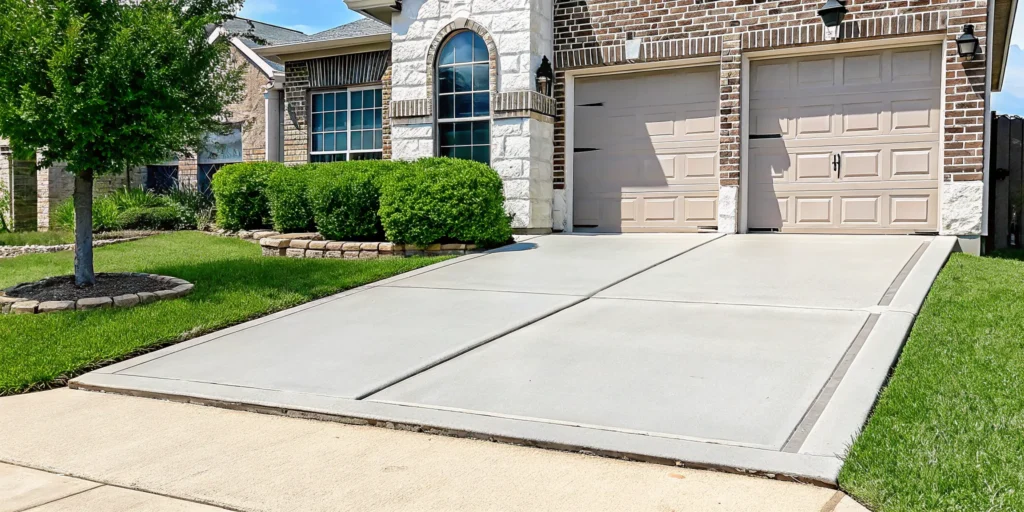
Seeing your driveway sink can feel like watching your money go down the drain, especially when you think about the cost of a full replacement. But what if you could fix the problem for up to 70% less than a total tear-out? That’s the power of concrete leveling. This repair method lifts your existing concrete slabs back into place, eliminating trip hazards and restoring your curb appeal without the massive expense and disruption of demolition and repouring. For budget-conscious homeowners, driveway concrete leveling Dallas TX is a financially savvy choice that delivers a safe, stable, and beautiful result for a fraction of the cost.
Key Takeaways
- Understand the Root Cause: An uneven driveway is more than a cosmetic issue; it’s a symptom of unstable ground. In Dallas, this is usually due to expansive clay soil, meaning a lasting fix must address the soil itself, not just the concrete surface.
- Choose the Right Repair Method: For Dallas’s unique soil, polyurethane foam injection is typically the best choice. Unlike heavy mudjacking slurry, this lightweight, waterproof material lifts concrete and stabilizes the soil without adding extra weight, providing a more durable solution.
- Opt for Repair and Hire a Pro: Leveling your driveway is significantly more affordable than a full replacement, often saving you over 50%. To protect your investment, partner with a licensed and insured contractor who provides a clear warranty and has proven experience with local soil conditions.
What Is Driveway Concrete Leveling?
If you’ve ever tripped on a raised edge of your own driveway or noticed puddles that stick around long after a storm, you’re dealing with uneven concrete. It’s a common issue here in Dallas, but that doesn’t make it any less frustrating. The good news is you don’t always have to tear everything out and start over. There’s a solution called concrete leveling.
Think of it as a non-invasive procedure for your driveway. Also known as slabjacking or mudjacking, concrete leveling is a concrete repair method that lifts and supports sunken concrete slabs, returning them to their original position. Instead of a costly and disruptive replacement, this process corrects the problem from underneath, giving you a smooth, even surface again. It addresses the root of the issue, which is often unstable soil, to provide a stable foundation for your driveway.
Signs Your Driveway Needs Leveling
Not sure if your driveway is a candidate for leveling? Grab your keys, head outside, and look for a few tell-tale signs. The most obvious is having uneven surfaces, where one concrete slab is noticeably higher or lower than its neighbor, creating a dangerous trip hazard. You should also look for significant cracks. While small hairline cracks can be normal, wide or growing gaps indicate the slabs are shifting. Finally, pay attention after the next rainstorm. If you see water pooling in certain spots on your driveway, it’s a clear sign that the concrete has sunk and is no longer sloped correctly to allow for proper drainage.
Why an Uneven Driveway Is a Bigger Problem Than You Think
It’s easy to dismiss a little crack or a slightly sloped section of your driveway as a minor cosmetic flaw. However, these issues are often symptoms of a deeper problem that can lead to serious consequences. An uneven driveway is a major trip hazard for your family and visitors, creating a liability you don’t need. It also detracts from your home’s curb appeal and can lower its property value.
More importantly, a sinking driveway can direct water straight toward your house. This poor drainage can saturate the soil around your home, leading to costly water damage and potentially compromising your home’s structure. What starts as a driveway problem can quickly become a need for serious foundation repair. That’s because concrete issues almost always begin with the soil underneath it.
Why Do Dallas Driveways Settle?
If you’ve noticed your driveway starting to sink or crack, you’re not alone. It’s a common sight around Dallas, and it usually has less to do with the concrete itself and more to do with what’s happening underneath it. The ground beneath our feet is surprisingly active, and a few key factors unique to our area are often the culprits behind an uneven driveway. Let’s look at the main reasons your concrete might be shifting.
How Expansive Clay Soil Affects Your Driveway
Much of North Texas is built on expansive clay soil. Think of this soil like a sponge: it swells up when it absorbs water and shrinks dramatically when it dries out. This constant cycle of expanding and contracting creates an unstable base for the heavy concrete slabs of your driveway. Over time, this movement can cause sections to sink, tilt, or crack. On top of that, if the soil wasn’t properly compacted when your home was built, it can settle naturally over the years. This leaves voids under the concrete that eventually lead to sinking and the need for professional foundation repair.
The Impact of Texas Weather on Concrete
Our Texas weather plays a big role, too. During those long, hot, dry spells, the clay soil beneath your driveway can shrink so much that it pulls away from the concrete, creating empty pockets. Then, when the heavy rains finally arrive, the soil can become oversaturated and soft, losing its ability to support the weight above it. In some cases, intense rain can even wash away the soil, leaving the slab with no support at all. This relentless cycle of drying and wetting puts immense stress on your driveway, making it a prime candidate for concrete repair. It’s a constant battle between the elements and your property.
How Poor Drainage Worsens the Problem
A sinking driveway isn’t just an eyesore or a trip hazard; it can create serious drainage problems. When slabs sink, they often tilt toward your house, creating a direct path for rainwater to flow straight to your foundation. Water pooling against your foundation is a recipe for disaster, potentially leading to costly water damage and structural issues. What started as a simple driveway problem can quickly become a whole-house issue. Addressing poor drainage is critical for the longevity of your driveway and the health of your home’s foundation. If you see water flowing the wrong way, it’s time to contact us for an evaluation.
Mudjacking vs. Polyurethane Foam: Which Is Right for You?
When your driveway starts to sink or crack, you have two primary options for lifting it back into place: mudjacking and polyurethane foam injection. Both methods aim to solve the same problem, but they go about it in very different ways. Think of mudjacking as the traditional, old-school approach and polyurethane foam as the modern, high-tech solution.
Choosing between them isn’t just about cost or convenience; it’s about finding a lasting fix that works with the unique soil conditions here in the Dallas area. Understanding how each process works, along with their pros and cons, will help you decide which method is the right investment for your home’s safety and curb appeal. Let’s walk through what you need to know about each one.
How Mudjacking Works
Mudjacking is a concrete leveling method that has been around for decades. The process involves drilling a pattern of large holes, typically one to two inches in diameter, through the sunken concrete slab. A crew then pumps a heavy slurry mixture, usually made of soil, sand, cement, and water, into the holes. This mixture fills the empty spaces beneath the slab and hydraulically lifts it back to its original position.
While it can be effective for lifting heavy slabs, the process can be messy. The material itself is very heavy, which adds significant weight to the soil base. Because the slurry is a natural material, it can also erode or shrink over time, especially with the shifting moisture levels common in Texas soil.
How Polyurethane Foam Injection Works
Polyurethane foam injection is a more modern and precise method of concrete repair. This technique uses a lightweight but incredibly strong material to lift and stabilize your driveway. The process starts by drilling a few small, dime-sized holes in the affected concrete. A two-part polymer foam is then injected through the holes into the voids beneath the slab.
As the components mix, the foam expands, filling every gap and gently lifting the concrete back into place. The material cures in minutes, creating a solid, waterproof, and stable base that won’t wash away or break down. Because the foam is so lightweight, it doesn’t add extra stress to the underlying soil, making it a much less invasive and cleaner repair.
Comparing the Pros and Cons
When you put these two methods side-by-side, the differences become clear. Mudjacking requires larger holes, which can be more noticeable after patching. The slurry material is also extremely heavy, and adding that weight to already unstable soil can sometimes lead to more settling in the future. The material itself can also shrink or wash out over time, potentially requiring another repair down the road.
Polyurethane foam, on the other hand, uses small, discreet injection ports. The foam is waterproof and inert, so it won’t break down or wash away. Its most significant advantage is its weight; it stabilizes the soil without burdening it. While mudjacking might sometimes have a lower upfront cost, polyurethane foam is often considered a more reliable and permanent solution.
The Best Method for Dallas Soil Conditions
Here in North Texas, our driveways are up against a tough opponent: expansive clay soil. This type of soil swells dramatically when it gets wet and shrinks just as much when it dries out. This constant movement is what causes so many concrete slabs to crack and settle in the first place. Adding the heavy weight of a mudjacking slurry on top of this volatile soil can worsen the problem over time.
This is why polyurethane foam is typically the superior choice for Dallas-area properties. The lightweight foam lifts and supports the concrete without adding extra stress to the soil. It also creates a waterproof barrier that prevents moisture from seeping under the slab, which helps stabilize the soil and prevent future erosion and movement.
How Much Does Concrete Leveling Cost in Dallas?
Okay, let’s talk numbers. When you notice your driveway is uneven, one of the first questions that comes to mind is, “How much is this going to cost?” It’s a completely valid question, and the answer depends on a few key things. While getting a custom quote is the only way to know for sure, I can walk you through the typical costs and factors that go into pricing a driveway leveling project here in the Dallas area. This will give you a solid baseline so you can budget accordingly and understand the value you’re getting.
Cost Breakdown by Method
Nationally, concrete leveling projects often fall between $600 and $1,800. Think of this as a general ballpark. The price is usually calculated per square foot, typically ranging from $3 to $6. However, for more complex jobs or specialized methods, that rate can go higher. The specific technique used, whether it’s traditional mudjacking or modern polyurethane foam, will also affect the final price tag. Because every driveway is different, the best first step is to have a professional assess the damage to give you an accurate cost for your specific concrete repair needs. This ensures you’re paying for exactly what your property requires, with no surprises.
What Influences the Final Cost?
Several variables come into play when calculating the final cost of leveling your driveway. The most obvious one is the size of the sunken area; a small, single-slab adjustment will cost less than leveling your entire driveway. The extent of the damage also matters, as a deeper void beneath the concrete requires more material to lift. The specific method chosen and local labor rates in the Dallas area will also be factored in. This is why a one-size-fits-all price doesn’t really exist. To get a clear picture of the investment for your home, it’s always best to get a free estimate from a trusted professional who can evaluate your specific situation on-site.
Leveling vs. Replacement: A Cost Comparison
Here’s where leveling your concrete really shines. Opting to repair your existing driveway instead of tearing it out and pouring a new one can save you a significant amount of money. In many cases, a full replacement can cost 50% to 70% more than simply leveling the concrete you already have. This makes repair a much more budget-friendly solution that delivers fantastic results without the sticker shock of a total replacement. It’s a smart financial choice that restores your driveway’s safety and appearance for a fraction of the cost. Many companies also offer financing options to make the project even more manageable for your budget.
The Benefits of Concrete Leveling
Deciding to fix your sunken driveway is a big step, and you want to be sure you’re choosing the best solution. While replacing the slab might seem like the only option, concrete leveling offers serious advantages. It’s not just about fixing a crack; it’s about making your home safer, protecting your investment, and making a more environmentally friendly choice. Let’s look at the key benefits you can expect when you level your concrete instead of tearing it out.
Improve Safety, Curb Appeal, and Property Value
An uneven driveway or patio is more than an eyesore; it’s a safety risk. Those raised edges are trip hazards for your family and guests. Beyond safety, cracked and sinking concrete hurts your home’s curb appeal, which can impact its market value. Even worse, a poorly graded slab can channel rainwater toward your house, leading to serious and expensive foundation repair. Leveling the concrete eliminates tripping dangers, restores your home’s appearance, and protects its long-term structural integrity.
The Eco-Friendly Choice: Leveling vs. Replacement
Opting for concrete leveling is a decision you can feel good about. Tearing out and replacing a concrete slab is a messy process that generates a huge amount of waste for the landfill. In contrast, leveling preserves the concrete you already have. Modern concrete repair methods, like polyurethane foam injection, are quick, clean, and minimally invasive, so your yard won’t be a construction zone for days. This approach is not only faster and more affordable than a full replacement, but it also reduces your environmental footprint by keeping usable concrete out of the dump.
When to Replace Instead of Repair
While concrete leveling is a fantastic solution for many situations, it’s not always the right answer. Sometimes, the concrete is simply too far gone. If your slab is severely damaged, with extensive cracks creating multiple pieces, leveling may not be effective. As a general rule, if the concrete has shattered into sections smaller than about three feet square, replacement is likely the only viable path forward. The best way to know for sure is to have a professional take a look. An expert can assess the damage and give you a clear recommendation for a lasting solution.
Is Concrete Leveling a Long-Term Solution?
It’s a fair question. After all, you want to invest in a repair that lasts, not a temporary patch. The good news is that concrete leveling is absolutely a long-term solution when done correctly. The key to its longevity lies in two things: using the right method for the job and addressing the root cause of the settling in the first place. A professional repair doesn’t just lift the slab; it stabilizes the soil beneath it, creating a solid foundation to prevent future sinking.
Think of it this way: simply replacing a sunken slab without fixing the unstable soil underneath is like putting a new roof on a house with a crumbling foundation. It might look good for a while, but the original problem will eventually cause issues again. Professional concrete repair is designed to be a lasting fix. By injecting material that supports the slab and resists erosion, a leveled driveway can remain stable for many years, often for the life of the concrete itself.
How Long Each Repair Method Lasts
When it comes to durability, not all leveling methods are created equal. While traditional mudjacking can be effective, the slurry mixture of soil, sand, and cement can be heavy, adding more weight to already unstable soil. It can also erode or break down over time. Polyurethane foam injection, on the other hand, is widely considered the more durable, long-term solution. The high-density foam is incredibly lightweight yet strong, so it doesn’t burden the soil. It’s also waterproof, meaning it won’t wash away or degrade, making it an ideal choice for dealing with the expansive clay soil and moisture fluctuations here in Dallas.
Debunking Common Myths About Concrete Leveling
There are a few misconceptions about concrete leveling that can make homeowners hesitate. Let’s clear them up. One common myth is that leveling is just a temporary fix. In reality, polyurethane foam injection is a lasting structural repair that stabilizes the ground beneath your slab. Another myth is that it’s a simple DIY project. Concrete leveling requires specialized equipment and expertise to inject the material at the right pressure and volume. Getting it wrong can lead to even more damage. Finally, many people assume leveling is prohibitively expensive, but it typically costs significantly less than tearing out and replacing the entire slab.
How to Protect Your Leveled Driveway
Once your driveway is level and stable, a little maintenance goes a long way in keeping it that way. The most important step is to manage water. Ensure your downspouts and gutters direct water away from your driveway’s edges. Sealing any cracks or control joints every couple of years will also prevent water from seeping under the slab and eroding the soil. It’s also wise to avoid parking exceptionally heavy vehicles, like a large RV or a loaded commercial truck, on your residential driveway. By taking these simple steps, you can protect your investment and enjoy a safe, level driveway for years to come.
How to Choose a Dallas Concrete Leveling Contractor
Finding the right contractor is just as important as choosing the right repair method for your driveway. After all, you’re not just buying a service; you’re investing in your home’s safety and value. You want certainty that the job will be done right, convenience in the process, and the peace of mind that comes from working with a reputable company. The Dallas area has plenty of options, so it’s smart to do a little homework before you hire someone.
Knowing what to look for can help you find a skilled professional who understands the unique challenges of our local soil and climate. It’s about finding a partner you can trust to restore your driveway correctly and stand behind their work. At Solid Base, we believe an informed homeowner is an empowered one, which is why our team of professionals is always ready to answer your questions. Taking the time to vet your options ensures your investment is protected for years to come.
Verify Licensing, Insurance, and Warranties
Before you let anyone start working on your property, make sure they are properly licensed and insured. This is non-negotiable. Licensing confirms the contractor has met state or local requirements, while insurance protects you from liability if an accident happens on your property. A reputable contractor will have no problem providing you with proof of both.
You should also ask about warranties. A company that is confident in its materials and workmanship will offer a solid warranty to back it up. This is your assurance that if something goes wrong with the repair, they will come back and make it right. Think of it as a safety net for your investment. A strong warranty shows that the company is committed to quality and long-term results, which you can see in examples of their past projects.
Key Questions to Ask Before You Hire
Concrete leveling is a specialized skill, not a weekend DIY project. To find an experienced pro, you need to ask the right questions. Don’t be shy about interviewing potential contractors; a good one will welcome the opportunity to show their expertise.
Start with these questions:
- How long have you been leveling concrete in the Dallas area? (Experience with our expansive clay soil is a must.)
- What repair method do you recommend for my driveway, and why?
- Can you provide a detailed, written estimate that breaks down all the costs?
- Do you have local references or a portfolio of work I can review?
Getting clear answers to these questions will help you understand the process and feel confident in your decision. When you’re ready, you can contact our team to get straightforward answers and a free, no-obligation estimate.
Red Flags to Avoid
Just as important as knowing what to look for is knowing what to avoid. Be wary of any contractor who gives you a vague estimate over the phone without first doing a thorough, in-person inspection of your driveway. Every situation is different, and a true professional will need to see the problem firsthand.
Other red flags include high-pressure sales tactics, demands for a large cash deposit upfront, or an unwillingness to provide proof of licensing and insurance. If a price seems too good to be true, it probably is. On the other hand, an excessively high quote compared to others could also be a sign of a problem. Trust your gut. The right partner for your concrete repair will be transparent, professional, and patient.
Finance Your Project and Get a Free Estimate
When you’re looking at a home repair project, the first question is usually, “How much is this going to cost?” Understanding the financial side of driveway leveling is a crucial step, but the good news is that finding out is simple and doesn’t cost a thing. Most reputable concrete repair companies in Dallas offer free estimates, allowing you to get a clear picture of the scope and cost of your project without any upfront commitment. This lets you make an informed decision that fits your budget.
We believe you should have all the information before moving forward, which is why we provide a free, no-obligation estimate. We also understand that a necessary home repair isn’t always in the budget. To make the process easier, we offer flexible financing options that help you manage the cost without the stress, so you can get the repairs you need now.
Choosing to level your driveway is also a smart financial move in the long run. Tearing out and pouring a brand new concrete slab is a massive undertaking that can be surprisingly expensive. In fact, industry experts estimate that a full replacement can cost up to 70% more than simply leveling the existing concrete. By opting for concrete leveling, you get a safe, beautiful driveway while keeping a significant amount of money in your pocket. By getting a free estimate and exploring your payment options, you can restore your driveway’s safety and curb appeal without breaking the bank.
Level Your Driveway with Solid Base Foundations
Seeing your driveway sink and crack is more than just an eyesore; it’s a sign that something is wrong. At Solid Base Foundations, we know that an uneven driveway can point to deeper issues with the soil beneath your home. Here in the Dallas area, our expansive clay soil is constantly shifting, which puts stress on your concrete slabs. This is why a quick patch job often fails to solve the problem long-term.
Our approach is different. We don’t just treat the surface symptoms; we address the root cause. As experts in both concrete and foundation repair, our team has the skill to diagnose exactly why your driveway is settling. We use patented, proven products and techniques to lift and stabilize the concrete, ensuring the repair is not just a temporary fix, but a durable solution that restores the safety and integrity of your property.
While it can be tempting to consider a DIY approach, professional concrete leveling is the only way to guarantee a satisfactory and lasting result. Our experienced professionals will assess your property and recommend the right method for your specific situation. We believe in clear communication and honest work, providing you with a solid solution you can depend on. If you’re ready to restore your driveway and your peace of mind, contact us today to schedule your free, no-obligation estimate.
Related Articles
- PolyLevel – Solid Base
- Concrete Repair – Solid Base
- How to Fill Large Cracks in Concrete Like a Pro
- Polyurethane Slab Jacking: A Homeowner’s Guide
- A Homeowner’s Guide to Foundation Repair Services
Frequently Asked Questions
How long does the actual concrete leveling process take? One of the best parts about modern concrete leveling is how quickly it works. Unlike a full replacement that can take days, most driveway leveling projects using polyurethane foam are finished in just a few hours. Our team can typically complete the entire job, from drilling to injection to cleanup, in less than a day, minimizing the disruption to your routine.
Can I use my driveway immediately after it’s been leveled? Yes, in most cases you can. The polyurethane foam we use cures very quickly. Within about 30 minutes of the injection, the material is strong enough to support the weight of a car. This means you can walk on the surface almost immediately and park on your newly leveled driveway the very same day. It’s a huge advantage over waiting days for new concrete to cure.
Will the repair be noticeable? I’m worried about how the patched holes will look. That’s a common concern, and we take great care to make the repair as discreet as possible. The polyurethane foam method requires drilling only a few small, dime-sized holes in the concrete. After the foam is injected, we patch these small holes with a cement mixture that is carefully blended to match the color and texture of your existing driveway. While they may be visible if you look closely, they are far less obvious than the large holes required for mudjacking.
My driveway only has one small crack. Do I really need a professional repair? A small crack might not seem like a big deal, but it’s often the first sign of a bigger problem happening underneath. That crack indicates the soil is shifting and the concrete slab is under stress. Simply filling the crack won’t fix the unstable ground causing it. A professional evaluation can determine if the soil is the issue, allowing you to address the root cause before that small crack turns into a sunken slab and a major trip hazard.
Is the polyurethane foam used for leveling safe for my yard and family? Absolutely. The polyurethane foam we use is an inert and stable material once it cures, which happens just minutes after it’s injected. It is environmentally safe and waterproof, so it will not break down or leach any chemicals into the surrounding soil. You can feel confident knowing it’s a safe choice for properties with kids, pets, and gardens.