
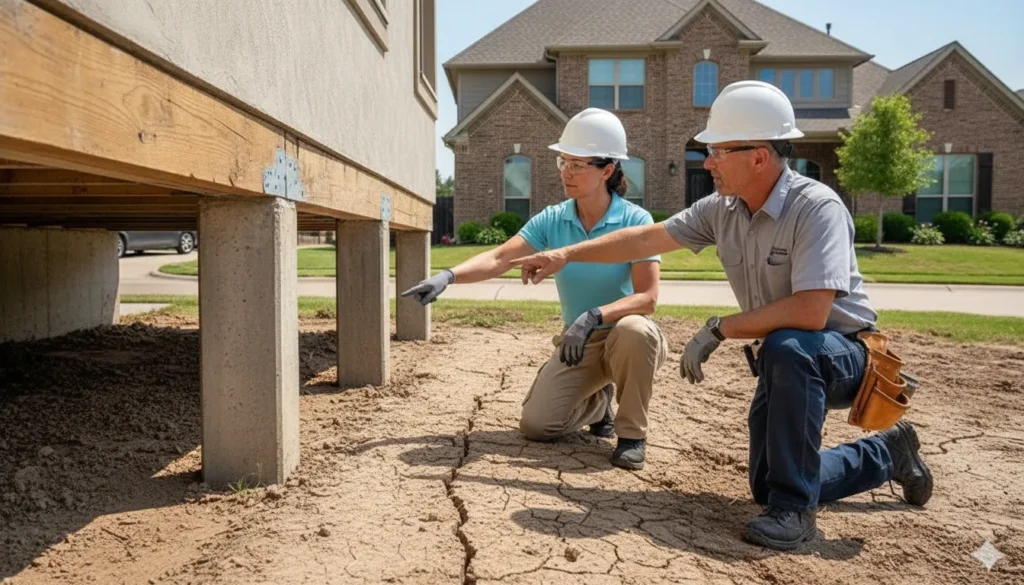
A cracked wall or sloping floor can make a Dallas fixer-upper feel like a risky purchase, but the visible symptom does not tell you the whole story. In North Texas, expansive clay soil shrinks and swells as moisture changes, creating movement that can range from manageable to structurally significant.
Buying a house with foundation problems can make sense when a professional assessment identifies the cause, the repair method, and the work’s likely scope before you negotiate. If the repair plan and associated costs are reflected in the purchase terms, a home with foundation movement may still be a sound investment.
Start by separating cosmetic cracks from signs of differential movement, then determine whether permanent stabilization, such as pier repair, fits the home’s soil conditions and layout. That evaluation gives you a clearer basis for deciding whether the property is worth pursuing in Dallas.
Schedule a free foundation inspection in Dallas. Call (940) 365-4221 for a free quote.
Is Buying a House with Foundation Problems Worth It in Dallas?
Finding cracks or signs of settling during an inspection can change the excitement of buying an older Dallas home into a difficult decision. You may love the layout, location, or character and still wonder whether the foundation issue will become an ongoing burden. In many cases, buying a house with foundation problems can be worth considering when the repair work is understood and accounted for in the purchase price. The decision should rest on a professional assessment, not on the appearance of one crack or a seller’s reassurance.
North Texas homes face a specific environmental challenge. The region’s expansive clay soil shrinks and swells as moisture levels change, creating movement beneath the structure. That movement can contribute to cracks, uneven areas, and other signs that the foundation is responding to changing soil conditions. A home with these symptoms is not automatically a home to avoid, but it is a home to evaluate carefully.
What makes the property a reasonable investment?
The most important question is whether the home’s condition, negotiated price, and repair plan align. A professional on-site assessment can identify the likely cause, severity, and scope of the problem before you commit to the purchase. From there, you can account for the repair in your offer rather than treating it as an unknown expense after closing. Avoid relying on a generic inspection note that simply says “recommend further evaluation.” Ask for enough information to understand what has moved. Why it moved, and what stabilization approach fits the site.
Repair methods should also match the soil and structure. For foundations built on highly expansive clay, underpinning is identified as a reliable remediation method. Underpinning transfers structural support to more stable bearing conditions through systems such as piers or piles. The recommended design depends on the home’s construction, access, soil conditions, and the pattern of movement.
Look for a lasting stabilization plan
A repair proposal should explain how it will address the movement, not just make a symptom less visible. Permanent pier stabilization systems can provide a structural solution for homes affected by expansive soil, while temporary corrective approaches may not address the underlying support conditions. Ask the specialist to explain the proposed system, where it will be installed, and how the work will protect the home’s long-term stability.
Do not make the decision based on a guessed repair figure. Schedule a free estimate so a qualified professional can evaluate the property and give you information specific to its foundation. With a clear assessment and a purchase price that reflects the documented work, a foundation problem can be a manageable part of buying the right Dallas home.
Why North Texas Foundations Move: The Expansive Clay Soil Factor
If a home you are considering has cracks or uneven floors. It is reasonable to wonder whether the movement reflects a local soil pattern or a serious structural concern. In North Texas, the answer often begins below the slab. Expansive clay soil is characteristic of the region, and it changes volume as its moisture level changes. That movement can affect the foundation even when the original construction was sound.
Clay soil behaves differently from a stable, granular soil. After absorbing water, it can swell and push upward against parts of a foundation. During dry periods, it can lose moisture and shrink, leaving voids or reduced support beneath other areas. When those conditions vary around a home, the foundation may not move as one unit. This uneven movement is called differential settlement or heave.
That distinction matters when you are buying a house with foundation problems. A single crack does not reveal the cause, severity, or whether movement is ongoing. The same soil conditions can produce different symptoms in different homes, depending on drainage. Grading, plumbing, trees, foundation design, and the way moisture reaches each side of the structure.
Engineering research identifies heave and settlement in expansive soils as common causes of differential foundation movement and structural distress. The issue is an interaction between the soil and the structure, not simply a defect in the concrete. You can review the technical background in this academic presentation on expansive soils and foundation movement.
Moisture control is part of foundation care
Because moisture changes drive much of the soil movement, controlling water around the house is an important part of long-term foundation care. Gutters and downspouts should direct roof runoff away from the foundation. The ground should generally grade away from the home rather than holding water beside the slab. Drainage problems, soil erosion, or concentrated runoff can create a moisture imbalance that places more stress on one area than another.
The EPA moisture-control guidance emphasizes managing moisture in building design, construction, and maintenance. That principle is especially relevant on expansive clay. Drainage and grading may not correct an established structural problem by themselves, but they can help reduce the moisture swings that contribute to continuing movement.
For a prospective buyer, the practical takeaway is to evaluate the soil conditions and moisture pattern alongside the visible symptoms. A qualified foundation assessment can determine whether the movement is consistent with normal seasonal behavior, localized drainage, or a structural condition that warrants repair.
Foundation Red Flags to Watch on a Pre-Purchase Walkthrough
A walkthrough can reveal more than cosmetic wear. Before you fall in love with a Dallas-area home, slow down and look for patterns that suggest movement beneath the structure. North Texas homes sit on expansive clay soil, which shrinks and swells as moisture levels change. That movement can place stress on the foundation and the walls, floors, doors, and trim connected to it.
One isolated hairline crack may have a simple explanation, but several signs in the same area deserve closer attention. Take photos, note where each issue appears, and share your observations with a qualified foundation professional before you make assumptions about the property. These are useful early warning signs of foundation problems, not a substitute for a structural assessment.
Inspect walls inside and outside
Scan drywall, plaster, brick, and masonry for cracks. Pay attention to cracks that run diagonally from the corners of doors or windows, continue across multiple surfaces, or appear alongside gaps and other changes. On the exterior, inspect brick joints, siding, and the areas around windows and doors. A crack by itself does not tell you the cause or severity, but a pattern across the home can point to differential movement.
Also check for separation where walls meet ceilings, floors, or adjacent sections of the house. Gaps at trim, crown molding, baseboards, or door casings can indicate that connected building components are no longer sitting in their original alignment. Record the location and approximate size of each gap rather than trying to diagnose it during the walkthrough.
Pay attention to floors, doors, and windows
Walk slowly through each room and notice whether floors feel uneven, slope noticeably, or change underfoot between rooms. Furniture placement can hide a floor transition, so look along long walls and across open spaces. Use a simple visual check for lines that appear out of level, then leave technical measurements to the inspector.
Open and close representative doors and windows throughout the home. Sticking, rubbing, or suddenly misaligned frames can reflect ordinary swelling, old hardware, or shifting around the opening. When the problem appears in several rooms, or when it occurs alongside wall cracks and trim separation, treat it as a pattern worth investigating. For more detail, review foundation damage symptoms like sticking doors.
Do not let a long red-flag list make the decision for you. The walkthrough helps you identify questions, while a professional on-site assessment determines whether the signs reflect structural distress, moisture-related movement, or a repairable cosmetic issue.
Which Foundation Issues Are Fixable, and Which Signal Bigger Trouble
Seeing foundation damage during a home search can make an otherwise promising property feel risky. In North Texas, expansive clay soil shrinks and swells as moisture levels change, so visible movement does not automatically mean a home is beyond repair. The useful question is whether the condition has a clear cause, a suitable repair method, and a realistic path to long-term stability.
A professional on-site assessment by a trained consultant is the critical first step before you negotiate. An assessment can distinguish surface symptoms from differential movement and identify whether the structure calls for monitoring, moisture management, pier repair, or deeper underpinning. Without that information, a buyer may either overreact to a manageable issue or underestimate a structural concern.
| Often addressable | Worth a closer structural look |
|---|---|
| Localized movement or repairable symptoms identified early, especially when an inspection confirms the cause and limits of the problem. | Multiple symptoms occurring together, such as wall cracks, uneven floors, or sticking doors, which can indicate broader structural distress. |
| Conditions connected to uneven moisture around the home, where drainage, grading, and other moisture controls can support the repair plan. | Movement associated with expansive clay that continues or affects several areas of the structure. The soil and structure interaction deserves a technical evaluation. |
| Settlement that a qualified contractor can stabilize with a repair method matched to the home’s construction and soil conditions. | Foundation movement requiring structural support. Underpinning with helical piles or drilled piers can provide a more permanent solution than temporary corrective measures. |
| Slab elevation concerns that may have a suitable lifting application after the underlying condition is assessed. | A proposed slab-jacking fix that does not address ongoing movement or the cause of distress. Pier repair offers a permanent structural solution compared with temporary slab-jacking fixes. |
For homes built on highly expansive clay, research identifies foundation underpinning as the most reliable remediation method. That does not mean every property requires underpinning. It means the repair decision should follow the soil conditions, the movement pattern, and the home’s structural design rather than a one-size-fits-all recommendation.
Early identification also changes the buyer’s position. Foundation issues are often manageable when a professional identifies them early and the appropriate structural method is addressed. Request a written assessment that explains the cause, severity, recommended repair, and any conditions that could affect long-term performance. That report gives you a practical basis for deciding whether to proceed, negotiate, or walk away.
Sources: Solid Base Foundations and University of Houston expansive soils presentation.
How to Get a Foundation Inspection Before You Negotiate
Finding foundation concerns during a home purchase can feel like a reason to panic, especially when you are already weighing financing, timing, and the seller’s expectations. A visible crack or sloping floor does not tell you the full story, however. In North Texas, expansive clay soil shrinks and swells as moisture levels change, so the visible symptom may not reveal the cause, severity, or appropriate repair approach. Get reliable information before you decide how to respond.
A professional on-site assessment by a trained consultant gives you a clearer basis for evaluating buying a house with foundation problems. Use this process to turn an unsettling discovery into documented information you can discuss with your agent and the seller.
- Schedule an on-site assessment before changing your offer. Arrange for a foundation repair expert to evaluate the property in person. A trained consultant can examine the foundation, observe related interior and exterior symptoms, and consider how local expansive clay may be affecting the structure. This assessment should happen before you negotiate the purchase price because a quick visual opinion from a general walkthrough rarely establishes the scope of a structural concern. For background on the local service process, see foundation repair in Dallas, TX.
- Request a written report with specific findings. Ask the specialist to document the likely cause, the severity of the movement or distress, and the recommended repair method. The report should distinguish between observations and conclusions, identify the areas examined, and explain whether the condition appears localized or affects broader sections of the home. Ask questions if the language is unclear. A written record helps you compare the assessment with the seller’s disclosures, a general home inspection, or any previous repair documents.
- Review the repair recommendation with your real estate professional. Share the report with your agent and discuss how its findings affect the transaction. The report can help you determine whether the issue is addressable, whether further evaluation is appropriate, and which documentation belongs in your negotiation. Avoid basing your decision on a generic repair figure. Soil conditions, structural movement, access, and the recommended method all influence the work, so request a property-specific estimate rather than relying on a national cost range.
- Check your inspection contingency before you commit. Review the purchase contract with your agent or real estate attorney, paying close attention to deadlines and contingency language. If the contract includes a home inspection or appraisal contingency. You may be able to walk away without losing your earnest money deposit, depending on the terms and applicable deadlines. Do not assume the protection applies automatically. Confirm the process for delivering notice and preserving your rights before taking action.
- Use the documented findings as leverage. Once you understand the condition and recommended repair, you can make a more informed request. Depending on the agreement, you might negotiate a price adjustment, request that the seller complete specified repairs, or decide that the property no longer fits your plans. Keep the request tied to the written findings and ask for clear documentation if the seller proposes work. That approach keeps the conversation focused on the home’s structural condition instead of speculation or emotion.
An inspection does not guarantee that every future movement can be predicted, particularly on soil that responds to changing moisture. It does give you a defensible starting point. With the cause, severity, and repair path documented, you can evaluate the property on facts and choose your next step with greater confidence.
What Permanent Pier Repair Offers (and Why Quick Fixes Fall Short)
When a North Texas home has moved because expansive clay has changed volume with its moisture level. The repair method matters as much as the visible crack or slope. A surface-level correction may make a floor look more even for a time, but it does not always address the soil and structural movement beneath the slab. Pier repair takes a different approach by transferring the foundation’s load to more stable supporting material and stabilizing the affected area with a structural system.
That distinction is important when you are buying a house with foundation problems. A professional assessment should identify whether the home calls for a lasting underpinning solution, localized concrete lifting, drainage improvements, or a combination of measures. The goal is not simply to conceal symptoms. It is to match the repair to the cause and the way the foundation has responded to North Texas soil conditions.
Why underpinning provides a more durable solution
Underpinning is widely recognized as a reliable remediation method for foundations built on highly expansive clay. Methods can include helical piles, drilled piers, push pins, and other pier systems selected according to the structure, soil conditions, and access. Unlike temporary slab-jacking fixes, pier repair offers a permanent structural solution designed to provide lasting stabilization. That makes it a more appropriate consideration when differential movement has affected the foundation and the underlying cause requires structural support.
Permanent stabilization does not mean every home receives the same repair plan. The number and placement of piers, the depth of support, and related drainage or moisture-control work should follow an on-site evaluation. Your written repair recommendations should explain what has moved, why it moved, and how the proposed system addresses that movement.
Where PolyLevel and micropiles fit
PolyLevel can be useful when the repair calls for lifting and leveling suitable concrete areas. Compared with mudjacking, PolyLevel cures 96 times faster, in about 15 minutes rather than 24 to 72 hours, and uses injection holes that are 60 percent smaller. Those characteristics can reduce disruption during a targeted lifting project. PolyLevel is not a substitute for structural underpinning when the foundation requires pier support, so the application should follow the assessment rather than the other way around.
Access also shapes the right solution. Micropiles work well in confined spaces such as crawlspaces, garages, and basements because their drilling equipment is small and versatile. That can be especially relevant for pier-and-beam homes where limited clearance makes larger equipment impractical. A specialist can determine whether micropiles or another underpinning method fits the structure and access conditions.
For a property under consideration, compare the proposed method with the cause of movement, not just the appearance of the finished concrete. Explore professional foundation repair in Dallas to arrange an evaluation and understand which solution supports the home’s long-term stability.
Using Your Repair Estimate as a Negotiating Tool in Dallas
Finding foundation damage during a Dallas home purchase can make an already significant decision feel uncertain. A clear repair estimate gives you something more useful than a general warning: it shows what the property may require and helps you discuss the issue with the seller in concrete terms. In North Texas, expansive clay soil can shrink and swell as moisture levels change. So an estimate should address the observed damage and the conditions contributing to it, not just visible cracks.
Once a qualified professional has assessed the home, you can use the written estimate in one of two primary ways. You may request a price reduction that reflects the documented repair work, or you may ask the seller to complete the repair before closing. The right option depends on the repair method, the timing of the transaction, and how much confidence you have in the contractor and proposed scope.
Ask for a price adjustment based on documented work
A repair estimate can support a request for a lower purchase price because it gives both parties a defined basis for the conversation. Share the assessment, clarify which areas require attention, and distinguish structural work from related recommendations such as drainage or moisture management. Avoid negotiating from a vague fear that the foundation may be costly. Focus instead on the documented scope and the work required to protect the home’s long-term stability.
This approach also helps you account for repair planning after closing. If the seller agrees to a reduction, confirm that the revised contract reflects the negotiated amount and that your lender, inspector, and closing team understand the change. Your contract may also include an inspection contingency that allows you to walk away without losing your earnest money deposit, depending on its terms and timing. Review that protection with your real estate professional before making a decision.
Request that the seller complete the repair
Some buyers prefer to ask the seller to arrange and pay for the work before the transaction closes. If you take this route, define the repair scope in writing. Specify the contractor, repair method, permits or documentation, warranty terms, and the inspection required after completion. A completed repair should not simply cover symptoms or make cosmetic cracks less noticeable. It should address the structural issue identified in the assessment.
Foundation repair is not automatically a permanent loss of value when the underlying issue is correctly addressed. Proper work restores structural integrity and gives you documentation that can help explain the home’s condition to future buyers. Ask for completion records, transferable warranties when available, and any recommended drainage or moisture-control steps. Those details matter in a region where expansive clay remains part of the local building environment.
Whether you negotiate a lower price or request seller-completed repairs, let the estimate guide the conversation rather than emotion. A professional review can clarify the repair path and give you a stronger basis for your offer. Before finalizing terms on a home with foundation concerns, consider scheduling a free estimate so you can negotiate with Dallas-specific information in hand.
Frequently Asked Questions
Is buying a house with foundation problems worth it?
It can be a reasonable purchase when a qualified inspection identifies the cause, the repair plan is clear, and the agreement accounts for the work. In North Texas, expansive clay soil can cause movement as moisture levels change. So focus on the condition of the foundation and the proposed solution rather than the presence of a single crack.
Can I negotiate the price after a foundation inspection?
Yes. Use the written inspection findings and repair estimate to support a lower purchase price, a seller credit, or a request that the seller complete the repair before closing. Keep the inspection contingency and its deadlines in view while you negotiate.
What should a foundation inspection report include?
Ask for a written explanation of the likely cause, the severity of the movement, and the recommended repair method. The report should also identify observed symptoms, such as uneven floors, wall cracks, or sticking doors, so you can compare the findings with the seller’s disclosures.
Which foundation repairs are considered permanent?
A repair specialist may recommend a permanent pier or underpinning system when the foundation requires stabilization. The appropriate system depends on soil conditions, structural movement, access, and the home’s design. A site assessment should come before you choose a method or finalize negotiations.
When should I walk away from a house with foundation issues?
Consider walking away when the seller will not allow an independent inspection, the cause remains uncertain. The proposed repair lacks a clear scope, or the contract does not give you adequate protection. A documented, addressable issue is different from a problem you cannot evaluate before closing.
Ready to Schedule Your Free Foundation Estimate?
If you are considering a Dallas fixer-upper. A professional assessment can help you understand how North Texas clay soil may affect the home’s foundation and give you clearer information for your next decision. Schedule a free foundation estimate with Solid Base Foundations to discuss the property and available repair options.
Schedule a free foundation estimate in Dallas. Call (940) 365-4221.